

Vauxhall Insignia Limp Mode Reset: How to Get Your Car Back on the Road Safely

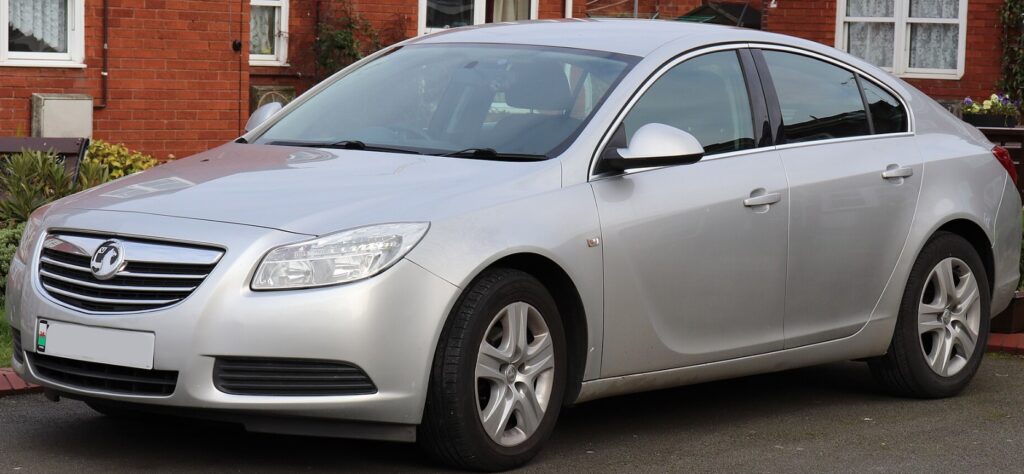
Few things are more frustrating than pressing the accelerator only to discover your Vauxhall Insignia has suddenly lost power. The engine still runs, but the car feels sluggish, struggles to accelerate, and refuses to perform the way it normally does. If this sounds familiar, your vehicle has likely entered limp mode.
Many drivers immediately search for a Vauxhall Insignia limp mode reset, hoping there's a magic button or secret procedure that instantly restores full performance. While resetting limp mode is sometimes possible, it's important to understand that limp mode is not the real problem—it's the vehicle's way of protecting itself from further damage.
Let's explore what limp mode is, why it happens, how to reset it correctly, and, most importantly, how to stop it from coming back.
Content in this publication
- What Is Limp Mode on a Vauxhall Insignia?
- Common Symptoms of Limp Mode
- Why Does the Vauxhall Insignia Enter Limp Mode?
- Can You Reset Limp Mode?
- How to Perform a Basic Limp Mode Reset
- Disconnecting the Battery
- Using an OBD2 Scanner
- Common Fault Codes That Trigger Limp Mode
- What If Limp Mode Keeps Returning?
- Is It Safe to Drive in Limp Mode?
- How to Prevent Limp Mode
- When Professional Diagnosis Is Necessary
- Final Thoughts
What Is Limp Mode on a Vauxhall Insignia?
Limp mode, sometimes called fail-safe mode, is a protective function built into your Insignia's Engine Control Unit (ECU). When the ECU detects a serious fault that could damage the engine, transmission, or emissions system, it limits vehicle performance.
Instead of allowing normal power output, the ECU reduces engine torque, restricts acceleration, and sometimes limits engine speed to around 2,500–3,000 RPM.
Think of limp mode as your body's response to an injury. If you twist your ankle, your brain forces you to walk carefully instead of sprinting. Your car does something very similar.
The goal isn't to inconvenience you—it's to prevent expensive repairs.
Common Symptoms of Limp Mode
Before attempting any reset, confirm that the vehicle is actually in limp mode.
Typical symptoms include:
- Significant loss of engine power
- Slow acceleration
- Engine won't rev beyond a certain RPM
- Automatic gearbox stuck in one gear
- Check Engine Light illuminated
- Service Vehicle Soon warning
- Reduced fuel economy
- Turbo not producing full boost
- Vehicle struggles uphill
- Cruise control disabled
Some drivers notice the problem appears only occasionally, while others experience permanent limp mode until the fault is repaired.
Why Does the Vauxhall Insignia Enter Limp Mode?
The ECU doesn't activate limp mode randomly.
It always detects a problem that falls outside normal operating parameters.
Some of the most common causes include:
Turbocharger Problems
Turbocharged Insignia engines rely on accurate boost pressure.
If the ECU detects:
- Underboost
- Overboost
- Sticking turbo vanes
- Wastegate issues
- Split boost hoses
it may immediately reduce engine power.
DPF Blockage
Diesel Insignias are especially prone to Diesel Particulate Filter (DPF) issues.
A blocked DPF creates excessive exhaust backpressure, making it difficult for exhaust gases to escape.
Common signs include:
- Poor acceleration
- Cooling fan running frequently
- High fuel consumption
- Frequent regeneration attempts
- Limp mode
Faulty EGR Valve
The Exhaust Gas Recirculation valve reduces emissions by redirecting exhaust gases.
Over time it becomes clogged with carbon deposits.
A sticking EGR valve can cause:
- Rough idle
- Poor acceleration
- Black smoke
- Limp mode activation
Mass Air Flow (MAF) Sensor Failure
The ECU depends on the MAF sensor to calculate the correct fuel-air mixture.
If airflow readings become inaccurate, the ECU limits engine performance to prevent damage.
Boost Pressure Sensor Problems
A faulty MAP or boost pressure sensor may incorrectly report turbo pressure.
Even if the turbo works perfectly, incorrect sensor readings can trigger limp mode.
Fuel Delivery Problems
Restricted fuel flow also causes reduced engine performance.
Possible causes include:
- Dirty fuel filter
- Weak fuel pump
- Injector problems
- Contaminated diesel
Transmission Faults
Automatic Insignias may enter limp mode if the transmission detects:
- Low transmission fluid
- Solenoid failure
- Internal gearbox wear
- Overheating
The gearbox often locks itself into second or third gear to reduce further damage.
Can You Reset Limp Mode?
Yes—but only under certain conditions.
A reset only works if the ECU no longer detects the original fault.
If the problem still exists, limp mode usually returns immediately after restarting the engine or driving a short distance.
That's why resetting should never replace proper diagnosis.
How to Perform a Basic Limp Mode Reset
Many temporary faults can be cleared with a simple restart.
Follow these steps:
- Park safely.
- Turn off the engine.
- Remove the key.
- Wait five to ten minutes.
- Restart the engine.
- Check if warning lights disappear.
- Drive carefully.
If the fault was temporary, normal power may return.
However, if the warning light comes back, the ECU is detecting an active issue.
Disconnecting the Battery
Some owners disconnect the battery hoping to reset the ECU.
The process is simple:
- Switch everything off.
- Disconnect the negative battery terminal.
- Wait around 15 minutes.
- Reconnect the battery.
- Start the engine.
While this may erase some temporary adaptive values on older models, it rarely fixes the underlying problem.
Modern Insignias usually store fault codes even after battery disconnection.
Using an OBD2 Scanner
The most effective way to reset limp mode is with an OBD2 diagnostic scanner.
The process is straightforward:
- Plug the scanner into the OBD port.
- Turn on the ignition.
- Read stored fault codes.
- Repair the identified issue.
- Clear the fault codes.
- Restart the vehicle.
If the repair was successful, limp mode normally disappears.
If the same code immediately returns, further diagnosis is needed.
Common Fault Codes That Trigger Limp Mode
Several diagnostic trouble codes frequently appear on the Vauxhall Insignia.
Examples include:
- P0299 – Turbo underboost
- P0234 – Turbo overboost
- P0401 – Insufficient EGR flow
- P0409 – EGR sensor fault
- P0101 – MAF sensor performance
- P2463 – DPF soot accumulation
- P2458 – DPF regeneration duration
- P2263 – Turbocharger performance
Reading these codes dramatically reduces guesswork.
What If Limp Mode Keeps Returning?
Repeated limp mode means the underlying fault has not been corrected.
Simply clearing codes without repairing the cause is like turning off a smoke alarm while the fire continues burning.
The ECU will continue protecting the vehicle until sensor readings return to normal.
Persistent limp mode usually indicates:
- Mechanical failure
- Sensor malfunction
- Wiring issue
- Air leak
- Fuel system problem
- Exhaust restriction
Is It Safe to Drive in Limp Mode?
Sometimes.
Limp mode is designed to allow you to reach a repair shop rather than leave you stranded.
However, continuing to drive long distances is risky.
If the problem involves:
- Low oil pressure
- Severe turbo failure
- Overheating
- Transmission damage
continuing to drive could significantly increase repair costs.
Drive only as far as necessary.
How to Prevent Limp Mode
Preventive maintenance dramatically reduces the chances of entering limp mode.
Follow these habits:
Change Oil on Time
Fresh oil protects:
- Turbocharger
- Timing components
- Variable valve timing systems
Poor-quality oil accelerates wear.
Replace Air Filters
A clogged air filter restricts airflow and affects turbo performance.
Replacing it at the recommended interval improves efficiency.
Use Quality Fuel
Cheap or contaminated fuel increases injector deposits and DPF problems.
Premium-quality diesel often contains detergents that help keep the fuel system cleaner.
Allow DPF Regeneration
Diesel owners should occasionally drive at motorway speeds for 20–30 minutes.
This helps the DPF complete its regeneration cycle naturally.
Inspect Turbo Hoses
Split intercooler pipes are surprisingly common.
Even a small air leak can cause boost loss and trigger limp mode.
Inspect hoses regularly for:
- Oil residue
- Cracks
- Loose clamps
- Swelling
Scan the Vehicle Regularly
Owning a basic OBD2 scanner is one of the smartest investments for any Insignia owner.
Early fault detection often prevents larger repairs later.
When Professional Diagnosis Is Necessary
If limp mode returns immediately after resetting, professional diagnostics become essential.
A technician can perform:
- Live sensor data analysis
- Turbo boost testing
- Fuel pressure testing
- Smoke testing for boost leaks
- DPF pressure measurements
- Injector balance tests
- Transmission diagnostics
These advanced tests identify problems that basic scanners cannot.
Final Thoughts
Searching for a Vauxhall Insignia limp mode reset is understandable, especially when your car suddenly loses power. However, it's important to remember that limp mode is not the fault itself—it's the vehicle's built-in safety system designed to prevent more serious damage. While restarting the engine, disconnecting the battery, or clearing diagnostic codes with an OBD2 scanner may temporarily restore normal operation, the problem will almost always return if the underlying issue remains unresolved. Whether the cause is a blocked DPF, faulty EGR valve, turbocharger issue, sensor malfunction, or fuel system problem, proper diagnosis is the key to a permanent fix. By keeping up with regular maintenance and addressing warning signs early, you can reduce the chances of your Vauxhall Insignia entering limp mode and enjoy reliable performance for years to come.
If you want to know other articles similar to Vauxhall Insignia Limp Mode Reset: How to Get Your Car Back on the Road Safely you can visit the category Service and Parts.
MG HS Tyre Pressure Guide: Correct PSI and TPMS

Toyota Yaris Cross Dashboard Symbols

BMW 3 Series Warning Lights: The Complete Guide to Understanding Every Dashboard Symbol

Nissan Qashqai Fuel Tank Capacity: Complete Guide

Suzuki Swift Fuel Tank Capacity: Complete Guide

Mazda CX-5 Weight (2013–2026): Complete Guide in Pounds and KG
Leave a Reply
More content of your interest