

Citroen C1 Common Issues: What We Should Know Before Buying, Driving, or Fixing One

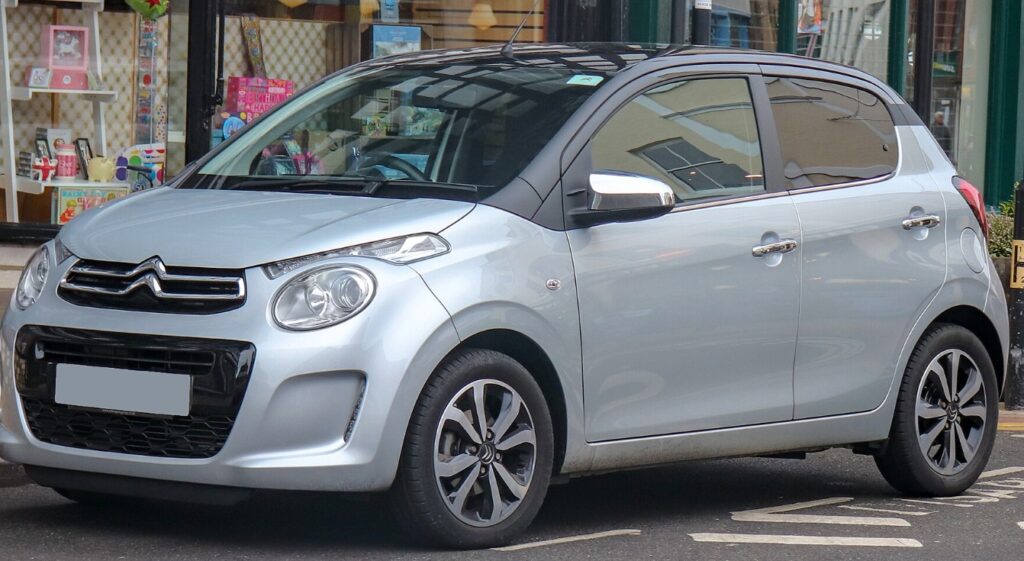
The Citroen C1 is one of those small city cars that looks harmless, friendly, and almost impossible to dislike. It is cheap to run, easy to park, light on fuel, and simple enough to make nervous new drivers feel like they have a small safety net around them. But let’s be honest: no car is perfect, not even one as cheerful and compact as the C1.
When we talk about Citroen C1 common issues, we are not saying the car is bad. In fact, the C1 has built a reputation as a reliable, low-cost runabout, especially for city driving and short commutes. The second-generation model was praised for low running costs, while reviewers often pointed out its limitations in practicality, refinement, rear-seat space, and interior quality.
Still, used examples can hide problems. Some are small annoyances, like rattles and infotainment glitches. Others, like clutch wear, water leaks, coolant loss, or steering-related faults, deserve proper attention. Think of the C1 like a small backpack: useful, light, and practical, but if one zipper breaks, suddenly the whole thing feels less convenient.
Below, we will walk through the main Citroen C1 problems, the signs to watch for, what usually causes them, and what we can do before a small issue becomes a wallet-hungry monster.
Content in this publication
- Why the Citroen C1 Is Popular Despite Its Common Issues
- Citroen C1 Common Issues at a Glance
- Clutch Problems: One of the Most Talked-About Citroen C1 Issues
- Water Leaks: A Sneaky Citroen C1 Problem
- Exhaust Problems and Rust
- Suspension Knocks and Worn Components
- Steering Issues: From Vague Feel to Serious Faults
- Infotainment Issues in Later Citroen C1 Models
- Battery Problems and Electrical Niggles
- Coolant Leaks and Water Pump Concerns
- Gearbox and Gear Selection Problems
- Brake Wear and Sticking Brakes
- Air Conditioning Weakness
- Interior Rattles and Cheap Cabin Materials
- Bodywork Damage: The City Car Battle Scars
- Engine Warning Light Issues
- Citroen C1 First Generation Common Issues
- Citroen C1 Second Generation Common Issues
- Citroen C1 Reliability: Is It Actually a Good Used Car?
- Used Citroen C1 Buying Checklist
- How to Prevent Citroen C1 Common Issues
- When Should We Walk Away From a Used Citroen C1?
- Conclusion: Citroen C1 Common Issues Are Manageable If We Buy Smart
- FAQs About Citroen C1 Common Issues
Why the Citroen C1 Is Popular Despite Its Common Issues
The Citroen C1 became popular because it keeps things simple. It is not trying to be a luxury hatchback, a family SUV, or a motorway mile-muncher. It is a city car, and it plays that role well.
Affordable Running Costs
The C1 is usually cheap to insure, cheap to fuel, and relatively inexpensive to service. Used reviews note that servicing is typically annual, with mileage limits depending on engine type, which makes it easier for owners to plan maintenance.
Simple Mechanical Layout
One big advantage of the C1 is mechanical simplicity. Smaller cars with basic petrol engines often cost less to diagnose and repair than complicated turbocharged models. That does not mean repairs are always cheap, but it does mean the car is not packed with unnecessary complexity.
The C1 shares much of its platform with the Toyota Aygo and Peugeot 107/108. That means many parts, faults, and fixes overlap. For owners, this can be good news because parts availability is usually strong.
Citroen C1 Common Issues at a Glance
Before we dive deep, let’s put the most common faults into a clear list. These are the areas we should inspect carefully when buying or maintaining a Citroen C1:
- Clutch wear, high biting point, or clutch cable problems
- Water leaks into the boot or footwells
- Exhaust corrosion or blowing noises
- Suspension knocks and worn components
- Steering column or power steering concerns
- Infotainment glitches on later models
- Battery drain or weak battery symptoms
- Central locking and electrical niggles
- Coolant leaks and water pump concerns
- Noisy cabin trim and interior rattles
- Brake wear, sticking brakes, or uneven braking
- Gearbox stiffness or awkward gear selection
- Air conditioning weakness
- Paint chips, bumper scrapes, and city-car body damage
- Engine warning lights caused by sensors or emissions-related faults
Now let’s unpack each one properly.
Clutch Problems: One of the Most Talked-About Citroen C1 Issues
If we had to choose one fault that appears again and again in discussions about older Citroen C1 models, clutch trouble would be near the top.
High Clutch Biting Point
A high biting point is one of the classic signs. The clutch may only engage near the top of the pedal travel, making the car feel awkward when pulling away. In stop-start traffic, this can become annoying quickly.
Stiff or Spongy Clutch Pedal
Some owners notice the pedal feels heavier than expected or inconsistent. On early first-generation cars, clutch cable stretch or failure is often mentioned as a common concern. WhoCanFixMyCar specifically highlights stretched or broken clutch cables on first-generation C1 models, while noting that later generations moved to a hydraulic system.
Slipping Clutch Symptoms
A slipping clutch feels like the engine is revving but the car is not accelerating properly. It is like shouting at someone through a closed window: lots of effort, not much result.
Watch for:
- Rising revs without matching acceleration
- Burning smell after hill starts
- Difficulty pulling away smoothly
- Poor performance under load
- Juddering when setting off
What Causes Citroen C1 Clutch Problems?
The C1 is often used by learner drivers, city commuters, and first-time owners. That means lots of clutch slipping, hill starts, short trips, and traffic crawling. Over time, this wears the clutch faster.
Buying Tip
When test driving a used C1, try a few slow starts, hill starts, and gear changes. If the clutch bites very high or slips under acceleration, budget for repairs or walk away.
Water Leaks: A Sneaky Citroen C1 Problem
Water leaks are another well-known complaint, especially on older C1 models and their Peugeot/Toyota siblings. This is one of those issues that can hide quietly until the cabin starts smelling like an old gym bag.
Where Water Usually Appears
Common leak areas include:
- Front footwells
- Rear footwells
- Boot floor
- Around door seals
- Around rear light clusters
- Around the aerial base
- Behind door cards
Owner reviews and used-car discussions often mention damp footwells or boot leaks, making water ingress one of the key used-buying checks.
Signs of Water Leaks
Check for:
- Musty smell inside the cabin
- Wet carpets
- Condensation on windows
- Damp boot carpet
- Rusty seat rails
- Mould under mats
- Electrical oddities after rain
Why Water Leaks Matter
A small leak is not just a comfort issue. Water can damage wiring, create mould, cause corrosion, and make the car feel neglected. Moisture and electrics are terrible roommates.
How to Inspect for Leaks
Lift the floor mats. Press your hand into the carpet. Check under the boot floor. Look around the spare wheel well if fitted. Do this after rain if possible.
H4: Simple Prevention Tip
Keep door seals clean, clear blocked drain holes, and inspect the aerial seal. Sometimes, a cheap seal repair can prevent a much bigger interior problem.
Exhaust Problems and Rust
The Citroen C1 is a small, affordable car, and many examples spend their lives doing short urban journeys. That is not always kind to exhaust systems.
Common Exhaust Symptoms
A failing exhaust may cause:
- Loud blowing noise
- Rattling from underneath
- Smell of fumes
- Reduced fuel economy
- Failed emissions test
- Visible rust or holes
Why Short Trips Make It Worse
Short journeys do not always let the exhaust heat up properly. Moisture can sit inside the system, helping corrosion develop. Over time, the exhaust can rust from the inside out.
What We Should Check
Look underneath the car for rusty joints, damaged brackets, and loose heat shields. On a test drive, listen for a deeper-than-normal exhaust note.
Suspension Knocks and Worn Components
The C1 is light and nimble, but British-style potholes, speed bumps, and kerbs can punish its suspension.
Common Suspension Complaints
Owners may notice:
- Knocking over bumps
- Creaking from the front
- Uneven tyre wear
- Loose or vague handling
- Pulling to one side
- Clunking when turning
Likely Causes
Possible causes include worn drop links, tired bushes, damaged springs, worn shock absorbers, or poor wheel alignment.
Why City Cars Suffer Here
Small cars often live near kerbs, tight parking spaces, speed humps, and rough urban roads. The suspension spends its life being tapped, bumped, and twisted like a shopping trolley with ambition.
H4: Buyer’s Check
Look at tyre wear. If the front tyres are wearing unevenly, suspension alignment or worn components may be involved.
Steering Issues: From Vague Feel to Serious Faults
Steering issues should never be ignored. On the Citroen C1, common complaints can range from light steering feel to more serious steering column concerns.
Steering Column Concerns
Used reliability guidance from What Car? lists steering column failure as a potential issue on the 2014-2022 Citroen C1.
You may be interested in reading Citroen C1 Electric Window Not Working: Causes, Fixes, and Smart Troubleshooting Guide
Symptoms to Watch For
Be alert if the steering:
- Feels notchy
- Makes clicking noises
- Becomes unusually heavy
- Fails to self-centre properly
- Feels loose or inconsistent
- Shows warning lights
Power Steering Warning Signs
If the power steering warning light appears, we should not keep driving casually and hope it disappears forever. It may be a low-voltage issue, a sensor problem, or a more serious steering system fault.
Infotainment Issues in Later Citroen C1 Models
Later Citroen C1 models gained more modern cabin technology, but technology brings its own little gremlins.
Common Infotainment Complaints
What Car? identifies infotainment issues among common problems for used 2014-2022 C1 models.
Possible symptoms include:
- Screen freezing
- Bluetooth not connecting
- Phone mirroring problems
- Random restarts
- Touchscreen lag
- Audio cutting out
Is It Usually Serious?
Most infotainment issues are annoying rather than catastrophic. But if we rely on Bluetooth calls, navigation, or smartphone connection every day, it can become frustrating.
What to Test Before Buying
Pair a phone. Make a call. Try the radio. Test USB input. Check the touchscreen response. A five-minute test can save weeks of irritation.
Battery Problems and Electrical Niggles
The Citroen C1 does not have the massive electrical complexity of premium cars, but weak batteries and small electrical faults still happen.
Weak Battery Symptoms
A weak battery may cause:
- Slow cranking
- Clicking when starting
- Dashboard warning lights
- Stop-start problems on equipped models
- Radio memory loss
- Central locking issues
Short Trips Are the Enemy
Many C1s are used for short trips: school runs, supermarket visits, and work commutes. The battery may not get enough time to recharge properly.
Electrical Gremlins
Common smaller electrical annoyances can include:
- Central locking inconsistency
- Window switch faults
- Interior light issues
- Warning lights after battery replacement
- Sensor-related dashboard alerts
H4: Maintenance Tip
If the car does mostly short trips, consider periodic longer drives or a battery health check before winter.
Coolant Leaks and Water Pump Concerns
Coolant issues deserve immediate attention because overheating can turn a cheap city car into an expensive driveway ornament.
Water Pump Leaks
Water pump leaks are frequently discussed in relation to C1 ownership, particularly older models. Some repair guides and owner discussions mention coolant loss and water pump failure as issues to watch for.
Warning Signs
Look for:
- Coolant level dropping
- Sweet smell near the engine
- Pink, green, or orange residue
- Heater blowing cold
- Steam from engine bay
- Overheating warning
Why We Should Act Quickly
Driving with low coolant can damage the head gasket or engine. A small leak today can become a four-figure repair tomorrow.
Gearbox and Gear Selection Problems
The C1’s manual gearbox should feel light enough for everyday use, but some cars develop stiff or vague gear selection.
Common Gearbox Symptoms
Watch for:
- Difficulty selecting first gear
- Crunching into reverse
- Gear lever feeling loose
- Resistance when changing gears
- Grinding noises
Possible Causes
Sometimes the gearbox is blamed when the clutch is actually the problem. A worn clutch, stretched cable, poor adjustment, or tired linkage can make gears harder to select.
When to Worry
A little notchiness when cold may not be dramatic. Grinding, jumping out of gear, or severe stiffness is a different story.
Brake Wear and Sticking Brakes
Because the Citroen C1 is light, brakes are usually affordable to maintain. But that does not mean they can be ignored.
Symptoms of Brake Problems
Common signs include:
- Squealing
- Grinding
- Pulling to one side
- Vibration under braking
- Handbrake not holding
- Burning smell from a wheel
- Poor brake pedal feel
Why Rear Brakes Can Suffer
On small, light cars, rear brakes may not work as hard as the fronts. If the car sits unused or only does short trips, corrosion can build up.
Buying Tip
After a test drive, gently check whether one wheel feels unusually hot compared with the others. A dragging brake can create heat.
Air Conditioning Weakness
Air conditioning is easy to overlook during a test drive, especially in cooler weather. But when summer arrives, a weak system becomes obvious.
Common Air Conditioning Problems
Possible issues include:
- No cold air
- Weak airflow
- Bad smell
- Noisy fan
- Compressor not engaging
- Refrigerant leak
Simple Test
Turn the air conditioning on full cold and wait. If the air does not cool after a few minutes, the system needs inspection.
Do Not Assume It “Just Needs a Regas”
Sellers love saying this. Sometimes it is true. Sometimes the system has a leak, compressor fault, or condenser damage.
Interior Rattles and Cheap Cabin Materials
The C1 was built to be affordable. That means some cabin plastics feel basic, especially compared with larger hatchbacks.
Common Cabin Complaints
Owners may notice:
- Dashboard rattles
- Door trim vibration
- Seat squeaks
- Loose trim clips
- Road noise
- Wind noise at higher speeds
Auto Express praised the C1 for being easy to drive and reasonably priced, but also listed interior quality and limited rear-seat space among its drawbacks.
Should This Put Us Off?
Not necessarily. A city car does not need to feel like a luxury lounge. But if we want refinement, silence, and soft-touch materials, the C1 may feel too basic.
Bodywork Damage: The City Car Battle Scars
The Citroen C1 spends much of its life in tight spaces. Supermarket car parks, narrow streets, kerbs, and city traffic are its natural habitat.
Common Bodywork Issues
Look for:
- Scraped bumpers
- Dented doors
- Kerbed wheels
- Stone chips
- Cracked mirror caps
- Poor paint repairs
- Misaligned panels
What Car? advises used buyers to check for kerb damage, bumper scrapes, and dents because repairs can be costly relative to the car’s value.
You may be interested in readingCitroen C1 Electric Window Not Working: Causes, Fixes, and Smart Troubleshooting GuideYou may be interested in reading
Citroen C1 Key Won’t Turn: Causes, Fixes, and Smart Troubleshooting GuideWhy It Matters
A few scratches may not affect reliability, but they affect resale value. Poor repairs can also hide bigger accident damage.
Engine Warning Light Issues
The C1’s engine is usually robust when serviced properly, but warning lights can still appear.
Common Causes of Engine Lights
Possible triggers include:
- Oxygen sensor fault
- Loose fuel cap
- Misfire
- Catalytic converter issue
- Dirty throttle body
- Emissions sensor problem
- Weak battery voltage confusing sensors
What We Should Do
Do not guess. Use an OBD scanner to read the fault code. The code does not always tell the full story, but it gives us a starting point.
When It Is Urgent
If the engine light flashes, the engine misfires badly, or the car loses power, stop driving and investigate. A flashing light can indicate a fault that may damage the catalytic converter.
Citroen C1 First Generation Common Issues
The first-generation Citroen C1, sold from the mid-2000s into the 2010s, is loved for low-cost motoring. But age now matters.
Most Common First-Generation Problems
Typical issues include:
- Clutch cable stretch or failure
- Water leaks
- Exhaust corrosion
- Worn suspension bushes
- Battery weakness
- Interior rattles
- Coolant leaks
- Bodywork damage
Why Age Is the Big Factor
Even a reliable car gets tired. Rubber seals harden. Bushes wear. Exhausts rust. Batteries weaken. A cheap older C1 can still be a great buy, but only if it has been cared for.
Citroen C1 Second Generation Common Issues
The second-generation C1, produced from 2014 to 2022, feels more modern and stylish. However, it has its own points to check.
Common Second-Generation Problems
Look out for:
- Infotainment glitches
- Steering column concerns
- Battery issues
- Air conditioning faults
- Trim rattles
- Clutch wear on higher-mileage cars
- City-use bodywork damage
Is the Later C1 More Reliable?
In many ways, yes. But newer does not mean fault-free. A badly maintained 2018 car can be worse than a lovingly maintained 2012 car.
Citroen C1 Reliability: Is It Actually a Good Used Car?
Overall, the Citroen C1 can be a very sensible used car. It is not glamorous, but it does the basics well.
Why We Like It
We like the C1 because it is:
- Easy to drive
- Cheap to fuel
- Simple to park
- Usually affordable to maintain
- Good for learners
- Practical enough for short urban trips
Where It Falls Short
We need to accept its limits:
- Small boot
- Limited rear space
- Basic cabin materials
- Noisy at motorway speeds
- Not ideal for long-distance comfort
- Some older examples feel tired
The Honest Verdict
The C1 is a good car when bought carefully. It is not the kind of car that hides neglect well. If maintenance has been skipped, even simple repairs can stack up quickly.
Used Citroen C1 Buying Checklist
Before buying, we should inspect the car like we are checking a rental apartment before signing the lease. Small signs matter.
Exterior Checks
Look for:
- Bumper scrapes
- Kerbed wheels
- Uneven panel gaps
- Rust under the car
- Cracked lights
- Poor paint matching
Interior Checks
Check:
- Damp carpets
- Musty smell
- Seat wear
- Dashboard warning lights
- Touchscreen functions
- Electric windows
- Central locking
Mechanical Checks
Test:
- Clutch biting point
- Gear selection
- Braking feel
- Steering response
- Suspension noises
- Engine idle
- Coolant level
- Oil condition
Paperwork Checks
Ask for:
- Service history
- MOT history
- Repair invoices
- Recall work evidence
- Spare key
- Owner’s manual
How to Prevent Citroen C1 Common Issues
The best repair is the one we never need. Preventive maintenance keeps the C1 feeling fresh.
Service It on Time
Do not stretch oil changes forever. Small engines work hard, especially in city traffic.
Check Fluids Monthly
Keep an eye on:
- Engine oil
- Coolant
- Brake fluid
- Screen wash
Do Not Ignore Damp
Water leaks only get worse. If carpets are damp, find the source quickly.
Listen to New Noises
A knock, squeak, or rattle is the car whispering before it starts shouting.
Drive It Properly
Avoid riding the clutch. Use the handbrake on hills. Let the car warm up gently. Simple habits matter.
When Should We Walk Away From a Used Citroen C1?
Some cars are worth fixing. Others are trouble wearing a cute badge.
Red Flags
Walk away if you notice:
- Severe clutch slip
- Coolant loss with overheating signs
- Heavy water ingress
- Multiple warning lights
- Poor crash repairs
- No service history
- Gearbox grinding
- Steering faults
- Seller avoiding questions
The Golden Rule
A cheap C1 is only cheap if it does not need a shopping list of repairs. The purchase price is just the opening scene.
Conclusion: Citroen C1 Common Issues Are Manageable If We Buy Smart
The Citroen C1 common issues list may look long at first, but most faults are predictable, visible, and manageable. Clutch wear, water leaks, exhaust rust, suspension knocks, steering concerns, infotainment glitches, and battery problems are the big things we should keep on our radar.
The good news? The C1 is simple, affordable, and generally reliable when maintained properly. It is not built to feel luxurious or powerful. It is built to move us through daily life without drama, like a reliable pair of trainers by the front door.
If we inspect carefully, test drive properly, check the paperwork, and avoid neglected examples, the Citroen C1 can still be a cracking little city car. Small, yes. Basic, yes. But also useful, economical, and surprisingly charming.
FAQs About Citroen C1 Common Issues
1. What is the most common problem with the Citroen C1?
One of the most commonly discussed Citroen C1 issues is clutch wear, especially on older first-generation models. A high biting point, slipping, stiff pedal, or difficult gear changes can all point toward clutch-related trouble.
2. Do Citroen C1 cars suffer from water leaks?
Yes, some Citroen C1 models can suffer from water leaks into the footwells or boot. Common areas include door seals, rear light seals, aerial seals, and door membranes. Always check carpets and the boot floor before buying.
3. Is the Citroen C1 reliable?
The Citroen C1 is generally considered a reliable small car when serviced properly. However, used examples should be checked carefully for clutch problems, leaks, suspension wear, electrical issues, and signs of poor maintenance.
You may be interested in readingCitroen C1 Electric Window Not Working: Causes, Fixes, and Smart Troubleshooting GuideYou may be interested in reading
Citroen C1 Key Won’t Turn: Causes, Fixes, and Smart Troubleshooting GuideYou may be interested in reading
Citroën C1 Key Fob Not Working: The Ultimate Fix-It Guide4. Are Citroen C1 repairs expensive?
Most Citroen C1 repairs are relatively affordable compared with larger or more complex cars. However, costs can still add up if the car needs a clutch, exhaust, tyres, brakes, water leak repairs, and suspension work at the same time.
5. What should we check before buying a used Citroen C1?
Before buying a used Citroen C1, check the clutch, gearbox, coolant level, carpets for damp, exhaust condition, suspension noises, steering feel, infotainment system, service history, and bodywork damage.
If you want to know other articles similar to Citroen C1 Common Issues: What We Should Know Before Buying, Driving, or Fixing One you can visit the category Common Problems.
Audi A4 Issues: Common Problems, Symptoms, and What Owners Should Know
Audi A4 Glow Plug Light Flashing: Causes, Diagnosis, and Fixes
Audi A4 1.4 TFSI Problems: Reliability, Symptoms, and Fixes

Ram 1500 Smells Like Coolant: Causes, Diagnosis, and Fixes

Problems With Hyundai Veloster: Common Issues, Warning Signs, and What Owners Should Know

Mazda 6 No Sound From Radio: Causes, Diagnosis, and Fixes
Leave a Reply
More content of your interest