
Citroen C1 Good Car: Is This Tiny City Car Still Worth Buying?

Content in this publication
- Introduction: Why We Still Talk About the Citroen C1
- What Is the Citroen C1?
- Is the Citroen C1 a Good Car Overall?
- Citroen C1 Driving Experience
- Citroen C1 Engine Performance
- Citroen C1 Fuel Economy
- Citroen C1 Reliability
- Common Citroen C1 Problems
- Citroen C1 Interior Quality
- Rear Seat Space and Practicality
- Citroen C1 Boot Space
- Citroen C1 Running Costs
- Citroen C1 Safety
- Citroen C1 as a First Car
- Citroen C1 for Commuting
- Citroen C1 Compared with Toyota Aygo and Peugeot 108
- Best Citroen C1 Years to Consider
- What to Check Before Buying a Used Citroen C1
- Is the Citroen C1 Comfortable?
- Is the Citroen C1 Good in Winter?
- Citroen C1 Maintenance Tips
- Citroen C1 Pros and Cons
- Who Should Buy a Citroen C1?
- Final Verdict: Is the Citroen C1 a Good Car?
- FAQs About the Citroen C1
Introduction: Why We Still Talk About the Citroen C1
The Citroen C1 is one of those small cars that sneaks into the conversation whenever we talk about cheap motoring, city driving, first cars, and easy ownership. It is not flashy. It is not powerful. It is not the kind of car that makes people stop in the street and stare. But that is exactly where its charm begins.
When we ask, “Is the Citroen C1 a good car?”, we are not really asking whether it can outrun a hot hatch or cruise like a luxury saloon. We are asking something much more practical. Can it get us around without draining our wallet? Is it reliable enough? Is it comfortable enough? Is it simple enough to live with every day?
And honestly, that is where the Citroen C1 starts to shine.
The C1 was designed as a lightweight, affordable city car. It shares much of its DNA with the Peugeot 107, Peugeot 108, and Toyota Aygo, which is good news for buyers because parts, servicing knowledge, and general maintenance are widely available. Think of it like a dependable pair of trainers: not glamorous, but easy to wear, easy to trust, and surprisingly hard to replace once we get used to it.
So, let’s dig deep into what makes the Citroen C1 good, where it falls short, and whether it still deserves a place on our shortlist.
What Is the Citroen C1?
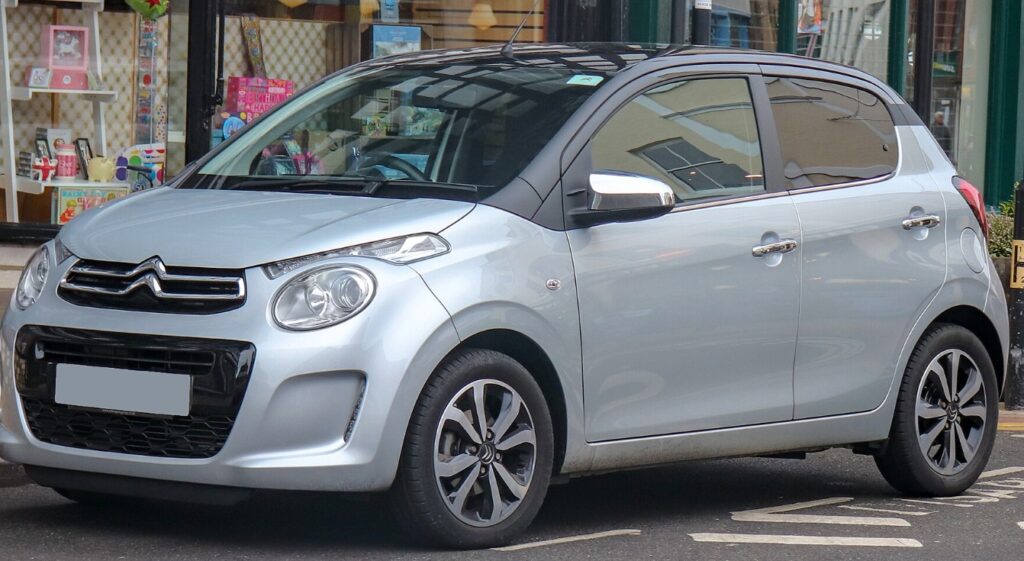
The Citroen C1 is a compact city car built mainly for urban driving. It first appeared in the mid-2000s and became popular among learners, students, commuters, and anyone who wanted low running costs without too much fuss.
It came as either a three-door or five-door hatchback, depending on the generation and trim. The recipe was simple: small petrol engine, light body, easy controls, low insurance, and cheap servicing.
A Car Built for Simple Motoring
The Citroen C1 was never trying to be complicated. That is part of its appeal. Some cars feel like laptops on wheels, full of menus, sensors, screens, warnings, and features we barely use. The C1 feels more like a kettle: switch it on, use it, and get on with your day.
That simplicity makes it attractive for people who do not want expensive surprises. Fewer complicated systems usually means fewer expensive things to go wrong.
Who Is the Citroen C1 For?
The Citroen C1 suits drivers who value practicality over prestige. It is especially good for:
- First-time drivers
- City commuters
- Students
- Retired drivers wanting something easy
- Second-car households
- Budget-conscious buyers
- Drivers who mostly do short journeys
- People who want low insurance and low fuel costs
If our daily life involves tight parking spaces, supermarket runs, school drop-offs, short commutes, and stop-start traffic, the C1 fits right in.
Is the Citroen C1 a Good Car Overall?
Yes, the Citroen C1 is a good car if we judge it by what it was designed to do. It is affordable, economical, easy to drive, simple to park, and generally dependable when properly maintained.
But there is a catch. It is not a good car for every driver.
If we regularly travel long distances, carry adults in the back, need a large boot, or want strong motorway performance, the C1 can feel limited. It is a small city car, not a grand tourer. Expecting it to behave like a family hatchback is like asking a bicycle to tow a caravan.
The Short Verdict
The Citroen C1 is good because it offers:
- Low running costs
- Strong city driving ability
- Easy parking
- Simple mechanical design
- Good fuel economy
- Affordable insurance
- Decent reliability
- Cheerful character
It is less impressive because it has:
- Limited boot space
- Basic interior materials
- Modest performance
- Road noise at higher speeds
- Tight rear-seat space
- Fewer luxury features
So, is the Citroen C1 good? Yes, if we want cheap, simple, honest transport.
Citroen C1 Driving Experience
The Citroen C1 feels light, nimble, and easy-going. Around town, it is in its natural habitat. The steering is light, visibility is good, and the car’s compact size makes narrow streets feel less stressful.
City Driving: Where the C1 Feels at Home
In the city, the C1 feels like a fish in water. It slips through traffic easily, fits into small gaps, and makes parking feel less like a test of patience.
The turning circle is tight, the clutch is usually light, and the controls are beginner-friendly. For new drivers, that matters. A car that feels easy from day one can build confidence quickly.
Motorway Driving: Capable but Not Relaxed
Can the Citroen C1 drive on the motorway? Yes. Is it the most relaxing motorway car? Not really.
At higher speeds, the small engine needs to work harder. Wind noise and road noise become more noticeable, and overtaking requires planning. The C1 can manage longer journeys, but we need to remember what it is: a city car with a small engine and lightweight construction.
For occasional motorway trips, it is fine. For daily long-distance motorway commuting, we might prefer something larger and more refined.
Citroen C1 Engine Performance
Most Citroen C1 models use a small petrol engine, commonly a 1.0-litre three-cylinder unit. Some later versions were also available with a slightly larger petrol engine in certain markets.
The 1.0-litre engine is not fast, but it is lively enough around town. Because the car is light, it does not need huge power to feel usable at lower speeds.
Is the Citroen C1 Slow?
By modern standards, yes, the Citroen C1 is slow. But slow does not always mean bad.
In city traffic, where speed limits are low and acceleration happens in short bursts, the C1 feels perfectly adequate. The problem appears when we ask it to accelerate quickly onto fast roads or overtake uphill.
It is a car that rewards patience. Push it hard and it sounds busy. Drive it gently and it feels happy.
Manual vs Automatic
Many buyers prefer the manual Citroen C1 because it feels more responsive and is usually cheaper to maintain. Some automatic versions use automated manual gearboxes, which can feel jerky compared with a traditional automatic.
If smooth driving is important, we should test drive the automatic carefully before buying. Some drivers adapt to it, while others find it awkward.
Citroen C1 Fuel Economy
Fuel economy is one of the biggest reasons people like the Citroen C1. It is light, small, and efficient, which means it can be very cheap to run.
In real-world driving, fuel economy depends on traffic, maintenance, tyre pressure, driving style, and journey type. Still, compared with larger cars, the C1 usually performs well.
Why the C1 Is Cheap on Fuel
The Citroen C1 saves fuel because it has:
- A small engine
- Low weight
- Compact tyres
- Simple drivetrain
- Modest power demands
- Efficient city-focused design
It does not need to drag around unnecessary bulk. In a world where many cars seem to get bigger every year, the C1 feels refreshingly lean.
Best Driving Style for Economy
To get the best fuel economy from a Citroen C1, we should:
- Avoid harsh acceleration
- Keep tyres correctly inflated
- Change gears smoothly
- Remove unnecessary weight
- Service the car on time
- Avoid sitting with the engine idling
- Plan ahead in traffic
Drive it gently and the C1 rewards us like a careful little accountant.
Citroen C1 Reliability
Reliability is one of the Citroen C1’s strongest selling points, especially because of its shared platform with Toyota’s Aygo. The mechanical package is simple, proven, and generally robust.
That does not mean every C1 is perfect. Age, mileage, maintenance history, and previous ownership matter a lot.
Is the Citroen C1 Reliable?
Yes, the Citroen C1 is generally considered reliable when looked after properly. The small petrol engine is usually durable, and many owners report low running costs over several years.
However, like any used car, it can suffer from wear-and-tear issues. We should not buy one blindly just because it has a reliable reputation.
You may be interested in reading Is Citroën C1 Reliable? The Real-World Truth You Need to Know
Common Reliability Strengths
The C1 has several reliability advantages:
- Simple petrol engines
- No overly complex drivetrain
- Affordable replacement parts
- Easy servicing
- Wide mechanical knowledge
- Shared components with other popular city cars
This is not a car that usually needs specialist attention for every little problem. Most independent garages can work on it without drama.
Common Citroen C1 Problems
Even good cars have weak spots, and the Citroen C1 is no exception. Knowing the common issues helps us buy smarter and avoid nasty surprises.
Water Leaks
Some C1 models can suffer from water leaks, especially around the boot, rear lights, door seals, or high-level brake light area. Damp carpets or a musty smell should always be checked.
Water leaks may sound minor, but they can lead to electrical issues, mould, and corrosion if ignored.
Clutch Wear
The clutch can wear, especially on cars used heavily in city traffic or driven by learners. A high biting point, slipping under acceleration, or difficulty selecting gears may suggest clutch trouble.
Exhaust Wear
Because many C1s are used for short trips, exhaust systems can suffer from condensation and corrosion. A blowing exhaust, rattling sound, or strong fumes should be investigated.
Suspension Noise
Knocks or rattles from the suspension may come from worn drop links, bushes, or other age-related components. These issues are usually not shocking in cost, but they are worth checking.
Battery Issues
Short journeys can be hard on batteries. If the car struggles to start, especially in cold weather, the battery may be weak.
Citroen C1 Interior Quality
The Citroen C1 interior is simple, cheerful, and functional. It is not luxurious, and we should not expect soft-touch materials everywhere. Most surfaces are hard plastic, but the cabin is easy to use.
Cabin Design
The dashboard is straightforward. Buttons are usually easy to understand, and the driving position is decent for a small city car. Later models feel more modern, especially with better infotainment options and brighter trim choices.
The interior has a playful feel. It does not pretend to be premium, and that honesty helps. We are not being sold a luxury dream. We are getting a compact car that does the basics well.
Comfort for Front Passengers
Front-seat space is surprisingly acceptable. Taller drivers may find it a bit narrow, but most people can get comfortable enough for short and medium journeys.
The seats are not plush armchairs, but they suit the car’s purpose. For city driving, shopping trips, commuting, and errands, they are perfectly fine.
Rear Seat Space and Practicality
The rear seats are best for children or occasional adult use. Adults can fit, but they may not want to stay there for hours.
Is the Citroen C1 Good for Families?
The Citroen C1 can work for a small family in limited situations, especially as a second car. But as a main family car, it has clear limits.
The rear space is tight, the boot is small, and fitting bulky child equipment can become annoying. It can handle school runs, but it is not ideal for holidays, prams, and full weekly shopping loads all at once.
Three-Door vs Five-Door
A five-door Citroen C1 is more practical than a three-door version. If we regularly carry passengers, children, or bags, the five-door makes life easier.
The three-door looks neat, but climbing into the rear seats can become frustrating.
Citroen C1 Boot Space
Boot space is limited. That is one of the biggest compromises of owning a C1.
It can handle a few shopping bags, a small suitcase, or daily essentials. But if we need to carry large loads, sports gear, tools, or holiday luggage, the C1 quickly runs out of space.
How Practical Is the Boot?
The boot is practical for:
- Small grocery runs
- Gym bags
- Work bags
- School bags
- Compact luggage
- Emergency items
It is less practical for:
- Large suitcases
- Big prams
- Flat-pack furniture
- Family holidays
- Heavy equipment
The rear seats can usually fold down, which improves flexibility, but the C1 is still a small car at heart.
Citroen C1 Running Costs
Running costs are where the Citroen C1 becomes genuinely attractive. This is one of its strongest arguments.
Cheap Insurance
The C1 often sits in low insurance groups, although the exact cost depends on model year, engine, trim, driver age, location, claims history, and insurer.
For young drivers and new drivers, that low insurance potential is a major benefit. Insurance can make or break the affordability of a first car, and the C1 usually keeps things sensible.
Affordable Servicing
Servicing is usually affordable because the car is mechanically simple. Parts are widely available, and labour times are not usually excessive.
Basic maintenance such as oil changes, filters, spark plugs, brakes, tyres, and batteries should not be painfully expensive compared with larger cars.
Low Tyre Costs
The Citroen C1 uses small tyres, which are typically cheaper than the larger tyres fitted to SUVs and executive cars.
That might sound like a small detail, but over years of ownership, affordable tyres matter.
Citroen C1 Safety
The Citroen C1 is small, so it does not offer the same sense of security as a larger vehicle. However, later models improved in safety equipment compared with early versions.
Safety in City Use
For city driving, the C1 feels secure enough when driven sensibly. Visibility is good, braking is predictable, and the car is easy to control.
Still, buyers should check the exact safety features fitted to the model they are considering. Equipment can vary by year and trim.
Important Safety Features to Look For
When buying a used Citroen C1, we should look for features such as:
- ABS
- Stability control
- Front and side airbags
- ISOFIX child seat mounts
- Tyre pressure monitoring
- Emergency braking features on newer models, where available
A newer, better-equipped C1 may be worth paying extra for if safety matters strongly.
Citroen C1 as a First Car
The Citroen C1 is one of the strongest first-car choices in the used market. It is small, cheap, simple, and easy to drive.
Why Learners and New Drivers Like It
New drivers often need a car that feels forgiving. The C1 delivers that. It is not intimidating. It does not feel too wide. It does not have excessive power. It encourages calm, simple driving.
For someone building confidence, that matters more than horsepower.
First-Car Advantages
The Citroen C1 is good as a first car because it offers:
You may be interested in readingIs Citroën C1 Reliable? The Real-World Truth You Need to KnowYou may be interested in reading
Is the Citroën C1 a Good First Car? The Honest, Real-World Answer- Easy parking
- Light steering
- Low insurance potential
- Good fuel economy
- Simple controls
- Affordable repairs
- Manageable size
- Friendly driving feel
It is like learning to cook with a simple recipe before tackling a five-course dinner.
Citroen C1 for Commuting
For short commutes, the Citroen C1 is excellent. It is cheap to fuel, easy to park, and low-stress in traffic.
Best Commute Type for the C1
The C1 works best for:
- Urban commutes
- Suburban driving
- Short daily trips
- Low-speed traffic
- Parking-limited areas
- Train station runs
It is less ideal for:
- Long motorway commutes
- High-speed daily driving
- Rough rural roads
- Carrying several passengers daily
- Heavy luggage needs
If our commute is mostly city-based, the C1 makes a lot of sense.
Citroen C1 Compared with Toyota Aygo and Peugeot 108
The Citroen C1, Toyota Aygo, and Peugeot 108 are closely related. They share many components, engines, and structural elements.
Citroen C1 vs Toyota Aygo
The Toyota Aygo often carries a slightly stronger reliability image because of the Toyota badge. However, because the cars are so closely linked, the real-world difference may depend more on condition and service history than badge alone.
The Aygo may hold value better, while the C1 can sometimes be cheaper to buy.
Citroen C1 vs Peugeot 108
The Peugeot 108 is also very similar. Styling and trim differences may influence the choice more than mechanical differences.
If we are shopping used, the best option is often the cleanest, best-maintained car at the right price, rather than obsessing over the badge.
Best Citroen C1 Years to Consider
The best Citroen C1 for us depends on budget. Newer models generally offer better refinement, improved technology, and more modern safety features.
Older Models
Older C1s are usually very cheap to buy. They can be great budget cars, but condition becomes critical. Rust, clutch wear, leaks, tyres, brakes, and service history should be checked carefully.
Later Models
Later models feel more grown-up. They often have better styling, improved interiors, and more equipment. They may cost more upfront, but they can be nicer to live with daily.
What to Check Before Buying a Used Citroen C1
A used Citroen C1 can be a great buy, but only if we inspect it properly.
Used Citroen C1 Buying Checklist
Before buying, check:
- Service history
- MOT or inspection history
- Clutch feel
- Gearbox smoothness
- Signs of water leaks
- Damp carpets
- Boot floor condition
- Tyre condition
- Brake wear
- Exhaust noise
- Suspension knocks
- Warning lights
- Battery health
- Air conditioning operation
- Central locking and key fob
- Accident damage signs
A cheap car can become expensive if we ignore obvious warning signs.
Test Drive Tips
During the test drive, listen and feel carefully. The car should start easily, idle smoothly, pull cleanly, brake straight, and change gears without crunching.
If something feels wrong, do not let excitement talk us into ignoring it.
Is the Citroen C1 Comfortable?
Comfort is acceptable for a small city car. Around town, the ride is usually fine, though rough roads can make it feel bouncy or firm.
Short Trips
For short trips, the C1 is comfortable enough. The seats are simple, the cabin is bright, and the controls are easy.
Long Journeys
On long journeys, the C1 can feel tiring. Road noise, limited seat support, and small-car refinement become more noticeable.
It can do longer trips, but it is not where the car feels happiest.
Is the Citroen C1 Good in Winter?
The Citroen C1 can be good in winter if it has proper tyres, a healthy battery, and regular maintenance.
Because it is light, it may not feel as planted as a larger car in strong winds or poor weather. However, its modest power means it is not difficult to control.
Winter Ownership Tips
To keep a C1 happy in winter:
- Check the battery
- Use good-quality tyres
- Keep washer fluid topped up
- Check lights regularly
- Replace worn wiper blades
- Keep the fuel tank reasonably filled
- Check coolant strength
Small cars can be dependable winter companions if we prepare them properly.
Citroen C1 Maintenance Tips
A Citroen C1 does not ask for much, but it does need basic care. Neglect is the enemy of any cheap car.
Simple Maintenance Matters
To keep a C1 reliable, we should:
- Change oil on schedule
- Replace filters when needed
- Check tyre pressure monthly
- Listen for unusual noises
- Fix leaks early
- Keep the battery charged
- Replace worn brakes promptly
- Use quality parts
A C1 is like a small garden. Ignore it and weeds appear. Care for it and it stays pleasant.
Citroen C1 Pros and Cons
Main Advantages
The Citroen C1 is good because it is:
- Cheap to buy
- Cheap to run
- Easy to park
- Simple to drive
- Fuel efficient
- Mechanically straightforward
- Great for cities
- Good for new drivers
- Usually affordable to repair
Main Disadvantages
The Citroen C1 may disappoint because it has:
- Small boot
- Limited rear space
- Basic cabin materials
- Modest performance
- Noticeable road noise
- Limited motorway comfort
- Less prestige than some rivals
Who Should Buy a Citroen C1?
The Citroen C1 is ideal for someone who wants an affordable, simple, city-friendly car. It is not trying to be everything. That focus is its strength.
The C1 Makes Sense If We Want:
- A low-cost first car
- A city runabout
- A second household car
- A cheap commuter
- A simple used car
- Easy parking
- Low fuel bills
We Might Avoid It If We Need:
- Lots of space
- Strong motorway performance
- Premium comfort
- Big boot capacity
- Regular long-distance travel
- Room for adults in the back
Final Verdict: Is the Citroen C1 a Good Car?
Yes, the Citroen C1 is a good car when we understand its purpose. It is not powerful, luxurious, or spacious, but it is affordable, economical, easy to drive, and generally dependable.
For city life, first-time drivers, short commutes, and budget motoring, the C1 is a smart little choice. It is the kind of car that does not shout for attention. It simply gets on with the job.
And sometimes, that is exactly what we need.
The Citroen C1 is not perfect. The boot is small, the cabin is basic, and motorway journeys can feel noisy. But as a cheap and cheerful city car, it has a lot going for it. Buy a well-maintained one, check it properly, and it can be a loyal little companion that keeps costs low and stress even lower.
FAQs About the Citroen C1
Is the Citroen C1 a good first car?
Yes, the Citroen C1 is a very good first car. It is easy to drive, affordable to insure, cheap to fuel, and simple to park. Its modest performance also makes it less intimidating for new drivers.
Is the Citroen C1 reliable?
The Citroen C1 is generally reliable, especially when serviced properly. Its simple petrol engine and shared components with Toyota and Peugeot models help keep maintenance straightforward and affordable.
Is the Citroen C1 good for motorway driving?
The Citroen C1 can drive on motorways, but it is not at its best there. It feels more comfortable in town. On faster roads, engine noise, wind noise, and limited power become more noticeable.
Is the Citroen C1 cheap to run?
Yes, the Citroen C1 is usually cheap to run. It offers good fuel economy, low insurance potential, affordable servicing, and inexpensive tyres compared with larger cars.
You may be interested in readingIs Citroën C1 Reliable? The Real-World Truth You Need to KnowYou may be interested in reading
Is the Citroën C1 a Good First Car? The Honest, Real-World AnswerYou may be interested in reading
 Kia Rio Insurance Group UK: What We Should Know Before Buying or Insuring One
What are the main problems with the Citroen C1?
Common Citroen C1 issues can include water leaks, clutch wear, battery problems, suspension knocks, exhaust corrosion, and general age-related wear. A careful inspection before buying is important.
If you want to know other articles similar to Citroen C1 Good Car: Is This Tiny City Car Still Worth Buying? you can visit the category Blog.
Is Vauxhall Agila a Good Car? Reliability, Problems and Buying Guide

Honda Passport Life Expectancy: How Many Miles Can It Last?
Honda Passport Depreciation: How Well Does It Hold Its Value?

Nissan Rogue Reliability Rating: How Reliable Is the Rogue?
Nissan Rogue Life Expectancy: How Long Does It Last?
Vauxhall Agila Reliability: Common Problems, Best Engines and What to Check
Leave a Reply
More content of your interest