
BMW 2 Series Insurance Group UK: Costs, Ratings and Buying Guide

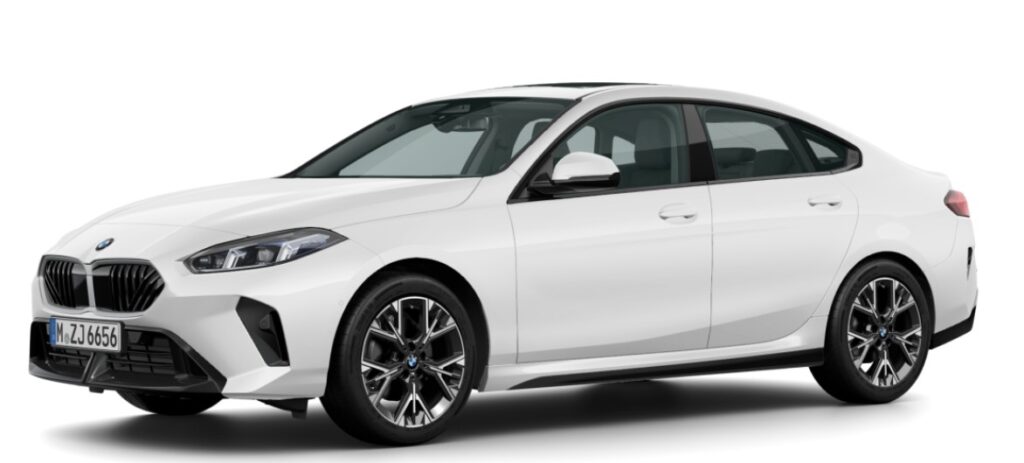
The BMW 2 Series insurance group UK rating can vary dramatically depending on the body style, engine, trim level, performance and production year we choose. One version may be a sensible family car with relatively manageable premiums, while another can behave like a sports car wearing a compact BMW suit—and insurers will price it accordingly.
Across the wider BMW 2 Series family, insurance ratings can stretch from approximately group 10 to group 47. That broad range includes economical people carriers, entry-level petrol models, sporty coupés and high-performance M versions. In other words, asking how much a BMW 2 Series costs to insure is a little like asking how much a holiday costs: the destination, dates and level of luxury change everything.
We also need to remember that an insurance group is only an indicator. It does not determine the final premium by itself. Our age, postcode, occupation, driving history, annual mileage and even where the vehicle sleeps overnight can matter just as much.
This guide explains how the UK insurance-group system works, where the different BMW 2 Series models generally sit, why certain versions cost more and what we can do to secure a more competitive quote.
Content in this publication
- What Insurance Group Is a BMW 2 Series in the UK?
- BMW 2 Series Insurance Groups at a Glance
- How UK Car Insurance Groups Work
- BMW 2 Series Coupé Insurance Groups
- BMW M240i Insurance Group
- BMW M2 Insurance Group
- BMW 2 Series Gran Coupé Insurance Groups
- BMW 2 Series Active Tourer Insurance Groups
- BMW 2 Series Gran Tourer Insurance Groups
- What Makes a BMW 2 Series Expensive to Insure?
- How Driver Details Affect BMW 2 Series Insurance
- How Much Does BMW 2 Series Insurance Cost?
- How to Reduce BMW 2 Series Insurance Costs
- Cheapest BMW 2 Series Versions to Insure
- Most Expensive BMW 2 Series Versions to Insure
- BMW 2 Series Insurance Versus Rivals
- Should Young Drivers Buy a BMW 2 Series?
- New Versus Used BMW 2 Series Insurance
- What to Check Before Purchasing
- Conclusion: Is the BMW 2 Series Expensive to Insure?
- Frequently Asked Questions
What Insurance Group Is a BMW 2 Series in the UK?
Most BMW 2 Series variants sit somewhere between the lower-middle and upper end of the UK’s 1-to-50 insurance-group scale. However, there is no single rating that applies to every 2 Series.
Depending on the exact model, we may find:
- Practical Gran Tourer versions in groups around 10–22
- Older entry-level coupés around groups 20–24
- More powerful coupés in the upper 20s or 30s
- M Performance versions approaching the highest groups
- Certain high-output models reaching group 47
Finder’s UK insurance guide places the overall BMW 2 Series range between groups 10 and 47. That spread illustrates why checking the precise derivative is essential before buying.
A BMW 218i Sport and an M240i xDrive may carry the same 2 Series badge, but from an insurer’s perspective, they are very different animals.
BMW 2 Series Insurance Groups at a Glance
The table below offers a practical overview of where the main versions may fall. Exact classifications depend on model year, gearbox, equipment and specification.
| BMW 2 Series type | Typical insurance position | Likely premium level |
|---|---|---|
| 2 Series Gran Tourer | Groups 10–22 | Low to moderate |
| 2 Series Active Tourer | Lower to mid groups | Moderate |
| 218i Gran Coupé | Lower-middle groups | Moderate |
| 220i Gran Coupé | Middle groups | Moderate |
| 218i Coupé | Around lower-to-mid 20s | Moderate |
| 220i Coupé | Mid-to-upper groups | Moderate to high |
| 220d Coupé | Mid-to-upper groups | Moderate to high |
| M235i Gran Coupé | High groups | High |
| M240i xDrive Coupé | Very high groups | Very high |
| BMW M2 | Near the top of the scale | Extremely high |
These figures should be used as a buying guide rather than a guaranteed rating. Even two cars with the same engine may sit in different groups because one has larger wheels, upgraded brakes, expensive headlights or a higher trim level.
Why the Range Is So Wide
The 2 Series name covers several distinct vehicles.
The traditional 2 Series Coupé is a compact performance-focused car. The Gran Coupé adds four-door practicality. The Active Tourer is a compact family MPV, while the discontinued Gran Tourer offers up to seven seats. Then we have the M240i and M2, which turn up the performance dial significantly.
Insurers assess the risk and likely financial cost associated with each version. A practical diesel people carrier is generally cheaper to repair and less likely to attract performance-focused driving than an M-powered coupé capable of rapid acceleration.
How UK Car Insurance Groups Work
Every mainstream car sold in the UK is assigned to an insurance group between 1 and 50. Cars in group 1 are generally among the cheapest to insure, while vehicles in group 50 tend to be the most expensive.
The rating gives insurers a broad picture of how costly a vehicle could be to cover. However, providers are not legally required to follow these group ratings, and they use their own claims data and pricing models when calculating premiums. Honest John describes the classifications as advisory rather than compulsory.
Factors Used to Determine the Group
A vehicle’s classification can be influenced by:
- New-car purchase price
- Cost of replacement parts
- Repair complexity
- Typical repair time
- Engine power and acceleration
- Maximum speed
- Safety technology
- Security features
- Bumper and bodywork design
- Availability and price of specialist components
That helps explain why a premium compact car may receive a higher classification than a similarly powered mainstream hatchback.
BMW components, advanced lighting systems, parking sensors, cameras and body panels can be expensive. A seemingly minor front-end accident may involve a bumper, grille, radar unit, headlamp and calibration work. The repair bill can grow like a snowball rolling downhill.
The Security Suffix on Insurance Ratings
Some insurance databases display a letter after the number. This suffix relates to whether a car meets the required security standard for its group.
Common letters include:
- E: Security exceeds the requirement, potentially lowering the group
- A: Security is acceptable
- P: Provisional rating
- D: Security falls below the expected standard, potentially raising the group
- U: Security is unacceptable
This is one reason why two mechanically similar vehicles may receive slightly different classifications.
BMW 2 Series Coupé Insurance Groups
The BMW 2 Series Coupé is usually more expensive to insure than the family-oriented Active Tourer or Gran Tourer. Its rear-wheel-drive character, sporty appearance and stronger engines make it attractive to enthusiastic drivers—but those same qualities can increase perceived insurance risk.
For the earlier-generation Coupé, published classifications show several 218d versions around group 20 or 21, with certain 218i specifications around groups 23 or 24. More powerful derivatives rise considerably, with performance versions reaching the 30s.
BMW 218i Coupé Insurance Group
The 218i is normally one of the most insurance-friendly Coupé choices. It offers the badge, styling and rear-wheel-drive feel buyers want without the aggressive power output of the M240i.
Older 218i SE and Sport versions have appeared around group 23, while M Sport derivatives may sit slightly higher, such as group 24.
That small difference may not sound important, but it can produce a noticeable change for:
- Drivers under 25
- People with limited no-claims history
- Residents of high-risk postcodes
- Drivers returning after a long break
- Buyers adding business use
The 218i is not necessarily cheap to insure in absolute terms. It is simply cheaper relative to the faster 2 Series Coupé models.
BMW 220i Coupé Insurance Group
The 220i occupies a useful middle ground. It offers stronger performance than the entry-level petrol model without reaching full M Performance territory.
Its rating will normally be higher than the 218i because insurers see increased acceleration, a higher vehicle value and potentially more expensive standard equipment. Newer cars can also carry sophisticated technology that increases repair costs.
The 220i may be the sweet spot for drivers who want genuine performance but do not want their annual premium to resemble a second monthly car payment.
BMW 220d Coupé Insurance Group
The 220d can appeal to motorway drivers thanks to its diesel economy and strong torque. The current-generation diesel also benefits from mild-hybrid technology and can officially return up to 60.1mpg under the appropriate test conditions.
Its insurance rating may still be relatively high because of:
- Strong real-world performance
- A sophisticated diesel powertrain
- Turbocharger and emissions-system costs
- Higher replacement value
- Premium trim and technology
For high-mileage drivers, fuel savings may outweigh the insurance difference. For someone completing short urban journeys, however, the petrol version might prove simpler and more economical overall.
Does Diesel Automatically Mean Cheaper Insurance?
No. Diesel engines sometimes produce less outright horsepower than equivalent petrol units, but insurance pricing is not based on horsepower alone.
Insurers also consider repair bills, claims patterns, torque, purchase price and replacement costs. A modern diesel with expensive emissions equipment may not be cheaper to cover than an entry-level petrol car.
BMW M240i Insurance Group
The M240i xDrive sits near the sharp end of the 2 Series range. BMW currently markets it as a dedicated M Performance model, and its UK price is significantly higher than that of ordinary 2 Series variants.
This is not merely a Coupé with nicer wheels. It is a seriously quick performance car with a powerful six-cylinder engine, all-wheel drive, upgraded brakes and expensive mechanical components.
Its insurance classification can be close to the top of the 1-to-50 scale. The reasons are straightforward:
- Rapid acceleration
- High replacement value
- Expensive engine and drivetrain
- Performance wheels and tyres
- Complex electronic systems
- Higher theft desirability
- Greater potential accident severity
For an experienced driver with a clean record, the premium may still be manageable. For a younger driver, quotes can be eye-watering or unavailable from certain providers.
Is an M240i Expensive to Insure?
Yes, in most circumstances. Even when the driver has a strong insurance profile, an M240i will normally cost substantially more to insure than a 218i or 220i.
The real comparison should include more than the headline premium. We should also budget for:
- Higher excesses
- Premium unleaded fuel
- Performance tyres
- Larger brake components
- Increased road-tax exposure
- More expensive servicing and repairs
A tempting finance payment can make the car look affordable, but insurance and running costs reveal the full picture.
BMW M2 Insurance Group
The BMW M2 is the wildest member of the extended 2 Series family. Although it shares its numerical name with the standard range, its engineering and performance place it in a different league.
An M2 is likely to occupy one of the highest insurance groups. Buyers should expect premiums that reflect:
- Supercar-rivalling acceleration
- Rear-wheel-drive performance
- High purchase and replacement costs
- Specialist M components
- Expensive body panels and wheels
- High theft appeal
- Greater accident exposure
For many drivers, the M2 insurance quote is not simply expensive—it can determine whether the purchase is realistic at all.
You may be interested in reading Is BMW 2 Series Gran Tourer a Good Car? UK Buying Guide
Always obtain a quote using the exact registration number before paying a deposit. Assuming that the premium will be similar to an M240i or ordinary Coupé can lead to a nasty surprise.
BMW 2 Series Gran Coupé Insurance Groups
The Gran Coupé blends BMW styling with four doors, a proper boot and more everyday practicality. It is aimed at buyers who want a compact premium saloon-like car rather than a traditional two-door Coupé.
The earlier 218i Gran Coupé is widely available on the used market and tends to be one of the more attainable versions to insure. Current used examples commonly feature the 1.5-litre petrol engine, including Sport and M Sport specifications.
218i Gran Coupé Insurance Costs
The 218i Gran Coupé is likely to provide the best balance for many cost-conscious drivers. It offers:
- Modest engine output
- Useful fuel economy
- Four-door practicality
- Lower risk than an M model
- Strong availability on the used market
However, an M Sport version may cost more than a basic Sport model. Larger alloy wheels, sportier bodywork and more valuable equipment can influence both repair costs and insurer claims data.
M235i Gran Coupé Insurance Group
The M235i Gran Coupé is a different proposition. It brings significantly stronger performance, xDrive all-wheel drive and upgraded hardware.
Even though it has four doors, insurers are unlikely to view it as an ordinary family saloon. Its performance and replacement cost push it into higher groups, and owners frequently describe insurance, tax and warranty costs as more demanding than those of standard derivatives.
BMW 2 Series Active Tourer Insurance Groups
The Active Tourer is the practical face of the BMW 2 Series. It offers a raised seating position, five doors and a flexible cabin aimed at families and everyday users.
BMW describes the current Active Tourer as a compact MPV with versatile interior space. Depending on the seating configuration, the 220i version provides between 415 and 1,405 litres of luggage capacity.
Because it is less performance-focused than the Coupé, the Active Tourer will often sit in more manageable insurance groups.
Why the Active Tourer Can Be Cheaper
It generally benefits from:
- Family-oriented positioning
- Less aggressive performance
- Lower-risk buyer demographics
- Practical body design
- Strong safety equipment
- Smaller entry-level engines
That does not mean every Active Tourer is cheap. Plug-in hybrid versions, powerful engines and high equipment levels can climb into higher classifications because their batteries, electronics and powertrains are expensive to repair.
Are Plug-In Hybrid Models More Expensive to Insure?
They can be.
A plug-in hybrid may offer lower fuel consumption and company-car benefits, yet it also includes:
- A combustion engine
- An electric motor
- A high-voltage battery
- Power electronics
- Charging equipment
- Additional cooling systems
That complexity can increase repair costs following an accident. Insurers may also require specialist inspection or repair facilities.
BMW 2 Series Gran Tourer Insurance Groups
The discontinued Gran Tourer is one of the cheapest ways to insure a BMW 2 Series, particularly when we choose a modest engine.
Used Gran Tourer models generally sit in insurance groups around 10 to 22, making them attractive to families who want seven-seat practicality without moving into a large SUV.
This relatively low range is impressive for a premium-badged vehicle.
Why the Gran Tourer Is Insurance-Friendly
Several factors work in its favour:
- Family-focused design
- Modest engine choices
- Lower-performance image
- Seven-seat practicality
- Good availability of used examples
- Less appeal to performance-car thieves
For drivers who want the BMW badge but prioritise affordability, the Gran Tourer deserves serious consideration. It may not stir the soul like an M240i, but it can leave far more money in our bank account.
What Makes a BMW 2 Series Expensive to Insure?
Insurance pricing is built from dozens of variables. The car’s group matters, but it is only one ingredient in a much larger recipe.
Engine Power and Acceleration
More powerful cars can reach higher speeds quickly, potentially increasing both accident frequency and claim severity.
A 136hp entry-level model presents a different risk profile from a six-cylinder performance Coupé.
Vehicle Value
The more a vehicle costs to replace, the greater the insurer’s potential loss after theft or a total-loss accident.
Newer 2 Series models usually cost more to insure than older examples of equivalent performance, although age can also create parts-availability issues.
Repair Complexity
Modern BMWs contain cameras, parking sensors, radar equipment and advanced lighting technology. A minor collision may require replacement components plus computer calibration.
A cracked LED headlamp or damaged sensor-equipped bumper can cost far more than its simple appearance suggests.
Theft Risk
Premium German cars can attract thieves, particularly when equipped with desirable M Sport styling or powerful engines.
Insurers examine theft statistics by model and postcode. A car parked on a driveway in one area may receive a very different quote from the same car stored in a locked garage elsewhere.
Trim Level and Optional Equipment
An M Sport model may have:
- Larger alloy wheels
- Lower-profile tyres
- Sportier bumpers
- Upgraded lighting
- More expensive interior equipment
- Performance braking components
These extras make the car desirable, but they can also make claims costlier.
How Driver Details Affect BMW 2 Series Insurance
Two people can insure identical cars and receive wildly different quotes. Sometimes the difference is hundreds or even thousands of pounds.
Insurers commonly assess:
- Age
- Driving experience
- Claims history
- Penalty points
- Occupation
- Home postcode
- Annual mileage
- Overnight parking
- Intended use
- Voluntary excess
- No-claims discount
- Additional drivers
Age and Experience
Young drivers generally pay more because they are statistically more likely to make a claim. A high-group BMW can amplify that difference.
A 45-year-old driver with 15 years of claim-free history may find an M Sport model reasonable to cover. A 20-year-old with one year of experience may receive a quote that costs more than the car’s annual finance payments.
Postcode and Parking
Urban areas with greater accident, vandalism and vehicle-theft rates usually generate higher premiums.
Secure overnight parking can help, although we should never claim to use a garage unless the vehicle genuinely stays there. Incorrect information can invalidate a policy.
Occupation
Insurers group occupations according to historical claims data. Small, accurate changes in wording may affect premiums.
For example, “financial analyst” and “credit analyst” could produce different results depending on the insurer. We must always describe the occupation truthfully, but it is worth checking which accurate title best reflects the role.
How Much Does BMW 2 Series Insurance Cost?
There is no reliable universal price because individual circumstances vary too much.
One driver may pay below £600 annually for a modest version, while another may face a premium well above £2,000. A young driver attempting to insure an M240i or M2 could receive a quote far beyond that.
Insurance groups provide a relative guide, not a fixed tariff. Comparison websites also warn that group ratings are only one of many factors used to calculate the final premium.
The only dependable method is to obtain quotes using:
- The exact registration
- Correct annual mileage
- Accurate address
- Realistic vehicle use
- Correct occupation
- Genuine parking arrangements
- All intended drivers
How to Reduce BMW 2 Series Insurance Costs
We cannot control every pricing factor, but several sensible steps can lower the premium.
Choose the Engine Carefully
A 218i or modest diesel will usually be easier to insure than an M235i, M240i or M2.
You may be interested in readingIs BMW 2 Series Gran Tourer a Good Car? UK Buying GuideYou may be interested in reading
 Vauxhall Adam Reliability: Is This Stylish City Car Dependable?
Before buying, compare quotes for multiple derivatives. The difference between trims may be much larger than the difference in monthly finance cost.
Compare Quotes Before Buying
Do not wait until collection day. Run quotations before paying a non-refundable deposit.
Use the registration number whenever possible. Descriptions such as “BMW 220i M Sport” may still return several derivatives with different classifications.
Increase the Voluntary Excess Carefully
A higher voluntary excess can reduce the premium, but it must remain affordable.
Remember that the voluntary amount is normally added to the compulsory excess. Choosing a £750 voluntary excess may look clever until we need to pay £1,000 or more after an accident.
Limit Annual Mileage Honestly
Lower mileage can reduce risk, but the declared figure must be realistic.
Review previous MOT records, commuting distance and typical weekend use. Underestimating mileage merely to reduce the quote can create trouble during a claim.
Add an Experienced Named Driver
Adding an experienced driver can sometimes lower the cost, particularly for younger policyholders.
However, the main user must be correctly listed as the policyholder or principal driver. Pretending that a parent is the main driver when the car actually belongs to their child is known as fronting and may invalidate cover.
Improve Security
Useful measures can include:
- Secure garage parking
- Steering-wheel locks
- Approved tracking systems
- Driveway security lighting
- Key-signal-blocking pouches
- Secure storage of spare keys
Confirm whether the insurer recognises a particular device before paying for it solely to reduce premiums.
Consider a Telematics Policy
Black-box insurance may reward careful driving by monitoring speed, acceleration, braking and journey times.
It can be beneficial for younger BMW owners, although restrictions may feel intrusive. Read the terms carefully, especially rules concerning night driving and mileage.
Pay Annually Where Possible
Monthly payments often include interest. Paying the full annual premium upfront can reduce the total cost.
When annual payment is unrealistic, compare the insurer’s interest rate rather than focusing only on the monthly figure.
Cheapest BMW 2 Series Versions to Insure
The most affordable choices are usually practical, lower-powered variants rather than sporty Coupés.
Good candidates include:
- Used 2 Series Gran Tourer models
- Entry-level Active Tourer versions
- 218d Coupé derivatives from earlier generations
- 218i Coupé SE or Sport models
- 218i Gran Coupé versions without extensive modifications
Older Gran Tourers are especially noteworthy because many sit between groups 10 and 22.
Most Expensive BMW 2 Series Versions to Insure
The following models are likely to occupy the expensive end:
- BMW M2
- BMW M240i xDrive
- BMW M235i xDrive Gran Coupé
- Highly specified performance editions
- Modified 2 Series models
- Imported or unusual derivatives
Modifications deserve special attention. Engine remaps, aftermarket exhausts, lowered suspension, non-standard wheels and cosmetic changes must be declared. Even modifications intended to improve safety can affect cover.
BMW 2 Series Insurance Versus Rivals
The 2 Series competes with several premium compact models, including the Audi A3, Mercedes-Benz CLA and selected Volkswagen performance cars.
Insurance differences depend on the exact derivative rather than the badge alone.
A basic BMW 218i may be cheaper than a powerful Audi S3, while an M240i could cost considerably more than an ordinary Mercedes-Benz CLA. We should compare equivalent engines and performance levels—not simply one model range against another.
Is a BMW More Expensive to Insure Than an Audi?
Not automatically.
Insurers assess claims data for each derivative. In some cases, the BMW is cheaper. In others, the Audi or Mercedes wins.
The most effective approach is to collect quotes for several specific cars before deciding. Insurance should be treated as part of the purchase price rather than an afterthought.
Should Young Drivers Buy a BMW 2 Series?
A 2 Series can be realistic for a younger driver, but model selection is crucial.
An older Gran Tourer or entry-level 218i may be attainable. An M240i or M2 will normally be far more challenging.
Young buyers should consider:
- Insurance premium
- Compulsory and voluntary excess
- Fuel costs
- Tyre prices
- Maintenance
- Road tax
- Finance interest
- Unexpected repairs
The cheapest car payment does not always create the cheapest ownership experience. A lower-powered model may feel less exciting, but it can provide breathing room in the monthly budget.
New Versus Used BMW 2 Series Insurance
A used 2 Series may be cheaper to replace, which can help reduce premiums. However, the relationship is not always straightforward.
An older performance car may still be expensive because it remains powerful and may lack the newest safety systems. Certain parts may also be difficult to source.
Newer cars benefit from modern driver assistance and security technology, but their cameras, sensors and lighting systems can be costly to repair.
The best value often lies with a well-maintained, standard-specification used model with a moderate engine and full history.
What to Check Before Purchasing
Before buying any BMW 2 Series, complete the following insurance checklist:
- Obtain quotes using the exact registration
- Confirm the official insurance group
- Compare multiple trim levels
- Test different realistic excess amounts
- Include commuting or business use where required
- Check modification status
- Confirm factory options
- Review theft-security requirements
- Read windscreen and key-cover limits
- Check whether a tracker is mandatory
- Compare annual and monthly payment totals
A ten-minute quotation exercise can prevent a costly ownership mistake.
Conclusion: Is the BMW 2 Series Expensive to Insure?
The BMW 2 Series insurance group UK rating ranges from relatively modest to extremely high, depending on which version we choose. Across the broader family, ratings can run from approximately group 10 for certain practical models to group 47 for powerful performance derivatives.
The Gran Tourer and entry-level Active Tourer are likely to be the friendliest options for budget-conscious buyers. The 218i Coupé and Gran Coupé provide a reasonable middle ground, while the M235i, M240i and M2 demand significantly larger insurance budgets.
Ultimately, the badge on the boot tells only half the story. Engine size, performance, trim, repair cost, security and our personal driving profile all influence the final figure.
The smartest move is simple: obtain a full insurance quote before buying the car. A BMW 2 Series can be an enjoyable and practical ownership proposition, but only when the premium fits comfortably alongside fuel, finance, servicing and maintenance.
Frequently Asked Questions
1. What insurance group is a BMW 2 Series in the UK?
BMW 2 Series models can sit anywhere from approximately insurance group 10 to group 47. Practical Gran Tourer versions tend to occupy the lower end, while high-performance M models sit near the top.
2. Which BMW 2 Series is cheapest to insure?
Used Gran Tourer models are often among the cheapest, with many sitting in groups 10–22. Entry-level Active Tourer, 218i and older 218d derivatives may also offer manageable premiums.
3. Is the BMW 218i expensive to insure?
The 218i is generally one of the more affordable standard 2 Series models. However, it can still cost more than a mainstream hatchback because of its premium badge, repair costs and vehicle value.
4. Why is the BMW M240i expensive to insure?
The M240i combines rapid acceleration, a powerful six-cylinder engine, all-wheel drive, expensive components and strong theft appeal. These factors push it towards the upper insurance groups.
5. Does M Sport trim increase insurance costs?
It can. M Sport cars may include larger wheels, lower-profile tyres, sportier bodywork and valuable equipment. The increase varies by insurer and exact derivative, so comparing registration-specific quotes is essential.
You may be interested in readingIs BMW 2 Series Gran Tourer a Good Car? UK Buying GuideYou may be interested in reading
Vauxhall Adam Reliability: Is This Stylish City Car Dependable?You may be interested in reading
 Nissan Note Insurance Group: An International Guide
If you want to know other articles similar to BMW 2 Series Insurance Group UK: Costs, Ratings and Buying Guide you can visit the category Blog.
Is Vauxhall Agila a Good Car? Reliability, Problems and Buying Guide

Honda Passport Life Expectancy: How Many Miles Can It Last?
Honda Passport Depreciation: How Well Does It Hold Its Value?
Nissan Rogue Reliability Rating: How Reliable Is the Rogue?
Nissan Rogue Life Expectancy: How Long Does It Last?
Vauxhall Agila Reliability: Common Problems, Best Engines and What to Check
Leave a Reply
More content of your interest