

Nissan Note Insurance Group: An International Guide

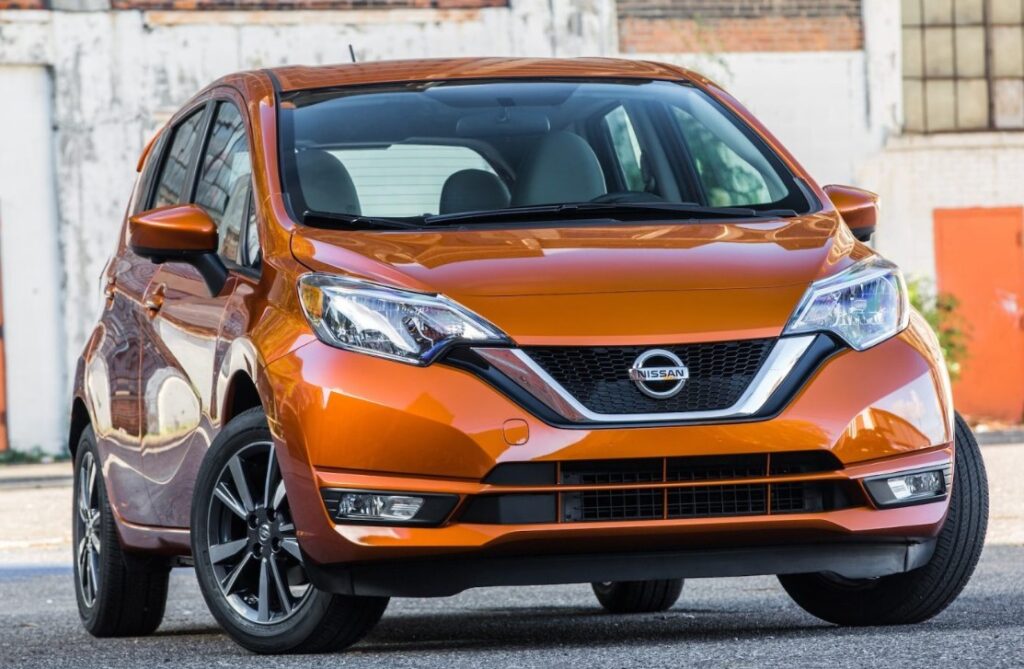
The Nissan Note insurance group is an important detail to investigate before buying this practical little hatchback. Yet there is a catch: insurance groups do not work the same way everywhere.
In the United Kingdom, vehicles are traditionally placed into numbered insurance groups. In many other countries, including Australia, New Zealand, Canada and much of Europe, insurers may consider similar risk factors without publishing one universal group number.
That distinction matters.
A buyer might search online, discover that a Nissan Note belongs to a relatively low insurance group and assume it will automatically be cheap to cover. Then the quote arrives looking far less friendly. Why? Because the car itself is only one ingredient in the insurance recipe. The driver, address, annual mileage, model specification, import status and desired coverage can all change the final price.
In this international guide, we will explain how Nissan Note insurance classifications work, which versions tend to be cheaper to insure and why Japanese-imported Note and Note e-Power models may receive very different quotes.
Content in this publication
- What Is the Nissan Note Insurance Group?
- Does Every Country Use Insurance Groups?
- Which Insurance Group Is the Nissan Note In?
- Understanding the UK Insurance Group Scale
- Why the Nissan Note Often Has a Low Insurance Group
- Nissan Note Insurance Groups by Generation
- First-Generation Nissan Note E11 Insurance
- Second-Generation Nissan Note E12 Insurance
- Nissan Note e-Power Insurance Group
- Japanese Import Status and Insurance Costs
- What Determines a Nissan Note Insurance Premium?
- Driver Age and Experience
- Driving and Claims History
- Where the Car Is Kept
- Annual Mileage
- Private or Business Use
- Coverage Level
- Excess or Deductible
- Repair Costs and Parts Availability
- Security and Theft Risk
- Which Nissan Note Is Cheapest to Insure?
- Which Nissan Note May Cost More to Insure?
- Does Engine Size Affect the Insurance Group?
- Does a CVT Increase Nissan Note Insurance?
- Do Modifications Change the Insurance Group?
- How to Lower Nissan Note Insurance Costs
- Questions to Ask Before Insuring a Nissan Note
- Is the Nissan Note Expensive to Insure?
- Nissan Note Versus Similar Cars for Insurance
- Should Insurance Group Influence Your Buying Decision?
- Final Thoughts on the Nissan Note Insurance Group
- Frequently Asked Questions
What Is the Nissan Note Insurance Group?
An insurance group is a risk category used to help insurers estimate how expensive a particular vehicle could be to cover.
The best-known system is the British group-rating scale. Under the traditional UK structure, cars are placed into groups from 1 to 50. Cars in the lowest groups are generally expected to be cheaper to insure, while high-performance, expensive or difficult-to-repair vehicles tend to sit higher on the scale.
Thatcham Research explains that the established UK Group Rating system evaluates numerous vehicle characteristics, although it is gradually transitioning toward its newer Vehicle Risk Rating model. That newer approach examines damage, repairability, safety, security and performance in greater detail.
The key point is simple:
A lower insurance group usually suggests lower vehicle-related risk, but it never guarantees a low premium.
Your Nissan Note’s group or risk category gives insurers a starting point. They then add your personal risk profile on top of it.
Does Every Country Use Insurance Groups?
No. The term “insurance group” is particularly associated with the UK market.
Many international insurers do not show motorists a tidy number from 1 to 50. Instead, they use internal rating models that consider the same broad questions:
- How valuable is the car?
- How frequently is that model involved in claims?
- Is it commonly stolen?
- How expensive are its parts?
- How long does it take to repair?
- Does it have effective safety technology?
- Can local repairers easily diagnose and fix it?
- Is it an official domestic model or a private import?
New Zealand insurer Tower, for example, says that vehicle type, claims frequency, parts availability, repair complexity, value and theft risk can all affect a premium. Imported or specialist parts may contribute to higher repair costs.
Australian insurers also ask for information such as the car’s make, model, registration, condition, usage and usual parking location when preparing a quote.
Therefore, when we discuss the Nissan Note insurance group internationally, we are really discussing two connected ideas:
- The formal UK group assigned to a specific Note version.
- The broader insurance-risk category applied by insurers elsewhere.
Which Insurance Group Is the Nissan Note In?
UK-market Nissan Note versions generally appear in relatively modest insurance groups. Published model data commonly places Nissan Note variants between approximately Group 6 and Group 16, depending on the engine, trim, transmission and production year.
That range places most conventional Nissan Notes toward the lower end of the traditional 1-to-50 scale.
However, we should not treat “Nissan Note” as a single insurance classification. A basic 1.2-litre petrol model may not have the same group as:
- A supercharged DIG-S version
- A diesel model
- A higher-specification Tekna
- An automatic version
- A Japanese-market Note e-Power
- A modified or privately imported example
This is why registration-specific checks are far more useful than model-name searches. The correct rating depends on the exact derivative, not merely the badge on the boot.
Understanding the UK Insurance Group Scale
Under the traditional UK system, Group 1 represents vehicles expected to pose relatively low insurance risk, while Group 50 includes expensive, powerful or highly specialised cars.
A rough interpretation looks like this:
| Insurance group | General vehicle category |
|---|---|
| 1–10 | Small, modestly powered and relatively inexpensive cars |
| 11–20 | Mainstream hatchbacks, family cars and stronger trim levels |
| 21–30 | Larger, faster or more premium vehicles |
| 31–40 | High-performance or expensive models |
| 41–50 | Sports cars, luxury vehicles and specialist performance cars |
This table is only a broad guide. A car in Group 10 is not guaranteed to cost exactly half as much to insure as one in Group 20. Insurers build their own prices using claims data and the driver’s circumstances.
The UK scale is also evolving. Thatcham Research is moving toward Vehicle Risk Rating, a more dynamic model designed to reflect modern safety systems, software, repair complexity and theft risk more accurately.
For older used Nissan Notes, the familiar group number will remain a useful reference. For newer cars, broader vehicle-risk assessments are likely to become increasingly important.
Why the Nissan Note Often Has a Low Insurance Group
The Nissan Note was designed primarily as a sensible compact family car, not as a road-going rocket.
That gives it several insurance-friendly characteristics.
Modest Engine Performance
Most traditional Nissan Note engines offer moderate power. They are capable enough for everyday commuting, but they do not usually deliver the acceleration associated with performance hatchbacks.
Lower performance can reduce the statistical likelihood of high-speed claims and expensive collision damage. It may also make the car more attractive to cautious drivers, families and older motorists.
Affordable Used-Car Values
Many first- and second-generation Nissan Notes are now relatively inexpensive on the used market.
A lower market value can reduce the insurer’s potential loss if the car is written off. However, a cheap purchase price does not always mean cheap repairs. An insurer still considers parts prices, labour and the likelihood of declaring the vehicle an economic total loss after moderate damage.
Practical Family-Car Design
The Note’s tall hatchback body, good visibility and easy-driving character make it a practical urban vehicle.
It behaves more like a comfortable pair of walking shoes than a pair of racing spikes. That image may not thrill performance enthusiasts, but it often helps the Note sit within manageable insurance categories.
Generally Accessible Mechanical Parts
Conventional petrol and diesel Nissan Note models share components with other Nissan and Renault-Nissan vehicles in many markets. Where the model was officially sold, parts and repair information may be relatively easy to obtain.
That can reduce repair uncertainty compared with a rare specialist import.
Nissan Note Insurance Groups by Generation
The Nissan Note has appeared in several distinct generations and regional versions. Each presents a different insurance picture.
First-Generation Nissan Note E11 Insurance
The first-generation E11 Note was sold in numerous countries from the mid-2000s.
Common engines included:
- 1.4-litre petrol
- 1.6-litre petrol
- 1.5-litre diesel
- Automatic and manual transmissions
Many E11 models fall into comparatively low-to-moderate insurance categories because of their age, modest performance and conventional engineering.
Why an Older Note May Still Cost More Than Expected
Age can work in two directions.
An older Nissan Note may have a low insured value, but insurers may also consider:
- Reduced availability of trim and body panels
- Less advanced crash-avoidance technology
- Older security systems
- Increased theft attractiveness in some areas
- Higher likelihood of pre-existing wear
- Limited manufacturer support
A minor collision can sometimes write off an inexpensive older car because the repair bill quickly approaches its market value.
Best E11 Versions for Lower Insurance Risk
Basic petrol versions with original specifications, good security and no modifications are usually the simplest candidates.
A larger 1.6-litre automatic may attract a slightly different rating from a smaller manual model because engine power, transmission repair costs and trim level can all influence risk.
Second-Generation Nissan Note E12 Insurance
The E12 generation introduced more modern styling, improved efficiency and additional technology.
Depending on the market, engines included:
- 1.2-litre petrol
- 1.2-litre supercharged DIG-S
- 1.5-litre diesel
- CVT automatic options
- Japanese-market hybrid and e-Power derivatives
Mainstream UK-market E12 petrol and diesel models generally remain within relatively accessible insurance groups. Nevertheless, stronger engines and higher trims tend to sit above basic versions.
Why Trim Level Matters
A higher trim can increase insurance risk in several ways.
It may add:
- Alloy wheels
- Touchscreen infotainment
- Cameras
- Keyless entry
- Climate control
- Parking sensors
- More expensive lighting units
- Additional electronic modules
These features make the car more pleasant to own, but they can also make accident repairs more expensive.
A scratched basic bumper is one thing. A damaged bumper containing sensors and a camera is another. What appears to be a simple plastic shell can behave like a small technology centre when the invoice arrives.
You may be interested in reading GMC Sierra Reliability: A Complete Buyer’s Guide
Nissan Note e-Power Insurance Group
The Nissan Note e-Power deserves separate attention.
Unlike a conventional hybrid in which both the petrol engine and electric motor may directly drive the wheels, Nissan’s e-Power system uses the petrol engine primarily as a generator while an electric motor provides propulsion.
For insurers, this creates a different risk profile from that of a standard 1.2-litre petrol Note.
Potential considerations include:
- High-voltage battery systems
- Electric traction motor components
- Inverter and power electronics
- Specialist diagnostic requirements
- Limited local technical familiarity
- Imported replacement parts
- Battery damage after a collision
- Recovery and storage procedures for electrified vehicles
In countries where the Note e-Power was not officially sold, it may be treated primarily as a Japanese grey import rather than as an ordinary Nissan hatchback.
That distinction can matter more than the engine size.
A 1.2-litre label might sound inexpensive to insure, but it does not tell the complete story. The insurer is covering the entire electrical propulsion system, not merely a small petrol engine.
Japanese Import Status and Insurance Costs
Many Nissan Notes sold in New Zealand, Australia, Ireland and parts of the UK were originally manufactured for Japan.
Imported vehicles are not automatically uninsurable. However, they can require a little more investigation.
Some insurers decline grey imports, while others cover them through standard policies or specialist schemes. Imported-car premiums may be affected by parts availability, repair costs, vehicle value, modifications, specifications and the insurer’s familiarity with the model.
Why an Imported Note May Cost More
An insurer may worry about:
- Parts that must be ordered from Japan
- Japanese-language infotainment equipment
- Different safety specifications
- Incomplete local model data
- Non-standard immobiliser systems
- Unfamiliar chassis codes
- Higher repair delays
- Previous repairs that are difficult to verify
- Specialist e-Power components
None of these points guarantees a high premium. They merely add uncertainty, and insurers often price uncertainty cautiously.
How to Describe an Imported Nissan Note
When requesting a quote, provide complete and accurate information.
Useful details include:
- Full chassis or model code
- Year of manufacture
- First registration date
- Engine type
- Petrol, diesel, hybrid or e-Power specification
- Transmission
- Trim level
- Import status
- Factory safety equipment
- Security devices
- Any modifications
- Agreed or market value
Do not describe an e-Power Note simply as a standard petrol Note because its engine happens to use petrol. Misdescription could cause problems during underwriting or when making a claim.
The insurance group is only one piece of the puzzle.
Driver Age and Experience
Young or inexperienced drivers usually face higher premiums because insurers associate them with greater claims risk.
A Note in a low group may still be expensive for a new driver, particularly where young-driver claims are frequent.
Conversely, an experienced motorist with a clean record may receive a competitive quote even for a higher-specification version.
Driving and Claims History
Previous accidents, claims, licence suspensions and traffic offences can influence pricing.
A clean record tells the insurer that the driver has previously navigated the road without frequently creating costly surprises.
No-claims discounts or bonus-malus systems may reduce premiums in many markets, although the exact structure varies by country and insurer.
Where the Car Is Kept
Location can dramatically change an insurance quote.
Insurers may consider:
- Local theft rates
- Vandalism
- Traffic density
- Accident frequency
- Flood exposure
- Storm or hail risk
- Availability of repairers
- Whether the car is parked on the street or in a locked garage
The same Nissan Note can therefore produce different quotes for drivers living only a few kilometres apart.
Annual Mileage
More time on the road generally means more exposure to accidents.
A driver covering 5,000 kilometres per year may present a different risk from someone covering 30,000 kilometres through busy urban traffic.
Always provide a realistic estimate. Underestimating mileage to obtain a cheaper quote could create trouble later.
Private or Business Use
Social and domestic use may be cheaper than commercial driving, courier work or frequent business travel.
A Note used for occasional shopping trips has a different risk pattern from one used all day for deliveries.
Coverage Level
Insurance products differ internationally, but common forms include:
- Third-party liability
- Third-party, fire and theft
- Comprehensive cover
- Agreed-value cover
- Market-value cover
- Collision cover
- Uninsured-motorist protection
Comprehensive insurance usually offers broader protection and can cost more than basic liability coverage.
However, the cheapest policy is not always the best value. A low premium can hide a high excess, limited replacement-car cover or strict repair conditions.
Excess or Deductible
The excess is the portion of a claim that the policyholder must pay.
Choosing a higher voluntary excess can sometimes reduce the premium. Nevertheless, we should select an amount we could realistically afford after an accident.
Saving a small amount today is not helpful if the excess becomes an impossible wall tomorrow.
Repair Costs and Parts Availability
Repairability is particularly important for imported Notes and e-Power variants.
Insurers may examine:
- Average body-repair times
- Parts supply
- Windscreen availability
- Headlamp cost
- Camera and sensor calibration
- Battery inspection procedures
- Dealer and specialist support
Modern vehicle technology can increase repair complexity even when it improves safety. Tower notes that cameras, sensors and intelligent braking equipment can make repairs more specialised and costly.
Security and Theft Risk
A secure vehicle may receive a more favourable assessment than one with weak theft protection.
Insurers may look for:
- Factory immobiliser
- Alarm
- Keyless-entry security
- Tracking equipment
- Secure overnight parking
- Steering lock
- Professionally installed security upgrades
Keyless systems deserve attention because electronic theft methods continue to evolve. Owners should follow insurer-approved security recommendations and avoid modifications that interfere with factory electronics.
Which Nissan Note Is Cheapest to Insure?
There is no internationally guaranteed winner, but the cheapest versions are usually conventional, lower-powered and unmodified.
A strong low-risk candidate would often be:
- A standard petrol model
- A basic or mid-level trim
- A locally recognised specification
- A car with readily available parts
- A vehicle with factory security
- An example with no performance modifications
- A Note owned by an experienced, claim-free driver
In the UK, conventional Note versions near the lower end of the model’s reported Group 6-to-16 range would normally be expected to cost less than variants near the upper end, all other factors being equal.
Which Nissan Note May Cost More to Insure?
Higher quotes are more likely for:
- Supercharged DIG-S versions
- Higher-value trim levels
- Grey imports
- Note e-Power models
- Modified cars
- Vehicles with scarce body parts
- Cars without recognised security
- Models insured for commercial use
- Vehicles driven by inexperienced motorists
- Cars kept in high-theft locations
An e-Power Note is not necessarily expensive to insure. In some import-heavy markets, insurers and repairers already understand the vehicle well. In less familiar markets, however, limited data may narrow the choice of insurers.
Does Engine Size Affect the Insurance Group?
Yes, but engine size is only a rough indicator.
A larger or more powerful engine can raise the vehicle’s performance risk. Nevertheless, technology has blurred the old relationship between engine capacity and speed.
The Note e-Power demonstrates this perfectly. Its petrol engine may be small, but the electric motor delivers the driving performance. An insurer therefore needs to consider system output, component costs and repair complexity rather than simply reading “1.2 litres.”
Similarly, a supercharged 1.2-litre DIG-S can attract a different rating from a naturally aspirated 1.2-litre model.
You may be interested in readingGMC Sierra Reliability: A Complete Buyer’s GuideYou may be interested in reading
 Chevrolet Silverado Reliability: A Complete Owner’s Guide
Does a CVT Increase Nissan Note Insurance?
A continuously variable transmission does not automatically produce a higher insurance group.
However, transmission type can influence:
- Vehicle value
- Repair costs
- Replacement availability
- Model specification
- Driver profile
- Claims severity
A CVT repair may be expensive, but standard motor insurance usually covers sudden insured damage rather than gradual mechanical failure.
A worn or failed transmission caused by age, poor maintenance or internal breakdown is normally a maintenance issue, not a collision-insurance claim. Policy wording always takes priority.
Do Modifications Change the Insurance Group?
A modification may not officially rewrite the vehicle’s published insurance group, but it can alter the insurer’s premium or willingness to provide cover.
Modifications that should be declared include:
- Non-standard wheels
- Lowered suspension
- Engine tuning
- Exhaust changes
- Body kits
- Aftermarket lights
- Audio upgrades
- Imported security systems
- Ride-share or commercial equipment
Even cosmetic modifications can affect repair costs or theft attractiveness.
Failing to disclose modifications may lead to a reduced payout, policy cancellation or a denied claim.
How to Lower Nissan Note Insurance Costs
We cannot control every rating factor, but we can make the vehicle easier for insurers to understand.
Compare Quotes Before Buying
Obtain quotes using the exact registration, chassis code or derivative before paying for the car.
This is particularly important for Japanese imports. Two visually identical Notes may appear differently in insurer databases.
Ask Several Insurers
One insurer may view a grey import cautiously, while another may specialise in Japanese vehicles.
A declined quote does not automatically mean the Note is uninsurable. It may simply fall outside that company’s preferred risk profile.
Keep the Car Standard
Unmodified cars are easier to value, repair and classify.
Factory specifications provide insurers with familiar data. Modifications add questions, and questions can add cost.
Improve Security
Use insurer-recognised security devices and secure parking where practical.
Before purchasing an alarm, tracker or immobiliser, confirm whether the insurer recognises it. An expensive device provides little premium benefit if the insurer does not include it in its rating model.
Choose an Appropriate Excess
A higher excess may reduce the premium, but it should remain affordable.
We should compare the annual saving with the additional amount payable during a claim.
Estimate Mileage Honestly
Lower genuine mileage can sometimes reduce premiums.
Avoid artificially reducing the declared figure. Accuracy protects both the policy and the claim.
Pay Annually When Practical
Some insurers charge more when a premium is paid by instalments because monthly plans may include financing costs or administrative fees.
Compare the total annual cost rather than focusing only on the monthly amount.
Protect the No-Claims Record
Careful driving may improve future premiums through no-claims or bonus-malus arrangements.
Optional no-claims protection can sometimes preserve a discount after a limited number of claims, although it does not necessarily prevent the base premium from increasing.
Questions to Ask Before Insuring a Nissan Note
Before accepting a policy, ask:
- Is the exact Nissan Note derivative listed correctly?
- Is the car recorded as an import?
- Is an e-Power model classified as an electrified vehicle?
- Are high-voltage battery components covered after an accident?
- Will repairs use approved, original or aftermarket parts?
- Can the insurer nominate a specialist repairer?
- Is the vehicle covered at market value or agreed value?
- Are windscreens, cameras and calibration included?
- Is roadside recovery suitable for an e-Power vehicle?
- Are modifications or accessories included?
- What is the compulsory and voluntary excess?
- Is a temporary replacement car provided?
- Are young or additional drivers covered?
- Does the policy include theft without forced entry?
- Are imported parts subject to special limits?
These questions may feel tedious, but they are easier to answer before a claim than after one.
Is the Nissan Note Expensive to Insure?
For many owners, a conventional Nissan Note should be relatively affordable compared with larger, faster and more valuable vehicles.
The model’s modest performance, practical design and generally low UK group range work in its favour.
However, three situations can change the picture:
A Young or High-Risk Driver
Personal risk can outweigh the Note’s low vehicle group.
A Japanese Grey Import
Limited database information, parts concerns or unfamiliar specifications may increase the premium or reduce insurer choice.
A Note e-Power
The electrified drivetrain may require specialist assessment, particularly in countries where Nissan did not officially support the model.
The only reliable way to know the price is to request a quote for the exact vehicle and driver.
Nissan Note Versus Similar Cars for Insurance
The Note commonly competes with cars such as the:
- Honda Jazz or Fit
- Toyota Yaris
- Toyota Aqua
- Nissan Micra
- Suzuki Swift
- Kia Rio
- Hyundai i20
- Ford Fiesta
- Renault Clio
- Vauxhall or Opel Meriva
A rival may have a lower published group but still produce a higher personal quote.
For example, a Toyota Aqua may be familiar to insurers in one country but considered an import risk in another. A locally sold Nissan Note may have easier parts support than an imported Honda Fit—or the reverse.
Comparing the badge alone is like comparing umbrellas by colour while ignoring whether they leak. We need actual policy quotes based on actual cars.
Should Insurance Group Influence Your Buying Decision?
Yes, but it should not dominate the decision.
Insurance is one part of the Note’s total ownership cost alongside:
- Purchase price
- Fuel consumption
- Road tax or registration
- Maintenance
- Tyres
- Depreciation
- Battery condition
- CVT condition
- Repair availability
- Financing costs
A model with a slightly higher premium may still be the better purchase if it has stronger safety equipment, a better history and easier parts support.
Before buying, calculate the total annual cost rather than chasing the lowest group number.
Final Thoughts on the Nissan Note Insurance Group
The Nissan Note generally occupies a favourable insurance position, especially in conventional petrol or diesel form.
UK-market variants are commonly reported within insurance groups 6 to 16, which is relatively low on the traditional 1-to-50 scale. Still, the exact group varies by model year, engine, trim and transmission.
Outside the UK, there may be no official Nissan Note insurance-group number at all. Insurers instead assess the vehicle through their own models, considering value, power, claims history, parts costs, security, repairability and the driver’s profile.
Imported Nissan Notes require the most care. A Japanese Note e-Power may be economical, practical and enjoyable to drive, but its insurance classification can depend heavily on local parts support and an insurer’s experience with electrified imports.
Our best advice is refreshingly simple: obtain several quotes for the exact car before buying it. A five-minute quotation can reveal more than hours spent staring at a general insurance-group table.
Frequently Asked Questions
1. What insurance group is a Nissan Note?
UK Nissan Note models are commonly reported in insurance groups ranging from approximately 6 to 16. The exact group depends on the year, engine, trim, transmission and individual derivative. Other countries may not use a formal public group-number system.
2. Is a Nissan Note cheap to insure?
Conventional Nissan Notes are often relatively affordable to insure because they have modest performance, practical designs and reasonable used values. Personal factors such as age, location, driving history and coverage level can still make the premium expensive.
3. Is a Nissan Note e-Power more expensive to insure?
It can be, particularly when it is a Japanese grey import. Insurers may consider high-voltage components, specialist repair requirements, battery inspection, parts supply and limited local model data. In markets where e-Power imports are common, the difference may be smaller.
4. Does a higher Nissan Note trim increase insurance?
Potentially. Higher trims may include expensive wheels, cameras, sensors, keyless systems and electronic equipment. These features can increase the vehicle’s value and repair cost, although improved safety equipment may also reduce certain risks.
You may be interested in readingGMC Sierra Reliability: A Complete Buyer’s GuideYou may be interested in reading
Chevrolet Silverado Reliability: A Complete Owner’s GuideYou may be interested in reading
Chevrolet Silverado Years to Avoid: A Used-Truck Buyer’s Guide5. Can I insure a Japanese-imported Nissan Note?
Usually, yes, but insurer availability varies. Some mainstream providers cover imports, while others may require a specialist policy. Declare the import status, exact model code, drivetrain, modifications and valuation accurately when requesting a quote.
If you want to know other articles similar to Nissan Note Insurance Group: An International Guide you can visit the category Blog.
Does Mercedes A-Class Have a Renault Engine?
Kia Sportage Gas Tank Size: Complete Guide
BMW X1 Life Expectancy: How Long Does It Last?
Is the Toyota Yaris Cross Reliable? 2026 Guide
Kia Sportage Weight Guide: Curb, Kerb & GVWR
Toyota RAV4 Gas Tank Size (Chart & Explanation)
Leave a Reply
More content of your interest