

Chevrolet Silverado Reliability: A Complete Owner’s Guide

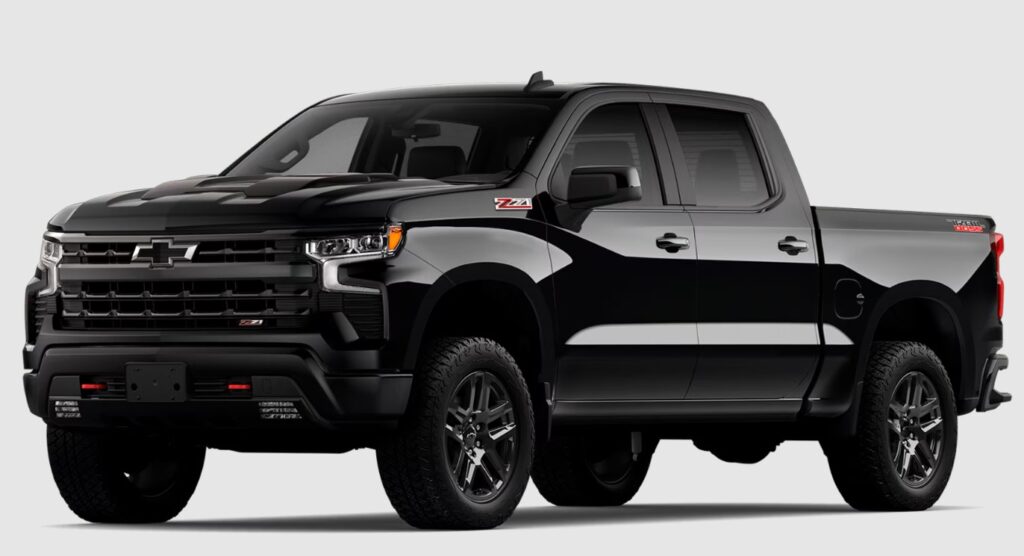
The Chevrolet Silverado has spent decades doing the jobs that smaller vehicles politely decline. It hauls trailers, carries tools, tackles rough roads, survives freezing winters, and often serves as both a weekday workhorse and a weekend family vehicle. But does that muscular image translate into dependable long-term ownership?
Overall, Chevrolet Silverado reliability ranges from average to very good, depending heavily on the model year, engine, transmission, maintenance history, and how the truck was previously used. A well-maintained Silverado can comfortably travel beyond 200,000 miles. Some reach 300,000 miles or more. On the other hand, a neglected truck that spent its life towing near its limit may become an expensive collection of warning lights long before then.
That is the key point: the Silverado is not one single reliability story. It is a large family of trucks built across several generations, equipped with gasoline V6s, turbocharged four-cylinders, naturally aspirated V8s, diesel engines, and multiple automatic transmissions. Some combinations have aged gracefully. Others have developed recognizable weak spots.
Let’s dig beneath the chrome grille and examine what Silverado ownership really looks like.
Content in this publication
- Is the Chevrolet Silverado Reliable?
- What Chevrolet Silverado Reliability Really Means
- How Long Does a Chevrolet Silverado Last?
- Chevrolet Silverado Reliability by Generation
- First-Generation Silverado Reliability: 1999–2006
- Second-Generation Silverado Reliability: 2007–2013
- Third-Generation Silverado Reliability: 2014–2018
- Fourth-Generation Silverado Reliability: 2019–Present
- Which Chevrolet Silverado Engine Is Most Reliable?
- 4.3-Liter V6 Reliability
- 4.8-Liter V8 Reliability
- 5.3-Liter V8 Reliability
- 6.0-Liter V8 Reliability
- 6.2-Liter V8 Reliability
- 2.7-Liter TurboMax Reliability
- 3.0-Liter Duramax Diesel Reliability
- Silverado Transmission Reliability
- Common Chevrolet Silverado Problems
- AFM and DFM Lifter Failure
- Transmission Shudder
- Electrical and Infotainment Glitches
- Air-Conditioning Failure
- Wheel-Bearing and Suspension Wear
- Rust and Corrosion
- Are Chevrolet Silverado Heavy-Duty Models Reliable?
- Best Chevrolet Silverado Years for Reliability
- Chevrolet Silverado Years Requiring Extra Caution
- How Reliable Is the Silverado Compared With Rivals?
- Does Safety Affect Reliability?
- How to Make a Chevrolet Silverado Last Longer
- What to Check Before Buying a Used Silverado
- How Much Does Silverado Reliability Depend on Maintenance?
- Is a High-Mileage Chevrolet Silverado Worth Buying?
- Is the Chevrolet Silverado Expensive to Maintain?
- Who Should Buy a Chevrolet Silverado?
- Chevrolet Silverado Reliability Verdict
- Frequently Asked Questions
Is the Chevrolet Silverado Reliable?
Yes, the Chevrolet Silverado can be a reliable full-size pickup, particularly when we select the right configuration and maintain it correctly.
Its strongest qualities include:
- Durable truck frames
- Widely available replacement parts
- Proven small-block V8 architecture
- Strong towing and hauling capability
- A large network of Chevrolet dealers and independent repair shops
- Good long-term potential when fluids and filters are changed on schedule
However, Silverado reliability is not flawless. Certain model years have experienced concerns involving transmissions, cylinder-deactivation systems, electrical components, air-conditioning equipment, infotainment systems, and fuel-management hardware.
In simple terms, buying a Silverado is like buying a pair of heavy-duty work boots. A good pair can last for years, but only when we choose the right size, avoid abusing them, and do not ignore a split sole until water starts pouring in.
What Chevrolet Silverado Reliability Really Means
Reliability is more than asking whether the engine starts every morning. A truck may continue running while slowly draining its owner’s wallet through minor repairs.
We should evaluate Silverado dependability in four areas.
Mechanical Durability
Mechanical durability covers major components such as:
- Engine
- Transmission
- Transfer case
- Differentials
- Driveshaft
- Cooling system
- Steering and suspension
A Silverado with a strong engine but a slipping transmission is not truly reliable. The entire powertrain must work as a team.
Electrical Dependability
Modern Silverados contain more modules, cameras, sensors, motors, and software than earlier trucks. That technology improves comfort and safety, but it also creates additional failure points.
A small sensor fault may not leave us stranded, yet repeated electrical glitches can become frustrating.
Operating-Cost Reliability
A reliable truck should not demand major repairs every few months. Routine expenses such as tires, brakes, batteries, and fluid changes are normal. Premature engine or transmission work is not.
Work-Ready Reliability
Truck reliability also depends on whether the vehicle can consistently perform its intended job. A Silverado used for towing must remain stable under heat and load, not merely survive easy highway driving.
How Long Does a Chevrolet Silverado Last?
A properly serviced Chevrolet Silverado can often last 200,000 to 250,000 miles. Reaching 300,000 miles is possible, especially with a simpler engine configuration, gentle use, rust prevention, and a thorough maintenance routine.
Mileage alone does not tell the entire story, though.
Consider these two trucks:
- Truck A has 90,000 miles, but it spent years pulling heavy equipment while receiving irregular oil changes.
- Truck B has 150,000 miles, mostly from highway driving, with complete service records.
Truck B may be the safer purchase.
Hours of operation, idle time, towing history, cold starts, corrosion, and previous repairs can matter as much as the number displayed on the odometer.
Expected Lifespan by Major Component
These are broad expectations rather than guarantees:
| Component | Possible Service Life |
|---|---|
| Gasoline engine | 200,000–300,000 miles |
| Duramax diesel engine | 250,000–350,000+ miles |
| Automatic transmission | 150,000–250,000 miles |
| Transfer case | 150,000–250,000 miles |
| Wheel bearings | 80,000–150,000 miles |
| Alternator | 100,000–180,000 miles |
| Water pump | 80,000–150,000 miles |
| Fuel pump | 100,000–200,000 miles |
| Shocks and struts | 60,000–120,000 miles |
Actual lifespan varies with load, climate, maintenance, road conditions, and driving style.
Chevrolet Silverado Reliability by Generation
The Silverado name officially became Chevrolet’s primary full-size pickup nameplate for the 1999 model year. Since then, it has passed through several major generations.
First-Generation Silverado Reliability: 1999–2006
The 1999–2006 Silverado is often remembered as one of the simpler and more durable modern Chevrolet truck generations.
These trucks lack much of the complicated technology found in newer models. Their cabins may feel dated, but simplicity can be a reliability advantage.
Why First-Generation Silverados Remain Popular
Common strengths include:
- Durable 4.8-liter, 5.3-liter, and 6.0-liter V8 engines
- Straightforward electronic systems
- Affordable replacement parts
- Easy access for many mechanical repairs
- Strong aftermarket support
The 5.3-liter Vortec V8 became especially popular because it offered a useful balance of power, efficiency, and longevity.
Common First-Generation Silverado Problems
Age is now the biggest enemy. Even a good design cannot escape more than two decades of use.
Watch for:
- Rusted brake lines
- Frame corrosion
- Failing instrument-cluster gauges
- Fuel-pump failure
- Worn steering components
- Window-regulator problems
- Transfer-case wear
- Intake-manifold gasket leaks
- Exhaust-manifold bolt failure
- Worn seat upholstery and interior switches
Transfer-Case Pump Wear
Some four-wheel-drive trucks can develop transfer-case housing wear. Over time, an internal component may rub against the housing and create a small leak.
A nearly invisible leak can eventually lower the fluid level enough to damage the transfer case. Inspecting the housing and checking the fluid should be part of any pre-purchase evaluation.
Second-Generation Silverado Reliability: 2007–2013
The second-generation Silverado introduced updated styling, improved interiors, and greater refinement. It remained capable, but it also brought more complicated fuel-saving technology.
Active Fuel Management Concerns
Many V8-powered trucks from this period use Active Fuel Management, commonly called AFM. The system deactivates selected cylinders under light-load conditions to reduce fuel consumption.
When everything works, the transition is nearly invisible. When it does not, owners may encounter:
- Lifter noise
- Misfires
- Rough running
- Excessive oil consumption
- Bent pushrods
- Camshaft damage
- Check-engine lights
Not every AFM-equipped Silverado fails. Plenty cover high mileage without major internal engine repairs. Nevertheless, AFM history deserves attention when shopping for a used truck.
Other Common 2007–2013 Issues
Potential trouble spots include:
- Dashboard cracking
- Oil-pressure sensor failure
- Engine-mount wear
- Transmission-temperature concerns
- Door-lock actuator failure
- Air-conditioning problems
- Corroded electrical grounds
- Rust around wheel arches and rocker panels
A clean service history becomes especially valuable with this generation.
Third-Generation Silverado Reliability: 2014–2018
The 2014 redesign delivered a quieter cabin, more efficient engines, better technology, and improved road manners. These trucks feel considerably more modern than the models they replaced.
They can make excellent used purchases, but several concerns appear frequently in ownership discussions and service records.
Transmission Behavior
Some third-generation Silverados may display:
- Harsh shifting
- Delayed engagement
- Shuddering during acceleration
- Torque-converter vibration
- Gear hunting
- Elevated transmission temperatures
General Motors issued technical guidance addressing torque-converter shudder and transmission-fluid concerns on certain vehicles. One bulletin describes fluid degradation and, depending on mileage and diagnosis, calls for fluid service or torque-converter-related repair.
A test drive should include light acceleration, moderate acceleration, steady cruising, stop-and-go traffic, and several reverse-to-drive engagements.
V8 Lifter and Oil-Consumption Issues
AFM-related lifter trouble remained possible during this generation. Warning signs include ticking noises, misfire codes, reduced power, and rough idle.
Oil level also matters. Chevrolet owner documentation warns that operating with low oil can damage the engine and stresses following the Oil Life System and recommended maintenance schedule.
Air-Conditioning Condenser Leaks
Some owners report air-conditioning performance gradually fading because of condenser leakage. A truck that blows cold air for only a few minutes may need more than a simple refrigerant recharge.
Brake-Vacuum and Steering Concerns
Depending on model year and configuration, used examples should also be checked for brake-assist behavior, steering feel, electrical recalls, and completed campaign work.
Fourth-Generation Silverado Reliability: 2019–Present
The fourth-generation Silverado arrived for 2019 with a lighter body, expanded engine selection, more advanced transmissions, greater towing technology, and increasingly sophisticated electronics.
This generation offers impressive capability, but complexity makes pre-purchase inspection more important than ever.
2019 Silverado Reliability
As the first year of a redesign, the 2019 Silverado can present more early-production quirks than later versions.
Reported areas worth examining include:
- Transmission calibration
- Harsh or inconsistent shifts
- Infotainment glitches
- Camera faults
- Electrical warning messages
- Brake-system alerts
- Interior trim noises
- Engine-management concerns
That does not make every 2019 Silverado a poor truck. It simply means we should inspect it carefully and confirm that software updates, recalls, and technical repairs were completed.
2020–2021 Silverado Reliability
These model years brought gradual refinement, although engine and transmission concerns did not disappear.
Certain V8 engines can develop lifter trouble. A General Motors service bulletin covering affected vehicles describes diagnosing misfires, bent pushrods, and collapsed lifters, followed by lifter replacement where necessary.
A used truck that has already received professionally documented lifter repairs may actually be less concerning than one displaying fresh symptoms with no repair history.
2022 and Newer Silverado Reliability
The refreshed Silverado introduced a redesigned interior, updated technology, and new electronic features. Newer models may provide a more polished driving experience, but buyers should still check:
- Infotainment operation
- Digital instrument display
- Cameras
- Driver-assistance systems
- Over-the-air software status
- Engine warning history
- Transmission behavior
- Open recalls
Because recall coverage can change, owners should use the vehicle identification number rather than relying only on model-year summaries. NHTSA provides recall lookup tools using a VIN or, in supported locations, a license plate.
Which Chevrolet Silverado Engine Is Most Reliable?
There is no perfect Silverado engine, but some options have stronger long-term reputations than others.
4.3-Liter V6 Reliability
The naturally aspirated 4.3-liter V6 appeared in work-oriented and entry-level Silverados for many years.
Its advantages include:
You may be interested in reading Chevrolet Silverado Years to Avoid: A Used-Truck Buyer’s Guide
- Simpler design than some newer turbocharged engines
- Adequate power for light-duty use
- Lower purchase prices
- Good accessibility for routine service
It is not the strongest choice for frequent heavy towing, but it can be dependable when properly maintained.
4.8-Liter V8 Reliability
The older 4.8-liter V8 is one of the quiet heroes of the Silverado family. It does not produce the headline numbers of larger engines, yet its relatively simple design has helped many examples reach substantial mileage.
For buyers who value longevity over maximum towing power, a clean older 4.8-liter truck deserves attention.
5.3-Liter V8 Reliability
The 5.3-liter V8 is the most common Silverado engine and perhaps the hardest to summarize.
Its basic architecture is durable. Many 5.3-liter engines last well beyond 200,000 miles. However, certain versions use AFM or Dynamic Fuel Management systems that add complexity.
Potential issues include:
- Collapsed lifters
- Bent pushrods
- Oil consumption
- Misfires
- Camshaft wear
- Carbon buildup
- Exhaust-manifold leaks
Would we avoid every 5.3-liter Silverado? No. We would simply demand good records, inspect cold-start behavior, scan for stored codes, and verify the oil level.
6.0-Liter V8 Reliability
The 6.0-liter V8 found in various heavy-duty and older performance-oriented applications is widely respected for durability.
It may consume more fuel than smaller engines, but it offers:
- Strong power
- Robust construction
- Good towing performance
- Wide parts availability
- Long-term commercial-use potential
For some owners, spending more at the fuel pump is easier to accept than dealing with delicate fuel-saving technology.
6.2-Liter V8 Reliability
The 6.2-liter V8 delivers quick acceleration and impressive towing power. It can be reliable, but it is also a more expensive engine to repair.
It shares some cylinder-deactivation concerns with other modern GM V8 engines. Buyers should listen closely for ticking, verify oil-change history, and avoid trucks displaying unexplained misfires.
2.7-Liter TurboMax Reliability
The turbocharged 2.7-liter four-cylinder may sound small for a full-size truck, but it produces substantial torque.
Its strengths include:
- Strong low-speed response
- Competitive towing ability in suitable configurations
- Reduced weight
- Good everyday drivability
Its long-term record is naturally less extensive than that of older V8 engines. Turbochargers, direct injection, electronic controls, and thermal-management equipment create additional complexity.
That does not automatically make it unreliable. It simply means oil quality, correct viscosity, proper warmup, cooling-system health, and service history are especially important.
3.0-Liter Duramax Diesel Reliability
The 3.0-liter Duramax inline-six is smooth, efficient, and capable. It can be an appealing choice for long-distance drivers and frequent towers.
Potential long-term expenses may involve:
- Diesel exhaust fluid equipment
- Emissions sensors
- Diesel particulate filter
- Exhaust gas recirculation components
- Fuel-system repairs
- Turbocharger hardware
- Specialized maintenance
Diesel engines often reward highway use and regular workload. Repeated short trips can be less friendly to emissions equipment because the exhaust system may not remain hot enough for proper regeneration.
Silverado Transmission Reliability
A dependable engine cannot compensate for a struggling transmission.
Silverado transmissions vary by year and configuration, including four-speed, six-speed, eight-speed, and ten-speed automatics.
Four-Speed Automatic
Older four-speed units are simple and widely understood, but they are now commonly found in high-mileage trucks.
Common age-related problems include:
- Worn clutch packs
- Failed shift solenoids
- Torque-converter wear
- Hard shifting
- Loss of individual gears
Six-Speed Automatic
The six-speed automatic provides better cruising efficiency than older four-speed units, but maintenance remains essential.
Watch for:
- Delayed engagement
- Flare between shifts
- Rough downshifts
- Torque-converter shudder
- Overheating under load
Eight-Speed Automatic
The eight-speed transmission has attracted attention for shuddering and inconsistent shift quality in some GM vehicles.
A vibration resembling driving over a narrow strip of rumble pavement may indicate torque-converter shudder. It should not be dismissed as normal truck behavior.
Ten-Speed Automatic
The ten-speed automatic offers close gear ratios and smooth performance when operating correctly. Software calibration plays a significant role in how it feels.
Occasional gear changes are normal because the transmission has more ratios available. Violent engagement, repeated hesitation, slipping, or clunking deserves diagnosis.
Common Chevrolet Silverado Problems
AFM and DFM Lifter Failure
Cylinder-deactivation lifters are among the most discussed modern Silverado concerns.
Symptoms may include:
- Rhythmic ticking
- Check-engine light
- Cylinder misfire
- Shaking at idle
- Reduced power
- Poor acceleration
- Metallic debris in the oil
Ignoring a lifter problem can transform a manageable repair into camshaft or engine damage.
Transmission Shudder
Transmission shudder often appears during light acceleration or steady-speed driving. It may feel as though the truck is crossing rough pavement even when the road is smooth.
Possible causes include:
- Degraded fluid
- Torque-converter wear
- Internal clutch problems
- Software calibration
- Engine misfire mistaken for transmission vibration
Accurate diagnosis matters because several problems can create nearly identical sensations.
Electrical and Infotainment Glitches
Modern Silverados may experience:
- Frozen touchscreens
- Random reboots
- Bluetooth disconnection
- Camera warnings
- Battery-drain complaints
- Faulty sensors
- Intermittent warning messages
Before replacing expensive modules, technicians should inspect battery condition, charging voltage, wiring, connectors, software updates, and grounding points.
Air-Conditioning Failure
Air-conditioning concerns can result from:
- Condenser leaks
- Compressor failure
- Refrigerant loss
- Blend-door actuator faults
- Electrical issues
A weak system may seem minor during a winter test drive, then become painfully obvious on the first hot summer afternoon.
Wheel-Bearing and Suspension Wear
Large tires, potholes, towing, and off-road use place considerable stress on the suspension.
Possible symptoms include:
- Humming that increases with speed
- Uneven tire wear
- Steering looseness
- Front-end clunking
- Vibration
- Wandering on the highway
Lift kits and oversized wheels can accelerate wear when geometry and alignment are not properly managed.
Rust and Corrosion
Rust can ruin an otherwise dependable truck.
Inspect:
- Frame rails
- Brake lines
- Fuel lines
- Rocker panels
- Cab corners
- Wheel arches
- Bed supports
- Suspension mounting points
- Trailer-hitch area
Surface rust is different from deep scaling or perforation. A freshly applied black coating can sometimes hide more than it protects, so examine suspicious areas carefully.
Are Chevrolet Silverado Heavy-Duty Models Reliable?
Silverado 2500 HD and 3500 HD trucks are designed for harder work than the Silverado 1500. They use heavier frames, stronger axles, upgraded cooling, and more robust suspension components.
That does not make them indestructible.
Gasoline Heavy-Duty Models
Gasoline HD engines, particularly older 6.0-liter V8s, are often praised for straightforward durability. They may not match diesel fuel economy or low-speed torque, but their repair costs can be easier to manage.
Duramax Diesel Heavy-Duty Models
The Duramax diesel and Allison transmission combination has built a loyal following. Many trucks accumulate very high mileage.
Yet diesel ownership can become expensive when repairs involve:
- Injectors
- High-pressure fuel pumps
- Turbochargers
- Emissions equipment
- Cooling-system components
- Head gaskets
- Transmission hardware
A diesel truck makes the most sense when we genuinely need diesel capability. Buying one only because it sounds powerful may result in paying a premium for equipment we rarely use.
Chevrolet directs owners to the specific service and maintenance information in the appropriate owner’s manual, including separate diesel guidance where applicable.
Best Chevrolet Silverado Years for Reliability
No model year is universally perfect, and condition matters more than a simplistic “best years” list. Still, several groups often make sensible starting points.
Strong Older-Truck Candidates
Well-maintained examples from the following periods may offer good value:
- 1999–2006 models with minimal rust
- 2003–2006 trucks with documented maintenance
- Older 4.8-liter or 6.0-liter V8 configurations
- Work trucks without excessive electronic equipment
The challenge is finding one that has not been neglected, modified poorly, or worked to exhaustion.
Promising Newer Used Choices
Later examples within a generation are often preferable because manufacturers have had time to update software, components, and production processes.
A carefully maintained 2017 or 2018 truck may appeal to buyers who want modern comfort without moving directly into the newest generation.
Among fourth-generation trucks, later model years may offer incremental refinements over early 2019 production. However, engine choice and individual service history remain more important than the calendar alone.
Chevrolet Silverado Years Requiring Extra Caution
Rather than declaring certain years universally bad, we should treat some periods as requiring a deeper inspection.
Use added caution with:
You may be interested in readingChevrolet Silverado Years to Avoid: A Used-Truck Buyer’s GuideYou may be interested in reading
 Is the Nissan Note a Good Car? Complete Buyer’s Guide
- First-year redesigns
- Trucks with unexplained transmission shudder
- V8 models displaying misfire or lifter symptoms
- Vehicles missing maintenance records
- Modified trucks with engine tuning
- Lifted trucks with poor steering geometry
- Diesel trucks used mainly for short urban trips
- Ex-commercial vehicles with high idle hours
- Trucks with incomplete recall work
- Vehicles showing fresh undercoating over heavy corrosion
A so-called troublesome year with complete records may be safer than a supposedly excellent year that has been abused.
How Reliable Is the Silverado Compared With Rivals?
The Silverado competes with the Ford F-150, Ram 1500, Toyota Tundra, Nissan Titan, and GMC Sierra.
Silverado Versus Ford F-150
Both trucks offer wide engine selections and enormous parts availability. Both also have model-specific engine, transmission, and electronic concerns.
The Silverado’s traditional V8 availability appeals to buyers who prefer naturally aspirated power, while the F-150 has relied heavily on turbocharged engines in recent generations.
Silverado Versus Ram 1500
The Ram is often praised for ride comfort and cabin design. The Silverado may appeal more to buyers prioritizing payload, straightforward controls, and widespread service support.
Both can develop costly powertrain or electrical problems when neglected.
Silverado Versus Toyota Tundra
Older Tundras built a reputation for powertrain longevity, though they can still suffer from corrosion, secondary-air-system failures, and high fuel consumption.
The Silverado typically offers more engine choices, easier parts sourcing, and a larger used inventory. The Tundra may offer a stronger simplicity-focused reputation in certain older generations.
Silverado Versus GMC Sierra
The Silverado and Sierra share major mechanical components. Their fundamental reliability is therefore similar.
Differences usually relate to styling, trim, features, equipment packaging, and price rather than basic powertrain durability.
Does Safety Affect Reliability?
Mechanical reliability and crash safety are different subjects, but both matter when choosing a family or work vehicle.
The Insurance Institute for Highway Safety reports that the Silverado 1500 Crew Cab was redesigned for 2019. Ratings vary by test, with the 2023 Crew Cab receiving a good driver-side small-overlap rating, a marginal passenger-side small-overlap rating, a poor updated moderate-overlap rating, and an acceptable updated side rating.
Earlier models also vary. For example, the 2016 Crew Cab earned good ratings in the original moderate-overlap, side, roof-strength, and head-restraint evaluations, while its driver-side small-overlap rating was marginal.
These scores do not predict breakdowns, but they remind us that a complete buying decision should consider more than engine life.
How to Make a Chevrolet Silverado Last Longer
Change the Oil on Time
Oil is the bloodstream of the engine. Delayed changes can contribute to sludge, timing-component wear, turbocharger damage, and lifter problems.
Follow the Oil Life System, but also consider usage. Frequent towing, idling, dust, heat, and short trips can justify more conservative service intervals.
Chevrolet specifically cautions that low oil and improper maintenance can cause engine damage.
Check the Oil Level Between Services
An oil-change reminder does not measure the actual amount of oil in the engine. Check the dipstick regularly, particularly before long trips or towing.
Service the Transmission
“Lifetime fluid” should never be interpreted as magical fluid that cannot age.
Heat, clutch material, towing, and time degrade transmission fluid. Follow the applicable maintenance schedule and shorten the interval when the truck works under severe conditions.
Maintain the Cooling System
Overheating can damage engines, transmissions, seals, gaskets, and electronic components.
Inspect:
- Coolant level
- Radiator
- Hoses
- Thermostat
- Water pump
- Cooling fans
- Transmission cooler
- Intercooler on turbocharged models
Use Four-Wheel Drive Periodically
If equipped, engage the four-wheel-drive system periodically under appropriate low-traction conditions. Long periods without use can allow actuators and mechanisms to become stiff or unreliable.
Never use locked four-wheel drive on dry pavement unless the system is designed for it.
Repair Small Problems Early
A quiet tick can become a lifter failure. A small coolant leak can become an overheated engine. A light transmission shudder can become torque-converter damage.
The least expensive warning sign is usually the first one.
What to Check Before Buying a Used Silverado
Inspect It Completely Cold
Ask the seller not to start the truck before we arrive.
A cold start can reveal:
- Lifter ticking
- Timing noise
- Exhaust leaks
- Weak battery performance
- Smoke
- Rough idle
- Delayed oil pressure
A warmed-up engine may temporarily hide these symptoms.
Scan Every Module
A basic code reader may inspect only the engine computer. A professional scan tool can check:
- Engine
- Transmission
- Brake system
- Body-control module
- Airbags
- Four-wheel-drive system
- Cameras
- Driver-assistance equipment
Recently cleared codes are a warning sign, particularly when readiness monitors remain incomplete.
Review the Service Records
Look for documentation of:
- Oil changes
- Transmission service
- Cooling-system work
- Spark-plug replacement
- Brake-fluid service
- Differential fluid
- Transfer-case fluid
- Recall completion
- Lifter or camshaft repairs
- Torque-converter work
Test the Truck Under Different Conditions
A proper test drive should include:
- Cold start
- City traffic
- Highway cruising
- Moderate acceleration
- Light throttle at steady speed
- Full steering-lock turns
- Reverse engagement
- Braking from several speeds
- Four-wheel-drive operation
- Parking-lot maneuvering
Turn off the radio. The truck may be trying to tell us something.
Check the VIN for Recalls
Recall status is vehicle-specific. Search the VIN before purchase and verify that completed repairs appear in the manufacturer or government database.
How Much Does Silverado Reliability Depend on Maintenance?
Enormously.
A Silverado may tolerate neglect for a while because it is built as a truck. That tolerance can create false confidence. Owners may skip services because nothing immediately breaks.
Then several neglected systems fail almost together.
A strong routine includes:
- Correct engine oil and filter
- Regular oil-level checks
- Transmission-fluid inspection
- Coolant replacement
- Differential service
- Transfer-case service
- Brake-fluid checks
- Air-filter replacement
- Spark-plug service
- Battery testing
- Tire rotation
- Rust prevention
- Recall verification
Maintenance does not guarantee that nothing will fail. It stacks the odds in our favor.
Is a High-Mileage Chevrolet Silverado Worth Buying?
A high-mileage Silverado can be worth buying when its price, condition, and records make sense.
Consider one when:
- The engine starts quietly
- The transmission shifts correctly
- The frame is structurally sound
- Fluid levels are correct
- Maintenance records are available
- The truck remains close to factory configuration
- A professional inspection finds no major defects
- The purchase price leaves room for future repairs
Avoid one when:
- The seller refuses an inspection
- The oil level is low
- Warning lights are active
- The transmission shudders
- The coolant reservoir contains contamination
- The frame has serious rust
- Multiple monitors were recently reset
- The truck has aggressive tuning with no documentation
- The asking price assumes perfect condition
At 150,000 miles, we are not buying only a model. We are buying the previous owner’s habits.
Is the Chevrolet Silverado Expensive to Maintain?
Routine Silverado maintenance is generally manageable because parts and service expertise are widely available.
However, operating costs are higher than those of a compact vehicle because the truck uses:
- More oil
- Larger tires
- Larger brakes
- More fuel
- Heavier suspension components
- Larger batteries
- More drivetrain fluids
Major repairs can become expensive, particularly for:
- Internal engine work
- Lifter and camshaft replacement
- Transmission replacement
- Diesel fuel-system repairs
- Turbocharger replacement
- Emissions-system work
- Infotainment modules
- Advanced camera and radar calibration
Budgeting for maintenance is not a sign that the truck is unreliable. It is part of owning a large, complicated machine.
Who Should Buy a Chevrolet Silverado?
The Silverado makes sense for buyers who need:
- Regular towing capacity
- Bed space
- Commercial capability
- Four-wheel-drive performance
- A broad dealer network
- Multiple engine choices
- Easy access to replacement parts
- A truck that can serve both family and work duties
It may not be ideal for drivers who:
- Spend nearly all their time in dense city traffic
- Rarely use the bed
- Never tow
- Want car-like fuel economy
- Prefer minimal maintenance expenses
- Have limited parking space
- Dislike researching engine and transmission combinations
A truck should solve a real problem. Otherwise, we may be carrying around thousands of pounds of unused capability.
Chevrolet Silverado Reliability Verdict
The Chevrolet Silverado is capable of excellent longevity, but its reliability varies considerably by generation and configuration.
Older models often benefit from simpler technology, proven V8 engines, and affordable repairs. Their biggest threats are age, corrosion, deferred maintenance, and decades of hard use.
Newer models offer better performance, comfort, efficiency, and technology, but they also introduce more complicated cylinder-deactivation systems, advanced transmissions, turbocharging, emissions hardware, cameras, and software.
The safest Silverado is rarely determined by model year alone. It is the truck that combines:
- A suitable engine
- Smooth transmission operation
- Complete service records
- No serious corrosion
- Sensible previous use
- Completed recall work
- A clean diagnostic scan
- A professional pre-purchase inspection
Choose carefully, maintain it consistently, and the Silverado can remain a dependable partner for hundreds of thousands of miles. Neglect it, and that broad chrome grille may begin to look less like a smile and more like the entrance to an expensive repair shop.
Frequently Asked Questions
1. Is the Chevrolet Silverado reliable after 100,000 miles?
Yes. Many Silverados remain dependable beyond 100,000 miles, provided they have received regular oil changes, cooling-system maintenance, transmission service, and timely repairs. At this mileage, service history matters more than cosmetic appearance.
2. Can a Chevrolet Silverado last 300,000 miles?
It can. Some gasoline and diesel Silverados exceed 300,000 miles, particularly trucks used mainly for highway driving and maintained consistently. Reaching that mileage may still require replacement of components such as the transmission, fuel pump, wheel bearings, water pump, alternator, or suspension parts.
3. Is the 5.3-liter Silverado engine reliable?
The 5.3-liter V8 can be highly durable and is one of Chevrolet’s most widely used truck engines. However, some versions may experience AFM or DFM lifter problems, oil consumption, misfires, or camshaft damage. Maintenance records and a quiet cold start are essential.
4. Are Silverado transmissions reliable?
Many Silverado transmissions deliver long service, but certain six-speed and eight-speed units may develop harsh shifting, torque-converter shudder, or delayed engagement. Fluid condition, towing history, operating temperature, and previous repairs should be checked before purchase.
You may be interested in readingChevrolet Silverado Years to Avoid: A Used-Truck Buyer’s GuideYou may be interested in reading
Is the Nissan Note a Good Car? Complete Buyer’s GuideYou may be interested in reading
Nissan Note Reliability: A Complete Ownership Guide5. Is a used Chevrolet Silverado a good purchase?
A used Silverado can be an excellent purchase when it has a clean frame, a smooth powertrain, complete maintenance records, no unexplained warning lights, and a satisfactory professional inspection. Avoid choosing solely by mileage, trim level, or exterior appearance.
If you want to know other articles similar to Chevrolet Silverado Reliability: A Complete Owner’s Guide you can visit the category Blog.
Volvo S90 Reliability: Problems, Costs & Best Years
Is Haval Jolion a Good Car? Honest Review, Reliability, Pros and Cons
How to Start Haval Jolion With Spare Key: Complete Guide

How to Calculate Per Diem on an Auto Loan

How to Calculate the Residual Value of a Car

Is the Honda Passport Selling Well? Sales Numbers Tell the Story
Leave a Reply
More content of your interest