

Chevrolet Silverado Best Years: A Complete Buyer’s Guide

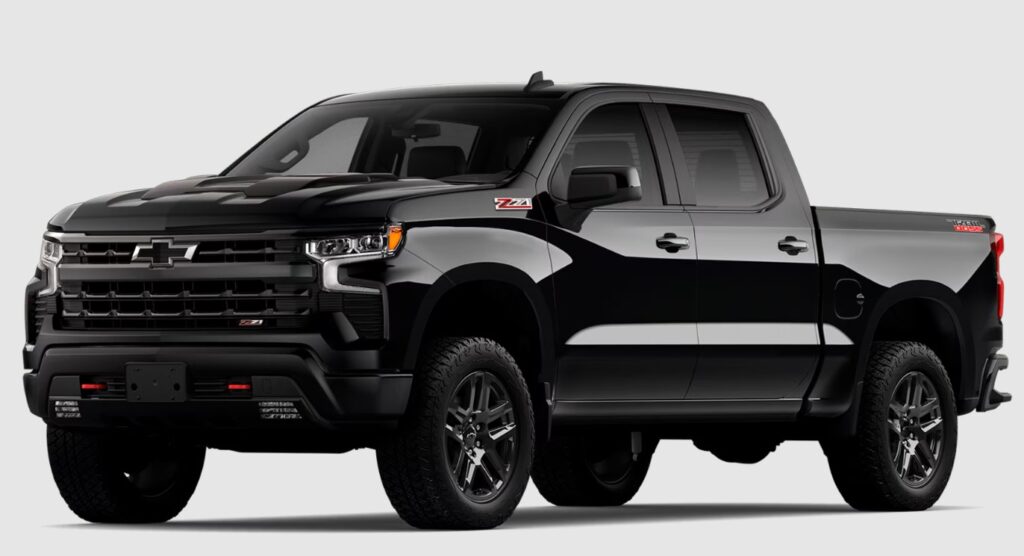
Buying a used Chevrolet Silverado can feel like walking through a massive toolbox. Every truck looks useful, every seller claims theirs is “bulletproof,” and nearly every model year has loyal owners ready to defend it. Yet some Silverados genuinely offer a better mixture of reliability, capability, repairability, and long-term value than others.
So, what are the Chevrolet Silverado best years?
For most used-truck buyers, the strongest years to consider are 2005, 2006, 2012, 2013, 2018, 2020, and 2023. However, that does not mean every truck built during those years is automatically a good purchase. Engine choice, transmission type, maintenance history, mileage, rust, towing use, and previous modifications can matter just as much as the number printed on the registration document.
The Silverado became its own Chevrolet model for 1999, although the Silverado name had previously been used as a trim level on Chevrolet C/K trucks. Chevrolet introduced the fourth Silverado generation for the 2019 model year.
In this guide, we will examine every generation, identify the years that deserve a place at the top of your shopping list, discuss the versions requiring additional caution, and explain how to recognize a genuinely good truck.
Content in this publication
- Quick Answer: What Are the Best Chevrolet Silverado Years?
- Chevrolet Silverado Generations Explained
- Best First-Generation Silverado Years: 1999–2006
- First-Generation Years Requiring More Caution
- Best Second-Generation Silverado Years: 2007–2013
- Second-Generation Silverado Years to Approach Carefully
- Best Third-Generation Silverado Year: 2018
- Third-Generation Years We Would Not Prioritize
- Best Fourth-Generation Silverado Years: 2019–2026
- Silverado 1500 Versus Silverado HD: Do the Best Years Differ?
- Which Silverado Engine Is the Most Reliable?
- The Importance of Transmission Choice
- How Many Miles Can a Good Silverado Last?
- What Matters More Than Model Year?
- Used Silverado Inspection Checklist
- Best Silverado Year for a Tight Budget
- Best Silverado Year for Everyday Driving
- Best Newer Silverado Year
- Best Silverado Year for Simplicity
- Best Silverado Year for Overall Value
- Silverado Years to Avoid or Inspect More Carefully
- Should We Buy a Silverado With More Than 100,000 Miles?
- Is a One-Owner Silverado Always Better?
- How to Choose the Right Silverado Year for Your Needs
- Final Verdict: Which Chevrolet Silverado Year Is Best?
- Frequently Asked Questions
Quick Answer: What Are the Best Chevrolet Silverado Years?
The following model years generally stand out when we consider mechanical simplicity, owner satisfaction, parts availability, capability, and value:
- 2005: A proven first-generation truck with relatively straightforward mechanical systems.
- 2006: Often considered the sweet spot of the original Silverado generation.
- 2012: A mature second-generation model with many early-production problems already addressed.
- 2013: The final year of its generation and one of the more refined GMT900 Silverados.
- 2018: The final year before the fourth-generation redesign, offering modern comfort without being an all-new model.
- 2020: A reasonable fourth-generation choice once the initial 2019 launch year had passed.
- 2023: A newer option with updated cabin technology and a broader selection of powertrains.
Among these, 2006, 2013, and 2018 are especially attractive because each sits near the end of its respective generation. Manufacturers often spend several years correcting weaknesses, refining components, and improving production processes. The final model year can therefore resemble the polished final chapter of a book rather than its rough first draft.
Still, age matters. A neglected 2006 Silverado can be a far worse investment than a carefully maintained 2015. We should use model-year recommendations as a filter, not as a substitute for an inspection.
Chevrolet Silverado Generations Explained
Before ranking individual years, we need to understand the Silverado’s major generations.
First Generation: 1999–2006
The first standalone Silverado arrived for the 1999 model year as the successor to Chevrolet’s long-running C/K pickup line. These trucks are commonly associated with the GMT800 platform.
They offered several engines, including the 4.3-liter V6 and the familiar 4.8-, 5.3-, and 6.0-liter V8s. Their relatively simple construction, strong parts availability, and familiar small-block-based V8 engines have helped many survive well beyond their expected working lives.
Second Generation: 2007–2013
Chevrolet redesigned the Silverado for 2007. The second-generation truck brought updated styling, improved interiors, greater refinement, and more sophisticated engine-management technology.
This generation also expanded the use of Active Fuel Management on certain V8 configurations. The system can deactivate cylinders under light loads to reduce fuel consumption, but it adds complexity that used buyers should understand.
Third Generation: 2014–2018
The 2014 redesign introduced a more modern cabin, stronger body styling, direct-injected EcoTec3 engines, improved technology, and higher levels of comfort.
These trucks can be excellent daily drivers, but some model years accumulated more complaints involving air-conditioning equipment, electronics, transmissions, and driveline behavior. Complaint data identify 2014 as a high-complaint year and 2017 as a particularly troublesome year for transmission-related reports.
Fourth Generation: 2019–2026
The Silverado received another major redesign for 2019. Chevrolet expanded the powertrain range, reduced weight in selected configurations, increased cargo-bed capacity, and eventually introduced major interior improvements.
The Insurance Institute for Highway Safety confirms that the Silverado 1500 crew cab was redesigned for 2019, with many crash-test ratings applying across multiple subsequent years.
Because these trucks contain more electronics, driver-assistance systems, cylinder-management technology, and software-controlled components, maintenance history becomes increasingly important.
What About the 2027 Silverado?
Chevrolet has announced a next-generation 2027 Silverado with a revised trim structure and new powertrain developments. Since it has not accumulated meaningful long-term ownership data, it cannot yet be classified as one of the most reliable Silverado years.
A new truck can look dazzling under dealership lights, but reliability is measured through years of real work—not minutes in a showroom.
Best First-Generation Silverado Years: 1999–2006
For shoppers who value simplicity, low-cost parts, and traditional truck character, the first-generation Silverado remains tempting.
Why the 2005 Silverado Is a Good Choice
The 2005 Silverado benefits from years of platform development. It retains the old-school feeling that many truck owners appreciate: clear controls, relatively straightforward mechanical systems, and fewer complicated electronic features than modern pickups.
The 4.8-liter and 5.3-liter V8 engines are common, widely understood, and supported by an enormous supply of replacement parts. Independent mechanics are generally familiar with them, making diagnosis and repairs less intimidating.
Potential problems still include:
- Instrument-cluster failures
- Fuel-pump wear
- Brake-line corrosion
- Rust around rocker panels and wheel arches
- Transfer-case wear on four-wheel-drive models
- Steering and suspension play
- Oil leaks from aging seals and gaskets
These are old trucks now, so age-related deterioration may matter more than original factory quality.
Why 2006 May Be the Best Older Silverado Year
The 2006 Silverado is arguably the best choice for buyers seeking a traditional, durable, pre-2007 truck.
Why does it stand out? It arrived at the end of the GMT800 generation, after Chevrolet had years to improve assembly quality and correct early weaknesses. It also predates the broader use of some fuel-saving technologies that added mechanical complexity to later V8s.
A well-maintained 2006 Silverado can feel like a sturdy pair of leather boots. It may look worn, and it may not contain the latest technology, but it can remain dependable when properly cared for.
Best 2006 Silverado Configurations
For general ownership, we would prioritize:
- A stock or lightly modified truck
- A 4.8-liter or 5.3-liter V8
- Documented transmission servicing
- Minimal chassis rust
- No evidence of repeated heavy towing
- Factory-size wheels and tires
- A functioning four-wheel-drive system, when equipped
The 6.0-liter V8 can also be desirable, particularly for owners needing additional capability. However, fuel costs and evidence of hard commercial use should be considered.
First-Generation Years Requiring More Caution
The earliest trucks, particularly 1999 through 2002, are not necessarily bad. Nevertheless, they are now extremely old, and early-production vehicles can contain more age-related electrical, fuel-system, and structural problems.
A 2000 Silverado, for example, may still be useful, but complaint records include starting-related reports, while age alone raises the probability of deteriorated wiring, hoses, seals, sensors, and fuel-delivery components.
We would not reject an early Silverado automatically. Instead, we would demand a lower price and a more thorough inspection.
Best Second-Generation Silverado Years: 2007–2013
The second generation offers a valuable middle ground. It feels newer than the original Silverado but remains simpler and more affordable than many late-model trucks.
Why the 2012 Silverado Is Worth Buying
By 2012, Chevrolet had several years to refine the GMT900 platform. The truck offered a comfortable ride, useful towing capacity, widely available parts, and a broad range of body, bed, drivetrain, and engine combinations.
The 2012 Silverado is especially appealing when it has:
- Consistent oil-change records
- No cold-start ticking
- No history of excessive oil consumption
- Smooth transmission shifts
- A clean frame and underbody
- Factory engine-management programming
- No poorly installed lift kit
The 4.8-liter V8 can be attractive to buyers prioritizing simplicity over maximum towing performance. Larger engines provide more power, but certain cylinder-deactivation components deserve closer attention.
Why the 2013 Silverado Is One of the Best Overall Years
The 2013 Silverado may be the strongest all-around choice for buyers who want an older truck without stepping back into the early 2000s.
As the final year before the 2014 redesign, it combines mature engineering with reasonable comfort. Parts are easy to find, most independent repair shops understand the platform, and prices can remain considerably lower than those of newer trucks.
The 2013 model does not provide the flashy interior or advanced infotainment of newer Silverados. Yet that simplicity can be an advantage. Fewer screens and modules mean fewer electronic systems capable of throwing an expensive tantrum.
The 2013 Silverado’s Main Weakness
The largest concern involves the maintenance and condition of V8 engines equipped with Active Fuel Management.
When inspecting one, listen for:
- Ticking or tapping from the engine
- Misfires during acceleration
- Blue exhaust smoke
- Low oil level
- Rough idle
- Warning lights related to misfires
- Evidence of unusually frequent spark-plug replacement
None of these symptoms should be dismissed as “normal truck noise.” A faint sound can become a loud repair bill.
Second-Generation Silverado Years to Approach Carefully
The 2007 model represented a redesign year, and first-year vehicles often carry a greater risk of unresolved production or component issues. The following years also require careful inspection for oil consumption and valvetrain concerns on applicable engines.
Hybrid Silverados deserve additional caution because their specialized components can make diagnosis and repairs more complicated. Complaint records for the 2011 Silverado Hybrid include engine-related reports, illustrating why a conventional gasoline truck may be safer for budget-focused used buyers.
This does not mean every 2007–2011 Silverado should be avoided. It means we should value documentation more heavily and resist buying solely because the truck has shiny paint.
Best Third-Generation Silverado Year: 2018
The third generation is popular because it combines traditional V8 appeal with modern styling, comfortable cabins, touchscreens, and useful towing technology.
Why the 2018 Silverado Stands Above the Rest
The 2018 Silverado arrived at the end of the 2014–2018 generation. That gives it one immediate advantage: it was not the first attempt at a newly redesigned platform.
Compared with the 2014 launch-year truck, the 2018 model benefited from several years of manufacturing experience. It also avoids the uncertainty that follows a complete redesign.
The 2014–2018 Silverado generation earned generally strong results in certain IIHS crash evaluations, although performance depends on body style, trim, equipment, and test category.
You may be interested in reading Chevrolet Silverado Trim Levels in Order: Complete Buyer’s Guide
A good 2018 Silverado can deliver:
- A refined and quiet cabin
- Strong V8 performance
- Modern safety and convenience features
- Competitive towing ability
- Easy access to parts and service
- Familiar styling that has aged well
- Better daily comfort than older generations
Still, the 2018 model is not mechanically perfect.
What to Check on a 2018 Silverado
Pay close attention to the transmission during the test drive. It should shift consistently when cold and fully warm. Look for delayed engagement, vibration, shuddering, harsh downshifts, or a sensation resembling driving over narrow rumble strips.
Also inspect:
- Air-conditioning performance
- Battery and charging voltage
- Touchscreen operation
- Door locks and window switches
- Four-wheel-drive engagement
- Engine idle quality
- Cooling-system leaks
- Oil level and oil-change records
Should We Buy a 2018 Silverado With the Eight-Speed Transmission?
Possibly, but only after a careful road test and service-history review.
The transmission should be tested at low speeds, highway speeds, light throttle, moderate throttle, and after reaching operating temperature. A five-minute drive around the dealership is not enough.
A truck that shifts well while cold can begin shuddering after 20 minutes. Used-truck shopping rewards patience. The seller may want a quick sale, but we are the ones who could inherit the repair.
Third-Generation Years We Would Not Prioritize
The 2014 Silverado
The 2014 Silverado introduced a fresh design, but it accumulated a significant number of owner complaints. Air-conditioning failure is among the better-known complaint categories, with condenser replacement frequently reported as a solution.
A 2014 truck may still be worth buying when priced correctly and supported by repair records. However, it should not be our first choice when similarly priced 2016 or 2018 models are available.
The 2017 Silverado
The 2017 model deserves particular caution due to transmission complaints involving surging, jerking, torque converters, and costly repairs. CarComplaints identifies 2017 as the Silverado 1500’s worst model year in its owner-submitted database, while transmission trouble is listed as the model’s worst overall problem category.
Owner-submitted complaints do not prove that every truck has the same defect. They do, however, provide a warning signal. When a pattern appears repeatedly, sensible buyers listen.
Best Fourth-Generation Silverado Years: 2019–2026
The fourth-generation Silverado is larger, more sophisticated, and more versatile than its predecessors. It offers turbocharged four-cylinder, gasoline V8, and diesel engine options, depending on model year and configuration.
However, newer does not automatically mean simpler or cheaper to own.
Why We Prefer 2020 Over 2019
The 2019 Silverado was the first year of a complete redesign. First-year trucks can experience software glitches, assembly inconsistencies, unfamiliar repair procedures, and components that are later revised.
The 2020 model is therefore a more comfortable starting point for fourth-generation shoppers. Chevrolet had already completed one model year of real-world production, dealers had gained experience with the platform, and some early problems had time to become visible.
That does not make 2020 flawless. Buyers should still inspect the transmission, infotainment system, engine, electrical network, and cylinder-management operation carefully.
Why the 2023 Silverado Is a Strong Newer Choice
The 2023 Silverado benefits from the substantially improved interior introduced during the generation’s midcycle update on many trims. Its cabin feels more competitive, with larger displays, improved materials, and more advanced technology.
It also offers several powertrain personalities. Buyers can choose efficiency, torque, V8 sound, or diesel cruising range according to their needs.
The 2023 Silverado’s IIHS results vary by test. The crew cab received good ratings in several traditional evaluations, while performance was weaker in some updated tests.
That distinction matters. A truck cannot be described as simply “safe” or “unsafe” without considering the exact test, body style, trim, lighting equipment, and safety technology.
Why the Newest Model Year Is Not Automatically the Best
Reliability requires time to reveal itself. A one-year-old truck may have low complaint numbers because it has not traveled enough miles for long-term problems to develop.
For that reason, we would treat 2024–2026 Silverados as promising but not fully proven. They may be excellent purchases under warranty, but we cannot evaluate their long-term durability with the same confidence as a 2013 or 2018 model.
Silverado 1500 Versus Silverado HD: Do the Best Years Differ?
Yes. The Silverado 1500 and Silverado HD may share styling and branding, but they serve different owners and use different powertrains, transmissions, suspension systems, and chassis components.
Best Silverado 1500 Years
For most personal-use buyers, our strongest Silverado 1500 recommendations are:
- 2006
- 2013
- 2018
- 2020
- 2023
These years cover several price levels, from inexpensive work trucks to modern family pickups.
Best Silverado 2500HD and 3500HD Years
Heavy-duty shoppers frequently prioritize engine and transmission combinations rather than model year alone.
Older gasoline HD trucks with the 6.0-liter engine can be appealing because of their comparative simplicity. Diesel trucks can provide extraordinary torque and towing performance, but emissions equipment, injectors, turbochargers, fuel systems, and heavy-duty transmissions can generate expensive repairs.
A diesel truck is not automatically more durable for every buyer. Someone driving short urban trips may be happier with gasoline, while a driver towing long distances every week may benefit from diesel power.
Which Silverado Engine Is the Most Reliable?
There is no universal winner, but several engines deserve consideration.
The 4.8-Liter V8
The 4.8-liter V8 lacks the fame of the 5.3, but that can work in its favor. It is often found in simpler trucks and may have experienced less heavy towing.
Its disadvantages include lower torque and reduced desirability. Its advantages include familiar architecture, good parts availability, and fewer reasons for a previous owner to treat it like a race truck.
The 5.3-Liter V8
The 5.3-liter V8 is the Silverado’s most recognizable engine. It offers a practical balance of performance, fuel use, parts availability, and towing capability.
However, not every 5.3 is identical. Different generations use different fuel-injection, cylinder-management, and internal-component designs. Buyers should research the engine installed in the exact truck rather than assuming every 5.3 has the same strengths.
The 6.0-Liter Gasoline V8
The 6.0-liter V8 is a respected choice in older heavy-duty and selected half-ton applications. It generally consumes plenty of fuel, but its straightforward nature makes it attractive for work-focused buyers.
It is like a large, uncomplicated hammer: not delicate, not economical, but often ready to work.
The 6.2-Liter V8
The 6.2-liter delivers excellent acceleration and towing power. It makes the Silverado feel surprisingly quick for its size.
Yet additional performance can bring higher purchase prices, greater fuel consumption, premium-fuel considerations in some applications, and potentially more expensive repairs. We should buy it because we need or appreciate the power—not merely because it has the largest number on the badge.
The Duramax Diesel Options
Duramax engines can deliver excellent torque, highway efficiency, and towing capability. The smaller diesel offered in newer Silverado 1500 models may appeal to long-distance drivers, while the heavy-duty Duramax serves serious towing needs.
Before buying any diesel, verify:
- Fuel-filter replacement history
- Emissions-system condition
- Turbocharger behavior
- Cooling-system maintenance
- Injector or fuel-system repairs
- Frequency of short-trip use
- Evidence of tuning or emissions modification
A neglected diesel can turn an apparently good deal into a financial sinkhole.
The Importance of Transmission Choice
The engine receives most of the attention, but the transmission can decide whether Silverado ownership feels effortless or exhausting.
Older four-speed automatics are simple and familiar, although they may be worn after years of towing. Six-speed transmissions improved performance and fuel use but still require regular servicing. Newer eight- and ten-speed units provide more ratios and smoother highway operation when functioning properly, but they are more complex.
During a test drive, look for:
- Delayed engagement into Drive or Reverse
- Shuddering under light acceleration
- Harsh first-to-second shifts
- Clunking during downshifts
- Engine-speed flares between gears
- Vibration at steady cruising speeds
- Fluid leaks
- Burnt-smelling transmission fluid
Never accept “they all do that” as a diagnosis. Some operating characteristics may be normal, but a qualified technician should make that determination.
How Many Miles Can a Good Silverado Last?
A properly maintained Silverado can potentially remain useful beyond 200,000 miles, but mileage alone tells an incomplete story.
A 160,000-mile highway truck with detailed service records may be healthier than a 90,000-mile truck used for short trips, snowplowing, overloaded towing, or aggressive off-road driving.
Highway Miles Versus Work Miles
Highway operation usually places less stress on brakes, transmissions, steering components, and cooling systems than repeated short trips or heavy towing.
Work-truck mileage can be deceptive. A contractor’s truck may spend hours idling at job sites, accumulating engine wear without adding corresponding odometer miles.
Whenever possible, inspect engine-hour information and compare it with mileage. An unusually high number of idle hours deserves consideration.
What Matters More Than Model Year?
The model year is only one part of the decision.
You may be interested in readingChevrolet Silverado Trim Levels in Order: Complete Buyer’s GuideYou may be interested in reading
 Nissan Note X vs S: Which Trim Offers Better Value?
Maintenance Records
A folder full of invoices can be more valuable than polished paint. Records reveal whether the owner changed fluids, repaired problems promptly, and used the truck responsibly.
Rust Condition
Rust can destroy an otherwise reliable Silverado.
Inspect:
- Frame rails
- Crossmembers
- Brake lines
- Fuel lines
- Rocker panels
- Cab corners
- Bed supports
- Suspension mounting points
- Areas around the spare tire
Surface rust is different from structural corrosion. Deep scaling, holes, swollen seams, and weakened mounting points are serious warning signs.
Previous Towing
A towing receiver does not automatically mean abuse. Silverados are designed to tow. However, worn rear suspension components, overheated transmission fluid, damaged wiring, and mismatched trailer equipment may reveal difficult use.
Modifications
Lift kits, oversized tires, engine tunes, emissions modifications, aftermarket lighting, and poorly installed audio systems can all create problems.
A tasteful modification performed correctly may be harmless. A bundle of loose wires hiding beneath the dashboard is another story.
Used Silverado Inspection Checklist
Before purchasing any Silverado, complete the following checks:
- Start the engine completely cold.
- Listen for ticking, knocking, or rattling.
- Check the oil level and condition.
- Look underneath for leaks.
- Test every transmission gear.
- Drive until the truck reaches full operating temperature.
- Test four-wheel drive when equipped.
- Check the air conditioning and heater.
- Operate every window, lock, light, camera, and screen.
- Inspect the frame for structural corrosion.
- Scan all control modules for stored codes.
- Check tire wear for alignment or suspension problems.
- Confirm the vehicle identification number matches every document.
- Review service and accident history.
- Arrange an independent pre-purchase inspection.
- Check the VIN for open safety recalls using NHTSA’s recall lookup service.
That final inspection may cost money, but it is cheaper than discovering a failing transmission one week after purchase.
Best Silverado Year for a Tight Budget
For a limited budget, the 2005 or 2006 Silverado is our preferred starting point.
These trucks are old enough to be affordable but still supported by abundant replacement parts. The best purchase will usually be a plain, stock truck owned by someone who maintained it consistently.
Avoid focusing exclusively on low mileage. A low-mileage truck that sat outdoors for years can develop corrosion, dry seals, contaminated fluids, and electrical problems.
Best Silverado Year for Everyday Driving
For daily use, the 2018 Silverado offers one of the best balances.
It feels substantially more modern than a 2006 or 2013 truck, yet it comes from the final year of its generation. It provides a quiet cabin, modern conveniences, useful capability, and broad parts support.
The transmission and engine must still pass a proper inspection, but a good 2018 can serve as a comfortable family vehicle, commuter, and weekend workhorse.
Best Newer Silverado Year
The 2023 Silverado is our preferred newer option.
It provides updated technology, modern interiors on many trims, numerous powertrain choices, and stronger everyday usability than older trucks. Buyers who value warranty coverage and advanced features may find it more appealing than a late third-generation model.
However, long-term reliability evidence remains less complete than it is for older generations. A 2023 truck should be purchased with realistic expectations about software, electronics, and future repair costs.
Best Silverado Year for Simplicity
The 2006 Silverado takes this category.
It belongs to the final year of the first generation and avoids much of the electronic complexity found in later trucks. Mechanics understand it, parts are widely available, and owners can perform many maintenance tasks without navigating a maze of software-controlled systems.
Its greatest enemies are no longer design flaws. They are rust, neglect, age, and previous abuse.
Best Silverado Year for Overall Value
The 2013 Silverado may offer the strongest overall value.
It is newer and more refined than the GMT800 trucks but usually less expensive than a 2018. It also comes from the final year of its generation, giving buyers a mature platform.
The ideal 2013 example would have:
- Complete oil-change records
- A quiet engine
- Smooth transmission operation
- Limited corrosion
- No warning lights
- No major modifications
- A successful pre-purchase inspection
Silverado Years to Avoid or Inspect More Carefully
We would place the following years lower on our shopping list:
- 1999–2002: Primarily because of age, early-production status, and accumulated wear.
- 2007: First year of a redesigned generation.
- 2014: Redesign-year concerns and a notable volume of complaints, including air-conditioning failures.
- 2017: Significant transmission-related complaint patterns.
- 2019: First year of the fourth-generation redesign.
- Very recent years: Not necessarily unreliable, but still lacking extensive long-term evidence.
These are caution years, not automatic rejection years.
A 2017 Silverado with documented transmission replacement and excellent maintenance may be a better purchase than an abused 2018. The goal is not to worship a particular model year. The goal is to find the healthiest truck for the money.
Should We Buy a Silverado With More Than 100,000 Miles?
Yes, provided the condition and maintenance history justify it.
At 100,000 miles, we should expect evidence of fluid changes, brake work, tire replacement, suspension inspection, cooling-system maintenance, and perhaps transmission servicing.
A seller who says, “It never needed anything,” may believe that statement sounds reassuring. In reality, it may mean the owner ignored maintenance.
Vehicles require care. A truck that has received nothing may soon need everything.
Is a One-Owner Silverado Always Better?
Not necessarily.
A one-owner truck can be valuable because its history may be easier to trace. However, one careless owner can cause more damage than three responsible ones.
We should prioritize documented maintenance, clean mechanical condition, and professional inspection over the number of previous names on the title.
How to Choose the Right Silverado Year for Your Needs
The best year depends on how we plan to use the truck.
Choose a 2005 or 2006 when affordability, simplicity, and repairability matter most.
Choose a 2012 or 2013 when we want an older truck with better comfort and a relatively mature platform.
Choose a 2018 when we want modern features without purchasing the first year of the fourth generation.
Choose a 2020 when we want fourth-generation styling and capability while avoiding the initial 2019 launch year.
Choose a 2023 when modern cabin technology, newer safety equipment, and warranty possibilities rank above long-term simplicity.
For heavy towing, we should focus on payload rating, axle ratio, cooling equipment, engine, transmission, and trailering package—not merely the model year.
Final Verdict: Which Chevrolet Silverado Year Is Best?
The 2006 Chevrolet Silverado is our top choice for mechanical simplicity and old-school durability. The 2013 Silverado offers the best blend of affordability, comfort, maturity, and parts availability. The 2018 Silverado is the strongest modern used-truck option for many buyers, while the 2023 Silverado is a compelling newer choice.
Here is our final ranking:
- 2013 Chevrolet Silverado — Best overall value
- 2006 Chevrolet Silverado — Best for simplicity
- 2018 Chevrolet Silverado — Best modern used choice
- 2005 Chevrolet Silverado — Best lower-budget option
- 2023 Chevrolet Silverado — Best newer option
- 2012 Chevrolet Silverado — Strong second-generation alternative
- 2020 Chevrolet Silverado — Sensible fourth-generation choice
Yet the badge on the tailgate cannot tell us how a truck has lived.
A Silverado that spent its life receiving clean oil, sensible loads, and timely repairs will usually be a safer purchase than one that endured oversized tires, questionable tuning, overloaded trailers, and years of postponed maintenance.
The model year helps us narrow the field. The inspection decides the winner.
Frequently Asked Questions
What is the most reliable Chevrolet Silverado year?
The 2006 and 2013 Silverados are among the most appealing years for reliability-minded used buyers. The 2006 offers greater mechanical simplicity, while the 2013 combines mature engineering with improved comfort. Individual condition remains more important than the model year alone.
What is the best newer Chevrolet Silverado year?
The 2023 Silverado is a strong newer choice because it offers updated interior technology, numerous powertrain options, and improved everyday refinement. However, it has less long-term reliability history than older trucks such as the 2013 or 2018.
Which Chevrolet Silverado years should we avoid?
The 2014 and 2017 model years deserve additional caution because of their complaint patterns, particularly air-conditioning concerns on the 2014 and transmission-related reports on the 2017. The redesign-year 2019 truck should also receive a thorough inspection.
Is the 5.3-liter Silverado engine reliable?
Many 5.3-liter Silverado engines have provided long service, but reliability varies by generation, maintenance history, and cylinder-management system. Check for oil consumption, valvetrain noise, misfires, and complete service records before buying.
You may be interested in readingChevrolet Silverado Trim Levels in Order: Complete Buyer’s GuideYou may be interested in reading
Nissan Note X vs S: Which Trim Offers Better Value?You may be interested in reading
 Ford Ranger Top of the Range: Flagship Models Explained
Is a high-mileage Silverado worth purchasing?
A high-mileage Silverado can be worthwhile when it has a clean frame, detailed maintenance records, smooth drivetrain operation, and no evidence of serious abuse. A professional inspection is essential because repair costs can quickly erase the savings from a low purchase price.
If you want to know other articles similar to Chevrolet Silverado Best Years: A Complete Buyer’s Guide you can visit the category Models.
Volkswagen T-Cross vs Volkswagen T-Roc: Which Is Better?
Hyundai Tucson Weight: Complete Guide to Curb, Gross, and Payload Specs

Honda Passport vs Toyota 4Runner: Which SUV Is Better?
Honda Passport vs Ford Bronco: Which SUV Is Better?
Honda Passport vs Ford Explorer: Which SUV Is Better?
Honda Passport or Pilot: Which SUV Is Better?
Leave a Reply
More content of your interest