

Chevrolet Silverado Trim Levels in Order: Complete Buyer’s Guide

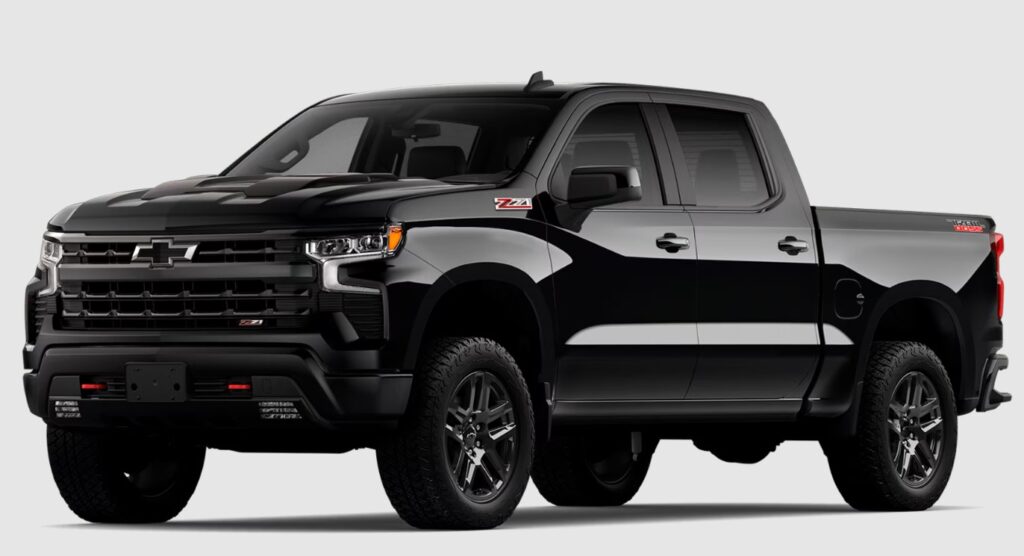
Understanding the Chevrolet Silverado trim levels in order sounds simple until we start comparing different generations. One website may list Work Truck, LT, LTZ, and High Country. Another throws Custom, RST, Trail Boss, and ZR2 into the mix. Then an older Silverado appears wearing an LS badge, while a classic Chevrolet C/K uses Silverado as the trim name rather than the model.
Confusing? A little.
The Silverado trim ladder has changed repeatedly because Chevrolet has adapted the truck to different buyers. Contractors want a durable, affordable workhorse. Families want comfortable seating and modern technology. Outdoor enthusiasts want lifted suspension and four-wheel-drive hardware. Luxury buyers expect leather, premium sound, and nearly every convenience available.
That means there is no single trim order covering every Silverado ever built.
The Silverado name first appeared in 1975 as an upscale trim on Chevrolet’s C/K pickups. It became a standalone truck model for the 1999 model year. Since then, its hierarchy has expanded from a relatively straightforward collection of base, LS, and LT trucks into a broad lineup with work, street-style, luxury, and off-road branches.
In this guide, we will organize the Chevrolet Silverado trim levels by generation, explain the features that matter, and help buyers identify where each version sits. Think of it as a map through Silverado country—without the dusty detours.
Content in this publication
- Chevrolet Silverado Trim Levels in Order at a Glance
- Why Silverado Trim Order Changes by Year
- Before 1999: Silverado Was a Chevrolet C/K Trim
- First-Generation Silverado Trim Levels: 1999–2006
- Second-Generation Silverado Trim Levels: 2007–2013
- Third-Generation Silverado Trim Levels: 2014–2018
- Fourth-Generation Silverado Trim Levels: 2019–Present
- Work Truck: The Essential Silverado
- Custom: Style on a Controlled Budget
- Custom Trail Boss: Affordable Factory-Lifted Attitude
- LT: The Mainstream Sweet Spot
- RST: Sporty Street Style
- LT Trail Boss: Off-Road Ability with More Comfort
- LTZ: Traditional Premium Territory
- High Country: The Luxury Flagship
- ZR2: The Off-Road Flagship
- Where Do Special Editions Fit?
- Silverado 1500 Versus Silverado HD Trim Order
- How to Choose the Right Silverado Trim
- Choose Work Truck When Capability Comes First
- Choose Custom for Affordable Visual Appeal
- Choose LT for the Best Overall Balance
- Choose RST for a Sportier Road Presence
- Choose Trail Boss for Regular Off-Pavement Use
- Choose LTZ or High Country for Luxury
- Choose ZR2 for Serious Factory Off-Road Hardware
- Why the Highest Trim Is Not Always the Best Trim
- What Used Silverado Buyers Should Inspect
- The Future Silverado Trim Structure
- Final Verdict: Chevrolet Silverado Trim Levels Explained
- Frequently Asked Questions
Chevrolet Silverado Trim Levels in Order at a Glance
For a recent Silverado 1500, the general progression from basic to increasingly equipped looks like this:
- Work Truck
- Custom
- LT
- RST
- LTZ
- High Country
However, the Silverado also offers off-road-oriented trims that branch away from the normal comfort hierarchy:
- Custom Trail Boss
- LT Trail Boss
- ZR2
These are not simply luxury upgrades. They trade some appearance or convenience equipment for specialized suspension, tires, ground clearance, and four-wheel-drive capability.
For example, an LTZ may feel more luxurious than an LT Trail Boss, while the Trail Boss is better prepared for rough trails. A ZR2 can sit near the top of the price range without trying to imitate the polished personality of the High Country.
That distinction matters. Silverado trims are more like branches on a tree than perfectly even steps on a staircase.
Why Silverado Trim Order Changes by Year
Automakers rarely leave trim structures untouched. Chevrolet has introduced new names, discontinued old ones, repositioned equipment, and turned former appearance packages into full trims.
Several factors explain these changes:
- Buyers expect more standard technology.
- Safety equipment has become more important.
- Off-road trucks have grown in popularity.
- Luxury pickups now compete with premium SUVs.
- Fleet operators still need inexpensive, uncomplicated trucks.
- Special editions sometimes become permanent trims.
- Engines and cab configurations vary by trim.
A feature considered luxurious in 2001—such as a CD player or power-adjustable seat—would barely attract attention in a current truck. Likewise, today’s large infotainment screens, camera systems, driver-assistance features, and digital displays were not part of the conversation during the Silverado’s early years.
Consequently, we should compare each trim within its own generation rather than judging every Silverado by modern expectations.
Before 1999: Silverado Was a Chevrolet C/K Trim
The Original Meaning of Silverado
Before the Silverado became an independent model, Chevrolet used the name for a high-level trim on its C/K pickup range. Starting in 1975, Silverado generally represented a more upscale Chevrolet pickup with upgraded interior materials, additional exterior trim, and greater convenience than the lower versions.
A simplified hierarchy for many classic Chevrolet C/K years was:
- Base or Custom Deluxe
- Scottsdale
- Cheyenne
- Silverado
Exact names and ordering varied by model year, truck series, and market. Still, Silverado usually sat near or at the top.
This historical detail explains why owners sometimes refer to a 1985 “Chevrolet Silverado,” even though its official model family was C/K. Silverado was the equipment grade, much as High Country is on a modern truck.
What the Classic Silverado Trim Typically Added
Depending on the year, Silverado-badged C/K trucks could offer:
- Upgraded upholstery
- Additional bright exterior trim
- Woodgrain-style cabin accents
- More complete instrumentation
- Improved carpeting and interior finishing
- Extra sound insulation
- Convenience equipment unavailable on basic work trucks
- Power accessories on suitably equipped examples
Today, these features may sound modest. In their era, they helped transform a farm or work vehicle into something owners could comfortably use every day.
What Buyers Should Check on a Classic Truck
With a classic C/K, the badge does not tell the whole story. Decades of repairs, restoration, repainting, engine swaps, and interior replacements may have changed the truck substantially.
Check the vehicle identification details, factory documentation, option labels, and physical equipment. A Silverado emblem is easy to install. Authentic equipment and preserved condition are harder to fake.
First-Generation Silverado Trim Levels: 1999–2006
The first standalone Silverado 1500 arrived for 1999. Chevrolet continued selling some older-body trucks alongside it for a period, which is why terms such as “Silverado Classic” can create confusion around transition years.
Typical First-Generation Trim Order
The broad hierarchy generally followed this pattern:
- Base
- Work Truck
- LS
- LT
Some years, body styles, and configurations did not offer every grade. Equipment groups could also blur the boundaries.
Base and Work Truck
The Base and Work Truck versions sat at the bottom of the first-generation lineup. They were designed around utility, low purchase cost, and ease of ownership.
Typical characteristics included:
- Vinyl or basic cloth seating
- Simple interior trim
- Manual windows or locks on lightly equipped trucks
- Steel wheels
- Fewer exterior decorations
- Limited entertainment features
- Regular-cab and long-bed availability
- Practical engine and drivetrain combinations
These trucks often make sense for tradespeople, farms, fleets, or buyers who value mechanical simplicity. Yet an old Work Truck is not automatically a bargain. Commercial use may have subjected it to heavy towing, long idle periods, overloaded beds, and rough job-site conditions.
LS
The LS was the first meaningful step toward everyday comfort. It usually added more convenience and appearance equipment without reaching the premium pricing of the LT.
Depending on the year and configuration, buyers could find:
- Upgraded cloth seats
- Better interior materials
- Additional exterior molding
- Chrome details
- Power accessories
- Improved audio equipment
- Cruise control
- More wheel choices
- Expanded cab and drivetrain combinations
For used buyers, an LS can be a sweet spot. It gives us more comfort than a basic work truck while avoiding some of the costly equipment found in the highest trim.
LT
The LT generally occupied the top of the first-generation Silverado range.
Typical LT advantages included:
- Leather seating on many configurations
- Power-adjustable front seats
- Automatic climate control or upgraded air conditioning
- Premium audio options
- More polished exterior trim
- Alloy wheels
- Additional driver conveniences
- Greater access to luxury options
An LT was the truck for someone who needed pickup capability but did not want the cabin to feel like a rolling toolbox.
First-Generation Buyer Recommendation
Choose a Work Truck for utility, an LS for balanced value, and an LT for comfort. At this age, however, condition matters far more than the original badge.
A well-maintained LS with service records is usually a better purchase than a neglected LT with cracked leather, failing electronics, rust, and a hard towing history.
Second-Generation Silverado Trim Levels: 2007–2013
The second-generation Silverado brought a more modern interior, improved refinement, and a clearer separation between work-focused and luxury-oriented models.
Typical Second-Generation Trim Order
The most common order was:
- Work Truck
- LS
- LT
- LTZ
As before, availability depended on cab style, bed length, engine, drivetrain, and year.
Work Truck
The Work Truck remained the entry point. Chevrolet designed it for buyers who needed capability before decoration.
Typical features included:
- Durable vinyl or cloth upholstery
- Basic cabin materials
- Steel wheels
- Black exterior trim
- Straightforward controls
- Limited luxury content
- Multiple practical body configurations
For business use, this was often all the truck required. There is something appealing about that honesty. No costume jewelry—just boots, gloves, and a willingness to work.
LS
The LS provided a modest upgrade over the Work Truck. It often improved cabin comfort, exterior presentation, and everyday usability.
Depending on the model year, LS equipment could include:
- Cloth seating
- More interior storage
- Upgraded audio
- Cruise control
- Chrome exterior elements
- Power accessories
- Improved wheel covers or wheels
- Additional convenience packages
The LS was not lavish, but it made the Silverado easier to live with as personal transportation.
LT
The LT became one of the generation’s most popular choices because it balanced equipment, price, and configuration flexibility.
Common LT benefits included:
- Better cloth upholstery
- Enhanced dashboard and door materials
- Alloy wheels
- Chrome exterior trim
- Greater access to V8 engines
- Power driver’s seat availability
- Steering-wheel controls
- Remote start availability
- Expanded convenience packages
For many buyers, LT represented the point where the Silverado stopped feeling basic without becoming expensive for the sake of prestige.
LTZ
LTZ sat at the top of the normal second-generation range.
It commonly brought:
- Leather-appointed seating
- Heated front seats
- Dual-zone climate control
- Premium audio availability
- Larger alloy wheels
- More body-color or chrome trim
- Power-adjustable seating
- Additional electronic convenience features
The LTZ was essentially the luxury Silverado before High Country joined the lineup.
Understanding Second-Generation Packages
Packages could make one LT look dramatically different from another. An LT equipped with popular convenience, towing, and appearance packages might approach an LTZ in equipment. Conversely, an inexpensive LT could remain fairly simple.
This is why buyers should inspect the actual options rather than relying solely on the tailgate badge.
Third-Generation Silverado Trim Levels: 2014–2018
The third-generation Silverado introduced sharper styling, more technology, and a broader personality range. This era also established High Country as the recognizable luxury flagship.
You may be interested in reading Nissan Note X vs S: Which Trim Offers Better Value?
Typical Third-Generation Trim Order
A simplified order is:
- Work Truck
- LS
- Custom
- LT
- LTZ
- High Country
Not every trim was offered in every year. Custom entered as a value-driven, style-focused choice, while special editions created further variations.
Work Truck
The WT continued to target commercial and no-frills buyers.
Typical equipment included:
- Durable seating surfaces
- Rubberized or easy-clean flooring on some examples
- Basic infotainment
- Steel wheels
- Black bumpers or simple exterior trim
- Limited convenience equipment
- Broad bed and cab availability
Used WT models can offer strong value, especially when mechanical condition is good. We should simply remember that fleet life can be demanding.
LS
The LS remained a small step above the WT in many model years. It generally added enough comfort and connectivity to make the truck more pleasant for private owners.
Possible LS upgrades included:
- Improved cloth upholstery
- Carpeted flooring
- More polished exterior details
- Upgraded infotainment
- Power windows and locks
- Cruise control
- Additional convenience features
The difference between WT and LS could be relatively small, so the individual option list matters.
Custom
Custom targeted buyers who wanted visual attitude without paying for a heavily equipped cabin.
It commonly emphasized:
- Larger wheels
- Body-color exterior elements
- Distinctive grille treatment
- Appearance-focused details
- Value-oriented feature packaging
- Crew-cab availability in popular configurations
Custom can look more expensive than it actually is. That is the point. It dresses for Saturday night while keeping a Monday-morning budget.
However, buyers expecting LT-level interior technology may be disappointed. Custom is usually about style first.
LT
LT remained the all-rounder.
Typical features could include:
- Upgraded infotainment
- Cloth seating
- A more refined cabin
- Alloy wheels
- Chrome or body-color exterior details
- Expanded powertrain choices
- Convenience and towing packages
- Driver-information upgrades
For many third-generation shoppers, the LT offers the strongest combination of price, equipment, replacement-part availability, and resale appeal.
LTZ
LTZ moved the truck firmly into premium territory.
Common equipment included:
- Leather-appointed seats
- Heated front seating
- Dual-zone automatic climate control
- Advanced infotainment
- Premium exterior trim
- Larger wheels
- More driver-assistance availability
- Power-folding or upgraded mirrors
- Additional convenience equipment
LTZ suited buyers who wanted luxury but preferred a more traditional truck appearance than the western-themed High Country.
High Country
High Country became the flagship luxury Silverado trim.
Typical distinguishing features included:
- Premium leather upholstery
- Unique interior colors and stitching
- Heated and ventilated seating availability
- High-end exterior accents
- Exclusive grille and wheel designs
- Premium audio availability
- Advanced technology packages
- Added comfort for long-distance driving
High Country is not necessarily the best choice for hard job-site use. Its appeal lies in making towing, commuting, road trips, and family driving feel more relaxed.
Best Third-Generation Trim for Most Buyers
The LT is usually the safest general recommendation. It offers useful equipment without the repair costs and purchase premium associated with every luxury feature.
The LTZ or High Country makes sense when cabin comfort is a genuine priority—not merely because the badge looks impressive in an advertisement.
Fourth-Generation Silverado Trim Levels: 2019–Present
The fourth generation expanded the lineup significantly. Rather than forcing all buyers through one straight trim ladder, Chevrolet created distinct work, street-style, mainstream, premium, and off-road personalities.
For the 2026 Silverado 1500, Chevrolet continues to offer a broad selection including Work Truck, Custom, LT, RST, Custom Trail Boss, LT Trail Boss, LTZ, High Country, and ZR2. Equipment and engine availability vary among them.
Current Silverado Trim Levels in Practical Order
For buyers who want a simple framework, we can organize them like this:
Core Comfort Ladder
- Work Truck
- Custom
- LT
- RST
- LTZ
- High Country
Off-Road Ladder
- Custom Trail Boss
- LT Trail Boss
- ZR2
This is more useful than forcing all nine trims into a misleading one-through-nine ranking.
Work Truck: The Essential Silverado
The Work Truck is the least expensive and most utility-focused Silverado 1500.
Its appeal usually includes:
- Durable interior materials
- Straightforward controls
- Essential infotainment and connectivity
- Practical wheel and tire combinations
- Broad cab and bed choices
- Fleet-friendly configurations
- Access to towing and work-related equipment
- Less decorative exterior trim
The WT is ideal for contractors, fleet operators, farms, and buyers who intend to modify the truck themselves.
It can also be a smart personal truck. Why pay for ventilated leather if muddy dogs, tools, and lumber will occupy the cabin every week?
Custom: Style on a Controlled Budget
Custom sits above WT and adds visual impact without making a full jump into LT territory.
Typical priorities include:
- Larger wheels
- Body-color styling
- A more assertive grille
- Convenience upgrades
- Popular cab configurations
- A street-oriented appearance
- Better visual presence than WT
Custom is attractive for buyers who care about how the truck looks but can live without the richer dashboard, premium displays, and extensive options of higher trims.
Custom Versus LT
This is one of the most misunderstood comparisons.
Choose Custom when exterior style and purchase price matter most.
Choose LT when interior technology, comfort, and broader feature availability matter most.
A Custom may look sportier from across the parking lot. Sit inside, however, and the LT usually reveals where the additional money went.
Custom Trail Boss: Affordable Factory-Lifted Attitude
Custom Trail Boss takes the value-oriented Custom formula and adds serious off-road character.
Its equipment commonly revolves around:
- Factory suspension lift
- Four-wheel drive
- Off-road-tuned suspension
- All-terrain tires
- Protective underbody hardware
- Automatic locking rear differential
- Dark exterior details
- Increased ground clearance
It is a strong choice for buyers who want factory-backed off-road hardware but do not need an upscale interior.
The trade-off is refinement. Aggressive tires, taller suspension, and off-road tuning may reduce ride smoothness, fuel economy, or highway quietness compared with a conventional Custom or LT.
LT: The Mainstream Sweet Spot
LT is where the modern Silverado begins to feel substantially more sophisticated.
Depending on year and configuration, it may include or offer:
- Larger infotainment display
- Digital driver-information screen
- Improved cabin materials
- Heated seating availability
- Remote start
- Dual-zone climate control availability
- Advanced towing technology
- Broader engine selection
- More safety and convenience packages
For buyers who want one truck to handle commuting, family use, home projects, vacations, and towing, LT is often the best answer.
It does not pretend to be bare-bones, ultra-luxurious, or a desert racer. It simply tries to do nearly everything well.
RST: Sporty Street Style
RST builds on the LT concept with a cleaner, body-color, street-inspired appearance.
Typical RST characteristics include:
- Body-color bumpers
- Distinctive grille treatment
- Larger wheel options
- LED lighting
- Sport-oriented exterior details
- Strong engine availability
- Many LT-level comfort and technology features
RST is not primarily an off-road trim. It suits buyers who want their Silverado to look athletic on pavement.
RST Versus LT
The two often share core equipment, but their personalities differ.
The LT tends to present a traditional truck appearance, often with more chrome. The RST exchanges some of that shine for body-color trim and a sportier visual theme.
Choose based on styling, price, and individual options. Mechanically, similarly equipped examples can be quite close.
LT Trail Boss: Off-Road Ability with More Comfort
LT Trail Boss combines much of the LT’s technology with Trail Boss hardware.
Compared with Custom Trail Boss, it generally provides access to:
- A more advanced infotainment system
- Improved driver displays
- Better interior materials
- Additional comfort packages
- More convenience technology
- Expanded engine choices
- The same broad factory-lifted personality
This is often the better Trail Boss for buyers who drive every day and spend only part of their time off pavement.
You may be interested in readingNissan Note X vs S: Which Trim Offers Better Value?You may be interested in reading
 Ford Ranger Top of the Range: Flagship Models Explained
Custom Trail Boss is the rugged value play. LT Trail Boss is the more complete lifestyle truck.
LTZ is the first conventional luxury-oriented step in the modern Silverado hierarchy.
Common strengths include:
- Leather-appointed seating
- Heated and ventilated front seats, depending on configuration
- Premium cabin materials
- Advanced camera and towing technology
- Larger wheels
- Additional safety features
- Upgraded exterior brightwork
- More standard convenience equipment
LTZ makes sense for buyers who want significant luxury without choosing the distinctive western-inspired presentation of High Country.
It can also be a practical tow vehicle. Premium seating, camera views, and driver-assistance technology become more meaningful after several hours with a trailer behind us.
High Country: The Luxury Flagship
High Country sits at the top of the traditional comfort hierarchy.
Typical highlights include:
- Exclusive leather and interior trim
- Unique grille and wheel designs
- Premium sound availability
- Advanced driver-assistance features
- High-level towing technology
- Heated and ventilated seating
- Additional rear-seat comfort
- Extensive exterior detailing
- Broad access to powerful engines
High Country targets buyers who might otherwise consider a premium SUV but still need a bed, towing capability, and truck architecture.
It is the Silverado wearing polished boots. Still a truck—just one that knows the reservation is at eight.
ZR2: The Off-Road Flagship
ZR2 is the most specialized off-road Silverado 1500 trim. Chevrolet positions it around demanding terrain rather than traditional luxury.
Its defining hardware may include:
- Specialized high-performance dampers
- Front and rear electronic locking differentials
- Increased ground clearance
- Off-road front bumper design
- Large all-terrain or mud-terrain tires
- Protective skid plates
- Terrain-focused drive settings
- Improved approach capability
- Unique exterior and interior details
The ZR2 is not simply “above” High Country or “below” it. They serve different purposes.
Choose High Country for maximum road-going luxury.
Choose ZR2 for maximum factory-engineered off-road capability.
Chevrolet identifies ZR2 as a distinct upper-level model and offers particular powertrain combinations and equipment for it, while High Country remains the premium luxury expression of the lineup.
Where Do Special Editions Fit?
Silverado history is filled with special editions and packages. Names have included Midnight Edition, Rally Edition, Redline Edition, Texas Edition, Realtree Edition, Black Widow conversions, and others.
These do not always represent separate positions in the official trim order.
A special edition may be:
- An appearance package added to an existing trim
- A regional equipment bundle
- A dealer-installed conversion
- A limited-production factory model
- A package combining wheels, graphics, steps, and interior details
- A mechanically upgraded off-road conversion
Always identify the underlying trim first. A Midnight Edition LT Trail Boss is still fundamentally an LT Trail Boss. The package changes its presentation and perhaps some equipment, but it does not create an entirely new rung in the hierarchy.
Silverado 1500 Versus Silverado HD Trim Order
Silverado 2500 HD and 3500 HD models use many familiar names, but their lineup is not always identical to the 1500 range.
A typical modern Silverado HD progression includes:
- Work Truck
- Custom
- LT
- LTZ
- ZR2
- High Country
Availability varies by model year and configuration. Chevrolet states that the 2026 Silverado HD is offered in six distinct models.
An HD trim should not be compared directly with a Silverado 1500 trim based only on the badge. Heavy-duty trucks use different frames, suspensions, powertrains, towing systems, and pricing structures.
An HD Work Truck may cost more than a well-equipped Silverado 1500, yet it remains the basic trim within the heavy-duty family.
How to Choose the Right Silverado Trim
Choose Work Truck When Capability Comes First
WT makes sense when the truck will be used for:
- Commercial work
- Fleet service
- Farming
- Frequent hauling
- Dirty job sites
- Custom modifications
- Budget-conscious ownership
It minimizes unnecessary decoration and keeps the focus on function.
Choose Custom for Affordable Visual Appeal
Custom fits buyers who want:
- A modern exterior
- Larger wheels
- Popular cab layouts
- A lower price than LT
- Basic technology without luxury ambitions
It is a style-conscious value trim.
Choose LT for the Best Overall Balance
LT is ideal for:
- Daily commuting
- Family transportation
- Moderate towing
- Road trips
- Home projects
- Buyers who prioritize useful technology
For the average private owner, LT is often the smartest starting point.
Choose RST for a Sportier Road Presence
RST works best when we prefer:
- Body-color styling
- A street-focused personality
- Strong engine choices
- Modern technology
- Less chrome
It provides attitude without requiring off-road suspension.
Choose Trail Boss for Regular Off-Pavement Use
Custom Trail Boss and LT Trail Boss suit:
- Muddy access roads
- Trails
- Campsites
- Hunting or fishing trips
- Rural properties
- Buyers who want a factory lift
Choose Custom Trail Boss for value and LT Trail Boss for comfort.
Choose LTZ or High Country for Luxury
LTZ and High Country are best for:
- Long-distance towing
- Frequent highway travel
- Upscale family use
- Buyers replacing a premium SUV
- Drivers who value leather, cameras, and comfort technology
LTZ is premium and relatively understated. High Country is the flagship experience.
Choose ZR2 for Serious Factory Off-Road Hardware
ZR2 is justified when we will actually use:
- Locking differentials
- Specialized suspension
- Improved ground clearance
- Underbody protection
- Terrain-focused capability
Buying a ZR2 solely for its appearance is possible, but we will pay for hardware that may never leave the pavement.
Why the Highest Trim Is Not Always the Best Trim
More equipment also means more complexity.
Luxury features can introduce:
- More electronic modules
- Costlier seat repairs
- Expensive wheel and tire replacement
- Additional camera or sensor systems
- Higher insurance costs
- Greater purchase price
- More features that can age or fail
Meanwhile, off-road trims may bring:
- Increased tire noise
- Reduced fuel economy
- Firmer ride quality
- More expensive tires
- Taller step-in height
- Different towing or payload trade-offs
The best trim is the one whose equipment we will use—not the one with the longest feature list.
What Used Silverado Buyers Should Inspect
Trim level is only one part of a used-truck decision. Before buying, inspect:
- Service records
- Rust on the frame and body
- Evidence of collision repair
- Transmission behavior
- Engine noise and oil condition
- Four-wheel-drive operation
- Differential leaks
- Suspension wear
- Trailer-hitch condition
- Bed damage
- Tire wear patterns
- Warning lights
- Electronic features
- Evidence of aftermarket tuning
- Signs of commercial use
Also verify the truck’s equipment through its identification information or original build data when possible.
Badges can be removed, replaced, or added. A convincing High Country emblem does not create High Country seats, wiring, cameras, suspension, or factory option codes.
The Future Silverado Trim Structure
Chevrolet has announced a redesigned 2027 Silverado with a seven-trim lineup: Work Truck, Custom, Custom Trail Boss, Silverado—replacing the LT name—Trail Boss, High Country, and ZR2. Because this future structure removes or renames familiar grades, it reinforces an important lesson: Silverado trim order must always be tied to a specific model year.
Buyers researching a 2012, 2020, 2026, or 2027 truck should not assume identical trim names or positioning.
Final Verdict: Chevrolet Silverado Trim Levels Explained
The Chevrolet Silverado trim levels in order have evolved from a simple hierarchy into several specialized paths.
For early standalone Silverados, the ladder was generally Base or Work Truck, LS, and LT. The second generation added LTZ as the luxury leader. The third generation introduced a broader spread with Custom and High Country. The fourth generation expanded further, using RST for street style, Trail Boss for lifted off-road ability, ZR2 for specialized terrain performance, and High Country for flagship luxury.
For most buyers, the practical choices are clear:
- Work Truck delivers basic utility.
- Custom adds affordable style.
- LT provides the strongest overall balance.
- RST gives the truck a sporty road-focused look.
- Trail Boss adds factory off-road preparation.
- LTZ introduces serious luxury.
- High Country maximizes comfort and prestige.
- ZR2 delivers the most advanced off-road hardware.
We should not shop by badge alone. Compare the actual engine, drivetrain, cab, bed, packages, towing equipment, interior features, condition, and price.
A lower trim with the correct options can be a far better truck than a flagship loaded with equipment we never use. The fanciest hammer in the toolbox is not necessarily the one that fits the nail.
Frequently Asked Questions
1. What are the current Chevrolet Silverado trim levels in order?
For the current Silverado 1500 generation, the core comfort-oriented progression is Work Truck, Custom, LT, RST, LTZ, and High Country. Custom Trail Boss, LT Trail Boss, and ZR2 form a separate off-road-oriented branch. Exact availability and standard features depend on the model year, cab, engine, bed, and drivetrain.
2. Is High Country higher than LTZ?
Yes. High Country generally sits above LTZ in the Silverado’s traditional luxury hierarchy. It usually adds exclusive interior materials, distinctive exterior styling, additional standard equipment, and broader access to premium technology. LTZ remains luxurious, but High Country is positioned as the flagship road-oriented trim.
3. Is ZR2 better than High Country?
Neither trim is universally better. ZR2 is better suited to demanding off-road use because it emphasizes specialized suspension, locking differentials, protective equipment, tires, and ground clearance. High Country is better for buyers prioritizing premium materials, highway comfort, luxury styling, and upscale convenience features.
You may be interested in readingNissan Note X vs S: Which Trim Offers Better Value?You may be interested in reading
Ford Ranger Top of the Range: Flagship Models ExplainedYou may be interested in reading
 Vauxhall Adam Models: Complete UK Range and Trim Guide
4. What is the best Silverado trim for the money?
LT is often the best trim for the money because it combines useful technology, a comfortable interior, broad configuration availability, and access to desirable engines and packages. Buyers who prioritize appearance may prefer Custom or RST, while those needing factory off-road equipment should compare the Trail Boss trims.
5. What is the difference between Custom Trail Boss and LT Trail Boss?
Both are factory-lifted, four-wheel-drive off-road trims, but Custom Trail Boss uses the simpler and more affordable Custom trim as its foundation. LT Trail Boss adds a more refined interior, improved displays, broader convenience equipment, and access to additional options. Custom Trail Boss favors value; LT Trail Boss favors everyday comfort.
If you want to know other articles similar to Chevrolet Silverado Trim Levels in Order: Complete Buyer’s Guide you can visit the category Models.
Honda Passport vs Toyota 4Runner: Which SUV Is Better?
Honda Passport vs Ford Bronco: Which SUV Is Better?
Honda Passport vs Ford Explorer: Which SUV Is Better?
Honda Passport or Pilot: Which SUV Is Better?
Honda Passport vs Jeep Grand Cherokee: Which SUV Is Better?
Honda Passport vs Nissan Pathfinder: Which SUV Is Better?
Leave a Reply
More content of your interest