
Toyota RAV4 Generations: Complete Guide to Every Model From 1994 to 2026

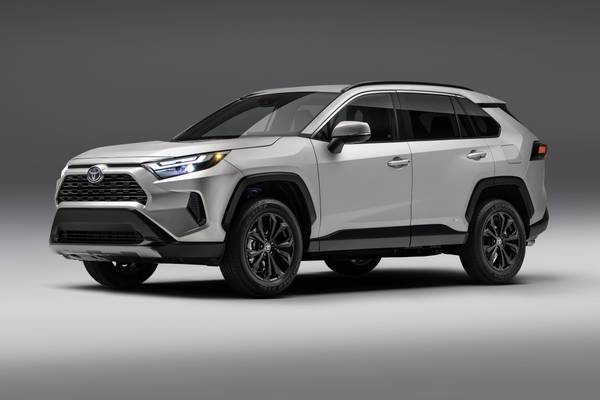
The Toyota RAV4 has become one of the most recognizable SUVs in the world, but its journey started with a surprisingly small and unconventional vehicle back in 1994. What began as a compact recreational SUV has evolved into a practical, technologically advanced family vehicle with hybrid and plug-in hybrid powertrains.
Over more than three decades, the Toyota RAV4 generations have introduced significant improvements in design, safety, performance, comfort, and fuel efficiency. Each generation reflects changing customer expectations, from the compact three-door models of the 1990s to the sophisticated electrified SUVs available today.
But how many Toyota RAV4 generations are there? Which years belong to each generation? And which generation offers the best combination of reliability, performance, and value?
In this comprehensive guide, we'll explore all six generations of the Toyota RAV4, examine their defining characteristics, compare their strengths and weaknesses, and help you understand which model might be the right choice.
Content in this publication
- How Many Toyota RAV4 Generations Are There?
- First Generation Toyota RAV4 (1994–2000): The Original Compact SUV
- Second Generation Toyota RAV4 (2000–2005): More Comfort and Refinement
- Third Generation Toyota RAV4 (2006–2012): The SUV Gets Bigger
- Fourth Generation Toyota RAV4 (2013–2018): The Modern Crossover Era
- Fifth Generation Toyota RAV4 (2019–2025): Modern Design and Hybrid Efficiency
- Sixth Generation Toyota RAV4 (2026–Present): A New Electrified Era
- Toyota RAV4 Generations Comparison: What Changed Over Time?
- Which Toyota RAV4 Generation Is the Most Reliable?
- Toyota RAV4 Gasoline vs Hybrid vs Plug-in Hybrid: How the Generations Differ
- Which Toyota RAV4 Generation Is Best to Buy Used?
- How to Identify Toyota RAV4 Generations by Appearance
- Toyota RAV4 Generations: Maintenance and Ownership Considerations
- The Future of Toyota RAV4 Generations
- Frequently Asked Questions About Toyota RAV4 Generations
- Conclusion: Which Toyota RAV4 Generation Should You Choose?
How Many Toyota RAV4 Generations Are There?
As of 2026, there are six generations of the Toyota RAV4, beginning with the original model introduced in Japan in 1994.
Each generation brought substantial changes, including larger dimensions, new engine options, improved safety systems, and increasingly sophisticated technology.
Toyota RAV4 Generations by Year
| Generation | Model Years (US) | Platform Code | Main Characteristics |
|---|---|---|---|
| First | 1996–2000 | XA10 | Compact design, three- and five-door versions |
| Second | 2001–2005 | XA20 | Improved comfort, styling, and refinement |
| Third | 2006–2012 | XA30 | Larger body, available V6 engine |
| Fourth | 2013–2018 | XA40 | Modern crossover styling, first RAV4 Hybrid |
| Fifth | 2019–2025 | XA50 | TNGA platform, advanced hybrid technology |
| Sixth | 2026–present | New-generation TNGA-K architecture | Hybrid and plug-in hybrid focus, redesigned technology |
Note: These are North American model-year ranges. Global introduction and production dates differ slightly. For example, the first RAV4 launched internationally in 1994, and the sixth generation was unveiled in 2025 as a 2026 model.
Understanding these distinctions is important when comparing vehicles from different markets, particularly Australia, Europe, Japan, and North America.
First Generation Toyota RAV4 (1994–2000): The Original Compact SUV
The first-generation Toyota RAV4 completely changed the automotive landscape.
Introduced in 1994, it combined several characteristics that were rarely found together at the time: the elevated driving position of an SUV, the practicality of a small hatchback, and the driving characteristics of a passenger car.
Most traditional SUVs were built on heavy truck-based platforms. Toyota took a different approach by developing a compact vehicle with unibody construction.
First-Generation RAV4 Design and Features
The original RAV4 featured a distinctive rounded design with short overhangs, compact dimensions, and a rear-mounted spare wheel.
Initially offered as a three-door model, the range later expanded to include a five-door version.
Its most recognizable characteristics included:
- Compact and lightweight construction.
- Three-door and five-door body styles.
- Rear-mounted spare tire.
- High ground clearance for its size.
- Available four-wheel drive.
- Simple, functional interior.
- Excellent maneuverability in urban environments.
Toyota even introduced a convertible-style soft-top version in certain markets.
The first RAV4 was particularly appealing to younger buyers who wanted something more adventurous than a traditional compact car.
First-Generation Toyota RAV4 Engines
Engine availability depended on the country, but the most recognizable powertrain was a naturally aspirated 2.0-liter four-cylinder gasoline engine.
In many markets, this engine produced approximately 120–130 horsepower, depending on the version.
Transmission options included manual and automatic gearboxes.
Toyota also developed an electric RAV4 during the first generation, demonstrating an early interest in alternative powertrains.
First-Generation RAV4 Reliability
The original RAV4 developed a reputation for mechanical durability, particularly when properly maintained.
Its relatively straightforward design makes it easier to understand and repair than modern vehicles equipped with complex electronic systems.
However, age is now the biggest concern.
Potential problems include worn suspension components, oil leaks, cooling system deterioration, transmission wear, and rust.
Parts availability can also vary depending on the market.
Is the First-Generation RAV4 Worth Buying?
Today, the first RAV4 appeals primarily to enthusiasts, collectors, and buyers looking for an inexpensive, distinctive older SUV.
Its compact dimensions make it fun to drive, but it lacks the crash protection, comfort, and technology found in newer generations.
For everyday family transportation, a more recent RAV4 is generally the better option.
Second Generation Toyota RAV4 (2000–2005): More Comfort and Refinement
The second-generation Toyota RAV4 arrived internationally in 2000 and was sold in North America from the 2001 model year.
Toyota retained the original concept but made the vehicle larger, more comfortable, and better suited to everyday driving.
The result was a more mature compact SUV that could compete with the growing number of crossover vehicles entering the market.
Second-Generation RAV4 Exterior and Interior
The second-generation RAV4 featured a more modern appearance while maintaining the rounded proportions of its predecessor.
Its longer wheelbase and increased dimensions improved passenger comfort.
Important improvements included:
- More interior passenger space.
- Improved seating comfort.
- Better noise insulation.
- Revised suspension tuning.
- Updated dashboard materials.
- More convenient storage compartments.
- Improved safety equipment compared with the original model.
Three-door and five-door body styles remained available in several international markets, although North American buyers primarily received the five-door model.
Second-Generation Toyota RAV4 Engine Options
Engine availability varied considerably between markets.
Common options included:
| Engine | Approximate Power | Availability |
|---|---|---|
| 1.8L four-cylinder gasoline | 123 hp | Selected markets |
| 2.0L four-cylinder gasoline | 148–150 hp | Multiple international markets |
| 2.4L four-cylinder gasoline | 161 hp | Later North American models |
| 2.0L turbo diesel | 114 hp | Selected European markets |
The introduction of diesel powertrains helped Toyota attract buyers who prioritized fuel economy and long-distance driving.
Second-Generation RAV4 Reliability and Problems
Second-generation RAV4 models can be reliable vehicles, but their age and maintenance history are especially important.
Some areas deserve attention:
- Automatic transmission operation.
- Engine oil leaks.
- Suspension bushings and shock absorbers.
- Cooling system condition.
- Rust around structural and underbody components.
- General electrical wear.
Certain early North American automatic models experienced transmission-related problems, sometimes associated with electronic control issues.
We recommend checking that every gear engages smoothly and that the transmission does not hesitate or shift harshly.
Who Should Buy the Second-Generation RAV4?
This generation can suit buyers who want a relatively simple, affordable SUV without modern technological complexity.
Nevertheless, even a well-maintained second-generation model is now an aging vehicle.
Safety equipment, repair costs, and overall condition should be considered carefully before purchasing.
Third Generation Toyota RAV4 (2006–2012): The SUV Gets Bigger
The third-generation Toyota RAV4 marked one of the most significant transformations in the model's history.
Introduced globally around 2005 and sold in North America from the 2006 model year, it moved away from the small recreational vehicle concept toward a more spacious family SUV.
Toyota increased the vehicle's dimensions, improved its road manners, and introduced more powerful engines.
Third-Generation RAV4 Design Changes
The most noticeable change was the larger body.
Unlike earlier generations, the third-generation RAV4 was designed around a five-door configuration.
Some markets received different wheelbase versions, while North American models offered an optional compact third row of seating.
Major improvements included:
- A substantially larger cabin.
- Increased cargo capacity.
- Improved highway comfort.
- More powerful gasoline engines.
- Available seven-passenger configuration in selected markets.
- Electronic all-wheel-drive control.
- Improved stability and traction systems.
The third-generation RAV4 was no longer simply a small SUV for occasional adventures. It had become a serious alternative to larger family vehicles.
Third-Generation Toyota RAV4 Engines
One of the biggest highlights was the introduction of a powerful V6 engine in North America.
| Engine | Approximate Power | Characteristics |
|---|---|---|
| 2.0L gasoline | 150–158 hp | Offered in selected markets |
| 2.4L gasoline | 166 hp | Early North American four-cylinder |
| 2.5L gasoline | 179 hp | Later North American four-cylinder |
| 3.5L V6 gasoline | 269 hp | High-performance North American option |
| 2.2L diesel | Varies | Offered in selected international markets |
The 3.5-liter V6 delivered surprisingly strong acceleration for a compact SUV.
Even today, the V6-powered third-generation RAV4 remains an interesting choice for drivers who want strong performance without a turbocharged engine.
Third-Generation RAV4 Common Problems
Although this generation offers many advantages, certain issues are particularly important when shopping for a used example.
Excessive oil consumption
Some 2006–2008 North American RAV4 models equipped with the 2.4-liter 2AZ-FE engine experienced excessive engine oil consumption.
Toyota issued technical guidance addressing the condition.
Before buying one, we recommend checking oil consumption history and verifying whether appropriate repairs were completed.
Water pump leaks
Cooling system issues, including water pump leakage, can occur as these vehicles age.
Steering and suspension wear
Worn steering components, bushings, and shock absorbers may produce unwanted noises or affect handling.
Transmission condition
High-mileage automatic transmissions should be inspected for delayed engagement, unusual noises, or rough shifting.
Is the Third-Generation Toyota RAV4 Reliable?
Generally, yes.
Well-maintained examples can provide many years of service, particularly with engines that have not experienced serious oil consumption problems.
Later models equipped with the 2.5-liter four-cylinder engine can be attractive used-car choices.
However, maintenance records and mechanical condition are more important than model year alone.
Fourth Generation Toyota RAV4 (2013–2018): The Modern Crossover Era
The fourth-generation Toyota RAV4 represented a major shift in both design philosophy and technology.
Launched for the 2013 model year in North America, it introduced the more streamlined appearance that would influence later RAV4 generations.
Toyota also focused heavily on comfort, fuel efficiency, and family practicality.
Fourth-Generation RAV4 Exterior Design
The fourth generation abandoned the traditional rear-mounted spare wheel design in many markets.
You may be interested in reading Test Drive Review: The Fiat 500 Abarth 0-60 Acceleration
Instead, Toyota introduced a conventional upward-opening tailgate, making the cargo area easier to access.
Other changes included:
- Sharper headlights.
- A more aerodynamic body.
- A modern front grille.
- Improved interior materials.
- Larger available infotainment displays.
- Better cargo accessibility.
- Improved driving comfort.
The fourth generation looked noticeably more sophisticated than its predecessor.
Toyota RAV4 Fourth-Generation Engines
Powertrain availability varied by country.
In North America, the principal gasoline engine was a naturally aspirated 2.5-liter four-cylinder producing approximately 176 horsepower.
Other markets offered 2.0-liter gasoline and diesel options.
However, the most significant mechanical development came in 2016.
The First Toyota RAV4 Hybrid Arrived in 2016
The 2016 model year introduced the first mass-market RAV4 Hybrid.
Toyota combined a gasoline engine with electric motors to deliver improved fuel economy and competitive performance.
The North American RAV4 Hybrid produced approximately 194 combined horsepower.
This was a major milestone in the model's history.
Instead of relying exclusively on conventional gasoline and diesel engines, Toyota began transforming the RAV4 into an electrified family SUV.
The hybrid system also introduced electronic all-wheel drive through an electric rear motor in relevant configurations.
Fourth-Generation RAV4 Safety Improvements
Safety technology improved substantially, particularly on later models.
Depending on the year and trim level, available equipment included:
- Automatic emergency braking.
- Lane departure warning.
- Adaptive cruise control.
- Blind-spot monitoring.
- Rear cross-traffic alert.
- Automatic high beams.
Toyota Safety Sense became increasingly important during this generation.
Fourth-Generation Toyota RAV4 Reliability
The fourth-generation RAV4 is generally regarded as a dependable used SUV, especially when regularly serviced.
Potential concerns include:
- Water pump leakage.
- Suspension wear.
- Occasional infotainment malfunctions.
- Transmission hesitation on some vehicles.
- Hybrid battery aging in high-mileage examples.
Hybrid batteries are designed for long service lives, but their condition should still be assessed on older vehicles.
Best Fourth-Generation RAV4 Years
The 2016–2018 Toyota RAV4 models are particularly appealing because they combine updated styling, more advanced safety equipment, and the availability of hybrid technology.
For buyers seeking reliability without spending the money required for a newer model, this generation offers an attractive balance.
Fifth Generation Toyota RAV4 (2019–2025): Modern Design and Hybrid Efficiency
The fifth-generation Toyota RAV4 arrived for the 2019 model year and represented another major redesign.
This generation adopted Toyota's TNGA-K platform, delivering improvements in structural rigidity, handling, comfort, and overall refinement.
It also introduced a more aggressive exterior design that became one of the RAV4's defining characteristics.
Fifth-Generation Toyota RAV4 Styling
Unlike the smooth, rounded styling of the fourth generation, the fifth-generation RAV4 adopted a rugged appearance.
Its design featured:
- Angular headlights.
- A large, prominent front grille.
- Squared-off wheel arches.
- More muscular body proportions.
- Distinctive rear lighting.
- Improved ground clearance on selected versions.
- Adventure-oriented trim levels.
Toyota wanted the RAV4 to look more capable and adventurous while maintaining the comfort of a modern crossover.
Fifth-Generation RAV4 Engine Options
The fifth generation offered gasoline, hybrid, and plug-in hybrid powertrains, depending on the country.
| Powertrain | Approximate US Output | Main Advantage |
|---|---|---|
| 2.5L gasoline | 203 hp | Conventional engine simplicity |
| 2.5L Hybrid | 219 hp combined | Excellent everyday fuel efficiency |
| 2.5L Plug-in Hybrid | 302 hp combined | Strong acceleration and electric driving capability |
The 2.5-liter gasoline engine used in North American models was paired with an eight-speed automatic transmission.
Hybrid versions employed Toyota's electronic continuously variable transmission, commonly called an e-CVT.
Unlike a conventional belt-driven CVT, Toyota's hybrid e-CVT uses a planetary power-split arrangement.
This difference is important when evaluating reliability and maintenance.
Toyota RAV4 Prime: A Major Technological Step
The RAV4 Prime, introduced for the 2021 model year in North America, was one of the most important additions to the fifth-generation lineup.
It combined a gasoline engine, a larger battery, and powerful electric motors.
With approximately 302 combined horsepower, it became one of the quickest RAV4 models ever produced at the time.
Its plug-in hybrid system also allowed drivers to complete many everyday journeys using electricity alone, provided the battery was sufficiently charged.
In other markets, the vehicle was generally marketed as the RAV4 Plug-in Hybrid.
Fifth-Generation RAV4 Interior and Technology
Toyota improved cabin quality and technology substantially.
Depending on the model year and equipment grade, features included:
- Apple CarPlay and Android Auto compatibility.
- Digital driver information displays.
- Larger touchscreen systems.
- Wireless charging.
- Heated and ventilated seats.
- Panoramic camera systems.
- Enhanced driver assistance technologies.
- Improved sound insulation.
Later model years introduced further infotainment and equipment updates.
Fifth-Generation RAV4 Reliability
The fifth-generation RAV4 has established a generally positive reliability reputation, although several model-specific concerns deserve attention.
Hybrid cable corrosion
Certain 2019–2022 RAV4 Hybrid AWD vehicles were affected by corrosion concerns involving the high-voltage cable connection near the rear electric motor.
Toyota introduced customer support programs addressing applicable vehicles in some markets.
Buyers should verify vehicle-specific coverage and repair history.
Roof rail water leaks
Some earlier fifth-generation vehicles experienced water intrusion associated with roof rail mounting points.
It is worth checking the headliner and interior for signs of moisture.
Infotainment problems
As with many modern SUVs, occasional touchscreen, software, and connectivity issues have been reported.
Which Fifth-Generation RAV4 Years Are Best?
The 2022–2025 Toyota RAV4 models can be particularly attractive because they benefit from updates introduced during the generation.
However, the best choice depends on the engine, service history, and whether any applicable technical campaigns or repairs have been completed.
A properly maintained earlier model can still be an excellent purchase.
Sixth Generation Toyota RAV4 (2026–Present): A New Electrified Era
The sixth-generation Toyota RAV4 was officially unveiled in May 2025 and introduced as a 2026 model.
It marks an important turning point because Toyota has placed electrification at the center of the RAV4 lineup.
In the United States, the sixth-generation RAV4 is offered exclusively with hybrid and plug-in hybrid powertrains.
This means the traditional gasoline-only RAV4 has been discontinued in that market.
Sixth-Generation Toyota RAV4 Exterior Design
The new RAV4 introduces a more modern design while maintaining the rugged proportions associated with its predecessor.
Important changes include:
- Redesigned front fascia.
- Toyota's modern hammerhead-inspired front-end styling.
- New LED headlights.
- Updated bumpers and body panels.
- Revised wheel designs.
- More distinctive trim-specific styling.
- A redesigned rear section.
Toyota has also developed different visual personalities for the RAV4, including Core, Rugged, and Sport designs in the North American market.
Sixth-Generation RAV4 Hybrid Powertrain
The 2026 RAV4 introduces an updated hybrid system with improved performance and efficiency.
For the North American market, announced power outputs include:
| Powertrain | Combined Horsepower | Drivetrain |
|---|---|---|
| 2.5L Hybrid | 226 hp | Front-wheel drive |
| 2.5L Hybrid | 236 hp | All-wheel drive |
| 2.5L Plug-in Hybrid | Up to 320 hp | All-wheel drive |
Specifications differ by market and model grade.
The plug-in hybrid versions also offer improved electric driving range compared with the previous generation.
This makes the sixth-generation RAV4 an increasingly appealing option for drivers who want to reduce gasoline consumption without relying on a fully electric vehicle.
Sixth-Generation RAV4 Interior Technology
Inside, the latest RAV4 introduces a redesigned dashboard and more advanced digital systems.
Highlights include:
- A new-generation Toyota multimedia interface.
- Updated digital instrumentation.
- Improved wireless connectivity.
- Revised driver controls.
- Advanced driver assistance technology.
- Enhanced vehicle software capabilities.
- More modern interior materials and design details.
Toyota also introduced its Arene software platform, enabling new capabilities for multimedia systems and vehicle technology.
Toyota Safety Sense 4.0
One of the most significant developments is the introduction of Toyota Safety Sense 4.0 in the sixth-generation RAV4.
This updated safety technology is designed to improve driver assistance capabilities through newer hardware and software.
Depending on market specifications and equipment, the system includes advancements in collision avoidance, lane assistance, and adaptive driving support.
Nevertheless, these features remain driver-assistance systems and do not replace attentive driving.
Is the Sixth-Generation RAV4 Reliable?
It is too early to establish the sixth-generation RAV4's long-term reliability with confidence.
Toyota has extensive experience with hybrid powertrains, which is encouraging.
However, new electronic systems, revised components, and updated powertrain technology still require years of real-world use before their durability can be accurately evaluated.
You may be interested in readingTest Drive Review: The Fiat 500 Abarth 0-60 AccelerationYou may be interested in reading
 Customizing Your Ride: A Comprehensive Guide to the Fiat 500 Body Kit
For buyers who prioritize proven long-term reliability above the newest technology, an established fifth-generation model may currently be the more predictable choice.
Toyota RAV4 Generations Comparison: What Changed Over Time?
The evolution of the RAV4 becomes especially clear when comparing the generations side by side.
| Feature | First & Second | Third | Fourth | Fifth | Sixth |
|---|---|---|---|---|---|
| Main design | Small recreational SUV | Larger family SUV | Modern crossover | Rugged crossover | Advanced electrified SUV |
| Hybrid available | No | No | Yes, from 2016 | Yes | Yes |
| Plug-in hybrid | No | No | No | Yes | Yes |
| V6 available | No | Yes | No | No | No |
| Main focus | Compact practicality | Passenger space | Comfort and efficiency | Technology and versatility | Electrification and connectivity |
| Advanced safety tech | Limited | Basic by modern standards | Expanded availability | Widely available | Latest-generation systems |
The most dramatic transitions occurred between the second and third generations, when the RAV4 became substantially larger, and between the fourth and fifth generations, when Toyota introduced its modern platform architecture.
The sixth generation takes another step forward by making electrification central to the vehicle's identity.
Which Toyota RAV4 Generation Is the Most Reliable?
Reliability is one of the most important considerations when choosing a used Toyota RAV4.
However, no single generation is automatically more reliable than every other.
Engine selection, maintenance, mileage, climate, and previous ownership all affect durability.
Best RAV4 Generations for Proven Reliability
For buyers focused primarily on dependable transportation, we would pay particular attention to the following options.
Fourth generation (2016–2018): A strong choice for buyers who want relatively modern safety equipment and well-established gasoline or hybrid technology without the expense of the latest models.
Fifth generation (2022–2025): Offers a modern platform, efficient hybrid powertrains, and updated technology. Vehicle-specific inspection and campaign history remain important.
Third generation (2009–2012): Can be an affordable option for buyers seeking a simpler gasoline SUV, particularly with a well-maintained 2.5-liter engine.
These are practical used-car recommendations rather than guarantees that every vehicle from these years will be trouble-free.
Which Toyota RAV4 Generations Have the Most Problems?
Every generation has potential weaknesses.
The most important examples include:
| Generation | Potential Concerns |
|---|---|
| First | Rust, aging components, parts availability |
| Second | Transmission problems on some early automatic models |
| Third | Excessive oil consumption on some 2.4L models |
| Fourth | Cooling system wear, aging suspension and electronics |
| Fifth | Hybrid AWD cable corrosion on certain vehicles, roof rail leaks |
| Sixth | Long-term reliability not yet established |
Before purchasing any used RAV4, we recommend obtaining a professional inspection and checking its service and recall history.
Toyota RAV4 Gasoline vs Hybrid vs Plug-in Hybrid: How the Generations Differ
The introduction of electrification fundamentally changed the RAV4.
Earlier generations relied mainly on conventional combustion engines.
Today, hybrid technology plays a central role.
Conventional Gasoline RAV4
Gasoline-only models are typically simpler in terms of powertrain architecture, although modern gasoline engines still contain sophisticated electronics.
Advantages include straightforward refueling, no need for external charging, and widespread servicing familiarity.
However, fuel consumption is generally higher than comparable RAV4 Hybrid models, particularly in urban driving.
Toyota RAV4 Hybrid
The hybrid RAV4 combines a gasoline engine with electric motors and a relatively small traction battery.
Unlike a plug-in hybrid, a conventional RAV4 Hybrid does not need to be connected to an external charger.
The battery is replenished through regenerative braking and the gasoline engine.
Advantages include:
- Improved city fuel efficiency.
- Smooth low-speed driving.
- Reduced fuel consumption in stop-and-go traffic.
- No external charging requirement.
- Strong everyday performance.
For many drivers, the conventional hybrid offers the best combination of convenience and efficiency.
Toyota RAV4 Plug-in Hybrid
Plug-in hybrid models use a larger battery that can be charged from an external electricity supply.
This allows them to travel meaningful distances using electric power before the gasoline engine is needed.
A plug-in hybrid makes particular sense for drivers who can charge regularly at home or work.
Without regular charging, the benefits may be smaller relative to the higher purchase price.
Which Toyota RAV4 Generation Is Best to Buy Used?
Choosing the right generation depends heavily on budget, expected mileage, and driving requirements.
Best Budget Option: Third-Generation RAV4
A properly maintained 2009–2012 RAV4 can offer considerable practicality at a relatively affordable purchase price.
Its spacious cabin and available 2.5-liter engine make it suitable for daily transportation.
However, age-related repairs should be factored into the purchase budget.
Best Value Option: Fourth-Generation RAV4
For many used SUV buyers, the fourth-generation RAV4 represents an appealing compromise.
We especially like the later 2016–2018 models because they combine improved safety equipment, a practical cabin, and access to hybrid technology.
Their design remains reasonably modern without depending as heavily on complex digital systems.
Best Modern Used Option: Fifth-Generation RAV4
The fifth-generation RAV4 is an excellent choice for drivers who want contemporary technology and strong fuel efficiency.
Hybrid versions are especially attractive for city driving and commuting.
Later model years may offer updated features, although individual vehicle condition remains critical.
Best New Option: Sixth-Generation RAV4
If buying new, the sixth generation provides the latest design, driver assistance systems, and updated hybrid powertrains.
The main trade-offs are its higher purchase cost and limited long-term reliability history.
How to Identify Toyota RAV4 Generations by Appearance
If you are not sure which generation of RAV4 you are looking at, there are several visual characteristics that can help.
First and Second Generations
Both generations feature relatively small bodies and rounded designs.
The first generation looks especially compact and distinctive, while the second has smoother, more mature styling.
Third Generation
The third generation is noticeably larger and has a more substantial body.
Its rear-mounted spare tire is another recognizable feature in many markets.
Fourth Generation
The fourth generation introduces a more streamlined design, narrower headlights, and a conventional upward-opening tailgate.
Its appearance is less rugged than that of the fifth generation.
Fifth Generation
The fifth generation is easily recognizable by its squared wheel arches, angular body panels, aggressive grille, and rugged appearance.
Sixth Generation
The sixth generation features updated hammerhead-inspired front styling, redesigned lights, a more modern cabin, and distinctive Core, Rugged, or Sport exterior treatments depending on the market.
Toyota RAV4 Generations: Maintenance and Ownership Considerations
While newer generations generally offer more technology and comfort, their maintenance requirements differ.
Older RAV4 models may be mechanically straightforward, but age-related deterioration can create unexpected repair costs.
Newer models can benefit from more efficient powertrains and improved component design, although electronic diagnostics and replacement parts may be more expensive.
Maintenance Items to Check on Every Generation
Regardless of the model year, we recommend inspecting:
- Engine oil condition and service history.
- Transmission operation and fluid maintenance history.
- Cooling system components.
- Suspension bushings and shock absorbers.
- Brake system condition.
- Tire wear and alignment.
- Battery condition.
- Underbody corrosion.
- Outstanding recalls or service campaigns.
For hybrid models, the inspection should also include the hybrid battery, cooling components, and relevant high-voltage systems.
For plug-in hybrid models, charging operation and battery health deserve additional attention.
A well-maintained older RAV4 can sometimes be a better purchase than a newer example with neglected servicing.
The Future of Toyota RAV4 Generations
The introduction of the sixth-generation RAV4 demonstrates how much Toyota's priorities have changed since 1994.
The first RAV4 was designed to offer a fun, compact alternative to traditional SUVs.
Today, the emphasis is on efficiency, connectivity, safety, and electrified performance.
Looking ahead, future developments may include improved batteries, more efficient electric motors, advanced software systems, and increasingly capable driver assistance technology.
However, Toyota has not established the specifications of a seventh-generation RAV4, so any precise predictions about its powertrains or introduction date would be speculative.
What seems clear is that the RAV4 will continue evolving to meet changing customer expectations.
Frequently Asked Questions About Toyota RAV4 Generations
1. How many generations of the Toyota RAV4 are there?
There are six Toyota RAV4 generations as of 2026. The first generation debuted in 1994, and the sixth generation was introduced for the 2026 model year. Over that period, the RAV4 evolved from a compact recreational SUV into a modern hybrid-focused family vehicle.
2. What is the best Toyota RAV4 generation?
The fifth-generation Toyota RAV4 (2019–2025) is one of the best all-around choices because it combines modern safety features, efficient powertrains, and practical interior space. For buyers on a tighter budget, the fourth-generation RAV4 (2013–2018), particularly later models, offers excellent value. The best choice ultimately depends on maintenance history and individual vehicle condition.
3. Which Toyota RAV4 generation is the most reliable?
Later fourth-generation and well-maintained fifth-generation RAV4 models are strong candidates for dependable ownership. The 2016–2018 models are attractive for their established powertrains, while later fifth-generation hybrids offer modern efficiency. However, reliability depends on maintenance and vehicle-specific issues rather than generation alone.
4. When did Toyota introduce the RAV4 Hybrid?
Toyota introduced the first mass-market RAV4 Hybrid for the 2016 model year as part of the fourth generation. The hybrid system combined a gasoline engine with electric motors to improve efficiency and performance. Hybrid technology became even more important during the fifth generation and is central to the sixth-generation lineup.
5. What is the difference between the fifth- and sixth-generation Toyota RAV4?
The fifth-generation RAV4, produced for the 2019–2025 model years in North America, introduced the TNGA-K platform and offered gasoline, hybrid, and plug-in hybrid versions. The sixth generation, introduced for 2026, features updated styling, more advanced digital technology, improved hybrid powertrains, and Toyota Safety Sense 4.0. In the United States, the sixth-generation lineup no longer includes a gasoline-only version.
Conclusion: Which Toyota RAV4 Generation Should You Choose?
The history of the Toyota RAV4 is a remarkable example of how a vehicle can evolve while maintaining its original appeal.
From the compact first-generation model introduced in 1994 to the electrified sixth generation arriving in 2026, the RAV4 has continuously adapted to the needs of drivers around the world.
Every generation has contributed something important. The first established the compact crossover concept, the third introduced greater practicality and powerful engine options, the fourth brought hybrid technology, and the fifth delivered modern architecture and outstanding everyday efficiency.
The sixth generation now takes that evolution further with updated hybrid systems, sophisticated software, and a stronger focus on electrification.
For most used SUV buyers, we consider the fourth- and fifth-generation Toyota RAV4 models the most attractive choices. They offer a particularly appealing balance of dependability, comfort, safety, and ownership costs.
If you want the latest technology and plan to buy new, the sixth-generation RAV4 is a compelling option, although its long-term durability will become clearer with time.
You may be interested in readingTest Drive Review: The Fiat 500 Abarth 0-60 AccelerationYou may be interested in reading
Customizing Your Ride: A Comprehensive Guide to the Fiat 500 Body KitYou may be interested in reading
 A Trip Down Memory Lane: The 1977 Fiat 124 Spider
Ultimately, understanding the different Toyota RAV4 generations makes it easier to identify the model that best matches your budget, driving habits, and expectations. Regardless of the generation you choose, a thorough inspection and proper maintenance remain essential to enjoying everything this popular SUV has to offer.
If you want to know other articles similar to Toyota RAV4 Generations: Complete Guide to Every Model From 1994 to 2026 you can visit the category Models.
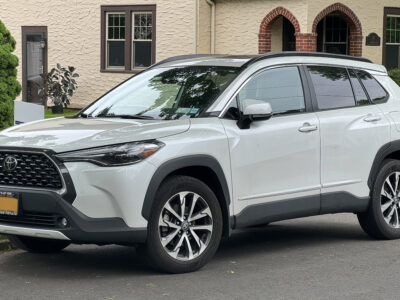
Toyota Corolla Cross Variants: Complete Guide to Models, Features, and Differences

Toyota RAV4 Trim Levels Explained: Complete 2026 Guide to Every Model and Feature
How to Identify Your Ford Fiesta Model
Toyota RAV4 Engine Oil Capacity: Complete Guide

Vauxhall Corsa Models: Complete Guide to Generations, Trims and Versions (1993–2026)
Kia Sportage Trim Levels: Complete 2027 Comparison
Leave a Reply
More content of your interest