

Chevrolet Silverado Years to Avoid: A Used-Truck Buyer’s Guide

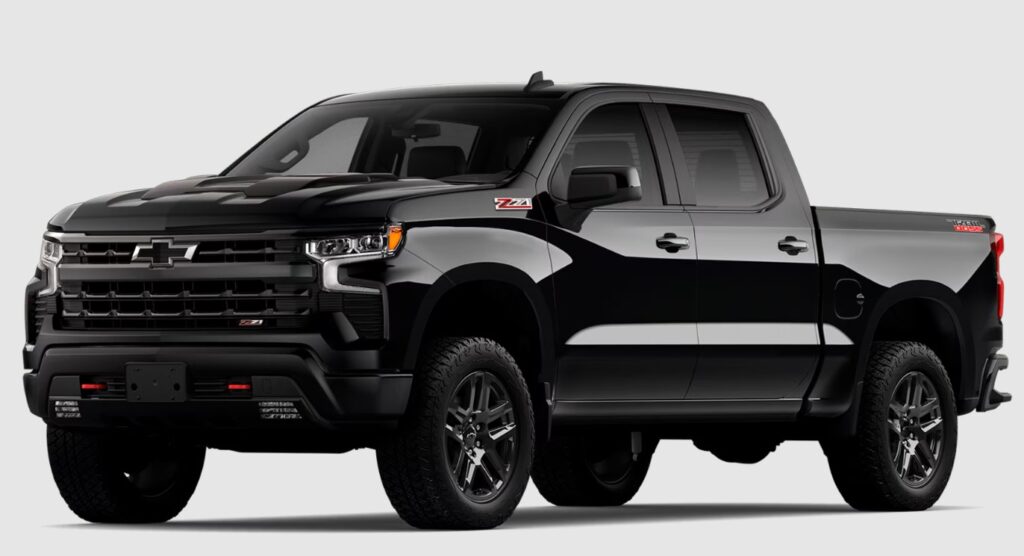
The Chevrolet Silverado has earned its place as one of America’s most recognizable full-size pickup trucks. It can tow a trailer, haul construction materials, crawl through muddy worksites, and still carry the family to dinner without looking out of place.
However, not every Silverado model year has aged equally well.
Some versions are dependable workhorses that keep running with routine maintenance. Others can become financial sinkholes filled with transmission shudder, excessive oil consumption, electrical gremlins, air-conditioning failures, and expensive engine repairs.
So, which Chevrolet Silverado years should we avoid?
Based on recurring owner complaints, manufacturer service information, recall history, known powertrain weaknesses, and the expected cost of major repairs, the model years that deserve the most caution are:
- 2007
- 2008
- 2009
- 2014
- 2015
- 2016
- 2017
- 2019
- 2020
- 2021
That does not mean every Silverado built during these years is unreliable. A well-maintained truck with complete service records may still be a better purchase than a neglected model from a supposedly excellent year. Think of model-year guidance as a weather forecast, not a prophecy. It tells us where storms are more likely, but we still need to inspect the truck standing in front of us.
In this guide, we will explain the biggest problem years, identify the engines and transmissions that deserve extra scrutiny, and show you how to evaluate a used Silverado before handing over your money.
Content in this publication
- Quick Overview of Chevrolet Silverado Years to Avoid
- Why Some Chevrolet Silverado Years Are Worse Than Others
- 2007 Chevrolet Silverado: A Risky First-Year Redesign
- 2008 Chevrolet Silverado: More of the Same Trouble
- 2009 Chevrolet Silverado: Improved, but Still Questionable
- 2010–2013 Silverado: Better Choices With Conditions
- 2014 Chevrolet Silverado: One of the Main Years to Avoid
- 2015 Chevrolet Silverado: Better Refinement, Familiar Problems
- 2016 Chevrolet Silverado: Transmission Shudder Takes Center Stage
- 2017 Chevrolet Silverado: Still Vulnerable to Eight-Speed Issues
- 2018 Chevrolet Silverado: Generally Safer, but Not Perfect
- 2019 Chevrolet Silverado: First-Year Redesign Warning
- 2020 Chevrolet Silverado: Fewer Growing Pains, Lingering Risks
- 2021 Chevrolet Silverado: Major Lifter Concerns
- Are 2022 and Newer Chevrolet Silverado Models Reliable?
- Chevrolet Silverado Engines to Approach With Caution
- Silverado Transmissions That Need Extra Inspection
- How to Inspect a Used Chevrolet Silverado
- Questions to Ask the Seller
- Modifications That Can Increase Silverado Risk
- Can an Avoid-Year Silverado Still Be a Good Buy?
- Which Chevrolet Silverado Years Are Better Choices?
- How Much Money Should We Reserve for Repairs?
- The Biggest Silverado Buying Mistakes
- Final Verdict: Which Chevrolet Silverado Years Should We Avoid?
- Frequently Asked Questions
Quick Overview of Chevrolet Silverado Years to Avoid
Here is the condensed version for buyers who want the key details first.
| Model year | Main concerns | Risk level |
|---|---|---|
| 2007 | Oil consumption, electrical faults, interior quality | High |
| 2008 | Oil consumption, engine wear, dashboard cracking | High |
| 2009 | AFM-related problems, oil use, electrical issues | Moderate to high |
| 2014 | A/C failure, electrical faults, transmission complaints | High |
| 2015 | A/C leaks, rough shifting, steering-related recalls | High |
| 2016 | Transmission shudder, harsh shifting, electrical issues | High |
| 2017 | Eight-speed transmission behavior, engine concerns | Moderate to high |
| 2019 | First-year redesign problems, software faults, brake concerns | High |
| 2020 | Transmission complaints, electronics, engine lifter concerns | Moderate to high |
| 2021 | Lifter failures, electrical glitches, brake-system complaints | High |
These are not automatic “never buy” years. They are years in which we should demand stronger maintenance documentation, a more thorough inspection, and a lower purchase price to compensate for the added risk.
Why Some Chevrolet Silverado Years Are Worse Than Others
Automakers rarely redesign an entire truck without encountering a few growing pains. A new platform may introduce unfamiliar electronics, revised engines, different transmissions, updated cylinder-deactivation systems, and new manufacturing processes at the same time.
That creates a perfect recipe for trouble.
The most problematic Silverado years often fall into one of three categories:
- The first year of a new generation
- The first years of a new transmission or engine technology
- Years affected by a widespread component weakness
The 2014 Silverado, for example, marked the beginning of a substantially redesigned generation. The 2019 model represented another major generational change. Both introduced meaningful improvements, but they also arrived with a larger number of early-production complaints than many later versions.
We should also separate minor inconvenience from major mechanical risk. A frozen touchscreen is irritating. A failed transmission or collapsed engine lifter can cost thousands. The smartest buying strategy focuses first on failures that can disable the truck or produce a repair bill large enough to erase any savings from buying used.
2007 Chevrolet Silverado: A Risky First-Year Redesign
The 2007 Silverado began a new generation with more modern styling, improved refinement, and stronger available V8 engines. On paper, it looked like a meaningful leap forward.
In the used market, however, 2007 models require caution.
Excessive Oil Consumption
One of the most familiar complaints involving late-2000s GM V8 engines is excessive oil consumption. Trucks equipped with Active Fuel Management, commonly abbreviated as AFM, can consume oil as mileage increases.
AFM temporarily deactivates several cylinders under light loads to improve fuel economy. The idea sounds clever, but the system can contribute to oil-control and valvetrain problems in some engines.
A truck that burns oil may continue running normally at first. The danger appears when the owner fails to check the dipstick regularly. Low oil levels can accelerate wear inside the engine, damage lifters, and eventually produce knocking, misfires, or low oil pressure.
Electrical and Instrument-Panel Problems
Owners may also encounter intermittent electrical faults, failed door-lock actuators, inaccurate gauges, warning lights, or battery-drain problems. These faults can be difficult to diagnose because they may disappear before the truck reaches a repair shop.
Interior Deterioration
Cracked dashboards, peeling controls, worn seat materials, and rattling interior panels are also common age-related complaints. These defects may not leave you stranded, but they can make an otherwise solid truck feel much older than it is.
Should We Buy a 2007 Silverado?
Only consider one when it has:
- Detailed oil-change records
- No startup ticking or valvetrain noise
- Stable oil pressure
- Smooth cylinder-deactivation operation
- No unexplained warning lights
- A clean professional inspection
A cheap 2007 Silverado can quickly become expensive if it needs engine work.
2008 Chevrolet Silverado: More of the Same Trouble
The 2008 Silverado carried over many of the strengths and weaknesses of the 2007 model. It can still be a capable truck, especially with the simpler engine configurations, but higher-mileage examples deserve careful examination.
AFM and Oil-Consumption Concerns
Oil consumption remains one of the biggest reasons to approach this year carefully. Some owners compensate by adding oil between services, but that does not necessarily address the underlying cause.
Ask the seller a direct question: “How much oil does it use between changes?”
A vague answer such as “They all burn a little” should put us on alert. Some oil consumption may be manageable, but rapid or worsening consumption can signal piston-ring, valve-cover, PCV, or cylinder-deactivation-related issues.
Engine Ticking and Lifter Wear
A light tick during a cold start may come from an exhaust-manifold leak, which is relatively common on older trucks. A deeper or persistent valvetrain tick may indicate lifter trouble.
The difference matters. One repair may involve broken exhaust-manifold bolts. The other may require substantial engine disassembly.
Cracked Dashboard Panels
Dashboard cracking became another recognizable issue in this generation. While mainly cosmetic, a severely deteriorated dashboard may suggest the truck spent years exposed to intense heat and sunlight. That same exposure can age wiring, plastics, weather seals, and interior electronics.
2009 Chevrolet Silverado: Improved, but Still Questionable
The 2009 model is not necessarily the worst Silverado ever made, yet it remains part of a period associated with engine oil consumption and AFM-related concerns.
By now, age is as important as the original design. Even a mechanically healthy 2009 truck may have worn suspension joints, aging brake lines, corroded grounds, tired motor mounts, and deteriorated rubber components.
What to Inspect on a 2009 Silverado
During a test drive, watch for:
- Blue smoke after startup
- Low oil-pressure readings
- A check-engine light
- Cylinder-misfire codes
- Ticking that continues after warm-up
- Hesitation when AFM activates or deactivates
- Harsh engagement when shifting into Drive or Reverse
We should also inspect the underside for corrosion. In regions that use road salt, brake-line and frame corrosion may be more important than the original model-year reputation.
2010–2013 Silverado: Better Choices With Conditions
The 2010 through 2013 trucks are often considered more desirable than the earliest models of the generation, but they are not completely free of risk.
AFM-equipped V8 engines can still develop oil-consumption or lifter problems. Automatic transmissions can also require costly work once mileage climbs, especially when the truck has spent its life towing heavy loads without frequent fluid maintenance.
Still, a clean 2011, 2012, or 2013 Silverado with documented maintenance may be a smarter purchase than a neglected newer model.
Why Maintenance History Matters More at This Age
A truck that has reached 12 or 15 years old is no longer judged only by its factory design. Its condition reflects thousands of decisions made by previous owners.
Did they change the transmission fluid?
Did they tow beyond the truck’s limits?
Did they ignore a misfire?
Did they drive for months with low oil?
Did they repair collision damage correctly?
At this stage, service records can tell us more than the odometer alone.
2014 Chevrolet Silverado: One of the Main Years to Avoid
The 2014 Silverado is one of the most frequently discussed trouble years because it launched the third generation of the modern Silverado 1500.
The redesign brought a more refined cabin, updated engines, revised styling, and improved technology. Unfortunately, it also introduced several recurring concerns.
Air-Conditioning System Failure
Air-conditioning problems are especially well documented on 2014 and 2015 trucks. GM service information described refrigerant loss caused by cracking in an A/C condenser area, and a later special coverage program addressed certain air-conditioning condenser leaks.
Symptoms may include:
- Warm air from the vents
- Cooling that fades while idling
- A system that requires repeated recharging
- Refrigerant stains near the condenser
- Compressor operation without meaningful cooling
Replacing a leaking condenser is not the most catastrophic Silverado repair, but it can still cost a substantial amount once labor, refrigerant, and related components are included.
Electrical Problems
The 2014 Silverado can also exhibit strange electrical behavior, including flickering lights, intermittent power steering warnings, failed accessories, infotainment glitches, and occasional starting problems.
Some faults may trace back to poor grounds, battery cables, connectors, or voltage irregularities. The challenge is that one weak electrical connection can imitate several unrelated failures.
Transmission Behavior
Some 2014 owners report hard shifts, delayed engagement, clunks, and hesitation. Not every unusual shift means the transmission is failing, but repeated harshness should never be dismissed as “normal truck behavior.”
A good automatic transmission should feel controlled and predictable. It may not shift like a luxury sedan, but it should not slam into gear like someone dropped a toolbox in the bed.
Why the 2014 Silverado Is a High-Risk Buy
The problem is not one single defect. It is the combination of:
- First-year redesign complexity
- Air-conditioning weaknesses
- Electrical complaints
- Transmission concerns
- Potential AFM-related engine issues
A carefully maintained example may still serve well, but we would not buy one without an independent inspection.
2015 Chevrolet Silverado: Better Refinement, Familiar Problems
The 2015 Silverado improved certain details, yet many of the 2014 model’s concerns remained.
You may be interested in reading Is the Nissan Note a Good Car? Complete Buyer’s Guide
A/C Condenser Leaks
The air-conditioning condenser issue continued into the 2015 model year. A truck that blows cold air during a five-minute dealership test may still lose cooling during a longer drive, so let the system run long enough to judge it properly.
Power-Steering and Safety Recalls
General Motors issued recalls involving certain 2014–2017 Silverado vehicles, including conditions that could cause a temporary loss of electric power-steering assist under specific circumstances. NHTSA’s General Motors recall information identifies affected Silverado vehicles within that period.
A recall does not automatically make a vehicle unreliable. Manufacturers issue recalls to correct safety defects, and the repair is generally performed without charge. The real concern is whether the particular truck received the required remedy.
Always check the VIN rather than assuming the work was completed.
Rough or Hesitant Shifting
Depending on configuration, 2015 trucks may use a six-speed or eight-speed automatic transmission. The eight-speed can display shuddering, hesitation, clunking, or inconsistent shift quality in affected vehicles.
Sometimes updated fluid or software improves the behavior. In other cases, torque-converter or internal transmission repairs may be necessary.
2016 Chevrolet Silverado: Transmission Shudder Takes Center Stage
The 2016 Silverado is often included on avoidance lists because transmission complaints became difficult to ignore.
The Eight-Speed Automatic Problem
Certain trucks equipped with the eight-speed automatic may develop a vibration or shudder that feels like driving over a rumble strip. It commonly appears under light throttle when the transmission is trying to maintain a higher gear.
Drivers may describe:
- Shuddering between approximately 30 and 70 mph
- Harsh upshifts
- Rough downshifts
- Delayed engagement
- Clunking when slowing down
- Surging at steady speed
The symptoms may come from fluid characteristics, torque-converter behavior, software calibration, internal wear, or a combination of factors.
Why Transmission Shudder Matters
A minor vibration can seem harmless during a short test drive. However, if a torque converter is deteriorating, continued operation may contaminate the transmission fluid with friction material.
At that point, replacing only the torque converter may not completely solve the problem. The transmission could require extensive cleaning, rebuilding, or replacement.
Electrical and Infotainment Issues
Owners also report frozen screens, Bluetooth problems, backup-camera faults, and intermittent warning messages. These may not be as costly as a transmission, but they add to the sense that the truck is never entirely settled.
2017 Chevrolet Silverado: Still Vulnerable to Eight-Speed Issues
By 2017, Chevrolet had more time to refine the generation, and many trucks provide good service. Nevertheless, buyers should remain careful with eight-speed-equipped models.
Test the Transmission From Cold
A seller may warm up the truck before you arrive because some shift problems are most obvious during the first few miles.
Ask to start the vehicle cold. Then test:
- Reverse engagement
- The first shift from first to second
- Light-throttle cruising
- Moderate acceleration
- Deceleration toward a stop
- Reacceleration after slowing down
Any violent bang, prolonged delay, or repeated shudder deserves investigation.
Watch for Engine Lifter Noise
The V8 engines remain vulnerable to cylinder-deactivation-related lifter trouble. A failed lifter may initially produce a ticking sound or misfire. Left unresolved, it can damage the camshaft and turn a moderately expensive repair into a major one.
2018 Chevrolet Silverado: Generally Safer, but Not Perfect
The 2018 Silverado is often viewed as one of the more appealing years from this generation because Chevrolet had several years to address early production issues.
That does not make it bulletproof.
Eight-speed transmission behavior can still be problematic, and AFM-related valvetrain concerns remain possible. However, a clean 2018 with strong service records may be preferable to a comparable 2014, 2015, or 2016.
What Makes a 2018 Worth Considering?
Look for:
- Documented transmission services
- Evidence of updated transmission fluid where applicable
- No shudder at steady speed
- No cold-start misfires
- Consistent oil level
- Smooth idle
- Completed recalls
- A pre-purchase scan showing no hidden codes
2019 Chevrolet Silverado: First-Year Redesign Warning
The 2019 Silverado started a new generation. It became lighter, roomier, and more technologically advanced, with an expanded selection of engines and transmissions.
Once again, first-year complexity came with a price.
Electronic and Software Problems
Owners may encounter infotainment freezing, camera malfunctions, warning messages, sensor faults, and other software-related behavior.
Modern trucks contain dozens of interconnected control modules. When voltage drops, software becomes corrupted, or communication between modules fails, the dashboard can light up like a Christmas tree.
Brake-System Concerns
Some 2019 Silverado variants were involved in safety campaigns and complaints connected with braking performance or electronic brake-assist systems. Because equipment differs by engine, cab, drivetrain, and production date, VIN-specific recall verification is essential.
NHTSA recommends checking a vehicle’s VIN to determine whether it has an open recall rather than relying only on its model year.
Transmission Complaints
The 2019 Silverado used several transmissions depending on the powertrain. Reports of harsh shifts, hesitation, surging, and poor low-speed behavior occur across parts of the lineup.
Some issues may be calibration-related. Others may indicate mechanical wear. Either way, we should not accept severe shift behavior simply because a salesperson calls it adaptive.
Why 2019 Is a Year to Approach Carefully
The 2019 truck can be excellent when sorted, but it combines:
- First-year redesign risk
- New electronic architecture
- Multiple powertrain combinations
- Brake-related concerns
- Software complaints
- Transmission-calibration issues
That is a lot of uncertainty in one package.
2020 Chevrolet Silverado: Fewer Growing Pains, Lingering Risks
The 2020 Silverado benefited from another year of production experience, but buyers should still inspect it closely.
Engine Lifter Failure
One of the most concerning problems affecting certain newer GM V8 trucks is lifter failure associated with Dynamic Fuel Management, or DFM.
DFM is a more advanced version of cylinder deactivation. Instead of switching between eight and four cylinders in a simple pattern, it can use multiple cylinder combinations depending on driving conditions.
When everything works, the transition is nearly invisible. When a lifter fails, symptoms may include:
- Loud ticking
- Rough idle
- Check-engine light
- Misfire codes
- Reduced power
- Metallic debris in the oil
- Camshaft damage
This is not a repair we want to discover after buying the truck.
Transmission and Electrical Complaints
Harsh shifting, hesitation, camera faults, dead batteries, and infotainment problems also appear in owner reports. Frequency varies by configuration, so the exact engine and transmission matter as much as the year printed on the registration.
2021 Chevrolet Silverado: Major Lifter Concerns
The 2021 Silverado deserves a place near the top of the caution list, particularly when equipped with a V8 using Dynamic Fuel Management.
Early Lifter Failure
Some affected trucks experienced lifter trouble at surprisingly low mileage. A low-mileage vehicle is usually reassuring, but in this case, mileage alone does not eliminate the risk.
Ask whether the engine has already received lifter repairs. Then request invoices showing:
- Which cylinder bank was repaired
- Whether all lifters were replaced
- Whether the camshaft was inspected
- Whether updated parts were installed
- Whether the repair was completed under warranty
Replacing lifters on only one side may leave the other bank with original components. That does not guarantee another failure, but it should influence how much we are willing to pay.
Technology and Brake-System Complaints
Like the 2019 and 2020 trucks, the 2021 Silverado may experience sensor warnings, infotainment problems, camera faults, and inconsistent electronic behavior.
A weak 12-volt battery can cause misleading symptoms, but buyers should not assume every warning is harmless. Perform a full diagnostic scan before purchase.
Are 2022 and Newer Chevrolet Silverado Models Reliable?
The refreshed 2022 Silverado introduced a dramatically upgraded interior on many trims, more technology, and revised styling. Later models may avoid some early-generation teething problems, but they are also more complex.
It is too simplistic to call every newer Silverado trouble-free. Modern turbocharged engines, diesel emissions systems, cylinder-deactivation hardware, ten-speed transmissions, and advanced driver-assistance features all add possible failure points.
The newer the truck, however, the more likely it is to have remaining factory warranty coverage. That safety net can reduce financial risk, provided the warranty is transferable and the vehicle has not been modified.
Chevrolet Silverado Engines to Approach With Caution
The model year tells only half the story. Engine selection can completely change the risk profile.
5.3-Liter V8 With AFM or DFM
The 5.3-liter V8 is popular because it balances power, towing capability, fuel economy, and availability. Unfortunately, it is also closely associated with cylinder-deactivation lifter concerns in certain production periods.
Warning signs include:
- Persistent ticking
- Misfire codes
- Rough idle
- Excessive oil consumption
- Low oil pressure
- Metal particles in the oil filter
A properly maintained 5.3-liter engine can travel a long distance. We simply need to verify its condition rather than relying on its reputation.
6.2-Liter V8
The 6.2-liter V8 provides strong acceleration and towing performance, but repairs can be expensive. Depending on model year and configuration, it may share cylinder-deactivation vulnerabilities with the 5.3-liter engine.
It also requires the correct fuel quality for best performance. A neglected 6.2-liter truck may cost more to restore than the lower purchase price suggests.
3.0-Liter Duramax Diesel
The 3.0-liter Duramax offers impressive torque and fuel economy. Still, a modern diesel should match the buyer’s driving pattern.
Repeated short trips can be hard on emissions equipment because the truck may not reach the conditions needed for proper regeneration. Diesel exhaust-fluid faults, sensors, exhaust aftertreatment, and fuel-system components can also be expensive outside warranty.
2.7-Liter Turbocharged Four-Cylinder
The turbocharged 2.7-liter engine may surprise buyers with its torque, but some people remain hesitant about using a four-cylinder engine in a full-size truck.
You may be interested in readingIs the Nissan Note a Good Car? Complete Buyer’s GuideYou may be interested in reading
Nissan Note Reliability: A Complete Ownership GuideRather than dismissing it automatically, inspect for oil leaks, cooling-system issues, turbocharger noise, stored codes, and evidence of neglected oil changes. Turbocharged engines are especially unforgiving when owners extend oil-change intervals too far.
Silverado Transmissions That Need Extra Inspection
Six-Speed Automatic
The six-speed automatic can be dependable, but high-mileage units may develop torque-converter wear, slipping, overheating, or harsh shifts.
Trucks used for towing are particularly vulnerable when the transmission fluid was never serviced.
Eight-Speed Automatic
The eight-speed transmission deserves the most scrutiny because of its reputation for shuddering and inconsistent shift quality.
A fluid exchange may improve some trucks. Others need a torque converter or more extensive work. Never buy an eight-speed Silverado with an obvious shudder unless the repair cost is already built into the price.
Ten-Speed Automatic
The ten-speed generally offers smoother ratios and better performance, yet it is not immune to complaints. Some units exhibit harsh shifts, gear hunting, delayed engagement, or calibration problems.
Software updates may help, but mechanical symptoms should be diagnosed before purchase.
How to Inspect a Used Chevrolet Silverado
A Silverado can hide expensive problems behind polished paint and oversized tires. We need to look beyond the shine.
Start the Truck Completely Cold
A cold start can reveal:
- Lifter ticking
- Timing or valvetrain noise
- Exhaust-manifold leaks
- Weak battery performance
- Smoke from worn engine components
- Rough initial idle
Touch the hood or check the coolant temperature before starting. A warm engine may mean the seller prepared the truck to conceal a symptom.
Scan Every Control Module
A basic code reader may only check the engine computer. A professional scan tool can inspect the transmission, brakes, body-control module, airbag system, four-wheel-drive system, and other networks.
Look for current, pending, and recently cleared codes.
Test Every Gear and Drive Mode
Verify:
- Drive and Reverse engagement
- Manual shift mode
- Tow/Haul mode
- Two-wheel drive
- Four-wheel-drive High
- Four-wheel-drive Low, when equipped
- Hill-descent control
- Trailer-brake controller
- Differential-locking functions
A four-wheel-drive warning light may indicate anything from a simple switch fault to an expensive transfer-case problem.
Check the Engine Oil
The oil level should sit within the correct range. Extremely dirty oil, visible metallic particles, or a low reading may reveal neglect.
Also inspect the underside of the oil-fill cap. A small amount of condensation can be normal in cold climates, but thick sludge deserves concern.
Inspect the Transmission Fluid When Possible
Some newer trucks do not have an accessible dipstick. A technician may need to check fluid condition at the correct temperature.
Burnt-smelling or heavily contaminated fluid can indicate overheating or clutch wear.
Examine the Frame and Undercarriage
Surface rust is common in snowy regions. Structural scaling, weakened mounting points, corroded brake lines, and poorly repaired collision damage are more serious.
Fresh black paint on an old frame can be a warning sign when it appears to cover rust rather than prevent it.
Questions to Ask the Seller
A seller’s answers can reveal nearly as much as the truck itself.
Ask:
- How often does the engine need oil between services?
- Has the transmission fluid ever been changed?
- Has the truck experienced lifter or camshaft repairs?
- Has the torque converter been replaced?
- Has the A/C condenser been repaired?
- Are there any open recalls?
- Has the truck been tuned or modified?
- What did it normally tow?
- Why is the truck being sold?
- Can we see maintenance invoices?
A trustworthy seller usually answers clearly and provides documentation. A seller who becomes defensive may be handing us a clue.
Modifications That Can Increase Silverado Risk
Lift kits, oversized tires, engine tunes, exhaust modifications, and cylinder-deactivation devices are common in the Silverado community.
Some modifications are installed correctly. Others create additional strain.
Oversized tires can accelerate wear on:
- Wheel bearings
- Steering components
- Ball joints
- Differentials
- Transmission components
- Brakes
Aggressive tuning can increase power but also raise cylinder pressure, transmission load, and operating temperature. Diesel emissions-system removal may create legal, inspection, resale, and reliability problems.
A stock truck is not automatically better, but it is usually easier to evaluate.
Can an Avoid-Year Silverado Still Be a Good Buy?
Yes.
The label “year to avoid” should encourage deeper inspection, not blind rejection. A 2015 Silverado with complete service records, a replaced condenser, updated transmission repairs, and no engine noise could be a better truck than a neglected 2018.
The key is pricing the risk correctly.
An avoid-year truck may make sense when:
- The problem components have already been replaced
- Repairs are documented
- The price is below comparable models
- The truck passes an independent inspection
- You have money reserved for future maintenance
- The configuration fits your needs unusually well
It makes less sense when the seller demands top-market money while offering no service history.
Which Chevrolet Silverado Years Are Better Choices?
Although condition matters most, buyers often have better luck starting their search with later, refined years within each generation.
Commonly preferred targets include:
- 2005–2006 Silverado Classic models
- 2011–2013 models with excellent maintenance
- 2018 models after several years of third-generation refinement
- 2022-and-newer models with remaining warranty coverage
No year is universally perfect. Engine, transmission, mileage, climate, use history, and maintenance remain decisive.
A low-mileage truck that spent years idling at a worksite may have more engine hours than the odometer suggests. A higher-mileage highway truck may have experienced an easier life.
How Much Money Should We Reserve for Repairs?
Even a well-inspected used truck needs a repair budget. Full-size pickups use large tires, heavy-duty brakes, substantial fluid capacities, and expensive drivetrain components.
After buying a used Silverado, it is wise to reserve money for:
- All fluids and filters
- Tires
- Brakes
- Battery replacement
- Suspension or steering repairs
- A/C repairs
- Transmission service
- Unexpected electrical diagnostics
For an older or higher-mileage truck, a repair reserve of several thousand dollars is far more realistic than assuming routine oil changes will cover everything.
The Biggest Silverado Buying Mistakes
Choosing by Mileage Alone
Mileage is useful, but it does not reveal maintenance quality or engine hours.
Skipping the Pre-Purchase Inspection
A professional inspection can uncover leaks, collision damage, diagnostic codes, transmission behavior, and suspension wear before the sale.
Ignoring a Small Transmission Shudder
A “tiny vibration” can be the first chapter of a very expensive story.
Buying a Modified Truck Without Documentation
A tune or lift kit may look attractive, but undocumented modifications create unknowns.
Failing to Check the VIN for Recalls
Recall status is vehicle-specific. NHTSA advises owners and buyers to use the VIN lookup because a model year may contain both affected and unaffected vehicles.
Spending the Entire Budget on the Purchase
The cheapest truck to buy is not always the cheapest truck to own. Leave enough money for immediate maintenance and unexpected repairs.
Final Verdict: Which Chevrolet Silverado Years Should We Avoid?
The main Chevrolet Silverado years to avoid are 2007–2009, 2014–2017, and 2019–2021, with 2014, 2016, 2019, and 2021 deserving especially careful scrutiny.
The earlier trucks are vulnerable to oil consumption, aging electrical systems, and AFM-related engine concerns. The 2014–2017 models add air-conditioning faults and troublesome eight-speed transmission behavior. The 2019–2021 trucks introduce first-year redesign problems, software glitches, brake-system concerns, and potentially expensive DFM lifter failures.
Still, we should not judge a Silverado by model year alone.
A truck with proper maintenance, completed recalls, documented repairs, and a clean inspection may still be a strong purchase—even if it comes from a less desirable year. Conversely, a “good-year” Silverado can be a disaster when it has been overheated, overloaded, poorly modified, or driven for thousands of miles with low oil.
The best strategy is simple: research the exact powertrain, inspect the truck cold, scan every module, test the transmission thoroughly, verify recall completion, and pay for an independent inspection.
A used Silverado should feel like a dependable tool, not a rolling lottery ticket.
Frequently Asked Questions
1. What is the worst Chevrolet Silverado year?
The 2014 Silverado is often considered one of the riskiest years because it combined first-year redesign issues with air-conditioning failures, electrical complaints, transmission concerns, and possible AFM-related engine trouble. The 2019 and 2021 models also deserve significant caution.
2. Which Silverado years have transmission problems?
Transmission complaints are especially associated with some 2015–2018 trucks equipped with the eight-speed automatic. Certain 2019-and-newer models can also experience harsh shifting, hesitation, gear hunting, or delayed engagement, depending on the transmission and software calibration.
3. Which Silverado years have lifter problems?
Lifter problems can affect multiple years equipped with AFM or DFM V8 engines. Late-2000s trucks may develop AFM-related wear, while some 2020 and 2021 V8 models have drawn particular attention for premature DFM lifter failures.
4. Is a high-mileage Chevrolet Silverado worth buying?
A high-mileage Silverado may be worthwhile when it has strong service records, stable oil consumption, smooth transmission operation, minimal corrosion, and no serious diagnostic codes. Maintenance history is often more important than mileage alone.
You may be interested in readingIs the Nissan Note a Good Car? Complete Buyer’s GuideYou may be interested in reading
Nissan Note Reliability: A Complete Ownership GuideYou may be interested in reading
 Vauxhall Adam Insurance UK: Costs, Groups and Savings
5. Should we avoid every first-year Silverado redesign?
Not necessarily, but first-year redesigns deserve extra caution because they introduce new engines, transmissions, electronics, software, and manufacturing processes. The 2014 and 2019 trucks demonstrate why waiting for a later production year can reduce risk.
If you want to know other articles similar to Chevrolet Silverado Years to Avoid: A Used-Truck Buyer’s Guide you can visit the category Blog.
Volvo S90 Reliability: Problems, Costs & Best Years
Is Haval Jolion a Good Car? Honest Review, Reliability, Pros and Cons
How to Start Haval Jolion With Spare Key: Complete Guide

How to Calculate Per Diem on an Auto Loan

How to Calculate the Residual Value of a Car

Is the Honda Passport Selling Well? Sales Numbers Tell the Story
Leave a Reply
More content of your interest