
Is the Nissan Note a Good Car? Complete Buyer’s Guide

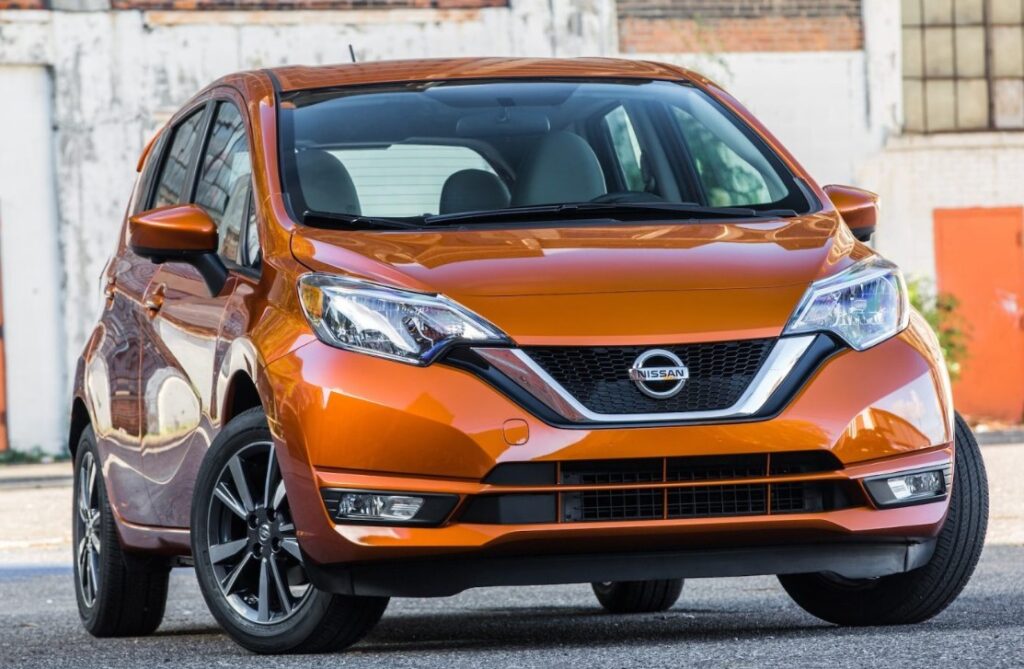
Is the Nissan Note a good car? For many drivers, the answer is yes—especially if we want a practical, economical, and surprisingly spacious small car without paying SUV money.
The Nissan Note has never tried to be flashy. It does not strut into the car park wearing oversized wheels and a dramatic body kit. Instead, it quietly gets on with the job. It carries passengers, swallows shopping bags, squeezes into tight parking spaces, and generally costs less to run than a larger family vehicle.
Think of it as a compact toolbox on wheels. It may not be the most exciting object in the garage, but it is useful almost every day.
That said, not every Nissan Note is equally good. Reliability depends on the generation, engine, transmission, mileage, maintenance history, and market in which the vehicle was sold. A carefully maintained manual model can be a sensible used-car purchase, while a neglected example with a problematic automatic transmission could quickly become an expensive headache.
In this guide, we will examine the Nissan Note’s reliability, comfort, practicality, fuel economy, performance, safety, ownership costs, common problems, and overall value. By the end, we should have a clear answer to one important question: is the Nissan Note a good car for us?
Content in this publication
- What Kind of Car Is the Nissan Note?
- Is the Nissan Note Generally Reliable?
- Is the Nissan Note Good for City Driving?
- Is the Nissan Note Good on the Motorway?
- How Practical Is the Nissan Note?
- Is the Nissan Note Fuel-Efficient?
- What Is the Nissan Note Like to Drive?
- Is the Nissan Note Cheap to Maintain?
- Common Nissan Note Problems to Check
- Is the Nissan Note Safe?
- What Is the Nissan Note Interior Like?
- Nissan Note Advantages
- Nissan Note Disadvantages
- How Does the Nissan Note Compare With Rivals?
- Who Should Buy a Nissan Note?
- Who Should Avoid a Nissan Note?
- How to Inspect a Used Nissan Note
- Is a Used Nissan Note Good Value?
- Is the Nissan Note a Good First Car?
- Is the Nissan Note a Good Car for Older Drivers?
- Is the Nissan Note e-Power a Good Car?
- Final Verdict: Is the Nissan Note a Good Car?
- Frequently Asked Questions
What Kind of Car Is the Nissan Note?
The Nissan Note is a small hatchback with mini-MPV characteristics. In simple terms, it combines the compact exterior dimensions of a supermini with the tall cabin and flexible interior of a small people carrier.
Depending on the country and model year, the Note has been offered with petrol, diesel, hybrid, and e-Power drivetrains. Some markets received conventional manual and automatic versions, while Japan became strongly associated with the Note e-Power system.
Its main appeal has always been practicality.
Rather than giving us a low roofline and sporty seating position, the Note uses a tall body to create more headroom and a more upright driving position. The result is a car that feels larger inside than it looks from the pavement.
A Brief Look at Nissan Note Generations
The Nissan Note has changed considerably over the years.
The first generation arrived in the mid-2000s and established the basic formula: compact dimensions, a tall cabin, flexible seating, and affordable running costs. It was simple, practical, and aimed squarely at families and urban drivers.
The second generation appeared in the early 2010s with smoother styling, improved efficiency, and more modern technology. This version became common in the United Kingdom, Europe, Japan, and several import markets.
The third generation, introduced in Japan, moved further toward electrification. It became closely linked with Nissan’s e-Power technology, in which an electric motor drives the wheels while a petrol engine acts mainly as a generator.
Because these generations are mechanically different, we should never judge every Nissan Note by one model alone.
Why the Market Matters
A Nissan Note sold in the United Kingdom may not have the same engines, equipment, or transmission options as one sold in Japan. Imported Japanese models may also have different infotainment systems, safety features, parts requirements, and maintenance considerations.
Before buying, we should confirm:
- The vehicle’s exact generation
- Engine size and engine code
- Manual, CVT, conventional automatic, or e-Power drivetrain
- Country of origin
- Service and import history
- Availability of local parts and specialist support
This basic research can prevent confusion later.
Is the Nissan Note Generally Reliable?
The Nissan Note can be a reliable car when it has been serviced correctly and driven responsibly. Its simpler petrol engines and manual gearboxes are often the safest choices for buyers who prioritize durability and predictable repair costs.
However, reliability is not uniform across the entire range.
Some owners experience years of low-cost motoring with little more than routine servicing. Others report issues involving CVT transmissions, suspension components, electrical systems, air-conditioning, batteries, sensors, and diesel emissions equipment.
That does not automatically make the Note unreliable. Every used car model develops patterns of wear as it ages. The real question is whether those problems are manageable and whether the purchase price reflects the vehicle’s condition.
For the most part, a good Nissan Note should feel straightforward rather than fragile. It is not packed with the complicated luxury systems found in premium cars, and that simplicity can work in its favor.
Which Nissan Note Versions Are Usually the Safest Bet?
A naturally aspirated petrol engine paired with a manual transmission is often the most reassuring combination for long-term used ownership. It removes some of the complexity associated with turbochargers, diesel emissions systems, hybrid batteries, and continuously variable transmissions.
That does not mean every automatic, diesel, or e-Power Note should be avoided. It simply means that we need to inspect those versions more carefully.
A well-maintained automatic car is usually better than an abused manual one. Condition and maintenance history matter more than a badge on the tailgate.
How Long Can a Nissan Note Last?
A Nissan Note can cover high mileage if it receives regular oil changes, cooling-system maintenance, transmission servicing where required, and prompt repairs when warning signs appear.
Mileage alone does not tell the full story.
A higher-mileage Note that has spent most of its life on open roads may be in better mechanical condition than a low-mileage car used exclusively for short urban trips. Frequent short journeys can be hard on batteries, exhaust systems, brakes, clutches, diesel particulate filters, and engines that rarely reach full operating temperature.
We should focus on evidence rather than the odometer alone.
Look for service invoices, inspection records, matching tyres, clean fluids, smooth operation, and signs that the previous owner dealt with problems instead of ignoring them.
Is the Nissan Note Good for City Driving?
City driving is where the Nissan Note makes the strongest case for itself.
Its compact footprint helps us navigate narrow streets, crowded car parks, and tight residential areas. The elevated seating position improves visibility, while the light steering usually makes low-speed manoeuvres easy.
We do not need a giant crossover to feel comfortable in traffic. The Note gives us much of the upright driving sensation people like in small SUVs, but without the same bulk.
Easy Parking and Good Visibility
The Note’s tall shape and relatively large windows make it easier to judge where the car ends. Some versions also include parking sensors, reversing cameras, or Nissan’s Around View Monitor.
A 360-degree camera can be extremely useful in a small car. It may sound like overkill, but once we have used one in a cramped parking garage, it feels less like a gimmick and more like having an extra pair of eyes.
Visibility can vary by model, though. Thick rear pillars and small rear windows may still create blind spots, so we should test the view during a proper test drive.
Is the Nissan Note Comfortable in Traffic?
The high seating position and light controls reduce fatigue in stop-and-go traffic. Automatic and e-Power versions can be particularly relaxing because they remove the need for constant clutch work.
However, some older CVT-equipped Notes may feel noisy under acceleration. A CVT can allow the engine speed to rise and remain high while the car gathers speed, creating a droning sound. This is often normal behavior, but excessive vibration, hesitation, shuddering, or delayed response can indicate a problem.
Is the Nissan Note Good on the Motorway?
The Nissan Note can handle motorway driving, but it is not where the car feels most sophisticated.
At steady speeds, a healthy example should cruise comfortably enough. The cabin is spacious, the driving position is sensible, and fuel economy can remain respectable.
Still, we may notice more wind and road noise than in a larger, heavier family hatchback. Smaller engines can also feel strained when overtaking, climbing steep hills, or carrying a full load of passengers.
The Note is capable of long journeys. It simply approaches them like a practical commuter rather than a polished grand tourer.
High-Speed Stability and Overtaking
The tall body provides excellent interior space, but it can make the car more sensitive to crosswinds. At motorway speeds, the Note may not feel as planted as a lower and wider hatchback.
Overtaking performance depends heavily on the engine.
A modest naturally aspirated petrol unit may require planning and a downshift. Turbocharged, diesel, and e-Power versions may offer stronger low-speed response, although each introduces additional mechanical considerations.
The sensible approach is simple: test the car on a faster road before buying it. A ten-minute drive around a dealership will not reveal how it behaves at 100 or 120 km/h.
How Practical Is the Nissan Note?
Practicality is the Note’s secret weapon.
From the outside, it looks like a normal compact hatchback. Inside, it often provides enough headroom and legroom to embarrass larger cars.
The tall roof helps adults sit more naturally, while wide-opening doors make entry and exit easier. This can be especially valuable for older passengers, parents fitting child seats, or drivers with limited mobility.
Passenger Space
Rear-seat space is one of the Note’s best qualities. Depending on the generation and seating configuration, rear passengers may have generous legroom for such a short car.
Some versions feature a sliding rear bench. This allows us to choose between additional passenger space and extra boot capacity. Push the seat backward, and rear occupants can stretch out. Slide it forward, and we create more room for luggage.
That kind of flexibility is rare in ordinary small hatchbacks.
Boot Space and Cargo Flexibility
Boot capacity varies by generation, battery placement, spare-wheel arrangement, and rear-seat position. Even when the official volume is not class-leading, the tall and square loading area often makes the available space easy to use.
The rear seats can usually be folded to carry larger objects. Some versions include adjustable boot floors or storage compartments beneath the main cargo area.
It is not a van, of course. Large pushchairs, several suitcases, or bulky sports equipment may still require careful arrangement. Yet for weekly shopping and normal family use, the Note is impressively accommodating.
Is It a Good Family Car?
For a small family, the Nissan Note can be an excellent fit.
Its strongest family-friendly qualities include:
- Easy access through tall doors
- Useful rear-seat legroom
- Good headroom
- Flexible cargo space
- Compact exterior dimensions
- Affordable running costs
- Simple controls
- Available parking and safety technology
The main limitation is width. Fitting three large child seats across the rear bench may be difficult, and shoulder room for three adults can feel tight.
Is the Nissan Note Fuel-Efficient?
Fuel economy is another major reason people consider the Nissan Note.
Small petrol engines can return sensible consumption when driven smoothly. Diesel versions may be particularly economical on longer journeys, while e-Power models can perform well in urban conditions because the electric motor handles propulsion.
You may be interested in reading Nissan Note Reliability: A Complete Ownership Guide
Real-world fuel use depends on traffic, weather, tyre pressure, driving style, passenger load, engine condition, and journey length.
A car advertised with impressive laboratory figures may consume considerably more fuel during short, cold, congested trips. We should treat official figures as comparison tools rather than promises.
Petrol Nissan Note Fuel Economy
Petrol models are often the most suitable choice for drivers covering short or moderate annual distances. They warm up relatively quickly and avoid some of the emissions-system concerns associated with diesel vehicles.
Small petrol engines reward gentle driving. If we accelerate hard, carry heavy loads, or spend most of our time in traffic, economy will fall.
Still, the Note’s light weight and compact dimensions help keep fuel costs reasonable.
Diesel Nissan Note Economy
Diesel versions can be efficient for drivers who regularly travel longer distances. They typically offer good low-speed torque and may use less fuel on motorways.
However, a diesel Note may not be ideal for repeated short trips. Diesel particulate filters need suitable driving conditions to regenerate properly. Cars that rarely become fully warm can develop blocked filters, warning lights, reduced performance, or expensive emissions-related faults.
A diesel should match our driving pattern, not merely our desire for a higher advertised economy figure.
Nissan Note e-Power Efficiency
The e-Power system is different from a conventional hybrid.
The petrol engine generates electricity, while the electric motor drives the wheels. This gives the car smooth, immediate acceleration similar to an electric vehicle, but without requiring external charging.
In urban traffic, the system can feel responsive and efficient. On faster roads, the petrol engine may run more often, and fuel economy may not be as dramatic as some buyers expect.
We should also remember that e-Power models are mechanically and electronically more complex than basic petrol manuals. Proper diagnostic support and battery-system expertise are important, especially when buying an imported vehicle.
What Is the Nissan Note Like to Drive?
The Nissan Note is easy to drive rather than thrilling.
The steering is generally light, the controls are simple, and the car feels manageable from the first few minutes behind the wheel. This friendly character makes it suitable for new drivers, urban commuters, and anyone who dislikes wrestling with a large vehicle.
The suspension is usually tuned for comfort, although rough roads can expose its limitations. Smaller wheels with taller tyre sidewalls often provide a smoother ride than sportier versions with larger alloys.
Ride Comfort
Around town, the Note absorbs ordinary road imperfections reasonably well. Deep potholes and sharp edges can still send a thump through the cabin, particularly if the suspension is worn.
A noisy front end may indicate tired anti-roll-bar links, suspension bushes, top mounts, or shock absorbers. These are not unusual wear items on an older small car, but we should factor them into the purchase price.
Handling
The Note leans more than a sporty hatchback when cornering quickly. That is the price we pay for a tall body and comfort-focused setup.
Yet body roll does not necessarily mean the car is unsafe. Under normal driving conditions, the Note should feel predictable and secure. It simply prefers smooth inputs over aggressive direction changes.
Driving it like a hot hatch is a little like entering a hiking boot in a sprinting competition. It will participate, but that was never its purpose.
Performance
Performance ranges from modest to surprisingly lively.
Basic petrol models can feel slow when fully loaded. They are normally adequate for urban use but may require patience on hills and faster roads.
Turbocharged and diesel versions provide stronger mid-range pull. E-Power cars often feel quick away from traffic lights because electric motors deliver immediate torque.
We should choose the engine based on our actual routine. There is little benefit in paying for stronger performance if the car spends its life travelling three kilometres to the supermarket.
Is the Nissan Note Cheap to Maintain?
Routine maintenance is usually affordable compared with larger or premium vehicles. Tyres, brakes, filters, wiper blades, and many suspension parts are generally conventional and widely available.
Costs become less predictable when we move toward CVT repairs, diesel emissions faults, advanced driver-assistance systems, hybrid electronics, or imported components.
The cheapest Nissan Note to buy is not always the cheapest to own. A suspiciously low price may hide overdue maintenance or an unresolved warning light.
Typical Nissan Note Maintenance Items
Regular ownership may involve:
- Engine oil and filter changes
- Air-filter replacement
- Cabin-filter replacement
- Spark-plug replacement on petrol models
- Brake-fluid changes
- Coolant inspection or replacement
- Tyre rotation and alignment
- Brake-pad and disc replacement
- Battery testing
- Transmission-fluid servicing where specified
Service intervals vary by engine, year, country, and usage. We should follow the correct maintenance schedule for the exact vehicle rather than relying on generic advice.
Are Nissan Note Parts Easy to Find?
Parts availability is generally good for models officially sold in a region. Common service components are often available from dealerships, independent suppliers, and aftermarket manufacturers.
Imported versions may be more complicated. A filter or brake component might be easy to source, while a specific electronic module, body panel, infotainment unit, or e-Power component could take longer and cost more.
Before purchasing an import, we should ask a local specialist whether diagnostic tools and replacement parts are readily available.
Common Nissan Note Problems to Check
No used car is free from potential problems. The Nissan Note’s weak points vary by generation, but several areas deserve attention.
CVT Transmission Problems
Some automatic Notes use a continuously variable transmission. A healthy CVT should operate smoothly, but warning signs may include:
- Shuddering when pulling away
- Delayed engagement
- Engine revs rising without matching acceleration
- Whining or grinding noises
- Sudden loss of power
- Transmission warning lights
- Jerking at low speed
CVTs can be expensive to repair or replace. Correct fluid and proper service procedures are essential. We should avoid any car with obvious transmission symptoms unless a specialist has diagnosed the issue and the price reflects the repair.
Suspension Noise
Knocking or clunking from the front suspension is relatively common in ageing small cars. Worn links, bushes, mounts, or dampers may be responsible.
These repairs are often manageable, but multiple worn components can add up. Drive over a variety of road surfaces and listen with the radio switched off.
Electrical and Battery Issues
Weak batteries can trigger a surprising number of warning lights and electronic oddities. Stop-start systems, keyless entry, infotainment units, parking cameras, sensors, and control modules all depend on stable voltage.
Check that every button, light, window, lock, camera, and display works correctly.
For e-Power models, the condition of both the conventional 12-volt battery and the high-voltage system matters.
Air-Conditioning Faults
Air-conditioning performance may deteriorate because of refrigerant leaks, worn compressors, failed condensers, electrical faults, or damaged pressure sensors.
Do not accept “it only needs a recharge” without evidence. A system that repeatedly loses refrigerant has a leak somewhere.
Diesel Emissions Problems
Diesel Notes may experience issues involving the diesel particulate filter, exhaust-gas recirculation system, turbocharger, injectors, or associated sensors.
A warning light, limp mode, rough idle, smoke, or poor acceleration deserves proper diagnosis. Clearing a fault code does not repair the underlying problem.
Interior Wear and Minor Quality Issues
The Note’s cabin is practical, but some materials can feel hard and inexpensive. Older cars may develop rattles, worn seat fabric, sticky switches, loose trim, or damaged luggage-area panels.
These flaws may not affect reliability, but they reveal how the car was treated.
Is the Nissan Note Safe?
Safety equipment depends on the model year and specification.
Older cars may provide basic airbags, anti-lock brakes, and stability control. Newer or higher-specification versions can add autonomous emergency braking, lane-departure warnings, blind-spot monitoring, parking cameras, and other driver-assistance systems.
We should not assume that every Note has the same equipment simply because two vehicles look identical.
Checking Safety Equipment Before Buying
Confirm the presence and operation of:
- Stability control
- Front, side, and curtain airbags
- Autonomous emergency braking
- Lane-departure warning
- Blind-spot monitoring
- Reversing camera
- Parking sensors
- ISOFIX child-seat points
- Tyre-pressure monitoring
- Emergency spare wheel or repair kit
Also check the vehicle’s crash-test results for its exact generation and market. Safety standards evolve, so a newer small car may offer significantly better protection than an early model.
What Is the Nissan Note Interior Like?
The interior prioritizes usefulness over luxury.
Controls are normally easy to understand, the dashboard is upright, and storage spaces are placed where we can actually use them. Some models offer dual gloveboxes, cupholders, door pockets, underfloor storage, and flexible rear seating.
The design may look dated in older cars, and material quality is unlikely to impress premium-car buyers. Yet the cabin often survives family use reasonably well.
Driving Position
The elevated seat makes getting in and out easy. Most drivers should find a comfortable basic position, although steering-wheel reach adjustment and seat support vary by version.
Long-legged drivers should check pedal placement and thigh support. A driving position that feels fine for ten minutes may become tiring after two hours.
Infotainment and Technology
Equipment ranges from simple radios to touchscreen navigation, Bluetooth, smartphone integration, digital instruments, and multi-camera parking systems.
Imported Japanese vehicles may retain local-language menus or navigation systems that do not function correctly in another country. Replacing the head unit may be possible, but it can affect camera integration, steering-wheel controls, or vehicle settings.
Nissan Note Advantages
The Nissan Note makes sense because it delivers useful qualities without unnecessary drama.
Its main advantages include:
You may be interested in readingNissan Note Reliability: A Complete Ownership GuideYou may be interested in reading
 Vauxhall Adam Insurance UK: Costs, Groups and Savings
- Excellent interior space for its size
- Easy urban manoeuvrability
- Good visibility
- Flexible seating
- Sensible fuel economy
- Affordable basic maintenance
- Comfortable access
- Family-friendly design
- Good value on the used market
- Available hybrid-style e-Power technology
For buyers who judge a car by how well it fits daily life, these strengths are difficult to ignore.
Nissan Note Disadvantages
The Note is not perfect.
Potential disadvantages include:
- Modest performance from smaller engines
- More road and wind noise than larger cars
- An interior that can feel inexpensive
- CVT concerns on certain vehicles
- Diesel emissions issues when used mainly for short trips
- Limited excitement for enthusiastic drivers
- Crosswind sensitivity due to the tall body
- Possible parts complications with imported versions
- Tight width for three adults in the rear
- Lower refinement than some newer rivals
None of these weaknesses automatically rules it out. They simply help us decide whether the Note matches our expectations.
How Does the Nissan Note Compare With Rivals?
The Note competes with practical small cars and mini-MPVs rather than traditional sporty hatchbacks.
Possible alternatives include the Honda Jazz, Toyota Yaris, Toyota Verso-S, Kia Venga, Hyundai ix20, Ford B-Max, Renault Modus, and certain small crossovers.
Nissan Note vs Honda Jazz
The Honda Jazz is one of the Note’s toughest rivals. It is known for interior flexibility, dependable petrol engines, and clever rear seats.
The Jazz may offer stronger resale values and a more versatile seating system, while the Note can sometimes be cheaper to buy and may provide more equipment for the money.
Condition and service history should decide the contest more than brand loyalty.
Nissan Note vs Toyota Yaris
The Toyota Yaris often feels more like a conventional supermini. It may offer excellent reliability and strong hybrid efficiency, but some versions provide less rear-seat flexibility than the Note.
The Note tends to emphasize cabin height and passenger space. The Yaris may appeal more to buyers who want compact dimensions with a traditional hatchback feel.
Nissan Note vs Small SUV
A used small SUV may look more fashionable, but it can cost more to purchase, insure, fuel, and maintain.
The Note provides a raised seating position and practical cabin without pretending it needs to cross a desert. For urban families, that honesty can be refreshing.
Who Should Buy a Nissan Note?
The Nissan Note suits drivers who value space, economy, and ease of use more than prestige or performance.
It can be a good choice for:
- City commuters
- Small families
- Older drivers
- New drivers
- Delivery or business users
- Buyers downsizing from a larger car
- People who regularly carry passengers
- Drivers who want a tall seating position
- Used-car buyers on a moderate budget
Its compact exterior and roomy interior create an unusual balance. We get a car that fits into small spaces without forcing passengers to sit like folded deckchairs.
Who Should Avoid a Nissan Note?
The Note may not satisfy drivers who want sharp handling, premium cabin materials, strong motorway refinement, or high performance.
It may also be unsuitable when:
- We regularly tow heavy loads
- We need seven seats
- We carry three large child seats
- We drive frequently on rough rural terrain
- We want a sporty driving experience
- Local support for an imported e-Power model is limited
- We cannot verify a CVT’s maintenance history
- A diesel model has spent years making short trips
Buying the wrong version for our needs is more dangerous than buying the wrong badge.
How to Inspect a Used Nissan Note
A careful inspection can turn the Note from a gamble into a sensible purchase.
Check the Service History
Look for regular servicing rather than a collection of random stamps. Invoices are especially useful because they show what work was actually completed.
Pay attention to oil-change intervals, transmission servicing, brake work, battery replacement, coolant maintenance, and repairs to recurring faults.
Start the Engine From Cold
A seller may warm the engine before our arrival to hide starting problems, rattles, smoke, or rough idle.
Ask to see the car when it is cold. Listen for unusual noises and watch the exhaust. Warning lights should illuminate during the initial check and then switch off after the engine starts.
Test Every Electrical Feature
Operate the windows, locks, mirrors, lights, wipers, air-conditioning, heater, infotainment system, cameras, parking sensors, and steering-wheel controls.
Small electrical faults may seem harmless, but several together can reveal water damage, battery problems, poor repairs, or neglected maintenance.
Take a Proper Test Drive
The test drive should include:
- Cold start
- Urban traffic
- Uneven roads
- Tight turns
- Harder acceleration
- Braking from moderate speed
- A faster road
- Reverse parking
Listen for suspension noise, wheel-bearing hum, transmission whine, brake vibration, wind noise, and dashboard rattles.
Inspect the Tyres Carefully
Uneven tyre wear can indicate poor alignment, worn suspension, accident damage, or neglected tyre pressures.
Four quality tyres of the same type suggest better ownership than a mismatched collection of the cheapest available rubber.
Get an Independent Inspection
A professional inspection is strongly recommended, especially for CVT, diesel, imported, or e-Power models.
A trained technician can scan control modules, inspect underneath the car, identify fluid leaks, check accident repairs, and estimate upcoming maintenance.
Spending a little before buying can save a large amount afterward.
Is a Used Nissan Note Good Value?
The Nissan Note can offer excellent value because it is often overlooked.
Fashion pushes many buyers toward crossovers, leaving practical hatchbacks and mini-MPVs at more reasonable prices. The Note may provide similar daily usefulness to a small SUV for less money.
Value depends on the relationship between purchase price, condition, equipment, and expected repairs.
A clean Note with a complete history may be worth paying more for. A cheaper example with transmission symptoms, warning lights, damaged bodywork, and missing records is not a bargain. It is simply a repair bill wearing number plates.
Is the Nissan Note a Good First Car?
The Nissan Note can be a good first car, although engine size, insurance costs, and local licensing rules should be considered.
Its light steering, good visibility, compact length, and forgiving controls help inexperienced drivers feel comfortable. The spacious cabin also makes it more useful than many tiny city cars.
New drivers should avoid buying purely on price. A basic petrol manual with a strong maintenance record is often a better starting point than a complicated high-spec model with hidden problems.
Is the Nissan Note a Good Car for Older Drivers?
Yes, the Note can be particularly suitable for older drivers.
The relatively high seat reduces the need to drop down into the cabin. Large doors and good headroom make entry easier, while the upright driving position improves the view ahead.
Automatic versions can reduce physical effort in traffic, but transmission condition must be checked carefully. Parking cameras and sensors are also worth seeking out.
Comfort is personal, so we should spend enough time in the seat before buying. Check whether the controls are clear, the displays are readable, and the boot lip is manageable.
Is the Nissan Note e-Power a Good Car?
The Nissan Note e-Power can be an excellent urban car. It combines electric-motor response with the convenience of petrol refuelling, making it appealing to drivers who cannot charge at home.
Acceleration feels smooth and immediate, and one-pedal-style driving features can make city traffic easier.
However, we should understand what we are purchasing. It is not a plug-in hybrid and not a fully electric vehicle. The petrol engine still requires fuel and maintenance.
Imported e-Power Notes also demand more careful research. Local technicians should be familiar with the system, and replacement battery or electronic components should be obtainable at a reasonable cost.
A healthy e-Power Note can feel modern and clever. A poorly supported imported example can feel like owning an advanced appliance in a town with no qualified repair shop.
Final Verdict: Is the Nissan Note a Good Car?
Yes, the Nissan Note is a good car for buyers who want affordable, practical, and efficient transportation.
Its greatest strengths are not dramatic. They appear in ordinary moments: when we fit adults comfortably in the rear, load more shopping than expected, park in a narrow space, or travel through traffic without burning excessive fuel.
The Note is spacious without being bulky, economical without being painfully basic, and easy to drive without feeling like a toy.
Its weaknesses matter, though. Some CVT-equipped vehicles require careful inspection, diesel models may not suit short-trip driving, and imported e-Power versions need reliable local support. Cabin quality and motorway refinement may also disappoint buyers expecting premium-car polish.
The best Nissan Note is not simply the newest or cheapest one. It is the example with the right engine for our driving pattern, a documented maintenance history, no unresolved warning lights, smooth transmission behavior, and a price that leaves room for normal servicing.
Choose carefully, and the Nissan Note can become the kind of car we barely think about—which is often the highest compliment we can give a practical vehicle. It starts, carries what we need, fits where we park, and quietly makes daily life easier.
Frequently Asked Questions
1. Is the Nissan Note reliable for daily use?
Yes, a properly maintained Nissan Note can be reliable for commuting, shopping, school runs, and general daily use. Petrol manual versions are often among the simplest choices, while CVT, diesel, and e-Power models require more detailed inspection.
2. What is the biggest problem with the Nissan Note?
There is no single problem affecting every model, but potential CVT transmission trouble is one of the most important concerns on certain automatic versions. Suspension noise, weak batteries, air-conditioning faults, and diesel emissions issues can also occur.
3. Is the Nissan Note good for long journeys?
The Nissan Note can complete long journeys comfortably enough, particularly when it is lightly loaded and mechanically healthy. However, road noise, wind noise, and limited overtaking power may make it less refined than a larger family car.
4. Is the Nissan Note expensive to repair?
Routine servicing and common mechanical repairs are generally affordable. Costs can rise significantly if the vehicle needs a CVT replacement, diesel emissions repairs, hybrid-system work, or imported electronic components.
5. Which Nissan Note should we buy?
For straightforward used ownership, a well-maintained petrol model with a manual transmission is often a sensible choice. Drivers interested in an automatic or e-Power model should prioritize complete service records, smooth operation, diagnostic testing, and access to qualified local technicians.
You may be interested in readingNissan Note Reliability: A Complete Ownership GuideYou may be interested in reading
Vauxhall Adam Insurance UK: Costs, Groups and SavingsYou may be interested in reading
Is Nissan Note e-POWER Electric or Hybrid? The Complete ExplanationIf you want to know other articles similar to Is the Nissan Note a Good Car? Complete Buyer’s Guide you can visit the category Blog.
Volvo S90 Reliability: Problems, Costs & Best Years
Is Haval Jolion a Good Car? Honest Review, Reliability, Pros and Cons
How to Start Haval Jolion With Spare Key: Complete Guide
How to Calculate Per Diem on an Auto Loan

How to Calculate the Residual Value of a Car

Is the Honda Passport Selling Well? Sales Numbers Tell the Story
Leave a Reply
More content of your interest