

BMW 2 Series Reliability: A Complete Owner’s Guide

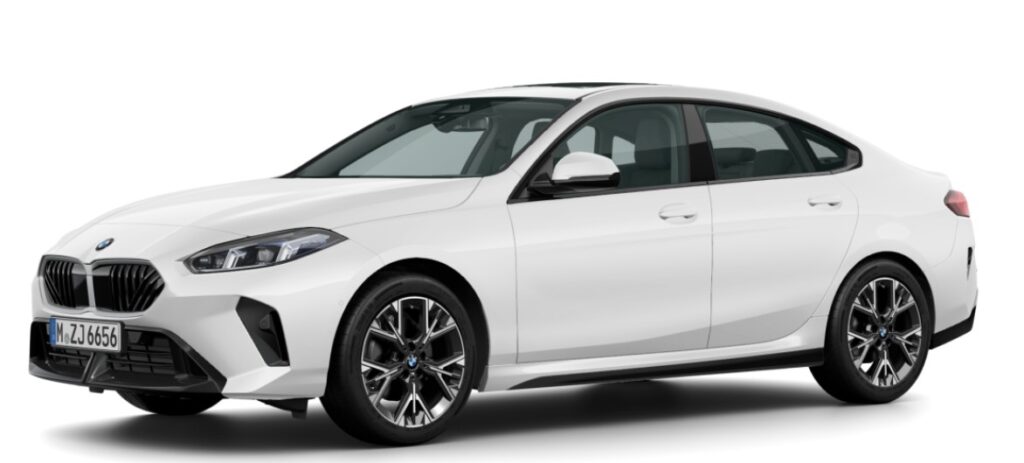
The BMW 2 Series has always occupied an interesting corner of the premium-car market. It is compact without feeling cheap, sporty without becoming completely impractical, and luxurious without carrying the intimidating size of a larger BMW. Yet one question inevitably appears before anyone commits to buying one: Is the BMW 2 Series reliable?
The honest answer is reassuring, although it comes with a few conditions. A well-maintained BMW 2 Series can be dependable, enjoyable, and surprisingly durable. However, neglected examples can turn into expensive mechanical puzzles. Think of the car like a high-quality mechanical watch. It can run beautifully for years, but it expects proper servicing rather than occasional attention when something finally goes wrong.
Reliability also varies across the 2 Series family. The rear-wheel-drive Coupé is mechanically different from the front-wheel-drive Active Tourer. The Gran Coupé shares components with BMW’s smaller front-wheel-drive models, while high-performance versions place greater stress on their brakes, tyres, cooling systems, and suspension.
In this guide, we will examine BMW 2 Series reliability in practical terms. We will explore engines, transmissions, electronics, running costs, common problems, maintenance requirements, and the differences between generations. Whether we are shopping for a used example or trying to protect one we already own, the goal is simple: understand what makes a 2 Series dependable and what can quietly shorten its life.
Content in this publication
- How Reliable Is the BMW 2 Series Overall?
- Understanding the Different BMW 2 Series Models
- Which BMW 2 Series Generation Is Most Reliable?
- BMW 2 Series Petrol Engine Reliability
- BMW 2 Series Diesel Engine Reliability
- BMW 2 Series Transmission Reliability
- BMW xDrive Reliability
- Common BMW 2 Series Problems
- Are BMW 2 Series Repair Costs Expensive?
- How Long Can a BMW 2 Series Last?
- How Maintenance Affects BMW 2 Series Reliability
- What to Check Before Buying a Used BMW 2 Series
- BMW 2 Series Models That May Offer the Best Reliability
- Should We Buy an Extended Warranty?
- Is the BMW 2 Series Reliable Enough for Daily Use?
- How to Make a BMW 2 Series More Reliable
- BMW 2 Series Reliability Verdict
- Frequently Asked Questions
How Reliable Is the BMW 2 Series Overall?
Overall, the BMW 2 Series can be considered reasonably reliable for a premium compact car. It is not a maintenance-free appliance, but it is not automatically a financial disaster either. Most serious complaints tend to involve neglected maintenance, ageing peripheral components, electronic glitches, or examples that have been driven hard without receiving appropriate care.
The core mechanical components are generally strong, especially in later models fitted with BMW’s modern modular engines. The B38 three-cylinder, B48 four-cylinder, and B58 six-cylinder engines have established much stronger reputations than some older BMW power units.
That does not mean every engine is flawless. Cooling-system components, oil seals, sensors, ignition coils, and emissions equipment can still fail. However, complete engine failure is not something we should normally expect from a properly serviced car.
Reliability depends heavily on five factors:
- Engine and transmission combination
- Production year and generation
- Previous maintenance quality
- Driving style and usage
- Whether the car has been modified
A standard car with complete service records will usually be a safer purchase than a tuned example with louder exhausts, oversized wheels, and vague maintenance history. Modifications do not automatically make a car unreliable, but they can increase mechanical stress and make it harder to understand how the vehicle has been treated.
Understanding the Different BMW 2 Series Models
Before discussing reliability, we need to recognise that the BMW 2 Series is not one single mechanical design.
BMW 2 Series Coupé
The Coupé is the model most people picture when they hear “BMW 2 Series.” Earlier F22 models used a traditional rear-wheel-drive platform, while selected versions were available with BMW’s xDrive all-wheel-drive system.
These cars are admired for balanced handling, relatively simple proportions, and a wide choice of petrol and diesel engines. The F22 generation is often considered one of the more dependable modern BMW platforms when maintained correctly.
The later G42 Coupé continues with a rear-wheel-drive-based architecture. It is more technologically advanced and generally uses newer versions of BMW’s proven modular engines.
BMW 2 Series Convertible
The F23 Convertible shares much of its mechanical structure with the F22 Coupé. Engine and transmission reliability is therefore similar.
However, the folding roof introduces extra components that require attention. Roof seals, drainage channels, motors, switches, and sensors can create problems as the vehicle ages. Water leaks should never be ignored because trapped moisture can damage interior electronics.
BMW 2 Series Active Tourer
The Active Tourer is a completely different type of vehicle. It uses a front-wheel-drive-based platform and focuses on cabin space, family practicality, and efficiency.
Its reliability is often respectable, but it has different potential weaknesses. These may include diesel emissions equipment, dual-clutch transmissions on certain versions, suspension wear, infotainment issues, and problems linked to short-distance driving.
BMW 2 Series Gran Tourer
The Gran Tourer is essentially a longer and more spacious relative of the Active Tourer. Some versions provide seven seats, making it one of BMW’s most practical compact models.
Its larger body and family-focused usage can place additional demands on clutches, brakes, suspension components, and diesel emissions systems. A Gran Tourer that has spent its life carrying passengers and luggage may show more wear than its mileage initially suggests.
BMW 2 Series Gran Coupé
Despite its name, the Gran Coupé does not share the traditional rear-wheel-drive layout of the 2 Series Coupé. It is built on a front-wheel-drive-based platform related to the BMW 1 Series.
The mechanical package is generally modern, although some owners report electronic annoyances, transmission hesitation, interior rattles, or sensor warnings. Most of these problems are inconvenient rather than catastrophic.
Which BMW 2 Series Generation Is Most Reliable?
The F22 Coupé, produced during the 2010s and into the early 2020s depending on the market, has developed a particularly positive reputation. Later F22 examples benefit from improved engines, refined electronics, and many years of production development.
The G42 Coupé is newer and uses strong engine families, but its long-term reliability is still developing. Newer cars also contain more electronic systems, driver-assistance features, digital displays, and interconnected control modules. These systems improve comfort and safety but create more potential failure points as the car ages.
Among the practical models, later Active Tourer versions are generally preferable because early-production issues are often addressed through revised components and software updates.
As a broad rule, the final years of a generation can be safer than the first year of a completely redesigned model. Manufacturers frequently refine software, seals, sensors, and small mechanical components after real-world ownership begins exposing weaknesses.
BMW 2 Series Petrol Engine Reliability
BMW’s modern petrol engines are one of the strongest reasons to consider a 2 Series. The newer modular units have generally moved beyond the more serious timing-chain and oil-consumption concerns associated with some older BMW engines.
B38 Three-Cylinder Reliability
The 1.5-litre B38 three-cylinder engine appears in several entry-level versions. It is economical, compact, and capable of providing adequate performance for everyday driving.
Some drivers are suspicious of three-cylinder engines because they work relatively hard and naturally produce more vibration than four-cylinder designs. Yet the B38 is generally considered a respectable engine when serviced properly.
Potential concerns include:
- Ignition coil or spark-plug wear
- Coolant leaks
- Engine-mount deterioration
- Sensor faults
- Carbon accumulation in direct-injection systems
- Turbocharger-related issues at high mileage
Engine mounts deserve attention because normal three-cylinder vibration can become noticeably harsher when the mounts weaken. Excessive shaking at idle should not automatically be dismissed as normal behaviour.
B48 Four-Cylinder Reliability
The B48 turbocharged four-cylinder engine powers many popular 2 Series versions. It offers a strong balance between performance, fuel economy, and durability.
This engine is generally more dependable than several earlier BMW four-cylinder turbo engines. It can cover high mileage if oil changes are performed regularly and the cooling system remains healthy.
Common areas to monitor include oil-filter-housing leaks, water pumps, thermostat components, ignition coils, injectors, and cooling hoses. None of these automatically make the engine unreliable, but ignoring a small leak can allow it to become a much larger repair.
A B48 that starts smoothly, idles consistently, pulls strongly, and shows no evidence of coolant loss is usually encouraging. Service history remains more important than a spotless engine bay freshly cleaned before a sale.
B58 Six-Cylinder Reliability
The B58 six-cylinder engine is widely regarded as one of BMW’s best modern engines. It powers performance-focused models such as the M240i and delivers the effortless acceleration that makes a compact coupé feel like a small rocket.
Despite its power, the B58 has earned a strong reputation for internal durability. The engine block, turbocharging system, and cooling design are generally robust. Nevertheless, running costs are naturally higher than those of four-cylinder versions.
Possible issues include:
- Cooling-system leaks
- Oil leaks from seals or housings
- Ageing ignition components
- Water-pump failure
- Turbocharger coolant-line seepage
- Problems caused by aggressive tuning
A standard B58 with frequent servicing can be extremely dependable. A heavily modified example running additional boost requires much greater caution. More power creates more heat, more cylinder pressure, and more stress on surrounding components.
Is the M240i Reliable?
The M240i can be one of the most reliable performance options in the 2 Series range, provided it has not been abused. The engine itself is strong, and the automatic transmission is typically durable.
The larger risks often surround the way the car has been driven. Repeated launch-control starts, drifting, track use, neglected tyres, and cheap modifications can transform an otherwise excellent car into a hidden repair bill.
We should inspect the brakes, rear tyres, differential area, cooling system, suspension, and underbody carefully. A performance model may look polished above the surface while carrying evidence of a much harder life underneath.
You may be interested in reading BMW 2 Series Insurance Group UK: Costs, Ratings and Buying Guide
BMW 2 Series Diesel Engine Reliability
Diesel versions can be reliable and economical, especially for drivers covering long distances. Their strong low-speed torque suits motorway driving and heavier Active Tourer or Gran Tourer models.
However, modern diesel reliability depends on usage. A diesel engine that regularly reaches full operating temperature on longer journeys can remain healthy. The same engine used almost exclusively for short urban trips may experience blocked diesel particulate filters, exhaust-gas-recirculation problems, and intake deposits.
Potential diesel issues include:
- Diesel particulate filter blockage
- Exhaust-gas-recirculation valve failure
- EGR cooler problems
- AdBlue system faults on applicable models
- Turbocharger wear
- Injector problems
- Intake carbon deposits
- Glow-plug or glow-plug-module failure
These components are not exclusive to BMW. They affect many modern diesel vehicles because emissions systems are complex and require suitable driving conditions.
A diesel 2 Series may look attractive because of its fuel economy, but it is not always the right choice for low-mileage city use. Saving money at the fuel pump means little if the car later needs expensive exhaust-system repairs.
The Importance of Checking Recall History
Some BMW diesel models have been included in manufacturer campaigns related to EGR coolers or other emissions-system components. Recall applicability depends on the exact model, engine, production date, and country.
Before purchasing, we should check the vehicle identification number with BMW or an authorised dealer. Never assume that recall work has been completed simply because the car has a stamped service book.
BMW 2 Series Transmission Reliability
Transmission reliability is generally a positive area, but the 2 Series uses several different gearbox designs.
ZF Eight-Speed Automatic Gearbox
The ZF eight-speed automatic is one of the most respected transmissions used in modern vehicles. It shifts smoothly, responds quickly, and can handle substantial torque.
BMW may describe transmission fluid as long-lasting under normal conditions, but many specialists recommend preventive fluid and filter servicing as mileage rises. No fluid remains perfect forever. Heat, friction, and contamination gradually affect its condition.
Warning signs include:
- Harsh gear changes
- Delayed engagement
- Shuddering
- Unusual whining noises
- Gearbox warning messages
- Hesitation when selecting drive or reverse
Software adaptation can sometimes improve shifting behaviour, but mechanical symptoms should not be dismissed as “just software” without diagnosis.
Manual Gearbox Reliability
Manual gearboxes are typically durable, but the clutch and dual-mass flywheel are wear items. Their lifespan varies dramatically according to driving style.
A motorway-driven car may retain its original clutch for a long time, while a vehicle used in heavy traffic or driven aggressively may need replacement much earlier.
During a test drive, we should check for clutch slip, vibration, difficulty selecting gears, or rattling at idle. A high clutch biting point does not always confirm failure, but it deserves closer examination.
Dual-Clutch Transmission Concerns
Certain front-wheel-drive-based 2 Series models use dual-clutch transmissions. These can deliver quick changes and good efficiency, although they may feel less smooth at parking speeds.
Some hesitation, low-speed judder, or delayed response may be characteristic, but severe shaking or inconsistent engagement is not normal. Software updates can help in some cases, while other cars may need clutch or actuator work.
BMW xDrive Reliability
BMW’s xDrive system provides better traction in wet, snowy, or slippery conditions. It can make a powerful 2 Series easier to use throughout the year.
However, all-wheel drive introduces additional parts, including transfer-case components, driveshafts, front differentials, and extra joints. These parts increase weight and long-term maintenance complexity.
Tyre matching is particularly important. Significant differences in tyre circumference can create stress within the drivetrain. Ideally, all four tyres should be the same model, have similar tread depth, and be maintained at the correct pressures.
Binding during tight turns, drivetrain warnings, vibration, or uneven tyre wear may indicate a problem requiring investigation.
Common BMW 2 Series Problems
Even reliable cars develop patterns of recurring faults. The following issues do not affect every 2 Series, but they are worth checking.
Cooling-System Leaks
BMW engines operate with carefully controlled temperatures, so the cooling system must remain healthy. Plastic housings, hoses, pumps, reservoirs, and seals can deteriorate with heat and age.
A sweet smell, low coolant warning, visible residue, or temperature fluctuation should receive immediate attention. Overheating can turn an affordable repair into serious engine damage.
Oil Leaks
Oil leaks commonly develop around gaskets, filter housings, covers, and seals. A minor leak may initially create nothing more than a smell, but oil can contaminate belts, wiring, rubber components, or hot exhaust surfaces.
We should inspect underneath the engine rather than relying solely on the visible top section.
Ignition Coil and Spark-Plug Failure
Turbocharged petrol engines place considerable demands on their ignition systems. Worn spark plugs or weak ignition coils may cause misfires, rough running, hesitation, reduced power, or warning lights.
These components are routine wear items, but repeated misfires should not be ignored because unburned fuel can damage the catalytic converter.
Suspension Wear and Noises
The 2 Series is designed to feel precise, and many examples use firm suspension or large wheels. Bushes, top mounts, control arms, dampers, and anti-roll-bar links may wear over time.
Clunks over bumps, vague steering, uneven tyre wear, or instability under braking suggest that the suspension needs inspection.
Run-flat tyres can make the ride feel harsher and may exaggerate noises. However, we should not assume every knock is simply a characteristic of the tyres.
Electrical and Infotainment Problems
Modern BMWs depend on dozens of control modules and sensors. Common annoyances may include frozen screens, Bluetooth connection failures, parking-sensor errors, battery warnings, keyless-entry issues, or intermittent driver-assistance alerts.
Many faults originate from software or a weak 12-volt battery rather than a defective control unit. Low voltage can make a modern car behave like a house with flickering electricity—several unrelated systems may complain at once.
Battery and Charging-System Issues
The 2 Series can be sensitive to battery condition, particularly when used for frequent short journeys. Stop-start technology, comfort electronics, alarm systems, and connected services continue consuming energy.
Replacement batteries may require registration with the vehicle’s energy-management system. Installing the correct battery without registering it can affect charging behaviour and battery lifespan.
Door, Window, and Seal Problems
Frameless windows on Coupé and Convertible models must lower slightly when the door opens. Misalignment, frozen seals, weak regulators, or sensor faults can disrupt this operation.
Wind noise and water leaks may develop if seals become damaged. Convertible models deserve especially careful inspection around roof joints and drainage areas.
Are BMW 2 Series Repair Costs Expensive?
Repair costs are usually higher than those of mainstream compact cars. Parts, specialist labour, diagnostic equipment, and premium tyres all contribute to the difference.
However, cost depends heavily on the chosen version. A basic four-cylinder model with conventional suspension will generally cost less to maintain than an xDrive M240i with adaptive dampers, high-performance brakes, and wide tyres.
Typical ownership expenses may include:
- Premium-grade engine oil and approved filters
- Larger or staggered tyre sizes
- Brake discs and pads
- Battery replacement and registration
- Cooling-system components
- Suspension bushes or arms
- Diagnostic work for electronic faults
- Diesel emissions-system maintenance
Independent BMW specialists can reduce costs without sacrificing expertise. The cheapest general repair shop, however, may not always understand model-specific procedures or diagnostic systems.
You may be interested in readingBMW 2 Series Insurance Group UK: Costs, Ratings and Buying GuideYou may be interested in reading
Is BMW 2 Series Gran Tourer a Good Car? UK Buying GuideHow Long Can a BMW 2 Series Last?
A properly maintained BMW 2 Series can exceed 150,000 miles, and some examples can travel significantly farther. Mileage alone does not determine remaining life.
A car with 100,000 motorway miles and consistent servicing may be healthier than a 50,000-mile vehicle used for short journeys, neglected between inspections, and repeatedly driven hard from cold.
Longevity depends on preventive maintenance. We should pay attention to fluids, cooling components, leaks, suspension wear, and unusual noises before they become emergencies.
The engine is often not the first part to make an older premium car uneconomical. Instead, several smaller repairs may arrive together: tyres, brakes, dampers, sensors, battery, air-conditioning components, and interior electronics. The combined bill can persuade an owner to sell even when the engine remains strong.
How Maintenance Affects BMW 2 Series Reliability
Maintenance history is the single strongest predictor of reliability. A service book with large unexplained gaps should make us cautious, even when the car appears clean.
Oil-Change Intervals Matter
Long manufacturer service intervals may suit certain operating conditions, but many owners prefer more frequent oil changes for long-term protection. Turbocharged engines expose oil to high temperatures, and repeated short journeys may prevent moisture and fuel contamination from evaporating properly.
Using the correct BMW-approved oil specification is more important than simply choosing an expensive brand.
Warm-Up and Cool-Down Habits
We do not need to leave a modern BMW idling for a long time before driving. Instead, we should drive gently until the engine and oil warm fully.
Heavy acceleration immediately after starting increases stress on cold oil, bearings, seals, and turbocharger components. Similarly, after demanding driving, a short period of calmer operation can help temperatures stabilise.
Preventive Fluid Changes
Owners focused on long-term reliability often consider servicing fluids that may receive little attention under the basic maintenance schedule. Depending on the model, these may include:
- Automatic-transmission fluid
- Differential fluid
- Transfer-case fluid
- Brake fluid
- Engine coolant
- Manual-transmission oil
The correct interval depends on usage, mileage, and manufacturer guidance. Preventive maintenance should be based on informed judgment rather than replacing fluids randomly.
What to Check Before Buying a Used BMW 2 Series
A careful inspection can save thousands. We should begin before the test drive by checking documents and asking direct questions.
Service-History Checklist
Look for:
- Regular engine-oil services
- Evidence of brake-fluid changes
- Cooling-system repairs
- Spark-plug replacement
- Gearbox servicing where applicable
- Recall completion
- Matching mileage records
- Invoices from recognised workshops
- Evidence of accident repairs
- Documentation for modifications
A collection of detailed invoices is often more useful than a service book containing unexplained stamps.
Cold-Start Inspection
Ask the seller not to warm the car before arrival. A cold start reveals more than a polished sales presentation.
Listen for prolonged rattling, rough idle, knocking, squealing belts, or excessive exhaust smoke. Check whether warning lights illuminate during the self-test and then switch off normally.
Test-Drive Checklist
During the drive, check:
- Smooth acceleration
- Consistent steering response
- Gearbox behaviour
- Clutch operation
- Brake vibration
- Suspension noises
- Temperature stability
- Infotainment operation
- Air-conditioning performance
- Parking cameras and sensors
- Stop-start functionality
- Driver-assistance warnings
We should test the car on rough roads, faster roads, and during low-speed parking. A five-minute drive around the dealership rarely reveals enough.
Professional Pre-Purchase Inspection
A specialist inspection is especially valuable for performance, diesel, xDrive, or modified models. Diagnostic scanning may reveal stored faults even when no warning light appears.
The inspection cost can feel unnecessary when we are excited about a car, but excitement has a habit of making warning signs look smaller than they really are.
BMW 2 Series Models That May Offer the Best Reliability
For buyers prioritising dependable everyday use, later four-cylinder petrol models can provide an excellent balance. They offer sufficient performance without the higher running costs of six-cylinder versions or the emissions complexity of diesels.
The M240i is also mechanically strong, but it demands a larger budget for tyres, brakes, fuel, insurance, and performance-related wear.
Diesel versions remain sensible for drivers covering regular motorway mileage. For short-distance urban use, petrol or hybrid options may be more appropriate.
No badge guarantees reliability. A carefully maintained 218i can be a better purchase than a neglected M240i, while a well-used diesel may outperform a low-mileage example that has spent its life making two-mile journeys.
Should We Buy an Extended Warranty?
An extended warranty can provide useful protection, particularly on newer cars with advanced electronics, adaptive suspension, complex infotainment, or all-wheel drive.
However, warranty quality varies enormously. We should examine:
- Maximum claim limits
- Excluded components
- Diagnostic-cost coverage
- Labour-rate restrictions
- Wear-and-tear clauses
- Required servicing conditions
- Approved repair facilities
- Rules concerning modified cars
A cheap warranty with broad exclusions may offer little real protection. In some cases, placing money into a dedicated maintenance fund provides greater flexibility.
Is the BMW 2 Series Reliable Enough for Daily Use?
Yes, the BMW 2 Series can be an excellent daily driver. It combines manageable dimensions, strong engines, comfortable interiors, and enjoyable handling.
Its success as a daily car depends on choosing the right version. A four-cylinder automatic may provide the easiest balance for commuting. A diesel suits longer journeys. An M240i adds excitement but brings higher operating costs. An Active Tourer offers greater practicality for families.
We should not expect the ownership experience of a basic economy car. Premium performance and sophisticated technology come with additional maintenance responsibilities. Yet when the car is properly cared for, those responsibilities are usually manageable rather than overwhelming.
How to Make a BMW 2 Series More Reliable
Reliability is not purely something we buy. It is something we preserve.
To reduce the risk of expensive repairs:
- Follow a consistent maintenance schedule.
- Use approved fluids and quality parts.
- Investigate warning lights immediately.
- Avoid hard driving before the engine warms.
- Check coolant and oil levels regularly.
- Keep battery voltage healthy.
- Maintain correct tyre pressures.
- Use matching tyres on xDrive models.
- Clean roof drains on Convertible models.
- Allow diesel vehicles to complete longer journeys.
- Repair leaks before they spread.
- Avoid poorly developed performance software.
- Keep digital and paper service records.
- Use an experienced BMW specialist.
- Inspect the vehicle before long journeys.
These habits sound simple, but reliability often lives in simple routines. A five-minute check today can prevent a four-figure repair later.
BMW 2 Series Reliability Verdict
The BMW 2 Series is more reliable than its badge’s expensive reputation may suggest. Later petrol engines are generally strong, automatic transmissions are typically durable, and major mechanical failures are not inevitable.
The greatest danger is buying the wrong example rather than choosing the wrong model. Poor servicing, hidden accident damage, unsuitable modifications, repeated short-distance diesel use, and aggressive driving can undermine even the best engineering.
For most buyers, a later petrol-powered model with complete service history represents the safest route. The B48 four-cylinder offers a strong all-round package, while the B58 six-cylinder combines excellent reliability with remarkable performance. Diesel versions can also last well when used for regular longer journeys.
Ultimately, the 2 Series rewards informed ownership. Treat it like a disposable commuter car and it may respond with expensive complaints. Maintain it carefully, warm it properly, and address problems early, and it can remain a lively, dependable companion for many years.
The BMW 2 Series is not perfect, but reliability does not require perfection. It requires solid engineering, responsible ownership, and the wisdom to listen when the car whispers before it begins to shout.
Frequently Asked Questions
1. Is the BMW 2 Series generally reliable?
Yes, the BMW 2 Series is generally reliable by premium-car standards. Later models with B-series petrol engines have particularly good reputations. Reliability still depends strongly on maintenance history, previous usage, and whether the vehicle has been modified.
2. Which BMW 2 Series engine is the most reliable?
The B48 four-cylinder and B58 six-cylinder petrol engines are widely regarded as strong choices. The B48 offers a practical balance between efficiency and performance, while the B58 provides greater power with impressive mechanical durability. Both require regular servicing and proper cooling-system care.
3. How many miles will a BMW 2 Series last?
A properly maintained BMW 2 Series can exceed 150,000 miles. Some cars will travel considerably farther. Service history, driving conditions, oil-change frequency, cooling-system maintenance, and transmission care matter more than mileage alone.
You may be interested in readingBMW 2 Series Insurance Group UK: Costs, Ratings and Buying GuideYou may be interested in reading
Is BMW 2 Series Gran Tourer a Good Car? UK Buying GuideYou may be interested in reading
 Vauxhall Adam Reliability: Is This Stylish City Car Dependable?
4. Is a used BMW 2 Series expensive to maintain?
Maintenance is usually more expensive than on a mainstream compact car, but costs vary by model. Four-cylinder versions are generally more affordable than six-cylinder, xDrive, or high-performance models. Using a reputable independent BMW specialist can help control expenses.
5. What should we check before buying a BMW 2 Series?
We should examine the service history, coolant level, oil leaks, tyre condition, suspension noises, electronic systems, transmission behaviour, and recall status. A cold start, thorough test drive, diagnostic scan, and professional pre-purchase inspection are strongly recommended.
If you want to know other articles similar to BMW 2 Series Reliability: A Complete Owner’s Guide you can visit the category Blog.
Toyota RAV4 Gas Tank Size (Chart & Explanation)

Toyota RAV4 Depreciation: Complete Resale Value Guide

Volkswagen Passat Years to Avoid: Complete Reliability Guide
Ford Fiesta Reliability: Best Years & Common Problems

Renault Koleos Troubleshooting Guide: Common Problems and Fixes

How to Reset the Oil Light on a Kia Sportage
Leave a Reply
More content of your interest