
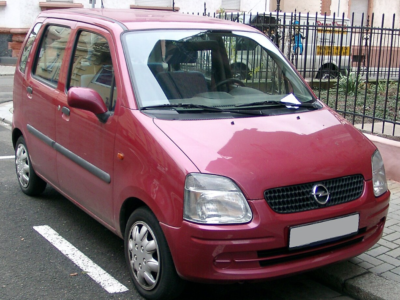
Vauxhall Antara Insurance Group UK: Costs, Ratings and Ways to Save

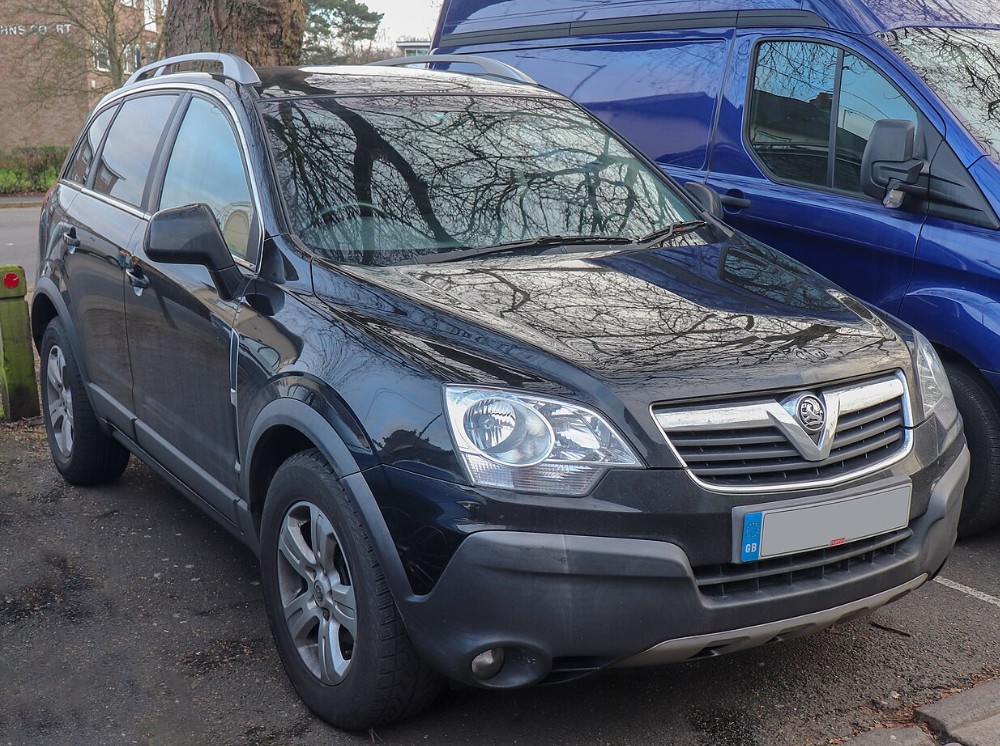
Buying a used SUV is rarely just about the price displayed in the windscreen. We also need to think about fuel, road tax, maintenance, repairs and, of course, insurance. That last expense can sometimes arrive like an unexpected pothole: easy to overlook until it gives our budget a nasty jolt.
So, where does the Vauxhall Antara sit in the UK insurance system?
Most Vauxhall Antara versions fall between insurance groups 20 and 28 on the current 1-to-50 scale. The exact rating depends on the engine, trim level, gearbox, power output, drivetrain and security specification. Broadly speaking, lower-powered petrol and diesel models tend to sit near the lower end, while powerful 2.2 CDTi automatic and four-wheel-drive versions can reach the upper end.
That means the Antara is not normally considered a cheap SUV to insure, but neither does it occupy the frightening territory reserved for high-performance or luxury vehicles. It sits in the middle-to-upper part of the market: manageable for many experienced motorists, yet potentially expensive for young or newly qualified drivers.
Let us dig into the numbers, explain what they really mean and explore how we can avoid paying more than necessary.
Content in this publication
- What Insurance Group Is a Vauxhall Antara?
- Understanding UK Car Insurance Groups
- Vauxhall Antara Insurance Groups by Engine
- Does Trim Level Affect the Insurance Group?
- Does Four-Wheel Drive Increase Antara Insurance?
- Does an Automatic Antara Cost More to Insure?
- How Much Does Vauxhall Antara Insurance Cost?
- Why a Cheap Used Antara Can Still Be Expensive to Insure
- How the Antara Compares With Other SUVs
- How to Find the Exact Insurance Group
- How to Reduce Vauxhall Antara Insurance Costs
- Compare Multiple Insurers
- Choose the Derivative Carefully
- Increase the Voluntary Excess Sensibly
- Pay Annually Where Possible
- Protect and Build a No-Claims Discount
- Reduce Annual Mileage Honestly
- Improve Overnight Security
- Add an Experienced Driver Appropriately
- Check the Job Title Carefully
- Avoid Unnecessary Modifications
- Should We Choose Third-Party or Comprehensive Cover?
- Common Mistakes When Insuring a Vauxhall Antara
- Is the Vauxhall Antara Cheap to Insure Overall?
- What to Check Before Buying an Antara
- Is the Vauxhall Antara a Good Choice for First-Time Drivers?
- The Future of UK Insurance Group Ratings
- Final Verdict
- Frequently Asked Questions
What Insurance Group Is a Vauxhall Antara?
The Vauxhall Antara generally sits in UK insurance groups 20 to 28.
There is no single rating covering every Antara because insurers assess individual derivatives rather than simply assigning one number to the entire model range. Two cars may look almost identical from across a car park yet carry different group ratings because one has a more powerful engine, an automatic gearbox or a higher specification.
Here are several representative examples:
| Vauxhall Antara version | Approximate insurance group |
|---|---|
| 2.4-litre petrol Exclusiv | Group 20 |
| Early 2.0 CDTi models | Around Group 23 |
| 2.2 CDTi Exclusiv automatic | Group 25E |
| 2.2 CDTi SE Nav 4x4 automatic, 184PS | Group 28 |
Published specification data places the 2.4-litre petrol Exclusiv in group 20, an early 2.0 CDTi model in group 23 and the 184PS SE Nav 4x4 automatic in group 28. A 2.2 CDTi Exclusiv automatic is commonly listed in group 25E.
These examples are useful as a general guide, but we should always check the registration number of the exact vehicle before buying it. A trim badge alone does not guarantee a particular rating.
Is Group 20 to 28 Considered High?
It is best described as moderate to moderately high.
The UK system traditionally places cars into groups from 1 to 50. Group 1 contains vehicles that are generally cheapest to insure, while group 50 contains those considered most expensive or risky. The system is administered by Thatcham Research on behalf of the Association of British Insurers and related industry bodies.
Against that scale, the Antara lands around the middle. However, “middle” does not necessarily mean inexpensive.
A driver in their forties with a long no-claims discount, secure parking and low annual mileage might receive a reasonable quote. A 20-year-old living in a busy city could be quoted several times as much for exactly the same vehicle.
The insurance group is therefore the opening chapter, not the whole story.
Why Is the Antara Not in a Lower Group?
The Antara is a relatively large and heavy SUV with engines ranging from capable to fairly powerful. Compared with a small hatchback, it can cost more to repair after a collision, consume more replacement materials and cause greater damage in an accident.
Several versions also include:
- Four-wheel drive
- Large alloy wheels
- Higher-output diesel engines
- Automatic transmissions
- Satellite navigation
- Leather upholstery
- More expensive trim components
- Larger bumpers and body panels
None of those things automatically creates an enormous premium, but together they push the vehicle further up the insurance ladder.
Understanding UK Car Insurance Groups
Insurance groups are designed to help insurers estimate the relative risk and potential claims cost attached to a particular car.
The traditional system contains 50 groups. A low rating usually indicates a vehicle with modest performance, affordable parts, strong security and relatively straightforward repairs. A high rating can reflect greater power, expensive components, higher replacement value or weak theft protection.
Insurers are not legally required to price policies according to the group number. They use it as one input among many.
Think of the group rating as an ingredient in a recipe. It matters, but it does not determine the final flavour by itself.
What Factors Decide a Car’s Insurance Group?
The calculation considers numerous characteristics, including:
- The vehicle’s price when new
- Replacement-part costs
- Typical repair times
- Engine power and acceleration
- Maximum speed
- Safety equipment
- Security and theft resistance
- Bumper and structural repairability
- The cost of accident damage
- The availability of replacement components
Thatcham Research says the traditional Group Rating assessment uses a large set of vehicle attributes to help insurers quantify risk. The system is also being gradually replaced for newer cars by the more dynamic Vehicle Risk Rating model.
Since the Antara was sold in the UK between 2007 and 2015, used examples normally retain their traditional 1-to-50 group rating.
Performance Has a Direct Influence
A faster vehicle can produce larger and more frequent claims, at least from an insurer’s perspective. That is why a 184PS Antara generally attracts a higher group than a less powerful 163PS or petrol derivative.
The difference may not feel dramatic during an ordinary school run, yet insurers are looking at theoretical risk across thousands of policyholders. More power means greater potential speed, and greater speed can mean more severe damage.
Repair Costs Matter More Than We Think
An older SUV may be inexpensive to buy but still costly to repair.
This is one of the Antara’s insurance paradoxes. We might find a roadworthy example for only a few thousand pounds, yet the insurer must consider the price of replacement doors, bumpers, headlights, sensors, suspension components and labour.
A low market value does not always equal a low repair bill. Sometimes the whole car is worth less than a collection of new body panels and mechanical parts.
Security Can Change the Rating
Security performance is sometimes reflected by a letter after the group number.
For example, a rating of 25E means the vehicle exceeds the security requirements expected for its group. As a result, it may have been placed in a more favourable group than it otherwise would have received. Other suffixes can indicate provisional security data, unacceptable security or special circumstances such as an import.
Vauxhall Antara Insurance Groups by Engine
The engine is one of the easiest ways to estimate where an Antara is likely to fall, although trim, transmission and drivetrain must also be considered.
Vauxhall Antara 2.4 Petrol Insurance Group
The 2.4-litre petrol Antara is generally found near the lower end of the model’s range. One published rating places the 2.4 Exclusiv in group 20.
That sounds appealing, but the petrol engine has another side to its personality. It may offer slightly easier insurance than a powerful diesel, yet its fuel consumption can be heavy. Saving money on the premium while visiting the petrol station more often is like plugging one leak while opening another.
A petrol Antara may still suit drivers who:
- Cover relatively few miles
- Mostly make short journeys
- Want to avoid diesel particulate filter concerns
- Prefer simpler petrol operation
- Can find a well-maintained example at a low price
For occasional use, it can make financial sense. For high annual mileage, the fuel bill deserves careful calculation.
Vauxhall Antara 2.0 CDTi Insurance Group
Early 2.0 CDTi models often sit around group 23, although individual derivatives vary. One published specification for the 2.0 CDTi E lists group 23 on the 1-to-50 scale.
This places the original diesel Antara near the middle of the overall range. It is not a bargain-basement insurance choice, but experienced drivers may find it reasonably competitive when compared with similar SUVs of the same era.
Before choosing one purely because of its group, we should also investigate service history, diesel particulate filter condition, clutch wear, flywheel health and four-wheel-drive maintenance.
A slightly cheaper premium will not compensate for a neglected mechanical system.
Vauxhall Antara 2.2 CDTi 163 Insurance Group
The 163PS 2.2 CDTi engine appeared in many later Antara models and typically occupies the middle portion of the group range.
Manual, two-wheel-drive versions are generally more insurance-friendly than powerful automatic four-wheel-drive derivatives. These models may represent the sweet spot for drivers seeking decent torque without automatically climbing to the highest Antara rating.
However, the exact derivative matters. An Exclusiv, Diamond or SE version may carry different equipment, wheels and replacement costs.
Vauxhall Antara 2.2 CDTi 184 Insurance Group
The 184PS engine sits at the stronger end of the Antara line-up. When combined with an automatic gearbox, SE Nav trim and four-wheel drive, the rating can rise to group 28.
This is the version most likely to make budget-conscious buyers pause.
It offers useful pulling power and a generous specification, but insurers see:
- More engine power
- Greater mechanical complexity
- More expensive equipment
- Higher repair exposure
- Potentially costlier drivetrain components
For a mature driver, group 28 may still be perfectly manageable. For a newly qualified motorist, it can make the Antara difficult to justify.
Does Trim Level Affect the Insurance Group?
Yes. Trim level can affect the rating even when the engine remains unchanged.
You may be interested in reading Are Vauxhall Antara Good Cars? An Honest Used SUV Guide
The Antara appeared in specifications including Exclusiv, Diamond and SE Nav. Higher trims may include larger alloy wheels, upgraded interior equipment, navigation systems, parking technology, leather seats and other components that cost more to replace.
Exclusiv Models
Exclusiv versions are often among the more sensible choices. They generally provide enough equipment for everyday use without carrying every expensive feature available.
A 2.2 CDTi Exclusiv automatic has been listed in group 25E, illustrating the middle-to-upper position occupied by many automatic diesel models.
Diamond Models
Diamond editions may offer attractive cosmetic or comfort upgrades. Their group depends heavily on whether the vehicle is two-wheel drive or four-wheel drive and whether it uses a manual or automatic gearbox.
We should not assume that a special-edition badge always means a dramatic premium increase. The correct registration lookup remains more reliable than guesswork.
SE Nav versions tend to sit near the top of the specification hierarchy. In powerful 184PS automatic 4x4 form, they can reach group 28.
The additional equipment makes the cabin feel richer, but an insurer sees more insured property packed inside the same metal shell. Luxury may feel soft from the driver’s seat, yet it often looks sharp on a claims spreadsheet.
Does Four-Wheel Drive Increase Antara Insurance?
It can.
A four-wheel-drive system adds components such as transfer hardware, additional driveshafts, couplings and rear drivetrain parts. After a serious accident, these systems may cost more to inspect or repair than a simpler front-wheel-drive layout.
Four-wheel-drive models may also be associated with:
- Higher purchase prices
- More powerful engines
- Heavier kerb weights
- Higher trim levels
- Greater towing use
- Increased mechanical complexity
That does not mean every 4x4 Antara is automatically expensive to insure. However, when two otherwise similar vehicles are compared, the two-wheel-drive manual version will often be the cheaper candidate.
Does an Automatic Antara Cost More to Insure?
Often, yes, although not always by a huge amount.
Automatic versions can sit in higher groups because they are frequently paired with powerful engines and premium specifications. Automatic gearboxes can also be expensive to replace after severe damage.
We must separate correlation from cause, though. The gearbox alone may not create the entire difference. An automatic Antara is often also four-wheel drive, better equipped and more powerful. It is the complete package that shapes the rating.
How Much Does Vauxhall Antara Insurance Cost?
There is no honest universal figure.
Two drivers insuring the same Antara can receive wildly different quotes. The insurance group helps establish the car’s risk profile, but the final premium depends heavily on the person behind the wheel.
An insurer may consider:
- Driver age
- Driving experience
- Claims history
- Convictions and penalty points
- Occupation
- Home postcode
- Where the vehicle is parked
- Annual mileage
- Type of use
- Voluntary excess
- No-claims discount
- Additional drivers
- Policy start date
- Payment method
- Previous insurance history
As a result, saying that an Antara “costs £600 a year to insure” would be misleading. It might cost one driver less and another several thousand pounds.
Young Drivers
For a young or newly qualified driver, the Antara may be expensive.
Groups 20 to 28 are considerably higher than those occupied by many small first cars. Its size, weight and engine output also make it less attractive to insurers assessing inexperienced motorists.
A telematics policy could help in some cases, but we should compare the restrictions carefully. Mileage limits, night-driving rules and driving-score requirements may not suit everyone.
Experienced Drivers
Drivers with a clean record and several years of no-claims discount may find Antara premiums much more reasonable.
The car’s age and falling replacement value can help, although this benefit may be offset by repair complexity and parts costs. Insurers price the probability and cost of claims, not simply the amount we paid for the vehicle.
Urban Versus Rural Postcodes
Location can create a surprisingly large difference.
Urban postcodes may produce higher premiums because of theft rates, traffic density, vandalism and collision frequency. Rural locations can be cheaper, although accident patterns and repair access also vary.
Parking the Antara on a driveway or in a secure garage may be viewed more favourably than leaving it on a busy street overnight.
Why a Cheap Used Antara Can Still Be Expensive to Insure
This catches many used-car buyers off guard.
Suppose we buy an Antara for £2,500. We might reasonably assume that insuring it should cost very little because the insurer’s maximum total-loss payout is limited.
But motor insurance does not only cover our own car.
A policy may also have to pay for:
- Damage to another vehicle
- Injuries to passengers or road users
- Replacement hire vehicles
- Legal expenses
- Recovery and storage
- Property damage
- Medical and rehabilitation costs
A heavy SUV can cause expensive third-party damage, even when its own market value is modest. That is why the premium does not always shrink in proportion to the purchase price.
How the Antara Compares With Other SUVs
The Antara’s group range is not unusually extreme for an older medium-sized SUV, but some competitors can sit lower.
Published comparisons have noted that the Antara’s groups 20 to 28 may be higher than certain versions of rivals such as the Volkswagen Tiguan or Land Rover Freelander, while some Kia Sportage models occupy lower groups.
That does not automatically make those alternatives cheaper overall. We must also compare:
- Purchase price
- Reliability
- Fuel economy
- Road tax
- Servicing
- Parts availability
- Depreciation
- Expected repair bills
A lower insurance group is useful, but it should not become the tail wagging the dog. Saving £100 on insurance while buying a car that needs £1,500 of mechanical work is no victory.
How to Find the Exact Insurance Group
The safest approach is to use the vehicle’s registration number.
Free group-checking services allow motorists to enter a registration or search by make and model. These tools can reveal the specific rating attached to a derivative rather than relying on the broad model range.
Before committing to a purchase, we should:
- Obtain the registration number.
- Confirm the full model and engine.
- Check whether it is manual or automatic.
- Verify two-wheel drive or four-wheel drive.
- Use an insurance group checker.
- Request real quotes using accurate details.
- Compare the total annual cost, not only the monthly payment.
This process takes only a few minutes and can prevent an unpleasant surprise after the deposit has already been paid.
How to Reduce Vauxhall Antara Insurance Costs
We cannot change the factory rating, but we can influence many of the details surrounding our policy.
Compare Multiple Insurers
No insurer is cheapest for every driver.
Each provider uses its own claims data, target customer profile and pricing model. One company may dislike older SUVs, while another may actively compete for experienced drivers with exactly that type of vehicle.
Comparison sites are useful, but they do not include every insurer. Checking direct providers can sometimes reveal a better deal.
Choose the Derivative Carefully
Before buying, compare quotes for several Antara versions.
A manual, two-wheel-drive model with a lower power output may cost less than a 184PS automatic 4x4. The saving might continue every year we own the vehicle.
The difference in driving experience may be smaller than the difference in running costs.
Increase the Voluntary Excess Sensibly
Agreeing to pay a larger voluntary excess can reduce the premium. However, the amount must remain affordable.
Remember that voluntary excess is normally added to the compulsory excess. A policy that saves £60 but leaves us facing a £1,000 contribution after a claim may be a poor bargain.
Pay Annually Where Possible
Monthly insurance payments are usually a form of credit and may include interest or finance charges. Paying annually can reduce the total cost.
You may be interested in readingAre Vauxhall Antara Good Cars? An Honest Used SUV GuideYou may be interested in reading
 BMW 2 Series Boot Space: Capacity, Practicality and Luggage Guide
We should compare the full annual amount rather than being seduced by a small monthly figure. Twelve gentle-looking payments can sometimes hide a surprisingly sharp total.
Protect and Build a No-Claims Discount
A strong no-claims history can significantly improve pricing.
Protection does not freeze the premium, and insurers can still increase prices after an accident. It mainly prevents the formal discount from falling according to the provider’s rules. We should read the terms rather than assuming it acts like an invisible shield.
Reduce Annual Mileage Honestly
Lower mileage can reduce exposure to accidents, but the declared figure must be realistic.
We can estimate annual mileage using MOT history, commuting distance and regular journeys. Understating it may create problems if we later make a claim.
Improve Overnight Security
Using a driveway, locked garage or secure private parking may help.
Approved additional security can also be valuable, especially if the insurer recognises the device. However, we should ask before spending money. Installing an expensive tracker that produces no premium reduction would be like buying an umbrella after the storm has passed.
Add an Experienced Driver Appropriately
Adding an experienced driver can sometimes reduce the price, provided that person genuinely uses the vehicle.
The main driver must always be declared correctly. Naming someone else as the main user simply to obtain a cheaper premium is known as fronting and can invalidate the policy.
Check the Job Title Carefully
Insurers may quote different prices for legitimate descriptions of similar work.
We should use a title that accurately reflects our occupation and test accepted alternatives where appropriate. Accuracy is essential; creative fiction is not a savings strategy.
Avoid Unnecessary Modifications
Large aftermarket wheels, performance tuning, suspension alterations and cosmetic modifications can increase premiums or reduce the number of willing insurers.
Even changes that do not improve speed may affect repair costs or theft appeal. Every modification should be declared.
Never Hide Modifications
Failing to disclose a modification can leave us with a rejected claim or cancelled policy. That can make future insurance much more expensive.
Honesty may not always produce the cheapest immediate quote, but it protects us when the policy is actually needed.
Should We Choose Third-Party or Comprehensive Cover?
Many drivers assume third-party cover must be cheaper because it provides less protection. In practice, comprehensive insurance can sometimes cost the same or even less.
Why? Insurers use historical claims data. Drivers who choose third-party policies may, in some datasets, generate a less favourable claims pattern.
We should therefore quote for:
- Third-party only
- Third-party, fire and theft
- Comprehensive cover
Then compare excesses, exclusions and benefits. The broadest cover may unexpectedly be the best-value option.
Common Mistakes When Insuring a Vauxhall Antara
Avoiding mistakes is often easier than chasing discounts.
Common problems include:
- Buying the vehicle before obtaining a quote
- Assuming every 2.2 CDTi has the same group
- Entering the wrong trim level
- Forgetting to declare four-wheel drive
- Underestimating annual mileage
- Selecting social use when commuting is required
- Ignoring the total cost of monthly payments
- Choosing an unaffordable excess
- Failing to disclose modifications
- Automatically accepting the renewal quote
Insurance forms can feel like a maze of small boxes, but each answer matters. A five-minute shortcut can create a major headache during a claim.
Is the Vauxhall Antara Cheap to Insure Overall?
Compared with a small hatchback, no. Compared with some powerful premium SUVs, it can be relatively reasonable.
Its groups 20 to 28 place it in a territory where driver circumstances become especially important. A good no-claims discount and a favourable postcode may soften the cost considerably. A young age, high-risk location or poor driving history can push the price sharply upward.
The best-value Antara for insurance is likely to be:
- In a lower group
- Manual rather than automatic
- Two-wheel drive rather than 4x4
- Modestly specified
- Unmodified
- Parked securely
- Driven for moderate annual mileage
Yet we should not sacrifice mechanical condition to obtain a slightly lower rating. A well-maintained group 25 car may be a safer financial purchase than a neglected group 20 example.
What to Check Before Buying an Antara
Insurance should be part of a wider pre-purchase inspection.
Before handing over money, check:
- The registration and VIN match the documents.
- The trim and engine are described correctly.
- The insurance group is confirmed.
- Real quotations are affordable.
- The MOT history is acceptable.
- The service record is complete.
- The diesel particulate filter behaves normally.
- The clutch and gearbox operate smoothly.
- The four-wheel-drive system has no warning signs.
- There are no undeclared modifications.
- Tyres match correctly across each axle.
- Warning lights illuminate and extinguish normally.
An Antara can offer plenty of space and equipment for relatively little money, but a low purchase price should never persuade us to skip due diligence.
Is the Vauxhall Antara a Good Choice for First-Time Drivers?
Usually, it is not the most economical choice.
The Antara is large, heavy and placed well above the cheapest insurance groups. First-time drivers may also find its fuel consumption, road tax and maintenance costs challenging.
A smaller vehicle in a low insurance group will generally be easier on the budget. Nevertheless, an older driver who has only recently passed the test may receive a more manageable quote than a teenager, particularly if they live in a low-risk area.
We should let actual quotations decide rather than relying on stereotypes.
The Future of UK Insurance Group Ratings
The traditional 1-to-50 system is gradually being superseded for newer vehicles by Thatcham Research’s Vehicle Risk Rating approach.
The newer model examines areas such as safety, security, repairability and accident-avoidance technology in a more dynamic way. However, the Antara predates this transition, so traditional group ratings remain the most relevant public reference for used examples.
This matters because buyers may encounter different terminology when comparing an older Antara with a nearly new SUV. The systems are evolving, but insurers will continue using extensive personal and vehicle data rather than relying on one score alone.
Final Verdict
The Vauxhall Antara insurance group UK range is generally 20 to 28, placing the SUV in the moderate-to-high section of the traditional 50-group system. Lower-powered or petrol models can begin around group 20, early diesels may sit around group 23, and powerful 2.2 CDTi automatic 4x4 versions can reach group 28.
That does not make the Antara impossible to insure. For an experienced driver with a good no-claims record, secure parking and modest mileage, it may deliver a reasonable balance of space, equipment and purchase price.
Still, we should never buy one based on the model name alone. The difference between two derivatives can be meaningful, and the driver’s personal circumstances may outweigh the group rating entirely.
The sensible approach is simple: identify the exact derivative, check its registration, obtain genuine quotes and calculate the full ownership cost before buying. Insurance is only one piece of the puzzle, but it is a piece we do not want to discover under the sofa after the deal is done.
Frequently Asked Questions
1. What insurance group is a Vauxhall Antara in?
Most Vauxhall Antara models fall between insurance groups 20 and 28. The exact group depends on the engine, power output, trim, transmission and whether the vehicle has two-wheel drive or four-wheel drive.
2. Is a Vauxhall Antara expensive to insure?
It can be moderately expensive, particularly for young or inexperienced drivers. It is normally costlier to insure than a small hatchback but may be cheaper than powerful premium SUVs. Personal circumstances have a major influence on the final quote.
3. Which Vauxhall Antara has the lowest insurance group?
Some 2.4-litre petrol derivatives sit around group 20, placing them near the lower end of the Antara range. Exact ratings should always be checked using the registration number because equipment and model-year differences can change the group.
4. What insurance group is the Vauxhall Antara 2.2 CDTi?
The 2.2 CDTi can occupy several groups. An Exclusiv automatic has been listed in group 25E, while a powerful 184PS SE Nav 4x4 automatic can reach group 28. Manual or lower-specification versions may be lower.
5. How can we make Vauxhall Antara insurance cheaper?
Compare several insurers, choose a lower-group derivative, build a no-claims discount, park securely, declare accurate mileage, avoid unnecessary modifications and compare annual payment with monthly instalments. Always request quotes before purchasing the vehicle.
1) Principal Keywords: Vauxhall Antara insurance group UK
2) SEO Headline: Vauxhall Antara Insurance Group UK: Full Guide
3) Pathway: antara-insure
4) Meta Summary: Vauxhall Antara insurance group UK ratings explained, including groups 20–28, model differences, premium factors and practical ways to save.
You may be interested in readingAre Vauxhall Antara Good Cars? An Honest Used SUV GuideYou may be interested in reading
BMW 2 Series Boot Space: Capacity, Practicality and Luggage GuideYou may be interested in reading
BMW 2 Series Reliability: A Complete Owner’s Guide5) Image Alt Text: Used Vauxhall Antara SUV illustrating UK insurance groups, ownership costs and practical ways to reduce annual premiums.
{finish}
If you want to know other articles similar to Vauxhall Antara Insurance Group UK: Costs, Ratings and Ways to Save you can visit the category Blog.
Is Vauxhall Agila a Good Car? Reliability, Problems and Buying Guide

Honda Passport Life Expectancy: How Many Miles Can It Last?
Honda Passport Depreciation: How Well Does It Hold Its Value?
Nissan Rogue Reliability Rating: How Reliable Is the Rogue?
Nissan Rogue Life Expectancy: How Long Does It Last?
Vauxhall Agila Reliability: Common Problems, Best Engines and What to Check
Leave a Reply
More content of your interest