

Vauxhall Antara Not Starting: Causes, Checks, and Fixes

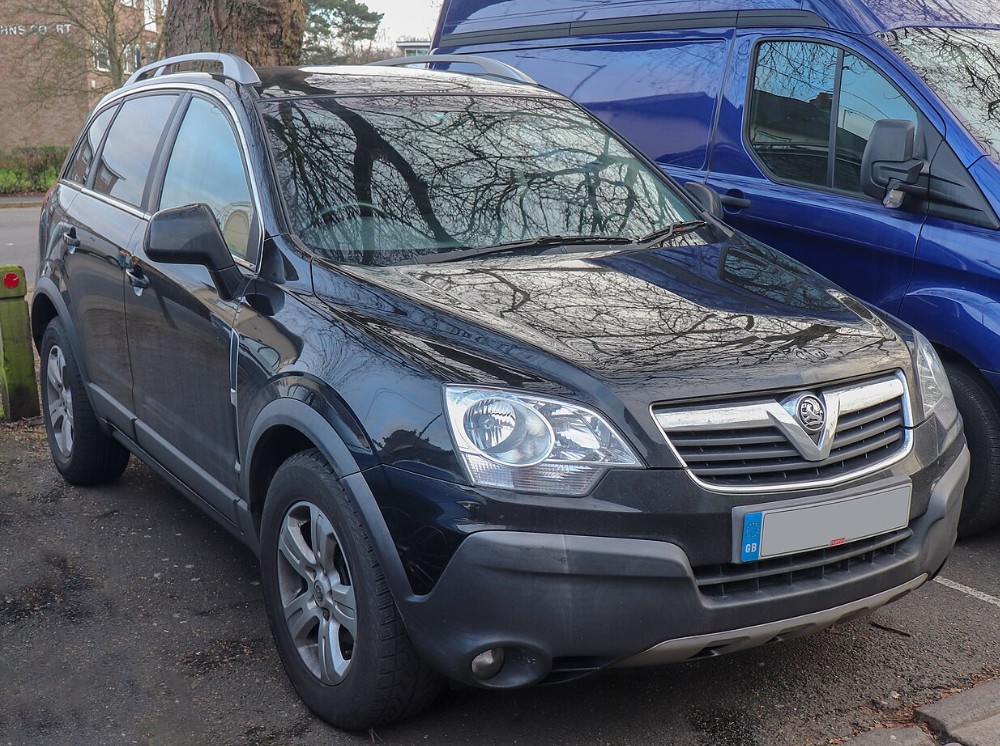
When a Vauxhall Antara is not starting, the silence—or frantic clicking—from beneath the bonnet can turn an ordinary morning into a small mechanical drama. One minute, we are ready to leave; the next, the Antara sits there like a stubborn mule, refusing to move.
The good news is that a non-starting Antara does not automatically mean the engine has suffered a major failure. In many cases, the cause is something relatively straightforward: a weak battery, corroded terminals, a faulty starter motor, an immobiliser issue, insufficient fuel pressure, or a failed sensor.
The trick is not to replace parts at random. Guesswork can become expensive surprisingly quickly. Instead, we need to pay close attention to what happens when the key is turned. Does the engine crank normally? Does it click once? Do the dashboard lights disappear? Does the engine start briefly and then stall?
Those symptoms act like clues at a crime scene. Once we identify the type of no-start condition, we can narrow the problem down and decide whether it is safe to investigate at home or time to call a mechanic.
Content in this publication
- First Identify How Your Vauxhall Antara Is Failing to Start
- Start With the Battery
- Can You Jump-Start a Vauxhall Antara?
- Check the Alternator After a Flat Battery
- Listen to the Starter Motor
- Inspect the Engine Earth Strap
- Check the Gear Selector or Clutch Switch
- Consider an Immobiliser or Key Problem
- Vauxhall Antara Cranks but Will Not Start
- Fuel Delivery Problems
- Crankshaft Position Sensor Failure
- Camshaft Position Sensor Problems
- Glow Plugs and Diesel Cold Starting
- Could the Engine Be Flooded?
- Check Fuses and Relays Carefully
- Use an OBD Diagnostic Scanner
- Wiring and Connector Faults
- Timing or Compression Problems
- What If the Antara Will Not Start When Hot?
- What If It Only Fails in Cold Weather?
- What If the Antara Starts After Several Attempts?
- A Practical Diagnostic Order
- Mistakes to Avoid When the Antara Will Not Start
- When Should We Call a Mechanic?
- How Much Could the Repair Cost?
- Can Regular Maintenance Prevent Starting Problems?
- Conclusion: Diagnose the Symptom Before Buying Parts
- Frequently Asked Questions
First Identify How Your Vauxhall Antara Is Failing to Start
Before reaching for jump leads or ordering a starter motor, we should describe the symptom accurately. “Not starting” can refer to several very different faults.
The Engine Does Not Crank
When the key is turned, the engine remains completely still. We may hear silence, a single click, or several rapid clicks.
Likely causes include:
- A discharged or defective battery
- Loose or corroded battery terminals
- A poor engine earth connection
- A faulty starter motor or solenoid
- A damaged ignition switch
- An automatic gearbox selector fault
- A clutch pedal switch fault on manual models
- An immobiliser or key-recognition problem
This category usually points toward the battery, starting circuit, security system, or transmission interlock rather than fuel delivery.
The Engine Cranks but Does Not Fire
In this situation, the starter turns the engine at a normal or slightly slow speed, but combustion never begins.
Possible causes include:
- Insufficient fuel pressure
- A failed crankshaft position sensor
- A camshaft position sensor fault
- Glow-plug or preheating trouble on diesel engines
- A blocked fuel filter
- Air entering the diesel fuel system
- A defective fuel-pressure regulator
- An immobiliser fault
- Incorrect timing
- Low compression
Here, the battery and starter may be doing their jobs. The problem is that the engine is missing fuel, compression, heat, timing information, or electronic permission to run.
The Engine Starts and Immediately Stops
An Antara that fires for one or two seconds and then dies often suggests a security-system, fuel-pressure, airflow, or electronic-control problem.
We should look for:
- A flashing security or immobiliser symbol
- A key warning on the dashboard
- Fuel-pressure faults
- A blocked fuel filter
- A failing crankshaft sensor
- Severe intake or airflow problems
- Stored engine-management fault codes
The brief start tells us that combustion is possible. Something then removes the fuel supply or prevents the engine-management system from continuing operation.
Start With the Battery
A weak battery is one of the most common reasons any vehicle refuses to start, particularly after cold weather, repeated short journeys, long periods of inactivity, or accidental electrical drain.
Cold conditions place extra strain on a battery because the engine becomes harder to turn while the battery itself can deliver less power. UK winter guidance repeatedly recommends keeping a vehicle battery charged and in good health because battery failure is a frequent cause of cold-weather breakdowns.
Signs of a Weak Antara Battery
Watch and listen for these clues:
- Rapid clicking when the key is turned
- Slow, heavy cranking
- Dashboard lights dimming dramatically
- The clock or radio resetting
- Central locking becoming sluggish
- Headlights fading during a start attempt
- No response after the vehicle has been parked
- Electrical systems working until the starter is engaged
A battery can still illuminate the dashboard and operate the radio while lacking enough current to turn the engine. Starting requires far more electrical power than running interior accessories.
Check the Battery Voltage
A multimeter provides a useful first test.
With the engine off and the battery rested:
- Around 12.6 volts generally indicates a well-charged battery.
- Around 12.4 volts suggests a partial state of charge.
- Around 12.2 volts indicates a significantly discharged battery.
- Below approximately 12 volts suggests a heavily discharged or potentially defective battery.
Voltage alone does not prove that a battery is healthy. An ageing battery may display acceptable resting voltage and still collapse under starter load. A proper conductance or load test is more revealing.
Watch the Voltage While Cranking
Ask someone to turn the key while the meter remains connected. A severe voltage drop can indicate:
- A weak battery
- High resistance at a connection
- Excessive starter-motor current draw
- Internal battery damage
Take care around moving belts, fans, and hot engine components.
Inspect the Battery Terminals
Battery posts should be clean, secure, and free from powdery corrosion. A terminal can look connected while making poor electrical contact.
Check for:
- White, blue, or green corrosion
- Loose terminal clamps
- Damaged battery cables
- Frayed strands
- Heat marks or melted insulation
- Moisture around the battery
- A loose battery hold-down bracket
Disconnecting and cleaning battery terminals may help, but only do so when familiar with safe battery handling. Disconnecting the battery can reset stored preferences and may affect electronic systems.
Can You Jump-Start a Vauxhall Antara?
A correctly performed jump-start can help confirm whether low battery power is responsible. Vauxhall publishes different Antara owner manuals by production period, so the correct procedure and connection points should be checked in the manual for the specific vehicle.
Do not attempt a jump-start if the battery is:
- Cracked
- Leaking
- Frozen
- Swollen
- Giving off a strong sulphur-like smell
- Surrounded by damaged wiring
Keep sparks, flames, and smoking materials away from the battery.
What the Jump-Start Result Tells Us
If the Antara starts normally with a booster or donor battery, the likely possibilities include:
- The battery was discharged.
- The battery can no longer hold sufficient charge.
- The alternator is not charging properly.
- A parasitic electrical drain is flattening the battery.
- A poor battery connection was temporarily overcome.
A successful jump-start is not the end of the diagnosis. We still need to discover why the battery became flat.
If It Still Does Not Crank With a Jump
If a known-good booster makes little or no difference, investigate:
- Battery-cable resistance
- Engine earth straps
- Starter-motor wiring
- Starter relay or solenoid
- Ignition-switch output
- Gear-selector recognition
- Clutch-switch operation
- Immobiliser status
Repeatedly trying to start the engine can overheat the starter and flatten both batteries. Short attempts with pauses between them are safer than holding the key continuously. Public winter-driving guidance recommends short starter bursts and allowing recovery time between unsuccessful attempts.
Check the Alternator After a Flat Battery
The alternator replenishes the battery once the engine is running. If it is failing, a jump-start may bring the Antara to life temporarily, only for it to stop later or refuse to restart.
Possible charging-system warning signs include:
- Battery warning light staying illuminated
- Headlights changing brightness with engine speed
- Electrical systems behaving unpredictably
- Repeated flat batteries
- A whining noise near the auxiliary belt
- Burning smells
- The engine stopping after a short drive
- Low voltage with the engine running
A technician can test alternator output, battery condition, cable voltage drop, and current drain. Replacing the battery without checking the charging system may simply give the fault a fresh battery to flatten.
Listen to the Starter Motor
The noise made during a start attempt can be remarkably informative.
One Heavy Click
A single solid click may mean the starter solenoid is engaging but the starter motor is not turning.
Possible reasons include:
- A failing starter motor
- Worn starter brushes
- A jammed starter mechanism
- Low battery current
- A poor positive cable
- A weak engine earth
- Internal engine resistance
Sometimes a worn starter works intermittently, especially after cooling down or after several key attempts. That does not make it trustworthy. Intermittent operation usually signals that failure is approaching.
Rapid Clicking
Rapid machine-gun-style clicking usually points toward low voltage. The solenoid engages, voltage collapses, the solenoid releases, and the cycle repeats.
Check the battery and connections before blaming the starter motor.
A Whirring Sound Without Engine Movement
A fast electric whir may indicate that the starter is spinning without properly engaging the flywheel.
Potential faults include:
- A starter-drive problem
- Damaged flywheel teeth
- Solenoid engagement failure
- Incorrect starter installation
Continuing to operate it may cause further damage.
Grinding During Starting
Grinding should never be ignored. It may indicate damaged starter or flywheel teeth, misalignment, or incomplete engagement. Stop repeated attempts and arrange inspection.
Inspect the Engine Earth Strap
The starter needs a strong electrical path from the battery to the engine and back again. A corroded or damaged earth strap can interrupt that circuit.
Symptoms of a poor earth include:
- Intermittent no-crank problems
- Clicking despite a charged battery
- Hot battery cables
- Flickering dashboard lights
- Unusual electrical faults
- Starting improving when a temporary earth lead is fitted
- A burning smell around a connection
A voltage-drop test across the earth circuit is more accurate than merely looking at the cable. Corrosion can hide beneath insulation or between metal contact surfaces.
Check the Gear Selector or Clutch Switch
Modern vehicles use safety interlocks to prevent the starter operating while the vehicle is in gear.
Automatic Antara Not Cranking
Ensure the selector is fully in Park. Then try starting in Neutral while holding the brake.
If it starts in Neutral but not Park, possible causes include:
- Gear-selector adjustment
- A worn selector switch
- Transmission-range sensor trouble
- Wiring or connector faults
Do not force the lever or repeatedly move it aggressively.
Manual Antara Not Cranking
Press the clutch pedal firmly to the floor. A faulty clutch-pedal position switch can prevent the starter circuit from operating even when the clutch itself works normally.
If starting behaviour changes when the pedal is pressed at a different angle, the switch or its adjustment deserves inspection.
Consider an Immobiliser or Key Problem
The Vauxhall Antara’s immobiliser is designed to prevent unauthorised engine operation. If the vehicle does not recognise the key correctly, it may block starting or allow the engine to fire and then stop.
Immobiliser Warning Signs
Possible clues include:
- A flashing security light
- A key-shaped warning symbol
- The engine cranking without starting
- The engine starting and dying immediately
- Intermittent recognition of the key
- Central locking behaving strangely
- Starting failure after battery disconnection
- One key working while another does not
Try the Spare Key
Using the spare key is one of the simplest diagnostic checks available. If the spare starts the vehicle normally, the original key may have:
- A damaged transponder
- Internal physical damage
- Water contamination
- A synchronisation issue
- A separate remote-control battery problem
The remote battery and immobiliser transponder are not always the same thing. A key may unlock the doors yet still fail to receive immobiliser authorisation—or vice versa.
Do Not Assume a Key-Battery Replacement Will Cure Everything
Replacing the remote battery can restore locking functions, but it may not repair a damaged transponder or an immobiliser communication fault. Proper diagnostic equipment may be needed to inspect key authorisation and control-module fault codes.
Vauxhall Antara Cranks but Will Not Start
When the starter turns the engine normally, our diagnosis moves away from the main starter circuit. The engine now needs the right mixture of fuel and air, adequate compression, correct timing, and reliable sensor signals.
A scan tool becomes particularly valuable at this stage.
Fuel Delivery Problems
An engine can crank enthusiastically while receiving too little fuel to start.
Possible causes include:
- Very low or empty fuel tank
- Incorrect fuel-level reading
- Blocked fuel filter
- Weak in-tank pump on applicable versions
- High-pressure diesel pump trouble
- Fuel-pressure regulator failure
- Injector electrical faults
- Air in the diesel supply
- Contaminated fuel
- Frozen or restricted fuel in severe cold
- Damaged fuel lines
Do Not Trust the Fuel Gauge Blindly
It sounds almost too simple, but vehicles do occasionally run out of fuel because of:
- A faulty sender unit
- Parking on a steep slope
- An inaccurate low-fuel estimate
- A recently disturbed fuel system
- A leak
- Misfuelling
Adding a modest amount of the correct fuel can rule out an inaccurate gauge, provided there is no sign of leakage or contamination.
Blocked Diesel Fuel Filter
A restricted fuel filter can cause:
- Difficult starting
- Extended cranking
- Loss of power
- Stalling under load
- Rough running
- Low fuel-pressure fault codes
- Worse behaviour in cold weather
If the filter has not been replaced within the appropriate service schedule, it should be considered. However, installing a new diesel filter may require correct priming. Air introduced during replacement can create another no-start condition.
Air in the Diesel Fuel System
Diesel engines rely on a properly sealed fuel circuit. Air may enter after:
- Fuel-filter replacement
- Running the tank extremely low
- Deteriorated seals
- Loose pipe connections
- Cracked fuel hoses
- Work on injectors or pumps
Excessive cranking is not always enough to remove trapped air. The system may need to be primed using the correct procedure.
Crankshaft Position Sensor Failure
The crankshaft position sensor tells the engine control unit how fast the crankshaft is turning and where it is in its rotation. Without a credible signal, the computer may not command injection correctly.
A failing sensor may cause:
- Cranking without starting
- Sudden stalling
- Starting again after cooling down
- Intermittent cutting out
- No engine-speed reading during cranking
- An engine-management warning light
- Stored crankshaft-sensor fault codes
Heat-related failure is common in many sensor designs. The vehicle may start cold, stall when hot, and restart after sitting for a while. That pattern is a clue, not proof.
A technician should inspect live engine-speed data during cranking and test the sensor circuit before replacement.
Camshaft Position Sensor Problems
The camshaft sensor helps the control unit identify engine phase. Depending on the exact engine-management strategy, a failure may cause:
- Long cranking
- No start
- Reduced performance
- Uneven running
- Poor hot starting
- Engine-management warnings
Crankshaft and camshaft correlation codes can also appear when mechanical timing is incorrect. Replacing a sensor will not repair a stretched chain, slipped belt, damaged reluctor, or wiring fault.
Glow Plugs and Diesel Cold Starting
Diesel engines depend on heat generated by compression. In cold conditions, glow plugs help warm the combustion chambers sufficiently for ignition.
Glow-plug trouble may produce:
- Difficult cold starts
- White smoke during cranking
- Rough running immediately after starting
- Extended cranking in winter
- A preheating warning
- Normal warm starting but poor cold starting
One failed glow plug may cause roughness without preventing starting. Several failed plugs, a defective glow-plug control module, low compression, weak cranking speed, and very cold weather can combine to create a genuine no-start.
Wait for the Preheating Indicator
On diesel versions, switch on the ignition and allow the preheating indicator to complete its normal cycle before cranking, particularly in cold weather. Follow the procedure in the owner’s manual applicable to the vehicle’s model year. Vauxhall maintains several Antara manual editions because instructions and equipment can differ across production periods.
Could the Engine Be Flooded?
Flooding is more commonly associated with petrol engines, although repeated failed starting can create complicated conditions on either fuel type.
Signs may include:
- A strong fuel smell
- The engine briefly trying to fire
- Wet spark plugs on petrol versions
- Failed starts after repeated short attempts
Avoid endlessly pumping the accelerator. Electronic engine-management systems generally control fuelling themselves, and random pedal inputs may make diagnosis harder.
If the engine smells heavily of fuel, stop cranking and allow vapours to clear. Fuel leaks require immediate professional attention.
Check Fuses and Relays Carefully
A failed fuse or relay can interrupt power to:
- The starter circuit
- The engine control unit
- Fuel pumps
- Injectors
- Glow-plug systems
- Ignition circuits
- Sensors
Use the fuse chart for the exact Antara year and configuration. Never replace a fuse with one of a higher rating.
A blown fuse is not merely an inconvenience—it is evidence. If a replacement blows again, the circuit may have a short, failed component, or damaged wiring. Repeatedly fitting fuses can overheat the circuit and create a fire risk.
Can You Swap Relays to Test Them?
Only swap relays when they have exactly matching:
- Part numbers
- Pin layouts
- Ratings
- Internal configurations
Relays that look identical may operate differently. When uncertain, test them properly or consult a professional.
Use an OBD Diagnostic Scanner
An OBD scanner can shorten the search dramatically, especially when the engine cranks but does not start.
Useful code categories may relate to:
- Crankshaft or camshaft signals
- Fuel-rail pressure
- Immobiliser communication
- Injector circuits
- Glow-plug control
- Engine control-module power
- Airflow or boost measurement
- Gear-selector position
- Low system voltage
Do not treat a fault code as a command to replace the named component. A sensor-related code may be caused by:
- Broken wiring
- Corroded connectors
- Low battery voltage
- A short circuit
- Incorrect mechanical timing
- Poor earth connections
- Another sensor corrupting shared reference voltage
Live Data Is Often More Valuable Than Codes
During cranking, a technician may examine:
- Engine speed
- Fuel-rail pressure
- Battery voltage
- Key authorisation
- Cam and crank synchronisation
- Coolant temperature
- Intake-air readings
- Throttle position
- Gear-selector status
For example, zero engine speed while cranking points toward a missing crankshaft signal. Adequate cranking speed with low rail pressure sends the investigation toward the fuel system.
Wiring and Connector Faults
The Antara is now an ageing vehicle, so time itself becomes part of the diagnosis. Heat, vibration, moisture, oil contamination, previous repairs, and road salt can degrade electrical connections.
Inspect accessible wiring near:
- The battery
- Starter motor
- Engine earths
- Crankshaft sensor
- Camshaft sensor
- Fuel-pressure sensor
- Fuse boxes
- Engine control module
- Injector harness
- Glow-plug module
Look for damaged insulation, stretched wires, green corrosion, loose plugs, oil-filled connectors, and signs of rodent damage.
Never probe electronic terminals aggressively. Spreading connector pins can create intermittent faults that are even harder to find.
Timing or Compression Problems
If the battery, starter, security system, sensors, and fuel supply appear normal, we must consider mechanical causes.
Possible problems include:
- Incorrect valve timing
- A slipped or damaged timing component
- Low cylinder compression
- Valve damage
- Excessive engine wear
- A failed head gasket
- Internal seizure
- Contaminated cylinders
Signs of a Mechanical Starting Problem
Warning signs may include:
- The engine cranking unusually fast
- Uneven cranking rhythm
- New rattling before the failure
- Sudden loss of power before stopping
- Smoke or coolant loss
- Oil contamination
- A loud mechanical noise
- The engine stopping abruptly while driving
If the engine suddenly cranks faster and more freely than usual, stop attempting to start it. Incorrect timing or loss of compression may be present, and repeated cranking could increase damage.
What If the Antara Will Not Start When Hot?
Hot-start problems often lead us toward components affected by heat.
Possible causes include:
- A failing crankshaft position sensor
- A weak starter motor drawing excessive current
- Poor battery or earth connections
- Fuel-pressure loss
- Injector leak-off on diesel engines
- A defective temperature sensor
- Engine-management relay trouble
- Internal high-pressure pump wear
A diesel engine with excessive injector return flow may struggle to build sufficient rail pressure during hot cranking. A proper leak-off test can help identify the issue.
What If It Only Fails in Cold Weather?
Cold-sensitive no-start problems may involve:
- A weak battery
- Slow starter speed
- Glow-plug failure
- A faulty glow-plug module
- Thick or unsuitable engine oil
- Diesel fuel restriction
- Water contamination in the fuel filter
- Poor compression
- Corroded electrical connections
Cold weather often exposes a component that was already marginal. It does not always create the fault; sometimes it simply pulls away the curtain.
What If the Antara Starts After Several Attempts?
Intermittent starting should not be ignored merely because the vehicle eventually runs.
Likely areas include:
- Worn starter contacts
- A failing crankshaft sensor
- Loose battery terminals
- A poor earth
- Fuel pressure bleeding away
- Air entering a diesel fuel line
- A key-recognition issue
- A sticky relay
- Gear-selector switch trouble
- Injector leak-off
Intermittent faults tend to become permanent at the least convenient moment. Record when the problem occurs: hot, cold, wet, after refuelling, after standing overnight, or following a long drive.
A Practical Diagnostic Order
To avoid wasting time and money, follow this sequence.
Step 1: Observe the Dashboard
Turn on the ignition without cranking.
Check whether:
- Warning lights illuminate normally
- The security light flashes
- The dashboard resets
- The battery warning appears
- The fuel gauge behaves normally
- The gear position is recognised
Step 2: Listen During the Start Attempt
Identify whether there is:
- Silence
- One click
- Rapid clicking
- Slow cranking
- Normal cranking
- Fast or uneven cranking
- Grinding
- Brief firing followed by stalling
Step 3: Test Battery Condition
Inspect terminals, measure voltage, and obtain a proper battery test where possible.
Step 4: Check Basic Interlocks
Try Park and Neutral on an automatic. Fully depress the clutch on a manual. Try the spare key.
Step 5: Scan for Fault Codes
Record codes before clearing them. Freeze-frame data may preserve the conditions present when a fault occurred.
Step 6: Check Cranking Data
Confirm engine speed, battery voltage, key authorisation, and fuel pressure.
Step 7: Inspect Fuel and Sensor Systems
Move toward fuel delivery, crank/cam signals, glow-plug operation, wiring, and mechanical timing based on the evidence.
This method is less glamorous than swapping parts, but it is far more effective.
Mistakes to Avoid When the Antara Will Not Start
Avoid these common traps:
- Replacing the battery without testing it
- Buying a starter motor because the vehicle clicked once
- Clearing diagnostic codes before recording them
- Cranking continuously for long periods
- Using oversized fuses
- Spraying flammable starting fluid into a diesel intake
- Disconnecting sensors at random
- Blaming glow plugs for every diesel no-start
- Assuming fuel pressure exists because fuel is in the tank
- Ignoring immobiliser warnings
- Continuing after grinding or abnormal mechanical noises
- Working under the vehicle without proper supports
Starting fluid can be especially risky on diesel engines equipped with glow plugs or intake-heating systems. It may ignite prematurely and cause serious engine damage or injury.
When Should We Call a Mechanic?
Professional help is sensible when:
- The engine cranks but fuel pressure remains low
- The immobiliser does not recognise either key
- The starter circuit has power but will not operate
- Fuses repeatedly blow
- Wiring becomes hot
- Fuel is leaking
- Grinding or metallic noises occur
- The engine stopped suddenly while driving
- The engine cranks unusually fast
- Timing failure is suspected
- The battery repeatedly becomes flat
- Diagnostic codes indicate communication faults
- The problem returns after a jump-start
- Special diesel priming or pressure testing is required
A mobile mechanic may handle battery, starter, alternator, key, and basic sensor diagnosis at the vehicle. Fuel-system, timing, or internal-engine work may require workshop equipment.
How Much Could the Repair Cost?
Costs vary by engine, model year, location, labour rate, parts quality, and whether diagnosis is straightforward.
As a general pattern:
- Battery or terminal repairs are often at the lower end.
- Starter and alternator replacement usually sit in the middle.
- Sensor replacement may be moderate if access is simple.
- Immobiliser programming can vary considerably.
- Diesel injector or high-pressure fuel-system repairs can become expensive.
- Timing or internal-engine damage may be the most costly outcome.
The cheapest first move is accurate testing. A £40 diagnosis that prevents three unnecessary parts from being fitted is money well spent.
Can Regular Maintenance Prevent Starting Problems?
Not every breakdown is preventable, but we can reduce the risk.
Useful habits include:
- Testing the battery before winter
- Cleaning and tightening electrical connections
- Following fuel-filter replacement intervals
- Using the correct engine oil
- Addressing warning lights promptly
- Avoiding repeated very short journeys
- Keeping both keys in good condition
- Investigating slow cranking early
- Repairing water leaks around electrical components
- Scanning intermittent engine faults before they worsen
- Driving with adequate fuel rather than constantly near empty
An ageing vehicle rarely fails without whispering first. Slower cranking, occasional hesitation, flickering lights, and intermittent warnings are those whispers.
Conclusion: Diagnose the Symptom Before Buying Parts
A Vauxhall Antara not starting can be frustrating, but the symptom usually gives us a direction.
No cranking points first toward the battery, connections, starter circuit, interlocks, or immobiliser. Normal cranking without ignition shifts attention toward fuel pressure, crank and cam signals, glow-plug operation, wiring, and mechanical condition. Starting and immediately stalling raises questions about key authorisation, fuel supply, and engine-management control.
Begin with the basics. Inspect the battery, listen carefully, watch the dashboard, try the spare key, and use diagnostic data before replacing anything. The Antara may appear silent and unhelpful, but it is almost always leaving clues. We simply need to read them in the right order.
Frequently Asked Questions
Why does my Vauxhall Antara click but not start?
Rapid clicking usually indicates insufficient battery voltage or a poor battery connection. A single heavy click may point toward the starter motor, solenoid, battery cable, or engine earth. Test the battery under load and inspect the terminals before replacing the starter.
Why does my Antara crank but not start?
The engine may lack adequate fuel pressure, crankshaft-position information, camshaft synchronisation, glow-plug assistance, compression, or immobiliser authorisation. Reading fault codes and live data during cranking is the fastest way to narrow the cause.
Can a faulty key stop a Vauxhall Antara from starting?
Yes. A damaged transponder or immobiliser communication fault can prevent starting. The engine may crank without firing or start briefly and stop. Try the spare key and observe the security warning light.
Why will my diesel Antara not start when cold?
Likely causes include a weak battery, slow starter speed, failed glow plugs, a defective glow-plug module, a restricted fuel filter, air in the fuel system, unsuitable oil, or low compression. Several marginal faults may combine during cold weather.
Why does my Antara start with jump leads but fail again later?
The battery may be worn out, the alternator may not be charging, a cable connection may have excessive resistance, or an electrical drain may be discharging the battery while parked. Test the complete charging and starting system rather than assuming the battery alone is responsible.
If you want to know other articles similar to Vauxhall Antara Not Starting: Causes, Checks, and Fixes you can visit the category Common Problems.
Toyota Corolla Cross Issues: Common Problems and Fixes

MG HS Problems: Common Faults, Reliability and Years to Avoid (2019–2026)
Toyota Yaris Cross Battery Problems: Causes & Fixes

Volvo XC40 Sound Not Working? Complete Troubleshooting Guide

Mazda Diesel Engine Problems: Common Faults and Fixes
Volkswagen Key Not Detected or No Key Error: Causes and Fixes
Leave a Reply
More content of your interest