

Kia Rio Clutch Replacement: Cost, Symptoms, Process, and Smart Ownership Tips

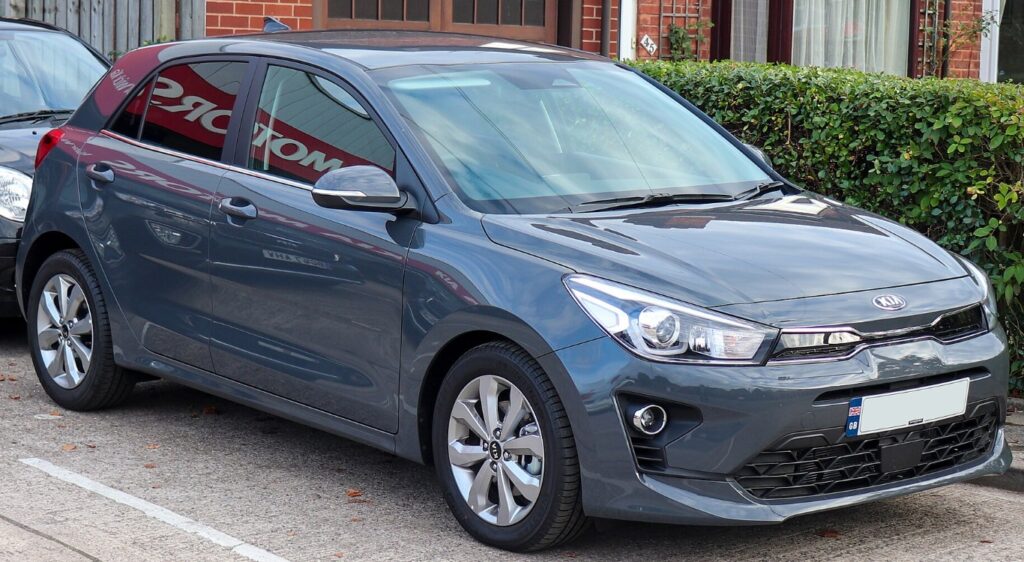
The Kia Rio clutch replacement topic can feel a bit intimidating at first. One minute your little Rio is zipping through traffic like a cheerful city runabout, and the next minute the clutch pedal feels strange, gears complain, or the engine revs like it is auditioning for a racing movie while the car barely moves. We have all seen that moment: the driver pauses, listens, and thinks, “Is this going to be expensive?”
Let’s breathe. A clutch replacement is not tiny maintenance like changing wiper blades, but it is also not the end of the car. For many manual Kia Rio owners, it is simply one of those big wear-and-tear jobs that eventually comes around, especially if the car has lived in stop-start traffic, hilly neighborhoods, heavy commuting, or a household where more than one driver has learned the art of manual shifting.
The clutch is the handshake between the engine and the gearbox. When it is healthy, every shift feels clean, direct, and predictable. When it wears out, that handshake gets weak, slippery, noisy, or awkward. This guide breaks everything down in plain English: symptoms, cost, parts, labor, DIY difficulty, model-year considerations, and the habits that help a new clutch last longer.
RepairPal estimates a Kia Rio clutch replacement at roughly $1,575 to $1,882 in the U.S., with labor and parts varying by location and related repairs. UK estimates from ClickMechanic show parts and labor can vary widely by Rio engine and year, often involving around 3 to 5 hours of labor for listed examples. In Australia, AutoGuru lists a broad typical range of about $900 to $2,000 or more depending on clutch kit type and driving style.
Content in this publication
- What Does the Clutch Do in a Kia Rio?
- Common Kia Rio Clutch Replacement Symptoms
- Kia Rio Clutch Replacement Cost
- What Is Included in a Kia Rio Clutch Kit?
- Kia Rio Clutch Replacement Process
- Can We Drive a Kia Rio With a Bad Clutch?
- Kia Rio Clutch Life Expectancy
- Kia Rio Clutch Replacement vs Clutch Adjustment
- Manual Kia Rio Clutch Problems by Use Case
- Signs It Might Be the Clutch Hydraulics, Not the Clutch Itself
- Should We Replace the Flywheel Too?
- Kia Rio Clutch Replacement DIY: Is It Worth Trying?
- Choosing the Right Clutch Kit for a Kia Rio
- Questions to Ask Before Approving the Repair
- How Long Does Kia Rio Clutch Replacement Take?
- Kia Rio Clutch Replacement Aftercare
- How to Avoid Premature Kia Rio Clutch Wear
- Kia Rio Clutch Replacement and Resale Value
- Kia Rio Clutch Replacement Cost-Saving Tips
- Kia Rio Clutch Replacement: Final Thoughts
- FAQs About Kia Rio Clutch Replacement
What Does the Clutch Do in a Kia Rio?
In a manual Kia Rio, the clutch sits between the engine and the transmission. Its job is simple in theory but hardworking in real life: it lets us disconnect engine power from the gearbox so we can start smoothly, change gears, stop without stalling, and control low-speed movement.
When we press the clutch pedal, we are temporarily separating the engine from the transmission. When we release the pedal, the clutch disc grips again and transfers engine power to the wheels. It sounds neat and tidy, but inside the car this process involves friction, pressure, heat, hydraulics, bearings, springs, and moving parts that all need to work together.
The Main Clutch Components
A typical Kia Rio clutch system may include:
- Clutch disc
- Pressure plate
- Release bearing / throw-out bearing
- Clutch fork or release mechanism
- Flywheel
- Clutch master cylinder
- Clutch slave cylinder
- Hydraulic fluid lines
- Brake/clutch fluid reservoir on many models
The clutch disc is usually the star of the show because it wears down like brake pads. But replacing only the disc is rarely the best approach. Most shops recommend replacing the clutch kit together because the labor to access the clutch is the expensive part. Once the gearbox is out, it makes sense to renew the main wear parts in one visit.
Common Kia Rio Clutch Replacement Symptoms
A clutch rarely fails without whispering first. Sometimes it shouts, but usually it gives us little clues. Catching those clues early can prevent a roadside drama.
1. The Clutch Is Slipping
Clutch slip is one of the classic signs. You press the accelerator, the engine revs rise, but the car does not accelerate with the same energy. It feels like the power is leaking out somewhere.
This often happens first in higher gears or under load, such as climbing a hill, overtaking, or carrying passengers. If the revs jump but the speed does not follow, the clutch may be worn.
2. The Pedal Feels Too High
If the clutch bite point is very high, near the top of the pedal travel, the clutch may be close to the end of its life. A higher bite point does not always mean disaster, but when it appears alongside slipping, burning smells, or difficult shifting, it deserves attention.
3. Gear Changes Feel Notchy or Difficult
A worn clutch may make it harder to select gears smoothly. First gear and reverse often complain first because they are used during low-speed movement and parking. If the clutch is not fully disengaging, the gearbox may resist.
However, hard shifting can also come from hydraulic problems, low fluid, cable issues on older setups, gearbox oil, or worn synchronizers. That is why diagnosis matters.
4. Burning Smell After Driving
A burning clutch smell is sharp, hot, and unpleasant. It can happen after hill starts, heavy traffic, reversing up a slope, or holding the car on the clutch. Once or twice after a mistake may not kill the clutch, but frequent burning means the friction material is being overheated.
5. Shuddering When Pulling Away
Clutch judder feels like vibration, bouncing, or shaking as the car starts moving. It may come from a warped pressure plate, contaminated clutch disc, worn engine mounts, a damaged flywheel, or poor clutch engagement.
6. Strange Noises When Pressing the Clutch
A whining, grinding, rattling, or squeaking sound when pressing the clutch pedal can point toward the release bearing, pilot bearing, clutch fork, or hydraulic components. Noise is not something to ignore, especially if it changes with pedal movement.
Kia Rio Clutch Replacement Cost
The cost of Kia Rio clutch replacement depends heavily on country, labor rate, engine size, model year, and whether extra parts are needed. The clutch kit itself may not be wildly expensive, but removing the transmission takes time.
Typical Price Range
In general, we can expect the job to fall into these broad ranges:
- Budget independent garage: lower labor cost, aftermarket clutch kit
- Specialist garage: moderate cost, better diagnosis and warranty
- Main dealer: higher labor cost, genuine parts or OEM-equivalent parts
- Extra repairs needed: higher total cost if flywheel, hydraulics, seals, or mounts are added
RepairPal lists the average Kia Rio clutch replacement estimate between $1,575 and $1,882, with labor estimated between $657 and $964 and parts around $919 before taxes, fees, and location differences. ClickMechanic’s UK examples show Rio clutch jobs often around 3–5 labor hours, with total estimates changing by engine and model year.
Why Labor Is a Big Part of the Bill
A clutch is hidden deep between the engine and gearbox. To replace it, the mechanic usually needs to remove or move the transmission, support the engine, disconnect shafts, remove mounts, separate the gearbox, replace parts, inspect the flywheel, then put everything back together.
That is why a cheap clutch kit does not automatically mean a cheap repair. We are mostly paying for access, skill, time, and proper reassembly.
What Is Included in a Kia Rio Clutch Kit?
A standard clutch kit often includes the clutch disc, pressure plate, and release bearing. Some kits may include alignment tools, bolts, or additional hardware. Higher-quality kits from well-known brands may cost more but can offer better feel, durability, and fit.
Clutch Disc
The clutch disc is the friction plate that wears down over time. When it gets thin or glazed, it cannot grip properly.
Pressure Plate
The pressure plate clamps the clutch disc against the flywheel. If its spring force weakens or the surface becomes damaged, the clutch may slip or engage poorly.
Release Bearing
The release bearing helps operate the clutch when the pedal is pressed. Because replacing it later requires similar labor, it is usually replaced with the clutch.
Flywheel
The flywheel is not always included in a clutch kit. It must be inspected. If it is cracked, badly scored, heat-spotted, warped, or fitted as a dual-mass flywheel with play, it may need resurfacing or replacement.
Kia Rio Clutch Replacement Process
We do not need to turn this into a mechanic’s manual, but understanding the process helps us understand the bill.
Step 1: Diagnosis
A good mechanic checks the symptoms first. They may road-test the car, check the bite point, listen for noises, inspect clutch fluid, test for slipping, and look for leaks.
Kia owner guidance says brake/clutch fluid should be checked periodically and kept between the MIN and MAX marks; Kia also notes DOT 3 or DOT 4 hydraulic brake/clutch fluid where specified.
Step 2: Vehicle Preparation
The car is lifted safely. The battery may be disconnected. Wheels, undertrays, gearbox mounts, driveshafts, and related components may need removal depending on the model.
Step 3: Transmission Removal
This is the big labor section. The gearbox must be separated from the engine to access the clutch assembly. On front-wheel-drive cars like the Kia Rio, space can be tight.
You may be interested in reading Kia Rio Fuel Tank Capacity: Everything We Need to Know
Step 4: Old Clutch Removal
The mechanic removes the pressure plate and clutch disc. They inspect the friction material, springs, release bearing, flywheel face, and surrounding area for leaks.
Step 5: Flywheel Inspection
A good clutch job includes flywheel inspection. Installing a new clutch against a damaged flywheel is like putting fresh shoes on a cracked road. It might work for a moment, but the ride will not be right.
Step 6: New Clutch Installation
The new clutch disc must be aligned correctly. The pressure plate bolts are tightened evenly to the correct specification. The release bearing is fitted, and related contact points may be lubricated with the correct grease where appropriate.
Step 7: Reassembly and Fluid Bleeding
The gearbox is reinstalled, shafts and mounts are refitted, and the hydraulic clutch system may be bled if disturbed. Air in the clutch hydraulic system can cause a soft pedal or poor disengagement.
Step 8: Road Test
The final road test checks gear engagement, pedal feel, bite point, noise, vibration, and clutch operation under load.
Can We Drive a Kia Rio With a Bad Clutch?
Sometimes, yes. Should we? Not for long.
A mildly worn clutch may still drive, but a badly slipping clutch can leave us stranded. It can also overheat the flywheel and pressure plate, making the repair more expensive. If the clutch is slipping heavily, struggling to select gears, or making loud mechanical noises, it is better to stop pushing our luck.
Think of it like walking on a fraying rope bridge. It might hold today. But do we really want to test it during rush hour?
Kia Rio Clutch Life Expectancy
There is no magic mileage for clutch life. Some clutches last well over 100,000 miles with gentle driving. Others wear out much earlier due to city traffic, steep hills, towing, aggressive launches, poor shifting habits, or drivers resting a foot on the pedal.
Kia’s owner guidance warns drivers not to rest their foot on the clutch pedal and not to partially engage the clutch to hold the vehicle on an incline because those habits can cause unnecessary wear.
Driving Habits That Shorten Clutch Life
The clutch wears faster when we:
- Ride the clutch pedal
- Hold the car on hills using clutch slip
- Launch aggressively
- Shift without pressing the pedal fully
- Crawl in traffic with constant half-clutch movement
- Carry heavy loads often
- Ignore hydraulic fluid leaks
- Keep driving after slipping begins
Driving Habits That Extend Clutch Life
A clutch lasts longer when we:
- Fully release the pedal between shifts
- Use the handbrake for hill starts
- Shift smoothly, not lazily
- Avoid unnecessary revving while engaging the clutch
- Do not rest a foot on the pedal
- Fix leaks and pedal issues early
- Avoid holding the car at the bite point in traffic
Kia Rio Clutch Replacement vs Clutch Adjustment
Many modern hydraulic clutch systems do not have the same simple adjustment style as older cable systems. If the bite point changes, the cause may be wear, fluid issues, air in the hydraulic system, a failing master/slave cylinder, or internal clutch wear.
When Adjustment May Not Solve It
Adjustment will not fix:
- A worn clutch disc
- A damaged pressure plate
- A noisy release bearing
- Oil contamination
- A warped flywheel
- A leaking slave cylinder inside the bellhousing
- Severe clutch slip
If a shop promises a simple adjustment before properly diagnosing the issue, be careful. Sometimes the fix is simple, but sometimes the clutch is simply worn out.
Manual Kia Rio Clutch Problems by Use Case
The Kia Rio is often used as a city car, learner car, commuter, delivery vehicle, or budget family runabout. Each use pattern affects the clutch differently.
City Driving
City traffic is hard on clutches. Stop, creep, stop, crawl, reverse, park, repeat. That daily rhythm can wear the friction material faster than open-road driving.
Learner Drivers
Manual learners tend to stall, over-rev, slip the clutch, and hold the bite point too long. That is normal during learning, but the clutch pays the tuition fee.
Hill Starts
Frequent hill starts create heat. If the driver holds the car on the clutch instead of using the brake or handbrake, the clutch wears quickly.
High-Mileage Commuters
A highway-driven Rio may have high mileage but a surprisingly healthy clutch because it spends less time shifting. Mileage alone does not tell the whole story.
Signs It Might Be the Clutch Hydraulics, Not the Clutch Itself
Not every clutch problem means the clutch kit is dead. Sometimes the hydraulic system is the villain wearing a fake mustache.
Possible Hydraulic Symptoms
Look for:
- Pedal sinks to the floor
- Pedal feels spongy
- Gear selection becomes difficult suddenly
- Clutch fluid level drops
- Visible fluid leak
- Clutch works better after pumping the pedal
- Engagement changes from one drive to the next
Kia’s owner information says the brake/clutch fluid level should sit between MIN and MAX and warns that excessively low fluid should be checked by a professional workshop.
Master Cylinder or Slave Cylinder Issues
A failing clutch master cylinder or slave cylinder can mimic a worn clutch. If the clutch is not disengaging properly because the hydraulic system is weak, the gearbox may resist gears even if the friction disc is still usable.
This is why a proper inspection matters before approving a full clutch replacement.
Should We Replace the Flywheel Too?
This is one of the biggest cost questions. The answer depends on the condition of the flywheel.
Replace or Resurface the Flywheel If:
- It has heat cracks
- It is badly scored
- It is warped
- It has blue heat spots
- It causes clutch judder
- It is a dual-mass flywheel with excessive play
- The manufacturer or clutch kit instructions require replacement
Keep the Flywheel If:
- It is smooth
- It is within specification
- It has no cracks
- It has no excessive wear
- The mechanic confirms it is suitable
Skipping a damaged flywheel to save money can lead to chatter, vibration, premature clutch wear, or another teardown. That is not saving money; that is hiding the bill in the future.
Kia Rio Clutch Replacement DIY: Is It Worth Trying?
For most owners, a Kia Rio clutch replacement is not a driveway-friendly job. It requires lifting the car safely, supporting the engine, removing transmission components, handling heavy parts, aligning the clutch, and bleeding hydraulics.
DIY Difficulty Level
We would rate it as:
Beginner: Not recommended
A beginner can get stuck fast and create expensive problems.
Intermediate: Possible but risky
Someone with solid tools, workspace, and manual-transmission experience may manage it, but it is still demanding.
Advanced DIY mechanic: Realistic
An experienced DIY mechanic with a lift or proper stands, transmission jack, service data, torque specs, and patience can do it.
You may be interested in readingKia Rio Fuel Tank Capacity: Everything We Need to KnowYou may be interested in reading
Kia Rio Handbrake Adjustment: The Complete DIY Guide for Smooth, Safe ParkingTools Often Needed
A clutch replacement may require:
- Jack and axle stands or vehicle lift
- Transmission jack
- Socket set and extensions
- Torque wrench
- Clutch alignment tool
- Pry bars
- Drain pan
- Brake/clutch bleeding kit
- Service manual or repair data
- Safety equipment
If any of that sounds like a foreign language, a professional repair is the smarter path.
Choosing the Right Clutch Kit for a Kia Rio
The best clutch kit is not always the cheapest one. We want a clutch that fits correctly, feels normal, and lasts.
OEM vs Aftermarket
An OEM or genuine Kia clutch kit should match factory feel and fit. Quality aftermarket brands can also be excellent, especially if they supply original equipment manufacturers.
Budget Clutch Kits
A budget kit can be tempting, especially on an older Rio. But if it fails early, the labor cost comes back like a boomerang. Since labor is the big expense, using a poor-quality kit is often false economy.
Performance Clutch Kits
Most Kia Rio owners do not need a performance clutch. A heavier clutch may feel worse in traffic and may not suit the engine’s modest power. For normal driving, a quality standard replacement is usually best.
Questions to Ask Before Approving the Repair
Before saying yes to the estimate, ask the garage:
- Does the quote include the clutch disc, pressure plate, and release bearing?
- Will you inspect the flywheel?
- Is flywheel resurfacing or replacement included?
- Are there any hydraulic leaks?
- Will you replace gearbox oil if needed?
- What clutch brand will be used?
- Is labor included in the written quote?
- Is there a warranty on parts and labor?
- Are taxes, shop fees, and fluids included?
- How long will the job take?
A clear quote is like a good map. It does not make the journey shorter, but it stops us from getting lost.
How Long Does Kia Rio Clutch Replacement Take?
For a professional garage, the job may take several hours, often around half a day to a full working day depending on parts availability, workshop schedule, corrosion, engine version, and whether extra repairs are needed. UK estimator examples from ClickMechanic list several Kia Rio clutch jobs with around 3 to 5 hours of labor, depending on the model listed.
If the flywheel needs replacement, bolts are seized, hydraulic parts are leaking, or the wrong clutch kit arrives, the timeline can stretch.
Kia Rio Clutch Replacement Aftercare
A new clutch should feel smoother, more consistent, and more predictable. But we still need to treat it kindly, especially during the first few hundred miles.
Break-In Tips
After replacement:
- Avoid aggressive launches
- Avoid heavy slipping
- Do not tow or overload immediately
- Use smooth gear changes
- Let the clutch fully engage
- Watch for smells, noises, or vibration
- Return to the shop if the pedal feels wrong
Some clutch manufacturers recommend a bedding-in period. Follow the clutch kit or workshop advice.
How to Avoid Premature Kia Rio Clutch Wear
A clutch is a wear item, but our habits decide whether it lives like a marathon runner or burns out like a match.
Use Neutral at Long Stops
At long traffic lights, shift to neutral and release the clutch pedal. Holding the pedal down keeps release components working unnecessarily.
Do Not Rest Your Foot on the Pedal
Even light pressure can partially load the clutch system. Kia specifically warns not to rest the foot on the clutch pedal while driving because it can cause unnecessary wear.
Use the Handbrake on Hills
Do not hold the Rio on the clutch bite point. Use the brake or handbrake, then move off smoothly.
Shift With Purpose
Press the clutch fully, shift cleanly, and release smoothly. Half-hearted clutch pedal movement can cause noise or damage; Kia manual guidance for manual operation warns to press the clutch fully when using it.
Kia Rio Clutch Replacement and Resale Value
A fresh clutch can make an older manual Kia Rio more attractive to buyers. Manual-car shoppers often worry about clutch condition because they know the job is expensive. If we have a receipt showing a proper clutch kit replacement, that can become a selling point.
When Replacement Makes Sense Before Selling
It may be worth replacing the clutch before selling if:
- The car is otherwise in good condition
- The clutch slips badly
- The car is difficult to test drive
- The repair cost is lower than the value lost by selling it faulty
- You can document the work
When Selling As-Is May Make Sense
Selling as-is may be better if:
- The car has multiple expensive issues
- Rust or accident damage lowers its value
- The gearbox is also suspect
- Repair cost exceeds the car’s realistic market value
- You need a quick sale
Kia Rio Clutch Replacement Cost-Saving Tips
We do not want to be cheap in the wrong places, but we can still be smart.
Get More Than One Quote
Prices vary. A main dealer, independent garage, and transmission specialist may quote very different totals.
Ask About Parts Brands
A mid-range clutch from a trusted brand may offer the best balance of cost and quality.
Check for Bundled Repairs
If the gearbox is already out, it may be cheaper to replace related parts now rather than pay the same labor again later.
Do Not Ignore Early Symptoms
Driving until total failure can damage the flywheel or leave the car undriveable. Early diagnosis gives us options.
Kia Rio Clutch Replacement: Final Thoughts
A Kia Rio clutch replacement is one of those repairs that sounds scary because it is hidden, labor-heavy, and not exactly cheap. But once we understand the symptoms, the process, and the cost factors, it becomes much less mysterious.
The clutch is not just a part; it is the rhythm section of a manual car. When it works, every shift feels natural. When it wears out, the whole driving experience feels offbeat. If your Rio is slipping, smelling hot, struggling to engage gears, or biting at the very top of the pedal, do not ignore it. Get it inspected, compare quotes, ask the right questions, and choose quality parts.
A properly replaced clutch can make a Kia Rio feel fresh again, especially if the rest of the car is healthy. Treat the new clutch well, avoid riding the pedal, use the handbrake on hills, and drive with smooth confidence. That small hatchback may still have plenty of miles left in its shoes.
FAQs About Kia Rio Clutch Replacement
1. How much does a Kia Rio clutch replacement cost?
A Kia Rio clutch replacement can vary widely by country, labor rate, model year, and parts used. RepairPal estimates the U.S. average between $1,575 and $1,882, while other markets may show lower or higher ranges depending on labor and parts availability.
2. How do I know if my Kia Rio clutch is failing?
Common signs include clutch slipping, high bite point, burning smell, difficult gear changes, juddering when pulling away, and noises when pressing the pedal. If the engine revs rise but road speed does not follow, clutch slip is likely.
3. Can I replace only the clutch disc?
Technically, sometimes yes, but it is usually not recommended. Since the transmission must be removed, most garages replace the clutch disc, pressure plate, and release bearing together. This reduces the chance of paying the same labor again soon.
You may be interested in readingKia Rio Fuel Tank Capacity: Everything We Need to KnowYou may be interested in reading
Kia Rio Handbrake Adjustment: The Complete DIY Guide for Smooth, Safe ParkingYou may be interested in reading
Kia Rio Key Fob Battery Replacement: The Complete DIY Guide4. Is a Kia Rio clutch replacement a DIY job?
For most owners, no. It is a difficult job requiring safe lifting, gearbox removal, clutch alignment, torque specs, and sometimes hydraulic bleeding. Experienced DIY mechanics may attempt it, but beginners should use a professional garage.
5. How can I make my new Kia Rio clutch last longer?
Avoid riding the clutch, use the handbrake on hills, fully release the pedal between shifts, do not hold the car at the bite point in traffic, and fix hydraulic issues early. Smooth driving is the clutch’s best friend.
If you want to know other articles similar to Kia Rio Clutch Replacement: Cost, Symptoms, Process, and Smart Ownership Tips you can visit the category Service and Parts.
Audi A4 Fuel Tank Capacity: Complete Guide by Generation
Audi A4 Towing Capacity: Complete Guide for Safe Towing
Audi A4 Service Reset: Complete Guide for Every Generation
Audi A4 Weight: Complete Guide by Model, Generation, and Drivetrain
Audi A4 Tyre Size: Complete Fitment and Buying Guide

Hyundai Palisade Tyre Size: Complete Wheel and Tyre Guide
Leave a Reply
More content of your interest