

Kia Rio Common Problems: What We Should Know Before Buying or Owning One

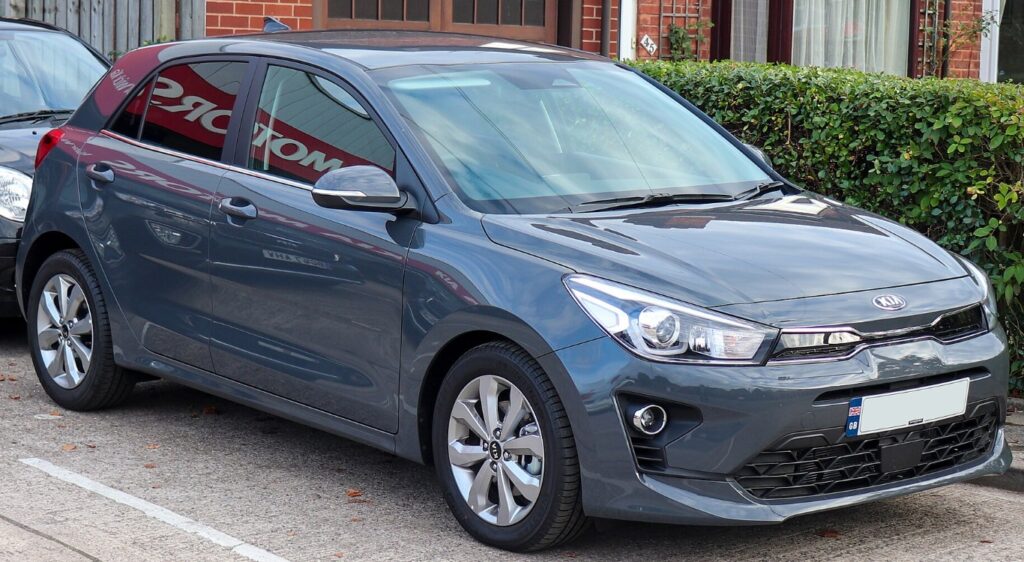
The Kia Rio has always been one of those small cars that quietly gets on with life. It is not flashy, it does not try to act like a luxury sedan, and it will not make the neighbors peek through the curtains. But that is exactly why many of us like it. It is simple, affordable, easy to park, and usually cheap to run.
Still, no car is perfect. Even the most sensible little hatchback or sedan can develop annoying issues over time. When we talk about Kia Rio common problems, we are not saying the Rio is a bad car. Far from it. We are simply lifting the hood, checking the corners, and being honest about what owners often experience.
Some problems are minor, like dashboard rattles or weak air conditioning. Others can be more serious, such as transmission hesitation, engine misfires, electrical glitches, or suspension wear. The key is knowing what to look for before a small squeak turns into a wallet-punching repair bill.
So, let’s walk through the most common Kia Rio problems in a practical, relaxed way. No panic. No drama. Just the kind of advice we would want from a friend who has already crawled under the car with a flashlight.
Content in this publication
- Kia Rio Common Problems: A Quick Overview
- Why the Kia Rio Is Popular Despite Its Problems
- Engine Problems in the Kia Rio
- Rough Idle and Engine Misfires
- Check Engine Light Problems
- Kia Rio Transmission Problems
- Manual Gearbox and Clutch Problems
- Suspension Problems in the Kia Rio
- Steering Problems and Noises
- Brake Problems in the Kia Rio
- Electrical Problems in the Kia Rio
- Starting Problems
- Fuel System Problems
- Air Conditioning Problems
- Cooling System Problems
- Exhaust and Catalytic Converter Issues
- Interior Quality and Cabin Rattles
- Paint, Body, and Trim Problems
- Tire Wear and Alignment Problems
- Kia Rio Problems by Mileage
- Most Serious Kia Rio Problems to Watch For
- Kia Rio Used Buyer Checklist
- How to Prevent Kia Rio Common Problems
- Are Kia Rio Problems Expensive to Fix?
- Is the Kia Rio Still a Good Car?
- Final Thoughts on Kia Rio Common Problems
- FAQs About Kia Rio Common Problems
Kia Rio Common Problems: A Quick Overview
Before we dive deep, let’s get the big picture. The Kia Rio is generally known as a dependable subcompact car, especially when it has been serviced properly. However, like many budget-friendly cars, it can show wear in predictable areas as mileage climbs.
Common Kia Rio problems may include:
- Engine ticking, rough idling, or misfires
- Automatic transmission hesitation or harsh shifting
- Clutch wear on manual models
- Suspension knocking or worn bushings
- Steering noises or alignment issues
- Electrical faults with lights, windows, or sensors
- Air conditioning weakness
- Brake noise or premature wear
- Paint, trim, and interior rattles
- Fuel system and starting issues
The good news? Many of these issues are preventable with regular maintenance. The Rio is not usually a mysterious car. It is more like a straightforward machine that tells us when something is wrong — we just need to listen.
Why the Kia Rio Is Popular Despite Its Problems
The Kia Rio became popular because it gives us the basics without asking for luxury-car money. It is affordable to buy, simple to drive, and usually economical at the pump. For students, commuters, small families, first-time drivers, and budget-focused buyers, it can make a lot of sense.
Affordable Ownership Costs
One of the Rio’s biggest strengths is cost. Parts are usually cheaper than those for larger vehicles, fuel economy is friendly, and insurance tends to be reasonable in many markets.
Simple Urban Driving
The Rio feels at home in cities. It is small enough to squeeze through tight streets, park in awkward spaces, and handle daily errands without fuss.
Decent Reliability When Maintained
A well-maintained Kia Rio can last a long time. But maintenance is the magic word here. Skipped oil changes, ignored warning lights, and cheap repairs can turn a reliable car into a headache factory.
Engine Problems in the Kia Rio
Engine issues are among the most searched Kia Rio common problems, and that makes sense. When the engine acts up, we feel it immediately. A rough idle, a ticking noise, or a sudden loss of power can make even a short drive feel stressful.
Engine Ticking or Knocking Sounds
Some Kia Rio owners report ticking or knocking noises from the engine bay. A light ticking sound can sometimes be normal, especially when the engine is cold. However, a loud knock, especially under acceleration, should never be ignored.
Possible causes include:
- Low engine oil
- Dirty or incorrect oil
- Worn valve train components
- Timing chain noise
- Internal engine wear
- Poor maintenance history
What We Should Do
The first step is simple: check the oil level and condition. If the oil is low, dark, or sludgy, that is a warning sign. Regular oil changes are not optional on small engines. They are the engine’s lifeline.
Rough Idle and Engine Misfires
A Kia Rio that shakes at idle, stumbles when accelerating, or flashes the check engine light may have a misfire. This can feel like the engine is coughing or skipping a beat.
Common Causes of Misfires
Misfires can come from several areas, including:
- Worn spark plugs
- Faulty ignition coils
- Dirty fuel injectors
- Vacuum leaks
- Low compression
- Bad fuel quality
- Sensor problems
Why Misfires Should Not Be Ignored
A misfire might seem small at first, but it can damage the catalytic converter if left untreated. That is when a cheap spark plug issue becomes a much more expensive repair.
Check Engine Light Problems
The check engine light is one of the most common complaints on almost every modern car, and the Kia Rio is no exception. Sometimes it comes on for something minor. Other times, it is waving a red flag.
Common Reasons the Check Engine Light Appears
The check engine light may be triggered by:
- Oxygen sensor failure
- Loose or faulty gas cap
- Catalytic converter issues
- Mass airflow sensor faults
- Ignition coil failure
- Evaporative emissions leaks
- Engine misfires
How We Should Handle It
We should not guess. A diagnostic scan is the best starting point. Even an inexpensive OBD2 scanner can point us in the right direction. Guessing parts is like throwing darts in the dark — sometimes we hit, but usually we waste money.
Kia Rio Transmission Problems
Transmission issues can make the Rio feel jerky, lazy, or unpredictable. Depending on the year and market, the Rio may come with a manual transmission, traditional automatic, or other gearbox setup.
Automatic Transmission Hesitation
Some owners notice hesitation when pulling away from a stop or shifting between gears. The car may pause, then suddenly lurch forward.
Possible causes include:
- Old transmission fluid
- Low fluid level
- Transmission control module issues
- Worn internal components
- Faulty sensors
- Software-related shift behavior
Harsh or Delayed Shifting
Harsh shifting can feel like the car is being nudged from behind every time it changes gear. Delayed shifting may feel like the engine revs before the transmission catches up.
Maintenance Tip
Transmission fluid matters. Even if a carmaker markets fluid as “long life,” real-world driving can be rougher than the brochure. City traffic, heat, hills, and stop-start driving all put stress on the gearbox.
Manual Gearbox and Clutch Problems
Manual Kia Rio models are generally simple, but clutch wear is a common issue as mileage increases. A clutch is a wear item, like brake pads, but driving style makes a huge difference.
Signs of a Worn Clutch
We may notice:
- High clutch biting point
- Slipping under acceleration
- Burning smell
- Difficulty selecting gears
- Clutch pedal vibration
- Grinding when shifting
Why Clutches Wear Early
A clutch may wear faster if the car is driven in heavy traffic, used on steep hills, or frequently driven with the driver’s foot resting on the pedal. Riding the clutch is like lightly pressing the brake while running — eventually, something gets hot and tired.
Suspension Problems in the Kia Rio
The Kia Rio is a light car, but rough roads can still punish its suspension. Over time, worn suspension parts can make the car feel loose, noisy, or unstable.
Knocking Noises Over Bumps
A knocking sound from the front or rear suspension is one of the most common complaints. It often appears when driving over potholes, speed bumps, or uneven pavement.
Possible causes include:
- Worn anti-roll bar links
- Damaged suspension bushings
- Worn shock absorbers
- Loose strut mounts
- Ball joint wear
- Control arm issues
Uneven Tire Wear
Suspension and alignment problems can cause tires to wear unevenly. If one edge of the tire is disappearing faster than the rest, the car is trying to tell us something.
Steering Problems and Noises
Steering problems in the Kia Rio can show up as clunks, squeaks, stiffness, or wandering on the road. Since steering affects safety, this is not an area to ignore.
Common Steering Complaints
Owners may experience:
- Clicking when turning
- Steering wheel vibration
- Pulling to one side
- Loose steering feel
- Squeaking at low speeds
- Knocking from the steering column area
Possible Causes
These symptoms may be caused by worn tie rod ends, steering rack issues, poor wheel alignment, damaged suspension parts, or worn tires.
When to Act Quickly
If the steering feels suddenly loose or the car pulls sharply to one side, stop driving and inspect it. Steering problems are not “wait until next month” problems.
Brake Problems in the Kia Rio
Brakes are usually straightforward on the Rio, but owners may still report squealing, vibration, or premature wear.
Brake Squeal
Brake squeal can happen because of worn pads, cheap replacement parts, brake dust, glazed rotors, or lack of proper lubrication on contact points.
Brake Pedal Vibration
If the brake pedal pulses when slowing down, warped or uneven brake rotors may be the cause. This often happens after repeated hard braking or after installing low-quality rotors.
How to Keep Brakes Healthy
Good brake habits include:
- Replacing pads before they reach the metal backing
- Using decent-quality brake components
- Checking brake fluid condition
- Inspecting calipers for sticking
- Avoiding aggressive braking when possible
Electrical Problems in the Kia Rio
Electrical issues can be frustrating because they often appear randomly. One day everything works. The next day, a window refuses to move or a warning light decides to join the party.
Common Electrical Faults
Kia Rio electrical problems may include:
- Power window failure
- Central locking glitches
- Dashboard warning lights
- Weak battery symptoms
- Faulty bulbs
- Radio or infotainment issues
- Sensor errors
- Intermittent starting problems
Battery and Alternator Issues
A weak battery can create all kinds of strange symptoms. Flickering lights, slow cranking, warning lights, and random electronic behavior may all come from poor voltage.
Simple First Checks
Before blaming expensive modules, we should check:
- Battery age
- Battery terminals
- Ground connections
- Alternator output
- Fuses
- Relays
Many electrical mysteries begin with something simple and boring.
Starting Problems
A Kia Rio that will not start can be caused by several things. The important part is identifying whether the engine cranks or does not crank at all.
If the Engine Does Not Crank
Possible causes include:
- Dead battery
- Bad starter motor
- Faulty ignition switch
- Poor battery connection
- Immobilizer issue
- Faulty clutch or brake pedal switch
If the Engine Cranks but Does Not Start
Possible causes include:
- Fuel pump failure
- Bad crankshaft position sensor
- Ignition problem
- No fuel pressure
- Immobilizer fault
- Engine timing issue
A Practical Diagnostic Approach
We should listen carefully. Does the starter click? Does the fuel pump prime? Are the dashboard lights dim? These clues matter. A no-start problem is like a puzzle, and every sound is a piece.
Fuel System Problems
Fuel system problems can make the Kia Rio hesitate, stall, or feel weak under acceleration.
Symptoms of Fuel System Trouble
Look for:
- Long cranking before starting
- Hesitation when accelerating
- Stalling at idle
- Poor fuel economy
- Engine surging
- Loss of power on hills
Possible Causes
Fuel system issues may involve a clogged fuel filter, weak fuel pump, dirty injectors, bad fuel pressure regulator, or contaminated fuel.
Fuel Economy Warning Sign
If fuel consumption suddenly worsens, do not ignore it. The car may be running rich, misfiring, or struggling with a sensor problem.
Air Conditioning Problems
A weak air conditioning system is another common Kia Rio complaint, especially in hot climates. When the cabin feels like a toaster oven, we quickly realize how important cold air really is.
Common AC Symptoms
The air conditioning may:
- Blow warm air
- Cool only while driving
- Make clicking noises
- Smell musty
- Stop working randomly
- Have weak airflow
Possible Causes
Common causes include:
- Low refrigerant
- Leaking AC system
- Faulty compressor
- Bad condenser fan
- Blocked cabin filter
- Electrical fault
- Blend door issue
Do Not Just Refill and Forget
If the refrigerant is low, there is usually a leak. Simply topping it up may work for a while, but it does not fix the root problem. It is like filling a bucket with a hole in it.
Cooling System Problems
The Kia Rio’s engine depends on a healthy cooling system. Overheating can cause serious damage, so we should treat temperature problems seriously.
Signs of Cooling System Trouble
Warning signs include:
- Temperature gauge rising
- Coolant smell
- Steam from engine bay
- Coolant loss
- Heater not working properly
- Radiator fan not turning on
Common Cooling System Causes
Cooling problems may come from a bad thermostat, leaking radiator, worn water pump, faulty fan, cracked hose, or low coolant.
Why Overheating Is Dangerous
An overheated engine can damage the head gasket, warp metal components, and create expensive repairs. When the temperature climbs, we should stop safely and investigate.
Exhaust and Catalytic Converter Issues
The catalytic converter helps reduce emissions, but it can suffer if the engine has been misfiring or running poorly.
Symptoms of Catalytic Converter Problems
A failing catalytic converter may cause:
- Loss of power
- Rotten egg smell
- Poor fuel economy
- Check engine light
- Rattling under the car
- Failed emissions test
What Usually Causes Converter Failure
Converters often fail because something else damaged them first. Misfires, oil burning, rich fuel mixture, and ignored engine problems can shorten their life.
Interior Quality and Cabin Rattles
The Kia Rio is an affordable car, so we should not expect luxury-level materials. Still, rattles and squeaks can get annoying, especially on rough roads.
Common Interior Complaints
Owners may notice:
- Dashboard rattles
- Door trim noises
- Seat squeaks
- Loose plastic panels
- Glovebox vibration
- Rear hatch or trunk noise
Is This Serious?
Usually, no. Interior rattles are more irritating than dangerous. But they can make the car feel older than it is. A few foam strips, clips, or careful adjustments can often quiet things down.
Paint, Body, and Trim Problems
Some Kia Rio owners report paint chips, fading trim, or exterior pieces that feel fragile. This depends heavily on climate, storage, and road conditions.
Common Exterior Issues
Possible concerns include:
- Stone chips on the hood
- Faded plastic trim
- Door handle wear
- Loose bumper clips
- Water leaks around seals
- Headlight cloudiness
How to Prevent Exterior Wear
Regular washing, waxing, and prompt repair of chips can help. Sun and road grime are like slow sandpaper for a car’s finish.
Tire Wear and Alignment Problems
Small cars like the Kia Rio are sensitive to tire condition and wheel alignment. A slight alignment issue can make the car pull, vibrate, or chew through tires.
Signs of Alignment Trouble
Watch for:
- Steering wheel off-center
- Car pulling left or right
- Uneven tire wear
- Vibration at speed
- Poor handling
- Noisy tires
Why Alignment Matters
Good alignment protects tires, improves fuel economy, and keeps the car stable. Ignoring alignment is like walking with one shoe half untied — you can keep going, but eventually it causes trouble.
Kia Rio Problems by Mileage
Not every Rio will suffer the same problems, but mileage gives us a useful roadmap.
Under 50,000 Miles
At lower mileage, we may see minor issues such as:
- Brake wear
- Tire wear
- Battery weakness
- Interior rattles
- Software or sensor glitches
50,000 to 100,000 Miles
This is where maintenance history becomes more important. Possible issues include:
- Spark plug wear
- Suspension noises
- Transmission fluid concerns
- AC weakness
- Engine mounts wearing
- Wheel bearing noise
Over 100,000 Miles
Higher-mileage Kia Rio models may need more attention. Look for:
- Clutch wear
- Oil leaks
- Cooling system repairs
- Alternator or starter problems
- Catalytic converter issues
- Worn shocks and bushings
- Timing chain noise on some engines
Most Serious Kia Rio Problems to Watch For
Some problems are annoying. Others can become expensive. When buying or maintaining a Kia Rio, these deserve extra attention.
Engine Knocking
A loud engine knock can point to internal wear. This is one of the biggest red flags.
Transmission Slipping
If the transmission slips, delays, or shifts harshly, repair costs can climb quickly.
Overheating
Repeated overheating can damage the engine badly.
Severe Rust
Rust can turn a cheap used car into a bad investment, especially if it affects structural areas.
Electrical No-Start Issues
Intermittent starting problems can be difficult to diagnose and frustrating to live with.
Kia Rio Used Buyer Checklist
Buying a used Kia Rio? We should inspect carefully before handing over money. A cheap car is only cheap if it does not immediately need expensive repairs.
Before the Test Drive
Check:
- Service history
- Oil level and condition
- Coolant level
- Tire wear pattern
- Brake condition
- Warning lights
- Body damage
- Signs of leaks
- Battery age
During the Test Drive
Pay attention to:
- Smooth acceleration
- Gear changes
- Steering feel
- Brake response
- Suspension noises
- Engine temperature
- AC performance
- Dashboard warning lights
After the Test Drive
Look again under the car and engine bay. Fresh leaks may appear after the vehicle has warmed up.
How to Prevent Kia Rio Common Problems
Prevention is always cheaper than repair. The Rio rewards owners who keep things simple and consistent.
Follow a Sensible Maintenance Routine
Useful habits include:
- Change engine oil on time
- Use the correct oil grade
- Replace spark plugs as scheduled
- Check coolant regularly
- Service transmission fluid when needed
- Inspect brakes and tires
- Replace filters
- Fix small leaks early
- Keep battery terminals clean
Do Not Ignore Small Symptoms
A little squeak, smell, vibration, or warning light can be the first whisper of a bigger issue. Cars rarely go from perfect to broken overnight. They usually leave breadcrumbs.
Are Kia Rio Problems Expensive to Fix?
Most Kia Rio problems are not as expensive as repairs on larger or premium vehicles. That is one of the Rio’s advantages. However, big-ticket issues like engine damage, transmission failure, or catalytic converter replacement can still hurt.
Affordable Repairs
Usually affordable repairs include:
- Brake pads
- Spark plugs
- Filters
- Battery replacement
- Basic suspension links
- Bulbs
- Minor sensors
Potentially Expensive Repairs
Costlier repairs may include:
- Transmission repairs
- Engine internal repairs
- Catalytic converter replacement
- AC compressor replacement
- Clutch replacement
- Major cooling system damage after overheating
The best strategy is simple: buy carefully, maintain consistently, and act early.
Is the Kia Rio Still a Good Car?
Yes, the Kia Rio can still be a good car, especially for buyers who want affordable, basic transportation. It is not a performance car, not a luxury car, and not a tech-filled spaceship. It is a small, practical machine.
The Rio makes the most sense when we want:
- Low running costs
- Easy parking
- Simple commuting
- Good fuel economy
- Affordable used prices
- Basic reliability
It makes less sense if we want lots of power, premium comfort, high-end materials, or a silent highway ride.
Final Thoughts on Kia Rio Common Problems
The Kia Rio is a bit like a dependable backpack. It might not be glamorous, but when it is looked after, it carries the load. Most Kia Rio common problems are predictable, manageable, and often preventable. Engine noises, transmission hesitation, suspension knocks, electrical quirks, and AC issues can happen, but they do not automatically make the Rio a bad choice.
What matters most is condition. A well-maintained Rio with service records is usually a smarter buy than a newer-looking one with mystery oil, warning lights, and bargain-bin repairs. When we listen to the car, inspect it properly, and stay ahead of maintenance, the Rio can remain a loyal daily driver.
So, should we fear Kia Rio problems? Not really. We should respect them. A little knowledge turns uncertainty into confidence, and that is exactly what we need when buying or owning a budget-friendly car.
FAQs About Kia Rio Common Problems
1. What is the most common problem with the Kia Rio?
One of the most common Kia Rio problems is engine roughness or misfiring, often caused by worn spark plugs, ignition coils, or sensor faults. Suspension noises and electrical glitches are also frequently reported as the car ages.
2. Do Kia Rio cars have transmission problems?
Some Kia Rio models may experience automatic transmission hesitation, delayed shifting, or harsh gear changes. Regular fluid checks and proper servicing can help reduce the risk of serious transmission problems.
3. Is the Kia Rio expensive to maintain?
The Kia Rio is generally affordable to maintain compared with larger or premium cars. Basic parts such as brakes, filters, spark plugs, and suspension links are usually reasonably priced. Major engine or transmission repairs, however, can still be costly.
4. How long can a Kia Rio last?
A well-maintained Kia Rio can last well beyond 100,000 miles, and many can go further with regular servicing. Longevity depends heavily on oil changes, driving habits, repair quality, and whether early warning signs are addressed.
5. Is a used Kia Rio a good buy?
A used Kia Rio can be a good buy if it has a clean service history, smooth engine performance, healthy transmission behavior, no major rust, and no warning lights. A pre-purchase inspection is strongly recommended before buying.
If you want to know other articles similar to Kia Rio Common Problems: What We Should Know Before Buying or Owning One you can visit the category Common Problems.
Nissan Rogue AC Not Working? Causes, Diagnosis, and Fixes

Kia Sorento Issues: Common Problems, Reliability and What to Watch For

Honda Passport Not Starting: Causes, Symptoms, and How to Fix It
Honda Passport Keyless Remote Battery Low: What It Means and How to Fix It
Nissan Rogue Apple CarPlay Not Working: Causes and Fixes
Nissan Rogue No Key Detected: Causes, Fixes, and What to Do
Leave a Reply
More content of your interest