

GMC Sierra Years to Avoid: A Canadian Used-Truck Guide

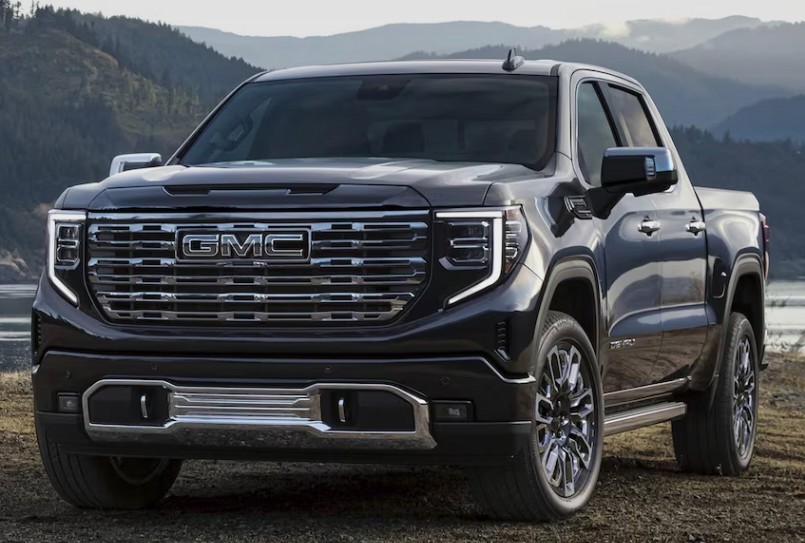
A used GMC Sierra can be a dependable workhorse, a comfortable family hauler, and a capable tow vehicle rolled into one handsome package. Buy the wrong example, however, and that polished chrome grille may hide a repair bill with teeth.
That is why understanding the GMC Sierra years to avoid matters—especially in Canada, where road salt, freezing temperatures, heavy towing, short winter trips, and block-heater use can expose weaknesses that may not appear during a quick summer test drive.
No model year is universally terrible. A carefully maintained truck from a troublesome year may be a better purchase than a neglected example from a highly rated one. Still, certain Sierra years deserve more caution because they combine first-year redesign problems, complicated powertrains, safety recalls, electrical faults, transmission complaints, or expensive engine risks.
For Canadian used-truck shoppers, our main caution list is:
- 2014 GMC Sierra 1500
- 2015 GMC Sierra 1500
- 2017 GMC Sierra 1500
- 2019 GMC Sierra 1500
- 2020 GMC Sierra 1500
- 2021 GMC Sierra 1500
- Certain 2022–2024 Sierra 1500 models with the 6.2-litre V8
- Certain diesel-powered Sierra HD trucks affected by transmission-related recalls
We should not treat this as a command to reject every truck from those years. Think of it as a yellow warning light rather than a locked gate. These models require stronger documentation, a more thorough inspection, and a price that reflects the additional risk.
Content in this publication
- Quick Ranking of the GMC Sierra Years to Avoid
- Why Some Sierra Years Are Riskier Than Others
- 2014 GMC Sierra: The Year We Would Approach Most Carefully
- 2015 GMC Sierra: Improved, but Not Fully Settled
- 2017 GMC Sierra: A Mixed Year Rather Than an Automatic Rejection
- 2019 GMC Sierra: A Major Redesign With First-Year Risk
- 2020 GMC Sierra: Better Than 2019, but Not Trouble-Free
- 2021 GMC Sierra: Buy the History, Not the Badge
- 2022–2024 Sierra 1500 With the 6.2-Litre V8
- GMC Sierra HD Years Requiring Extra Research
- Common Problems Across Multiple GMC Sierra Years
- How to Check a GMC Sierra Before Buying
- Which GMC Sierra Years Are Better Alternatives?
- When a “Bad Year” Can Still Be a Good Purchase
- Final Verdict on GMC Sierra Years to Avoid
- Frequently Asked Questions
Quick Ranking of the GMC Sierra Years to Avoid
| Model year | Risk level | Main concerns | Buying verdict |
|---|---|---|---|
| 2014 | High | Braking, electrical, steering, HVAC and drivetrain concerns | Avoid unless exceptionally documented |
| 2015 | High | Similar early-generation faults, brake-assist recall exposure | Buy only after a detailed inspection |
| 2017 | Medium-high | Transmission behaviour, vibration and electrical complaints | Proceed cautiously |
| 2019 | High | First-year redesign faults, electrical recalls, transmission issues | One of the riskiest modern choices |
| 2020 | Medium-high | Early-generation bugs and recall exposure | Better than 2019, but inspect carefully |
| 2021 | Medium | Electronics, seat-belt recall exposure and powertrain concerns | Conditional purchase |
| 2022–2024 6.2L V8 | Medium-high | Potential internal engine failure on affected trucks | Verify VIN and repair history |
| Selected diesel HD years | Medium-high | Block-heater and transmission-control concerns | Specialist inspection essential |
This ranking covers general patterns, not every engine, trim, cab, drivetrain or production date. A truck’s vehicle identification number, or VIN, is more useful than a broad model-year label when checking whether a particular recall applies.
Why Some Sierra Years Are Riskier Than Others
Pickup-truck reliability is rarely a simple story of “good year” versus “bad year.” A Sierra is a collection of systems: engine, transmission, transfer case, electronics, brakes, steering, emissions hardware, infotainment, suspension and body equipment.
A problematic model year usually suffers from several overlapping factors.
First-Year Redesign Problems
Manufacturers test new vehicles extensively, but real-world use is a different beast. Thousands of owners expose trucks to towing, freezing starts, gravel roads, stop-and-go traffic and job-site abuse. The first year of a new generation can therefore reveal problems that were not fully resolved before production.
The 2014 and 2019 Sierra 1500 models are important examples because each arrived at the beginning of a redesigned generation.
More Technology Means More Failure Points
Modern Sierras are quieter, more efficient and more comfortable than older trucks. They also contain far more software, sensors, control modules and electronic accessories.
Features such as cylinder deactivation, adaptive transmission programming, power tailgates, advanced driver aids and large infotainment systems improve the ownership experience when they work. When they fail, diagnosis can become a treasure hunt conducted with expensive equipment.
Canadian Conditions Magnify Small Weaknesses
A weak battery may survive a mild climate but surrender during a Saskatchewan cold snap. A small seal leak may become more obvious after repeated freeze-and-thaw cycles. Corrosion can attack brake lines, grounds, connectors, suspension components and body seams.
That does not make Canadian Sierras inherently unreliable. It simply means maintenance history and underbody condition deserve more attention here than they might in a dry, salt-free region.
2014 GMC Sierra: The Year We Would Approach Most Carefully
The 2014 Sierra 1500 launched a substantially redesigned generation. It offered a more refined cabin, updated engines and improved technology, but it also accumulated a broad collection of issues and recall campaigns.
For many Canadian shoppers, this is the year that deserves the largest question mark.
Braking and Vacuum-Pump Concerns
Transport Canada documented a recall involving certain 2014–2018 Sierra models in which declining vacuum-pump output could reduce power-brake assistance. The driver might experience a hard brake pedal and need more force to stop, potentially increasing stopping distance.
A completed recall repair is reassuring, but it does not replace a road test. During inspection, we should check for:
- An unusually firm brake pedal
- Delayed stopping response
- Brake, ABS or stability-control warnings
- Pump noise
- Inconsistent brake assistance at low speed
- Missing recall documentation
A pickup weighing well over two tonnes should stop with confidence. A vague or hard pedal is not a minor bargaining chip.
Electronic Brake-Control Problems
Certain 2014 Sierra configurations were also recalled because an electronic-brake control software problem could cause braking intervention and make the truck pull to one side under specific conditions. The affected configuration involved four-wheel drive, a 5.3-litre engine and a particular axle ratio.
This is a perfect example of why model-year research alone is not enough. Two visually identical 2014 trucks may have different recall exposure because of their drivetrain specifications.
Electrical and No-Start Risks
Another Canadian recall covered chassis electronic modules that could short internally, potentially illuminating the check-engine light, preventing the engine from starting, causing a stall or disabling electric trailer-brake functionality.
When inspecting a 2014 model, test every electrical feature. Do not accept “it probably just needs a battery” as a diagnosis unless an independent technician confirms it.
Electrical Items Worth Testing
Operate the following several times rather than pressing each button once:
- Remote start
- Power windows and mirrors
- Heated and ventilated seats
- Four-wheel-drive selector
- Trailer-brake controller
- Infotainment screen
- Backup camera
- Parking sensors
- Climate control
- Instrument-panel display
- Power outlets and USB ports
Intermittent faults often disappear when the seller is watching. Give the truck time to reveal itself.
Transfer-Case Software Recall
Certain 2014 trucks were recalled because the transfer case could shift into neutral unexpectedly. This could result in lost propulsion while driving or allow the truck to roll if parked without the parking brake.
Verify that recall work was completed and test every four-wheel-drive mode. Engagement should be predictable, without severe banging, flashing warnings or unexplained delays.
Transport Canada also published a recall involving certain 2014 and 2015 Sierras in which an ignition-lock issue could lead to loss of engine power and affect steering and brake assistance.
The cumulative pattern matters. One recall does not necessarily make a vehicle undesirable. Multiple safety-related campaigns across braking, electronics, ignition and driveline control make the 2014 Sierra a truck we should buy only with excellent records and a clean professional inspection.
2015 GMC Sierra: Improved, but Not Fully Settled
The 2015 Sierra benefited from some running production improvements, yet it remained closely related to the 2014 model. As a result, it carried several of the same concerns.
A 2015 may be worth considering when it has:
- Complete dealer or specialist service records
- Proof of completed recall work
- Smooth transmission operation
- Strong and consistent brake assistance
- No unexplained warning lights
- A clean underbody
- A reasonable ownership history
Without those advantages, we would keep shopping.
Cold-Weather Relevance in Canada
A Transport Canada recall involving certain 2015 Sierra models addressed exhaust components that could overheat while the truck idled in cold conditions, potentially melting nearby plastic and creating smoke or fire risk. The remedy involved engine-control software reprogramming.
This issue is especially relevant to Canadian owners because extended winter idling is common. Many drivers warm their trucks while clearing snow, loading equipment or preparing a trailer.
A used 2015 should not smell like melted plastic, raw exhaust or scorched wiring. Any unusual odour after a cold start deserves investigation.
Transmission Behaviour
Owners and technicians frequently scrutinize the six- and eight-speed transmissions used across this era. Symptoms worth watching include:
- Harsh engagement into Drive or Reverse
- A noticeable clunk after stopping
- Shudder under light acceleration
- Delayed downshifts
- Flare between gears
- Vibration that feels like driving over rumble strips
- Repeated software updates without a lasting fix
Some roughness may stem from adaptive shift programming or overdue maintenance. Other cases may involve torque-converter wear, internal transmission problems or driveline play. We should never let a seller dismiss severe shuddering as “normal truck behaviour.”
2017 GMC Sierra: A Mixed Year Rather Than an Automatic Rejection
The 2017 Sierra is not as concerning as the 2014 launch-year model, but it is not our first choice when several cleaner alternatives are available.
By 2017, GM had addressed some early-generation defects. At the same time, buyers may still encounter troublesome transmission behaviour, vibration, infotainment faults and engine-related concerns.
The Transmission-Shudder Question
Shudder under light throttle is one of the most important symptoms to investigate on trucks using certain GM eight-speed transmissions. GM issued technical guidance addressing shake or shudder during light-throttle acceleration on applicable Sierra and Silverado models.
A technical service bulletin is not the same as a safety recall. A recall generally addresses a safety defect and normally provides an official corrective campaign. A service bulletin guides technicians in diagnosing or repairing a known condition, but the owner may still face costs outside warranty coverage.
That distinction can turn a seemingly attractive used truck into a financial trap.
How to Road-Test for Shudder
Find a safe, level road and maintain light throttle through moderate speeds. The truck should accelerate smoothly.
Watch for:
- Repeated vibration through the seat or floor
- Engine speed that fluctuates without a clear gear change
- Shaking between approximately 40 and 100 km/h
- A rumble-strip sensation on smooth pavement
- Symptoms that become stronger after the truck warms up
Test it cold and fully warmed. Some transmission symptoms hide during the first ten minutes.
Cylinder-Deactivation and Engine Noise
Some V8-powered Sierras use cylinder-deactivation technology to reduce fuel consumption. The system can work well, but associated valvetrain components may become an expensive concern if a truck develops persistent ticking, misfires, rough operation or low oil pressure.
Not every tick indicates lifter failure. Direct-injection systems can make normal mechanical noise. The difference should be judged by a technician who knows GM truck engines—not by a seller standing beside a running engine saying, “They all sound like that.”
2019 GMC Sierra: A Major Redesign With First-Year Risk
The 2019 Sierra 1500 introduced a new generation with a lighter body, redesigned frame, updated technology, new powertrain combinations and more sophisticated features.
You may be interested in reading GMC Sierra Model Years: Complete Generation-by-Generation Guide
It also became another model year we would approach with extra caution.
Why the 2019 Model Is Tempting
It is easy to understand the appeal. Even today, a 2019 Sierra can look modern and expensive. Higher trims offer premium cabins, advanced cameras, large screens and clever tailgate features.
The danger is buying with our eyes rather than our inspection checklist.
A first-year redesign can combine early software, hardware and assembly problems in one vehicle. The 2019 Sierra’s risk profile includes electrical faults, transmission concerns, brake-system campaigns and equipment-specific recalls.
Alternator-Cable Recall
Transport Canada recalled certain 2019 and 2020 Sierras because the positive battery-cable connection at the alternator could loosen. The resulting poor connection could cause stalling or electrical arcing, with crash and fire risks.
Inspect the charging system carefully. Warning signs include:
- Slow cranking
- Intermittent battery warnings
- Flickering interior lights
- Random electronic resets
- A burning smell
- Melted insulation
- Previous alternator or battery replacement without a clear diagnosis
A new battery receipt does not prove the underlying fault was solved. Sometimes a battery is merely the first victim.
Transmission and Oil-Pump Drive Concerns
GM service information has addressed conditions involving transmission oil-pump drive gears on certain new-generation Sierra and Silverado models.
Not every 2019 Sierra will experience internal transmission trouble. Nevertheless, warning signs should never be ignored:
- Delayed movement after selecting a gear
- Whining from the transmission
- Harsh shifts
- Reduced-power messages
- Transmission-temperature warnings
- Metal contamination in the fluid
- A history of repeated relearn procedures
GM service guidance also discusses transmission adaptive relearn procedures across numerous 2015–2021 vehicles, illustrating how software adaptation forms part of transmission diagnosis on these trucks.
A relearn can improve shift quality after repair or programming. It cannot magically restore worn clutches, damaged valves or failing mechanical components.
Seat-Belt Recall Exposure
Certain 2019–2021 trucks were recalled because front-centre seat-belt brackets might not have been properly attached.
This may not affect every cab configuration, but it reinforces the need for a VIN-specific recall check before placing a deposit.
2020 GMC Sierra: Better Than 2019, but Not Trouble-Free
The 2020 Sierra entered the second year of the redesigned generation. That usually means some early problems have been identified and corrected, but not every flaw disappears overnight.
We would rank 2020 below 2019 in overall risk, yet still insist on a comprehensive inspection.
What to Watch on a 2020 Sierra
Pay close attention to:
- Hard or delayed transmission shifts
- Electrical instability
- Camera and infotainment failures
- Tailgate operation
- Water leaks around the rear window
- Engine ticking or misfires
- Brake feel
- Warning messages that disappear after restarting
- Evidence of repeated dealer visits
A stack of invoices is not automatically good or bad. Routine maintenance records are reassuring. Five visits for the same unresolved transmission complaint are not.
Sliding Rear-Window Fire Recall
A Canadian recall published in 2024 covered certain trucks with power sliding rear windows. The defroster wiring could overheat and melt, creating a fire risk. The remedy could include replacing the contact cover, updating HVAC software and replacing damaged window components.
Inspect the rear-window area for:
- Brown or black heat marks
- A non-functioning defroster
- Melted plastic
- Previous glass replacement
- Water staining
- An unexplained burnt smell
- An aftermarket repair that looks improvised
Canadian Winter Makes Rear-Window Problems More Important
Rear defrosting is not a decorative feature in Canada. It may run frequently during cold, wet weather. A defect that appears minor in July can become a regular winter hazard.
2021 GMC Sierra: Buy the History, Not the Badge
The 2021 Sierra is not a universal avoid. We would describe it as a conditional purchase.
A clean, well-maintained 2021 with completed recalls may be a sensible truck. A neglected example with warning lights, rough shifting and vague records should be left behind regardless of its leather seats or attractive financing.
Potential Areas of Concern
Check for:
- Transmission hesitation or harshness
- Infotainment crashes
- Camera malfunctions
- Electrical warnings
- Engine misfires or ticking
- Faulty trailer-brake messages
- Rear-window or tailgate issues
- Unresolved seat-belt campaigns
- Software updates that were never completed
Modern vehicles can accumulate numerous software updates during their early years. That is not automatically alarming. The important question is whether the updates corrected the reported condition.
2022–2024 Sierra 1500 With the 6.2-Litre V8
Recent does not always mean risk-free.
In 2025, Transport Canada announced a recall involving certain GM vehicles equipped with the 6.2-litre V8. Improperly manufactured connecting-rod or crankshaft components could produce abnormal engine noise, trigger a warning light and potentially lead to engine failure.
This development changes how we should shop for affected late-model Sierras.
Should We Avoid Every 6.2-Litre Sierra?
No. The recall applies to particular vehicles, not automatically to every truck carrying the engine.
However, buyers should:
- Run the VIN through the Canadian recall database.
- Confirm whether the truck is included.
- Obtain written proof of inspection or repair.
- Ask whether the engine was replaced.
- Verify who completed the work.
- Listen for knocking, tapping or deep metallic noise.
- Check the oil and filter history.
- Arrange an independent mechanical inspection.
A replacement engine is not necessarily a reason to reject the truck. A properly documented factory replacement may reduce uncertainty. A seller who cannot explain why the engine was changed is another matter.
GMC Sierra HD Years Requiring Extra Research
Sierra 2500HD and 3500HD trucks should not be lumped together with the Sierra 1500. Heavy-duty models use different frames, brakes, transmissions, engines and emissions systems.
Their buying risks are also different.
Diesel Block-Heater Concerns
Transport Canada issued a recall involving certain trucks with the 6.6-litre diesel engine and an optional block-heater cable. A coolant leak could cause the cable to short while plugged in, potentially damaging engine components or creating a fire risk. The campaign replaced an earlier recall and required a second repair for trucks previously serviced under it.
For Canadian diesel buyers, this issue matters enormously. Block heaters are used frequently in colder provinces.
Check:
- The block-heater cord
- Plug condition
- Coolant leaks
- Burn marks
- Recall completion
- Whether an earlier repair had to be repeated
Diesel Transmission-Control Recall
Transport Canada also announced a recall involving certain diesel-powered GM vehicles in which a worn transmission-control valve could lead to harsh shifting and, in extreme cases, rear-wheel lockup. A later campaign stated that some earlier recall repairs may not have been completed correctly and required another repair.
That makes documentation crucial. “Recall completed” may not tell the entire story when a campaign is later expanded or repeated.
2019 Sierra HD Airbag Recall
In March 2026, Transport Canada published a recall for certain 2019 Sierra HD trucks involving defective side-curtain airbag inflators that could deploy without a crash and propel parts toward occupants.
Anyone considering a 2019 HD should verify the VIN rather than assuming previous recall checks remain current.
Common Problems Across Multiple GMC Sierra Years
Model-year lists help narrow our search, but condition ultimately determines whether a truck is worth buying.
Transmission Shudder and Harsh Shifting
Transmission trouble can range from software-related shift quality to serious internal wear.
Red flags include:
- Violent engagement
- Consistent slipping
- Shudder under light throttle
- Delayed reverse
- Gear-ratio codes
- Burnt or contaminated fluid
- A seller who warmed the truck before our arrival
Ask to start the vehicle cold. A pre-warmed truck can hide rough starts, exhaust smoke, lifter noise and cold-shift problems.
Active Fuel Management and Valvetrain Trouble
On V8 models, ticking, misfires and rough running can point toward valvetrain problems. Diagnosis may involve spark plugs, ignition coils, injectors, wiring, compression, lifters or camshaft components.
Do not approve an expensive purchase based on a basic code scan alone. A cleared check-engine light can return after several drive cycles.
Air-Conditioning Failure
Some earlier-generation Sierras have developed air-conditioning leaks or cooling failures. In much of Canada, buyers underestimate the issue because they inspect the truck in cool weather.
Test the air conditioning even in winter if possible. Repairs involving condensers, compressors, refrigerant leaks or dashboard components can be expensive.
Electrical Gremlins
Electrical problems may originate from:
You may be interested in readingGMC Sierra Model Years: Complete Generation-by-Generation GuideYou may be interested in reading
GMC Sierra Crew Cab vs Double Cab: Which One Should We Buy?- Weak batteries
- Poor grounds
- Loose terminals
- Damaged wiring
- Failing modules
- Water intrusion
- Aftermarket remote starters
- Trailer-wiring modifications
- Corrosion
An aftermarket accessory installed badly can create more chaos than the original truck ever did. Look under the dashboard for loose wiring, quick-splice connectors and electrical tape wrapped like a mummy.
Power Tailgate and MultiPro Tailgate Issues
Inspect every tailgate function. A Transport Canada recall has addressed water entering power-tailgate switches, potentially allowing the tailgate to unlatch unexpectedly.
Test the tailgate using the exterior switch, key fob and cabin controls where applicable. Check alignment and confirm it latches securely.
Rust and Corrosion
In Canada, rust can matter more than the odometer.
Inspect:
- Frame rails
- Crossmembers
- Brake and fuel lines
- Cab corners
- Rocker panels
- Wheel arches
- Suspension mounts
- Trailer hitch
- Spare-tire mechanism
- Electrical grounds
- Bed supports
Surface rust is common. Heavy scaling, perforation, swelling seams and weakened mounting points are not.
How to Check a GMC Sierra Before Buying
A careful process can protect us better than any “best year” list.
Step 1: Check the VIN for Canadian Recalls
Transport Canada recommends checking recalls when buying a used vehicle and provides search tools by manufacturer, model, date and VIN-related resources.
Do this before paying a deposit.
A recall search should be repeated close to the purchase date because new campaigns can appear years after a vehicle was built.
Step 2: Request Complete Service Records
Look for evidence of:
- Regular oil changes
- Correct engine-oil specification
- Transmission servicing
- Differential and transfer-case fluid changes
- Cooling-system maintenance
- Brake repairs
- Battery replacement
- Recall completion
- Software updates
- Major engine or transmission work
A handwritten note saying “all maintenance done” is not a service history.
Step 3: Inspect It Cold
Ask the seller not to start the truck before we arrive.
During a cold start, watch for:
- Extended cranking
- Blue or white exhaust smoke
- Loud ticking
- Knocking
- Belt squeal
- Warning lights
- Unstable idle
- Low oil-pressure messages
A healthy engine should settle into a consistent idle without sounding like a toolbox rolling down concrete stairs.
Step 4: Scan Every Module
A basic code reader may access only the engine computer. A professional scan tool can check the transmission, ABS, airbags, body modules, four-wheel-drive system and other networks.
Ask the technician to look for:
- Current codes
- Pending codes
- History codes
- Recently cleared monitors
- Communication faults
- Misfire data
- Transmission-temperature history
- Module-programming information
Recently cleared readiness monitors can indicate that someone erased trouble codes shortly before the sale.
Step 5: Conduct a Long Road Test
Ten minutes around the block is not enough.
The test should include:
- Cold operation
- City traffic
- Highway speed
- Light acceleration
- Harder acceleration
- Several complete stops
- Reverse engagement
- Tight low-speed turns
- Four-wheel-drive operation
- Rough pavement
- Hill starts where available
Turn off the stereo. The truck’s noises are giving us an interview.
Step 6: Pay for an Independent Inspection
Use a shop that works regularly on GM trucks. A general inspection is useful, but platform-specific knowledge is better.
The cost of an inspection is tiny compared with:
- An engine replacement
- A transmission rebuild
- Emissions-system repairs
- Structural rust
- Electrical diagnosis
- Differential or transfer-case work
Which GMC Sierra Years Are Better Alternatives?
There is no flawless Sierra year, and exact reliability depends on engine, drivetrain and maintenance.
Still, shoppers often find better value by looking at:
- Late-production examples from the 2007–2013 generation
- Carefully maintained 2016 or 2018 models
- Later examples of the current generation after early production issues
- Trucks with simpler equipment and fewer electronic options
- One-owner vehicles with detailed maintenance records
A 2018 is often more attractive than a 2014 because it came later in the same generation. Likewise, a later current-generation model may benefit from years of production updates compared with a 2019.
Even then, we should never buy on model year alone.
When a “Bad Year” Can Still Be a Good Purchase
Suppose we find a 2014 Sierra with one owner, complete dealer records, completed recalls, recent brakes, smooth transmission operation, minimal rust and a favourable independent inspection.
Beside it sits a supposedly safer 2018 with no records, multiple owners, a warm engine when we arrive, fresh undercoating sprayed over rust and a transmission that hesitates.
The 2014 may be the smarter purchase.
A model-year reputation helps us decide where to look closely. It should not replace evidence.
Conditions That Can Make a Risky Year Acceptable
Consider the truck when:
- The price reflects its risk
- Recall work is documented
- The service history is complete
- The inspection finds no major defects
- The powertrain operates smoothly
- There is no structural corrosion
- The seller allows an independent assessment
- We maintain a repair reserve
Walk away when:
- The VIN does not match the paperwork
- Warning lights have been disabled
- The seller refuses a cold start
- The seller blocks an inspection
- Transmission fluid smells burnt
- The engine knocks or misfires
- Recall status cannot be confirmed
- Rust threatens structural components
- The story changes every time we ask a question
Final Verdict on GMC Sierra Years to Avoid
For Canadian shoppers, the 2014 and 2019 GMC Sierra 1500 deserve the greatest caution. Both launched redesigned generations and carried enough documented safety campaigns, electrical risks and powertrain concerns to justify a stricter buying standard.
The 2015, 2017, 2020 and 2021 models are not automatic rejects, but they require careful checks for transmission behaviour, electrical faults, engine noise, recall completion and corrosion.
More recent 2022–2024 trucks equipped with the 6.2-litre V8 also demand VIN-specific research because of the engine-related recall involving potentially defective internal components. Diesel HD buyers must investigate block-heater, airbag and transmission-control campaigns that may apply to specific production ranges.
The safest approach is simple: buy the truck’s history, not its reputation.
A shiny Sierra can be like a freshly painted house with a leaking foundation. The surface catches our attention; the records, inspection and road test reveal whether the structure deserves our money.
Frequently Asked Questions
What is the worst GMC Sierra year to buy in Canada?
The 2014 Sierra 1500 is among the years we would approach most cautiously because it was the first year of a redesigned generation and was involved in Canadian campaigns addressing braking, electrical, transfer-case and ignition-related concerns.
The 2019 Sierra 1500 is another high-risk candidate because it introduced a new generation and had early electrical, transmission and safety-related issues.
Should we completely avoid a 2014 GMC Sierra?
Not necessarily. A 2014 with complete records, finished recall repairs, minimal rust and a clean independent inspection may still provide useful service.
However, we should not buy one casually. Its condition and documentation need to be clearly better than average, and its price should leave room for repairs.
Is the 2019 GMC Sierra unreliable?
Not every 2019 Sierra is unreliable, but the model year carries first-year redesign risk. Certain trucks were subject to recalls involving alternator-cable connections and seat-belt attachments, while technical service information also addressed transmission-related conditions.
A professional inspection and long road test are essential.
Are GMC Sierra transmission problems expensive to repair?
They can be. The final cost depends on whether the cause is software, fluid condition, a valve-body issue, torque-converter wear or major internal damage.
We should obtain a diagnosis before negotiating. Guessing that a harsh shift “only needs a fluid change” is risky and can turn a cheap truck into an expensive project.
How do we check whether a GMC Sierra has an open recall in Canada?
Use Transport Canada’s vehicle-recall resources and search using the truck’s VIN whenever possible. Transport Canada advises used-vehicle buyers to check for outstanding recalls, and recall status should be verified again immediately before purchase.
We should also ask a GMC dealer to confirm campaign completion in writing.
You may be interested in readingGMC Sierra Model Years: Complete Generation-by-Generation GuideYou may be interested in reading
GMC Sierra Crew Cab vs Double Cab: Which One Should We Buy?You may be interested in reading
GMC Sierra SLE vs SLT: Which Trim Should You Buy?If you want to know other articles similar to GMC Sierra Years to Avoid: A Canadian Used-Truck Guide you can visit the category Models.
Honda Passport vs Toyota 4Runner: Which SUV Is Better?
Honda Passport vs Ford Bronco: Which SUV Is Better?
Honda Passport vs Ford Explorer: Which SUV Is Better?
Honda Passport or Pilot: Which SUV Is Better?
Honda Passport vs Jeep Grand Cherokee: Which SUV Is Better?
Honda Passport vs Nissan Pathfinder: Which SUV Is Better?
Leave a Reply
More content of your interest