

Nissan Note Issues: A New Zealand Diagnostic Guide

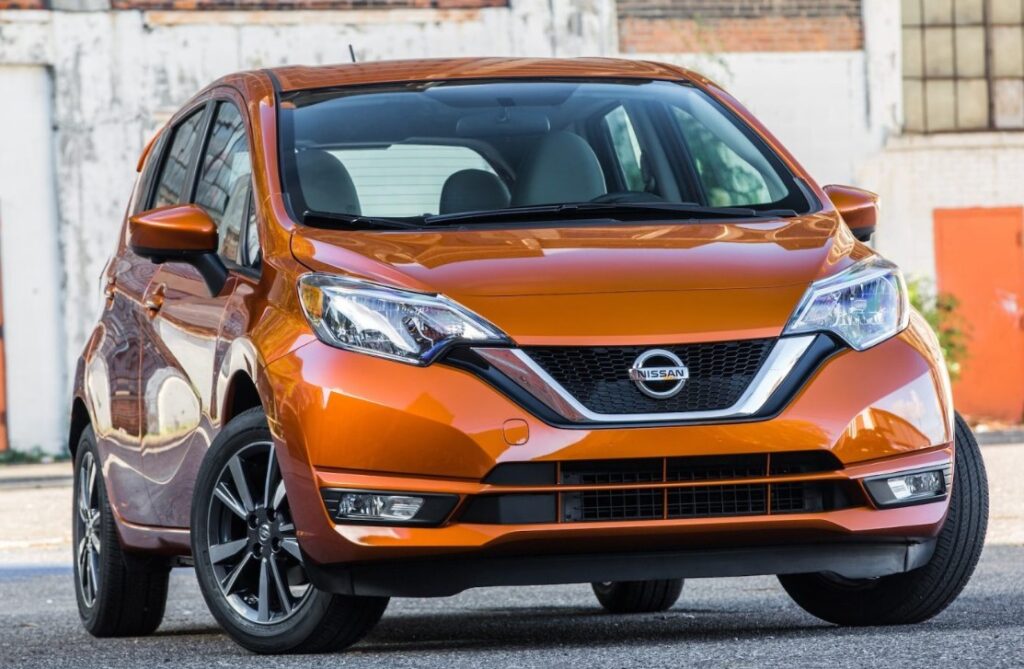
The Nissan Note has become a familiar sight on New Zealand roads, especially as a used Japanese import. It is compact, economical, surprisingly roomy, and generally easy to live with. Yet when something goes wrong, diagnosing the problem can feel like trying to read a map written in another language—sometimes literally, because many imported Notes retain Japanese dashboard menus and labels.
The phrase Nissan Note issues also covers several quite different vehicles. An early E11 Note with a conventional petrol engine and automatic transmission is mechanically different from an E12 Note fitted with a continuously variable transmission. The Nissan Note e-POWER is different again: its petrol engine generates electricity, while an electric motor drives the wheels.
That distinction matters. A noise that suggests transmission trouble in a normal petrol Note may be completely unrelated to the drivetrain in an e-POWER model.
In this guide, we will work through the most important Nissan Note symptoms, possible causes, warning signs, and practical diagnostic steps for New Zealand owners. We will not assume that every strange sound means disaster. Instead, we will separate normal behaviour from genuine faults and identify when it is safe to keep driving—and when it is time to stop.
Content in this publication
- Understanding the Nissan Note Models Found in New Zealand
- Start With the Symptom, Not the Assumption
- Nissan Note Will Not Start
- Engine Cranks but Does Not Start
- Nissan Note CVT Problems
- Note e-POWER Warning Lights and Reduced Power
- e-POWER Battery Degradation
- Unusual Engine Noise in an e-POWER Note
- Engine Vibration and Rough Idle
- Check-Engine Light
- Oil Warning Light
- Overheating and Coolant Loss
- Suspension Knocks and Rattles
- Wheel-Bearing Noise
- Electric Power-Steering Warning
- ABS, Stability-Control and Traction Lights
- Brake Warning Light
- Air-Conditioning Not Cooling
- Water Leaks and Interior Dampness
- Central Locking and Key-Fob Problems
- Infotainment and Japanese-Language Problems
- Fuel Economy Has Become Worse
- Brake Noise and Premature Brake Wear
- Tyre-Pressure Warning Will Not Reset
- Japanese Imports and Missing Service History
- Check for Safety Recalls
- A Practical Nissan Note Diagnostic Checklist
- How to Choose a New Zealand Workshop
- Preventing Nissan Note Problems
- Final Thoughts on Nissan Note Issues
- Frequently Asked Questions
- 1. What are the most common Nissan Note issues in New Zealand?
- 2. Is the Nissan Note e-POWER battery likely to fail?
- 3. Why does my Nissan Note e-POWER engine rev while I am driving slowly?
- 4. Can I continue driving with a Nissan Note warning light?
- 5. Should I buy a used Nissan Note with no service history?
Understanding the Nissan Note Models Found in New Zealand
Before diagnosing anything, we need to know which Note we are dealing with.
First-Generation Nissan Note E11
The E11 was produced from the mid-2000s into the early 2010s. New Zealand examples may have:
- A 1.5-litre or 1.6-litre petrol engine
- A conventional automatic transmission
- A manual gearbox
- A continuously variable transmission on certain Japanese-market versions
- Front-wheel drive or, less commonly, four-wheel drive
Because these cars are now older, age-related wear can matter as much as mileage. Rubber mounts, suspension bushes, wheel bearings, electrical connectors, and cooling-system parts may deteriorate even when the odometer appears relatively low.
Second-Generation Nissan Note E12
The E12 arrived during the early 2010s and is one of the most common versions imported into New Zealand. Many use a 1.2-litre three-cylinder petrol engine paired with a CVT.
Some versions are supercharged. Others are naturally aspirated. Although they may look almost identical, their servicing needs and possible fault patterns can differ.
Nissan Note e-POWER
The first Note e-POWER appeared in Japan in 2016 and later became popular with New Zealand import buyers.
In an e-POWER Note:
- The electric traction motor drives the wheels.
- A small lithium-ion battery stores energy.
- The petrol engine operates as a generator.
- The vehicle does not normally require external charging.
- There is no conventional mechanical connection between the petrol engine and the driven wheels.
That layout explains why engine speed may not match road speed. The petrol engine can suddenly rev while the vehicle is moving slowly because it is generating electricity, not directly accelerating the wheels. This is often normal rather than a fault. Nissan describes e-POWER as an electrified system in which the petrol engine generates electricity while propulsion is delivered by the electric drive system.
Start With the Symptom, Not the Assumption
A useful diagnosis begins with what the vehicle is actually doing.
Ask yourself:
- Does the problem happen when the car is cold or warm?
- Does it occur while starting, accelerating, braking, turning, or cruising?
- Are warning lights present?
- Does the issue disappear after restarting?
- Did it begin after a battery replacement, service, jump-start, tyre change, or collision?
- Is the problem constant or intermittent?
- Has fuel consumption changed?
- Are there unusual smells, vibrations, or fluid leaks?
Write the answers down. A technician can often diagnose a fault faster when given a clear sequence of events rather than a vague statement such as “the car feels strange.”
Nissan Note Will Not Start
A no-start condition is one of the most alarming Nissan Note issues, but it does not automatically mean the engine or hybrid system has failed.
Weak 12-Volt Battery
The ordinary 12-volt battery is one of the first things to inspect, including on the Note e-POWER.
In an e-POWER vehicle, the traction battery may contain plenty of energy while the car still refuses to enter its ready state because the smaller 12-volt battery is weak. That battery powers control modules, relays, locks, dashboard electronics, and the systems needed to initialise the vehicle.
Symptoms can include:
- Rapid clicking
- Dim interior lights
- Flickering dashboard displays
- Multiple warning messages appearing together
- Central locking operating slowly
- The vehicle failing to enter READY mode
- Normal operation returning after a jump-start
A battery can show acceptable voltage when unloaded but collapse when current is demanded. A proper load or conductance test is more useful than checking voltage alone.
Check Battery Connections First
Before buying a battery, inspect:
- Positive and negative terminals
- Earth straps
- Corrosion around the posts
- Loose clamps
- Damaged fusible links
- Signs that the battery is physically swollen or leaking
A loose earth connection can imitate a far more expensive electronic failure.
Key or Immobiliser Recognition Problem
If the vehicle does not recognise the intelligent key, the problem may involve:
- A flat key-fob battery
- Radio interference
- A damaged key
- A faulty start button
- An immobiliser communication error
- A weak vehicle battery
- A problem with the steering-lock system
Try the spare key where available. On push-button models, holding the key close to the start button may allow the vehicle to recognise a weak key-fob signal.
Brake-Switch Fault
Many push-button Nissan models require a confirmed brake-pedal signal before starting. If the brake-light switch is faulty or badly adjusted, the car may behave as though the pedal is not being pressed.
Check whether the brake lights illuminate. If they do not, avoid driving until the fault is repaired, because the problem affects both starting and road safety.
Engine Cranks but Does Not Start
When a conventional petrol Note cranks normally but does not fire, possible causes include:
- Insufficient fuel pressure
- Failed fuel-pump relay
- Crankshaft or camshaft position sensor fault
- Ignition-coil problems
- Flooded spark plugs
- Immobiliser activation
- Contaminated fuel
- Wiring or engine-control faults
We should not replace sensors simply because they appear on a list. Scan the engine-control module for diagnostic trouble codes and inspect live data while cranking.
For example, if the scan tool shows no engine-speed signal during cranking, the crankshaft sensor or its circuit deserves attention. If engine speed is present, the diagnosis should move elsewhere.
Nissan Note CVT Problems
The CVT is one of the components buyers worry about most. Some concerns are justified, but many “CVT failures” are diagnosed from normal operating behaviour or unrelated engine problems.
Common CVT Symptoms
Investigate the transmission when the vehicle shows:
- Shuddering when pulling away
- Delayed engagement into Drive or Reverse
- Engine revs increasing without matching acceleration
- Juddering at low speed
- Whining that changes with road speed
- Overheating warnings
- Limp mode
- Metallic debris in the transmission fluid
- A burning smell
- Transmission-related fault codes
Normal CVT Behaviour Versus a Fault
A CVT does not shift through fixed gears like a traditional automatic. Engine speed may remain steady while vehicle speed rises. During hard acceleration, the engine may hold higher revolutions for longer than expected.
That alone is not proof of slipping.
A genuine problem is more likely when the engine suddenly flares without useful acceleration, engagement becomes delayed, the vehicle shudders repeatedly, or warning lights appear.
Old or Incorrect CVT Fluid
CVTs rely heavily on the correct fluid specification. Generic automatic-transmission fluid should not be used unless it explicitly meets the requirement for the exact transmission.
Incorrect, degraded, contaminated, or insufficient fluid can contribute to:
- Juddering
- Poor pressure control
- Bearing noise
- Overheating
- Accelerated belt-and-pulley wear
- Valve-body problems
Because imported cars may arrive with incomplete service records, we should not assume the fluid has been maintained simply because the vehicle drives normally during a brief test.
A specialist should identify the transmission, check for leaks and fault codes, assess fluid condition, and use the appropriate Nissan-specified product. Blindly power-flushing a neglected or already failing CVT is not always wise.
Do Not Ignore a CVT Whine
A light operating sound can be normal, but a pronounced growl or whine that rises with road speed may point toward:
- Internal bearing wear
- Final-drive wear
- Low fluid
- Tyre noise
- Wheel-bearing failure
Road-speed-related noise must be isolated carefully. Replacing a transmission only to discover that the real culprit was a wheel bearing would be a painful and costly mistake.
Note e-POWER Warning Lights and Reduced Power
The e-POWER system can display warnings when one of its control modules detects abnormal voltage, temperature, sensor data, or communication.
Possible symptoms include:
- The e-POWER warning light
- Reduced acceleration
- The vehicle refusing to enter READY mode
- Petrol engine running more often than usual
- EV operation becoming brief or inconsistent
- Regenerative braking changing
- Multiple warnings after a flat 12-volt battery
Begin With a Full-System Scan
A basic engine-code reader may not be enough. An e-POWER Note contains several interconnected systems, potentially including:
- Engine control
- Electric motor control
- Battery management
- Inverter and power electronics
- ABS and stability control
- Electric power steering
- Body control
- Intelligent key system
A fault in one module may trigger warning messages in several others. The first recorded code, freeze-frame information, and battery voltage at the time of the fault can be more valuable than the final dashboard message.
Weak 12-Volt Battery Can Create False Alarms
Low voltage during startup can cause modules to initialise incorrectly. This may produce a Christmas-tree dashboard filled with warnings.
That does not mean we should erase the codes and forget about them. Test the battery, charging system, terminals, and earth connections first. Then clear the codes, restart the vehicle, and see which faults return.
Persistent codes deserve proper diagnosis.
e-POWER Battery Degradation
The small traction battery in a Note e-POWER is not used in the same way as the large battery in a fully electric car. The vehicle continually manages its charge level, and the petrol engine replenishes it.
The system is generally regarded as robust, but battery condition is still worth checking on an older imported vehicle. A New Zealand review of the 2016–2020 Note e-POWER advises buyers to assess battery performance, erratic EV-mode behaviour, engine servicing, and unusual vibration.
Possible signs that deserve investigation include:
- The petrol engine running almost continuously in mild conditions
- Noticeably weaker electric assistance
- Rapid swings in the displayed charge level
- Reduced performance
- Battery-management fault codes
- Cooling-fan noise that has become unusually frequent
- Fuel economy becoming much worse without another explanation
These symptoms are not conclusive. Cold weather, heater use, demisting, steep terrain, high road speeds, a low battery state, or strong acceleration can also make the petrol engine run more frequently.
Battery Cooling Problems
Hybrid batteries generate heat and require managed airflow. Check that intake vents are not obstructed by dust, luggage, seat covers, or pet hair.
A blocked cooling path can raise battery temperature and reduce performance. It may also encourage the system to limit power as a protective measure.
Unusual Engine Noise in an e-POWER Note
The petrol engine in an e-POWER Note can sound disconnected from what the vehicle is doing. That is because it is.
The engine may:
- Start while the car is stationary
- Rev on a hill
- Continue running after acceleration has ended
- Operate at a steady speed while road speed changes
- Run to provide cabin heating or restore battery charge
Those behaviours can be normal.
Noise becomes more concerning when it includes:
- Sharp metallic knocking
- Persistent rattling
- Heavy vibration through the body
- Squealing from the belt area
- Grinding
- Misfiring or uneven running
- A new noise accompanied by warning lights
Because the engine may run intermittently, low annual mileage does not remove the need for servicing. Oil deteriorates through time, moisture, short operating cycles, and contamination—not only distance.
Engine Vibration and Rough Idle
A three-cylinder engine naturally has a different rhythm from a four-cylinder engine. Some vibration is normal, especially during cold starts.
Excessive vibration may come from:
- Worn engine mounts
- Contaminated throttle body
- Dirty injectors
- Worn spark plugs
- Failing ignition coils
- Air leaks
- Low compression
- Incorrect oil level
- Carbon deposits
- Generator or accessory problems
Worn Engine Mounts
Mount failure can make the car feel much worse than the engine actually is. Typical clues include:
- A thump when selecting Drive or Reverse
- Vibration at idle
- Movement when the accelerator is applied
- A knocking noise over sudden load changes
- Vibration that becomes smoother when engine speed rises
Inspecting the mounts under controlled load can reveal excessive movement. Do not stand in front of the vehicle or attempt this test without proper workshop precautions.
Check-Engine Light
A check-engine light means the engine-control system has detected a fault. It does not identify the failed part by itself.
Steady Light
A steady light may allow careful driving if:
- The engine runs smoothly
- No overheating is present
- Oil pressure is normal
- There is no fuel smell
- Power remains adequate
Arrange a scan soon rather than waiting for the next service.
Flashing Light
A flashing check-engine light can indicate active misfiring severe enough to damage the catalytic converter.
Reduce load, stop safely, and avoid continued driving. Unburned fuel can overheat the catalyst until its internal material melts.
Common Diagnostic Areas
Depending on the code and symptoms, the investigation may involve:
- Spark plugs
- Ignition coils
- Oxygen sensors
- Air-fuel sensors
- Intake leaks
- Throttle body
- Fuel delivery
- Evaporative-emissions system
- Catalytic converter efficiency
- Camshaft or crankshaft sensors
A code describes a circuit or abnormal condition. It does not always condemn the component named in the code.
Oil Warning Light
The red oil-can symbol deserves immediate respect.
If it stays on after starting or appears while driving:
- Pull over safely.
- Switch off the engine.
- Check the oil level after allowing the oil to settle.
- Do not continue driving if the level is dangerously low or the light remains on.
The warning normally relates to oil pressure, not merely the scheduled oil-change interval. An engine can contain oil yet still lack adequate pressure because of pump trouble, a blocked pickup, internal wear, an incorrect filter, or a faulty pressure switch.
Continuing to drive may turn a small repair into complete engine failure.
Overheating and Coolant Loss
A Nissan Note may overheat because of:
- Low coolant
- Leaking radiator
- Split hose
- Faulty thermostat
- Weak radiator cap
- Water-pump failure
- Cooling-fan problem
- Air trapped in the cooling system
- Head-gasket damage
Warning Signs
Look for:
- Rising temperature indication
- Heater suddenly blowing cold
- Sweet smell
- Steam
- Bubbling in the expansion tank
- Coolant stains
- Repeated need to top up
- White exhaust smoke after the engine is warm
- Rough starting with coolant loss
Never remove a pressurised radiator or coolant cap while the system is hot.
A heater that suddenly turns cold during an overheating event can indicate that coolant is no longer circulating through the heater core. Stop rather than trying to reach home.
Suspension Knocks and Rattles
New Zealand roads can expose suspension wear quickly, particularly on vehicles with low-profile tyres or a history of urban driving.
Likely sources include:
- Sway-bar links
- Control-arm bushes
- Strut top mounts
- Shock absorbers
- Broken coil springs
- Ball joints
- Loose brake components
- Steering joints
How the Noise Helps Diagnosis
A knock over small, sharp bumps often points toward links, bushes, or mounts. A dull thump over larger undulations may involve shock absorbers or top mounts. A click while turning can suggest a CV joint, while a clunk during braking may involve control-arm movement.
Sound descriptions are subjective, so physical inspection remains essential.
Wheel-Bearing Noise
A failing wheel bearing often produces a hum, drone, or growl that increases with road speed.
Useful clues include:
- Noise independent of engine speed
- Sound changing during gentle left or right turns
- Vibration through the floor
- Uneven tyre wear
- Play at the wheel in advanced cases
Tyres can create an almost identical sound, particularly when they are feathered, cupped, or unevenly worn. Rotate or inspect the tyres before declaring the bearing faulty.
Electric Power-Steering Warning
If the power-steering warning light appears, steering assistance may be reduced or lost. Nissan’s warning-light guidance states that illumination while the vehicle is operating can indicate that the electric power-steering system is not functioning correctly.
Potential causes include:
- Weak 12-volt battery
- Charging-voltage problem
- Steering-angle sensor issue
- Motor or control-module fault
- Wiring damage
- Communication fault after battery disconnection
- Low system voltage during startup
The steering wheel may still turn mechanically, but it can become much heavier. Slow down, avoid abrupt manoeuvres, and arrange inspection.
ABS, Stability-Control and Traction Lights
These lights may appear together because the systems share wheel-speed information.
Possible causes include:
- Failed wheel-speed sensor
- Damaged sensor wiring
- Corroded connector
- Cracked or contaminated tone ring
- Incorrect wheel-bearing installation
- Different tyre sizes
- Weak battery voltage
- Steering-angle calibration issue
- ABS control-unit fault
Normal braking may remain available, but anti-lock braking and stability assistance could be disabled.
Do not assume that an ABS light means the hydraulic brakes have completely failed. Equally, do not ignore it simply because the pedal still feels normal.
Brake Warning Light
A red brake warning light may indicate:
- Parking brake applied
- Low brake-fluid level
- Hydraulic braking problem
- Brake-system fault
Check that the parking brake is fully released. If the fluid is low, do not simply fill the reservoir and drive away. Brake fluid does not normally disappear without a reason.
The level may drop as pads wear, but a significant or sudden reduction can indicate a leak. A soft pedal, visible fluid loss, or reduced braking requires immediate attention and possibly towing.
Air-Conditioning Not Cooling
Weak air conditioning may result from:
- Low refrigerant
- Condenser damage
- Compressor fault
- Failed pressure sensor
- Cooling-fan problem
- Blend-door or actuator issue
- Cabin-filter blockage
- Electrical fault
“Regassing” is not a universal repair. Refrigerant operates in a sealed system. If the charge is low, we should look for a leak instead of repeatedly topping it up.
On imported vehicles, confirm that the workshop understands the compressor type and refrigerant specification fitted to the exact model.
Water Leaks and Interior Dampness
Damp carpets or misted windows can point toward:
- Blocked air-conditioning drain
- Damaged door membrane
- Windscreen-seal leak
- Tailgate seal deterioration
- Blocked scuttle drains
- Body-repair defects
- Heater-core leakage
Interior moisture can damage electronic connectors, create odours, and encourage mould. Determine whether the liquid is clean rainwater, air-conditioning condensation, or engine coolant.
A sweet smell, oily windscreen film, and falling coolant level may indicate a heater-core leak.
Central Locking and Key-Fob Problems
Start with the inexpensive possibilities:
- Replace the key-fob battery.
- Try the spare key.
- Test the vehicle’s 12-volt battery.
- Inspect door-latch operation.
- Check whether one door or every door is affected.
If only one lock fails, the actuator or door wiring may be at fault. If every lock behaves unpredictably, investigate supply voltage, the body-control module, key recognition, and shared wiring.
Avoid repeatedly forcing a sticky door handle. A mechanical latch problem can develop into a door that will not open from inside or outside.
Infotainment and Japanese-Language Problems
Many Nissan Notes in New Zealand retain Japanese-market head units. Owners may encounter:
- Japanese menus
- Radio frequencies that do not cover the full New Zealand band
- Navigation that does not support local maps
- Bluetooth pairing difficulties
- Reversing-camera incompatibility after stereo replacement
- Steering-wheel controls no longer working
- Around-view cameras displaying incorrectly
These are not always vehicle faults. They may be compatibility issues caused by replacing the factory unit without the correct adapters or camera interface.
Before purchasing a new head unit, verify compatibility with:
- Factory cameras
- Steering-wheel buttons
- USB ports
- Microphone
- Vehicle settings
- Antenna system
- Any integrated climate display
Fuel Economy Has Become Worse
Poor fuel economy does not automatically indicate battery failure or engine damage.
Check the basics first:
- Tyre pressures
- Short-trip use
- Cold weather
- Heater and demister use
- Roof racks
- Heavy loads
- Wheel alignment
- Dragging brakes
- Incorrect oil
- Dirty air filter
- Spark-plug condition
- Engine temperature
- Driving speed
- Fuel quality
In an e-POWER Note, sustained motorway driving may reduce the efficiency advantage compared with urban use because the generator engine may need to operate more consistently. Earlier e-POWER generations were also less efficient at higher speeds than later versions.
Compare consumption across several full tanks rather than relying entirely on the dashboard estimate.
Brake Noise and Premature Brake Wear
Regenerative braking can reduce friction-brake use in an e-POWER Note. While that can extend pad life, limited use may allow disc surfaces to corrode.
Possible symptoms include:
- Scraping after rain
- Rust rings on the discs
- Pulsation
- Reduced initial bite
- Uneven pad contact
- Sticking callipers
A light scraping noise after overnight rain may disappear after several controlled stops. Persistent grinding, vibration, pulling, overheating, or metal-to-metal noise requires inspection.
Do not assume brake pads are healthy simply because an electrified vehicle uses regeneration.
Tyre-Pressure Warning Will Not Reset
A tyre-pressure warning may remain on because of:
- One or more underinflated tyres
- Incorrect pressure after a temperature change
- A puncture
- A damaged valve
- Failed TPMS sensor battery
- Sensor not registered after wheel replacement
- Missing sensors in aftermarket wheels
- Different pressure requirements front and rear
Use the tyre placard for the correct cold pressures rather than the maximum figure printed on the tyre sidewall.
After adjustment, some vehicles require driving before the light clears. Others require a reset or sensor registration procedure. Because specifications vary by year and market, consult the correct manual or a scan-capable workshop.
Japanese Imports and Missing Service History
A low odometer reading is helpful, but it is not a substitute for history.
Imported Notes may have:
- Auction records
- Japanese service stickers
- Incomplete English documentation
- Replaced odometer clusters
- Long periods of storage
- Short-trip urban use
- Previous accident repairs
- Limited evidence of CVT-fluid servicing
A pre-purchase inspection should include more than a WoF check. A warrant of fitness confirms that the vehicle meets minimum road-safety requirements at the inspection date; it is not a complete mechanical-health assessment.
What to Request Before Buying
Try to obtain:
- Japanese auction sheet
- Export certificate
- New Zealand service invoices
- Full diagnostic scan
- Battery test
- Underbody inspection
- CVT assessment where applicable
- Hybrid or e-POWER system report
- Tyre age and condition
- Evidence of recall completion
- Confirmation that both keys are supplied
Check for Safety Recalls
Nissan New Zealand advises owners to use the NZTA safety-recall database and contact a Nissan dealer when a relevant recall applies. Nissan also provides a VIN-based checker for recalls and service campaigns, although Japanese-import coverage may sometimes require additional chassis-number research.
Takata airbag history deserves particular attention. NZTA states that vehicles with outstanding compulsory Takata Alpha recall work may be unable to obtain a WoF, while manufacturers may still replace affected inflators without charging the owner.
For a Japanese import, check:
- The 17-character VIN where one is present
- Japanese chassis number
- NZTA recall database
- Nissan New Zealand
- Japanese recall records
- Import documentation
- Evidence that recall work was completed before export
Never assume recall completion merely because the vehicle was legally imported.
A Practical Nissan Note Diagnostic Checklist
When a problem appears, follow this order:
Step 1: Decide Whether It Is Safe to Drive
Stop and seek assistance for:
- Red oil-pressure warning
- Overheating
- Brake-fluid loss
- Soft brake pedal
- Severe misfire
- Burning smell
- Smoke
- Sudden steering difficulty
- Electrical arcing
- Major fluid leak
- Traction-battery damage after a collision
Step 2: Record the Conditions
Note:
- Time and weather
- Vehicle speed
- Engine temperature
- Battery state
- Fuel level
- Warning messages
- Recent work
- Whether restarting changed the symptom
Take a photo or video when safe.
Step 3: Test the 12-Volt Battery
A weak battery can create misleading faults. Test its condition and inspect the terminals before replacing expensive control units.
Step 4: Scan Every Relevant Module
Do not rely solely on a generic engine scanner. Use equipment capable of reading the Nissan-specific systems fitted to the vehicle.
Step 5: Diagnose Before Replacing Parts
Codes, noises, and warning lights are starting points. Confirm power supply, grounds, wiring, mechanical condition, and live data before ordering components.
Step 6: Clear Codes Only After Recording Them
Erasing codes too early can remove freeze-frame data that reveals when and why the fault occurred.
How to Choose a New Zealand Workshop
For a conventional E11 or E12 petrol Note, a competent general repairer may handle most maintenance and mechanical repairs.
For an e-POWER model, look for a workshop with:
- Hybrid and EV safety training
- Insulated equipment
- Nissan-compatible diagnostic software
- Experience with Japanese imports
- Access to wiring diagrams
- Ability to test high-voltage systems safely
- Knowledge of battery cooling and isolation procedures
Ask whether the workshop has diagnosed Note e-POWER vehicles before. General hybrid experience is useful, but Nissan’s series-hybrid layout is not identical to a Toyota-style parallel hybrid.
Preventing Nissan Note Problems
Preventive care is less dramatic than fault diagnosis, but it is far cheaper.
Keep up with:
- Engine-oil and filter changes
- Correct CVT-fluid maintenance
- Coolant condition
- Brake-fluid replacement
- Spark plugs
- Cabin and engine filters
- Tyre pressure and rotation
- Battery testing
- Brake inspections
- Suspension checks
- Software or campaign updates
- Cooling-vent cleaning on electrified models
Nissan notes that the correct owner’s manual contains model-specific use, care, and maintenance information. Because Japanese imports may not include an English manual, owners can ask a Nissan service adviser about obtaining suitable documentation, although availability can vary by model.
Treat New Noises as Information
A vehicle rarely wakes up one morning and decides to communicate in poetry. A new hum, knock, vibration, warning light, or smell is information.
Respond early. A loose heat shield is inexpensive. Ignored overheating is not. A worn suspension link may be minor. A wheel bearing allowed to deteriorate indefinitely may become a safety risk.
Final Thoughts on Nissan Note Issues
The Nissan Note is not a fundamentally troublesome car, but no model is immune to age, poor servicing, import-history gaps, or electrical faults.
For conventional petrol Notes, the areas that deserve careful attention include CVT behaviour, engine vibration, cooling-system condition, suspension wear, wheel bearings, and electrical health.
For the Nissan Note e-POWER, owners should understand how the system normally behaves before assuming that every burst of engine noise means something has failed. At the same time, reduced power, persistent warning lights, irregular battery behaviour, or repeated failure to enter READY mode should be diagnosed with Nissan-capable equipment.
The best approach is calm and methodical:
- Identify the exact model.
- Record the symptom.
- Check whether the vehicle is safe.
- Test the 12-volt battery.
- Read all control modules.
- Confirm the cause before replacing parts.
- Check outstanding recalls.
- Use a workshop familiar with Japanese imports and e-POWER technology.
That process turns a confusing dashboard warning into a manageable investigation. Instead of throwing parts at the car like darts at a board, we follow the evidence—and the evidence usually leads us somewhere useful.
Frequently Asked Questions
1. What are the most common Nissan Note issues in New Zealand?
Frequently investigated areas include weak 12-volt batteries, CVT judder or noise on conventional models, worn suspension components, wheel-bearing noise, warning lights, rough engine operation, cooling-system leaks, and Japanese infotainment compatibility. Note e-POWER owners may also encounter reduced-power warnings, unusual generator-engine behaviour, or hybrid-system codes.
2. Is the Nissan Note e-POWER battery likely to fail?
The traction battery is relatively small and managed within a controlled operating range, so complete failure should not be assumed merely because the petrol engine runs frequently. Poor fuel economy, rapid charge-level changes, reduced performance, abnormal cooling-fan activity, and battery-related trouble codes justify a specialist assessment.
3. Why does my Nissan Note e-POWER engine rev while I am driving slowly?
The petrol engine generates electricity rather than directly driving the wheels. Its speed can therefore differ from vehicle speed. It may rev to recharge the battery, warm the system, power heating, or meet electrical demand. New metallic noises, severe vibration, warning lights, or reduced power are less likely to be normal.
4. Can I continue driving with a Nissan Note warning light?
It depends on the light. A steady amber warning may permit careful travel to a workshop if the car behaves normally. A red oil-pressure light, overheating warning, red brake warning with poor braking, flashing engine light, smoke, or severe power loss requires stopping as soon as it is safe.
5. Should I buy a used Nissan Note with no service history?
Only after a thorough pre-purchase inspection. Request an electronic scan, battery test, CVT assessment where applicable, underbody inspection, Japanese auction or export records, recall check, and confirmation of fluid condition. A low odometer reading alone does not prove that a vehicle has been properly maintained.
If you want to know other articles similar to Nissan Note Issues: A New Zealand Diagnostic Guide you can visit the category Common Problems.
Nissan Rogue AC Not Working? Causes, Diagnosis, and Fixes

Kia Sorento Issues: Common Problems, Reliability and What to Watch For

Honda Passport Not Starting: Causes, Symptoms, and How to Fix It
Honda Passport Keyless Remote Battery Low: What It Means and How to Fix It
Nissan Rogue Apple CarPlay Not Working: Causes and Fixes
Nissan Rogue No Key Detected: Causes, Fixes, and What to Do
Leave a Reply
More content of your interest