

Ford Ranger Issues: Common Problems, Warning Signs, and Practical Fixes

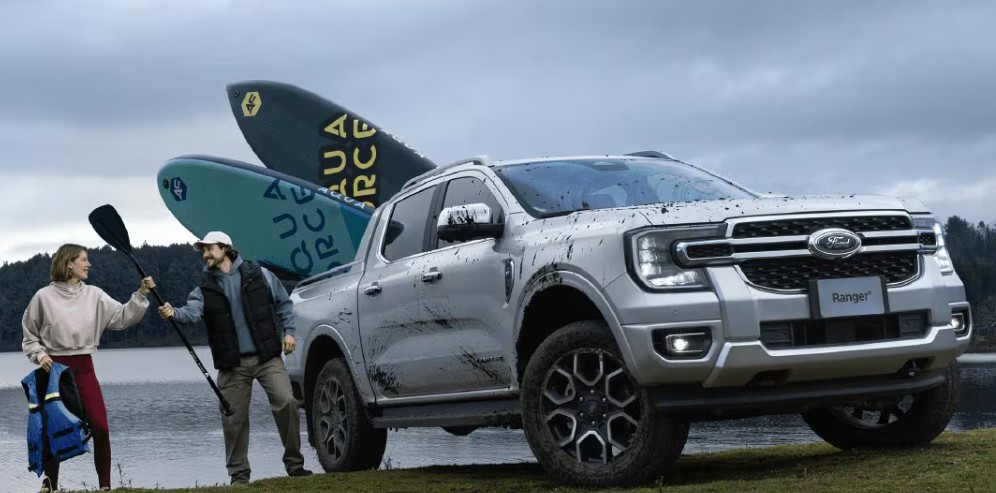
The Ford Ranger has earned a strong reputation in Australia. We see it towing caravans, carrying tools, tackling muddy tracks, and filling suburban car parks from Perth to Brisbane. It is capable, comfortable, and impressively versatile—but it is not indestructible.
Like any hard-working ute, the Ranger can develop problems as kilometres, heat, dust, heavy loads, and interrupted servicing begin to take their toll. Some Ford Ranger issues are little more than irritating electronic glitches. Others, including overheating, transmission faults, oil-pressure warnings, or timing-system problems, can become painfully expensive when ignored.
The challenge is that “Ford Ranger” covers several generations, engines, gearboxes, and trim levels. A 2013 PX Ranger with a 3.2-litre five-cylinder diesel does not share exactly the same weaknesses as a current-generation V6 model. Likewise, a lightly used city ute lives a completely different life from one that regularly pulls a three-tonne caravan across Australia.
In this guide, we will examine the most frequently discussed Ford Ranger problems, explain the warning signs, and show you how to respond before a minor concern grows teeth.
Content in this publication
- Are Ford Rangers Generally Reliable?
- The Most Common Ford Ranger Issues at a Glance
- Ford Ranger DPF Problems
- Ten-Speed Automatic Transmission Problems
- Six-Speed Automatic Gearbox Issues
- Ford Ranger Wet Belt Problems
- 3.2-Litre Ford Ranger Engine Problems
- 2.0-Litre Bi-Turbo Ranger Issues
- 3.0-Litre V6 Ranger Issues
- Fuel Injector Problems
- Turbo Hose and Intercooler Leaks
- Battery and Charging-System Issues
- Ford Ranger Infotainment and Electronic Problems
- Suspension and Steering Wear
- Four-Wheel-Drive System Problems
- Brake Problems and Safety Warnings
- Water Leaks, Dust Entry, and Seal Problems
- Ford Ranger Recalls Owners Should Check
- Warning Signs You Should Never Ignore
- How to Diagnose Ford Ranger Problems Properly
- How to Avoid Expensive Ford Ranger Repairs
- What to Check Before Buying a Used Ford Ranger
- Which Ford Ranger Issues Cost the Most to Repair?
- Final Thoughts on Ford Ranger Issues
- Frequently Asked Questions
Are Ford Rangers Generally Reliable?
Yes, a properly maintained Ford Ranger can be a dependable vehicle. Many examples cover substantial distances while working in demanding conditions. However, reliability depends heavily on the engine, model year, servicing history, modifications, and previous use.
A Ranger that has travelled 180,000 kilometres on long highway journeys may be healthier than one with 90,000 kilometres of short trips, cold starts, deep-water crossings, overloaded towing, and irregular oil changes.
We should therefore avoid asking only, “How many kilometres has it travelled?” Better questions include:
- Was it serviced on time?
- Was the correct engine oil used?
- Did it tow heavy loads frequently?
- Has the transmission fluid ever been replaced?
- Has the vehicle been modified?
- Are there outstanding recalls or service actions?
- Does the engine start cleanly when cold?
- Are warning lights stored in the computer?
Ford Australia allows owners and buyers to check recalls and service actions using the vehicle’s 17-digit VIN. The Australian Vehicle Recalls database also publishes official safety recalls, making a VIN check an essential part of buying or maintaining a Ranger.
The Most Common Ford Ranger Issues at a Glance
Although individual vehicles vary, the areas that deserve the most attention include:
- Diesel particulate filter blockage
- Ten-speed automatic transmission hesitation
- Six-speed automatic gearbox faults
- Wet timing belt deterioration
- Cooling-system leaks and overheating
- EGR valve and intake contamination
- Turbocharger hose or oil-line leaks
- Fuel-injector and fuel-system problems
- Battery and charging-system faults
- Electronic and infotainment glitches
- Suspension and steering wear
- Four-wheel-drive engagement problems
- Oil leaks and excessive oil consumption
- AdBlue or emissions-system warnings on applicable variants
- Recall-related safety defects
Not every Ranger will experience these faults. Think of the list as a weather forecast rather than a prophecy: it tells us where clouds may gather, not that every journey ends in a storm.
Ford Ranger DPF Problems
The diesel particulate filter, commonly called the DPF, traps soot before it leaves the exhaust. Once enough soot accumulates, the vehicle raises exhaust temperature and burns it away through a process called regeneration.
Ford explains that the DPF is designed to regenerate automatically. The trouble begins when the vehicle rarely stays at operating temperature long enough to complete that process.
Why Short Journeys Can Block the DPF
A diesel Ranger used mainly for school runs, shopping trips, or short urban commutes may repeatedly interrupt regeneration. It is like starting a self-cleaning oven and switching it off after five minutes—the cleaning cycle never gets a chance to finish.
Eventually, the driver may notice:
- A DPF warning on the dashboard
- Increased fuel consumption
- A higher idle speed
- Cooling fans running after the engine stops
- A hot or unusual exhaust smell
- Reduced engine power
- Limp mode
- Frequent regeneration attempts
Some Rangers allow manual or operator-controlled regeneration, depending on the variant and specification. Ford’s instructions require the vehicle to be parked outside, away from combustible materials, with sufficient fuel and correct fluid levels. Owners should always follow the instructions in the relevant manual rather than improvising.
How We Can Reduce DPF Trouble
Give the engine regular opportunities to reach full operating temperature. A sustained open-road drive may help complete regeneration, but it is not a guaranteed repair for an already blocked filter.
Once a DPF warning persists, the safest approach is diagnostic scanning. A technician can check soot loading, pressure-sensor readings, exhaust temperature sensors, and regeneration history.
Repeatedly forcing regeneration without finding the cause can mask problems such as a faulty pressure sensor, sticking EGR valve, leaking injector, split intake hose, or engine that is producing excessive soot.
Ten-Speed Automatic Transmission Problems
The ten-speed automatic found in various Ranger models offers a wide ratio spread and can improve performance, towing flexibility, and economy. However, some drivers report hesitation, abrupt downshifts, gear hunting, delayed engagement, or rough changes.
Common Ten-Speed Transmission Symptoms
Watch for:
- A harsh shift between lower gears
- A noticeable thump when selecting Drive or Reverse
- Delayed acceleration after pressing the throttle
- Gear hunting on hills
- Shuddering at light throttle
- Unusually high engine revs
- Transmission warning messages
- Limp-home operation
- Fluid leaks beneath the vehicle
Not every unusual shift indicates mechanical failure. Modern automatic transmissions depend on adaptive software. The control system learns driving patterns, load, throttle behaviour, and clutch-fill characteristics. A software update or adaptation procedure can sometimes improve shifting.
However, software cannot repair damaged clutch packs, low fluid, contamination, valve-body faults, or internal wear.
Battery Voltage Can Affect Transmission Behaviour
Modern Rangers are electrically complex. Low system voltage can generate seemingly unrelated faults involving the transmission, electronic parking brake, start-stop function, steering assistance, and driver-assistance systems.
Australia has had an official recall affecting certain 2021–2023 Ranger and Everest vehicles because a software issue could allow the transmission to shift into Park at speeds below 6 km/h when battery voltage fell below a critical level. A related notice was also published for certain 2022 vehicles.
That does not mean every rough shift comes from the battery. It does show why technicians should test voltage and scan control modules before assuming the entire gearbox has failed.
Six-Speed Automatic Gearbox Issues
Earlier PX Rangers commonly used a six-speed automatic. These units can provide long service, but heat, heavy towing, neglected fluid, or previous abuse may contribute to problems.
Signs of Six-Speed Transmission Wear
Possible warning signs include:
- Torque-converter shudder
- Flaring between gears
- Slow engagement
- Harsh shifts
- Overheating warnings
- Burnt-smelling transmission fluid
- Fluid leakage
- Loss of particular gears
Vehicles that tow near their limit place far more thermal stress on the gearbox. Heat is the quiet assassin of automatic transmissions: we may not hear it coming, but it steadily attacks seals, fluid, and friction materials.
A pre-purchase inspection should include a long road test from cold, moderate acceleration, hill driving, and low-speed manoeuvring. A ten-minute spin around the dealership block may reveal almost nothing.
Ford Ranger Wet Belt Problems
Certain Ranger diesel engines use a belt that operates in engine oil. This is often called a wet belt. It offers packaging, efficiency, and noise advantages, but it depends heavily on correct oil quality and maintenance.
Why Wet Timing Belts Can Deteriorate
The belt is designed to operate in a specific chemical environment. Incorrect oil, extended service intervals, fuel dilution, contamination, or age may contribute to belt deterioration.
As belt material degrades, particles can contaminate the oil and potentially restrict the oil-pickup system. In a severe case, reduced oil pressure can damage the turbocharger or engine.
Possible symptoms include:
- Low oil-pressure warnings
- Unusual ticking or rattling
- Rubber-like debris in the oil
- Increasing engine noise
- Poor running
- Oil-contamination concerns identified during servicing
Never Ignore an Oil-Pressure Warning
An oil-pressure warning is not a polite suggestion. It is the engine waving a red flag.
Stop safely and switch off the engine. Continuing to drive “just a few kilometres” can turn a repairable lubrication problem into complete engine failure.
Owners should follow the replacement interval and oil specification stated for their exact engine and model year. Generic internet advice cannot replace the VIN-specific maintenance schedule.
3.2-Litre Ford Ranger Engine Problems
The 3.2-litre five-cylinder turbo-diesel became one of the best-known Ranger engines in Australia. It delivers strong low-speed torque and has powered countless work vehicles and touring builds.
Nevertheless, age and demanding use can expose several concerns.
EGR Valve and Intake Contamination
The exhaust gas recirculation system routes a controlled amount of exhaust gas back into the intake to reduce emissions. Oil vapour and soot can combine into sticky deposits around the intake and EGR valve.
Symptoms may include:
- Rough idling
- Hesitation
- Excessive smoke
- Reduced power
- Engine warning lights
- Limp mode
- Poor fuel economy
Cleaning may help when deposits are the main cause. A technician should still test the valve, sensors, wiring, boost system, and airflow readings.
Cooling-System and Overheating Concerns
Overheating can result from coolant leaks, hose failure, radiator restriction, thermostat faults, water-pump problems, fan issues, or excessive load.
A heavily modified or overloaded touring Ranger working through hot conditions has far less thermal breathing room than a standard ute travelling empty.
Never remove a pressurised coolant cap from a hot engine. Allow the vehicle to cool and have the system pressure-tested.
Overheating Warning Signs
Look for:
- Rising temperature gauge
- Coolant smell
- Steam
- Heater suddenly blowing cold air
- Coolant loss
- Warning messages
- Reduced power
- Discoloured coolant
- White exhaust smoke
Even a brief overheating event can damage the cylinder head or head gasket. Treat the cause, not just the missing coolant.
2.0-Litre Bi-Turbo Ranger Issues
The 2.0-litre bi-turbo diesel offers impressive performance from a relatively small displacement. Its sequential turbo system and modern emissions equipment make it efficient, but also mechanically and electronically complex.
Turbocharger and Boost Problems
A bi-turbo system uses two turbochargers to deliver response across the rev range. More components mean more hoses, actuators, sensors, seals, and oil lines that require attention.
Symptoms of a boost-system fault can include:
- Whistling or siren-like noise
- Loss of power
- Black smoke
- Oil around intercooler pipes
- Engine warning light
- Underboost or overboost fault codes
- Limp mode
A split hose may create dramatic symptoms without requiring a new turbocharger. Proper pressure testing should come before expensive parts replacement.
Oil Quality Matters More Than Ever
Modern turbo-diesels rely on clean oil for turbo bearings, timing components, hydraulic tensioning systems, and internal lubrication. Stretching oil-change intervals because the vehicle “still runs fine” is false economy.
The engine may continue running while contamination quietly accumulates. By the time it sounds unhealthy, the damage may already be advanced.
3.0-Litre V6 Ranger Issues
The 3.0-litre V6 turbo-diesel provides strong torque and relaxed towing performance. It is newer in the Australian Ranger range, so long-term high-kilometre evidence is still developing compared with older PX engines.
That makes preventive maintenance and recall checks especially important.
Camshaft Sprocket Recall
An Australian recall published in April 2025 covered certain 2022–2025 Ranger and Everest vehicles. According to the notice, a manufacturing defect could allow the left-hand engine camshaft sprocket to fracture, potentially causing the engine to stall and lose motive power while driving.
Owners should not try to decide whether their vehicle is affected based solely on the build year. Recall campaigns normally apply to specific production ranges, so the VIN is the deciding factor.
Oil Leaks and Diesel Odours
Any oil leak around a turbocharged engine deserves prompt investigation. Oil may travel across undertrays and appear far from its original source.
Similarly, a diesel smell may indicate a fuel leak, injector sealing problem, or spill from recent servicing. Fuel and oil leaks can create safety risks as well as mechanical damage.
Fuel Injector Problems
Fuel injectors operate under extremely high pressure and must deliver precise amounts of diesel at exactly the right moment.
Contaminated fuel, water, wear, electrical faults, or sealing issues can affect their operation.
Symptoms of Injector Trouble
Common symptoms include:
- Difficult cold starting
- Rough idle
- Knocking or combustion rattle
- White, grey, or black smoke
- Poor acceleration
- Increased fuel consumption
- Diesel smell
- Engine warning light
- Excessive DPF regeneration
Injector replacement should not be based on guesswork. A workshop can compare correction values, perform return-flow testing, check rail pressure, and inspect fuel quality.
Replacing several injectors without confirming the root cause can be like buying new shoes because the road is uneven.
Turbo Hose and Intercooler Leaks
Boost leaks are among the more straightforward Ranger faults, yet they can feel dramatic from the driver’s seat.
A loose clamp, cracked intercooler pipe, or split hose can cause:
- Sudden power loss
- Hissing under acceleration
- Black exhaust smoke
- Poor towing performance
- Engine warning lights
- Oily residue around a hose joint
A light oil film inside turbo plumbing can be normal. Heavy oil accumulation, dripping, or rapidly increasing oil consumption requires further diagnosis.
Do not assume the turbo has failed merely because oil is visible near an intercooler connection.
Battery and Charging-System Issues
Modern Ranger batteries do far more than crank the engine. They support dozens of electronic modules, cameras, sensors, locking systems, driver aids, infotainment, and start-stop functions.
A weakening battery may produce a carnival of dashboard warnings before it becomes too weak to start the vehicle.
Signs the Battery Is Failing
We may notice:
- Slow cranking
- Start-stop becoming unavailable
- Random warning messages
- Electronic parking-brake faults
- Infotainment resets
- Central-locking problems
- Transmission warnings
- Clicking when starting
- Headlights dimming during cranking
Battery replacement may require the correct battery type and battery-monitor reset procedure. Installing an unsuitable battery can shorten service life or interfere with energy-management functions.
Alternator and Ground Connection Faults
When a replacement battery quickly goes flat, test the charging system and parasitic current draw. Loose ground connections, damaged wiring, aftermarket accessories, dash cameras, auxiliary batteries, or poorly installed canopies can create hidden electrical drains.
Ford Ranger Infotainment and Electronic Problems
Touchscreens, phone connectivity, parking sensors, cameras, and driver-assistance features add convenience—but they also introduce new failure points.
Common complaints may involve:
- Frozen or black touchscreen
- Bluetooth disconnecting
- Apple CarPlay or Android Auto interruptions
- Reversing-camera faults
- Parking-sensor warnings
- Keyless-entry problems
- Driver-assistance warnings
- Software updates that do not complete
Start With the Simple Checks
Before replacing components:
- Restart the vehicle.
- Disconnect and reconnect the phone.
- Test a different approved cable.
- Remove outdated phone pairings.
- Check the battery condition.
- Look for available software updates.
- Scan the vehicle for stored faults.
Water ingress, trailer wiring, damaged sensors, and aftermarket electrical installations can also confuse factory systems.
Suspension and Steering Wear
Rangers often carry accessories that add significant front-axle weight, including steel bull bars, winches, dual batteries, underbody protection, and larger tyres.
That extra weight can accelerate wear in:
- Ball joints
- Control-arm bushes
- Tie-rod ends
- Wheel bearings
- Shock absorbers
- Sway-bar links
- Steering components
Suspension Warning Signs
Listen and feel for:
- Clunks over bumps
- Wandering steering
- Uneven tyre wear
- Steering-wheel vibration
- Nose-diving under braking
- Excessive body movement
- Clicking during turns
- A humming noise that changes with road speed
Wheel alignment alone cannot repair worn components. The suspension should be inspected before alignment so the new settings are not lost immediately.
Four-Wheel-Drive System Problems
A Ranger’s four-wheel-drive system may experience actuator, sensor, wiring, transfer-case, or vacuum-related faults depending on the generation and configuration.
Symptoms include:
- Failure to engage 4H or 4L
- Flashing four-wheel-drive indicator
- Grinding or clunking
- “Drivetrain malfunction” messages
- Vehicle remaining in a selected mode
- Uneven tyre behaviour
Use 4H and 4L according to the owner’s manual. Engaging locked four-wheel-drive modes on high-grip surfaces can create driveline wind-up and make the system difficult to disengage.
Tyres Can Cause Driveline Stress
All four tyres should have compatible size, construction, tread depth, and inflation. Significant rolling-radius differences force the driveline to absorb a speed mismatch.
That is especially relevant after replacing only one damaged tyre on a vehicle with heavily worn tyres.
Brake Problems and Safety Warnings
Brake vibration may come from disc thickness variation, uneven pad deposits, worn components, loose suspension parts, or wheel and tyre problems.
A soft pedal, pulling, grinding, reduced braking assistance, or warning light requires immediate attention.
An official Australian recall issued in September 2025 affected certain 2024–2025 Rangers because a software issue could reduce brake-boost assistance, requiring greater pedal force and potentially increasing stopping distance. The recall notice stated that related ABS, stability-control, and brake warnings could illuminate if the fault occurred.
Again, the VIN—not a broad model-year assumption—determines whether a particular vehicle is included.
Water Leaks, Dust Entry, and Seal Problems
Vehicles used off-road may develop dust or water entry around doors, tailgates, canopies, wiring penetrations, roof accessories, and body seals.
Check for:
- Damp carpet
- Musty smells
- Water beneath floor mats
- Corroded electrical connectors
- Dust trails around seals
- Moisture inside lights
- Wet storage compartments
Water leaks should be addressed early. Moisture can travel along wiring and cause faults far from the entry point.
Poorly installed accessories are a frequent suspect. Drilling, routing cables, or adding roof equipment without proper sealing can transform the cabin into a slow-motion rain gauge.
Ford Ranger Recalls Owners Should Check
Recalls are safety campaigns, not proof that every example of a model is unreliable. Manufacturers issue them when a specific defect requires rectification.
Australian Ranger recalls have covered different concerns across different years, including:
- Takata airbag inflators on certain 2006–2011 Rangers
- Transmission behaviour associated with critically low battery voltage
- Camshaft sprocket defects on certain 2022–2025 vehicles
- Brake-boost software on certain 2024–2025 vehicles
- Accessory wiring concerns involving certain vehicles fitted with affected lighting equipment
For example, a December 2025 recall covering certain Ranger, Everest, and F-150 vehicles concerned moisture entering an ARB Solis light wiring harness, potentially causing corrosion, excessive heat, and fire. The official notice advised affected vehicles to be parked away from structures and flammable materials until repaired.
Older Ranger models were also included in Ford’s urgent Takata airbag campaign, which warned that affected inflators could cause serious injury or death.
A recall repair is normally linked to the VIN. Check the official databases rather than relying on social-media lists.
Warning Signs You Should Never Ignore
Some symptoms allow time to book a routine inspection. Others demand an immediate response.
Stop Driving and Seek Assistance When You Notice:
- Low oil-pressure warning
- Severe overheating
- Sudden brake-assistance loss
- Fuel leaking
- Heavy smoke from the engine bay
- Loud internal engine knocking
- Sudden loss of steering assistance
- Transmission unable to select or hold a gear
- Major coolant loss
- Engine repeatedly stalling in traffic
- Burning electrical smell
- Visible wiring overheating
Continuing to drive may increase repair costs or compromise safety. Being stranded is inconvenient; losing braking, steering, or engine power at speed is something else entirely.
How to Diagnose Ford Ranger Problems Properly
Replacing the first part mentioned in an online forum is not diagnosis. Several faults can produce almost identical symptoms.
For example, low power could result from:
- DPF restriction
- Boost leak
- Turbo-control fault
- Fuel-pressure problem
- Dirty airflow sensor
- EGR malfunction
- Transmission issue
- Limp mode triggered by another module
A Sensible Diagnostic Process
A competent workshop should:
- Confirm the customer’s complaint.
- Scan all relevant modules.
- Record fault codes before clearing them.
- Review live sensor data.
- Inspect wiring, hoses, fluids, and connections.
- Test the vehicle under the conditions that trigger the fault.
- Check software updates and service actions.
- Perform component tests.
- Repair the verified cause.
- Road-test and scan again.
Fault codes are clues, not guilty verdicts. A code describing low boost does not automatically mean the turbocharger is defective.
How to Avoid Expensive Ford Ranger Repairs
Preventive care will not eliminate every failure, but it greatly improves the odds.
Follow These Practical Habits
- Service the vehicle by time as well as kilometres.
- Use the correct oil specification.
- Replace filters with appropriate-quality parts.
- Do not ignore coolant loss.
- Investigate new noises promptly.
- Allow the DPF to complete regeneration.
- Check battery health before remote trips.
- Inspect intercooler hoses and clamps.
- Service the transmission according to use and professional advice.
- Reduce intervals when towing or operating in severe conditions.
- Keep receipts and maintenance records.
- Avoid poorly engineered engine tunes.
- Check load and axle limits after adding accessories.
- Inspect the vehicle after deep-water crossings.
- Check the VIN for recalls regularly.
Be Careful With Modifications
Larger tyres, suspension lifts, aggressive engine tunes, added weight, and towing upgrades can change how the vehicle accelerates, brakes, cools, shifts, and steers.
A modification may solve one problem while creating two more. Larger tyres, for instance, may improve clearance but also alter gearing, increase driveline load, reduce braking performance, and affect electronic systems.
What to Check Before Buying a Used Ford Ranger
A clean body and shiny tyres tell us very little about mechanical health.
Used Ranger Inspection Checklist
Check:
- Complete service history
- Correct service intervals
- Outstanding recalls
- Cold-start behaviour
- Exhaust smoke
- Oil and coolant condition
- Evidence of coolant loss
- Transmission shifts
- DPF warning history
- Underbody damage
- Chassis and towbar condition
- Uneven tyre wear
- Suspension noises
- Four-wheel-drive operation
- Infotainment and cameras
- Water entry
- Aftermarket wiring
- Signs of engine tuning
- Evidence of commercial or mine use
- Diagnostic fault history
A professional pre-purchase inspection is particularly valuable when buying a modified vehicle or one that has towed frequently.
Do not let accessories distract you. A canopy, snorkel, bull bar, lights, and upgraded suspension may look valuable, but they cannot compensate for poor maintenance or an unhealthy engine.
Which Ford Ranger Issues Cost the Most to Repair?
Repair costs vary enormously by engine, location, labour rate, and the amount of secondary damage.
The potentially expensive categories include:
- Internal engine damage
- Timing-system failure
- Oil-pressure-related failure
- Turbocharger replacement
- DPF replacement
- Fuel-system contamination
- Multiple injector replacement
- Transmission overhaul
- Cylinder-head or head-gasket repair
- Complex wiring and module faults
Early diagnosis often creates the biggest saving. Replacing a leaking coolant hose is manageable. Continuing to drive until the engine overheats can produce a bill many times larger.
Final Thoughts on Ford Ranger Issues
The Ford Ranger remains popular because it combines workhorse ability with everyday comfort. Its problems should be viewed in context: these vehicles are often asked to tow, haul, tour, commute, climb, crawl, and survive conditions that would make an ordinary passenger car wave a white flag.
Still, capability does not cancel maintenance.
The biggest mistake we can make is ignoring a small change because the vehicle continues to move. A faint whistle becomes a boost leak. A slow coolant loss becomes overheating. A rough shift becomes a transmission fault. A warning light becomes an engine rebuild.
The smartest ownership strategy is simple: service the Ranger correctly, understand how its diesel emissions system works, investigate warnings early, and check recalls using the VIN. When buying used, value evidence over appearance. A documented, standard vehicle with careful maintenance is often a better bet than a flashy, heavily modified example with a mysterious past.
Treat the Ranger like the hard-working machine it is, and it has a far better chance of returning the favour.
Frequently Asked Questions
1. What is the most common Ford Ranger issue?
There is no single problem affecting every generation. Frequently discussed concerns include DPF blockage, transmission hesitation, boost leaks, EGR contamination, battery-related warnings, and cooling-system faults. The most likely issue depends on the engine, model year, driving pattern, and maintenance history.
2. Are Ford Ranger transmission problems expensive?
They can be, but rough shifting does not always mean the gearbox needs rebuilding. Low voltage, outdated software, incorrect adaptations, fluid issues, sensors, or valve-body faults may produce similar symptoms. Accurate diagnosis should come before major repairs.
3. How can we prevent Ford Ranger DPF problems?
Avoid using the diesel exclusively for very short journeys, allow regeneration cycles to finish, use the correct oil, maintain the engine properly, and investigate warning lights promptly. A severely restricted DPF may require workshop regeneration, cleaning, or replacement.
4. Is a high-kilometre Ford Ranger worth buying?
It can be. Service history, previous workload, modifications, and mechanical condition matter more than the odometer alone. Arrange a cold-start inspection, diagnostic scan, road test, underbody examination, and VIN recall check before purchasing.
5. How do we know whether a Ranger has an outstanding recall?
Use the Ford Australia recall and service-action lookup with the 17-digit VIN. You can also search the Australian Government’s Vehicle Recalls database. Model year alone is not enough because recalls usually cover specific production ranges.
If you want to know other articles similar to Ford Ranger Issues: Common Problems, Warning Signs, and Practical Fixes you can visit the category Common Problems.
Volvo XC40 Sound Not Working? Complete Troubleshooting Guide

Mazda Diesel Engine Problems: Common Faults and Fixes
Volkswagen Key Not Detected or No Key Error: Causes and Fixes

Volvo S90 Common Problems: Reliability & Repair Guide
Volvo S90 No Sound: Causes, Fixes and Solutions

Nissan Rogue Smells Like Gas: Causes and Fixes
Leave a Reply
More content of your interest