

Ford Ranger Long Range Fuel Tank: Complete Australian Guide

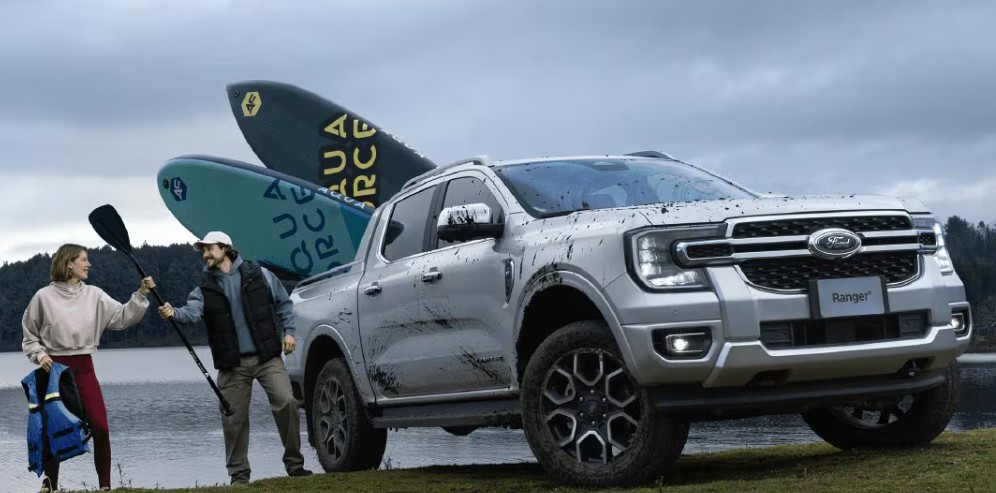
Australia has a funny way of making an ordinary fuel tank feel painfully small. Around town, an 80-litre tank may seem perfectly adequate. Point the bonnet towards the Simpson Desert, the Gibb River Road, Cape York or an isolated cattle station, however, and every missing litre begins to matter.
That is where a Ford Ranger long range fuel tank enters the conversation.
A larger tank can transform how we use a Ranger. It can reduce fuel anxiety, help us bypass expensive remote servos and provide more flexibility when towing, touring or working far beyond sealed roads. Yet fitting one is not as simple as choosing the largest number in a catalogue. Tank compatibility, vehicle generation, engine type, payload, ground clearance, fuel-gauge behaviour and accessory fitment all deserve attention.
This guide covers Ford Ranger generations sold in Australia, from early PJ and PK models through the PX family and current-generation PY Ranger. We will also consider Ranger Raptor, plug-in hybrid and Super Duty variants.
Content in this publication
- What Is a Ford Ranger Long Range Fuel Tank?
- Why Australian Ranger Owners Fit Bigger Tanks
- Ford Ranger Factory Fuel Tank Capacities in Australia
- Long Range Tanks for PJ and PK Ford Rangers
- Long Range Tanks for PX, PX MkII and PX MkIII Rangers
- Ford Ranger Raptor Long Range Fuel Tank Options
- Next-Gen Ford Ranger Long Range Fuel Tank Options
- Ford Ranger PHEV Long Range Fuel Tank
- Ford Ranger Super Duty Fuel Capacity
- How Much Extra Range Can We Expect?
- How Added Fuel Affects Payload
- Will a Bigger Tank Affect Ground Clearance?
- Steel, Aluminised Steel or Polyethylene?
- Fuel Gauge Accuracy After Installation
- Professional Installation Versus DIY Fitment
- Legal, Warranty and Insurance Considerations
- Common Problems With Long Range Fuel Tanks
- Long Range Tank Versus Jerry Cans
- How to Choose the Right Tank Capacity
- Is a Ford Ranger Long Range Fuel Tank Worth It?
- Final Buying Checklist
- Closing Thoughts
- Frequently Asked Questions
- 1. What is the biggest long range fuel tank for a Ford Ranger?
- 2. Does a long range tank affect Ford Ranger payload?
- 3. Will the factory fuel gauge work with a replacement tank?
- 4. Can a Ford Ranger long range tank reduce ground clearance?
- 5. Can the same long range tank fit every Ford Ranger generation?
What Is a Ford Ranger Long Range Fuel Tank?
A long-range fuel tank is an enlarged fuel-storage system designed to carry substantially more fuel than the Ranger’s original factory tank.
Most systems fall into one of two categories:
- Replacement tanks, which remove the original tank and install a larger unit in the same general area.
- Auxiliary tanks, which retain the factory tank and add a second tank elsewhere underneath the vehicle or tray.
For Australian Rangers, replacement tanks are especially popular because they normally use existing underbody space without consuming tray room. Well-designed systems may also retain the standard filler location, fuel sender, spare wheel and original transfer arrangements.
The idea is simple: instead of strapping plastic jerry cans to every available surface, we carry extra fuel low in the chassis, protected from weather and secured as part of the vehicle.
Replacement Tank Versus Auxiliary Tank
A replacement tank is usually the cleaner option for a Ranger touring build. It keeps refuelling straightforward because we fill the vehicle through its normal fuel flap. There is generally no second pump, transfer switch or separate filler to manage.
An auxiliary tank may make sense when an enormous total capacity is required or when the original tank cannot be replaced because of a particular vehicle configuration. It can, however, add plumbing, wiring and operating complexity.
Which Design Is Better for Most Ranger Owners?
For daily driving mixed with occasional touring, a replacement tank normally offers the best balance. It behaves much like the factory setup, only with a much larger stomach.
An auxiliary arrangement becomes more attractive for specialist work vehicles, expedition builds and remote-area applications where outright capacity matters more than simplicity.
Why Australian Ranger Owners Fit Bigger Tanks
Australia does not merely have long roads. It has long roads with closed fuel stations, unpredictable opening hours, expensive regional diesel and vast sections where the next pump may be several hundred kilometres away.
A larger tank offers several practical benefits:
- More distance between fuel stops
- Greater freedom when choosing a route
- Less dependence on isolated service stations
- Reduced need to carry loose jerry cans
- More reserve fuel during towing
- Better flexibility around station opening times
- The ability to purchase fuel where prices or quality are preferable
The strongest reason is not always maximum range. Often, it is choice.
With extra capacity, we do not have to stretch the Ranger to its final fumes. We can stop at a trusted station, skip a questionable bowser or carry a comfortable reserve for headwinds, detours and soft sand.
Ford Ranger Factory Fuel Tank Capacities in Australia
Factory capacity varies by generation, variant and powertrain. Before ordering any aftermarket tank, we should check the owner’s manual, build details and the tank manufacturer’s exact application list.
As a broad Australian guide:
| Ranger generation or variant | Approximate factory capacity | Common aftermarket direction |
|---|---|---|
| PJ/PK Ranger, 2006–2011 | Usually around 70 L | Replacement tanks around 120–126 L |
| PX, PX MkII and PX MkIII, 2011–2022 | Generally 80 L | Replacement tanks around 122–150 L |
| First-generation PX Raptor, 2018–2022 | Generally 80 L | Replacement tanks up to about 150 L |
| Next-Gen PY diesel Ranger, 2022–present | Generally 80 L | Replacement tanks around 140–160 L |
| Next-Gen Ranger Raptor | Generally 80 L | Petrol-compatible tanks around 140 L |
| Ranger PHEV | 70 L | Specialist hybrid-compatible tanks around 140 L |
| Ranger Super Duty | 130 L factory | Specialist upgrades around 230 L |
Australian PX brochures list an 80-litre capacity, and Australian Next-Generation Ranger material also specifies 80 litres for mainstream diesel models.
Ford equips the Ranger Super Duty differently. Its standard 130-litre tank is already a factory long-range solution protected by heavy-duty plating.
Why Exact Variant Checking Matters
Two Rangers that look nearly identical may require different tanks because of:
- Petrol versus diesel engines
- Exhaust routing
- AdBlue equipment
- Cab style
- Two-wheel-drive or four-wheel-drive layout
- Suspension and chassis differences
- Raptor-specific hardware
- Hybrid battery placement
- Factory or aftermarket tow equipment
Applicable Bi-Turbo and 3.0-litre V6 diesel Rangers also use a separate 18.5-litre AdBlue tank. It must not be confused with the diesel tank, and an aftermarket installation must preserve the emissions system correctly.
Long Range Tanks for PJ and PK Ford Rangers
The PJ and PK Rangers introduced many Australian owners to Ford’s modern compact ute formula. These 2006–2011 models are mechanically straightforward by current standards, which makes them appealing foundations for affordable touring builds.
A commonly listed aftermarket solution for 2007–2011 diesel Rangers is a 126-litre replacement tank.
Compared with a factory tank of roughly 70 litres, that represents an increase of approximately 56 litres. At a touring consumption rate of 10 L/100 km, those additional litres could theoretically provide about 560 kilometres of extra range.
Real life will rarely be that neat. Ageing injectors, roof racks, all-terrain tyres, heavy canopies and old automatic transmissions can push consumption higher. Nevertheless, the range improvement remains substantial.
What to Inspect on an Older Ranger
Before installing a larger tank in a PJ or PK, we should inspect:
- Chassis corrosion
- Fuel hoses and filler neck
- Sender-unit condition
- Tank straps and mounting points
- Rear suspension condition
- Existing underbody modifications
- Brake and fuel lines near the installation area
A shiny new tank attached to tired mounts is like fitting a new front door to a collapsing shed. The surrounding structure matters just as much as the tank itself.
Long Range Tanks for PX, PX MkII and PX MkIII Rangers
The PX generation covers a huge portion of Australian Rangers. It includes work-focused XL models, popular XLT and Wildtrak variants, multiple diesel engines and numerous body configurations.
The standard tank is generally 80 litres. Depending on the manufacturer and configuration, replacement options commonly range from approximately 122 to 150 litres.
The Long Ranger lists a 122-litre high-clearance replacement tank for diesel PX, PXII and PXIII 4x2 Hi-Rider and 4x4 models built from late 2011 to 2022.
Brown Davis lists a 150-litre replacement tank for compatible PX Rangers, retaining the standard filler point, spare-wheel position and original ground clearance according to its product information.
That difference—122 versus 150 litres—illustrates why we should not shop by capacity alone.
Is 122 Litres Enough?
For many owners, yes.
A 122-litre tank adds roughly 42 litres over the standard tank. At 10 L/100 km, that is approximately 420 kilometres of theoretical extra travel. The tank may also appeal to owners who prioritise underbody clearance, lower added weight and a relatively modest change to vehicle balance.
When Does a 150-Litre Tank Make Sense?
A 150-litre tank can suit:
- Long-distance caravan towing
- Remote station work
- Desert travel
- Vehicles with high fuel consumption
- Owners who regularly bypass costly regional fuel
- Touring routes with substantial safety margins
The extra 70 litres over an 80-litre factory tank could add around 700 kilometres under ideal 10 L/100 km conditions.
Yet those 70 litres also weigh approximately 58–59 kilograms when filled with diesel, before considering any difference between the factory and aftermarket tank structures.
Ford Ranger Raptor Long Range Fuel Tank Options
The Raptor requires special treatment. It is not simply a Ranger with wider guards and loud stickers. Its suspension layout, underbody packaging and petrol or diesel powertrain depend on the generation.
For the 2018–2022 diesel Raptor, Brown Davis lists a 150-litre replacement tank made from 2 mm aluminised steel.
For the Next-Generation petrol Raptor, dedicated 140-litre replacement tanks are available. The Long Ranger identifies its current Raptor tank as a petrol-only 140-litre unit, while Brown Davis also lists a 140-litre Next-Gen Raptor replacement tank.
Why Fuel Type Cannot Be Ignored
The current Raptor’s turbocharged petrol engine has different fuel-system requirements from a diesel Ranger. A tank listed for diesel models should never be assumed compatible.
We must check:
- Fuel type
- Pump and sender compatibility
- Ventilation requirements
- Exhaust clearance
- Heat shielding
- Certification
- Model-year fitment
The current Ranger Raptor also requires 98 RON petrol to achieve its published power and torque figures.
That makes a larger tank especially attractive for drivers travelling through areas where premium petrol availability is uncertain. Capacity alone does not solve that problem, but it allows us to fill with the correct fuel when it is available and carry it farther.
Next-Gen Ford Ranger Long Range Fuel Tank Options
The Australian-developed Next-Generation Ranger arrived in 2022 with new engines, revised chassis packaging, more electronics and a broader range of accessories.
Mainstream diesel models generally use an 80-litre factory tank. Aftermarket replacement options can increase this to 140, 150 or even 160 litres, depending on brand and configuration.
The Long Ranger lists a 160-litre replacement tank for compatible Next-Gen Rangers and says it offers a 100 per cent capacity increase while sitting at the same height as the original-equipment bash plates.
Brown Davis also lists a 160-litre Next-Gen replacement tank that retains the spare wheel and is designed to maintain standard ground clearance.
What Does 160 Litres Mean in Practice?
Let us use simple examples:
| Average consumption | Theoretical range from 160 L |
| 8 L/100 km | 2,000 km |
| 10 L/100 km | 1,600 km |
| 12 L/100 km | 1,333 km |
| 15 L/100 km | 1,067 km |
| 18 L/100 km | 889 km |
These figures assume every litre is usable, which is not a safe planning method. We should maintain a reserve and account for inaccurate gauges, terrain, towing and weather.
Still, a 160-litre tank can turn a thirsty touring Ranger into a genuinely long-legged machine.
Ford Ranger PHEV Long Range Fuel Tank
The Ranger Plug-In Hybrid changes the equation.
Unlike mainstream diesel Rangers, the PHEV combines a turbo-petrol engine, electric motor and high-voltage battery. Its factory petrol tank holds 70 litres.
A specialist 140-litre replacement tank has been developed for the Next-Gen hybrid, effectively doubling the listed petrol capacity.
Is a Bigger Tank Necessary on a Hybrid?
It depends on how the vehicle is used.
For local commuting with frequent charging, a giant tank may offer limited benefit. The entire point of a plug-in hybrid is to use electricity for suitable trips and reduce petrol consumption.
For remote touring, towing or powering equipment away from the grid, the logic changes. Once the battery’s useful electric range is depleted, the Ranger continues using petrol. A larger tank may therefore provide valuable security in areas where suitable fuel is scarce.
However, hybrid fitment is specialised. The battery, high-voltage cables, cooling systems and petrol-emissions equipment leave no room for casual experimentation. We should use a tank explicitly engineered for the PHEV and have it installed by a technician familiar with the vehicle.
Ford Ranger Super Duty Fuel Capacity
The Ranger Super Duty begins where many modified touring Rangers end.
Ford equips it with a 130-litre factory fuel tank and protective plating, making it the first Ranger variant in Australia with a genuinely large tank as standard.
For highly specialised work or remote touring, Brown Davis lists a 230-litre replacement tank. Its product description says the upgrade adds 100 litres over the standard 130-litre tank.
A 230-litre tank is an enormous reservoir. With diesel consumption of 15 L/100 km, it could theoretically support more than 1,500 kilometres of travel. But a full load of 230 litres of diesel weighs close to 193 kilograms.
That is not a detail. It is a passenger-sized mass carried underneath the vehicle.
How Much Extra Range Can We Expect?
The basic formula is:
Range in kilometres = tank capacity ÷ consumption × 100
For example, a 150-litre tank and average consumption of 11 L/100 km produces:
150 ÷ 11 × 100 = approximately 1,364 km
A safer touring calculation should subtract a reserve first.
Suppose we preserve 20 litres:
130 usable litres ÷ 11 × 100 = approximately 1,182 km
That is a much more sensible planning number.
Real-World Factors That Reduce Range
A Ranger may consume considerably more fuel when affected by:
- Caravan or trailer weight
- Strong headwinds
- Low-range four-wheel driving
- Soft sand
- Mud
- Roof-top tents
- Bull bars and winches
- Oversized tyres
- Suspension lifts
- Heavy payloads
- Frequent regeneration cycles
- Aggressive acceleration
- Poor wheel alignment
- Low tyre pressure
Theoretical range is a ruler-straight line. Australian touring is rarely ruler-straight.
Plan With a Reserve, Not a Warning Light
We should not build a route around reaching a fuel station with two litres remaining. Remote travel deserves a meaningful reserve, particularly where flooding, fires, road closures or station outages may force a detour.
A reserve of 15–20 per cent is a useful starting point, although the appropriate margin depends on the route.
How Added Fuel Affects Payload
Fuel has weight.
Diesel weighs roughly 0.83–0.85 kilograms per litre, while petrol is generally lighter at approximately 0.72–0.76 kilograms per litre. Exact density changes with temperature and fuel formulation.
As a practical illustration:
- 80 L of diesel weighs about 67 kg
- 122 L weighs about 102 kg
- 150 L weighs about 125 kg
- 160 L weighs about 134 kg
- 230 L weighs about 193 kg
We must also consider the tank itself. A large steel replacement tank may weigh more than the original unit.
Why Payload Calculations Matter
Every kilogram of fuel contributes to the vehicle’s operating mass. It reduces the remaining capacity available for:
- Passengers
- Canopies
- Drawer systems
- Tools
- Bull bars
- Winches
- Fridges
- Water
- Camping equipment
- Tow-ball download
A long-range tank does not increase the Ranger’s Gross Vehicle Mass. It simply uses part of the existing allowance.
Ford notes that kerb weight includes a full tank of fuel, which matters when comparing published weights and calculating remaining capacity.
Before a major trip, visiting a public weighbridge is far more useful than guessing.
Will a Bigger Tank Affect Ground Clearance?
It can.
Some replacement tanks are designed to preserve standard clearance, while others may hang lower than the factory tank or alter the ramp-over angle.
Manufacturers commonly shape tanks around chassis rails, crossmembers, exhaust systems and driveline components. The result can look like a steel jigsaw puzzle.
Brown Davis states that its long-range designs aim to maximise capacity without affecting ground clearance, ramp-over angle or departure angle, although actual results depend on the specific application.
Questions to Ask Before Buying
Ask the supplier:
- Does the tank sit below the original bash plate?
- Is the lowest point lower than the factory tank?
- Is additional protection included?
- Does it change ramp-over angle?
- Is the drain plug protected?
- Will it interfere with rock sliders or underbody armour?
- Has it been tested with my exhaust and suspension setup?
A massive tank that drags across every crest may provide impressive range but poor off-road practicality.
Steel, Aluminised Steel or Polyethylene?
Tank construction influences strength, corrosion resistance, weight and repairability.
Aluminised Steel Tanks
Many Australian long-range tanks use approximately 2 mm aluminised steel. The material combines steel strength with a corrosion-resistant coating and is often powder-coated externally.
Advantages include:
- Strong impact resistance
- Proven off-road durability
- Straightforward fabrication
- Potential repairability by a qualified specialist
Possible disadvantages include:
- Greater weight
- Risk of corrosion if coatings are badly damaged
- Susceptibility to denting after severe impacts
Polyethylene Tanks
Moulded polyethylene tanks can be lighter and naturally corrosion-resistant. Their shape may also be highly efficient because moulding allows complex contours.
Advantages include:
- Lower weight
- No metal corrosion
- Resistance to minor deformation
- Smooth internal surfaces
Potential disadvantages include:
- Different repair requirements
- Greater sensitivity to heat and unsupported movement
- Limited applications for some variants
Neither material is universally superior. Engineering, mounting design and application suitability matter more than the sales brochure’s favourite adjective.
Fuel Gauge Accuracy After Installation
One of the most common concerns is whether the original fuel gauge will still work.
Most replacement tanks retain the factory sender unit. That means the dashboard gauge continues receiving information from the original sensor, but the relationship between fuel height and total volume may change.
A strangely shaped 150-litre tank does not empty like a simple rectangular container. The gauge may remain on “full” for much longer than expected and then fall more rapidly through its lower range.
How to Learn the New Gauge Behaviour
After installation:
- Fill the tank completely.
- Reset a trip meter.
- Record the distance when the gauge first moves.
- Record the distance at three-quarters, half and one-quarter.
- Refill before reaching dangerously low levels.
- Compare litres added with kilometres travelled.
- Repeat over several tanks.
After a few cycles, we develop a practical map of the gauge.
A fuel log or tracking app is often more useful than trusting the distance-to-empty estimate immediately after conversion.
Professional Installation Versus DIY Fitment
Some tank kits include detailed instructions and may be marketed as suitable for experienced home installers. That does not mean every Ranger owner should attempt the job on a driveway.
The installation may involve:
- Supporting and removing the original tank
- Working with flammable fuel
- Transferring the sender and pump assembly
- Replacing hoses and clamps
- Routing breathers
- Checking exhaust clearance
- Torquing mounting hardware
- Testing for leaks
- Calibrating or verifying gauge operation
A professional installer also has lifting equipment and can identify accessory conflicts before the Ranger is half dismantled.
When Professional Fitment Is Essential
Professional installation is strongly recommended for:
- Petrol vehicles
- Ranger Raptor
- PHEV models
- Super Duty
- Vehicles under warranty
- Complex auxiliary systems
- Rangers with extensive underbody modifications
Saving a few hundred dollars loses its charm quickly when petrol vapour, hot exhaust components and loose plumbing enter the story.
Legal, Warranty and Insurance Considerations
A properly engineered replacement tank is a common Australian modification, but we should not assume every product or installation is automatically acceptable in every state or territory.
Before fitting one, confirm:
- Compliance with applicable Australian standards
- State or territory registration requirements
- Whether certification or inspection is needed
- Installer qualifications
- Warranty terms
- Insurance disclosure requirements
- Compatibility with emissions equipment
Modifications may affect manufacturer warranty coverage when a fault is caused by the aftermarket component or its installation. That does not necessarily erase the entire vehicle warranty, but disputes become much easier to avoid when we use a reputable supplier, retain invoices and document the work.
Tell the insurer about the modification. A long-range tank increases the vehicle’s value and changes its fuel capacity. Silence can become expensive after a claim.
Common Problems With Long Range Fuel Tanks
A good system should provide years of reliable service. Problems are more likely when the tank is poorly matched, incorrectly installed or neglected.
Potential issues include:
- Slow filling or bowser cut-off
- Fuel smell
- Leaking filler or breather hoses
- Inaccurate gauge readings
- Sender-unit sealing problems
- Contact with exhaust components
- Loose mounting hardware
- Stone damage
- Cracked brackets
- Contaminated fuel
- Reduced clearance
- Interference with suspension or accessories
Why Slow Filling Happens
Fuel enters the tank while displaced air exits through breather lines. If a breather is kinked, restricted or incorrectly routed, the bowser may repeatedly click off.
This is not always a tank-capacity problem. It is often a ventilation problem.
Watch for Fuel Smells
A persistent fuel smell is not normal. Stop using the vehicle and inspect it professionally. Possible causes include loose clamps, damaged hoses, an incorrectly seated sender seal or an overfilled expansion space.
Long Range Tank Versus Jerry Cans
Jerry cans remain useful, but they are not a perfect substitute for a properly installed tank.
Advantages of Jerry Cans
- Low initial cost
- Removable when not needed
- Easy to share fuel
- Useful as an emergency reserve
- No permanent vehicle modification
Disadvantages of Jerry Cans
- Consume tray or rack space
- Add weight high or behind the axle
- Require secure mounting
- Can be awkward to pour
- Expose fuel to heat and impact
- May create fumes
- Increase theft risk
- Need careful legal storage
A long-range tank centralises the fuel lower in the vehicle and allows normal bowser filling. Jerry cans remain valuable as a small contingency, but carrying six cans because the factory tank is inadequate can become a clattering, smelly compromise.
How to Choose the Right Tank Capacity
The biggest tank is not always the smartest tank.
Start by answering four questions:
1. How Far Do We Actually Travel Between Reliable Fuel Stops?
Study the route rather than imagining the most extreme expedition possible. A 122-litre tank may comfortably cover our needs without the weight and cost of a 160-litre unit.
2. What Is Our Worst Realistic Consumption?
Use towing, sand or loaded consumption—not an empty highway figure.
If the Ranger uses 16 L/100 km while towing, calculate around that number.
3. How Much Payload Remains?
Weigh the vehicle with normal accessories and occupants. Then calculate the added fuel mass.
4. What Accessories Are Already Fitted?
Check compatibility with:
- Aftermarket exhausts
- Suspension airbags
- GVM upgrades
- Rear bars
- Spare-wheel carriers
- Underbody guards
- Long-range water tanks
- Auxiliary batteries
A good tank must fit the Ranger we own, not the standard Ranger pictured in a catalogue.
Is a Ford Ranger Long Range Fuel Tank Worth It?
For remote touring, frequent towing or regional work, it can be one of the most useful modifications available.
It does not make the Ranger faster. It does not sparkle in social-media photographs like beadlock wheels or a rooftop tent. Yet every time we bypass an overpriced station, avoid unloading jerry cans or reach camp with a comfortable reserve, the value becomes obvious.
For a city-based Ranger that rarely leaves metropolitan areas, the investment may be difficult to justify. Carrying extra tank weight and paying for capacity we seldom use offers little benefit.
Best Candidates for the Upgrade
A long-range tank is particularly worthwhile for owners who:
- Tow caravans across regional Australia
- Travel remote tracks
- Work on farms, mines or isolated sites
- Use fuel-hungry accessories and tyres
- Need predictable operational range
- Regularly encounter limited fuel availability
- Prefer integrated storage over jerry cans
Final Buying Checklist
Before ordering a Ford Ranger long range fuel tank, confirm:
- Exact model year
- Ranger generation
- Cab and body style
- Engine and fuel type
- Two-wheel-drive or four-wheel-drive layout
- Factory tank capacity
- Aftermarket tank capacity
- Material and warranty
- Ground-clearance change
- Spare-wheel compatibility
- Exhaust compatibility
- AdBlue-system clearance
- Sender and gauge operation
- Added tank and fuel weight
- Installation cost
- Legal compliance
- Insurance disclosure
- Availability of replacement parts
Never order from the model name alone. A phrase such as “fits Ford Ranger” is far too broad.
Closing Thoughts
A Ford Ranger long range fuel tank can turn an already capable Australian ute into a far more confident touring and working vehicle. Early PJ and PK Rangers can gain a meaningful range increase from tanks around 126 litres. PX models have numerous options between roughly 122 and 150 litres, while current diesel Rangers can reach approximately 160 litres with dedicated replacement systems.
Raptor, PHEV and Super Duty models require their own engineered solutions. Their layouts and fuel systems are too different for guesswork.
The right tank is not necessarily the largest. It is the one that provides enough reserve for our routes without compromising payload, clearance, reliability or safety. Think of it as choosing hiking boots: the most oversized pair in the shop will not automatically carry us farther. Fit matters.
Calculate real consumption, preserve a sensible reserve, weigh the finished vehicle and choose an established Australian manufacturer or installer. Do that, and the Ranger’s fuel gauge stops feeling like a countdown clock and starts becoming a tool we can trust.
Frequently Asked Questions
1. What is the biggest long range fuel tank for a Ford Ranger?
Capacity depends on the generation and variant. Compatible Next-Gen diesel Rangers can have replacement tanks around 160 litres, while specialist Ranger Super Duty systems may reach approximately 230 litres. PX Rangers commonly have options between roughly 122 and 150 litres. Always verify exact vehicle fitment.
2. Does a long range tank affect Ford Ranger payload?
Yes. Extra fuel adds weight and reduces the payload remaining under the vehicle’s Gross Vehicle Mass. An additional 80 litres of diesel weighs roughly 67 kilograms, plus any increase in tank weight. Include passengers, accessories, cargo and tow-ball load in the calculation.
3. Will the factory fuel gauge work with a replacement tank?
It usually continues working when the replacement tank retains the original sender unit. However, the gauge may not fall at the same rate because the new tank has a different shape. Owners should track kilometres and refill quantities until they understand its behaviour.
4. Can a Ford Ranger long range tank reduce ground clearance?
Some tanks may reduce clearance, while purpose-designed high-clearance systems claim to remain level with factory protection or preserve the original clearance. Check the tank’s lowest point, ramp-over impact and compatibility with existing underbody accessories before purchase.
5. Can the same long range tank fit every Ford Ranger generation?
No. PJ, PK, PX, Next-Gen PY, Raptor, PHEV and Super Duty Rangers use different chassis layouts, engines and fuel systems. Even tanks within the same generation may be limited to particular cab styles, drivetrains or fuel types.
If you want to know other articles similar to Ford Ranger Long Range Fuel Tank: Complete Australian Guide you can visit the category Driving.
Mazda CX-5 Real-World MPG: What Drivers Actually Get
Mazda CX-5 0-60: Acceleration Times by Year and Engine
MG HS Fuel Consumption: Complete MPG Guide

Can Nissan Rogue Pull a Boat? Complete Towing Guide
Can Nissan Rogue Be Flat Towed? Complete Towing Guide
Are Nissan Rogue Good on Gas? MPG, Fuel Economy, and Real-World Costs
Leave a Reply
More content of your interest