
Kia Rio Not Starting: Causes, Fixes, and Smart Troubleshooting Guide

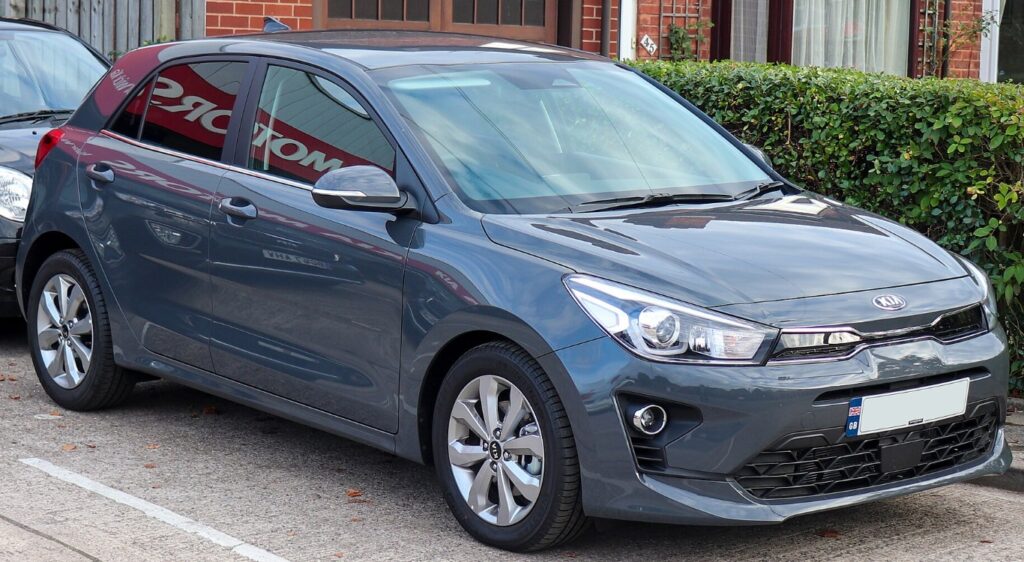
When our Kia Rio is not starting, it can turn a normal day into a small automotive mystery. One minute we are holding the key, ready to go, and the next minute the car is sitting there like a stubborn mule refusing to move. Maybe it clicks. Maybe the dashboard lights up but nothing happens. Maybe the engine cranks and cranks but never catches. Or maybe the car is completely silent, as if it has decided to take the day off.
The good news? A Kia Rio that will not start is usually not a complete disaster. In many cases, the issue comes down to a weak battery, a tired starter motor, a key fob problem, fuel delivery trouble, a faulty sensor, or an immobiliser issue. The trick is knowing how to read the clues. Cars rarely fail without leaving breadcrumbs.
In this guide, we are going to walk through the most common reasons a Kia Rio won’t start, how to identify each problem, what we can check at home, and when it is time to call a mechanic. We will keep it practical, simple, and clear, because nobody wants a lecture when their car is stuck in the driveway.
Content in this publication
- Why Your Kia Rio Is Not Starting
- Kia Rio Not Starting: First Symptoms to Notice
- The Battery: The Most Common Culprit
- How to Check the Battery Safely
- Starter Motor Problems in a Kia Rio
- Ignition Switch or Push-Button Start Issues
- Key Fob Battery and Immobiliser Problems
- Fuel System Problems: When the Engine Cranks But Will Not Start
- Fuel Pump Failure in a Kia Rio
- Spark Plug and Ignition Coil Issues
- Crankshaft Position Sensor Problems
- Camshaft Position Sensor and Timing Issues
- Alternator Problems That Lead to Starting Failure
- Blown Fuses and Bad Relays
- Neutral Safety Switch or Clutch Pedal Switch Issues
- Engine Ground and Wiring Problems
- Kia Rio Starts Then Dies Immediately
- Kia Rio Not Starting After Battery Change
- Kia Rio Not Starting in Cold Weather
- Kia Rio Not Starting But Lights Work
- Kia Rio Cranks But Does Not Start
- Kia Rio Clicking But Not Starting
- Kia Rio Not Starting With Push Button
- Kia Rio Not Starting After Sitting
- Diagnostic Scan: Why It Matters
- Home Troubleshooting Checklist for a Kia Rio That Won’t Start
- When to Call a Mechanic
- Common Repair Costs to Expect
- How to Prevent Kia Rio Starting Problems
- Mistakes to Avoid When Your Kia Rio Won’t Start
- Kia Rio Not Starting: Quick Diagnosis Table
- Final Thoughts: Getting Your Kia Rio Back to Life
- FAQs About Kia Rio Not Starting
Why Your Kia Rio Is Not Starting
A non-starting Kia Rio can happen for several reasons, and not all of them feel the same. That is why the first thing we need to do is pay attention to what the car is doing.
Does the engine crank? Do the lights come on? Is there a clicking sound? Does the key turn? Is the push-button start doing nothing? These little details are like the car speaking in code.
Most starting problems fall into one of these broad categories:
- Battery or electrical problems
- Starter motor failure
- Fuel system issues
- Ignition system faults
- Key fob or immobiliser problems
- Sensor or ECU-related issues
- Mechanical engine problems
A Kia Rio that is completely dead usually points us toward the battery or electrical system. A Kia Rio that cranks but does not start often leads us toward fuel, spark, or sensor issues. A Kia Rio that clicks but refuses to turn over may be dealing with a weak battery, poor connection, or failing starter.
So before we panic, we listen.
Kia Rio Not Starting: First Symptoms to Notice
Before grabbing tools or calling roadside assistance, we should pause and observe. The symptom tells us where to begin.
No Lights, No Sound, No Response
If there are no dashboard lights, no chime, no central locking response, and no sound when turning the key or pressing the start button, the battery is the main suspect. It could be completely flat, disconnected, or suffering from corroded terminals.
Dashboard Lights Come On, But Engine Does Not Crank
This usually means the battery has some power, but not enough to activate the starter properly. It could also point to a faulty starter motor, bad ignition switch, blown fuse, or neutral safety switch issue.
Clicking Sound When Trying to Start
A rapid clicking noise often means the battery is weak. A single heavy click may suggest the starter solenoid is engaging but the starter motor is not turning.
Engine Cranks But Will Not Start
This is a different type of problem. The battery and starter may be doing their job, but the engine is missing fuel, spark, compression, or correct sensor information.
Starts Sometimes, Fails Other Times
Intermittent starting problems can be frustrating. These may involve a failing starter, loose battery cable, crankshaft sensor fault, key recognition issue, or fuel pump beginning to fail.
The Battery: The Most Common Culprit
Let’s be honest: when a Kia Rio is not starting, the battery is often the first place we should look. It is the heart of the starting system. If it is weak, old, cold, drained, or poorly connected, the entire car can feel lifeless.
A car battery does not need to be completely dead to cause trouble. Sometimes it has enough energy to turn on the radio or dashboard lights, but not enough punch to crank the engine. Think of it like trying to run a marathon after skipping breakfast. Technically, we are awake, but we are not exactly powerful.
Signs of a Weak Kia Rio Battery
Common symptoms include:
- Slow engine cranking
- Dim headlights
- Clicking when starting
- Dashboard warning lights flickering
- Car starts after a jump-start
- Electrical accessories behaving strangely
- Battery warning light appearing
If the battery is older than three to five years, it becomes even more suspicious. Batteries wear down gradually, and one cold morning or short-trip-heavy week can finally push them over the edge.
How to Check the Battery Safely
If we have a multimeter, we can check the battery voltage. A healthy fully charged battery usually sits around 12.6 volts when the car is off. If it is closer to 12.2 volts, it may be weak. Below 12 volts, it is likely discharged.
When the engine is running, the voltage should usually rise because the alternator is charging the battery. If it stays low, the alternator may not be doing its job.
Battery Checks We Can Do at Home
We can inspect:
- Battery terminals for corrosion
- Loose battery clamps
- Swollen or leaking battery case
- Frayed or damaged cables
- Headlight brightness before starting
- Whether the car starts with jump leads
If we see white, green, or bluish powder around the terminals, that corrosion can block current flow. Even a good battery can act dead if the connections are dirty.
Starter Motor Problems in a Kia Rio
If the battery is strong but the Kia Rio still will not crank, the starter motor may be the problem. The starter is the small but mighty motor that spins the engine fast enough to begin combustion. When it fails, the engine may not turn at all.
A failing starter can behave like a lazy gatekeeper. Sometimes it opens. Sometimes it does not. Eventually, it may stop responding altogether.
Signs of a Bad Starter Motor
Look out for:
- One loud click when turning the key
- No crank despite a good battery
- Intermittent starting
- Grinding noise while starting
- Smoke or burning smell near the engine bay
- Needing several attempts before the car starts
Sometimes tapping the starter lightly may temporarily help if it has a worn internal contact, but that is not a proper fix. It is more like convincing a tired old doorbell to ring one last time.
Depending on the year and trim of the Kia Rio, we may have a traditional key ignition or push-button start. Both systems can develop faults.
With a traditional key, the ignition switch sends power to the starter system. If the switch wears out, turning the key may do nothing. With push-button start, the system depends on brake pedal recognition, key fob detection, wiring, and electronic control modules.
We may notice:
- Key turns but nothing happens
- Accessories work but engine does not crank
- Push-button start flashes but does not start
- Car says key not detected
- Steering lock warning appears
- Starting works only after several attempts
Sometimes the issue is not the button itself. It may be the brake pedal switch. If the car does not detect that we are pressing the brake, it may refuse to start.
Key Fob Battery and Immobiliser Problems
Modern Kia Rio models rely on electronic key recognition. If the key fob battery is weak or the immobiliser does not recognise the key, the car may not start.
This can feel dramatic, but it may be a tiny battery causing all the fuss. A coin-cell battery in the key fob can weaken over time, especially if the fob is used daily.
Signs of a Key Fob Problem
We might see:
- “Key not detected” message
- Remote locking range becomes shorter
- Push-button start fails
- Car starts when fob is placed near the start button
- Spare key works better
- Immobiliser light stays on or flashes
If the Kia Rio has a push-button start and the key fob battery is weak, try holding the fob directly against the start button while pressing the brake and start button. Many cars have a backup recognition area for low fob battery situations.
Fuel System Problems: When the Engine Cranks But Will Not Start
If the Kia Rio cranks normally but refuses to start, we should think about fuel. The engine needs air, fuel, spark, and timing. Remove one piece, and the whole orchestra falls apart.
A fuel issue can come from an empty tank, bad fuel pump, clogged fuel filter, faulty fuel pump relay, blocked injectors, or contaminated fuel.
Signs may include:
- Engine cranks but does not fire
- Car starts then immediately stalls
- No fuel pump humming sound when ignition is switched on
- Loss of power before the no-start issue
- Hard starting after sitting overnight
- Misfires or hesitation before failure
Of course, we should not overlook the obvious. Fuel gauges can lie. Parking on a slope with very low fuel can also make pickup difficult. Sometimes the most embarrassing answer is the correct one: the tank is empty.
Fuel Pump Failure in a Kia Rio
The fuel pump pushes fuel from the tank to the engine. If it fails, the engine may crank confidently but never start. It is like having a strong coffee machine with no water in the tank.
A failing fuel pump may give warning signs before it quits. The car may hesitate, lose power uphill, struggle at high speeds, or take longer to start.
How We Can Suspect a Bad Fuel Pump
Turn the ignition to the “on” position without starting. In many cars, we can hear a brief hum from the fuel pump. If there is silence, it does not automatically prove the pump is bad, but it gives us a clue.
The problem could also be:
- Fuel pump fuse
- Fuel pump relay
- Wiring to the pump
- Fuel pressure regulator
- Engine control module command issue
A mechanic can confirm with a fuel pressure test.
Spark Plug and Ignition Coil Issues
If fuel is present but the Kia Rio still will not start, we need spark. Spark plugs ignite the air-fuel mixture. Ignition coils create the high voltage needed for that spark.
Bad spark plugs usually cause rough running before a complete no-start situation. Ignition coils can fail individually, but if the system loses spark entirely, the engine may crank without firing.
Signs of Ignition System Trouble
Watch for:
- Rough idle before the car stopped starting
- Engine misfire
- Check engine light
- Poor acceleration
- Higher fuel consumption
- Cranking with no combustion
- Smell of unburned fuel after repeated starting attempts
If we keep cranking the engine without it starting, we should avoid overdoing it. Too much cranking can drain the battery and may flood the engine with fuel.
Crankshaft Position Sensor Problems
The crankshaft position sensor is small, but it has a big job. It tells the engine computer where the crankshaft is and how fast it is spinning. Without that information, the ECU may not know when to fire the spark plugs or inject fuel.
When this sensor fails, the Kia Rio may crank but not start. Sometimes the engine starts when cold but fails when warm. Other times, it stalls randomly and then restarts later.
Symptoms of a Faulty Crankshaft Sensor
Common signs include:
- Crank but no start
- Random stalling
- Engine cutting out while driving
- Tachometer not moving during cranking
- Check engine light
- Intermittent starting failure
This is one of those faults that can act like a ghost. It appears, disappears, and makes us question everything. A diagnostic scan can often reveal a related trouble code.
Camshaft Position Sensor and Timing Issues
The camshaft position sensor works alongside the crankshaft sensor. It helps the engine computer manage fuel injection and ignition timing. If it fails, starting can become difficult or impossible.
Timing problems can also cause a no-start issue. If the timing chain or timing belt has jumped, stretched, or failed, the engine may crank strangely and refuse to start. This is more serious and should be checked quickly.
We might notice:
- Fast, uneven cranking sound
- Engine backfiring
- Rattling noise before failure
- Sudden no-start after driving normally
- Poor running before breakdown
- Diagnostic codes related to cam/crank correlation
If timing is suspected, do not keep cranking the engine. Internal damage may occur depending on the engine design and fault severity.
Alternator Problems That Lead to Starting Failure
The alternator does not start the car directly, but it charges the battery while the engine runs. If the alternator fails, the battery slowly drains until one day the Kia Rio will not start.
This can confuse us because the battery may be blamed first. We replace or charge it, the car starts, and then the same problem comes back. That is when the alternator enters the chat.
Signs of a Bad Alternator
Look for:
- Battery warning light
- Dimming headlights while driving
- Electrical accessories cutting out
- Burning rubber or electrical smell
- Car dies while driving
- New battery going flat quickly
- Low charging voltage
If the car starts with a jump but dies soon after removing the cables, the alternator may not be charging properly.
Blown Fuses and Bad Relays
Sometimes the problem is not a big expensive part. Sometimes it is a small fuse or relay acting like a tiny broken bridge in the electrical system.
The starter circuit, fuel pump, ignition system, ECU, and immobiliser all depend on fuses and relays. If one fails, the car may not start.
Fuses Worth Checking
Depending on the Kia Rio model year, we may want to inspect fuses related to:
- Starter
- Ignition
- Fuel pump
- ECU
- Immobiliser
- Main relay
- Engine control
- Battery management system
Always check the owner’s manual or fuse box diagram before pulling fuses. Replacing a fuse with the wrong rating is not clever; it is an invitation to electrical trouble.
Neutral Safety Switch or Clutch Pedal Switch Issues
Automatic Kia Rio models usually require the gear selector to be in Park or Neutral before starting. Manual models may require the clutch pedal to be fully pressed. If the car does not detect the correct position, it may refuse to crank.
How This Problem Feels
In an automatic, we may notice the car starts in Neutral but not Park. Or we may need to wiggle the gear lever before it starts. In a manual, pressing the clutch may not trigger the start circuit if the clutch switch is faulty.
Simple Checks
Try these:
- Move the automatic gear selector from Park to Neutral and try starting
- Press the brake firmly
- Press the clutch pedal fully in a manual
- Check whether brake lights work
- Look for warning messages on the dash
If these tricks change the result, the issue may be switch-related rather than battery-related.
Engine Ground and Wiring Problems
Electrical systems need clean, strong connections. A bad ground cable can make a perfectly good battery look useless. The starter needs a lot of current, and weak wiring can choke that power like a narrow straw trying to feed a fire hose.
Symptoms of Bad Ground or Wiring
We may see:
- Intermittent no-start
- Clicking despite good battery voltage
- Flickering dashboard lights
- Burning smell near cables
- Starter working sometimes
- Corrosion near terminals or ground points
Mechanics often perform voltage drop tests to find these issues. At home, we can visually inspect for loose, rusty, cracked, or damaged cables.
Kia Rio Starts Then Dies Immediately
A Kia Rio that starts and then shuts off right away can point to immobiliser problems, fuel pressure issues, idle control trouble, throttle body problems, or sensor faults.
This symptom is different from a total no-start. The engine briefly comes alive, then gives up.
Possible Causes
The causes may include:
- Immobiliser cutting fuel or spark
- Dirty throttle body
- Weak fuel pump
- Faulty mass airflow sensor
- Vacuum leak
- Bad idle control system
- ECU or sensor communication issue
If the immobiliser light flashes or stays on, the key recognition system deserves attention. If the engine struggles, sputters, and dies, fuel or air issues are more likely.
Kia Rio Not Starting After Battery Change
Sometimes a Kia Rio refuses to start after a battery replacement. That feels unfair, right? We fixed the battery, and now the car is still sulking.
This can happen because of loose terminals, incorrect battery installation, blown fuses, alarm system reset issues, immobiliser confusion, or lost electronic memory.
What to Check After Replacing the Battery
Check:
- Battery terminals are tight
- Positive and negative cables are correctly connected
- Battery has enough charge
- Main fuses are intact
- Key fob works
- Alarm or immobiliser is not active
- Brake pedal is being detected
If the car has push-button start, try holding the key fob close to the start button. If the remote battery is also weak, the car may not recognise the key properly.
Kia Rio Not Starting in Cold Weather
Cold weather can expose weaknesses that were hiding quietly during warmer days. Batteries lose power in the cold. Engine oil thickens. Fuel systems work harder. Sensors may become less cooperative.
A Kia Rio that starts fine in summer but struggles in winter may have a weak battery, old spark plugs, poor fuel pressure, or dirty throttle body.
Cold Start Trouble Signs
We may notice:
- Slow cranking
- Clicking in the morning
- Long crank before starting
- Rough idle after starting
- Battery warning light
- Car starts after jump-start
The battery is usually suspect number one. Even a battery that seemed okay yesterday can struggle when temperatures drop.
Kia Rio Not Starting But Lights Work
This is one of the most common situations. The dashboard lights come on. The radio works. Maybe the headlights work too. But the engine does not start.
That does not automatically clear the battery. Starting the engine requires far more power than lighting the dash. A battery can handle the small stuff and still fail at the big job.
Possible Causes
This symptom can come from:
- Weak battery
- Bad starter motor
- Loose battery cables
- Faulty ignition switch
- Bad starter relay
- Neutral safety switch problem
- Immobiliser issue
A jump-start test can be useful. If the car starts with a jump, the battery or charging system is likely involved.
Kia Rio Cranks But Does Not Start
When the engine cranks normally, the starter and battery are probably doing their part. Now we need to ask: is the engine getting fuel, spark, air, and correct timing?
Common Causes of Crank-No-Start
The usual suspects include:
- Empty fuel tank
- Failed fuel pump
- Bad crankshaft position sensor
- Faulty camshaft position sensor
- Bad ignition coils
- Worn spark plugs
- Blown fuel pump fuse
- Immobiliser fault
- Timing chain or belt issue
- ECU-related problem
This is where diagnosis becomes more technical. A scan tool can help because many sensor failures leave fault codes.
Kia Rio Clicking But Not Starting
Clicking is the sound of the starting system trying but failing. A rapid machine-gun click usually means low battery voltage. One single click can suggest the starter solenoid is working, but the starter motor cannot spin.
What We Should Try First
Start with the basics:
- Check battery terminals.
- Try a jump-start.
- Turn headlights on and see if they dim heavily when starting.
- Check for corrosion on battery posts.
- Try starting in Neutral if automatic.
- Listen for one click or rapid clicking.
- Test battery voltage if possible.
If jump-starting works, the battery or alternator is likely involved. If jump-starting does not help and the battery is good, the starter may be failing.
Push-button start feels modern and convenient until it does nothing. When a Kia Rio with push-button start will not start, the problem may be the key fob, brake switch, battery, start button system, gear position sensor, or immobiliser.
Try this:
- Make sure the gear selector is in Park.
- Press the brake pedal firmly.
- Hold the key fob against the start button.
- Try the spare key.
- Check if brake lights turn on.
- Check for “key not detected” messages.
- Try a jump-start if lights are dim.
If the brake lights do not work, the brake pedal switch may be preventing the car from starting.
Kia Rio Not Starting After Sitting
If the Kia Rio has been parked for days or weeks and now will not start, the battery may have discharged naturally. Modern cars still use small amounts of electricity when parked to maintain alarm systems, clocks, modules, and keyless entry functions.
Common Causes After Sitting
Possible causes include:
- Flat battery
- Parasitic battery drain
- Old fuel
- Fuel pump issue
- Rodent-damaged wiring
- Corroded connections
- Seized starter in rare cases
If the battery keeps dying after being charged, we may have a parasitic drain. That means something is using power when the car is off.
Diagnostic Scan: Why It Matters
A diagnostic scan is not magic, but it is extremely useful. If the Kia Rio cranks but does not start, scanning for fault codes can point us toward crank sensors, cam sensors, immobiliser faults, fuel system codes, or communication problems.
When a Scan Tool Helps Most
A scan is especially useful when:
- Check engine light is on
- Engine cranks but will not start
- Immobiliser warning appears
- Car starts intermittently
- Engine stalled before no-start
- Sensor failure is suspected
Even if there are no codes, live data can help a mechanic see whether the ECU is receiving crankshaft signal, fuel command, throttle position, and other key inputs.
Home Troubleshooting Checklist for a Kia Rio That Won’t Start
Before we tow the car, we can run through a simple checklist. We do not need to be professional mechanics to spot obvious problems.
Basic No-Start Checklist
Check the following:
- Is there fuel in the tank?
- Do dashboard lights come on?
- Are the battery terminals tight and clean?
- Does the car click, crank, or stay silent?
- Does the spare key work?
- Does the car start with a jump?
- Are brake lights working?
- Is the gear selector fully in Park?
- Are any warning lights flashing?
- Is the immobiliser light behaving normally?
- Are fuses visibly blown?
- Is there a fuel pump hum?
This checklist helps us separate simple issues from deeper mechanical or electronic faults.
When to Call a Mechanic
Some no-start problems are easy to handle. A flat battery, dead key fob battery, or loose terminal may be fixed quickly. But other problems need proper tools and experience.
Call a Mechanic If:
- The car cranks but will not start
- Jump-starting does not help
- There is a burning smell
- The starter grinds loudly
- The immobiliser warning stays on
- The engine stalled while driving
- Timing chain or belt failure is suspected
- The car repeatedly drains batteries
- Diagnostic fault codes appear
- You are unsure what to test next
Guessing can become expensive. Diagnosis saves money because it keeps us from replacing parts blindly.
Common Repair Costs to Expect
Repair costs vary by country, model year, engine, labour rate, and parts quality. Still, it helps to know what kind of repair we might be facing.
Typical No-Start Repair Areas
Common repairs include:
- Battery replacement
- Starter motor replacement
- Alternator replacement
- Key fob battery replacement
- Fuel pump replacement
- Spark plug replacement
- Ignition coil replacement
- Crankshaft sensor replacement
- Camshaft sensor replacement
- Fuse or relay replacement
- Battery cable or ground repair
- Diagnostic scan and labour
A battery or key fob issue is usually on the cheaper end. Starter motors, alternators, and fuel pumps can cost more. Timing-related problems can become expensive quickly, especially if internal engine damage is involved.
How to Prevent Kia Rio Starting Problems
We cannot prevent every failure, but we can reduce the chances. A car that is maintained well usually gives us fewer nasty surprises.
Smart Prevention Tips
We should:
- Test the battery before winter
- Replace old batteries before they fail completely
- Keep battery terminals clean
- Avoid leaving lights or accessories on
- Drive long enough to recharge the battery
- Replace spark plugs at recommended intervals
- Use good-quality fuel
- Address warning lights early
- Keep the key fob battery fresh
- Service the car regularly
- Investigate slow cranking before it becomes no cranking
Starting problems often begin as small hints. Slow cranking, random hesitation, or occasional key detection issues are the car whispering before it shouts.
Mistakes to Avoid When Your Kia Rio Won’t Start
When we are stressed, it is easy to make things worse. A no-start situation can tempt us into frantic guessing, but calm troubleshooting works better.
Avoid These Errors
Do not:
- Keep cranking endlessly
- Replace random parts without diagnosis
- Ignore corrosion on battery terminals
- Assume dashboard lights mean the battery is fine
- Use incorrect fuse ratings
- Disconnect electrical parts carelessly
- Ignore immobiliser warnings
- Forget to check the spare key
- Overlook the fuel level
- Tow the car before trying simple checks
The goal is not to become a mechanic overnight. The goal is to avoid unnecessary costs and understand what the car is telling us.
Kia Rio Not Starting: Quick Diagnosis Table
| Symptom | Most Likely Cause | What to Check First |
|---|---|---|
| No lights, no sound | Dead battery or bad connection | Battery terminals and voltage |
| Rapid clicking | Weak battery | Jump-start and battery test |
| One click | Starter motor or solenoid | Starter and battery cables |
| Cranks but no start | Fuel, spark, sensor issue | Fuel level, scan codes, spark |
| Starts then dies | Immobiliser or fuel issue | Key warning light and fuel pressure |
| Push button does nothing | Key fob, brake switch, battery | Fob battery and brake lights |
| Starts in Neutral only | Gear selector switch | Neutral safety switch |
| Dies while driving then won’t start | Alternator, fuel pump, sensor | Charging system and scan codes |
This table is not a final diagnosis, but it gives us a strong starting point.
Final Thoughts: Getting Your Kia Rio Back to Life
A Kia Rio not starting can feel like the car has slammed the door on our plans, but most no-start problems follow a logical path. We do not need to panic. We need to observe, listen, and test the basics first.
If the car is totally dead, we start with the battery and connections. If it clicks, we look at battery strength, cables, and the starter. If it cranks but will not start, we move toward fuel, spark, sensors, immobiliser, and timing. If it starts sometimes and fails other times, we think about loose connections, failing sensors, starter wear, or key recognition issues.
The smartest move is to avoid guessing. A clean battery terminal, a fresh key fob battery, or a simple jump-start may solve the problem. But when the issue is deeper, a proper diagnostic scan can save us from throwing money at parts that were never broken.
In the end, our Kia Rio is not being dramatic for no reason. It is giving us clues. We just need to read them like a roadside detective with a cup of coffee and a little patience.
FAQs About Kia Rio Not Starting
Why is my Kia Rio clicking but not starting?
A clicking Kia Rio usually points to a weak battery, poor battery connection, or starter motor issue. Rapid clicking often means the battery does not have enough power. One single click may suggest the starter solenoid is engaging but the motor is not turning.
Why does my Kia Rio crank but not start?
If the engine cranks but does not start, the battery and starter are probably working. The issue may be fuel delivery, spark, crankshaft sensor failure, camshaft sensor trouble, immobiliser problems, or engine timing issues.
Can a bad key fob stop a Kia Rio from starting?
Yes, especially on push-button start models. If the key fob battery is weak or the immobiliser does not recognise the key, the car may not start. Try holding the fob close to the start button or using the spare key.
Will a jump-start fix a Kia Rio that won’t start?
A jump-start can help if the battery is weak or discharged. If the car starts with a jump, the battery or alternator should be tested. If it still will not start, the problem may be the starter, fuel system, ignition system, or electronics.
What should I check first when my Kia Rio won’t start?
Start with the simple things: fuel level, battery condition, battery terminals, dashboard lights, clicking sounds, key fob battery, gear selector position, brake lights, and warning messages. These clues often point us in the right direction quickly.
If you want to know other articles similar to Kia Rio Not Starting: Causes, Fixes, and Smart Troubleshooting Guide you can visit the category Common Problems.
Toyota Corolla Cross Issues: Common Problems and Fixes

MG HS Problems: Common Faults, Reliability and Years to Avoid (2019–2026)
Toyota Yaris Cross Battery Problems: Causes & Fixes

Volvo XC40 Sound Not Working? Complete Troubleshooting Guide

Mazda Diesel Engine Problems: Common Faults and Fixes
Volkswagen Key Not Detected or No Key Error: Causes and Fixes
Leave a Reply
More content of your interest