

Hyundai i40 Years to Avoid: The Complete Used-Car Guide

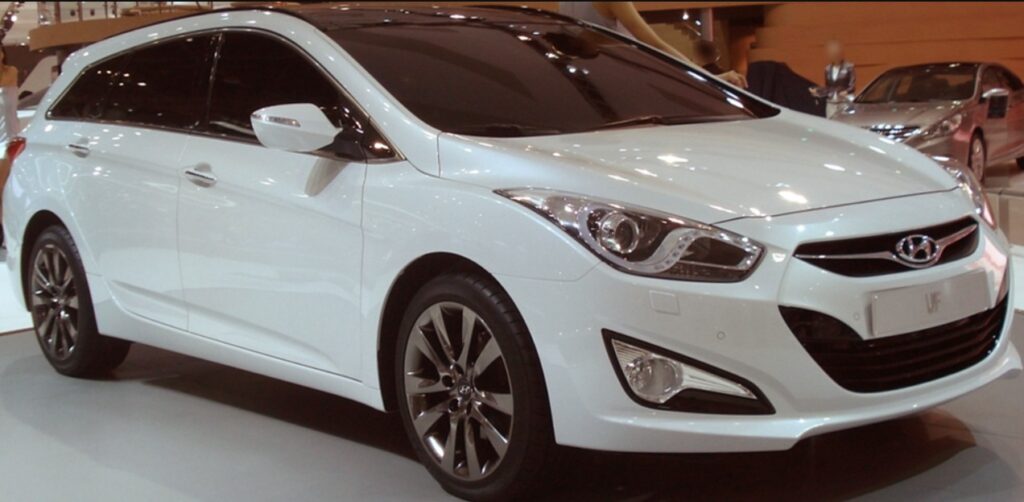
The Hyundai i40 has always been a slightly overlooked family car. It never generated the same excitement as a BMW 3 Series, nor did it become as familiar on European roads as the Volkswagen Passat or Ford Mondeo. Yet that anonymity can work in our favor. Used examples are spacious, comfortable, generously equipped, and often temptingly affordable.
There is one important question we need to answer before handing over our money, though: which Hyundai i40 years should we avoid?
The honest answer is more nuanced than simply circling one model year in red. No Hyundai i40 production year is universally disastrous. However, early cars appear more vulnerable to clutch, gearbox, suspension, and interior-quality complaints, while later diesel models require close attention to emissions equipment, service history, and certain recall campaigns.
As a practical rule, we would approach 2011–2014 Hyundai i40 models with the greatest caution, particularly high-mileage 1.7 CRDi manuals with incomplete maintenance records. We would also carefully inspect 2015–2017 dual-clutch automatic models, as transmission behavior and clutch condition can make the difference between a bargain and an expensive headache.
Finally, some i40s manufactured between late 2018 and 2020 were included in a safety campaign involving possible interruption of the engine’s oil supply and potential brake-booster failure. That does not mean every car from those years is faulty, but it makes a VIN recall check essential.
Let us separate the genuinely risky cars from the well-maintained examples worth buying.
Content in this publication
- Quick Answer: Which Hyundai i40 Years Should We Avoid?
- Hyundai i40 Reliability at a Glance
- Why the Earliest Hyundai i40 Models Deserve Extra Caution
- 2012 Hyundai i40: Affordable but Potentially Uneven
- 2013 Hyundai i40: Better Sorted, but Not Risk-Free
- 2014 Hyundai i40: One of the Last Pre-Facelift Cars
- The 2015 Facelift: Did Reliability Improve?
- 2015–2017 Hyundai i40: Years to Avoid or the Best Compromise?
- 2018–2020 Production: Recall Status Matters
- The 1.7 CRDi Diesel: Reliable Workhorse or Trouble Magnet?
- Manual Gearbox and Clutch Problems
- Suspension, Steering, and Wheel-Bearing Wear
- Brake Problems to Check
- Electrical and Interior Problems
- Interior Rattles and Build Quality
- Hyundai i40 Saloon vs Tourer: Which Is More Reliable?
- Best Hyundai i40 Years to Buy
- Hyundai i40 Years We Would Approach Most Carefully
- Used Hyundai i40 Inspection Checklist
- Is High Mileage a Deal-Breaker?
- Should We Buy a Hyundai i40 Today?
- Conclusion: Which Hyundai i40 Years Should We Avoid?
- Frequently Asked Questions
Quick Answer: Which Hyundai i40 Years Should We Avoid?
The Hyundai i40 years requiring the most caution are:
- 2011–2012: Earliest production cars with a greater chance of minor build-quality defects, rattles, clutch complaints, and unresolved teething problems.
- 2013–2014: Still associated with clutch judder, difficult manual gear selection, suspension wear, and diesel-related issues on poorly maintained cars.
- 2015–2017: Generally improved, but automatic 7-speed dual-clutch versions need an especially careful test drive.
- Late 2018–2020 production: Potentially affected by an oil-pump and brake-booster safety campaign, depending on VIN and market.
This is not a command to reject every i40 from those periods. A cared-for 2012 car may be a safer purchase than an abused 2018 example. Condition, usage pattern, maintenance records, and mechanical inspection matter more than the registration year alone.
Hyundai i40 Reliability at a Glance
The i40 is not inherently unreliable. In fact, survey evidence paints a more positive picture than many online horror stories suggest. What Car? reported that the i40 achieved a 92.3% reliability score in its 2023 ranking of used executive cars, placing fourth in that category.
Owner experiences are mixed, but many drivers report covering substantial mileage with little more than routine maintenance. Some long-term owners praise the i40 for its comfort, economy, and durability, while others mention gearbox, clutch, brake, trim, or electrical irritations.
That contrast tells us something important: the i40 is highly dependent on its previous life.
Many diesel i40s were purchased by company-car drivers, fleets, taxi operators, and high-mileage commuters. Long motorway journeys can be mechanically kinder than repeated cold starts and short urban trips, but a former working vehicle may also have accumulated enormous mileage. The odometer alone does not reveal the full story.
A clean service record is the map. Without it, we are driving through fog.
Why the Earliest Hyundai i40 Models Deserve Extra Caution
The i40 Tourer arrived first in Europe in 2011, followed by the saloon. As often happens with a completely new model, early production cars generated more complaints about small faults and inconsistent finishing.
Reported concerns included:
- Clutch judder or grinding
- Difficulty engaging first or reverse gear
- Dashboard and cabin rattles
- Boot-latch or tailgate problems
- Bluetooth connectivity faults
- Weak tailgate struts
- Windscreen or panoramic-roof noises
- Premature suspension wear
- General trim looseness
Used-car assessments have specifically mentioned clutch grinding, a sticking boot, Bluetooth problems, dashboard creaks, and other minor irritations.
None of these problems alone makes the i40 a bad car. Together, however, they suggest that the earliest examples can feel like a box of mismatched puzzle pieces. One car may be excellent; another may present a new squeak, warning light, or mechanical complaint every few months.
Should We Completely Avoid the 2011 Hyundai i40?
Not necessarily, but we should buy one only when the price reflects its age and risk.
A 2011 i40 with comprehensive invoices, smooth clutch operation, a quiet suspension, and evidence of mostly long-distance use can still provide affordable transport. Conversely, a suspiciously cheap car with no paperwork is unlikely to become cheaper after we own it.
At this age, almost every original wear component has had time to deteriorate. Even a fundamentally reliable vehicle may need:
- A clutch and dual-mass flywheel
- Shock absorbers or suspension bushes
- Wheel bearings
- Brake calipers
- Air-conditioning repairs
- A battery or alternator
- Diesel emissions-system cleaning
- Infotainment or electrical work
The badge on the bonnet cannot protect us from fifteen years of deferred maintenance.
2012 Hyundai i40: Affordable but Potentially Uneven
The 2012 model year is common on the used market and often looks remarkably modern for its age. Its flowing bodywork, large cabin, and high equipment levels can make it feel like much more car for the money.
However, this is also one of the years we would inspect most carefully.
Some owners have described noisy trim, rattling glass or roof components, and other quality-control concerns. Manual-transmission cars deserve particular attention because clutch and gear-selection complaints appear repeatedly in historical owner discussions.
Common Warning Signs on a 2012 Model
During a test drive, look for:
- Judder when moving away: This may point toward clutch contamination, clutch wear, flywheel trouble, or an earlier clutch design issue.
- Difficulty selecting first gear: A heavy or obstructive shift can indicate clutch hydraulics, linkage adjustment, synchromesh wear, or clutch drag.
- Grinding between gears: Never dismiss this as “normal for an old diesel.”
- Rattles over broken roads: Minor trim noise is annoying; heavy knocking may indicate suspension wear.
- Uneven tyre wear: This can expose alignment, bush, spring, or shock-absorber problems.
- Warning lights after startup: Confirm every dashboard light illuminates and then switches off correctly.
- Poor low-speed response: Possible causes range from intake contamination to EGR, turbo, DPF, sensor, or fuel-system issues.
The 2012 i40 is not an automatic rejection. It is simply a car that should earn our trust rather than receive it automatically.
2013 Hyundai i40: Better Sorted, but Not Risk-Free
By 2013, Hyundai had more time to address early-production imperfections. That makes a 2013 model potentially more appealing than a first-year example, but many vehicles still share the same basic engines, transmissions, and components.
At this age, maintenance condition now overshadows production improvements.
A 2013 car that has covered 150,000 motorway miles with regular oil changes may drive beautifully. A 70,000-mile urban diesel that has spent its life making short school-run journeys may have a far more troubled exhaust-treatment system.
The Mileage Paradox
Low mileage sounds attractive, but diesel engines do not always thrive on gentle, short-distance use. A diesel particulate filter needs suitable temperature and driving conditions to regenerate. Repeated short trips can prevent that process from completing.
This can lead to:
- Frequent regeneration attempts
- Rising fuel consumption
- Oil dilution
- DPF warning lights
- Reduced-power mode
- EGR contamination
- Intake-manifold deposits
- Turbocharger stress
Therefore, we should not ask only, “How many miles has it covered?” We should also ask, “How were those miles covered?”
2014 Hyundai i40: One of the Last Pre-Facelift Cars
The 2014 i40 sits near the end of the original pre-facelift period. It may offer a better balance than the earliest examples because some manufacturing wrinkles had been ironed out, yet it remains old enough for expensive wear items to become relevant.
Manual cars still require a thorough clutch assessment. Reports from this general production era describe stiff gear selection, difficulty engaging first gear, and the need to depress the clutch pedal fully before shifting.
When a 2014 i40 Is Worth Buying
A 2014 example becomes attractive when it has:
- Annual service evidence
- Correct oil specifications documented
- A clutch that engages smoothly
- No flywheel rattle at idle
- Clean, progressive acceleration
- No DPF or engine warning lights
- Quiet suspension over rough surfaces
- Functioning air conditioning
- Matching quality tyres
- Evidence that recall work has been checked
A detailed folder of invoices is often more valuable than shiny paint. Paint can be polished in an afternoon; neglected mechanical history cannot.
The 2015 Facelift: Did Reliability Improve?
Hyundai refreshed the i40 for 2015 with styling changes, equipment updates, engine revisions, and the availability of a 7-speed dual-clutch transmission on certain versions.
In many respects, the facelifted car is the sweet spot. It looks fresher, may feel more refined, and benefits from several years of production experience. Nevertheless, the introduction of additional transmission complexity created a different set of buying considerations.
You may be interested in reading Is Hyundai i40 a Good Car? An Honest Used-Car Review
Why the 7-Speed DCT Needs Attention
A dual-clutch transmission is designed to combine automatic convenience with quick, efficient gear changes. Conceptually, it works like two coordinated manual gearboxes. When healthy, it can be smooth and responsive. When worn or poorly calibrated, it may behave like two nervous drivers fighting over the clutch pedal.
Symptoms to watch for include:
- Shuddering when moving from rest
- Hesitation at junctions
- Delayed engagement of drive or reverse
- Surging during parking maneuvers
- Jerky low-speed shifts
- Gearbox overheating warnings
- Clutch smell
- Transmission warning messages
- Unusual mechanical rattling
Some later reports about i40 automatic transmissions describe jerky or delayed shifts and hesitation when moving away, particularly as mileage increases.
Not every hesitation is a sign of impending failure. Dual-clutch gearboxes naturally feel different from traditional torque-converter automatics. Still, pronounced shuddering, slipping, banging, or warning lights should stop the purchase until a specialist investigates.
2015–2017 Hyundai i40: Years to Avoid or the Best Compromise?
These years are difficult to classify because they may represent either the smartest purchase or the most expensive mistake.
A properly maintained facelifted manual diesel can be an excellent long-distance family car. A dual-clutch version with smooth operation and documented maintenance may also serve well. The danger lies in cars that have spent years crawling through heavy traffic, towing, repeatedly maneuvering on steep hills, or being driven with unresolved clutch judder.
Which Version Would We Choose?
For simplicity, we would lean toward a well-maintained manual, provided the clutch and flywheel pass inspection.
For convenience, the DCT can be worthwhile, but only after:
- A long test drive from cold
- Stop-and-go driving
- Hill starts
- Reverse maneuvers
- Full-throttle acceleration
- Diagnostic scanning
- Confirmation of software updates
- Review of gearbox or clutch invoices
We should never test a used DCT only on an open road. A failing dual-clutch transmission may feel perfectly acceptable at 60 mph and reveal its true personality in a supermarket parking lot.
2018–2020 Production: Recall Status Matters
Some later Hyundai i40 vehicles produced between December 20, 2018, and May 30, 2020, were identified in Ireland as part of a Hyundai safety recall covering specific diesel-powered vehicles.
The official notice stated that oil supply to the engine could be interrupted, potentially causing sudden engine damage. It also warned that the brake booster could fail, requiring significantly greater braking effort. The corrective action involved removing a metal screen from the oil pump and checking the tandem pump.
This issue does not justify avoiding every late i40. Recalls relate to particular production ranges, specifications, and VINs—not simply the year printed on a registration document.
How to Protect Ourselves
Before buying any i40, especially a late diesel:
- Obtain the 17-character VIN.
- Use Hyundai’s official recall checker for the relevant country.
- Ask a Hyundai dealer to confirm completed and outstanding campaigns.
- Request written evidence if the seller claims the work was performed.
- Do not assume a passed annual inspection proves recall completion.
Hyundai operates an official UK recall and service-campaign checker using the registration number or VIN.
There was also an earlier recall in Ireland concerning an ignition lock switch that might fail to operate, affecting a limited number of i40 vehicles. Again, VIN verification is the only sensible way to determine whether a specific car is involved.
The 1.7 CRDi Diesel: Reliable Workhorse or Trouble Magnet?
The 1.7 CRDi is the engine most closely associated with the Hyundai i40. It was offered in different power outputs and became popular because of its economy, adequate torque, and suitability for motorway driving.
Fundamentally, it can cover high mileages. The engine itself is often less problematic than the systems surrounding it.
Potential 1.7 CRDi Trouble Areas
We should inspect for problems involving:
- Diesel particulate filter
- Exhaust gas recirculation valve
- Intake carbon buildup
- Turbocharger and boost control
- Fuel injectors
- Glow plugs
- Sensors and wiring
- Oil leaks
- Clutch and dual-mass flywheel
- Oil-pump or tandem-pump recall work on affected later cars
A diesel warning light does not automatically mean the engine is ruined. Yet ignoring one can turn a manageable repair into a financial avalanche.
DPF Condition
Ask whether the car regularly completes motorway journeys. During the test drive, look for excessive fan operation, high idle speed, strong hot smells, warning lights, or a history of interrupted regenerations.
EGR and Intake Deposits
A contaminated EGR valve or intake system may cause hesitation, rough running, smoke, reduced power, or fault codes. These problems become more likely when the car is driven gently for short distances.
Turbocharger Health
Listen for a siren-like whine and check for smoke under acceleration. A small amount of turbo sound may be normal, but loud whining, oil consumption, power loss, or blue smoke requires investigation.
Manual Gearbox and Clutch Problems
Historical owner reports make clutch and manual gearbox condition one of the biggest concerns on early i40s. Complaints have included stiff shifting in cold weather, difficulty selecting first gear, and a clutch pedal that must be pressed completely to the floor.
Specialist repair sources also identify clutch slippage, grinding, hard shifting, gears popping out, and selection problems among the symptoms encountered on i40 manual transmissions.
How to Test the Clutch
Find a safe road, select a high gear at relatively low engine speed, and accelerate firmly. If the engine speed rises without an equivalent increase in road speed, the clutch may be slipping.
Also check for:
- Judder when pulling away
- A very high bite point
- Pedal vibration
- Flywheel rattling
- Difficulty engaging reverse
- Clunks when switching between acceleration and deceleration
- Fluid leakage around the clutch hydraulic system
A worn clutch is not unusual on an old car. The problem is the potential cost when the clutch, flywheel, release mechanism, and hydraulics all require attention together.
Suspension, Steering, and Wheel-Bearing Wear
The i40 is a heavy family car, and many examples have spent years carrying passengers, luggage, or commercial loads. Wear in the front suspension and wheel bearings should therefore come as no surprise.
Reported concerns include premature shock-absorber and wheel-bearing wear, particularly as mileage accumulates.
Listen for humming that changes with road speed, knocking over potholes, or a floating sensation after bumps. Uneven tyre wear may also reveal tired bushes, poor alignment, damaged springs, or weak dampers.
Large 18-inch wheels can look attractive, but they bring firmer ride quality, more expensive tyres, and greater vulnerability to kerb and pothole damage. Used-car guidance recommends checking higher-specification wheels carefully for damage.
Brake Problems to Check
Rear brakes deserve attention, particularly on older or lightly used cars. Calipers can become sticky, causing uneven pad wear, heat, poor fuel economy, or reduced braking efficiency.
After a test drive, compare wheel temperatures carefully without touching hot components. One wheel radiating much more heat than the others may suggest a binding brake.
We should also examine:
- Handbrake operation
- Brake-disc corrosion
- Steering-wheel vibration under braking
- Pedal pulsation
- Pulling to one side
- Brake-fluid replacement history
- ABS and stability-control warning lights
On affected later diesels, confirmation of the brake-booster-related recall work is especially important.
Electrical and Interior Problems
The i40’s electrical complaints are usually irritating rather than catastrophic, but repeated small faults can erode the joy of ownership like dripping water wearing down stone.
Possible trouble spots include:
- Bluetooth pairing
- Navigation operation
- Reversing camera
- Parking sensors
- Electric seat functions
- Heated seats
- Electronic parking brake
- Tailgate release
- Keyless entry
- Air-conditioning controls
- Panoramic-roof operation
- Dashboard warning lights
Test everything. Press every switch, connect a phone, use the camera, operate the windows, adjust the mirrors, and leave the climate control running.
You may be interested in readingIs Hyundai i40 a Good Car? An Honest Used-Car ReviewYou may be interested in reading
 Vauxhall Meriva Insurance Group UK: Costs, Ratings and Savings
Do not accept the phrase “It probably just needs a fuse” without proof. Sometimes it does. Sometimes that innocent fuse is hiding a damaged module, broken wire, water leak, or failed motor.
Interior Rattles and Build Quality
Some i40 owners report years of quiet, comfortable driving. Others complain about squeaks, rattles, cheap-feeling plastics, and wear around heavily used controls.
Used-car reviews recommend driving over rough surfaces to expose cabin noises and inspecting the interior carefully for deterioration.
A rattling dashboard is not mechanically dangerous, but it may reveal how the vehicle was treated. Excessively worn seat bolsters, steering-wheel shine, damaged load trim, or loose switches can also suggest that the displayed mileage does not tell the complete story.
Hyundai i40 Saloon vs Tourer: Which Is More Reliable?
Mechanically, the saloon and Tourer share many components, so there is no dramatic reliability divide between them.
The Tourer adds several components worth checking:
- Tailgate struts
- Rear wiper and washer
- Load-cover mechanisms
- Boot-latch operation
- Water leaks around the tailgate
- Rear suspension under load
- Electric tailgate equipment, where fitted
The Tourer was especially attractive to high-mileage drivers and commercial users. That means we may find a greater number of heavily used estates, but we may also find well-maintained motorway cars with impeccable service histories.
The body style is not the risk. Its former job is.
Best Hyundai i40 Years to Buy
For many buyers, a 2016–2018 Hyundai i40 with complete history offers the most attractive compromise.
These vehicles benefit from facelift improvements without being the oldest examples on the market. However, we still need to distinguish between transmission types and verify recall status.
Our preferred choices would be:
Best for Simplicity: Facelift Manual
A 2016–2018 manual car may provide the best balance of price, refinement, and mechanical simplicity. We would still budget for clutch and flywheel wear at higher mileage.
Best for Motorway Driving: Maintained 1.7 CRDi
A diesel with documented long-distance use, frequent oil changes, and no emissions-system warnings can be an efficient cruiser.
Best for Low Annual Mileage: Petrol Version
Petrol i40s are less common in some markets but can make more sense for drivers covering short journeys. They avoid several diesel-emissions complications, although fuel consumption may be higher and availability limited.
Best Automatic: Verified Facelift DCT
A later DCT can be considered when it shifts cleanly, has no stored transmission faults, and comes with convincing maintenance or repair records.
Hyundai i40 Years We Would Approach Most Carefully
If we had to create a simplified risk ranking, it would look like this:
| Model period | Risk level | Main concerns |
|---|---|---|
| 2011–2012 | Higher | Early-build faults, clutch, gear selection, rattles, age |
| 2013–2014 | Medium-high | Clutch/flywheel, diesel emissions, suspension wear |
| 2015–2017 manual | Medium | Condition-dependent clutch and diesel issues |
| 2015–2017 DCT | Medium-high | Low-speed shudder, hesitation, clutch wear |
| 2018–2020 | Medium | Recall verification, diesel-system condition |
| Any year without history | High | Unknown servicing, hidden wear, neglected faults |
This ranking is a buying guide, not a statistical declaration that every car within a period will fail.
Used Hyundai i40 Inspection Checklist
Before purchasing, we should complete the following checks.
Documents
- Full service book
- Itemized maintenance invoices
- Annual inspection history
- VIN recall status
- Number of previous owners
- Evidence of clutch, flywheel, DPF, or gearbox work
- Correct mileage progression
- Accident and finance-history report
Cold Start
- Engine starts quickly
- No heavy smoke
- No prolonged rattling
- Stable idle
- No warning messages
- No excessive injector noise
Test Drive
- Smooth clutch engagement
- Easy selection of every gear
- No DCT shudder
- Strong, consistent acceleration
- No turbo whistle or limp mode
- Straight braking
- Quiet wheel bearings
- Controlled suspension
- No steering vibration
Interior and Equipment
- Air conditioning becomes cold
- Parking sensors work
- Camera image is clear
- Bluetooth connects
- Heated seats operate
- Electronic parking brake works
- Tailgate opens correctly
- Panoramic roof moves without noise or hesitation
Professional Inspection
A pre-purchase inspection should include diagnostic scanning, underbody checks, leak inspection, DPF data, battery condition, brake measurements, suspension play, and confirmation of transmission behavior.
Spending modestly on an inspection can prevent us from purchasing a beautifully polished repair bill.
Is High Mileage a Deal-Breaker?
Not automatically.
The 1.7 CRDi was designed for long-distance use, and many i40s cover substantial mileage. A car with 130,000 documented motorway miles may be healthier than one with 70,000 miles of cold starts, blocked urban traffic, and irregular servicing.
High mileage becomes worrying when combined with:
- Missing records
- Old oil
- Clutch judder
- Transmission faults
- DPF warnings
- Smoke
- Oil consumption
- Suspension noise
- Cheap mismatched tyres
- Evidence of taxi use without supporting maintenance
We should buy history and condition, not an odometer fantasy.
Should We Buy a Hyundai i40 Today?
Yes, provided we choose carefully.
The i40 delivers impressive space and equipment for relatively little money. It can be comfortable, economical, and durable. Its understated appearance also keeps prices below many better-known competitors.
However, the cheapest example is rarely the best value. An early diesel with an uncertain clutch, clogged DPF, tired suspension, and malfunctioning electronics can consume its purchase-price advantage remarkably quickly.
The ideal i40 has:
- A transparent history
- Sensible previous use
- Smooth transmission behavior
- No warning lights
- Healthy emissions equipment
- Completed recall work
- Evidence of proactive maintenance
That car is not necessarily the newest or the lowest-mileage one. It is the one whose story makes sense.
Conclusion: Which Hyundai i40 Years Should We Avoid?
We should be most cautious with 2011–2014 Hyundai i40 models, especially manual diesels showing clutch judder, stiff gear selection, flywheel noise, suspension wear, or incomplete servicing.
We should also examine 2015–2017 DCT models closely for hesitation, shuddering, delayed engagement, and low-speed transmission problems.
For certain 2018–2020 diesel vehicles, VIN recall verification is essential because some production batches were involved in a campaign concerning possible engine oil-supply interruption and brake-booster failure.
Still, there is no single i40 year that every buyer must avoid. The car’s mechanical condition, service history, previous driving pattern, and completed recall work carry far more weight than its registration year.
A maintained i40 can feel like a hidden gem: quiet, roomy, economical, and refreshingly good value. A neglected one can become a wallet with wheels.
Choose the history, inspect the transmission, scan the electronics, verify the VIN, and let the individual car prove that it deserves a place on our driveway.
Frequently Asked Questions
1. What is the worst year for the Hyundai i40?
The earliest 2011 and 2012 models generally deserve the greatest caution because they combine first-production-year complaints with age-related wear. However, a well-maintained early car can still be better than a neglected later model.
2. Is the Hyundai i40 1.7 CRDi reliable?
The 1.7 CRDi can cover high mileage when serviced correctly and regularly driven on longer journeys. Its main risks often involve the DPF, EGR system, intake deposits, turbo controls, clutch, flywheel, and associated emissions equipment rather than the engine’s core structure.
3. Does the Hyundai i40 have gearbox problems?
Some manual cars have experienced clutch judder, stiff shifting, grinding, or difficulty selecting gears. Certain dual-clutch automatic models may hesitate or shudder at low speed. A long test drive and diagnostic scan are strongly recommended.
You may be interested in readingIs Hyundai i40 a Good Car? An Honest Used-Car ReviewYou may be interested in reading
Vauxhall Meriva Insurance Group UK: Costs, Ratings and SavingsYou may be interested in reading
Are Vauxhall Meriva Reliable? A Complete Used-Car Guide4. What is the best Hyundai i40 year to buy?
A well-maintained 2016–2018 facelift model is often the best compromise between age, equipment, refinement, and value. Manual versions may suit buyers seeking simplicity, while DCT examples require more careful transmission checks.
5. How many miles can a Hyundai i40 last?
There is no fixed lifespan, but a properly serviced i40 can exceed 150,000 miles. Long-term survival depends on oil-change history, transmission care, diesel-emissions maintenance, driving conditions, and whether faults were repaired promptly.
If you want to know other articles similar to Hyundai i40 Years to Avoid: The Complete Used-Car Guide you can visit the category Blog.
How Long Will a Subaru XV Last? Mileage, Lifespan, and Reliability Explained
Is Subaru XV a Good Car? An Honest Look at Reliability, Comfort, AWD and Ownership
Is Mazda CX-9 a Luxury Car? A Surprisingly Complicated Answer
How to Charge Leapmotor C10: Complete Charging Guide
Is Leapmotor C10 a Good Car? Full Review and Buyer’s Guide
BMW M2 Depreciation: How Well Does the M2 Hold Its Value?
Leave a Reply
More content of your interest