

Is Hyundai i40 a Good Car? An Honest Used-Car Review

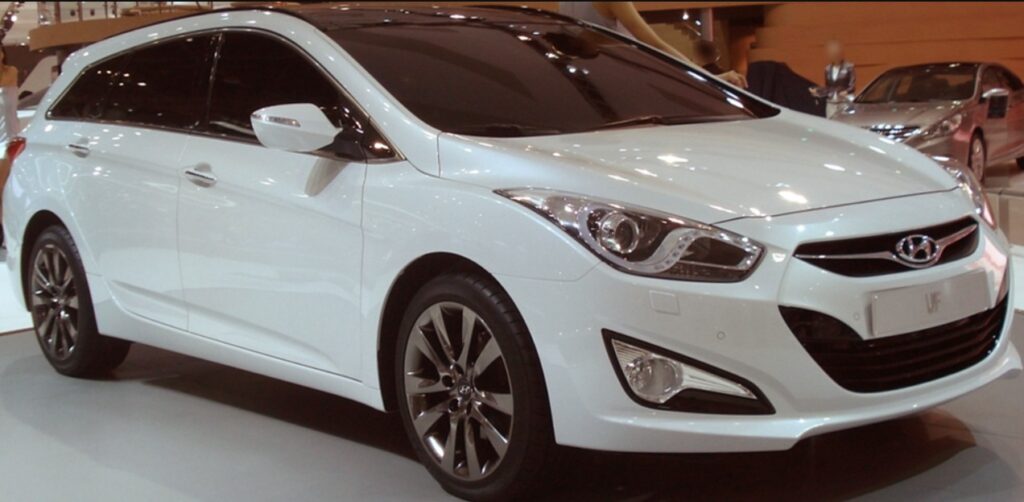
So, is Hyundai i40 a good car, or is it simply a forgotten family model hiding in the shadows of the Ford Mondeo, Volkswagen Passat, and Toyota Avensis?
For many used-car buyers, the Hyundai i40 is something of a quiet bargain. It does not carry a prestigious badge, dominate motorway overtaking lanes, or generate much excitement at weekend car meets. Yet that may be precisely why it deserves attention.
The i40 offers generous interior space, a large boot, plenty of equipment, respectable fuel economy, and generally sensible running costs. It is the automotive equivalent of a reliable pair of walking shoes: not especially glamorous, but comfortable, practical, and ready to cover serious ground.
That does not mean every Hyundai i40 is automatically a wise purchase. Diesel-related problems, electronic parking-brake faults, worn clutches, noisy suspension components, and neglected dual-clutch transmissions can turn an inexpensive car into a frustrating project.
Let us examine its reliability, comfort, performance, practicality, ownership costs, common problems, and overall value to determine whether the Hyundai i40 is genuinely worth buying.
Content in this publication
- What Is the Hyundai i40?
- Is the Hyundai i40 Generally a Good Car?
- Hyundai i40 Pros and Cons
- Is the Hyundai i40 Reliable?
- Which Hyundai i40 Engine Is Best?
- Is the Hyundai i40 Economical?
- What Is the Hyundai i40 Like to Drive?
- Is the Hyundai i40 Comfortable?
- How Practical Is the Hyundai i40?
- Hyundai i40 Safety
- Common Hyundai i40 Problems
- Is the Hyundai i40 Expensive to Maintain?
- Is the Hyundai i40 Good for Motorway Driving?
- Is the Hyundai i40 Good Around Town?
- How Does the Hyundai i40 Compare With Its Rivals?
- Who Should Buy a Hyundai i40?
- Who Should Avoid the Hyundai i40?
- What Should We Check Before Buying a Hyundai i40?
- Is a High-Mileage Hyundai i40 Worth Buying?
- Does the Hyundai i40 Hold Its Value?
- What Is the Best Hyundai i40 to Buy?
- Final Verdict: Is Hyundai i40 a Good Car?
- Frequently Asked Questions
What Is the Hyundai i40?
The Hyundai i40 is a large family car that was primarily developed for European buyers. It arrived in the early 2010s and was offered in two main body styles:
- A four-door saloon
- A five-door Tourer estate
It competed against models such as the Ford Mondeo, Vauxhall Insignia, Peugeot 508, Skoda Superb, Volkswagen Passat, Mazda6, and Toyota Avensis.
Unlike some rivals that chased sporty handling or premium design, the i40 concentrated on comfort, equipment, interior room, and value. Hyundai appeared to understand that many family-car buyers did not want a racing machine. They wanted something spacious, economical, and easy to live with.
That approach gave the i40 a distinct personality. It is not a car that constantly begs to be driven harder. Instead, it settles into long journeys like a comfortable armchair rolling down the motorway.
Is the Hyundai i40 Generally a Good Car?
Yes, the Hyundai i40 can be a very good used car, particularly for drivers who value comfort, practicality, and equipment more than sharp handling or badge appeal.
Its strongest qualities include:
- A spacious cabin
- A large and usable boot
- Comfortable motorway manners
- Generous equipment levels
- Economical diesel engines
- Competitive used prices
- A generally sensible control layout
- Good long-distance capability
Used-car reviewers have consistently recognised the i40 as spacious, well equipped, economical, and suitable for drivers who cover substantial motorway mileage. However, they have also criticised its ordinary driving experience and uneven interior material quality.
The important phrase is “can be.” Condition and maintenance history matter enormously. A carefully serviced i40 may provide years of dependable motoring. A neglected diesel that has spent its life making short urban trips could bring expensive emissions-system problems.
Hyundai i40 Pros and Cons
Before exploring the details, here is a balanced snapshot.
Main Advantages
- Excellent value on the used market
- Comfortable ride on most roads
- Strong motorway refinement
- Plenty of passenger space
- Large Tourer luggage compartment
- Good standard equipment
- Economical diesel options
- Attractive exterior styling
- Mature and easy-going character
- Less expensive than many equivalent Passats or Superbs
Main Disadvantages
- Uninspiring handling
- Some cheap-feeling interior plastics
- Diesel emissions equipment can cause trouble
- Certain automatic transmissions require careful inspection
- Petrol versions may be difficult to find
- Resale values are weaker than those of some rivals
- Large wheels can reduce ride comfort
- Electronic and parking-brake faults are possible
- Performance is adequate rather than exciting
The i40 is therefore not a flawless bargain. Think of it as a practical second-hand purchase with a few important pressure points that must be inspected before money changes hands.
Is the Hyundai i40 Reliable?
Overall Reliability Expectations
The Hyundai i40 has a reasonably solid reputation, but it is not completely immune to age-related problems. The basic engines and mechanical components can last well when serviced properly, particularly when oil changes have been completed on schedule.
A long-distance test of a diesel i40 Tourer found that its engine, clutch, and transmission showed no serious measurable wear after 100,000 kilometres. The test did identify smaller issues involving the navigation system, parking sensors, and minor corrosion, illustrating the car’s usual pattern: fundamentally durable mechanicals accompanied by occasional secondary faults.
That distinction matters. The i40 is not usually criticised because its engines routinely destroy themselves. More often, ownership complaints involve:
- Sensors
- Parking-brake components
- Infotainment equipment
- Diesel particulate filters
- Clutches
- Suspension noises
- Interior rattles
- Electrical accessories
Most of these issues are manageable, but several small repairs can quickly erase the saving made by buying a cheaper car.
Why Maintenance History Matters So Much
We would choose an i40 with slightly higher mileage and a complete service record over a lower-mileage example with mysterious gaps in its history.
A trustworthy history should show evidence of:
- Correct engine-oil changes
- Fuel-filter replacement on diesel models
- Brake-fluid servicing
- Transmission servicing where required
- Prompt investigation of warning lights
- Suitable motorway use for diesel versions
- Recall work and software updates
- Regular annual inspections
A folder filled with receipts tells a much better story than a freshly cleaned engine bay.
Do Not Judge Reliability by Mileage Alone
A 120,000-mile motorway car may be healthier than a 60,000-mile diesel that has spent ten years travelling three miles at a time.
Long journeys allow the engine to warm fully and help the diesel particulate filter complete regeneration cycles. Repeated short trips do the opposite. They encourage carbon accumulation, moisture contamination, battery weakness, and interrupted emissions-system operation.
Which Hyundai i40 Engine Is Best?
Engine availability varies by market and model year, but most used buyers will encounter petrol and CRDi diesel versions.
Hyundai i40 Diesel Engines
The diesel i40 is the version most closely associated with the model. It suits the car’s relaxed, long-distance nature and normally provides the strongest combination of torque and fuel economy.
A diesel may be the best choice when you:
- Drive substantial annual mileage
- Regularly use motorways or open roads
- Need stronger low-speed pulling power
- Carry passengers or luggage frequently
- Want maximum cruising efficiency
The diesel engine does not transform the i40 into a sports saloon. Its appeal lies in effortless progress. It can gather speed without demanding constant downshifts, making motorway driving feel calm rather than frantic.
However, diesel ownership comes with additional components that can fail or become clogged. These may include the diesel particulate filter, exhaust-gas recirculation system, turbocharger, injectors, and associated sensors.
Hyundai i40 Petrol Engines
A petrol i40 can make more sense for lower-mileage drivers, especially those who mainly complete short journeys.
Potential petrol advantages include:
- Fewer diesel emissions-system concerns
- Better suitability for urban driving
- Quieter operation when cold
- Simpler ownership patterns
- Less risk of DPF blockage
The trade-off is that petrol models may consume more fuel, provide less low-speed torque, and be harder to find in some used-car markets.
Diesel or Petrol: Which Should We Choose?
Choose based on actual usage rather than the lowest advertised fuel-consumption figure.
A diesel is usually more appropriate for regular long-distance journeys. A petrol model may be the safer choice for short commutes, school runs, occasional shopping trips, and limited annual mileage.
Buying the wrong engine for your driving routine is like buying hiking boots for walking around the kitchen. The product may be good, but the match is wrong.
Is the Hyundai i40 Economical?
Fuel economy is one of the i40’s main attractions, particularly in manual diesel form.
Official fuel-consumption figures can appear extremely impressive, although real-world results depend on engine choice, transmission, traffic, driving style, tyre pressure, temperature, and vehicle condition. Historical UK figures varied considerably between manual and automatic diesel versions, with the most economical Blue Drive variants receiving particularly strong official ratings.
In ordinary ownership, expect the best results from:
- A well-maintained diesel engine
- A manual gearbox
- Moderate cruising speeds
- Correct tyre pressures
- Light luggage loads
- Longer journeys
- Smooth acceleration
- Smaller wheels
Automatic models and cars fitted with larger wheels may use more fuel. Urban traffic also reduces the diesel’s advantage because cold engines and frequent acceleration are rarely efficient companions.
What Is the Hyundai i40 Like to Drive?
Comfort Comes Before Sportiness
The Hyundai i40 is designed around calm, predictable progress. Its steering is generally light, the suspension favours comfort, and the controls are easy to operate.
It feels most natural on:
- Motorways
- Dual carriageways
- Wide country roads
- Long commuting routes
- Family holidays
- Business journeys
At a steady cruising speed, the i40 becomes easy to appreciate. It tracks along confidently and does not constantly demand attention from the driver.
Is the Hyundai i40 Fun to Drive?
Not particularly.
The steering does not communicate as clearly as that of a Ford Mondeo or Mazda6, and the body may feel less controlled during rapid direction changes. Drivers who actively seek sharp cornering, fast responses, and a playful chassis may find the i40 rather sleepy.
But should a large family car behave like a hot hatchback?
For many buyers, the answer is no. Predictability, comfort, and stability matter more than excitement. The i40 understands its role, even if it performs that role without fireworks.
Ride Quality
Ride comfort is generally good, particularly on models with smaller wheels. Cars fitted with larger alloy wheels can feel firmer over potholes and broken surfaces.
During a test drive, use several road types. Smooth dealership routes can hide suspension knocks, wheel damage, and cabin rattles. Used-car guidance has specifically recommended driving the i40 over rougher surfaces to identify squeaks and rattles.
You may be interested in reading Vauxhall Meriva Insurance Group UK: Costs, Ratings and Savings
Is the Hyundai i40 Comfortable?
Comfort is one of the car’s greatest strengths.
The front seats normally provide enough support for long journeys, and the driving position offers good adjustment. The dashboard is clearly arranged, while the major controls can be operated without solving a touchscreen puzzle every time the temperature changes.
Passengers benefit from a wide cabin and respectable headroom. Rear space is generally useful for adults, although exact comfort depends on body style, seat position, and passenger height.
Some rival cars feel more luxurious, but the i40 succeeds by making long journeys relatively painless.
Interior Quality
The cabin is functional rather than premium.
Certain surfaces look attractive from a distance but feel hard when touched. Older examples may develop:
- Dashboard rattles
- Door-panel squeaks
- Worn steering-wheel trim
- Shiny seat bolsters
- Scratched centre consoles
- Loose luggage-area fittings
These problems are not necessarily mechanical concerns, but they affect how well the car ages. Inspect every button, storage compartment, air vent, seat mechanism, and electronic function.
How Practical Is the Hyundai i40?
Passenger Space
The i40 provides enough space for family use, commuting, airport runs, and extended trips. Front occupants receive generous room, while rear passengers normally have sufficient space for ordinary journeys.
The wide rear bench can accommodate three passengers, although the middle seat is naturally less comfortable than the outer positions.
Boot Space
Both body styles offer useful luggage capacity, but the Tourer is the obvious choice for maximum versatility.
The estate’s broad opening and more practical roofline make it suitable for:
- Pushchairs
- Suitcases
- Pet carriers
- Sports equipment
- Camping supplies
- Work tools
- Large weekly shopping trips
The saloon still offers good carrying capacity, though its boot opening is less flexible when loading bulky objects.
Is the Hyundai i40 Tourer a Good Family Car?
Yes. In many ways, the Tourer is the version that makes the strongest case for the i40.
It combines passenger comfort, a substantial cargo area, economical engines, and affordable used prices. It may not have the fashionable image of an SUV, but it can carry a comparable amount of everyday luggage while usually delivering better road manners and fuel economy.
For families who do not need high ground clearance, the Tourer remains a sensible alternative to a crossover.
Hyundai i40 Safety
The Hyundai i40 achieved a five-star Euro NCAP rating when tested in 2011. Its results included 92% for adult-occupant protection and 86% for child-occupant protection under the testing standards used at that time.
That was an excellent result for its era. However, safety-testing requirements have evolved significantly, so an older five-star rating should not be compared directly with the rating of a brand-new vehicle.
Depending on trim and market, safety equipment may include:
- Multiple airbags
- Electronic stability control
- Anti-lock brakes
- Hill-start assistance
- Parking sensors
- Reversing camera
- Lane-related assistance on certain versions
- Tyre-pressure monitoring
- ISOFIX mounting points
Always confirm the exact equipment fitted to the individual car. Trim names and standard features differed between countries and production years.
Common Hyundai i40 Problems
No used car should be purchased purely because its advertisement says “excellent condition.” We need to look beyond polished paint and scented upholstery.
Diesel Particulate Filter Problems
The DPF traps soot from the exhaust and periodically burns it away through regeneration. Frequent short journeys can interrupt this process.
Possible warning signs include:
- A DPF or engine warning light
- Reduced performance
- Increased fuel consumption
- Frequent cooling-fan operation
- Rising engine-oil level
- Limp mode
- Repeated forced regeneration
A blocked DPF can be expensive to clean or replace. Ask how the car was used and examine the service history for emissions-related work.
EGR Valve and Carbon Buildup
The exhaust-gas recirculation system can accumulate deposits, particularly in diesel cars used mainly at low speeds.
Symptoms may include rough running, hesitation, smoke, poor fuel economy, or an engine-management warning light.
Clutch and Dual-Mass Flywheel Wear
Manual cars should pull away smoothly without vibration or rattling. A high clutch biting point, slipping under acceleration, or knocking noises at idle may suggest clutch or flywheel wear.
Replacement can be expensive, so do not dismiss unusual noises as “normal for a diesel.”
Automatic and Dual-Clutch Transmission Concerns
Some later versions used a seven-speed dual-clutch transmission. Hyundai described this system as combining quick shifts with improved efficiency, although actual durability depends heavily on use, condition, and maintenance.
During a test drive, look for:
- Hesitation when pulling away
- Shuddering at low speed
- Harsh gear engagement
- Warning messages
- Delayed reverse selection
- Unusual whining
- Inconsistent shifts when hot
A slight difference in feel compared with a traditional torque-converter automatic may be normal, but pronounced juddering is not something we should ignore.
Electronic Parking-Brake Faults
Electronic parking-brake issues are worth checking carefully. Make sure the brake applies and releases repeatedly without warnings, grinding noises, or hesitation.
Test it on level ground and, where safe, on a gentle slope.
Suspension Knocks
Age, mileage, potholes, and heavy loads can wear suspension bushes, links, bearings, and dampers.
Drive slowly over uneven ground and listen for:
- Clunks
- Metallic knocks
- Creaking
- Rattling
- Repeated bouncing
Uneven tyre wear can also indicate alignment or suspension problems.
Electrical and Infotainment Issues
Check every electrical feature, including:
- Navigation
- Bluetooth
- Air conditioning
- Parking sensors
- Reversing camera
- Heated seats
- Electric seat adjustment
- Windows
- Mirrors
- Central locking
- Steering-wheel controls
- USB and power sockets
One faulty sensor may be inexpensive. Several simultaneous electrical problems may indicate battery weakness, damaged wiring, water ingress, or neglect.
Interior Squeaks and Cosmetic Wear
Cabin rattles are a recurring criticism in used i40 reviews. They do not normally stop the car from functioning, but they can become irritating on long journeys.
Check higher-mileage examples for worn trim, damaged seat fabric, loose door panels, and scratched plastics.
Check the Tailgate and Bodywork for Corrosion
Serious rust is not generally considered the i40’s defining weakness, but every older car deserves a careful inspection.
Look around:
- The underside of the tailgate
- Wheel arches
- Door edges
- Sills
- Suspension mounting areas
- Stone-chipped sections
- Previous accident repairs
Minor corrosion was observed on the tailgate of one high-mileage long-term test car, so this area is worth including in a pre-purchase inspection.
Is the Hyundai i40 Expensive to Maintain?
The i40 is usually less intimidating to maintain than a comparable premium-brand saloon. Routine service items are generally straightforward, and independent garages are familiar with Hyundai mechanical systems.
Typical ownership expenses include:
- Annual servicing
- Tyres
- Brake pads and discs
- Suspension components
- Battery replacement
- Air-conditioning maintenance
- Diesel-system cleaning or repairs
- Clutch and flywheel replacement
- Transmission servicing
Its affordability can become misleading when buyers choose the cheapest available example. A neglected car may need tyres, brakes, suspension work, a major service, and emissions-system repairs almost immediately.
A slightly more expensive i40 with excellent history may therefore be the cheaper car in the long run.
Are Hyundai i40 Parts Expensive?
Routine components are generally obtainable at reasonable prices, particularly through independent parts suppliers.
Costs become less predictable for:
You may be interested in readingVauxhall Meriva Insurance Group UK: Costs, Ratings and SavingsYou may be interested in reading
Are Vauxhall Meriva Reliable? A Complete Used-Car Guide- Original infotainment units
- Electronic parking-brake components
- Diesel injectors
- Turbochargers
- DPF assemblies
- Dual-clutch transmission parts
- Certain body panels and trim pieces
Parts availability may also depend on the country because the i40 was more common in some markets than others.
Is the Hyundai i40 Good for Motorway Driving?
This is where the i40 makes the most sense.
Its relaxed suspension, supportive seats, useful diesel torque, and stable cruising behaviour suit long-distance travel. The cabin is not completely silent, but it normally feels composed at motorway speeds.
The diesel engine may become noticeable under hard acceleration, yet once settled into a cruise, the car behaves like a patient long-distance companion.
For sales representatives, commuters, airport-transfer drivers, and families who regularly travel between cities, the i40 can represent excellent value.
Is the Hyundai i40 Good Around Town?
It is manageable, but urban driving is not its natural habitat.
The i40 is a substantial car, so narrow parking spaces and crowded streets may expose its size. Parking sensors and a reversing camera are therefore highly desirable.
A diesel model used exclusively in town may also face DPF and EGR problems. City-based buyers should seriously consider a petrol version or a smaller Hyundai unless they regularly complete longer journeys.
How Does the Hyundai i40 Compare With Its Rivals?
Hyundai i40 vs Ford Mondeo
The Mondeo is typically more enjoyable to drive and offers excellent long-distance ability. The i40 may provide more equipment for the same used price and can feel easier to understand from an ownership perspective.
Choose the Mondeo for sharper handling. Choose the i40 for value and equipment.
Hyundai i40 vs Volkswagen Passat
The Passat often feels more refined and has a stronger badge, but comparable examples may cost more. Its complexity can also lead to expensive repairs.
The i40 lacks some of the Volkswagen’s polish, yet it can offer a great deal of car for less money.
Hyundai i40 vs Skoda Superb
The Superb usually wins for rear legroom and total practicality. The i40 counters with attractive pricing, a comfortable cabin, and generous equipment.
For maximum space, the Superb remains difficult to beat. For a lower purchase price, the i40 deserves consideration.
Hyundai i40 vs Toyota Avensis
The Avensis has an especially strong reputation for dependable, uncomplicated ownership. The i40 often feels more stylish and may offer more equipment.
Buyers focused almost entirely on reliability may lean toward the Toyota. Buyers seeking stronger value and a more modern-looking cabin may prefer the Hyundai.
Hyundai i40 vs Peugeot 508
The Peugeot often feels more distinctive and may deliver stronger ride sophistication, depending on the version. The i40’s appeal lies in its straightforward controls, equipment, and approachable used prices.
The final decision should depend on condition rather than brand loyalty. A well-maintained i40 is a better purchase than a neglected 508, and the reverse is equally true.
Who Should Buy a Hyundai i40?
The Hyundai i40 may suit you when you need:
- An affordable large family car
- A comfortable motorway vehicle
- Plenty of standard equipment
- A spacious estate without SUV pricing
- Good diesel fuel economy
- A practical car for work or family duties
- Strong value rather than prestige
It is particularly attractive to sensible buyers who are willing to look beyond the badge.
Who Should Avoid the Hyundai i40?
Consider another model when you want:
- Sporty handling
- Premium interior materials
- Strong resale value
- A compact city car
- Modern active-safety technology
- High-performance engines
- An automatic that feels completely seamless
- A diesel for extremely short journeys
The i40 also makes little sense when the available example lacks a credible maintenance record. A cheap car without history is not automatically a bargain; sometimes it is merely an invoice wearing number plates.
What Should We Check Before Buying a Hyundai i40?
Use this checklist during the viewing and test drive.
Documents and History
- Confirm regular servicing.
- Check the mileage against inspection records.
- Look for outstanding finance.
- Verify recall completion.
- Examine receipts for clutch, DPF, EGR, turbo, and transmission work.
- Confirm that the vehicle identification number matches the documents.
Engine and Transmission
- Start the engine from cold.
- Listen for rattles, knocking, or excessive ticking.
- Check for warning lights.
- Watch for smoke.
- Test acceleration in several gears.
- Confirm smooth clutch operation.
- Test the automatic gearbox when cold and fully warm.
- Inspect the ground for leaks.
Interior and Equipment
- Test the electronic parking brake.
- Operate every window and mirror.
- Test the air conditioning.
- Pair a phone with Bluetooth.
- Check the navigation and screen.
- Test the parking sensors and reversing camera.
- Fold the rear seats.
- Inspect the boot for moisture.
- Listen for rattles on rough roads.
Body, Wheels, and Suspension
- Look for mismatched paint.
- Inspect panel gaps.
- Check all alloy wheels.
- Examine tyre tread and wear patterns.
- Listen for suspension knocks.
- Confirm the steering tracks straight.
- Check the tailgate and door edges for corrosion.
- Inspect underneath where safely possible.
Always Consider an Independent Inspection
A professional pre-purchase inspection can reveal accident repairs, oil leaks, worn suspension components, diagnostic trouble codes, and other faults that are difficult to identify during a brief viewing.
The cost of an inspection is small compared with the cost of replacing a DPF, flywheel, turbocharger, or transmission.
Is a High-Mileage Hyundai i40 Worth Buying?
A high-mileage i40 can still be worthwhile when most of those miles were completed on motorways and the car has been serviced consistently.
Evidence matters more than reassuring phrases from the seller.
A strong high-mileage example should:
- Start cleanly from cold
- Maintain stable engine temperature
- Shift gears smoothly
- Show no warning lights
- Have detailed service records
- Drive without suspension noise
- Have matching quality tyres
- Show no signs of overheating
- Demonstrate regular maintenance rather than emergency repairs
High mileage lowers the purchase price, but it also increases the likelihood of wear to the clutch, flywheel, suspension, wheel bearings, alternator, starter motor, and electronic accessories.
Approach with open eyes rather than automatic fear.
Does the Hyundai i40 Hold Its Value?
The i40 generally depreciated more heavily than several better-known rivals. That was disappointing for original owners but potentially excellent for used buyers.
Weak resale values allow buyers to obtain:
- More interior space
- Higher equipment levels
- Newer model years
- Lower initial purchase prices
The downside appears when it is time to sell. The car may remain less desirable than a comparable Volkswagen, Toyota, or Skoda.
However, once an older car has already completed most of its depreciation, condition becomes more important than badge value. A clean, well-documented i40 should always be easier to sell than a neglected example.
What Is the Best Hyundai i40 to Buy?
For regular long-distance use, a well-maintained diesel manual often represents the safest balance of fuel economy, simplicity, and usability.
For low annual mileage or short journeys, a petrol version may avoid some diesel-related risks.
The Tourer is ideal when luggage capacity matters. The saloon suits drivers who prefer its shape and do not need the estate’s larger opening.
Equipment is attractive, but condition should come first. We would rather own a clean mid-spec car with excellent records than a neglected top-spec model filled with malfunctioning gadgets.
Final Verdict: Is Hyundai i40 a Good Car?
Yes, the Hyundai i40 is a good car for the right buyer.
It is comfortable, spacious, well equipped, economical in diesel form, and often significantly cheaper than its obvious rivals. Its calm motorway manners and practical interior make it especially suitable for families, business drivers, and anyone who needs a large car without paying for a premium badge.
It is not the most exciting vehicle in its class. The steering is fairly remote, some cabin materials feel inexpensive, and certain models can develop DPF, EGR, clutch, transmission, parking-brake, suspension, or electrical problems.
None of that automatically makes the i40 a poor choice. It simply means that maintenance history must guide the purchase.
Find a carefully serviced example, choose the correct engine for your driving routine, complete a thorough inspection, and the Hyundai i40 can be an exceptionally sensible used car. It may not arrive with trumpets and spotlights, but it can quietly carry a family and its luggage for thousands of comfortable miles.
Sometimes the best car is not the one that makes the loudest entrance. It is the one that starts each morning, fits everyone inside, consumes fuel sensibly, and gets on with the job.
Frequently Asked Questions
1. Is the Hyundai i40 a reliable used car?
The Hyundai i40 can be reliable when it has received regular servicing and appropriate use. Diesel models require particular attention to the DPF, EGR system, turbocharger, clutch, and service history. Electrical accessories and the electronic parking brake should also be tested carefully.
2. How long can a Hyundai i40 last?
A maintained i40 can cover high mileage, particularly when used for long motorway journeys. There is no guaranteed lifespan, but regular oil changes, timely repairs, correct transmission maintenance, and careful driving can help it remain useful well beyond 100,000 miles.
3. Is the Hyundai i40 diesel engine good?
The diesel engine suits long-distance driving because it offers useful torque and strong fuel economy. It is less suitable for repeated short journeys, which can contribute to DPF blockage and carbon buildup. Condition and maintenance are more important than the engine badge alone.
4. Is the Hyundai i40 expensive to repair?
Routine servicing and common replacement parts are generally reasonably priced. Major repairs involving the diesel particulate filter, injectors, turbocharger, dual-mass flywheel, electronic parking brake, or dual-clutch transmission can be expensive.
You may be interested in readingVauxhall Meriva Insurance Group UK: Costs, Ratings and SavingsYou may be interested in reading
Are Vauxhall Meriva Reliable? A Complete Used-Car GuideYou may be interested in reading
Is Vauxhall Meriva a Good Car? An Honest Used-Car Guide5. Should I buy a Hyundai i40 Tourer?
The i40 Tourer is worth considering when you need a spacious, comfortable, and affordable estate. It offers a practical luggage area and works well for families or motorway users. Buy only after checking its maintenance history, electronics, transmission, suspension, and diesel emissions equipment.
If you want to know other articles similar to Is Hyundai i40 a Good Car? An Honest Used-Car Review you can visit the category Blog.
Land Rover Defender 90 Reliability: How Dependable Is It Really?
How Long Will a Subaru XV Last? Mileage, Lifespan, and Reliability Explained
Is Subaru XV a Good Car? An Honest Look at Reliability, Comfort, AWD and Ownership
Is Mazda CX-9 a Luxury Car? A Surprisingly Complicated Answer
How to Charge Leapmotor C10: Complete Charging Guide
Is Leapmotor C10 a Good Car? Full Review and Buyer’s Guide
Leave a Reply
More content of your interest