
Peugeot 206 Tyre Size: Complete Fitment Guide

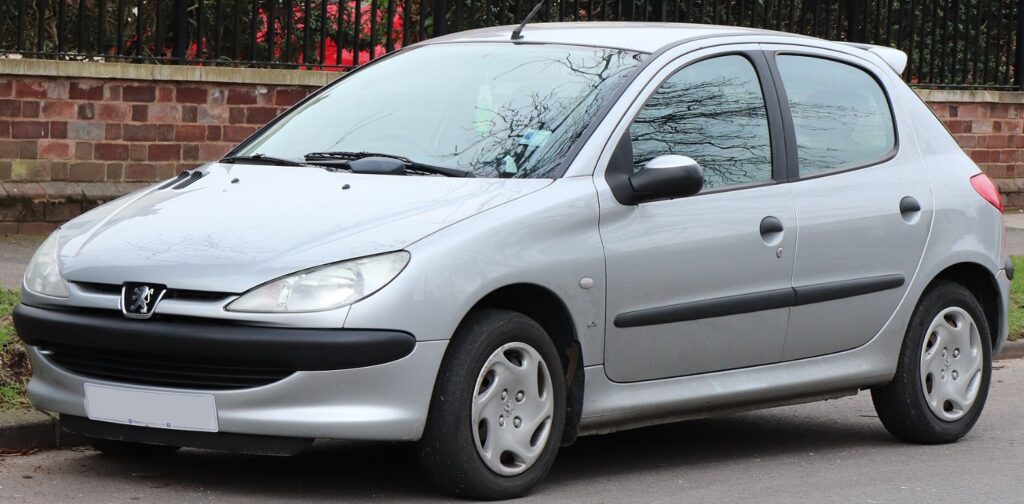
Choosing the correct Peugeot 206 tyre size looks simple until we begin comparing model years, engines, body styles, trim levels, and wheel options. One 206 may leave the factory with compact 13-inch wheels, while another wears sporty 17-inch alloys. Both can be correct, but they are not necessarily interchangeable.
For many standard Peugeot 206 hatchbacks, 175/65 R14 is one of the most common factory tyre sizes. However, depending on the version, original or approved sizes can also include 165/70 R13, 175/70 R13, 185/65 R14, 185/55 R15, 195/55 R15, 205/45 R16, and 205/40 R17. Tyre databases consistently warn that the final choice must be checked against the vehicle’s exact year, engine, trim, body style, and approval label.
Think of tyre size like shoe size. A pair may look perfect on the shelf, but appearance means little if it does not fit correctly. The wrong tyres can affect comfort, handling, braking, fuel economy, speedometer accuracy, and even legal compliance.
In this guide, we will decode Peugeot 206 tyre markings, explore common factory sizes, compare alternative fitments, and explain how to identify the correct tyres for your particular car.
Content in this publication
- What Is the Standard Peugeot 206 Tyre Size?
- How to Read a Peugeot 206 Tyre Size
- Peugeot 206 Tyre Sizes by Wheel Diameter
- Peugeot 206 Tyre Size by Body Style
- Where to Find the Correct Tyre Size
- Can We Fit Wider Tyres to a Peugeot 206?
- Best Peugeot 206 Tyre Size for Comfort
- Best Peugeot 206 Tyre Size for Handling
- Best Peugeot 206 Tyre Size for Fuel Economy
- Should All Four Tyres Be the Same Size?
- Common Peugeot 206 Tyre-Size Mistakes
- How Tyre Size Affects Peugeot 206 Driving
- Choosing the Right Tyre Type
- Peugeot 206 Tyre Replacement Checklist
- When Should Peugeot 206 Tyres Be Replaced?
- Final Thoughts on Peugeot 206 Tyre Size
- Frequently Asked Questions
What Is the Standard Peugeot 206 Tyre Size?
There is no single tyre size covering every Peugeot 206 ever built. The range included small petrol hatchbacks, diesel models, estates, saloons, sporty GT versions, the 206 RC, and the folding-roof 206 CC.
Nevertheless, these are among the most frequently listed original or approved Peugeot 206 sizes:
| Tyre size | Typical application |
|---|---|
| 165/70 R13 | Selected entry-level versions |
| 175/70 R13 | Some early small-engine models |
| 175/65 R14 | Many standard hatchbacks and diesels |
| 185/65 R14 | Selected versions and markets |
| 185/55 R15 | Higher trims and optional alloy wheels |
| 195/55 R15 | Certain variants |
| 195/50 R15 | Common alternative on compatible wheels |
| 205/45 R16 | Sport-oriented versions |
| 205/40 R17 | GT, RC, or performance-style fitments |
The range above should be treated as a general reference rather than a universal shopping list. A recognised tyre selector lists factory sizes from 165/70 R13 through 205/40 R17, while Michelin separates its Peugeot 206 recommendations by versions such as the 206, 206 CC, 206 GT, 206 RC, 206 S16, Sedan, and SW.
Why 175/65 R14 Is So Common
The 175/65 R14 size sits in a practical sweet spot. It is wide enough to provide dependable grip without adding unnecessary rolling resistance, while its relatively generous sidewall helps absorb broken asphalt, potholes, and expansion joints.
That balance suits the personality of the ordinary 206 perfectly. The car was designed to feel light and agile rather than heavy and over-tyred. On a standard hatchback, a sensible 14-inch setup often gives us:
- Comfortable everyday driving
- Predictable steering
- Affordable replacement tyres
- Reasonable fuel consumption
- Better pothole protection than low-profile tyres
- A broad selection of tyre brands
Australian vehicle data, for example, lists 175/65 R14 for certain 2007 Peugeot 206 hatchbacks with 5.5-by-14-inch wheels. Specialist fitment databases also show this as an original size for several 206 versions.
Why Some Peugeot 206 Models Use Different Sizes
Peugeot adjusted wheel and tyre specifications according to factors such as:
- Engine power
- Vehicle weight
- Suspension setup
- Brake dimensions
- Trim level
- Body design
- Intended performance
- Regional homologation requirements
A basic 1.1-litre hatchback does not have the same requirements as a 206 RC. The smaller model benefits from inexpensive, comfortable tyres, while the performance version needs a wider contact patch and a lower sidewall to support sharper steering and stronger cornering.
How to Read a Peugeot 206 Tyre Size
Let us use 175/65 R14 82H as an example. Each character tells us something important.
175: Tyre Width
The first number shows the nominal width of the tyre in millimetres.
A 175 tyre is approximately 175 mm wide from sidewall to sidewall when installed on an appropriate wheel. Moving to a wider tyre may increase dry-road grip, but it can also produce heavier steering, greater rolling resistance, more road noise, and a higher chance of rubbing.
Wider is not automatically better. Sometimes it is like fitting hiking boots for a walk through the supermarket—impressive, perhaps, but unnecessary.
65: Aspect Ratio
The second number represents the sidewall height as a percentage of the tyre width.
In 175/65 R14, the sidewall height is 65% of 175 mm:
175 × 0.65 = 113.75 mm
A higher profile generally provides more cushioning. A lower profile usually sharpens steering response but transmits more bumps into the cabin.
R: Radial Construction
The letter R means the tyre uses radial construction. Nearly all modern passenger-car tyres are radial, including those commonly fitted to the Peugeot 206.
14: Wheel Diameter
The number after the R is the wheel diameter in inches.
Therefore:
- R13 fits a 13-inch wheel
- R14 fits a 14-inch wheel
- R15 fits a 15-inch wheel
- R16 fits a 16-inch wheel
- R17 fits a 17-inch wheel
A 14-inch tyre cannot be stretched onto a 15-inch wheel, and a 15-inch tyre cannot safely fit a 14-inch wheel. The diameter must match exactly.
82: Load Index
The load index identifies the maximum load each tyre can support under specified conditions. For example, a load index of 82 corresponds to 475 kg per tyre. Retail listings for Peugeot 206 tyres commonly show 175/65 R14 products with an 82 load index.
We should never fit a load index lower than the vehicle manufacturer’s approved requirement.
H: Speed Rating
The final letter is the speed rating. Common Peugeot 206 ratings may include T, H, or V, depending on the version and tyre size.
Typical maximum-rated speeds include:
- T: 190 km/h
- H: 210 km/h
- V: 240 km/h
The rating is not an invitation to drive at that speed. It indicates the tyre’s tested performance category under controlled conditions.
Peugeot 206 Tyre Sizes by Wheel Diameter
Sorting the options by rim diameter makes the range easier to understand.
13-Inch Peugeot 206 Tyres
Smaller-engine and entry-level cars may use sizes such as:
- 165/70 R13
- 175/70 R13
A fitment database for the 2000 Peugeot 206 1.1i, for example, identifies 175/70 R13 as an original size and lists 14- and 15-inch alternatives for compatible configurations.
Advantages of 13-Inch Wheels
Thirteen-inch tyres tend to offer:
- Low replacement cost
- Soft ride quality
- Good pothole resistance
- Light steering
- Modest rolling resistance
Their drawback is mainly visual and dynamic. They can make the car look less sporty, and the taller sidewall may feel less precise during quick direction changes.
14-Inch Peugeot 206 Tyres
Common 14-inch sizes include:
- 175/65 R14
- 185/65 R14
For many owners, 14 inches represents the most balanced setup. We retain decent comfort while gaining a more planted feel than we would normally get from smaller wheels.
The 175/65 R14 size is particularly common across standard 206 variants and remains widely available from budget, mid-range, and premium manufacturers. Multiple tyre retailers identify it as a suitable or original Peugeot 206 fitment.
15-Inch Peugeot 206 Tyres
Typical 15-inch fitments include:
- 185/55 R15
- 195/55 R15
- 195/50 R15
Fifteen-inch wheels give the 206 a more purposeful stance. They can improve steering response and cornering stability, provided the wheel width, offset, tyre diameter, and suspension clearance are correct.
The 185/55 R15 size appears frequently as an original or approved fitment, while 195/50 R15 is often presented as an alternative for compatible models.
Is 195/50 R15 Suitable for a Peugeot 206?
It can be suitable for some versions, especially as an alternative to 175/65 R14.
Let us compare their approximate overall diameters:
- 175/65 R14: 583.1 mm
- 195/50 R15: 576.0 mm
The difference is roughly 1.2%, which is relatively small. That helps preserve sensible speedometer behaviour and gearing. However, mathematical compatibility does not guarantee physical or legal compatibility.
Before fitting 195/50 R15 tyres, we must confirm:
- Wheel width
- Wheel offset
- Brake clearance
- Suspension clearance
- Bodywork clearance
- Load and speed ratings
- Local vehicle regulations
- Manufacturer approval
16-Inch Peugeot 206 Tyres
The best-known 16-inch size is:
- 205/45 R16
This setup is associated with sportier versions and upgraded alloy-wheel packages. The lower sidewall gives the steering a more immediate feel, almost as if the car has swapped soft trainers for tightly laced running shoes.
However, that responsiveness comes with trade-offs:
- Firmer ride
- More road noise
- Higher tyre cost
- Greater risk of wheel damage
- Less protection from potholes
- Potentially heavier steering
17-Inch Peugeot 206 Tyres
A common performance-oriented size is:
- 205/40 R17
This size is widely listed among Peugeot 206 factory fitments, especially in connection with the more powerful or sporting end of the range.
Seventeen-inch wheels can look excellent on a 206, but they are less forgiving. With only a slim layer of rubber between the wheel and the road, sharp potholes can feel like hammer blows.
For a weekend car or sporty build, that compromise may be acceptable. For daily urban driving on rough roads, a 14- or 15-inch setup may be more sensible.
Peugeot 206 Tyre Size by Body Style
The body shape matters because Peugeot offered several distinct versions.
Peugeot 206 Hatchback Tyre Size
The hatchback has the widest spread of possibilities because it was sold with many engines and trims.
Common sizes include:
- 165/70 R13
- 175/70 R13
- 175/65 R14
- 185/55 R15
- 195/50 R15
- 205/45 R16
- 205/40 R17
A basic model will normally sit near the smaller end of the range. GT, S16, GTi, or RC-style versions are more likely to use wider, lower-profile tyres.
Peugeot 206 CC Tyre Size
The 206 CC is heavier than the equivalent hatchback because of its folding metal roof and reinforced structure. It was also generally sold with more powerful engines.
Commonly encountered 206 CC sizes include:
- 185/55 R15
- 195/55 R15
- 205/45 R16
Exact fitment depends on the engine, production year, market, and wheel package. Tyre specialists therefore divide 206 CC recommendations by engine version rather than giving one universal size.
Peugeot 206 SW Tyre Size
The estate-bodied 206 SW may use familiar hatchback sizes, including:
- 175/65 R14
- 185/55 R15
- 195/55 R15
- 205/45 R16 on sportier versions
Because the SW can carry more luggage, we must pay particularly close attention to load ratings and rear tyre pressure when the car is fully loaded.
Peugeot 206 Sedan Tyre Size
The four-door 206 Sedan was offered in selected international markets and may use sizes such as:
- 175/65 R14
- 185/65 R14
- 185/55 R15
Regional differences are important here. A size approved for a European hatchback cannot automatically be assumed correct for a South American, Middle Eastern, or other market-specific saloon.
Peugeot 206 GT, GTi, S16 and RC Tyre Size
Sporting versions tend to use larger wheels and lower-profile tyres, including:
- 195/55 R15
- 205/45 R16
- 205/40 R17
The brakes on performance models may also prevent us from fitting certain smaller wheels, even when the tyre’s outside diameter appears mathematically acceptable.
Where to Find the Correct Tyre Size
The safest answer is already printed somewhere on the car or in its documentation.
Check the Existing Tyre Sidewall
Look at the sidewall of the tyre currently fitted. You should see a marking such as:
175/65 R14 82H
This gives us a useful starting point, but it is not absolute proof. A previous owner may have installed a non-standard size.
Check the Tyre-Pressure Label
Depending on the version and market, the tyre-information sticker may be located:
- Inside a front door opening
- On a door pillar
- Near the fuel-filler flap
- Inside the glove compartment
The label may show approved tyre sizes and recommended pressures for normal and fully loaded driving.
Read the Owner’s Manual
The owner’s handbook may identify approved wheel and tyre combinations or explain where to locate the vehicle-specific label.
Check the Registration or Approval Documents
Some countries list approved tyre dimensions on the registration document, inspection certificate, certificate of conformity, or homologation paperwork.
Ask a Peugeot Dealer or Tyre Specialist
Provide the specialist with the car’s:
- Vehicle identification number
- Model year
- Engine size
- Body style
- Trim level
- Current wheel diameter
A VIN-based check is far more reliable than buying tyres solely because an online listing says “fits Peugeot 206.”
Tyre retailers themselves advise customers to double-check the dimensions directly on the vehicle before ordering.
Can We Fit Wider Tyres to a Peugeot 206?
Possibly, but the decision requires more than choosing a tyre that looks sportier.
A wider tyre may provide:
- More dry-road grip
- Sharper steering response
- A fuller wheel-arch appearance
- Better traction during hard acceleration
It may also create:
- Increased rolling resistance
- Higher fuel consumption
- More tramlining
- Heavier steering
- Greater aquaplaning sensitivity
- Clearance problems
- Additional suspension stress
- More expensive replacements
One former 206 owner described increased road holding after switching to wider 15-inch tyres but also reported heavier steering and an increase in fuel use. That is an individual experience rather than a controlled test, but it illustrates the typical compromises involved.
Overall Diameter Matters
When changing sizes, the replacement tyre should remain close to the original overall diameter.
A major diameter change can affect:
- Speedometer readings
- Odometer readings
- Effective gearing
- Acceleration
- Engine speed
- ABS behaviour
- Stability systems
- Wheel-arch clearance
Many fitment professionals aim to keep the difference within a small percentage, often around 2% or less where regulations permit. Local legal limits can differ, so we should not treat a general rule as official approval.
Wheel Offset Matters Too
The Peugeot 206 commonly uses a 4x10⁸ bolt pattern, but bolt pattern alone does not make a wheel suitable. Wheel width, offset, centre bore, bolt seat, brake clearance, and tyre dimensions all matter. Fitment references commonly list a 65.1 mm centre bore and version-dependent offsets, while warning that minimum wheel size varies by model.
A wheel with the wrong offset may sit too far inward or outward. That can cause rubbing, poor handling, accelerated bearing wear, or bodywork interference.
Best Peugeot 206 Tyre Size for Comfort
For many standard cars, 175/65 R14 is an excellent comfort-focused choice when it is manufacturer-approved.
Its taller sidewall acts like a small cushion, softening sharp impacts before they reach the suspension. It also makes replacement tyres relatively affordable.
A 13-inch option may feel even softer on certain models, but the difference depends on tyre construction, pressure, wheel weight, and suspension condition.
Best Peugeot 206 Tyre Size for Handling
Where approved, sizes such as 185/55 R15, 195/50 R15, or 205/45 R16 may provide a more responsive feel.
The sidewalls flex less, so steering inputs reach the road more quickly. Yet handling does not depend on width alone. A premium 175 mm tyre can outperform a cheap 205 mm tyre in wet braking, aquaplaning resistance, and predictability.
Tyre quality matters more than aggressive appearance.
Best Peugeot 206 Tyre Size for Fuel Economy
Narrower, lighter factory-approved tyres will usually be the most economical choice. For a standard 206, that may mean staying with a 13- or 14-inch configuration rather than moving to heavy 16- or 17-inch wheels.
Fuel economy is affected by:
- Tyre width
- Rolling-resistance rating
- Air pressure
- Wheel weight
- Alignment
- Driving speed
- Road surface
- Vehicle load
We should not downsize below the approved specification merely to save fuel. Safety, braking capacity, load rating, and brake clearance remain more important.
Should All Four Tyres Be the Same Size?
For most standard front-wheel-drive Peugeot 206 models, all four tyres should have the same approved size unless official documentation specifies otherwise.
Ideally, they should also share:
- The same construction
- Similar tread design
- Matching load ratings
- Suitable speed ratings
- Similar tread depth
- The same seasonal category
Mixing significantly different tyres can make the front and rear axles respond differently in rain or emergency manoeuvres.
When replacing only two tyres, many safety organisations and tyre manufacturers recommend installing the newer or deeper-tread pair on the rear axle to reduce the risk of sudden oversteer on wet roads. Follow the tyre manufacturer’s guidance and any local requirements.
Common Peugeot 206 Tyre-Size Mistakes
Even experienced owners can make simple errors.
Buying by Model Name Alone
“Peugeot 206” is not enough information. We need the year, engine, trim, body style, and wheel specification.
Copying Another Owner’s Setup
A wheel that fits a 1.4 hatchback may not clear the brakes on an RC. Conversely, an RC-style wheel may be unnecessarily heavy for a basic 1.1 model.
Ignoring Load and Speed Ratings
The size may match while the load or speed rating does not. We must read the complete marking, not just the first three numbers.
Assuming Bigger Means Safer
Larger tyres may improve some aspects of dry handling, but they can reduce comfort and aquaplaning resistance. Poor-quality wide tyres are not an upgrade over high-quality factory-sized tyres.
Forgetting About the Spare Wheel
After changing the road-wheel diameter, confirm that the spare tyre remains compatible for temporary use and that its pressure is correct.
Using the Sidewall’s Maximum Pressure
The pressure printed on the tyre sidewall is not necessarily the Peugeot-recommended operating pressure. Use the vehicle’s pressure label or official documentation instead.
How Tyre Size Affects Peugeot 206 Driving
Tyres influence nearly everything we feel through the steering wheel and seat.
Ride Comfort
A taller sidewall flexes more and absorbs road imperfections. This is why 13- and 14-inch wheels often feel calmer on rough roads.
Steering Response
Low-profile tyres respond more quickly to steering input. The car can feel sharper, although it may also become nervous on uneven surfaces.
Braking
A suitable tyre with strong wet and dry braking performance is more valuable than width alone. Compound quality, tread design, temperature, and tyre condition all affect stopping distance.
Road Noise
Wider performance tyres can produce more road noise, particularly on coarse asphalt. Tread pattern and tyre construction also make a major difference.
Fuel Consumption
Wider tyres and heavier wheels generally demand more energy to accelerate and maintain speed. The change may be small, but it becomes noticeable over thousands of kilometres.
Speedometer Accuracy
Increasing the overall diameter means the car travels farther per wheel revolution. The actual speed may then be higher than the displayed speed. Reducing the diameter has the opposite effect.
Choosing the Right Tyre Type
Once we know the correct size, we still need to choose a tyre category.
Summer Tyres
Summer tyres suit mild or warm conditions and usually provide strong wet and dry performance above winter temperatures.
All-Season Tyres
All-season tyres offer convenience in areas with moderate seasonal variation. They can be a sensible option when winters are not severe.
Winter Tyres
Winter tyres use compounds and tread patterns designed for low temperatures, snow, and ice. They should be fitted as a complete set rather than mixed randomly with summer tyres.
A premium tyre may offer better wet braking, longevity, noise control, and consistency. A reputable mid-range tyre can provide excellent value for an older 206.
The cheapest unknown tyre is rarely the best bargain. Tyres are the car’s only contact with the road, and each contact patch is roughly the size of a hand. That is a surprisingly small foundation for every steering, braking, and acceleration command we make.
Peugeot 206 Tyre Replacement Checklist
Before paying for a new set, verify the following:
- Confirm the approved tyre size.
- Check the wheel diameter and width.
- Match or exceed the required load index.
- Use an appropriate speed rating.
- Inspect the wheel offset and clearance.
- Choose a suitable seasonal tyre.
- Compare wet-grip and efficiency labels.
- Check the tyre’s production date.
- Replace damaged valves where appropriate.
- Balance all newly fitted wheels.
- Check wheel alignment if wear is uneven.
- Tighten wheel bolts to the correct specification.
- Recheck pressure when the tyres are cold.
- Inspect the spare tyre.
- Confirm that no tyre rubs at full steering lock.
When Should Peugeot 206 Tyres Be Replaced?
Replace a tyre when it has:
- Reached the legal tread-depth limit
- Visible cords or structural damage
- Sidewall bulges
- Deep cuts or cracking
- Irreparable punctures
- Severe uneven wear
- Persistent air loss
- Age-related deterioration
Do not judge a tyre only by tread depth. An old tyre may have plenty of tread but hardened rubber and cracked sidewalls.
Because legal tread limits and inspection rules vary by country, we should check the regulations that apply where the car is registered and driven.
Final Thoughts on Peugeot 206 Tyre Size
The most common Peugeot 206 tyre size is often 175/65 R14, particularly on ordinary hatchbacks. Yet the full family covers everything from modest 13-inch tyres to sporty 17-inch fitments.
That variety is precisely why guessing is risky.
The correct choice depends on the car’s year, engine, trim, body style, wheels, and regional approval. Before ordering, check the tyre-information label, handbook, registration documents, or VIN-based manufacturer data.
For comfortable everyday driving, an approved 14-inch setup is difficult to fault. For sharper handling, an approved 15- or 16-inch combination may be worthwhile. Performance models can use 17-inch tyres, but their firmer ride and higher replacement cost will not suit everyone.
Ultimately, the best tyre size is not the largest one we can squeeze beneath the wheel arches. It is the size Peugeot approved for the car, fitted with a good-quality tyre that matches our climate, roads, and driving style.
Frequently Asked Questions
1. What is the most common Peugeot 206 tyre size?
The most common size is 175/65 R14, especially on standard Peugeot 206 hatchbacks. However, the correct size varies according to model year, engine, trim, body style, and market.
2. Can I fit 195/50 R15 tyres to a Peugeot 206?
Yes, 195/50 R15 is a commonly listed alternative for some Peugeot 206 configurations. It should only be used when the wheel width, offset, load rating, speed rating, clearance, and local approval requirements are suitable.
3. What tyre size does a Peugeot 206 CC use?
Common Peugeot 206 CC sizes include 185/55 R15, 195/55 R15, and 205/45 R16. Check the vehicle label or VIN because engine and trim differences can change the approved specification.
4. Can I put 17-inch wheels on a Peugeot 206?
Some sporting versions use 205/40 R17 tyres, but that does not mean every 206 can safely accept 17-inch wheels. Brake clearance, offset, wheel width, suspension clearance, and legal approval must be verified.
5. Where is the Peugeot 206 tyre size written?
The size is printed on the tyre sidewall. Approved specifications may also appear on the vehicle’s tyre-pressure label, in the owner’s manual, on registration or conformity documents, or in Peugeot’s VIN-based records.
If you want to know other articles similar to Peugeot 206 Tyre Size: Complete Fitment Guide you can visit the category Service and Parts.
Nissan Rogue Oil Change Cost: Prices, Service Options, and What to Expect
Nissan Rogue Key Battery Replacement: Easy Step-by-Step Guide
Nissan Rogue Oil Change Interval: Complete Guide by Model Year
Nissan Rogue Brake Pads and Rotors Cost: Complete 2026 Guide

Kia Sorento Service Reset: How to Reset the Service Light
Kia Sorento Fuel Tank Capacity: Gallons, Litres and Model Differences
Leave a Reply
More content of your interest