
Ford Ka Gearbox Problems: Symptoms, Causes, and Fixes

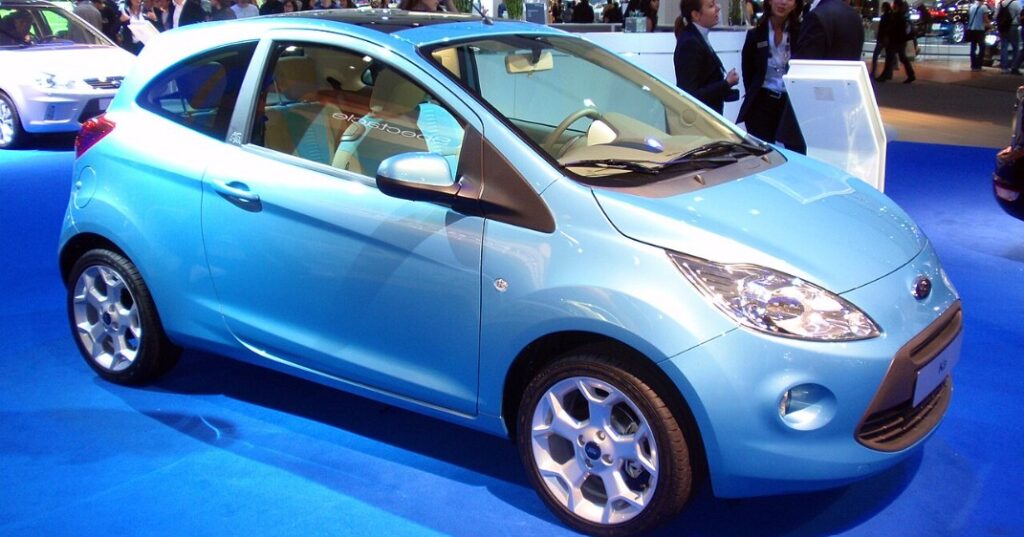
The Ford Ka has always been a simple little car at heart. It was designed to squeeze through crowded streets, fit into tiny parking spaces, and keep everyday motoring relatively affordable. Yet even a small car can produce a big headache when the gearbox starts making noises, refusing gears, or turning every shift into an arm-wrestling match.
Ford Ka gearbox problems vary considerably depending on the generation, mileage, maintenance history, clutch condition, and driving environment. Some symptoms that feel like a dying gearbox actually originate from the clutch, selector cables, linkage, or hydraulic system. Others—particularly whining, grinding, oil leakage, or worsening bearing noise—can point towards genuine internal transmission wear.
That distinction matters. Replacing a cable is one thing. Rebuilding an entire gearbox is quite another.
In this guide, we’ll explore the most common gearbox symptoms across the Ford Ka range, explain what causes them, look closely at the well-known second-generation gearbox issues, and help us work out when a strange gear change is merely irritating and when it deserves immediate attention.
Content in this publication
- Are Ford Ka Gearbox Problems Common?
- Which Ford Ka Generations Can Have Gearbox Issues?
- Most Common Ford Ka Gearbox Problems
- 2. Ford Ka Difficult to Put Into Gear
- 3. First Gear Difficult to Select
- 4. Ford Ka Reverse Gear Grinding
- 5. Gear Lever Stuck in Gear
- 6. Gearbox Whining While Driving
- 7. Grinding or Rumbling Gearbox Noise
- 8. Ford Ka Gearbox Oil Leak
- 9. Gearbox Oil Contaminating the Clutch
- 10. Ford Ka Gear Selector Cable Problems
- 11. Ford Ka Clutch Problems That Feel Like Gearbox Failure
- 12. Ford Ka Synchroniser Problems
- 13. Gearbox Popping Out of Gear
- 14. Clunk When Changing Gear
- 15. Ford Ka Gearbox Problems When Cold
- 16. Ford Ka Gearbox Problems When Hot
- Ford Ka Gearbox Symptoms and Likely Causes
- How to Diagnose Ford Ka Gearbox Problems
- Can You Drive a Ford Ka With a Bad Gearbox?
- Repair or Replace the Ford Ka Gearbox?
- Should the Clutch Be Replaced With the Gearbox?
- How to Prevent Ford Ka Gearbox Problems
- Ford Ka Gearbox Problems When Buying Used
- Is the Second-Generation Ford Ka Gearbox Bad?
- Ford Ka Gearbox vs Clutch Problems: How Can We Tell?
- When Should We Visit a Gearbox Specialist?
- Final Thoughts on Ford Ka Gearbox Problems
- Frequently Asked Questions About Ford Ka Gearbox Problems
Are Ford Ka Gearbox Problems Common?
Gearbox trouble isn’t inevitable on every Ford Ka. Plenty cover substantial mileage without transmission failure. However, gearbox and clutch issues have appeared often enough—particularly on the 2008–2016 model—to deserve attention when buying or maintaining one.
The second-generation Ka shares much of its architecture with the Fiat 500 and Panda. It was even produced alongside them in Tychy, Poland. This Ka was normally equipped with a five-speed manual transmission.
One particular issue associated with the Mk2 is gearbox bearing wear. Repair specialists have specifically highlighted wear affecting the gearbox input bearing, sometimes accompanied by grinding noises and gearbox oil leakage.
Used-car reliability reporting has also identified gearbox and clutch complaints among potential Ka trouble areas.
That doesn’t mean we should assume every stiff gear lever needs a new gearbox. Diagnosis is everything.
Which Ford Ka Generations Can Have Gearbox Issues?
There are essentially three major versions worth separating.
First-Generation Ford Ka: 1996–2008
The original Ka is mechanically straightforward by modern standards. Age is now its greatest enemy.
Even a fundamentally healthy gearbox can begin behaving poorly after years of:
- worn clutch components;
- degraded selector mechanisms;
- old or insufficient gearbox oil;
- worn gearbox mounts;
- bearing deterioration;
- selector linkage wear;
- previous poor repairs;
- high-mileage urban use.
Remember that even the newest examples of this generation are now ageing cars. Condition matters considerably more than mileage alone.
Second-Generation Ford Ka: 2008–2016
This is arguably the most important version when discussing Ford Ka gearbox problems.
It shared its underlying platform and considerable mechanical hardware with the Fiat 500. The petrol version used a Fiat-sourced 1.2-litre engine paired with a five-speed manual gearbox.
Bearing wear is one of the more widely reported gearbox weaknesses on this generation, and failing bearings can eventually produce noise, leakage, and more serious internal transmission damage if ignored.
Ford Ka+: 2016–2020
The Ka+ was a different proposition. It was larger, had five doors and was based more closely around Ford hardware rather than the Fiat 500-derived arrangement of its predecessor.
Gearbox failure does not stand out as strongly among the commonly reported Ka+ concerns as it does with the previous generation. More frequently discussed Ka+ issues include electrical niggles and other general reliability complaints.
That doesn’t make its manual gearbox immortal, of course. Clutch, selector, linkage, bearing, oil, and synchroniser problems remain possible on any manual transmission.
Most Common Ford Ka Gearbox Problems
Although symptoms overlap, most complaints can be grouped into several categories.
1. Gearbox Bearing Noise
This is particularly worth watching on the 2008–2016 Ford Ka.
A worn transmission bearing can create a whining, rumbling, grinding, or growling sound that changes according to road speed, engine load, clutch position, or selected gear.
Think of a healthy bearing like a roller skate wheel spinning smoothly. Once its internal surfaces deteriorate, that smooth rotation becomes rough. Inside a gearbox, thousands of rotations quickly turn a small defect into an increasingly noticeable soundtrack.
The noise may initially be subtle.
Then it gets louder.
Ignoring it rarely makes it disappear.
Input Bearing Wear on the Mk2 Ka
Reports concerning the Mk2 specifically identify front input bearing wear as a potential fault. If deterioration progresses, leakage can also occur and gearbox oil may contaminate nearby clutch components.
That makes early diagnosis particularly valuable.
A bearing might be relatively inexpensive compared with an entire gearbox, but accessing and replacing internal transmission components involves substantial labour.
2. Ford Ka Difficult to Put Into Gear
Hard gear selection is one of the most confusing symptoms because the gearbox itself may not be responsible.
Suppose the lever suddenly becomes reluctant to enter first gear. We might immediately imagine broken teeth and expensive gearbox surgery.
Yet several things could cause it:
- clutch not fully disengaging;
- selector cable wear;
- linkage problems;
- low transmission oil;
- damaged synchronisers;
- internal bearing wear;
- hydraulic clutch trouble;
- incorrect cable adjustment;
- clutch pressure plate problems.
A useful diagnostic clue is whether the gears select normally with the engine switched off.
Gears Easy With Engine Off but Hard With Engine Running
This often shifts suspicion towards the clutch or clutch-release mechanism.
Why?
When we press the clutch pedal, the clutch should separate the engine from the transmission sufficiently for the gearbox input shaft to slow or stop.
If the clutch continues dragging, the gearbox remains partially loaded. Selecting first or reverse then becomes difficult.
The gearbox gets blamed for a problem arriving at its front door from somewhere else.
3. First Gear Difficult to Select
First gear naturally works hard in city cars.
A Ford Ka can spend much of its life crawling through urban traffic:
First. Neutral. First. Second. Brake. First again.
Multiply that cycle over thousands of journeys and wear accumulates.
Difficulty selecting first can indicate clutch drag, selector wear or a worn first-gear synchroniser.
Try to notice exactly when it happens.
Does first gear resist only while moving?
Does it resist while stationary?
Does pumping the clutch pedal help?
Does switching the engine off make selection easy?
Those details can greatly improve diagnosis.
4. Ford Ka Reverse Gear Grinding
Reverse-gear complaints deserve special attention because reverse on many manual gearboxes behaves differently from the synchronized forward gears.
A small crunch once in a blue moon does not necessarily mean catastrophic damage. Persistent grinding is different.
Possible causes include:
- clutch drag;
- incomplete clutch disengagement;
- badly adjusted linkage;
- selector problems;
- internal gearbox wear.
If reverse repeatedly refuses to engage, don’t simply force it.
The gear lever isn’t a stubborn jar lid.
Grinding metal against metal will not persuade the transmission to cooperate.
A Simple Reverse-Gear Test
With the vehicle safely stationary:
- Fully depress the clutch.
- Wait a few seconds.
- Try selecting reverse gently.
- Compare the result with another gear.
- Notice whether selection improves with the engine switched off.
Repeated difficulty with the engine running but not when it is stopped may warrant a careful clutch-system inspection.
5. Gear Lever Stuck in Gear
A gearbox becoming trapped in first, second, reverse, or another position can feel dramatic.
Sometimes it is.
Sometimes surprisingly mundane components are responsible.
Potential suspects include the gear linkage, selector cables, selector mechanism, clutch, or internal gearbox components.
A documented report involving a 2010 Ka that became stuck in first gear was ultimately traced to a frozen gear linkage during extremely cold weather rather than internal transmission failure.
That example illustrates an important point: symptoms alone cannot tell us which component has failed.
Never Keep Forcing a Jammed Lever
If the lever suddenly jams, excessive force can turn one failed component into two.
Stop.
Assess what changed.
Check whether the clutch pedal feels normal and whether the selector begins working with the engine switched off.
If it remains locked, professional inspection is the sensible next move.
6. Gearbox Whining While Driving
A whine that rises and falls with speed is one of those noises owners sometimes tolerate because the car continues driving normally.
That can be a mistake.
Whining can potentially indicate:
- worn transmission bearings;
- low gearbox oil;
- internal gear wear;
- final-drive wear.
The exact pitch and conditions matter.
Whine Only in One Gear
Noise confined mainly to one ratio can point more strongly towards components involved with that particular gear.
Whine in Several Gears
Noise across multiple ratios may suggest bearings or other rotating components shared throughout gearbox operation.
Noises are clues rather than diagnoses, but patterns help narrow the search.
7. Grinding or Rumbling Gearbox Noise
Grinding deserves faster attention than a mild change in shift feel.
Metal components inside the gearbox rely on correct alignment, bearings and lubrication. Once internal surfaces deteriorate badly enough to grind, continuing to drive can circulate metallic debris through the transmission oil and accelerate additional damage.
The Mk2 Ka's known bearing-related issues make unexplained transmission noise particularly worth investigating.
Does the Noise Change When You Press the Clutch?
This is valuable information for a mechanic.
Listen for what happens:
- clutch pedal released in neutral;
- clutch pedal depressed;
- vehicle accelerating;
- vehicle coasting;
- different gears selected.
Changes can help separate gearbox bearing noises from clutch-release bearing noises and other drivetrain sounds.
8. Ford Ka Gearbox Oil Leak
Gearbox oil has one rather important job: keeping highly loaded metal components alive.
Without enough lubrication, bearings and gear surfaces suffer.
A leak can appear around:
- driveshaft seals;
- gearbox casing joints;
- input shaft areas;
- drain or filler plugs.
A gearbox may leak slowly enough that the owner never sees a dramatic puddle.
That makes inspection important.
Why Low Gearbox Oil Is Dangerous
Picture rubbing two metal surfaces together thousands of times each minute.
Lubricant forms the protective layer preventing excessive friction and heat.
Reduce that lubricant enough and wear accelerates dramatically.
If a gearbox is leaking, merely topping it up repeatedly is not necessarily a repair. We need to identify where the oil is escaping.
9. Gearbox Oil Contaminating the Clutch
This deserves its own section because it can blur the line between gearbox and clutch trouble.
Reported Mk2 input-bearing problems can be associated with oil leakage towards the clutch assembly.
Oil contamination can affect clutch friction characteristics and produce symptoms such as:
- clutch slip;
- judder;
- poor engagement;
- inconsistent bite;
- unpleasant smells under load.
At that point the job may extend beyond repairing the transmission because contaminated clutch components may also require replacement.
10. Ford Ka Gear Selector Cable Problems
Not every gear-selection problem takes place inside the gearbox.
The gear lever must communicate your requested gear to the transmission through the selector mechanism. Wear, disconnection, damaged cable ends, deteriorated bushings, or misadjustment can prevent this system from working correctly.
Possible symptoms include:
- excessive gearstick movement;
- inability to find certain gears;
- lever suddenly feeling loose;
- reverse unavailable;
- gear pattern feeling misplaced;
- transmission staying in one gear.
Compared with an internal gearbox rebuild, selector repairs can sometimes be considerably simpler.
That is precisely why diagnosis should start outside the gearbox before anyone condemns the complete unit.
11. Ford Ka Clutch Problems That Feel Like Gearbox Failure
We can’t properly discuss Ford Ka gearbox problems without discussing the clutch.
A manual gearbox expects the clutch to disconnect engine power whenever we change gear.
If it doesn't, gear selection suffers.
Common clutch-related possibilities include:
- worn clutch disc;
- damaged pressure plate;
- hydraulic faults;
- clutch cable trouble on applicable versions;
- air or leakage within hydraulic systems;
- worn release components.
Ford Ka troubleshooting resources specifically associate crunching shifts with clutch, cable, hydraulic, gearbox-oil and bearing-related possibilities depending on generation.
Signs the Clutch May Be the Real Culprit
Look for a combination of symptoms:
- difficult first and reverse;
- gears easier when engine is off;
- bite point noticeably changed;
- clutch pedal unusually soft or heavy;
- vehicle creeping with clutch fully depressed;
- clutch slipping under acceleration;
- pedal failing to return normally.
A gearbox rebuild won't fix a clutch that refuses to release properly.
12. Ford Ka Synchroniser Problems
Synchronisers help the gearbox match rotational speeds during shifts so gears engage smoothly.
When a synchroniser wears, one gear may become particularly difficult or crunchy.
For example, second gear might grind during quick shifts while every other gear remains reasonably smooth.
Common clues include:
- crunching in one particular gear;
- easier shifts when changing slowly;
- difficulty selecting a ratio while moving;
- deterioration over time.
Unfortunately, synchronisers live inside the gearbox.
Repair normally requires gearbox removal and disassembly.
Can Driving Style Damage Synchros?
Aggressive gear changes can accelerate wear.
Resting a hand on the gear lever continuously can also place unnecessary pressure on selector components on some transmissions.
A gearbox likes deliberate movements.
Not violent ones.
13. Gearbox Popping Out of Gear
A Ford Ka that selects a gear normally but then jumps back into neutral needs investigation.
Potential causes include:
- worn internal engagement components;
- selector mechanism problems;
- cable adjustment;
- damaged mounts altering drivetrain movement;
- internal gearbox wear.
Don't hold the lever forcibly in position while driving as a long-term solution.
Your hand is not a gearbox component.
If a gear repeatedly disengages under acceleration or deceleration, have the selector system and transmission examined.
14. Clunk When Changing Gear
A clunk does not automatically mean the gears themselves are damaged.
Movement elsewhere in the drivetrain may create the sensation.
Check possibilities such as:
- engine mounts;
- transmission mounts;
- driveshaft joints;
- excessive drivetrain play;
- clutch engagement;
- gearbox internals.
A worn mount can allow the engine and gearbox assembly to rock excessively as torque loads change.
That movement sometimes feels far more serious from the driver's seat than it actually is.
15. Ford Ka Gearbox Problems When Cold
Cold weather can make gearbox oil thicker and shift quality temporarily heavier.
An older transmission may therefore feel notchy for the first few minutes but improve noticeably as it warms.
However, dramatic difficulty selecting gears should not simply be labelled "normal because it's cold."
As noted earlier, even external linkage components can sometimes be affected by extreme cold conditions.
A gearbox that is consistently difficult cold and warm deserves investigation.
16. Ford Ka Gearbox Problems When Hot
The opposite pattern can be equally informative.
Suppose everything works perfectly for the first twenty minutes, but shifts become difficult once the car is thoroughly warm.
Possible causes may involve:
- lubricant condition;
- clutch hydraulic behaviour;
- components expanding with temperature;
- internal wear becoming more apparent.
Tell the garage whether the fault occurs cold, hot, or constantly. Intermittent symptoms are much easier to diagnose when we provide precise conditions.
Ford Ka Gearbox Symptoms and Likely Causes
Here is a quick diagnostic overview:
| Symptom | Possible Cause | Urgency |
|---|---|---|
| Whining with road speed | Bearing or internal wear | Medium–High |
| Grinding between gears | Clutch drag or synchroniser wear | High |
| Hard to select first | Clutch, linkage, synchro | Medium |
| Reverse crunching | Clutch drag or selection issue | Medium |
| Gearstick stuck | Cable, linkage, selector or gearbox | High |
| Gearbox oil leak | Seal, bearing or casing issue | High |
| Gear jumps into neutral | Selector or internal wear | High |
| Loose gear lever | Linkage/cable/bushing issue | Medium |
| Rumbling noise | Bearing/internal damage | High |
| Shifts fine engine-off only | Clutch release problem likely | Medium–High |
| Clunk during shifts | Mounts/drivetrain play/gearbox | Medium |
| Noise worsening rapidly | Internal transmission wear possible | High |
This table is a starting point—not a substitute for physical diagnosis.
How to Diagnose Ford Ka Gearbox Problems
We can make a mechanic's job significantly easier by observing the car carefully before booking it in.
Step 1: Identify When the Problem Happens
Ask:
- Only when cold?
- Only when hot?
- Only under acceleration?
- Only when slowing down?
- Only in first?
- Only in reverse?
- Every gear?
Specific information beats "the gearbox feels weird."
Step 2: Compare Engine On and Engine Off
With the vehicle safely parked, compare gear selection with the engine switched off and then running.
If gears become dramatically harder to engage with the engine running, clutch disengagement deserves particular scrutiny.
Step 3: Listen Carefully
Listen in neutral.
Press the clutch.
Release it.
Drive through each gear.
Notice when the sound starts and stops.
That changing pattern can reveal which rotating components are active when the noise occurs.
Step 4: Check for Leaks
Look underneath the gearbox area for fresh oily residue.
Don't assume every oil leak comes from the engine.
Step 5: Inspect the External Selector System
Before dismantling a transmission, check the cheaper and simpler external possibilities.
Cables, linkage and bushings deserve attention.
Step 6: Check the Clutch System
Inspect pedal behaviour, hydraulic condition where applicable, fluid leakage, clutch release and signs of slip or drag.
Only after external causes have been investigated does internal gearbox diagnosis become convincing.
Can You Drive a Ford Ka With a Bad Gearbox?
Sometimes physically, yes.
Sensibly, not always.
A mildly noisy bearing may allow the car to continue moving, but no one can reliably predict how rapidly internal deterioration will progress without inspection.
Continuing to drive is particularly unwise when:
- grinding becomes severe;
- gears jump out;
- oil is visibly leaking;
- the gearbox suddenly gets much louder;
- you cannot reliably select gears;
- the vehicle becomes stuck in gear;
- metallic debris is found in gearbox oil.
A modest repair today can become an entire replacement transmission tomorrow.
Mechanical problems rarely reward procrastination.
Repair or Replace the Ford Ka Gearbox?
The right choice depends on what actually failed.
Repair the Existing Gearbox
A rebuild can make sense when:
- casing is sound;
- damage is limited;
- replacement bearings or synchronisers are available;
- a reputable gearbox specialist performs the work;
- the car is otherwise in good condition.
Install a Used Gearbox
A second-hand gearbox may initially cost less.
But we're buying another component with an unknown history.
Ask about:
- mileage;
- warranty;
- donor vehicle;
- gearbox code;
- compatibility;
- evidence of leakage;
- return conditions.
Cheap becomes expensive surprisingly quickly when labour has to be paid twice.
Fit a Reconditioned Gearbox
A professionally rebuilt or reconditioned unit can offer a middle ground between questionable used parts and a brand-new transmission.
Check exactly what "reconditioned" means.
Was it completely stripped and inspected?
Which bearings and seals were replaced?
What warranty comes with it?
The label alone tells us very little.
Should the Clutch Be Replaced With the Gearbox?
If the gearbox must already be removed and the clutch has substantial mileage, replacing clutch components simultaneously can sometimes make economic sense.
Most of the labour needed to access the clutch is already being performed.
However, replacing perfectly healthy components unnecessarily wastes money.
The decision depends on:
- clutch age;
- mileage;
- contamination;
- visible wear;
- bearing condition;
- how long you intend to keep the vehicle.
If leaking transmission oil has contaminated the clutch, replacement may become much more compelling.
How to Prevent Ford Ka Gearbox Problems
No maintenance routine can eliminate mechanical ageing, but sensible habits help.
Use the Clutch Properly
Press it fully when changing gear.
Avoid holding the car on hills by slipping the clutch.
Don't Force Gear Changes
If a gear doesn't engage, pushing harder isn't mechanical diagnosis.
Pause and try again.
Investigate Oil Leaks Early
Gearbox oil disappearing onto the driveway is lubrication the transmission no longer has.
Don't Ignore New Noises
A gearbox normally gives us clues.
The trick is listening before the whisper becomes a scream.
Repair Clutch Problems Promptly
A clutch that drags can place additional stress on synchronisers during every gear change.
Have Persistent Notchiness Checked
A slightly mechanical feel may be normal.
A shift quality that steadily deteriorates is not.
Ford Ka Gearbox Problems When Buying Used
A test drive is essential.
Don't simply drive around the block with the radio playing.
Test:
- First gear from rest.
- First-to-second shifts.
- Second-to-third shifts.
- Reverse engagement.
- Acceleration in every gear.
- Deceleration while listening for whines.
- Gear selection once the car is warm.
- Clutch bite and pedal feel.
Afterward, look underneath for leakage.
Listen Before You Talk
Here's a useful used-car trick.
For the first few minutes of the test drive, don't fill the cabin with conversation.
Turn the stereo off.
Listen.
Wheel bearings, gearbox bearings, suspension knocks and drivetrain noises love sellers who talk loudly.
Is the Second-Generation Ford Ka Gearbox Bad?
Calling it universally "bad" would be unfair.
Many examples operate without catastrophic transmission failure.
However, documented bearing wear means the 2008–2016 Ka deserves closer gearbox scrutiny than we might give a vehicle without an established history of such complaints.
The key is condition.
A quiet, smooth gearbox with good service history is a very different purchase from one whining loudly and sweating oil around the transmission.
Used-car buying is about the individual vehicle as much as the badge on its bonnet.
Ford Ka Gearbox vs Clutch Problems: How Can We Tell?
Here's the simplest rule of thumb.
If the gears are difficult mainly while the engine is running but become easy with the engine switched off, investigate clutch disengagement carefully.
If the gearbox produces speed-related whining or grinding regardless of clutch behaviour, internal transmission wear becomes more suspicious.
If the lever moves strangely or certain gears suddenly disappear, investigate selector cables and linkage.
If one particular gear consistently crunches while others work smoothly, synchroniser wear becomes a stronger possibility.
These aren't absolute rules.
They're diagnostic signposts.
A proper inspection still wins.
When Should We Visit a Gearbox Specialist?
Go sooner rather than later when the transmission:
- develops a new whine;
- starts leaking oil;
- repeatedly crunches gears;
- becomes trapped in a ratio;
- jumps out of gear;
- becomes substantially harder to shift;
- produces grinding or rumbling noises.
General garages can diagnose many transmission-related problems, but internal gearbox repairs often benefit from a dedicated transmission specialist.
Experience matters because the difference between "needs a new gearbox" and "needs a bearing and seals" can be financially enormous.
Final Thoughts on Ford Ka Gearbox Problems
Ford Ka gearbox problems range from relatively simple selector faults to genuine internal transmission damage.
The important thing is not to diagnose every difficult gear change as gearbox failure.
Start logically.
Check the clutch.
Check the linkage.
Check the selector cables.
Look for oil leaks.
Listen for bearing noises.
Then investigate the gearbox internally when the evidence points there.
For owners of the 2008–2016 Ford Ka, bearing-related gearbox noise deserves particular attention because this generation has a documented history of input-bearing wear.
Catch the problem early and the repair may remain manageable. Ignore a growing whine, persistent leak or grinding gear change, and small wear can snowball into a much more expensive repair.
The Ford Ka is a tiny car, but its gearbox still follows the same mechanical rule as any other transmission: oil, bearings, gears and clutch components work together. When one stops cooperating, the rest eventually notice.
Frequently Asked Questions About Ford Ka Gearbox Problems
1. What is the most common Ford Ka gearbox problem?
On the 2008–2016 Ford Ka, gearbox input-bearing wear is one of the best-documented transmission concerns. It can produce whining or grinding noises and may be associated with gearbox oil leakage. Other Ka generations can experience clutch, selector, linkage, synchroniser and general wear-related problems.
2. Why is my Ford Ka difficult to put into first gear?
Possible causes include a clutch that isn't fully disengaging, selector cable or linkage problems, low gearbox oil, or a worn synchroniser. If first gear engages easily with the engine switched off but becomes difficult with it running, have the clutch release system checked carefully.
3. Why does my Ford Ka gearbox make a whining noise?
A whining noise can indicate worn gearbox bearings, low transmission oil, gear wear or final-drive problems. If the noise increases with vehicle speed or is becoming progressively louder, have the gearbox inspected rather than waiting for the fault to worsen.
4. Does a Ford Ka need a new gearbox if the gears are difficult to select?
Not necessarily. Difficult gear selection can originate from the clutch, clutch hydraulics, selector cables, linkage or other external components. These possibilities should normally be investigated before condemning the complete gearbox.
5. Is it worth repairing a Ford Ka gearbox?
It depends on the vehicle's overall condition, value and the extent of the damage. A bearing or selector repair may make excellent economic sense on a well-kept Ka. A badly damaged gearbox on a heavily corroded or otherwise problematic vehicle requires a broader cost-versus-value calculation.
If you want to know other articles similar to Ford Ka Gearbox Problems: Symptoms, Causes, and Fixes you can visit the category Common Problems.
Volvo S90 Common Problems: Reliability & Repair Guide
Volvo S90 No Sound: Causes, Fixes and Solutions

Nissan Rogue Smells Like Gas: Causes and Fixes
Vauxhall Agila Problems: Common Faults & Fixes

Kia Sorento Jerking When Accelerating: Causes & Fixes

Jaguar F-Pace Low Battery: Causes, Warning Signs, and How to Fix It
Leave a Reply
More content of your interest