

Toyota Estima Heater Not Working: Causes, Fixes, and Troubleshooting Guide

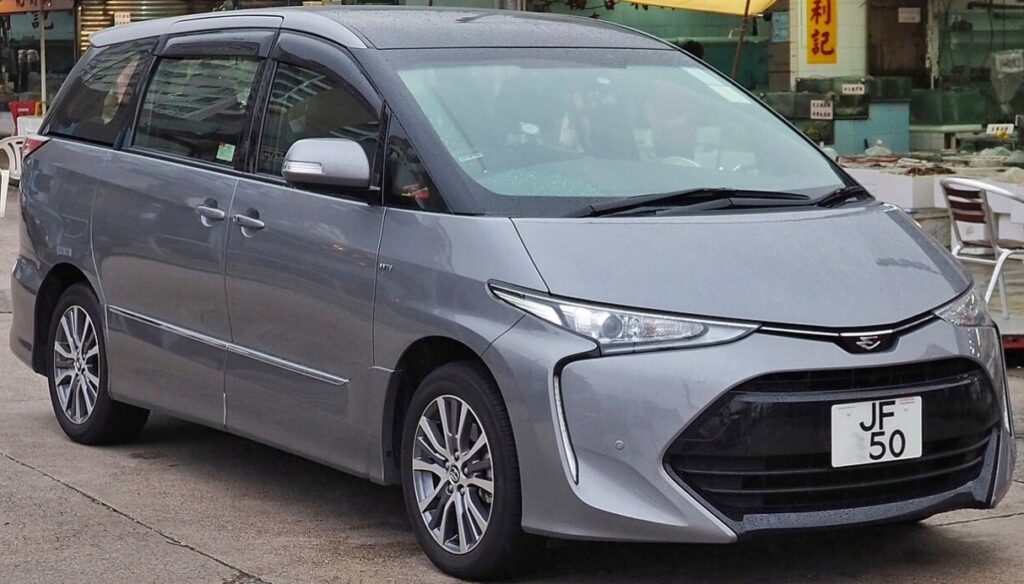
When a Toyota Estima heater is not working, a cold cabin can quickly turn an otherwise comfortable people mover into something that feels more like a refrigerator on wheels. Sometimes the heater blows air but refuses to get warm. In other cases, we get no airflow at all, heat only from one side, or a heater that works while driving but suddenly turns cold when the vehicle is idling.
The tricky part is that the cabin heater depends on several different systems working together. Coolant has to reach the right temperature, circulate through the heater core, and then warm air must be directed into the cabin by the climate-control system.
That means the fault could be something as simple as low coolant or a blown fuse, or it could involve the thermostat, heater core, air-mix actuator, water pump, blower motor, or even trapped air inside the cooling system.
In this guide, we will walk through the most common reasons a Toyota Estima heater stops working, explain the symptoms associated with each problem, and show how we can narrow the fault down before spending money on unnecessary parts.
Content in this publication
- How the Toyota Estima Heater System Works
- Most Common Reasons a Toyota Estima Heater Stops Working
- Toyota Estima Heater Blowing Cold Air
- Low Coolant Can Stop the Heater From Working
- Look for Coolant Leaks
- Air Trapped in the Cooling System
- Toyota Estima Heater Works While Driving but Not at Idle
- Blocked Toyota Estima Heater Core
- Can We Flush the Heater Core?
- Toyota Estima Heater Fan Not Working
- Check the Heater and Blower Fuses
- Blower Motor Failure
- Faulty Blower Resistor or Fan Controller
- Toyota Estima Heater Hot on One Side and Cold on the Other
- Climate-Control Panel Problems
- Rear Heater Not Working in a Toyota Estima
- Toyota Estima Heater Takes Too Long to Warm Up
- Toyota Estima Hybrid Heater Not Working
- Could a Faulty Temperature Sensor Cause Heater Problems?
- What If the Engine Is Overheating and the Heater Is Cold?
- Could Head-Gasket Problems Affect the Heater?
- Toyota Estima Heater Troubleshooting Step by Step
- When Does the Heater Core Need Replacement?
- Can Cooling-System Stop-Leak Products Cause Heater Problems?
- Why Heater Problems Often Appear After Coolant Repairs
- How Much Does a Toyota Estima Heater Repair Cost?
- Can a Dirty Cabin Filter Stop the Heater Working?
- How to Prevent Future Heater Problems
- Is It Safe to Drive With a Toyota Estima Heater Not Working?
- Toyota Estima Heater Diagnosis: Fast Symptom Guide
- Should We Repair a Toyota Estima Heater Ourselves?
- Final Thoughts: Fixing a Toyota Estima Heater That Is Not Working
- Frequently Asked Questions
How the Toyota Estima Heater System Works
Before chasing faults, it helps to understand what actually creates cabin heat.
Unlike an electric household heater, most petrol-powered Toyota Estima models use heat produced by the engine. Once the engine reaches operating temperature, hot coolant circulates through a small radiator called the heater core, which sits behind the dashboard.
The blower fan pushes air across that hot heater core. Warm air then enters the cabin through the vents.
In simplified form, the process looks like this:
Engine heats coolant → coolant flows through heater core → blower pushes air across heater core → warm air enters cabin.
Hybrid Estima models can use more sophisticated climate-control strategies, but the basic relationship between coolant temperature, coolant circulation, airflow, and cabin heating remains important.
A fault anywhere along this chain can leave us without heat.
Most Common Reasons a Toyota Estima Heater Stops Working
Several issues appear repeatedly when diagnosing poor or nonexistent heater performance.
The most common possibilities include:
- Low engine coolant
- Air trapped in the cooling system
- Thermostat stuck open
- Blocked heater core
- Faulty heater control valve where fitted
- Air-mix or blend-door actuator failure
- Blower motor failure
- Blower resistor or controller problems
- Fuse or relay failure
- Weak water pump
- Climate-control panel faults
- Cooling-system leaks
Instead of immediately replacing parts, we should pay attention to exactly how the heater behaves. The symptoms usually provide valuable clues.
Toyota Estima Heater Blowing Cold Air
One of the most frequent complaints is straightforward: the fan works perfectly, but the air coming through the vents remains cold.
This normally tells us that the blower system itself is functioning. The problem is more likely related to coolant temperature, coolant circulation, the heater core, or the air-mixing system.
Check the Engine Temperature First
Start the Estima and allow the engine to warm completely.
Watch the temperature gauge.
If the gauge barely rises even after normal driving, the thermostat may be stuck open. The engine can still run, but coolant circulates through the radiator continuously and may prevent the engine from reaching its ideal operating temperature.
If the engine never becomes properly warm, the heater has very little heat available to send into the cabin.
A Stuck-Open Thermostat Can Cause Weak Heat
A failing thermostat is surprisingly easy to overlook.
When working correctly, the thermostat restricts coolant circulation while the engine warms. Once the engine reaches operating temperature, the thermostat opens.
If it becomes stuck open, the engine may warm extremely slowly.
Typical symptoms include:
- Weak cabin heat
- Temperature gauge reading lower than usual
- Heater becoming slightly warmer during slow driving
- Poor fuel economy
- Longer engine warm-up time
- Heat becoming worse in cold weather
Replacing the thermostat is often relatively straightforward compared with dashboard-related heater repairs.
Low Coolant Can Stop the Heater From Working
Low coolant is one of the first things we should investigate.
The heater core sits relatively high in the cooling system. If coolant levels fall, the heater core may stop receiving enough hot coolant even before the engine shows severe overheating symptoms.
That means a Toyota Estima can sometimes lose cabin heating before we realize the coolant level has dropped.
How Low Coolant Affects Heater Performance
Imagine drinking through a straw with barely any liquid left in the glass. Instead of receiving a steady flow, we begin pulling in air.
Something similar can happen inside the heater circuit.
When coolant levels become low, air pockets may reach the heater core. The result can be intermittent heat, bubbling noises, or completely cold air.
Always check coolant only when the engine is safely cold.
Look at both the coolant reservoir and, where appropriate, the radiator level according to the vehicle's service procedure.
Never remove a hot radiator cap. Pressurized coolant can cause serious burns.
Look for Coolant Leaks
If the coolant level is low, simply topping it up is not the full solution. Coolant normally does not disappear without a reason.
Possible leak locations include:
Radiator or Radiator Hoses
A cracked hose, loose clamp, or aging radiator can slowly release coolant.
Some leaks only appear when the cooling system becomes hot and pressurized.
Water Pump
A worn water-pump seal may allow coolant to escape.
Look for dried coolant residue, staining, or moisture around the pump area.
Heater Hoses
The hoses carrying coolant toward and away from the heater core can leak.
Because the Estima has a relatively complex cabin layout compared with a simple small hatchback, heater plumbing can also be more extensive depending on generation and specification.
Heater Core
A leaking heater core can cause several distinctive symptoms.
These can include:
- Sweet coolant smell inside the cabin
- Damp carpet
- Windows fogging unexpectedly
- Greasy film on the windscreen
- Gradual coolant loss
- Weak heating
A leaking heater core is more serious because reaching the component may require substantial dashboard disassembly.
Air Trapped in the Cooling System
Airlocks are another common explanation for a heater that suddenly stops producing heat after coolant repairs.
If coolant has recently been changed, a radiator hose replaced, a thermostat replaced, or another cooling-system repair completed, trapped air deserves special attention.
Common Signs of an Airlock
We may notice:
- Heater alternates between hot and cold
- Gurgling sounds behind the dashboard
- Heater warms while accelerating but becomes cold at idle
- Temperature gauge fluctuates
- Coolant level changes unexpectedly
- Poor heater performance after cooling-system maintenance
The cooling system must be correctly bled according to the procedure applicable to the specific Estima engine.
Improper bleeding can leave pockets of air trapped around the heater core.
Toyota Estima Heater Works While Driving but Not at Idle
This symptom can tell us quite a lot.
Suppose warm air comes from the vents while we are driving at 50 or 60 km/h, but the heater becomes noticeably cooler when we stop at traffic lights.
That often points toward weak coolant circulation.
Possible causes include:
- Low coolant
- Air trapped in the cooling system
- Partially blocked heater core
- Weak water pump
- Cooling-system circulation problem
When engine speed increases, the water pump spins faster and may temporarily improve coolant flow.
Once engine speed drops back to idle, circulation becomes weaker and heater output falls again.
Could the Water Pump Be Failing?
Yes.
The water pump pushes coolant around the engine, radiator, and heater circuit.
A worn impeller or damaged pump may circulate coolant poorly.
Other water-pump symptoms may include:
- Engine overheating
- Coolant leaks
- Bearing noise
- Temperature fluctuations
- Poor heater performance at low engine speeds
A failing water pump should not be ignored because heater problems may eventually become the least of our worries if the engine begins overheating.
Blocked Toyota Estima Heater Core
The heater core contains narrow coolant passages that can gradually become restricted.
Old coolant, corrosion, sediment, sealant products, and contamination can contribute to internal blockage.
Think of the heater core like a tiny radiator filled with narrow drinking straws. It does not take much contamination to restrict circulation.
Signs of a Restricted Heater Core
A partially blocked heater core may cause:
- Weak heat
- One heater hose hot and the other noticeably cooler
- Heater only warm at higher engine speeds
- Engine reaching normal temperature but cabin remaining cold
- Heat gradually becoming weaker over months or years
Checking the temperatures of the heater inlet and outlet hoses can help identify a circulation problem.
If both hoses are extremely hot, coolant is probably flowing reasonably well.
If one hose is hot and the other stays much cooler, restriction becomes more likely.
Can We Flush the Heater Core?
Sometimes.
A carefully performed heater-core flush can restore coolant circulation when the blockage is relatively minor.
The heater hoses are normally disconnected and the core is gently flushed.
However, excessive water pressure should not be used. An old heater core may be fragile, and applying aggressive pressure could turn a partial blockage into a coolant leak.
If the core is severely corroded internally, replacement may eventually be necessary.
Toyota Estima Heater Fan Not Working
What if we do not get any air from the vents at all?
That changes the diagnosis significantly.
If the coolant system is hot but nothing comes through the vents, we should investigate the blower system rather than the heater core first.
Likely causes include:
- Blown fuse
- Faulty blower motor
- Damaged blower resistor
- Electronic blower controller fault
- Wiring issue
- Climate-control panel failure
- Blower relay problem
Test Different Fan Speeds
Try every blower setting.
The pattern can reveal useful information.
If the fan works only at maximum speed, a blower resistor or electronic speed controller may have failed.
If none of the speeds work, the fault could involve the fuse, power supply, blower motor, relay, controller, or control panel.
If the fan works intermittently when the dashboard area is tapped or when driving over bumps, worn blower-motor brushes or a poor electrical connection could be responsible.
Check the Heater and Blower Fuses
Electrical faults sometimes have wonderfully simple solutions.
Before removing half the dashboard, inspect the relevant fuses.
The exact fuse location and designation varies between Toyota Estima generations and configurations, so the fuse-box diagram should be checked rather than relying purely on generic fuse numbers.
A blown fuse should always be replaced with the correct amperage.
If the new fuse immediately blows again, do not keep installing replacements. A short circuit or failing motor may be drawing excessive current.
Blower Motor Failure
The blower motor physically moves air through the cabin ventilation system.
As the motor ages, brushes and bearings can wear.
Common blower-motor symptoms include:
- No airflow
- Intermittent fan operation
- Squealing or scraping noises
- Fan starting after hitting a bump
- Fan speed changing unexpectedly
- Burning smell from the ventilation system
A blower motor can sometimes be tested by checking whether power reaches its electrical connector.
If correct voltage is present but the blower remains stationary, the motor itself becomes a strong suspect.
Faulty Blower Resistor or Fan Controller
Older climate-control systems may use a blower resistor, while automatic climate systems may rely on an electronic transistor or fan controller.
These components regulate blower speed.
When they fail, we might lose certain fan speeds while others continue to operate.
For example, the fan may:
- Work only on maximum
- Work only on low speed
- Ignore selected speed settings
- Stop intermittently
A resistor or controller fault will not normally prevent the coolant itself from getting hot. It simply stops the system from pushing enough air through the heater core.
Toyota Estima Heater Hot on One Side and Cold on the Other
Dual-zone and more sophisticated climate-control systems introduce another possible problem: the air-mix doors.
These doors determine whether air passes across the heater core, evaporator, or a mixture of both.
Small electric actuator motors move the doors according to the temperature selected on the climate-control panel.
If one actuator fails, one section of the cabin may produce warm air while another remains cold.
Air-Mix Actuator Problems
Symptoms of a faulty actuator can include:
- Driver side hot, passenger side cold
- Passenger side hot, driver side cold
- Temperature does not change when adjusted
- Clicking behind dashboard
- Repeated tapping noise after ignition is switched on
- Temperature stuck at full hot or full cold
An actuator can contain small plastic gears. When those gears strip, we may hear rhythmic clicking as the motor repeatedly tries to move a door that refuses to cooperate.
Climate-Control Panel Problems
The climate-control panel is essentially the conductor of the orchestra.
The coolant circuit, blower, actuators, sensors, and air-conditioning system may all work individually, yet a faulty control unit can still send the wrong instructions.
Possible symptoms include:
- Temperature setting changes by itself
- Display problems
- Buttons do not respond
- Fan controls behave incorrectly
- Temperature doors fail to move
- Front and rear heating settings behave inconsistently
Before condemning the control panel, however, wiring, sensors, fuses, actuators, and power supplies should be checked.
Electronic modules are often blamed prematurely.
Rear Heater Not Working in a Toyota Estima
The Toyota Estima is designed as a people mover, so rear climate performance matters more than it does in a conventional sedan.
If the front heater works but rear passengers remain cold, the fault may be specific to the rear heating circuit or rear airflow system.
Potential causes include:
- Rear blower motor failure
- Rear blower resistor/controller problem
- Heater hose restriction
- Airlock
- Rear actuator failure
- Electrical fault
- Climate-control setting issue
We should first determine whether rear vents have airflow.
If air flows but remains cold, the problem is more likely related to coolant circulation or temperature control.
If there is no airflow, the rear blower circuit deserves attention.
Toyota Estima Heater Takes Too Long to Warm Up
Not every heater problem means the system has completely failed.
Sometimes the cabin eventually becomes warm, but it takes far longer than expected.
A thermostat stuck open remains one of the strongest suspects.
Other possibilities include:
- Extremely low outside temperatures
- Low coolant
- Partially blocked heater core
- Hybrid engine operating strategy
- Incorrect thermostat
- Engine running cooler than expected
- Air trapped in heater circuit
Hybrid Estima models can behave differently because the petrol engine may stop when it is not needed for propulsion.
Cabin heating demand can influence how often the engine operates, particularly in cold conditions.
Toyota Estima Hybrid Heater Not Working
Hybrid versions require a slightly broader diagnostic approach.
We still need to consider normal heater-related issues such as:
- Low coolant
- Cooling-system airlocks
- Heater-core restrictions
- Temperature-door actuators
- Blower faults
However, hybrid vehicles include additional cooling circuits and more complex electronic climate management.
For that reason, we should avoid assuming that every hybrid heater fault is simply a thermostat problem.
Diagnostic trouble codes can be extremely helpful.
A capable scan tool may reveal faults stored by climate-control or hybrid-control modules even when no obvious warning light appears on the dashboard.
Could a Faulty Temperature Sensor Cause Heater Problems?
Yes, especially in automatic climate-control systems.
Climate systems use sensors to understand conditions inside and outside the vehicle.
Depending on configuration, these can include:
- Cabin temperature sensor
- Ambient temperature sensor
- Coolant temperature information
- Sunload sensor
- Evaporator temperature sensor
If sensor information is incorrect, automatic climate control may choose the wrong airflow or temperature setting.
For example, if the system incorrectly believes the cabin is already warm, it may reduce heater output.
Sensor faults are less common than low coolant or thermostat problems but should be considered when mechanical systems appear normal.
What If the Engine Is Overheating and the Heater Is Cold?
This combination deserves immediate attention.
An overheating engine with no cabin heat may indicate that coolant is not circulating correctly.
Possible causes include:
- Very low coolant
- Severe airlock
- Water-pump failure
- Major coolant leak
- Cooling-system blockage
Continuing to drive an overheating engine can cause expensive damage, including warped cylinder heads or head-gasket failure.
If the temperature warning appears or the gauge climbs unusually high, stop the engine safely and investigate the cooling problem rather than continuing the journey just because the vehicle still moves.
Could Head-Gasket Problems Affect the Heater?
Unfortunately, yes.
A damaged head gasket can introduce combustion gases into the cooling system.
Those gases may create air pockets that disrupt heater-core circulation.
Possible warning signs include:
- Repeated coolant loss
- Cooling system becoming pressurized quickly
- Heater repeatedly going cold
- Engine overheating
- Persistent bubbles in coolant
- White exhaust smoke in certain failure conditions
However, poor heater output alone is not enough to diagnose head-gasket failure.
We should rule out the simpler possibilities first.
Toyota Estima Heater Troubleshooting Step by Step
A structured diagnosis prevents us from replacing perfectly good components.
Step 1: Check Whether the Blower Works
Turn the fan through every speed.
No airflow points toward an electrical or blower-system issue.
Normal airflow with cold air points us toward coolant or air-temperature control.
Step 2: Check Engine Temperature
Allow the engine to reach normal operating temperature.
If it remains unusually cool, investigate the thermostat.
If it overheats, investigate coolant circulation immediately.
Step 3: Check Coolant Level
Only do this when the engine is cold.
Low coolant can easily cause poor heater performance.
Step 4: Inspect for Leaks
Check beneath the vehicle, around radiator hoses, heater hoses, reservoir connections, and the engine bay.
Look for dried coolant residue as well as fresh leaks.
Step 5: Compare Heater-Hose Temperatures
With the engine hot, carefully assess heater inlet and outlet hose temperatures.
Both should normally become warm or hot.
A large temperature difference may indicate restricted coolant flow.
Step 6: Change the Cabin Temperature Setting
Move the selected temperature from full cold to full hot.
Listen for actuator movement behind the dashboard.
Clicking, knocking, or no change in outlet temperature can indicate an air-mix door problem.
Step 7: Scan for Diagnostic Codes
Modern Estima climate-control systems can store useful fault codes.
A professional scan tool may significantly shorten diagnosis.
When Does the Heater Core Need Replacement?
A heater core generally requires replacement when it is leaking or severely blocked beyond practical cleaning.
Replacement is often labour intensive because the unit sits deep inside the HVAC housing.
That means the heater core itself may not be extremely expensive, but the labour required to access it can be significant.
For that reason, the diagnosis should be confirmed before dashboard removal begins.
A heater-core replacement based only on guesswork can become a very expensive experiment.
Can Cooling-System Stop-Leak Products Cause Heater Problems?
They can.
Stop-leak products are designed to seal small leaks, but heater cores contain extremely narrow passages.
Material intended to seal leaks can sometimes accumulate in those passages and reduce coolant flow.
The result may be weak cabin heat even though the engine itself continues cooling normally.
If the vehicle has previously received radiator sealant products and the heater has gradually become weaker, heater-core restriction deserves consideration.
Why Heater Problems Often Appear After Coolant Repairs
It can feel strangely suspicious: the heater worked perfectly before the radiator, thermostat, or hose was replaced, and now it blows cold.
Often the explanation is trapped air rather than a newly broken heater component.
Whenever the cooling system has been drained, it must be refilled and bled correctly.
A pocket of air trapped in the heater circuit can behave like a cork inside a bottle, interrupting normal coolant circulation.
Correct bleeding often restores heater performance without additional parts.
How Much Does a Toyota Estima Heater Repair Cost?
Repair costs vary dramatically because “heater not working” describes a symptom rather than one specific failure.
Relatively inexpensive faults may include:
- Fuse replacement
- Coolant top-up after a minor repair
- Cooling-system bleeding
- Cabin air filter replacement
- Simple electrical connection repair
Mid-range repairs can include:
- Thermostat replacement
- Blower resistor/controller replacement
- Blower motor replacement
- Actuator replacement
- Cooling-system flush
Potentially expensive repairs include:
- Heater-core replacement
- Water-pump replacement on difficult engine layouts
- Dashboard disassembly
- Major electrical diagnosis
- Head-gasket repairs
The smartest approach is diagnosis first, quotation second.
Throwing new parts at the vehicle until something works is rarely cheap.
Can a Dirty Cabin Filter Stop the Heater Working?
A badly clogged cabin filter will not normally make the coolant cold, but it can dramatically reduce airflow.
That can make the heater feel weak.
Symptoms include:
- Low airflow from vents
- Fan sounding powerful but little air entering cabin
- Windows demisting slowly
- Dusty or unpleasant smell
- Better airflow with filter temporarily removed for testing
If we cannot remember the last time the cabin filter was replaced, inspecting it is worthwhile.
It is one of the simplest maintenance checks in the entire heating system.
How to Prevent Future Heater Problems
The heating system shares many components with the engine cooling system, which means good cooling-system maintenance goes a long way.
Helpful habits include:
- Use the correct coolant specification
- Keep coolant at the proper level
- Investigate leaks quickly
- Replace coolant according to maintenance requirements
- Avoid mixing incompatible coolant types
- Bleed the cooling system properly after repairs
- Replace clogged cabin filters
- Investigate overheating immediately
- Run the climate-control system regularly
Ignoring old coolant can eventually contribute to internal corrosion and deposits.
Cooling-system maintenance might not feel exciting, but neither does scraping frost from the inside of the windscreen because the heater has stopped working.
Is It Safe to Drive With a Toyota Estima Heater Not Working?
It depends on the cause.
If the heater problem comes from a blower motor or air-mix actuator, the engine may remain mechanically safe.
However, poor demisting can create a serious visibility problem.
If the heater stopped working because of low coolant, water-pump failure, or another cooling-system problem, continuing to drive could cause engine overheating.
Always check engine temperature and coolant condition rather than assuming the fault is only a comfort issue.
Toyota Estima Heater Diagnosis: Fast Symptom Guide
Different symptoms often point toward different areas.
Fan blows strongly but air stays cold:
Check coolant level, thermostat, heater-core circulation, and air-mix actuators.
No air comes from vents:
Check blower motor, fuse, controller, relay, and electrical supply.
Heater works only while driving:
Check coolant level, airlocks, heater-core restriction, and water-pump performance.
One side hot and one side cold:
Check air-mix or blend-door actuators.
Heater became cold after coolant repair:
Suspect trapped air.
Engine runs cold and heater is weak:
Suspect a thermostat stuck open.
Engine overheats while heater stays cold:
Stop driving and investigate coolant circulation urgently.
Sweet smell inside cabin:
Check for heater-core leakage.
Clicking behind dashboard:
Inspect temperature-door actuators.
This symptom-based approach can save hours of unnecessary investigation.
Should We Repair a Toyota Estima Heater Ourselves?
Some checks are perfectly reasonable for an experienced DIY owner.
We can inspect:
- Coolant level
- Fuses
- Cabin filter
- Obvious leaks
- Blower operation
- Temperature gauge behaviour
More complicated tasks are better left to a technician if we do not have the correct tools or experience.
These include:
- Cooling-system pressure testing
- Heater-core flushing
- Dashboard removal
- Water-pump replacement
- Hybrid cooling-system repairs
- Electrical actuator diagnosis
- Advanced scan-tool testing
Modern climate-control systems are more complicated than they first appear. What looks like a simple heater can involve multiple motors, sensors, modules, coolant circuits, and electronic controllers.
Final Thoughts: Fixing a Toyota Estima Heater That Is Not Working
When the Toyota Estima heater is not working, we should resist the temptation to immediately blame the heater core.
Start with the basics.
Is the engine reaching normal temperature? Is there enough coolant? Does the blower operate? Do both heater hoses become hot? Does changing the temperature setting actually change the air coming from the vents?
Those simple observations can divide the diagnosis into two broad categories: a coolant-related heating problem or an airflow and climate-control problem.
Low coolant, trapped air, and faulty thermostats are among the more straightforward causes. Blower motors, air-mix actuators, and electronic controllers require a little more diagnosis. A blocked or leaking heater core can involve considerably more labour.
The most important warning sign is an Estima that loses cabin heat while the engine temperature begins climbing. That combination may indicate poor coolant circulation and should never be ignored.
A heater might seem like a comfort feature, but it is also a useful window into the health of the cooling system. When it suddenly starts blowing cold, the vehicle may be whispering about a problem before the engine starts shouting.
Frequently Asked Questions
Why is my Toyota Estima heater blowing cold air?
The most common reasons include low coolant, trapped air, a stuck-open thermostat, a blocked heater core, or a faulty air-mix actuator. Check whether the engine reaches normal operating temperature and whether the coolant level is correct.
Why does my Estima heater work only when driving?
Heat that improves with engine speed can indicate weak coolant circulation. Low coolant, trapped air, a partially blocked heater core, or a weak water pump can all produce this symptom.
Why is there no air coming from my Toyota Estima vents?
If no air comes from the vents, check the blower fuse, blower motor, blower controller or resistor, relay, wiring, and climate-control panel. A coolant problem normally does not stop the blower from moving air.
Can low coolant cause the Toyota Estima heater to stop working?
Yes. Low coolant can prevent enough hot coolant from reaching the heater core. Cabin heat may disappear before the engine begins showing obvious overheating symptoms.
Why is one side of my Toyota Estima heater hot and the other cold?
This commonly points toward an air-mix or blend-door actuator fault in vehicles with multi-zone climate control. A failed actuator can leave one temperature door stuck in the cold or hot position.
If you want to know other articles similar to Toyota Estima Heater Not Working: Causes, Fixes, and Troubleshooting Guide you can visit the category Common Problems.
Kia Sorento Issues: Common Problems, Reliability and What to Watch For

Honda Passport Not Starting: Causes, Symptoms, and How to Fix It
Honda Passport Keyless Remote Battery Low: What It Means and How to Fix It

Nissan Rogue Apple CarPlay Not Working: Causes and Fixes
Nissan Rogue No Key Detected: Causes, Fixes, and What to Do
Nissan Rogue Engine Problems: Common Issues, Symptoms, Years and Solutions
Leave a Reply
More content of your interest