
BMW 8 Series vs 6 Series: Which Luxury BMW Is Better?

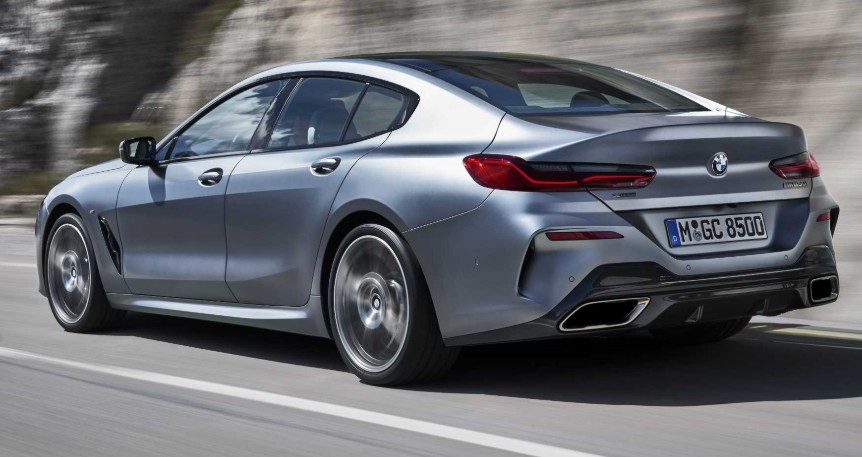
Comparing the BMW 8 Series vs 6 Series is a little like comparing two generations of luxury thinking from the same family. Both cars wear the BMW badge, both have long-distance grand-touring DNA, and both can blend serious performance with the kind of comfort that makes a four-hour highway drive feel surprisingly short. Yet they approach that mission from noticeably different angles.
The BMW 6 Series built its reputation as an elegant grand tourer: powerful, comfortable, relatively practical, and less aggressive than many dedicated sports cars. The newer BMW 8 Series, meanwhile, pushes that formula further toward performance, technology, visual drama, and outright luxury.
Does that automatically make the 8 Series better?
Not necessarily.
A newer car can be faster, sharper, and more advanced while an older model still makes more sense financially—or even emotionally. That's exactly why this comparison gets interesting.
We'll examine the BMW 8 Series and 6 Series from almost every angle, including styling, interior quality, performance, engines, comfort, handling, practicality, technology, reliability, ownership costs, and used-car value.
By the end, we'll know which BMW deserves a place in your garage.
Content in this publication
- BMW 8 Series vs 6 Series at a Glance
- BMW 8 Series vs 6 Series Design
- BMW 8 Series vs 6 Series Interior
- BMW 8 Series vs 6 Series Performance
- BMW 8 Series vs 6 Series Engine Options
- BMW 8 Series vs 6 Series Handling
- BMW 8 Series vs 6 Series Ride Comfort
- BMW 6 Series vs 8 Series Practicality
- BMW 8 Series vs 6 Series Technology
- BMW 8 Series vs 6 Series Luxury
- BMW 8 Series vs 6 Series Reliability
- BMW 8 Series vs 6 Series Maintenance Costs
- BMW 8 Series vs 6 Series Fuel Economy
- BMW 8 Series vs 6 Series Daily Driving
- BMW 8 Series vs 6 Series Road Trips
- BMW 8 Series vs 6 Series Sound and Character
- BMW 6 Series Used Value
- BMW 8 Series Used Value
- BMW 8 Series vs 6 Series Price Difference
- BMW 8 Series vs 6 Series for Enthusiasts
- BMW 8 Series vs 6 Series for Luxury Buyers
- BMW 8 Series vs 6 Series for Budget Buyers
- BMW 8 Series vs 6 Series: Pros and Cons
- Should You Upgrade From a BMW 6 Series to an 8 Series?
- Should You Buy a BMW 6 Series Today?
- Should You Buy a BMW 8 Series?
- BMW 8 Series vs 6 Series: Which One Should We Choose?
- BMW 8 Series vs 6 Series Final Verdict
- Frequently Asked Questions
BMW 8 Series vs 6 Series at a Glance
Before diving into the details, there's one important distinction to understand.
The modern BMW 8 Series effectively occupies much of the premium grand-touring territory previously associated with the 6 Series Coupe, Convertible, and Gran Coupe. BMW did not simply slap a different badge onto the same vehicle, though. The 8 Series was positioned higher in the range, with more aggressive styling, stronger performance aspirations, additional technology, and a more prestigious image.
Meanwhile, the 6 Series name has appeared on several distinctly different BMWs over the years.
That means a BMW 6 Series from one generation may feel considerably different from another. When shoppers compare these cars today, however, they are usually looking at used examples of the later 6 Series against either used or newer examples of the 8 Series.
The fundamental difference can be summarized simply:
- BMW 6 Series: traditional luxury grand tourer with strong performance and attractive used prices.
- BMW 8 Series: more modern, more aggressive, more technologically advanced interpretation of the luxury GT formula.
- Best value: usually the 6 Series.
- Best performance: generally the 8 Series.
- Best technology: 8 Series.
- Best budget-conscious luxury choice: 6 Series.
- Best choice for maximum road presence: 8 Series.
Neither is automatically the winner. It depends on what we expect from the car.
BMW 8 Series vs 6 Series Design
Park these two BMWs beside each other and the family resemblance is obvious, but their personalities are very different.
BMW 6 Series Exterior Styling
The 6 Series tends to look elegant rather than intimidating.
Its proportions follow the traditional grand-tourer recipe: a long hood, sweeping roofline, relatively low seating position, and broad rear end. Even years after its introduction, a well-kept 6 Series can still look expensive.
That's one of its greatest strengths.
Many luxury cars age quickly because their styling relies heavily on whatever design trend happened to be popular when they were launched. The 6 Series generally avoided that trap.
Its design is smoother and somewhat more restrained than the 8 Series.
There's still plenty of presence, especially in M Sport specification, but it doesn't shout for attention.
Does the 6 Series Still Look Modern?
Absolutely.
It won't fool an enthusiast into thinking it's a brand-new BMW, but a clean 6 Series Coupe or Gran Coupe still carries itself like an expensive grand tourer.
Think tailored suit rather than superhero costume.
That understated character may actually appeal more to drivers who find newer luxury cars slightly too aggressive.
BMW 8 Series Exterior Styling
The 8 Series turns the visual volume up.
Everything feels lower, wider, sharper, and more athletic.
The front end appears more assertive, the body surfacing has additional tension, and the rear of the car looks planted to the pavement.
Where the 6 Series says, "I've arrived," the 8 Series feels closer to, "Move aside."
The 8 Series Coupe is arguably the purest expression of that design philosophy. The Convertible brings open-air drama, while the Gran Coupe stretches the formula into a stylish four-door package.
The end result is a vehicle with far more visual theater.
BMW 8 Series vs 6 Series Interior
Opening the door reveals another major generational difference.
The 6 Series interior represents an earlier era of BMW luxury. The 8 Series introduces a more digital interpretation of the same idea.
BMW 6 Series Cabin
Inside the 6 Series, the driver sits low behind a cockpit that curves subtly toward them.
Buttons are plentiful.
And that's not necessarily a bad thing.
Physical controls make common functions easy to operate without digging through touchscreen menus. Once we become familiar with the layout, almost everything falls naturally to hand.
Materials were suitably upscale for the car's position in BMW's range. Leather, metallic trim, soft-touch surfaces, and available premium finishes helped create a cabin that still feels special today.
The overall atmosphere is luxurious without becoming overly complicated.
BMW 8 Series Cabin
The 8 Series feels more contemporary from the moment we sit down.
Displays are sharper.
The digital instrument cluster provides considerably more information.
Infotainment is more sophisticated.
Ambient lighting and modern trim options create a cabin that feels closer to BMW's current luxury models.
The design is also somewhat more driver-focused than we might expect from such a large grand tourer.
Which Interior Feels More Expensive?
The BMW 8 Series wins if we're measuring technology, visual sophistication, and modernity.
Yet the 6 Series can surprise us.
Older BMW cabins often feature more physical buttons and simpler interfaces, something some drivers genuinely prefer.
So although the 8 Series cabin looks more advanced, we wouldn't automatically call the 6 Series interior inferior.
It's simply from a different era.
BMW 8 Series vs 6 Series Performance
Now we get to the part BMW enthusiasts probably care about most.
Both cars can move.
Very quickly.
But the 8 Series typically pushes the performance envelope further.
6 Series Driving Character
The 6 Series was always designed to cover long distances rapidly rather than behave like an oversized track car.
Acceleration can be strong, particularly in six-cylinder and V8 versions, but the overriding sensation is effortless speed.
The car gathers pace without making a great production out of it.
That's classic grand-tourer behavior.
On a highway, the 6 Series feels completely at home. Its relatively long wheelbase and substantial body make it stable at speed, while the available performance means overtaking rarely requires much planning.
8 Series Driving Character
The 8 Series sharpens the formula.
Steering feels more immediate.
Body control is more sophisticated.
Available performance versions deliver acceleration that begins to blur the line between grand tourer and genuine sports car.
That's perhaps the most important distinction.
The 6 Series feels like a luxury coupe that happens to be fast.
The 8 Series often feels like a performance car wearing a luxury suit.
BMW 8 Series vs 6 Series Engine Options
Engine availability varies significantly depending on year and market, so shoppers should always compare the exact vehicles they're considering rather than assuming every 6 Series or 8 Series uses the same powertrain.
Still, the overall hierarchy is easy to understand.
Six-Cylinder Engines
BMW's six-cylinder engines have traditionally been among the sweetest matches for these cars.
They're powerful enough to make the cars feel genuinely quick while generally avoiding some of the higher running costs associated with V8 versions.
For everyday driving, a six-cylinder 6 Series can be the sweet spot.
The same philosophy applies to six-cylinder versions of the 8 Series.
They provide strong performance without turning every visit to a fuel station into a small financial ceremony.
V8 Engines
Then there are the V8s.
These transform both cars.
Throttle response feels stronger, acceleration becomes more urgent, and the whole experience gains a sense of occasion.
The downside?
More complexity.
More fuel consumption.
Potentially more expensive repairs.
Higher purchase prices in some cases.
A V8 6 Series may look like an incredible used-car bargain, but we should always remember that depreciation lowers the car's purchase price—it doesn't magically turn luxury-car components into economy-car components.
The Temptation of Cheap V8 Luxury
This is where used BMW shopping can become dangerous.
A heavily depreciated luxury coupe might cost the same as a relatively ordinary new family vehicle.
That doesn't mean it costs the same to maintain.
Buying one without leaving money aside for maintenance is like adopting a racehorse because the adoption fee was cheap.
The purchase price is only the opening chapter.
BMW 8 Series vs 6 Series Handling
BMW built its reputation partly around making cars that feel more agile than their dimensions suggest.
Both models continue that tradition.
Cornering in the 6 Series
The 6 Series has a substantial feel.
We notice its size on tighter roads, but once settled into a sweeping corner, the chassis feels composed and confident.
The car prefers flowing roads to narrow hairpin-filled routes.
It isn't trying to be a lightweight sports coupe.
Instead, it gives us stability, predictable handling, and confidence.
Cornering in the 8 Series
The 8 Series feels more athletic.
Modern suspension technology, chassis tuning, available rear-wheel steering on certain configurations, and sophisticated traction systems can make it feel remarkably agile for such a large vehicle.
It's still not tiny.
Physics hasn't retired.
But BMW does an impressive job hiding some of the car's mass.
Drivers who regularly seek out winding roads will probably prefer the 8 Series.
BMW 8 Series vs 6 Series Ride Comfort
Performance only matters if we can live with the car afterward.
Luckily, both BMWs understand the grand-touring part of the assignment.
6 Series Comfort
The 6 Series can be an excellent highway companion.
Seats are supportive.
Noise levels are generally low.
The suspension settles nicely once we're cruising.
You may be interested in reading Nissan Frontier Generations: Complete History From 1998 to Today
Wheel size matters, though. Large wheels paired with low-profile tires can make rough pavement considerably more noticeable.
For maximum comfort, we wouldn't automatically chase the biggest available wheels.
8 Series Comfort
The 8 Series continues that long-distance focus while adding more sophisticated chassis technology.
Depending on configuration, it can switch personalities impressively.
Relax the drive settings and it becomes a refined cruiser.
Choose a more aggressive mode and the chassis tightens its responses.
That dual personality is one of the 8 Series' greatest strengths.
BMW 6 Series vs 8 Series Practicality
Nobody buys a large luxury coupe because they need to move refrigerators every weekend.
Still, practicality matters.
Coupe Models
Both coupes prioritize styling and front-seat occupants.
Rear seats are better treated as occasional accommodation rather than the ideal place for adults on a cross-country trip.
Children?
Fine.
Extra bags?
Perfect.
Two six-foot adults for three hours?
Friendship may be tested.
Gran Coupe Models
This is where things get more interesting.
The four-door Gran Coupe format adds genuine everyday usefulness without sacrificing much of the visual drama.
For many buyers, it may actually be the smartest body style.
We get easier rear-seat access, additional passenger usability, and a more versatile cabin while retaining the low-slung look of a grand tourer.
Which Is Better for Families?
If we intend to regularly carry passengers, we'd choose a Gran Coupe over either two-door model.
Between comparable four-door versions, the newer 8 Series Gran Coupe generally feels more modern, but the 6 Series Gran Coupe can offer outstanding value.
BMW 8 Series vs 6 Series Technology
Technology may be the easiest category to call.
The 8 Series wins.
The age gap matters.
Modern infotainment systems respond faster, displays look sharper, smartphone integration is more comprehensive, and advanced driver-assistance features have continued evolving.
The 6 Series certainly wasn't primitive for its time, but technology ages quickly.
A luxury infotainment system that looked futuristic a decade ago can feel ordinary today.
That said, older technology has one possible advantage: simplicity.
Some drivers prefer fewer screens, clearer menus, and dedicated buttons.
For them, the 6 Series may actually be less distracting.
BMW 8 Series vs 6 Series Luxury
Luxury isn't simply about screens.
It's about how the car makes us feel.
The way the door closes.
The silence at highway speeds.
The smoothness of the engine.
The quality of the seat beneath us.
The 6 Series does these things extremely well.
The 8 Series simply adds another layer of polish and technology.
If both cars are in excellent condition, the difference isn't like moving from economy class to first class.
It's more like moving from an excellent five-star hotel built ten years ago into a newly renovated one.
Both are luxurious.
One simply feels newer.
BMW 8 Series vs 6 Series Reliability
Here's where we need to remove the rose-colored glasses.
Neither car should be purchased with the expectation of economy-car maintenance costs.
These are complicated premium vehicles.
That means numerous electronic systems, sophisticated suspension components, turbocharged engines on many versions, expensive braking systems, complex cooling systems, and luxury features that can become costly when something stops working.
Maintenance History Matters More Than Mileage Alone
When shopping used, we would rather buy a higher-mileage example with excellent maintenance records than a suspiciously cheap low-mileage car with no history.
Service documentation can reveal whether the previous owner treated the car like a prized possession or like a rental car with leather seats.
Look for evidence of regular servicing and repairs performed properly.
A pre-purchase inspection by a BMW specialist is also extremely valuable.
Which Is More Reliable?
There isn't a universal winner because reliability varies by engine, production year, mileage, previous maintenance, and individual vehicle condition.
However, an older 6 Series naturally has more age-related risk.
Rubber seals harden.
Suspension components wear.
Batteries weaken.
Electronic components age.
The 8 Series may be newer, but newer vehicles can also contain more sophisticated systems.
So the correct question isn't simply, "Which model is more reliable?"
It's, "Which specific car has been maintained better?"
BMW 8 Series vs 6 Series Maintenance Costs
Luxury cars rarely become cheap cars.
They become cheap-to-buy luxury cars.
There's a difference.
Routine servicing may be manageable, especially through a good independent specialist, but major repairs can become expensive quickly.
V8 versions typically carry more financial risk than simpler configurations due to additional complexity and tighter packaging.
Performance-oriented trims can also mean larger brakes, expensive tires, and specialized components.
Before buying either car used, we would create a maintenance reserve rather than spending the entire budget on the purchase itself.
If our total budget is $30,000, buying a $30,000 car with nothing left for repairs is usually less sensible than buying a $25,000 example and keeping the difference available.
BMW 8 Series vs 6 Series Fuel Economy
Neither model exists primarily to save fuel.
That's worth saying upfront.
Still, six-cylinder versions can be surprisingly reasonable during relaxed highway driving.
Large grand tourers often perform better on long trips than their size might suggest because engines can settle into efficient cruising at steady speeds.
Urban driving tells a different story.
Frequent acceleration combined with substantial vehicle weight quickly increases consumption.
V8 versions amplify that difference further.
If fuel economy matters significantly, we'd lean toward a six-cylinder configuration.
BMW 8 Series vs 6 Series Daily Driving
Could we daily-drive either car?
Absolutely.
In fact, that's one reason these BMWs are so appealing.
Unlike more extreme sports cars, they don't demand constant compromise.
Visibility is reasonable for the category, automatic transmissions make traffic easy to manage, cabins are comfortable, and modern convenience features reduce everyday effort.
The biggest drawbacks are size, low-profile tires, parking vulnerability, and operating cost.
A narrow city parking garage may suddenly make that huge grand-tourer body feel even larger than the brochure suggested.
BMW 8 Series vs 6 Series Road Trips
Now we're entering their natural habitat.
A long highway stretches toward the horizon.
Luggage is packed.
The road is dry.
This is where both cars make sense.
The 6 Series can swallow motorway miles with impressive ease.
The 8 Series does the same while adding newer technology, additional refinement, and stronger performance.
If we regularly travel long distances, either one can be deeply satisfying.
The car almost seems to shrink the map.
BMW 8 Series vs 6 Series Sound and Character
Numbers don't tell us everything.
Character matters.
A six-cylinder BMW has a smooth, refined personality.
A V8 introduces deeper sound, stronger low-end thrust, and more drama.
The 6 Series tends to express that performance in a slightly more traditional luxury-GT manner.
The 8 Series feels more deliberately sporty.
Whether that's better depends on what we're after.
Some drivers want their grand tourer to whisper.
Others want it to growl.
BMW 6 Series Used Value
This may be the 6 Series' strongest weapon.
Depreciation can make these cars astonishingly tempting.
A vehicle that once sat near the upper end of BMW's lineup may now cost less than a far more ordinary modern car.
You may be interested in readingNissan Frontier Generations: Complete History From 1998 to TodayYou may be interested in reading
Nissan Frontier Trim Levels: Complete 2026 GuideThat means buyers can access impressive engines, premium materials, dramatic styling, and serious performance without paying anything close to the original sticker price.
But depreciation cuts both ways.
There's usually a reason complicated luxury cars depreciate heavily: future maintenance risk gets priced into the market.
So while the 6 Series can provide extraordinary value, it rewards careful buyers.
BMW 8 Series Used Value
The 8 Series has also experienced substantial depreciation in many used-car markets.
That can make lightly used examples compelling compared with buying new.
We gain much of the modern BMW experience—technology, performance, styling, and comfort—while allowing the original owner to absorb a significant portion of the initial depreciation.
This is arguably where the 8 Series becomes most attractive.
A carefully selected used example can deliver near-flagship performance and luxury without flagship-new-car pricing.
BMW 8 Series vs 6 Series Price Difference
The 6 Series will generally be the cheaper entry point because of age.
That doesn't mean it's automatically better value.
Suppose one car costs significantly less but immediately requires tires, suspension work, fluid service, and several electronic repairs.
Suddenly the bargain doesn't look quite so beautiful.
Condition should always come before price.
The cheapest example on the market is rarely the one we'd want.
BMW 8 Series vs 6 Series for Enthusiasts
For drivers interested primarily in chassis capability and performance, the 8 Series is usually the stronger choice.
It feels newer because it is newer.
The platform, electronics, drivetrain technology, and suspension tuning all benefit from additional development.
High-performance variants push the experience much further.
Yet enthusiasts who appreciate older BMW design may find the 6 Series more charming.
It comes from a period when BMW interiors were less screen-dominated and exterior styling was somewhat more restrained.
That's subjective—but cars are emotional purchases.
We're allowed to care about that.
BMW 8 Series vs 6 Series for Luxury Buyers
If luxury is our top priority, the 8 Series has the advantage.
The cabin feels more modern.
Technology is better integrated.
Available equipment is more advanced.
Ride and noise refinement can be excellent.
Still, a well-specified 6 Series remains a genuinely luxurious machine.
Anyone moving into one from a mainstream sedan is unlikely to climb aboard and complain that it feels basic.
BMW 8 Series vs 6 Series for Budget Buyers
This sounds almost contradictory.
"Budget buyer" and "large BMW luxury coupe" don't naturally belong in the same sentence.
But within this comparison, the 6 Series is clearly the budget option.
Its depreciation creates an opportunity for enthusiasts who understand the risks.
A good example can provide an enormous amount of car for the money.
We would simply insist on three things:
A strong maintenance history.
A professional inspection.
And money left in reserve.
Skip any of those three and the bargain can disappear quickly.
BMW 8 Series vs 6 Series: Pros and Cons
Both cars bring a strong package, but their advantages are different.
BMW 6 Series Advantages
The 6 Series offers attractive used pricing, timeless grand-tourer styling, strong engine options, an elegant interior, excellent highway comfort, and a less digitally complicated driving environment.
Its biggest advantage is value.
Few cars can deliver this much presence and performance for the same used purchase price.
BMW 6 Series Disadvantages
Age is its main enemy.
Even a low-mileage example may need age-related maintenance.
Older infotainment is another compromise, while repair costs can remain high despite the vehicle's depreciated value.
BMW 8 Series Advantages
The 8 Series offers stronger performance, newer safety and convenience technology, a more modern interior, sharper handling, aggressive styling, and an overall sense of additional sophistication.
It also feels more special when driven hard.
BMW 8 Series Disadvantages
Purchase prices remain considerably higher than many older 6 Series examples.
Running costs aren't trivial either.
And some buyers may actually prefer the cleaner, more restrained design language of the older car.
Should You Upgrade From a BMW 6 Series to an 8 Series?
This depends heavily on what we want to improve.
If our 6 Series is already in excellent condition and we're happy with its performance, upgrading purely because the 8 Series is newer may not transform everyday life as dramatically as expected.
But the upgrade makes more sense if we want:
Newer infotainment.
More driver assistance.
Sharper handling.
Greater performance.
A more contemporary interior.
Or simply a fresher car with fewer age-related concerns.
The difference feels evolutionary rather than philosophical.
Both cars remain grand tourers at heart.
The 8 Series simply performs the job with newer tools.
Should You Buy a BMW 6 Series Today?
For the right buyer, yes.
The 6 Series remains one of the more interesting used luxury cars because it combines beauty, power, comfort, and substantial depreciation.
But it isn't the right choice for someone shopping solely by purchase price.
Buying the car is easy.
Maintaining it properly is the real commitment.
We would specifically seek a car with comprehensive service records and preferably ownership by someone who maintained it proactively rather than reactively.
Cheap examples can become extremely expensive examples remarkably quickly.
Should You Buy a BMW 8 Series?
The 8 Series makes sense for buyers who want BMW's modern grand-touring experience without moving into a dedicated sports car.
It's fast enough to entertain.
Comfortable enough to cross countries.
Luxurious enough to feel special.
Practical enough—especially as a Gran Coupe—to use regularly.
That's an unusually broad skill set.
If we can comfortably afford both the purchase price and long-term running costs, it's difficult to dismiss.
BMW 8 Series vs 6 Series: Which One Should We Choose?
Now we arrive at the decision.
Choose the BMW 6 Series if value matters most.
It offers tremendous luxury-car presence for relatively modest used-car money, particularly if we find a carefully maintained example.
Choose the BMW 8 Series if we want the more complete modern package.
It's faster, technologically superior, sharper to drive, newer inside, and generally more sophisticated.
But here's the interesting part.
The 8 Series may be the objectively better car while the 6 Series remains the more compelling bargain.
Those aren't contradictory statements.
They're the entire point of this comparison.
BMW 8 Series vs 6 Series Final Verdict
The BMW 8 Series vs 6 Series debate isn't really about deciding which vehicle is universally superior.
The 8 Series benefits from progress.
It gives us newer technology, a more modern platform, sharper dynamics, stronger available performance, and a cabin that better reflects contemporary luxury expectations.
If money isn't the deciding factor, we'd generally choose the BMW 8 Series.
Yet the 6 Series refuses to disappear quietly.
Its graceful styling has aged well, its engines remain capable of delivering serious performance, and depreciation has transformed it into one of BMW's most intriguing used grand-tourer options.
That's where the 6 Series fights back.
For the price of an ordinary newer car, we can sometimes enter a world of leather, turbocharged performance, dramatic proportions, and effortless highway cruising.
The catch is maintenance.
Buy a neglected example and the dream can turn into a workshop appointment calendar.
Buy a properly maintained one and the 6 Series can feel like one of the luxury market's better-kept secrets.
So our final verdict is straightforward:
Buy the BMW 8 Series for the better car. Buy the BMW 6 Series for the better bargain.
Neither choice is wrong.
They simply appeal to different versions of the same driver.
Frequently Asked Questions
Is the BMW 8 Series better than the 6 Series?
Overall, yes. The BMW 8 Series is newer and generally offers more advanced technology, stronger performance, sharper handling, and a more modern interior. However, the 6 Series can offer significantly better value on the used market.
Did the BMW 8 Series replace the 6 Series?
In terms of BMW's luxury coupe, convertible, and four-door grand-touring positioning, the modern 8 Series effectively moved into territory previously occupied by important versions of the 6 Series. However, the history of the 6 Series name is more complicated because BMW has used it for different body styles and product concepts.
Is a used BMW 6 Series worth buying?
Yes, provided the vehicle has been properly maintained. The 6 Series can offer excellent performance and luxury for the money, but buyers should budget for premium-car maintenance and obtain a professional inspection before purchasing.
You may be interested in readingNissan Frontier Generations: Complete History From 1998 to TodayYou may be interested in reading
Nissan Frontier Trim Levels: Complete 2026 GuideYou may be interested in reading
Nissan Frontier Years to Avoid: A Smart Used-Truck Buyer’s GuideIs the BMW 8 Series comfortable for long trips?
Yes. Long-distance cruising is one of the 8 Series' strongest abilities. It combines supportive seating, strong performance, good refinement, and sophisticated suspension tuning, making it an excellent grand tourer.
Which is cheaper to own, BMW 6 Series or 8 Series?
The answer depends on the specific model, engine, condition, and maintenance history. The 6 Series usually costs less to purchase, but its greater age can introduce additional repair requirements. A newer 8 Series may avoid some age-related issues but still carries premium maintenance, tire, insurance, and repair costs.
If you want to know other articles similar to BMW 8 Series vs 6 Series: Which Luxury BMW Is Better? you can visit the category Models.
Nissan Rogue Dark Armor vs Platinum: Which Trim Is Better?

Kia Sorento Models: Complete Guide to Trims, Engines and Versions
BYD Shark 6 vs Ranger vs HiLux: Which Ute Makes the Most Sense in 2026?
BYD Shark 6 vs MG U9: Which Ute Makes More Sense in 2026?
BYD Shark 6 vs Ford Ranger Raptor: Which Performance Ute Is Better in 2026?
BYD Shark 6 vs Kia Tasman: Which Ute Is Better?
Leave a Reply
More content of your interest