

Is Ford Ka a Good Car? A Complete Used Buyer’s Guide

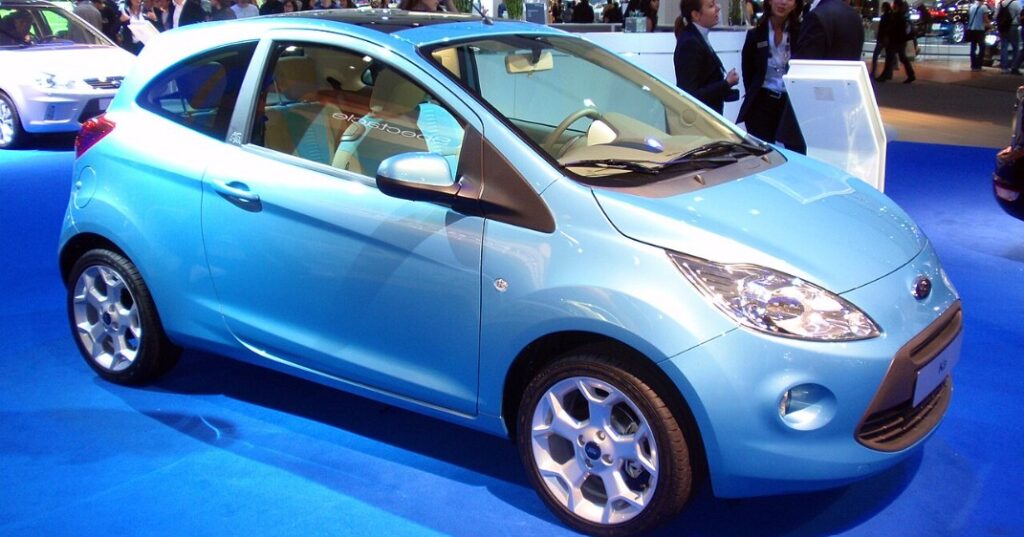
If we are hunting for a small, affordable car, sooner or later we are likely to stumble across the Ford Ka. It has been around in one form or another for decades, and used examples can often be found at tempting prices. But is Ford Ka a good car, or is its low purchase price hiding an expensive collection of headaches?
The short answer is yes, a Ford Ka can be a good car—particularly for city driving, first-time drivers, commuters, and anyone who values simplicity over luxury. However, there is an important catch: the condition and generation matter enormously.
An old, neglected first-generation Ka riddled with corrosion can turn a bargain into a money pit. A carefully maintained second-generation car, on the other hand, can make an appealing and inexpensive urban runabout. The later Ford Ka+ adds more interior space and practicality, although it still feels very much like a budget car.
The second-generation Ka is particularly easy to drive and economical, and contemporary reviews praised its handling, although its standard safety equipment was relatively limited.
So, rather than asking only whether the Ford Ka is good, we should ask a better question: which Ford Ka is good for us?
Let’s dig into it.
Content in this publication
- Is Ford Ka a Good Car Overall?
- Ford Ka Generations Explained
- Is the Ford Ka Reliable?
- Is the Ford Ka Cheap to Run?
- Is a Ford Ka Good for a First Car?
- Is the Ford Ka Good for City Driving?
- How Practical Is the Ford Ka?
- Is the Ford Ka Comfortable?
- Is the Ford Ka Fun to Drive?
- Common Ford Ka Problems
- How Safe Is the Ford Ka?
- Ford Ka vs Ford Ka+: Which Is Better?
- Is a Used Ford Ka Worth Buying?
- Who Should Buy a Ford Ka?
- Which Ford Ka Generation Is Best?
- How Much Should Condition Influence the Purchase?
- Can a Ford Ka Last a Long Time?
- Is Ford Ka a Good Car Compared With Rivals?
- What Is the Biggest Advantage of a Ford Ka?
- What Is the Biggest Disadvantage of a Ford Ka?
- Final Verdict: Is Ford Ka a Good Car?
- Frequently Asked Questions
Is Ford Ka a Good Car Overall?
For the right owner, absolutely.
The Ford Ka was never designed to be a miniature luxury sedan or a motorway-devouring grand tourer. Its mission was much simpler: provide cheap, manageable transportation in a package small enough to squeeze through crowded streets and into tiny parking spaces.
Judged by that standard, the Ka works rather well.
Its biggest advantages include relatively simple mechanical components, compact dimensions, easy driving manners, generally affordable consumables, and low used-car prices.
At the same time, we shouldn't romanticize it. Older examples can suffer from corrosion, wear, electrical niggles, suspension problems, and years of neglected maintenance. Early Kas in particular are now old enough that condition matters far more than mileage alone.
Think of an old Ford Ka like a cheap apartment. The purchase price may look irresistible, but what really matters is what has been happening behind the walls.
Ford Ka Generations Explained
Before deciding whether the Ka is worth buying, we need to distinguish between the major versions.
First-Generation Ford Ka: 1996–2008
This is the little Ford that most people picture when they hear "Ka."
With its rounded styling, unusual wheel-at-each-corner appearance, and compact body, the original Ka looked unlike almost anything else when it arrived.
Its greatest strengths remain its simplicity and character.
Earlier versions used Ford's older Endura-E engine, while the engine line changed later in the model's life; period technical discussions identify the change to the Duratec unit around late 2002.
The biggest issue today isn't necessarily the engine.
It's age.
Even the youngest examples of this generation are approaching two decades old. Corrosion is therefore one of the most important things we should investigate before buying.
Reports from owners and repair discussions have repeatedly highlighted rust around structural and body areas, including the filler-pipe/rear-wing region on aging cars.
Second-Generation Ford Ka: 2008–2016
The second Ka was a much more modern proposition.
It remained a tiny three-door city car but became more refined, more civilized, and considerably easier to live with every day.
It also shared much of its basic architecture with the Fiat 500, although Ford gave the Ka its own chassis tuning and personality.
Contemporary evaluations praised the Ka for being easy to drive, economical, and enjoyable through corners. Honest John specifically considered its handling better than the Fiat 500's and noted useful rear-seat space for the class.
For many used-car shoppers, this generation represents the Ka sweet spot.
It's modern enough to feel usable yet old enough to remain inexpensive.
Ford Ka+: The More Practical Alternative
The Ka+ changed the formula.
Instead of another tiny three-door city car, Ford turned the name into a larger five-door budget hatchback. It sacrificed some of the original Ka's cheeky personality in exchange for something far more useful.
More doors, more rear space, and a conventional hatchback body made the Ka+ easier to use as an everyday family car.
Ford even offered the Ka+ Active, a mildly crossover-inspired variant positioned around extra visual toughness while retaining the model's urban practicality.
If practicality matters more to us than charm, the Ka+ deserves serious consideration.
Is the Ford Ka Reliable?
Reliability depends heavily on which Ka we buy and how well its previous owners treated it.
Mechanically, the Ka is relatively simple compared with many modern cars. Simplicity is useful because there are fewer sophisticated components waiting to empty our wallet.
However, simple doesn't mean indestructible.
Old Kas can develop problems simply because rubber bushes harden, electrical connections deteriorate, cooling-system parts age, suspension components wear, and metal begins to corrode.
There are owner reports of first-generation cars needing components such as coil packs, heater valves, thermostats, suspension bushes, brake calipers, sensors, and other age-related repairs.
That doesn't mean every Ka will experience every fault. It tells us something more useful: at this age, maintenance history matters enormously.
Reliability Is More About Condition Than Mileage
Imagine two Ford Kas.
One has covered 60,000 miles but has spent years parked outside, received irregular servicing, and has visible corrosion underneath.
The other has covered 95,000 miles, has been serviced every year, stored reasonably well, and comes with a folder full of invoices.
Which would we rather own?
Probably the second one.
On an inexpensive older car, mileage becomes only one chapter of the story.
What We Want to See in the History
Look for regular servicing, invoices for repairs, evidence of cooling-system maintenance, recent brakes and tyres, suspension work where necessary, and documented inspection history.
A seller who can show us exactly what has been done to the car is giving us something valuable: evidence.
Is the Ford Ka Cheap to Run?
This is where the Ka begins to make a compelling argument for itself.
Small tyres, modest engines, simple suspension, and relatively basic equipment can all help keep everyday expenses under control.
Of course, "cheap to run" assumes we buy a sound example.
Buying the cheapest Ka online simply because it costs less than a laptop can backfire spectacularly. Welding, suspension repairs, tyres, brakes, exhaust work, and neglected servicing can quickly exceed the value of the vehicle.
The smarter strategy is usually to pay slightly more for the best-maintained Ka we can afford.
Fuel Economy
A Ka makes the most sense when we use it as intended: short commutes, urban journeys, errands, and moderate-speed driving.
The second-generation model in particular earned praise for economical operation.
Drive aggressively, however, and the advantage shrinks. A tiny petrol engine working hard at motorway speeds is still burning fuel.
Insurance and Consumables
Insurance depends on driver age, location, claims history, model, insurer, and local market, so we should obtain an actual quote before buying.
Nevertheless, the Ka's modest performance can make it an appealing starting point for younger or newer drivers.
Routine items such as tyres, brake components, filters, and bulbs are also generally straightforward compared with equivalent parts on premium cars.
Is a Ford Ka Good for a First Car?
Yes. In fact, this might be one of the strongest arguments for owning one.
A first car should ideally be easy to place on the road, inexpensive enough that every parking scratch doesn't cause emotional trauma, and simple enough that we can learn basic car ownership without financing a small moon landing.
The Ka ticks most of those boxes.
Its compact footprint also makes parallel parking much less intimidating.
Why New Drivers May Like It
For a first-time driver, the major attractions are manageable dimensions, generally modest performance, simple controls, good urban maneuverability, and low used purchase prices.
There is also something strangely liberating about driving a car we aren't terrified to use.
A narrow parking garage?
Fine.
Busy supermarket?
No problem.
Tight residential road?
The Ka feels like a bicycle compared with today's enormous SUVs.
Is the Ford Ka Good for City Driving?
This is its natural habitat.
A Ka threading through city streets makes sense in the same way that running shoes make sense on a jogging track.
Its short body makes parking easier, while modest engines are perfectly adequate for normal urban speeds. Visibility and maneuverability are generally straightforward, and there isn't acres of bodywork surrounding us.
For commuting through congested cities, a well-kept Ka can still feel surprisingly relevant.
Where the Ka Feels Less Impressive
Take the car away from the city and its compromises become easier to notice.
Motorway refinement is not its strongest suit. Wind and road noise are more noticeable than in larger cars, overtaking requires more planning, and passengers don't have enormous amounts of room.
You may be interested in reading Is Ford Ka a Good First Car? A Complete Beginner’s Guide
That doesn't mean we can't travel long distances in one.
We can.
We simply might not want to do it every weekend.
How Practical Is the Ford Ka?
The original and second-generation Ka prioritize compact dimensions over carrying capacity.
Two adults in front? Fine.
A couple of shopping bags? Easy.
Four adults plus luggage for a week-long holiday?
Now we're asking the Ka to impersonate something it isn't.
Rear Seat Space
Rear-seat accommodation is usable rather than luxurious.
Interestingly, the 2008–2016 Ka was considered to offer more useful rear room than the comparable Fiat 500 in contemporary reviews.
Still, adults won't mistake the rear compartment for business class.
Boot Space
The boot is sufficient for groceries, small bags, and everyday errands. Larger objects usually require folding the rear seats.
If we regularly carry children, passengers, sports equipment, or bulky luggage, the Ka+ is the far more sensible member of the family.
Is the Ford Ka Comfortable?
Comfort is acceptable for a budget city car.
The seats are relatively straightforward, controls are simple, and the compact cabin creates a cozy rather than spacious environment.
However, anyone stepping out of a modern Focus, Golf, or larger crossover will immediately notice the Ka's economy-car roots.
Older cars can also develop additional rattles and squeaks.
That's part of the experience.
The cabin isn't a silent library. It's more like a busy coffee shop.
Ride Quality
Around town, the Ka generally feels nimble and light.
Broken roads and large potholes can expose the limitations of a short-wheelbase city car, however, particularly if suspension components are worn.
Clunks over bumps deserve investigation rather than dismissal. Owner reports for the 2008–2016 generation include examples of recurring front-end clunking that required workshop attention.
Is the Ford Ka Fun to Drive?
Surprisingly, yes.
This is one area where the Ka often punches above its weight.
Ford has historically been good at making ordinary small cars feel lively, and the Ka benefited from that philosophy.
The second-generation car was specifically praised for its handling and was considered more enjoyable dynamically than its Fiat 500 relative.
We don't need 300 horsepower to have fun.
Sometimes a light car, modest tyres, responsive steering, and a narrow road can produce more smiles than a powerful vehicle that rarely gets to stretch its legs.
Performance Is Modest
Don't confuse fun with fast.
Most Kas aren't quick.
That is arguably part of the charm. We can work through the gears without immediately attracting unwanted attention.
Around town, performance is sufficient.
On steep hills or when joining fast-moving traffic with passengers aboard, the engine may need to be worked harder.
Common Ford Ka Problems
No used-car guide would be complete without discussing trouble spots.
Different generations suffer from different weaknesses, but there are several areas worth inspecting carefully.
Rust and Corrosion
On first-generation cars, rust should be close to the top of our inspection list.
Check around the wheel arches, sills, underside, suspension mounting areas, door openings, fuel-filler region, and any previously repaired sections.
The filler-pipe area has been identified in owner and repair discussions as a particularly problematic corrosion zone on older Kas, sometimes involving bodywork rather than merely replacing the pipe itself.
Never judge corrosion solely by shiny exterior paint.
What matters most may be underneath.
Suspension Wear
Listen for knocking, clunking, or rattling when driving over imperfect roads.
Bushes, links, mounts, and other suspension parts inevitably wear as cars age.
Fortunately, these aren't exotic supercar components, but several worn items at once can create a meaningful repair bill.
Cooling-System Problems
Check the coolant level before a test drive when the engine is cold.
Look for staining, leaks, overheating history, unstable temperatures, or evidence that coolant is disappearing.
An old inexpensive car that overheats can very quickly become an expensive car.
Electrical Niggles
Electric windows, locking systems, dashboard equipment, lighting, and sensors should all be tested.
Don't accept "it's probably just a fuse" without verifying it.
Sometimes it is.
Sometimes those six words precede an afternoon chasing wiring around a dashboard.
Brakes and Tyres
A cheap car still needs safe tyres and effective brakes.
Check tread depth, tyre age and condition, uneven wear, brake noises, vibration, and whether the vehicle pulls to one side.
Replacing several consumables immediately after purchase can erase much of the bargain we thought we had found.
How Safe Is the Ford Ka?
Safety is one area where age matters greatly.
We should not compare an older Ka directly with a current small car and expect equivalent crash protection, driver-assistance technology, or electronic safety systems.
The later Ka+ illustrates the issue well. Euro NCAP testing found strong performance in certain side-impact areas, but weaker protection in parts of its frontal testing. Euro NCAP also highlighted the absence of autonomous emergency braking when evaluating the model in 2017.
That doesn't automatically make a Ka unsafe to drive.
It means buyers prioritizing modern crash-avoidance technology may prefer a newer alternative.
Safety Should Influence How We Use It
If our routine consists mainly of moderate-speed urban commuting, the Ka's limitations may be easier to accept.
If we regularly transport children hundreds of motorway miles, we may decide that a newer, larger, more comprehensively equipped vehicle is worth the extra money.
Ford Ka vs Ford Ka+: Which Is Better?
It depends on what we want.
Choose a traditional Ka if we prioritize compact dimensions, lower purchase prices, city maneuverability, and a more playful feel.
Choose the Ka+ if we prioritize five-door access, rear-passenger usability, luggage capacity, and broader everyday practicality.
The Ka+ feels more like a conventional small hatchback than the quirky city car that started the lineage.
Our Practical Verdict
For a single driver or couple living in a crowded city, the standard Ka makes plenty of sense.
For a small family, the Ka+ is generally the easier car to live with.
Is a Used Ford Ka Worth Buying?
A used Ka can be excellent value, but our inspection should be ruthless.
We shouldn't buy the badge.
We should buy the condition.
A cosmetically imperfect Ka with a comprehensive maintenance record can be a much smarter purchase than a polished example hiding structural corrosion or overdue mechanical repairs.
What to Check Before Buying a Ford Ka
Before handing over money, we should inspect:
- Service and inspection history
- Structural and cosmetic corrosion
- Coolant condition and possible leaks
- Engine starting from cold
- Exhaust smoke
- Clutch operation
- Gear selection
- Suspension noises
- Steering behavior
- Brake condition
- Tyre age and wear
- Warning lights
- Electric windows
- Central locking
- Air conditioning, if fitted
- Evidence of accident repairs
- Fluid leaks underneath
- Condition of the exhaust
- Previous inspection advisories
- Number of keys supplied
Whenever possible, a pre-purchase inspection is money well spent.
Spending a little before buying can save us from spending a lot afterward.
Who Should Buy a Ford Ka?
The Ka makes the most sense for drivers who value simplicity.
It's particularly suitable for students, first-time owners, city commuters, second-car households, and people who simply need inexpensive transportation from A to B.
You may be interested in readingIs Ford Ka a Good First Car? A Complete Beginner’s GuideYou may be interested in reading
Which Ford Ka Is the Best? The Complete Used-Car GuideIt can also work brilliantly as a station car—a vehicle used for short daily journeys where owning something larger would be unnecessary.
Who Should Probably Avoid It?
We might want something else if we routinely carry four adults, need lots of cargo capacity, cover huge motorway mileage, require modern driver-assistance systems, tow trailers, or simply want a quiet and luxurious driving experience.
Trying to force the Ka into those roles is like using a teaspoon to dig a garden.
Technically possible?
Maybe.
Sensible?
Not really.
Which Ford Ka Generation Is Best?
For many buyers, the 2008–2016 Ford Ka is arguably the most balanced choice.
It retains the small dimensions and personality associated with the Ka while providing a more modern driving experience than the original.
The first-generation model can still be charming and incredibly cheap, but corrosion and age make careful inspection essential.
The Ka+ is the choice for buyers needing greater practicality.
Best Ford Ka for Character
First generation.
It's distinctive, recognizable, and becoming something of a nostalgic small car.
Best Ford Ka for Everyday City Use
Second generation.
Its combination of compact dimensions, economy, maneuverability, and entertaining handling works well.
Best Ford Ka for Practicality
Ka+.
Five doors alone transform how easy the car is to live with when passengers are involved.
How Much Should Condition Influence the Purchase?
More than almost anything else.
These are inexpensive used cars, and that changes the buying equation.
Imagine Car A costs £1,500 and immediately needs £900 of repairs.
Car B costs £2,000 and needs nothing.
Car A wasn't cheaper.
It merely had a lower entrance fee.
That distinction is crucial when shopping near the bottom of the used-car market.
A properly maintained Ka with sensible tyres, good brakes, minimal corrosion, and clean fluids is worth paying more for.
Can a Ford Ka Last a Long Time?
Yes, provided we define "long time" sensibly and maintain the car properly.
There isn't a magic mileage at which every Ka suddenly expires.
Engines, gearboxes, suspension components, cooling systems, bodies, and electrical components age at different rates.
Regular maintenance matters, but environment matters too.
A car living beside salty coastal air or spending years on winter roads treated with road salt may develop corrosion very differently from one stored dry and protected.
This is why two apparently identical Kas can age like completely different cars.
Maintenance Beats Wishful Thinking
Routine servicing won't make a car immortal.
It does, however, give us a far better chance of catching small problems before they become large ones.
Check fluids.
Listen to new noises.
Repair leaks.
Investigate warning lights.
Don't ignore corrosion.
Simple cars reward simple attention.
Is Ford Ka a Good Car Compared With Rivals?
The Ka competes in a crowded universe of inexpensive small used cars.
Depending on market and model year, buyers may also consider vehicles such as the Fiat 500, Toyota Aygo, Citroën C1, Peugeot 107/108, Volkswagen up!, Hyundai i10, Kia Picanto, Renault Twingo, and older Toyota Yaris models.
Some rivals may offer better reliability records, more practicality, stronger safety equipment, or more modern interiors.
The Ka fights back with affordability, maneuverability, enjoyable handling, and widespread familiarity.
Ford Ka vs Fiat 500
The second-generation Ka and Fiat 500 are closely related underneath but have distinctly different personalities.
The Fiat sells heavily on retro styling.
The Ka is less fashionable but can feel more driver-focused. Contemporary evaluation of the Ford specifically praised its handling relative to the Fiat.
If we care about fashion, the Fiat may win.
If we care more about value and how the car feels from behind the wheel, the Ka can be very tempting.
What Is the Biggest Advantage of a Ford Ka?
Simplicity.
Modern vehicles can be phenomenal machines, but complexity has a price.
Large touchscreens, turbocharging, elaborate driver-assistance systems, complex transmissions, enormous wheels, and dozens of electronic modules are impressive until something needs replacing.
A basic Ka approaches transport differently.
Turn the key.
Start the engine.
Drive.
For someone who simply needs mobility, that lack of drama can be refreshing.
What Is the Biggest Disadvantage of a Ford Ka?
Age—particularly on the earliest cars.
The Ford Ka itself doesn't necessarily become bad because the design is simple. But twenty or thirty years of weather, potholes, neglected servicing, cheap repairs, parking knocks, and previous owners eventually leave fingerprints.
That is why buying an older Ka without inspecting it carefully is risky.
Cheap cars often receive cheap maintenance.
We should assume nothing.
Final Verdict: Is Ford Ka a Good Car?
So, is Ford Ka a good car?
Yes, a well-maintained Ford Ka can be a very good inexpensive car, particularly for urban driving, new drivers, commuters, and households wanting basic transportation without enormous running expenses.
The second-generation 2008–2016 Ka is perhaps the easiest version to recommend because it combines compact dimensions with more modern refinement and entertaining handling. Contemporary road-test assessments praised both its economy and driving characteristics.
The original Ka deserves more caution. Its quirky styling and simple mechanics remain appealing, but corrosion should be treated seriously. Documented cases and long-running owner discussions show that rust can affect areas significant enough to make repairs uneconomical on some examples.
The Ka+ is less charming but more practical, especially when we regularly carry passengers.
Ultimately, the Ka isn't a car we should buy blindly because it is cheap.
We should buy a good Ka because it is good.
Find one with solid maintenance history, minimal rust, healthy mechanical components, decent tyres, clean fluids, and no suspicious warning lights, and we could end up with a cheerful little car that costs remarkably little to own.
Buy a neglected example simply because the advertisement shows an irresistible price, and that tiny hatchback can begin eating money like a much larger vehicle.
With the Ford Ka, condition is king.
Choose carefully, and this humble little car can still make a surprisingly strong case for itself.
Frequently Asked Questions
1. Is a Ford Ka reliable?
A Ford Ka can be reliable when properly serviced, but reliability varies significantly by generation, age, and maintenance history. Older first-generation cars deserve particularly careful checks for corrosion and age-related mechanical problems. A newer, well-maintained second-generation Ka is generally a more straightforward choice for everyday use.
2. Is a Ford Ka good for a first-time driver?
Yes. The Ka's compact size, modest performance, simple controls, and easy maneuverability make it well suited to inexperienced drivers. Insurance costs should still be checked individually because premiums depend heavily on the driver, location, vehicle, and insurer.
3. What are the most common Ford Ka problems?
Potential problems include corrosion on older first-generation models, worn suspension components, cooling-system issues, electrical niggles, worn brakes, clutch wear, and general age-related deterioration. Not every Ka develops these faults, which is why individual condition and service history matter so much.
You may be interested in readingIs Ford Ka a Good First Car? A Complete Beginner’s GuideYou may be interested in reading
Which Ford Ka Is the Best? The Complete Used-Car GuideYou may be interested in reading
Are Ford Ka Cheap to Insure? A Complete UK Guide4. Which Ford Ka is the best to buy?
For most people seeking an inexpensive city car, the 2008–2016 second-generation Ka offers an appealing balance of age, driving enjoyment, economy, and usability. Buyers wanting more passenger space should consider the Ka+, while enthusiasts attracted to the original Ka should prioritize rust-free, well-preserved examples.
5. Is a Ford Ka worth buying today?
Yes, if the price reflects its condition and intended use. A Ford Ka can still be an excellent urban runabout, second car, or first vehicle. However, we should inspect older examples carefully and avoid purchasing solely on price. A slightly more expensive Ka with documented maintenance can easily prove cheaper to own than the cheapest car advertised.
If you want to know other articles similar to Is Ford Ka a Good Car? A Complete Used Buyer’s Guide you can visit the category Blog.
Is Nissan Rogue a Good Car? Reliability, Pros, Cons & What to Know
Nissan Rogue Not Starting? Common Causes and How to Fix It
Is Vauxhall Agila a Good Car? Reliability, Problems and Buying Guide

Honda Passport Life Expectancy: How Many Miles Can It Last?
Honda Passport Depreciation: How Well Does It Hold Its Value?
Nissan Rogue Reliability Rating: How Reliable Is the Rogue?
Leave a Reply
More content of your interest