

Alfa Romeo MiTo TPMS Reset: How to Clear the Tyre Pressure Warning Light

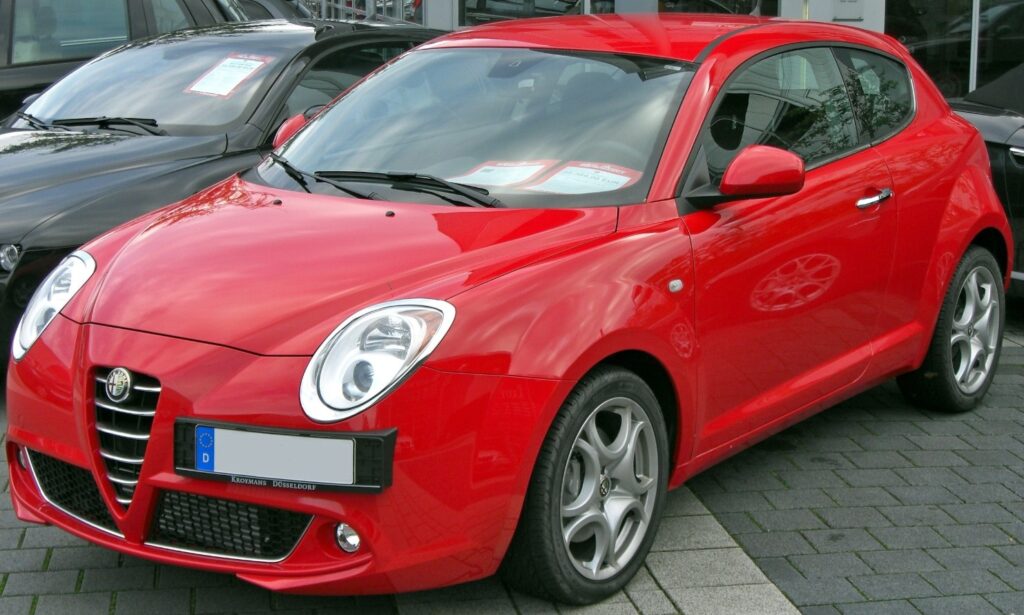
Seeing the tyre-pressure warning symbol glowing on the dashboard of an Alfa Romeo MiTo can be irritating, especially when all four tyres look perfectly fine. Sometimes the warning appears after a cold night. Sometimes it arrives just after we have inflated the tyres, rotated the wheels, or fitted replacements. And occasionally, the warning stubbornly refuses to disappear no matter what we do.
Fortunately, an Alfa Romeo MiTo TPMS reset is usually straightforward once we understand which type of tyre-pressure monitoring system our particular MiTo uses.
That distinction matters more than many guides suggest. The MiTo was produced across several years and markets, and Alfa Romeo used different TPMS configurations depending on specification. Some versions employ pressure sensors mounted inside the wheels, while tyre-pressure monitoring arrangements on Alfa Romeo models can also use wheel-speed data rather than displaying actual pressure values. Alfa documentation also makes clear that TPMS equipment can depend on version and market.
So rather than blindly holding random dashboard buttons and hoping the warning disappears, we'll tackle the problem properly.
Content in this publication
- What Does the Alfa Romeo MiTo TPMS Light Mean?
- Alfa Romeo MiTo TPMS Reset: The Quick Method
- Why MiTo TPMS Reset Instructions Differ Online
- Step 1: Check the Tyres Before Resetting Anything
- Step 2: Find the Correct MiTo Tyre Pressure
- Step 3: Switch the Ignition On
- Step 4: Look for a TPMS or Tyre Reset Option
- Step 5: Drive the Alfa Romeo MiTo
- How Long Does an Alfa Romeo MiTo TPMS Reset Take?
- Why the MiTo TPMS Light Stays On After Inflation
- TPMS Light On After Changing Alfa Romeo MiTo Tyres
- Alfa Romeo MiTo TPMS Reset After Wheel Replacement
- Can Disconnecting the Battery Reset the MiTo TPMS?
- Can an OBD Scanner Reset Alfa Romeo MiTo TPMS?
- Low Tyre Pressure Warning vs TPMS Failure
- What If the TPMS Light Flashes?
- Cold Weather and Alfa Romeo MiTo TPMS Warnings
- Can We Ignore the Alfa Romeo MiTo Tyre Pressure Light?
- When Should We Reset the MiTo TPMS?
- Common Alfa Romeo MiTo TPMS Reset Mistakes
- A Simple Alfa Romeo MiTo TPMS Troubleshooting Routine
- How to Prevent Future TPMS Warnings
- Does Every Alfa Romeo MiTo Have TPMS?
- What About Early Alfa Romeo MiTo Models?
- What About 2014–2019 Alfa Romeo MiTo Models?
- When Should We Visit an Alfa Romeo Specialist?
- Final Thoughts on the Alfa Romeo MiTo TPMS Reset
- Frequently Asked Questions
What Does the Alfa Romeo MiTo TPMS Light Mean?
The TPMS warning symbol resembles a horseshoe-shaped tyre with an exclamation mark in the middle.
When it illuminates, the car is essentially saying:
"Something about the tyre-pressure system needs your attention."
That does not automatically mean there is a TPMS fault.
The warning can indicate that one or more tyres are underinflated. Alfa Romeo documentation for TPMS-equipped vehicles distinguishes warnings such as "Check tyre pressures" and "Low tyre pressures."
Before resetting anything, therefore, our first job is to inspect the tyres.
A dashboard reset should never become a digital bandage over a physical tyre problem.
Alfa Romeo MiTo TPMS Reset: The Quick Method
For many MiTo owners searching for the basic process, this is the sensible sequence:
- Park the vehicle safely on level ground.
- Allow the tyres to cool if the car has recently been driven.
- Check all four tyre pressures using a reliable gauge.
- Inflate each tyre to the specification listed for your exact MiTo configuration.
- Switch the ignition on.
- Check the instrument-cluster menu for a tyre-pressure or TPMS reset option if your version provides one.
- Confirm the reset or pressure calibration when prompted.
- Start the engine and drive normally so the system can update.
- Recheck the dashboard after several minutes of driving.
Some reset guidance for the MiTo recommends driving after calibration so the system can establish or verify its new reference information.
However, there is an important catch: not every Alfa Romeo MiTo has exactly the same user-reset procedure.
That is why we should identify the system before repeatedly pressing buttons that may not even exist on our car.
Why MiTo TPMS Reset Instructions Differ Online
Search for "Alfa Romeo MiTo tyre pressure reset" and we quickly enter a maze.
One guide tells us to press a dedicated TPMS button. Another says to open the dashboard menu. Another claims we simply need to drive. Someone else recommends diagnostic equipment.
How can they all be talking about the same car?
Because "Alfa Romeo MiTo" covers multiple model years, trims, markets, wheel packages, and TPMS installations.
Alfa manuals frequently describe tyre-pressure monitoring equipment with wording such as "for versions/markets, where provided."
In practical terms, that means a procedure that works perfectly on one MiTo may be irrelevant on another.
Direct TPMS Versus Indirect TPMS
Understanding these two systems makes troubleshooting much easier.
Direct TPMS
A direct TPMS uses electronic sensors fitted to the wheels. Those sensors monitor tyre pressure and transmit information to the vehicle's control system.
Alfa Romeo documentation for direct TPMS describes radio-frequency sensors installed on the wheels inside the tyres that communicate tyre-pressure information to the control unit.
If a direct sensor fails, loses communication, develops a valve problem, or reaches the end of its battery life, simply inflating the tyre may not clear the warning.
Indirect TPMS
An indirect system works differently. It estimates changes in tyre inflation using wheel-speed information rather than measuring pressure directly inside every tyre.
Alfa Romeo describes its iTPMS technology on other models as using wheel-speed sensors to monitor inflation status.
With an indirect system, resetting or recalibrating tells the car:
"These correctly inflated tyres are now our reference point."
The system then watches for changes from that baseline.
Step 1: Check the Tyres Before Resetting Anything
This sounds obvious, but it is the most important step.
Never assume the warning light is false.
Walk around the MiTo and look for:
- a visibly soft tyre
- nails or screws in the tread
- sidewall damage
- a leaking valve
- uneven tyre wear
- recently replaced tyres
- significant differences between left and right tyres
Then check pressures with a proper gauge.
Alfa guidance recommends checking tyre pressures when the tyres are cold.
Why Cold Tyre Pressure Matters
Tyres heat up while we drive. Warm air expands, increasing the measured pressure.
If we drive ten miles, stop at a petrol station, see a higher figure and bleed air out until it matches the cold specification, we may actually leave the tyres underinflated once everything cools down.
That is like adjusting a bathroom scale while someone is standing on it.
Whenever practical, measure pressures before driving or after the vehicle has been stationary long enough for the tyres to cool.
Step 2: Find the Correct MiTo Tyre Pressure
There is no universal pressure that fits every Alfa Romeo MiTo.
Different engines, tyre sizes and wheel packages can require different pressures.
For example, published MiTo pressure references show variations across sizes such as 185/65 R15, 195/55 R16, 205/45 R17 and 215/40 R18.
That is why copying a PSI figure from a forum post is risky.
Use the tyre-pressure information supplied for your exact vehicle, which may be found in the owner's documentation or vehicle pressure label depending on market.
Do Not Inflate According to the Tyre Sidewall Maximum
This is one of the most common tyre mistakes.
The pressure moulded into a tyre sidewall is not automatically the normal operating pressure Alfa Romeo recommends for the MiTo.
Think of it as a structural limit, not a daily target.
The manufacturer's specification takes the vehicle's weight, handling, tyre dimensions and load characteristics into account.
Step 3: Switch the Ignition On
Once all four tyres are correctly inflated, switch the ignition to the normal ON/MAR position.
On versions equipped with a user-accessible reset function, the next step is usually performed through the dashboard controls or tyre-pressure reset arrangement.
Do not worry if your MiTo dashboard does not look identical to a tutorial filmed with another model year.
Control layouts changed over the vehicle's lifespan.
Step 4: Look for a TPMS or Tyre Reset Option
Using the dashboard/menu controls, look for terminology resembling:
- TPMS
- Tyre Pressure
- Reset Tyres
- Tyre Reset
- Pressure Reset
- Calibration
If your vehicle provides the function, select it and confirm the reset.
The exact wording varies by instrument-cluster software and market.
What Happens During a Reset?
The car is not magically filling the tyres.
It is effectively acknowledging their present condition as acceptable—or beginning a relearn process depending on the system.
This distinction is crucial.
Pressing reset with one tyre at 24 PSI when it should be significantly higher does not repair anything.
We would simply be teaching the car from a bad starting point.
Step 5: Drive the Alfa Romeo MiTo
After resetting or correcting the pressure, drive the vehicle normally.
The monitoring system may need movement before it can confirm that everything has returned to normal.
MiTo reset guidance commonly recommends a short drive after correcting tyre pressures, while Alfa documentation for TPMS systems notes that certain persistent indications may only be generated after the vehicle has been moving.
A mixture of normal urban and steady-road driving is usually preferable to idling on the driveway.
How Long Does an Alfa Romeo MiTo TPMS Reset Take?
There is no single guaranteed number because the answer depends on the installed system and the cause of the warning.
If the alert appeared simply because a tyre had become slightly underinflated, correcting the pressure and allowing the monitoring system to update may solve the issue relatively quickly.
A sensor or system malfunction is different.
No amount of driving can magically revive failed hardware.
Should the Car Be Stationary During the Reset?
Perform any dashboard reset while safely parked.
The relearning or verification stage can then occur while driving.
Trying to navigate dashboard menus while moving is unnecessary and unsafe.
Why the MiTo TPMS Light Stays On After Inflation
This is where things become interesting.
We have checked all four tyres. They are correct. Yet the orange symbol still stares back at us like an uninvited passenger.
Several causes are possible.
1. One Tyre Is Still Slightly Low
A cheap pressure gauge can be inaccurate.
If one tyre sits noticeably below the others, double-check it using another gauge.
2. Pressure Was Checked While the Tyres Were Hot
The tyres may appear correctly inflated after driving but fall below the intended pressure when cold.
Check them again the next morning.
3. There Is a Slow Puncture
A nail may allow air to escape slowly.
Imagine:
Monday: 33 PSI
Wednesday: 30 PSI
Friday: 27 PSI
Resetting every few days merely hides the symptom temporarily.
If the same tyre repeatedly loses pressure, have it professionally inspected.
4. A Wheel Sensor Is Faulty
On direct-TPMS versions, the wheel-mounted transmitter itself may become defective.
Direct TPMS sensors include internal electronics, and the system depends on communication between those sensors and the vehicle.
If communication disappears, the warning can remain even though the tyre itself is correctly inflated.
5. Wheels Without Compatible Sensors Have Been Installed
This can happen after fitting aftermarket alloys, winter wheels, or another set of second-hand wheels.
On systems expecting wheel sensors, installing incompatible wheels can trigger a system warning.
6. The Replacement Sensor Has Not Been Recognized
A new TPMS sensor may need the correct specification, coding or setup depending on the system.
A tyre shop familiar with Alfa Romeo vehicles can check sensor communication using TPMS diagnostic equipment.
TPMS Light On After Changing Alfa Romeo MiTo Tyres
A tyre replacement is one of the most common moments for TPMS problems to appear.
Why?
Because changing a tyre means working directly around the valve and sensor on direct-TPMS vehicles.
A technician can accidentally damage an ageing valve or sensor while removing the tyre.
Conversely, if the warning appeared because tyre pressure changed during service, the system may simply need pressure correction and verification.
What to Check After a Tyre Change
First confirm that:
- every tyre is the correct size
- all pressures are correct when cold
- sensor-equipped valves were not damaged
- compatible components were installed
- the warning did not exist before the service
If the warning appeared immediately after tyre work, mention that timeline to the installer.
It can dramatically shorten diagnosis.
Alfa Romeo MiTo TPMS Reset After Wheel Replacement
Changing complete wheels adds another layer.
Suppose we replace factory alloys with winter wheels.
If the car uses direct pressure sensors and the second set of wheels lacks compatible sensors, the vehicle cannot receive the expected tyre-pressure data.
Alfa Romeo documentation notes that TPMS systems can require compatible wheels and related equipment.
So before buying aftermarket wheels, ask whether they support your MiTo's exact TPMS configuration.
A beautiful set of alloys loses some sparkle when it turns the dashboard into a Christmas tree.
Can Disconnecting the Battery Reset the MiTo TPMS?
We would not use battery disconnection as the first solution.
Why?
Because a tyre-pressure warning has a cause.
Disconnecting power does not:
- repair a puncture
- inflate a tyre
- fix a damaged valve
- replace a dead sensor
- make incompatible wheels compatible
And disconnecting the battery unnecessarily can introduce other inconveniences involving stored settings or electrical systems.
Fix the tyre-pressure problem first.
Then follow the appropriate reset or diagnostic procedure.
Can an OBD Scanner Reset Alfa Romeo MiTo TPMS?
Sometimes diagnostic equipment becomes necessary, particularly when the dashboard reports a TPMS system fault rather than simply low tyre pressure.
A suitable diagnostic tool may help a technician identify communication problems or related fault codes.
However, a cheap generic OBD reader is not guaranteed to support Alfa Romeo's tyre-pressure system functions.
There is an important difference between:
"My tyre was low."
and:
"The car cannot communicate properly with its tyre-monitoring equipment."
The first may need air.
The second may need diagnosis.
Low Tyre Pressure Warning vs TPMS Failure
These two situations should not be treated the same way.
Low Pressure Warning
If the car reports low tyre pressure:
- Stop somewhere safe.
- Inspect the tyres.
- Measure pressure.
- Correct the pressure.
- Check for punctures.
- Reset or allow the system to update as appropriate.
TPMS System Failure
If the dashboard indicates a TPMS malfunction or unavailable system despite correct pressures, electronic diagnosis may be necessary.
Alfa Romeo documentation states that TPMS warnings can also indicate a system fault rather than simply underinflation.
That is the point where a qualified workshop becomes more useful than another round of random button pressing.
What If the TPMS Light Flashes?
A flashing tyre-pressure warning often deserves more attention than a normal steady low-pressure indication because it may relate to system operation rather than just inflation.
The exact behavior depends on the vehicle specification, so refer to the handbook for your exact model.
If the warning flashes repeatedly and then remains illuminated despite correct tyre pressure, consider having the TPMS checked electronically.
Cold Weather and Alfa Romeo MiTo TPMS Warnings
Has your tyre-pressure warning appeared immediately after the temperature dropped overnight?
That is entirely plausible.
Tyre pressure changes with ambient temperature, and colder conditions can reduce pressure enough to trigger a warning when a tyre was already sitting close to the threshold.
Do not automatically assume the sensor is defective.
Check the tyres cold and adjust them to the correct specification.
Should We Add Extra Air Every Winter?
We should maintain the manufacturer's specified cold pressure, not invent our own winter setting.
If the tyres are below specification on a cold morning, inflate them appropriately.
The goal is consistency—not chasing the warning lamp with random amounts of air.
Can We Ignore the Alfa Romeo MiTo Tyre Pressure Light?
We should not.
An underinflated tyre can affect:
- steering response
- braking
- tyre wear
- fuel consumption
- heat buildup
- overall stability
TPMS is a warning system, not a replacement for normal tyre inspection.
Alfa Romeo's own TPMS guidance emphasizes that the system does not remove the driver's responsibility to check tyre pressures regularly.
That is perhaps the most important point in this entire guide.
When Should We Reset the MiTo TPMS?
Resetting or recalibrating may be appropriate after circumstances such as correcting tyre pressures, changing tyres, fitting different wheels, or carrying out work that alters the tyre setup—provided the vehicle's system actually offers a user reset function.
But remember the order:
Inspect → Inflate → Reset
Not:
Reset → Hope → Ignore
Common Alfa Romeo MiTo TPMS Reset Mistakes
The reset process itself is rarely the hardest part. Human shortcuts usually cause more trouble.
Resetting Before Checking Pressure
This is the big one.
Always check the tyres first.
Using Another MiTo Owner's Pressure
Their MiTo may have different wheels, tyres, engine or loading requirements.
Checking Only the Tyre That Looks Low
Modern tyres can lose considerable pressure without appearing obviously flat.
Check all four.
Assuming a Warning Is Automatically a Bad Sensor
Sometimes the tyre is simply low.
Start with the simple explanation.
Assuming a Persistent Warning Is Automatically Low Pressure
The opposite mistake is equally troublesome.
If pressure is correct and the system still reports a fault, investigate the TPMS itself.
A Simple Alfa Romeo MiTo TPMS Troubleshooting Routine
When that warning appears, we can follow one straightforward diagnostic path:
First: Inspect all four tyres visually.
Second: Measure cold pressures accurately.
Third: Inflate according to the specification for the car.
Fourth: Perform the available TPMS reset/calibration procedure if your version provides one.
Fifth: Drive normally and allow the monitoring system to update.
Sixth: Recheck the pressures if the warning returns.
Seventh: If one tyre repeatedly loses air, investigate a leak.
Eighth: If all tyres remain correct but a TPMS fault persists, arrange diagnostic testing.
That approach prevents us from replacing expensive sensors when a £1 valve leak was the real culprit—and prevents us from repeatedly inflating tyres when an electronic fault is actually responsible.
How to Prevent Future TPMS Warnings
TPMS warnings cannot always be prevented, but a little maintenance goes a long way.
Check tyre pressures regularly, particularly before long journeys and during major seasonal temperature changes.
Inspect tyre condition at the same time.
A thirty-second walk around the MiTo can reveal:
- cuts
- bulges
- screws
- uneven wear
- damaged valve stems
Use a Good Pressure Gauge
Petrol-station gauges can be convenient, but having a decent portable gauge lets us check tyre pressure consistently.
Consistency matters almost as much as precision.
Check Tyres Before Long Trips
Motorway driving places sustained heat and load on tyres.
Starting with correct cold pressures is far better than discovering a soft tyre after the warning appears at 70 mph.
Does Every Alfa Romeo MiTo Have TPMS?
No assumption should be made solely from the MiTo badge.
The car was produced for numerous markets and specifications, and Alfa documentation repeatedly qualifies TPMS equipment as dependent on version and market.
Earlier cars may therefore differ substantially from later examples.
If your MiTo has no obvious tyre-pressure reset menu or dedicated control, do not assume something has been removed.
Check the owner's handbook or equipment specification for that exact vehicle.
What About Early Alfa Romeo MiTo Models?
Early MiTos can be especially confusing because online tutorials frequently demonstrate later vehicles.
Some early cars offered tyre-pressure monitoring only on certain versions or markets rather than as universal equipment.
Consequently, we should avoid applying a later-model reset procedure to an older car without verifying the fitted system.
VIN-specific workshop information or the original handbook is ideal when uncertainty remains.
What About 2014–2019 Alfa Romeo MiTo Models?
Later European-market cars are more likely to be encountered with TPMS because tyre-pressure monitoring became a regulatory requirement for newly registered passenger cars in the EU era in which the MiTo was still being sold.
Yet equipment and implementation still vary.
So even with a 2016, 2017, 2018 or 2019 MiTo, we should confirm the actual system rather than assuming every internet tutorial applies.
When Should We Visit an Alfa Romeo Specialist?
A professional inspection makes sense when:
- the warning immediately returns after correction
- pressures remain stable but TPMS reports a fault
- one wheel is not being detected
- the warning appeared after a wheel change
- a sensor was recently replaced
- the TPMS warning flashes repeatedly
- diagnostic trouble codes are present
- the system cannot complete its normal reset/relearn behavior
A specialist or competent tyre shop with TPMS diagnostic equipment can determine whether the problem lies with the tyre, valve, sensor, wheel setup or vehicle electronics.
Final Thoughts on the Alfa Romeo MiTo TPMS Reset
An Alfa Romeo MiTo TPMS reset should be simple—but only after we deal with the underlying tyre pressure correctly.
That is the key takeaway.
Check all four tyres cold, set them to the correct specification for your particular MiTo, perform the available reset or calibration procedure if your model provides one, and then drive normally so the system can update.
If the warning disappears, problem solved.
If it returns because the same tyre loses pressure, look for a leak.
And if all four tyres remain correctly inflated while the dashboard reports a persistent TPMS failure, stop resetting and start diagnosing.
The tyre-pressure warning light is rather like a smoke alarm. Sometimes the toast really is burning. Sometimes the alarm has a fault. Either way, removing the battery is not the smartest first response.
Treat the cause first, and the dashboard light usually takes care of itself.
Frequently Asked Questions
1. How do I reset the tyre pressure light on an Alfa Romeo MiTo?
First check and correctly inflate all four tyres while cold. With the vehicle safely parked, switch the ignition on and use the tyre-pressure/TPMS reset function if your particular MiTo provides one. Confirm the reset, then drive normally so the monitoring system can update. Procedures vary by model year and market, so consult the handbook when the menu or controls differ.
2. Why won't my Alfa Romeo MiTo TPMS light go off?
The most common possibilities include a tyre that remains underinflated, a slow puncture, incorrect cold pressure, an incompatible wheel or sensor, or a fault within the TPMS system. If pressures stay correct but the warning persists, diagnostic testing is appropriate.
3. Do I need a diagnostic tool to reset MiTo TPMS?
Not necessarily. A normal low-pressure warning may clear after correcting tyre pressure and completing the vehicle's normal reset or relearn procedure. Diagnostic equipment becomes more relevant when the dashboard reports a TPMS system fault or a sensor is not communicating correctly.
4. Will driving reset the Alfa Romeo MiTo tyre pressure light?
Driving can help the monitoring system update after the tyres have been correctly inflated and any required reset has been completed. However, driving alone will not repair a leaking tyre, damaged sensor or TPMS electronic fault.
5. Can cold weather cause the Alfa Romeo MiTo TPMS light to appear?
Yes. Lower ambient temperatures can reduce tyre pressure enough to trigger a warning, particularly if the tyres were already near the system's threshold. Check every tyre when cold and inflate it according to the specification for your exact MiTo.
If you want to know other articles similar to Alfa Romeo MiTo TPMS Reset: How to Clear the Tyre Pressure Warning Light you can visit the category Service and Parts.
Kia Sorento Service Reset: How to Reset the Service Light
Kia Sorento Fuel Tank Capacity: Gallons, Litres and Model Differences
Kia Sorento Tyre Pressure: Recommended PSI, Bar and Complete Guide
Kia Sorento Boot Space: How Much Luggage Space Does It Really Have?
Kia Sorento Towing Capacity: How Much Can a Sorento Tow?

Honda Passport Payload Capacity: How Much Weight Can It Carry?
Leave a Reply
More content of your interest