
Pros and Cons of Volvo XC90: Is This Luxury SUV Worth It?

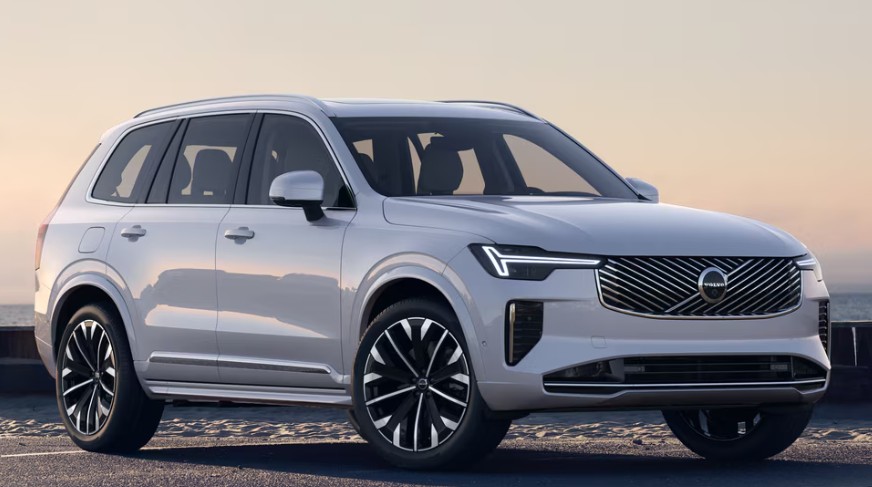
The Volvo XC90 has spent years carving out its own corner of the luxury SUV market. It does not shout quite as loudly as some German rivals, nor does it try to look like a sports car wearing hiking boots. Instead, it takes a distinctly Scandinavian approach: clean design, thoughtful comfort, family-friendly practicality, and a heavy emphasis on safety.
But is the XC90 actually as good to own as it looks parked outside a modern glass house?
That depends on what we expect from it.
For families who value comfort, understated luxury, seven-seat practicality, and advanced safety technology, the XC90 can be exceptionally appealing. On the other hand, buyers searching for razor-sharp handling, bargain maintenance costs, or maximum third-row space may find a few cracks beneath the polished surface.
In this guide, we'll examine the pros and cons of Volvo XC90 ownership, including comfort, reliability, performance, fuel economy, technology, maintenance costs, practicality, and long-term value.
Content in this publication
- Volvo XC90 Pros and Cons at a Glance
- Pro: The Volvo XC90 Still Looks Expensive Without Looking Flashy
- Pro: The Interior Is One of the XC90's Biggest Strengths
- Pro: Safety Remains Central to the XC90 Experience
- Pro: The XC90 Works Well as a Family SUV
- Pro: The Volvo XC90 Is Excellent on Long Journeys
- Pro: The Plug-In Hybrid Can Be Surprisingly Quick
- Pro: Plug-In Hybrid Versions Can Handle Short Trips Electrically
- Con: The Volvo XC90 Is Expensive
- Con: Maintenance Can Be Expensive
- Con: Complexity Can Become a Long-Term Ownership Risk
- Con: The Infotainment System Won't Suit Everyone
- Con: Some Rivals Are More Fun to Drive
- Con: Large Wheels Can Hurt Ride Quality
- Con: Fuel Economy Depends Heavily on the Powertrain
- Con: The Third Row Has Limits
- Pro: The XC90 Doesn't Feel Like a Minivan
- Pro: The Interior Materials Feel Distinctive
- Pro: Visibility and Driving Position Are Family Friendly
- Pro: Used XC90s Can Offer Serious Luxury for the Money
- Should You Buy a New or Used Volvo XC90?
- Is the Volvo XC90 Reliable?
- Who Should Buy a Volvo XC90?
- Who Should Avoid the Volvo XC90?
- Volvo XC90 Mild Hybrid vs Plug-In Hybrid
- How Does the XC90 Compare With German Luxury SUVs?
- Are the Volvo XC90 Pros Greater Than the Cons?
- Final Verdict: Is the Volvo XC90 Worth Buying?
- Frequently Asked Questions About the Volvo XC90
Volvo XC90 Pros and Cons at a Glance
Before diving deeper, here's the short version.
Main Volvo XC90 Pros
- Elegant Scandinavian exterior design
- Beautiful and calming interior
- Excellent front-seat comfort
- Strong emphasis on occupant safety
- Seven-seat versatility on many versions
- Comfortable highway ride
- Powerful plug-in hybrid option
- Useful electric-only driving capability on PHEV versions
- High-quality materials
- Practical family-oriented storage
- Strong combination of luxury and everyday usability
- Less flashy than many competing luxury SUVs
Main Volvo XC90 Cons
- Premium purchase price
- Potentially expensive repairs outside warranty
- Third-row space is better for children or shorter adults
- Touchscreen-heavy controls may frustrate some drivers
- Large wheels can negatively affect ride comfort
- Fuel economy of non-plug-in models is only moderate
- Some rivals feel sportier to drive
- Complex hybrid and electronic systems increase long-term repair complexity
- Depreciation can make buying new expensive
- Optional equipment can push the price significantly higher
So, the XC90 is not flawless. Yet its strengths line up extremely well with what many family SUV buyers actually care about.
Pro: The Volvo XC90 Still Looks Expensive Without Looking Flashy
One reason the XC90 has aged gracefully is its restrained design.
Many luxury SUVs seem locked in a competition to create the biggest grille, the sharpest headlights, or the most aggressive bumper possible. The XC90 takes another route.
It looks expensive without desperately trying to prove it.
The upright proportions, distinctive lighting signatures, clean body lines, and uncluttered styling give it a confident appearance. It is more tailored suit than designer tracksuit.
That understated appearance can also make the XC90 attractive to buyers who want premium transportation without attracting unnecessary attention.
A Design That Ages Slowly
Fashion moves quickly in the automotive industry. Today's futuristic styling can look strangely dated five years later.
The XC90's relatively simple design helps it avoid that trap.
Used examples from earlier model years can still look contemporary, particularly when well maintained. That matters because luxury vehicles often remain on the road much longer than the original lease cycle.
Pro: The Interior Is One of the XC90's Biggest Strengths
Open the door and the Scandinavian theme continues.
Instead of covering every surface with buttons, chrome strips, and flashing lights, Volvo generally aims for visual simplicity. The dashboard is clean, the seats look sculpted rather than oversized, and decorative materials create a cabin that feels more like a sophisticated living room than a cockpit.
Comfort Comes Before Drama
Some luxury SUVs impress us for the first five minutes.
The XC90 often becomes more impressive after two hours.
That distinction matters.
Seats are arguably one of Volvo's strongest talents. Long-distance support is generally excellent, and the driving position makes highway journeys feel less tiring.
For commuters, parents, and road-trip enthusiasts, that can matter far more than an illuminated grille or another 50 horsepower.
The Cabin Feels Relaxing
There's something almost architectural about a good Volvo interior.
Rather than bombarding us with visual information, it tries to reduce clutter. That contributes to one of the XC90's less measurable advantages: it simply feels calm.
After navigating traffic, school runs, airport pickups, and congested city streets, calm is surprisingly luxurious.
Pro: Safety Remains Central to the XC90 Experience
Volvo and safety have been closely associated for decades, and the XC90 continues to make occupant protection a central part of its identity.
Modern XC90 models combine structural safety engineering with a broad collection of driver-assistance features.
The exact equipment varies by market, trim, and model year, so buyers should always confirm features on the individual vehicle.
Nevertheless, safety remains one of the strongest reasons families shortlist the XC90.
Driver Assistance Can Reduce Everyday Stress
Safety technology is not only useful when something goes wrong.
Good driver-assistance systems can make ordinary driving less exhausting.
Features designed to assist with lane positioning, collision avoidance, blind-spot awareness, parking, and surrounding traffic can become especially useful on long trips or crowded highways.
We should still treat these systems as assistance rather than substitutes for attentive driving, but they can provide an additional layer of reassurance.
Pro: The XC90 Works Well as a Family SUV
Luxury is nice.
Being able to carry children, bags, groceries, sports equipment, and the occasional flat-pack furniture box is nicer.
The XC90 manages to combine premium ambience with genuine practicality. Current versions can be configured with multiple seating arrangements depending on market and specification, including six- and seven-seat configurations in some markets.
Seven Seats Add Flexibility
Most families will probably use the third row occasionally rather than every day.
That's where the XC90 makes sense.
Need to bring two additional children home after football practice? Fold up the third row.
Need more luggage room for a weekend away? Fold it down again.
That flexibility makes a three-row SUV valuable even when we rarely carry seven people.
The Third Row Isn't Perfect
Here's the catch.
The rear-most seats are not equivalent to the front two rows.
Children and teenagers should generally be happier back there than tall adults, particularly on longer journeys.
If seven adults will regularly travel together, buyers should physically test every seating position before purchasing.
Pro: The Volvo XC90 Is Excellent on Long Journeys
This may be where the XC90 makes its strongest case.
Highway cruising suits its personality beautifully.
The comfortable seats, solid cabin, elevated driving position, and generally composed ride create a vehicle that encourages relaxed rather than aggressive driving.
It is the SUV equivalent of a comfortable pair of high-quality shoes. Maybe it doesn't make us sprint everywhere, but we can wear it all day without complaining.
Road Trips Feel Natural
Families who regularly travel long distances may appreciate the XC90 more than drivers who only complete ten-minute urban journeys.
Its cabin provides room to stretch out, passengers sit high, luggage capacity is useful, and the overall atmosphere feels designed around covering distance comfortably.
Pro: The Plug-In Hybrid Can Be Surprisingly Quick
Nobody buys a seven-seat Volvo because they want to dominate a racetrack.
Still, having power available is useful.
Current XC90 plug-in hybrid specifications vary by market, but Volvo advertises substantial combined power from the T8 setup. For example, the U.S. specification lists up to 455 horsepower, while specifications in some other markets quote different outputs due to regional configurations and measurement standards.
That means acceleration can feel much stronger than the XC90's restrained appearance suggests.
Electric Torque Helps Around Town
The electric component of the plug-in hybrid system can make low-speed responses feel smooth and immediate.
Pulling away from intersections or joining busy traffic requires less drama.
It's quick without behaving like it desperately wants us to notice.
Pro: Plug-In Hybrid Versions Can Handle Short Trips Electrically
For the right owner, this may be one of the biggest XC90 advantages.
Current plug-in hybrid models provide a useful amount of electric-only driving, although official range varies considerably depending on testing standards and market. Volvo currently advertises up to 32 miles in the United States, 53 km in Canada, and higher WLTP-based figures in certain markets.
That can transform ownership if we charge regularly.
Imagine a household where the typical daily commute is relatively short.
We leave home with a charged battery, handle school runs, commuting, errands, or shopping largely on electricity, then plug the SUV back in overnight.
But when a 400-mile road trip arrives, we still have a petrol engine available.
That's the central appeal of a plug-in hybrid: electric commuting without needing to plan every long journey around charging stops.
The PHEV Makes Most Sense If We Actually Charge It
Buying a plug-in hybrid and rarely connecting it to a charger defeats much of the purpose.
The battery, motors, and associated hardware add weight and complexity. The benefits become far more compelling when electricity replaces petrol for a meaningful percentage of daily driving.
Con: The Volvo XC90 Is Expensive
We cannot discuss the pros and cons of Volvo XC90 ownership without confronting price.
This is a premium SUV.
Even when the entry price appears competitive against other luxury models, selecting a more powerful drivetrain, premium trim, larger wheels, upgraded audio, or additional comfort equipment can quickly increase the final cost.
Luxury Options Add Up Quickly
Luxury car pricing often resembles ordering dinner at a restaurant where everything delicious costs extra.
The base vehicle might seem reasonable.
Then we add a few tempting features.
Suddenly the bill looks very different.
You may be interested in reading Are Volvo XC90 Good Off Road? A Complete Capability Guide
Before purchasing, compare similarly equipped vehicles rather than simply comparing advertised starting prices.
Con: Maintenance Can Be Expensive
A used XC90 can look like an incredible bargain after depreciation.
That does not mean it suddenly becomes inexpensive to maintain.
It remains a sophisticated luxury SUV filled with electronics, turbocharged engines, hybrid components on certain versions, advanced suspension hardware, cameras, sensors, and complex infotainment systems.
Cheap Purchase Price Doesn't Mean Cheap Ownership
This is one of the most important lessons in the used luxury market.
A vehicle that originally competed against expensive BMW, Mercedes-Benz, and Audi SUVs still requires premium-car maintenance after its market value falls.
Parts do not magically become economy-car parts because the vehicle turns eight years old.
Labor does not necessarily become cheaper either.
A well-maintained XC90 can therefore be a smarter purchase than the cheapest XC90 available.
Service History Matters
When buying used, we would prioritize:
- Complete maintenance records
- Evidence that recalls and software updates were handled
- Smooth operation of every electronic feature
- Proper operation of climate control
- Suspension condition
- Tire condition and matching tire brands
- Warning lights or stored fault codes
- Hybrid system health on plug-in models
- Evidence of accident repairs
- A professional pre-purchase inspection
The cleanest service history is usually worth paying extra for.
Con: Complexity Can Become a Long-Term Ownership Risk
Modern luxury SUVs are rolling computer networks.
The XC90 is no exception.
A fully equipped model may combine turbocharging, hybrid technology, sophisticated infotainment, multiple control modules, driver-assistance sensors, powered seating, climate systems, and electronically controlled chassis components.
Every individual system may work beautifully.
The issue is quantity.
More technology means more potential failure points as the vehicle ages.
The Plug-In Hybrid Adds Another Layer
The PHEV powertrain gives us impressive performance and electric driving capability, but it also adds high-voltage components, charging equipment, battery management electronics, an electric motor, and additional cooling systems.
That doesn't automatically make the vehicle unreliable.
It simply means long-term ownership becomes technically more complex.
Buyers planning to keep an XC90 well beyond the warranty period should budget accordingly.
Con: The Infotainment System Won't Suit Everyone
Minimalist interiors have a downside.
When manufacturers remove physical buttons, many functions migrate onto a touchscreen.
That can look gorgeous while parked.
While driving, opinions change.
Touchscreens require visual attention in ways traditional knobs often don't. A physical climate dial can be adjusted by feel; an on-screen menu generally cannot.
Technology Has a Learning Curve
Drivers moving from older vehicles may initially find the XC90 interface complicated.
After a few weeks, frequently used functions become familiar.
But if we strongly prefer dedicated physical controls for climate settings and entertainment, spending time with the infotainment system during a test drive is essential.
Don't simply stare at the screen in the showroom.
Actually use it.
Connect a phone. Set navigation. Change temperature. Adjust audio. Explore the menus.
Ten minutes of experimentation can reveal whether we'll enjoy living with the interface for five years.
Con: Some Rivals Are More Fun to Drive
The XC90 is competent.
It is composed.
It is powerful in higher-output configurations.
But sporty driving is not its primary mission.
A performance-focused rival may deliver sharper steering, tighter body control, or a stronger sensation of connection between driver and road.
Comfort Is the Priority
That trade-off isn't necessarily bad.
Ask ourselves what we really want from a three-row family SUV.
Are we carving mountain roads every weekend?
Or are we driving children to school while carrying two backpacks, a laptop, groceries, and half a cup of forgotten coffee?
If it's the second scenario, the XC90's priorities make plenty of sense.
Con: Large Wheels Can Hurt Ride Quality
Big wheels photograph beautifully.
They fill the wheel arches, sharpen the stance, and make an SUV look considerably more expensive.
But physics eventually sends the invoice.
Larger wheels often require lower-profile tires, leaving less rubber between the road and the rim.
That can create a firmer ride over potholes and broken pavement.
Smaller Wheels May Be the Smarter Choice
If comfort matters more than appearance, don't automatically select the largest available wheels.
Smaller wheels with taller tire sidewalls may offer:
- Better impact absorption
- Lower tire replacement costs
- Less risk of wheel damage
- Improved comfort on poor roads
Sometimes the less glamorous specification is the better vehicle to actually live with.
Con: Fuel Economy Depends Heavily on the Powertrain
The XC90 is still a large SUV.
We should keep expectations realistic.
A mild-hybrid drivetrain can improve efficiency compared with a conventional setup, but it cannot repeal physics. Volvo describes current mild-hybrid XC90 models as using a 48-volt system that assists the combustion engine and recovers energy during braking.
If low fuel consumption is the top priority, a large three-row luxury SUV may not be the natural starting point.
The PHEV Changes the Equation
Plug-in models can dramatically reduce petrol consumption for owners who charge frequently and complete many short journeys.
But real-world fuel consumption varies depending on charging habits.
Two neighbors could own identical XC90 PHEVs and experience completely different fuel costs.
One charges every night and drives mostly 20-mile journeys.
The other rarely plugs in and drives hundreds of highway miles.
Same vehicle.
Very different results.
Con: The Third Row Has Limits
The XC90 is a legitimate three-row SUV, but we should not mistake it for a full-size people carrier.
The third row is most useful for occasional passengers, children, or shorter adults.
Cargo Space Also Changes With Seven Passengers
This applies to nearly every three-row SUV.
When all seats are occupied, luggage room becomes more limited.
A family of seven heading to the airport may discover that seven people are easier to fit than seven people's suitcases.
For large families who consistently use every seating position, a bigger SUV or minivan may ultimately prove more practical.
Pro: The XC90 Doesn't Feel Like a Minivan
That might sound superficial, but it matters to buyers.
Some families need three rows but don't necessarily want the visual identity associated with a minivan or enormous body-on-frame SUV.
The XC90 gives us substantial family practicality while maintaining elegant proportions and a premium image.
It can handle Monday's school run and Saturday night's restaurant reservation without looking out of place at either.
Pro: The Interior Materials Feel Distinctive
Premium vehicles often share similar ingredients: leather, metal, wood, screens.
What matters is how those ingredients are assembled.
You may be interested in readingAre Volvo XC90 Good Off Road? A Complete Capability GuideYou may be interested in reading
Is Volvo XC90 a Good Car? A Complete Look at the Luxury SUVVolvo's Scandinavian design language gives the XC90 a personality that differs noticeably from German, American, Japanese, and Korean luxury SUVs.
The cabin can feature natural-looking materials and restrained detailing instead of relying purely on shiny surfaces.
Luxury Without Excess
This is where the XC90 shines emotionally.
It doesn't always feel luxurious because something is expensive-looking.
It feels luxurious because unnecessary clutter has been removed.
That difference is subtle but meaningful.
Pro: Visibility and Driving Position Are Family Friendly
The XC90's upright SUV shape provides a commanding driving position.
That can help drivers feel more comfortable when navigating traffic, parking lots, narrow streets, or highways surrounded by larger vehicles.
Modern cameras and parking sensors further assist with maneuvering, although equipment depends on specification and market.
It's Large Without Feeling Enormous
No three-row SUV feels like a tiny hatchback in an underground parking garage.
Still, the XC90 generally strikes a useful balance between interior capacity and exterior dimensions.
It provides genuine family room without reaching the proportions of a massive full-size SUV.
Pro: Used XC90s Can Offer Serious Luxury for the Money
Depreciation is painful for the first owner.
It can be excellent news for the second.
A carefully selected used XC90 can deliver leather seating, sophisticated safety technology, seven-seat flexibility, a premium cabin, strong performance, and an expensive-looking exterior for much less than its original cost.
But Condition Matters More Than Age
We would rather buy a slightly older XC90 with excellent maintenance documentation than a newer example with mystery history.
Luxury vehicles punish neglect.
The cheapest listing can become the most expensive vehicle once deferred maintenance catches up.
Should You Buy a New or Used Volvo XC90?
Both approaches have advantages.
Buying New Makes Sense If You Want
- Full warranty coverage
- The latest technology
- Current powertrain choices
- Custom specification
- Predictable early ownership
- Access to current financing or leasing programs
Buying Used Makes Sense If You Want
- Lower purchase cost
- Less exposure to initial depreciation
- More equipment for the money
- A premium SUV without a premium-new-car budget
The sweet spot often depends on local pricing, warranty programs, interest rates, and available certified used vehicles.
Is the Volvo XC90 Reliable?
Reliability is more nuanced than a simple yes or no.
XC90 reliability can vary significantly depending on model year, drivetrain, mileage, maintenance history, and how the previous owner treated the vehicle.
A well-maintained example with comprehensive service records is fundamentally different from a neglected vehicle that has bounced between owners.
Reliability Should Include Repair Cost
Suppose two SUVs each require one repair over three years.
If one repair costs $250 and the other costs $2,500, calling both vehicles equally reliable doesn't tell the entire story.
That's why luxury-car buyers should consider not just failure frequency but also repair complexity and cost.
A Pre-Purchase Inspection Is Worth It
For an older XC90, paying an independent Volvo specialist to inspect the vehicle can be money extremely well spent.
A professional inspection may identify suspension wear, fluid leaks, tire issues, electronic faults, neglected servicing, accident damage, or pending repairs that aren't obvious during a ten-minute test drive.
Who Should Buy a Volvo XC90?
The XC90 is particularly compelling for buyers who prioritize comfort, family practicality, restrained styling, and a premium cabin.
It makes especially good sense if we want a luxury SUV that doesn't feel aggressively sporty or excessively flashy.
The XC90 Is a Strong Fit for Buyers Who Want
- A premium family vehicle
- Occasional seven-seat capacity
- Excellent long-distance comfort
- Scandinavian styling
- Strong safety credentials
- A high-quality interior
- Plug-in hybrid availability
- Strong performance without an aggressive personality
- Luxury that feels understated
Who Should Avoid the Volvo XC90?
The XC90 may not be the best choice for everyone.
Consider Something Else If You Prioritize
- Minimum maintenance costs
- Maximum third-row room
- Strong off-road capability
- Very sporty handling
- Simple mechanical systems
- Lots of physical dashboard buttons
- The lowest possible purchase price
- Large-SUV towing above the XC90's limits
- Maximum cargo room with every seat occupied
There's nothing wrong with those priorities.
They simply point toward a different type of vehicle.
Volvo XC90 Mild Hybrid vs Plug-In Hybrid
Choosing the right powertrain can matter almost as much as choosing the vehicle itself.
Mild Hybrid: Simpler Daily Routine
A mild-hybrid XC90 doesn't require us to plug it in.
We simply drive normally.
The 48-volt system assists the combustion engine and captures braking energy, providing some efficiency and smoothness benefits.
This setup may suit drivers without reliable home charging or those who regularly cover long highway distances.
Plug-In Hybrid: Better for Regular Charging
The plug-in version becomes more attractive if we have easy access to charging.
Current XC90 PHEV models combine a petrol engine with an electric motor and can cover meaningful short-distance journeys without using the engine continuously. Official range differs by regional testing standard.
We also get considerably stronger combined performance.
Which Would We Choose?
For short daily commutes with home charging, the PHEV is compelling.
For drivers who cannot charge conveniently, a mild hybrid may be the less complicated choice.
The best drivetrain is therefore less about horsepower and more about lifestyle.
How Does the XC90 Compare With German Luxury SUVs?
This is where personal taste matters.
BMW often places greater emphasis on driving dynamics.
Mercedes-Benz frequently leans toward technology and visual luxury.
Audi tends to combine restrained styling with sophisticated road manners.
The XC90's personality is different.
It feels centered around comfort, simplicity, safety, and family use.
The XC90 Wins Through Character
Choosing between luxury SUVs isn't always about finding the vehicle with the biggest specification sheet.
It's like choosing a house.
Two properties might have the same number of bedrooms, yet one simply feels better when we walk inside.
For many XC90 owners, that emotional connection comes from the cabin's calm design and the vehicle's understated personality.
Are the Volvo XC90 Pros Greater Than the Cons?
For the right buyer, yes.
Most of the XC90's weaknesses are predictable consequences of what it is.
It's expensive because it's a premium vehicle.
Repairs can be costly because it's mechanically and electronically sophisticated.
Its third row isn't enormous because the exterior dimensions remain relatively manageable.
Its handling isn't razor sharp because comfort takes priority.
Those aren't hidden flaws so much as trade-offs.
The XC90 becomes attractive when its trade-offs match our priorities.
Final Verdict: Is the Volvo XC90 Worth Buying?
The pros and cons of Volvo XC90 ownership reveal a luxury SUV with a very clear personality.
Its biggest advantages are comfort, elegant design, family practicality, flexible seating, safety-focused engineering, and a cabin that feels genuinely different from many competitors.
The plug-in hybrid adds another layer of appeal by combining strong performance with the potential to complete shorter daily journeys using electricity.
Yet prospective owners should enter with realistic expectations.
This isn't an inexpensive SUV to purchase or maintain. Technology adds complexity, the third row isn't limousine-sized, and drivers seeking sports-car handling may find more excitement elsewhere.
But that's missing the XC90's point.
The Volvo doesn't need to scream to feel special.
It is the quiet restaurant at the end of a street full of neon signs—the place we initially overlook, then discover is exactly where we wanted to be.
For families seeking an upscale three-row SUV that emphasizes serenity over spectacle, the Volvo XC90 remains a deeply compelling choice.
Frequently Asked Questions About the Volvo XC90
1. What Are the Biggest Advantages of a Volvo XC90?
The XC90's biggest strengths include its comfortable seats, sophisticated interior, seven-seat flexibility, safety-oriented design, understated styling, and strong long-distance refinement. Plug-in hybrid versions also provide powerful acceleration and useful electric-only driving capability.
2. What Are the Main Disadvantages of the Volvo XC90?
The biggest disadvantages include relatively high purchase and maintenance costs, potentially expensive repairs as the vehicle ages, limited third-row room for tall adults, and an infotainment system that may feel too touchscreen-dependent for some drivers.
3. Is the Volvo XC90 Good for a Family?
Yes. The XC90 is particularly well suited to families because it combines a spacious cabin, flexible seating, useful cargo capacity, comfortable seats, an elevated driving position, and extensive safety technology. Families who regularly carry seven adults, however, may prefer something larger.
You may be interested in readingAre Volvo XC90 Good Off Road? A Complete Capability GuideYou may be interested in reading
Is Volvo XC90 a Good Car? A Complete Look at the Luxury SUVYou may be interested in reading
 Is Alfa Romeo MiTo a Good First Car? A Complete First-Time Buyer’s Guide
4. Is a Used Volvo XC90 Worth Buying?
A used XC90 can offer excellent value, especially after the steepest depreciation has already occurred. We would prioritize vehicles with complete maintenance documentation, good tires, properly functioning electronics, no unexplained warning lights, and a clean professional pre-purchase inspection.
5. Should I Buy the XC90 Mild Hybrid or Plug-In Hybrid?
The plug-in hybrid makes the most sense if we can charge regularly and complete many short or medium-distance journeys. A mild hybrid may suit drivers who lack convenient charging or spend most of their time covering long highway distances. Your driving routine should determine the choice more than headline horsepower.
If you want to know other articles similar to Pros and Cons of Volvo XC90: Is This Luxury SUV Worth It? you can visit the category Blog.
Is Vauxhall Agila a Good Car? Reliability, Problems and Buying Guide

Honda Passport Life Expectancy: How Many Miles Can It Last?
Honda Passport Depreciation: How Well Does It Hold Its Value?
Nissan Rogue Reliability Rating: How Reliable Is the Rogue?
Nissan Rogue Life Expectancy: How Long Does It Last?
Vauxhall Agila Reliability: Common Problems, Best Engines and What to Check
Leave a Reply
More content of your interest