

Vauxhall Agila Reliability: Common Problems, Best Engines and What to Check

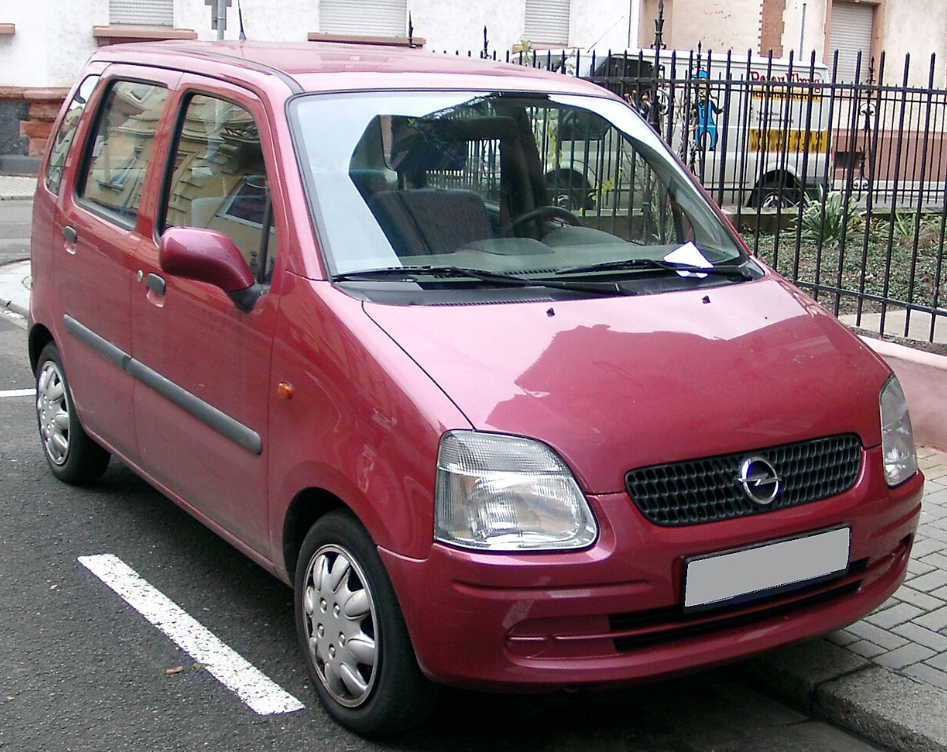
If we are looking for a small, inexpensive used car, Vauxhall Agila reliability is probably one of the first things we want to understand before buying. The Agila is simple, practical, cheap to run and, particularly in its second generation, has a reputation for being a fairly dependable city car.
That does not mean every Vauxhall Agila will be trouble-free. Most examples on the road today are well over ten years old, so condition, maintenance history and previous ownership are often more important than the badge on the bonnet.
The good news is that major engine problems are not what usually dominate Agila reliability data. Age-related wear involving suspension, brakes, tyres and other MOT components is considerably more common.
In this guide, we will look at how reliable the Vauxhall Agila is, its common problems, the most dependable engines, typical high-mileage issues and what we should check before buying one.
Content in this publication
- Is the Vauxhall Agila Reliable?
- What Does MOT Data Say About Vauxhall Agila Reliability?
- Vauxhall Agila Common Problems
- Suspension Problems
- Broken Coil Springs
- Ball Joint and Suspension Bush Wear
- Brake Problems
- ABS Pump and ABS Warning Light Problems
- Vauxhall Agila Engine Reliability
- Is the Vauxhall Agila 1.0 Reliable?
- Is the Vauxhall Agila 1.2 Reliable?
- Is the Vauxhall Agila 1.3 CDTi Reliable?
- Vauxhall Agila Gearbox Reliability
- Vauxhall Agila Clutch Reliability
- Electrical Reliability
- Steering Problems
- Wheel Bearing Problems
- Exhaust and Emissions Problems
- Rust and Corrosion
- First-Generation Vauxhall Agila Reliability
- Second-Generation Vauxhall Agila Reliability
- How Many Miles Can a Vauxhall Agila Last?
- Is a High-Mileage Vauxhall Agila Worth Buying?
- Best Vauxhall Agila Engine for Reliability
- What to Check Before Buying a Used Vauxhall Agila
- Is the Vauxhall Agila Expensive to Maintain?
- How to Make a Vauxhall Agila More Reliable
- Vauxhall Agila Reliability Compared With Other Small Cars
- Should You Buy a Used Vauxhall Agila?
- Vauxhall Agila Reliability: Final Thoughts
- Frequently Asked Questions
Is the Vauxhall Agila Reliable?
Overall, the Vauxhall Agila can be considered a reasonably reliable used small car, particularly when we find a well-maintained petrol example.
The second-generation Agila sold from 2008 shares much of its engineering with the Suzuki Splash. Suzuki's involvement is important because the car uses relatively straightforward mechanical components rather than particularly complicated technology. RAC notes that the original Agila was related to the Suzuki Wagon R+, while the second-generation model shared its basic design with the Suzuki Splash.
Auto Express also reported relatively few reliability concerns for the second-generation car and highlighted its Suzuki-derived underpinnings.
However, we need to remember that the newest Agilas are now old cars. Even an inherently reliable design can need substantial maintenance once suspension components, brakes, bearings, rubber bushes and electrical parts start ageing.
Vauxhall Agila Reliability at a Glance
| Area | Reliability |
|---|---|
| Petrol engines | Good |
| Manual gearbox | Generally good |
| Automatic gearbox | Reasonably simple but less common |
| Diesel engine | More complex than petrol versions |
| Suspension | One of the main areas to inspect |
| Brakes | Common age-related maintenance area |
| Electrical system | Generally simple, although ABS faults can occur |
| Running costs | Usually low |
| Parts availability | Generally good in the UK |
| High-mileage durability | Good if properly maintained |
For many buyers, the safest formula is simple:
petrol engine + manual gearbox + documented servicing + clean MOT history.
What Does MOT Data Say About Vauxhall Agila Reliability?
MOT statistics provide useful real-world evidence because thousands of cars are inspected every year.
Recent data from The MOT Files covers more than 32,000 Vauxhall Agila tests and shows an unadjusted pass rate of around 60.5%. Importantly, the site warns that this should not be treated as a direct reliability ranking because the result is affected heavily by the age and mileage of the cars being tested.
Another analysis of 37,705 tests found an age-adjusted first-test performance broadly in line with comparable cars, only around 0.2 percentage points away from the age-matched all-model baseline.
That tells us something important.
The Agila is not necessarily suffering unusually high numbers of catastrophic mechanical failures. Much of what now appears during MOT testing is exactly what we would expect from an ageing small car.
Vauxhall Agila Common Problems
When looking at Vauxhall Agila common problems, we should focus less on dramatic engine failures and more on ordinary wear.
The main areas worth checking are:
- suspension springs
- ball joints and bushes
- brake components
- ABS system
- wheel bearings
- tyres
- exhaust components
- electrical warning lights
- clutch operation
- corrosion on older cars
Let's examine them individually.
Suspension Problems
Suspension is arguably the most important area to inspect on an older Agila.
Current MOT-based analysis identifies suspension as one of the most frequently recorded categories among failed Agila tests.
Second-generation Agila MOT data also highlights broken or corroded coil springs as a recurring issue.
Signs of Agila Suspension Wear
During a test drive, listen for:
- knocking over potholes
- clunking when turning
- squeaking over speed bumps
- uneven tyre wear
- excessive bouncing
- the car pulling to one side
None of these automatically means we should reject the car. Suspension components are replaceable wear items.
However, several worn components at once can quickly turn a cheap Agila into an expensive project.
Broken Coil Springs
Coil springs deserve particular attention.
Cars driven regularly on rough roads, over speed bumps and through potholes can eventually develop fractured springs.
An Agila with a broken spring may:
- sit lower on one corner
- produce metallic noises
- feel unstable
- wear tyres unevenly
- fail its MOT
Before buying, looking underneath the car with a torch can sometimes reveal heavily corroded springs, although a professional inspection is much better.
Ball Joint and Suspension Bush Wear
Ball joints and suspension bushes are another recurring MOT concern.
As these components wear, steering accuracy deteriorates and knocking noises may develop.
A worn ball joint can eventually become a significant safety issue, so any persistent front suspension knocking should be investigated rather than dismissed as something that "all old cars do."
Brake Problems
Brakes are another major category appearing in Agila MOT statistics.
Brake-related advisories can include:
- worn discs
- thin brake pads
- corroded brake pipes
- sticking brakes
- parking brake problems
- reduced braking efficiency
These problems are not especially surprising considering the age of the surviving cars.
If we are buying one, we should check whether the steering wheel vibrates under braking and whether the car stops in a straight line.
A spongy brake pedal deserves further investigation.
ABS Pump and ABS Warning Light Problems
One Vauxhall Agila problem that deserves specific attention is the ABS system.
There have been reports involving ABS pump or brake pressure sensor faults on second-generation cars. Honest John recorded ABS-related reports on early examples, while specialist electronic repair companies also list Agila ABS modules among units they rebuild.
An ABS problem may illuminate:
- the ABS warning light
- stability-control warning lights
- brake-system warning lights
If an ABS light remains illuminated after the engine starts, we would want a diagnostic scan before buying.
We should not automatically assume the complete ABS pump needs replacement. Depending on the fault, the problem may involve the module, sensor, wiring or another component.
Vauxhall Agila Engine Reliability
The engines are generally one of the Agila's stronger areas.
Second-generation buyers encountered three main engines:
- 1.0-litre petrol
- 1.2-litre petrol
- 1.3 CDTi diesel
The later model initially offered all three, although the diesel disappeared from the range later in its life.
For most modern used-car buyers, we would generally concentrate on the petrol versions.
Is the Vauxhall Agila 1.0 Reliable?
The 1.0-litre petrol Agila is mechanically simple and generally dependable.
Its biggest weakness is not necessarily reliability but performance.
The three-cylinder engine was designed primarily for urban driving. Autocar described the 1.0 as noticeably less powerful than the 1.2, particularly when more performance is required.
Around town, this is rarely a major issue.
On motorways or steep hills, however, the engine needs to work harder.
When checking a used 1.0 Agila, we would listen for:
- excessive rattling
- irregular idle
- hesitation under acceleration
- unusual smoke
- oil leaks
- coolant loss
A healthy engine should start easily from cold and settle into a consistent idle.
Is the Vauxhall Agila 1.2 Reliable?
For many buyers, the 1.2 petrol is the most attractive Agila engine.
It offers noticeably better performance without adding much mechanical complexity.
The 1.2 four-cylinder engine used in the second-generation car came from Suzuki, while the 1.0 was a Vauxhall unit.
Because the 1.2 does not have to work as hard to move the car, it also feels better suited to:
You may be interested in reading Nissan Rogue Life Expectancy: How Long Does It Last?
- longer journeys
- motorway driving
- carrying passengers
- hilly areas
We would still prioritise maintenance history over engine size, though.
A neglected 1.2 is a worse purchase than a properly maintained 1.0.
Is the Vauxhall Agila 1.3 CDTi Reliable?
The 1.3 CDTi diesel can cover substantial mileage, but it brings more complexity than either petrol engine.
Diesel components and emission-control systems make an older diesel potentially more expensive to maintain, particularly if it has spent most of its life making short urban journeys.
The Agila itself is fundamentally a city car, which makes the petrol versions more logical for many owners.
We would consider the diesel mainly if the car:
- has good service records
- regularly completed longer journeys
- runs smoothly from cold
- produces no excessive smoke
- has no engine-management warning lights
For low annual mileage, the petrol engines are normally simpler ownership propositions.
Vauxhall Agila Gearbox Reliability
Most Agilas use a five-speed manual gearbox.
Under normal conditions, the manual transmission is relatively straightforward.
When test-driving an older car, however, check that:
- every gear engages cleanly
- reverse selects without excessive resistance
- there is no gearbox whine
- the gear lever does not jump out of gear
- there are no grinding sounds
Historical owner reports do exist involving gearbox failure, but these should not automatically be interpreted as proof of a widespread defect affecting every Agila.
Condition remains more important.
Vauxhall Agila Clutch Reliability
A clutch is a wear item rather than a lifetime component.
Urban cars can be especially hard on clutches because they spend so much time:
- stopping and starting
- manoeuvring
- reversing
- crawling through traffic
Signs of clutch wear include:
- high biting point
- slipping under acceleration
- difficulty selecting gears
- judder when pulling away
- burning smell
A simple test is to accelerate firmly in a higher gear at relatively low engine speed. If engine revs rise rapidly without a matching increase in speed, the clutch may be slipping.
Electrical Reliability
The Agila's relatively basic specification can actually work in its favour.
There are fewer complicated electronic systems than we would find in many newer cars.
Nevertheless, age can produce electrical issues involving:
- batteries
- alternators
- starter motors
- electric windows
- central locking
- dashboard lights
- ABS sensors
Before purchasing, we should operate every switch rather than assuming small faults will be inexpensive.
Steering Problems
An Agila should feel light and easy to manoeuvre.
If the steering suddenly feels heavy, inconsistent or produces warning lights, the power-assisted steering system needs investigation.
During the test drive, turn the steering from lock to lock at low speed.
Watch for:
- unusual noises
- resistance
- vibration
- warning lights
- inconsistent assistance
We should also make sure that the steering naturally returns towards the centre after a corner.
Wheel Bearing Problems
Wheel bearings can become worn as Agilas age.
Early-generation MOT data has identified rear wheel-bearing faults among notable issues on certain model years.
The classic symptom is a humming or droning noise that increases with road speed.
It can sometimes sound similar to tyre noise, which makes a proper inspection useful.
Exhaust and Emissions Problems
Older Agilas can develop exhaust corrosion simply because of age.
Cars that spend most of their lives completing short journeys can accumulate moisture inside the exhaust system.
Check for:
- rattling underneath the car
- excessive exhaust noise
- visible corrosion
- exhaust fumes entering the cabin
- engine warning lights
A small amount of exhaust condensation after a cold start is normal.
Persistent blue, black or heavy white smoke is not.
Rust and Corrosion
The body condition of an old Agila matters just as much as the engine.
Minor cosmetic rust is one thing.
Structural corrosion is much more important.
Inspect:
- wheel arches
- suspension mounting areas
- sills
- subframes
- brake pipes
- exhaust mounting points
- underside of the vehicle
The older first-generation cars naturally deserve the closest inspection because age alone increases the likelihood of corrosion.
First-Generation Vauxhall Agila Reliability
The original Agila was sold from around 2000 and was closely related to the Suzuki Wagon R+.
Mechanically, it is a relatively straightforward vehicle.
The problem today is age.
Even a good example may now require attention involving:
- suspension
- brake pipes
- wheel bearings
- exhaust
- rubber hoses
- bushes
- corrosion
If we are considering an Agila A, service history is useful, but a recent MOT history and physical inspection may tell us considerably more.
Second-Generation Vauxhall Agila Reliability
The Agila B produced from 2008 is usually the generation most buyers should consider.
It shares its architecture with the Suzuki Splash and feels considerably more modern than the original car.
Historical DVSA-based analysis covering hundreds of thousands of second-generation tests suggests these cars have generally performed respectably, although suspension remains a recurring problem area as the fleet ages.
For a budget city car, that is encouraging.
How Many Miles Can a Vauxhall Agila Last?
There is no fixed mileage at which an Agila becomes unreliable.
A properly maintained example can continue running well beyond 100,000 miles.
Mileage itself should not automatically scare us.
We would rather buy a 90,000-mile Agila with:
- regular servicing
- clean oil
- documented repairs
- good tyres
- recent brakes
- healthy suspension
than a 40,000-mile example that has been neglected for years.
Low mileage can sometimes hide another problem: long periods of inactivity.
Cars deteriorate even when they are not driven.
Is a High-Mileage Vauxhall Agila Worth Buying?
It can be.
You may be interested in readingNissan Rogue Life Expectancy: How Long Does It Last?You may be interested in reading
Nissan Rogue Reliability Rating: How Reliable Is the Rogue?At higher mileage, however, we need to budget for wear items.
Potential expenses may include:
- clutch
- shock absorbers
- springs
- wheel bearings
- brakes
- exhaust
- alternator
- starter motor
- engine mounts
Once an inexpensive car starts needing several of these simultaneously, repair costs can exceed a significant percentage of its market value.
That is why condition matters so much when buying an Agila.
Best Vauxhall Agila Engine for Reliability
If reliability and straightforward maintenance are our main priorities, the 1.2 petrol manual is arguably the most appealing combination.
It provides more usable performance than the 1.0 while remaining relatively simple.
The 1.0 petrol is still a sensible choice for drivers who mainly travel around town.
We would roughly describe the options like this:
| Engine | Best suited to |
|---|---|
| 1.0 petrol | Urban driving and low running costs |
| 1.2 petrol | Best all-round option |
| 1.3 CDTi | Higher-mileage drivers |
| 1.2 automatic | Drivers prioritising convenience |
We should not choose purely by engine specification, however.
Maintenance history can completely change the equation.
What to Check Before Buying a Used Vauxhall Agila
Before buying, we recommend checking the car systematically.
Engine
Start the engine cold if possible.
Check for:
- unusual noises
- warning lights
- smoke
- coolant leaks
- oil leaks
- rough idle
Suspension
Drive across an uneven surface and listen for knocking.
Check whether the car sits evenly on all four corners.
Brakes
Brake firmly during the test drive.
There should be no:
- pulling
- grinding
- excessive vibration
- warning lights
Clutch and Gearbox
Make sure every gear selects smoothly.
Check for clutch slip and excessive pedal travel.
Tyres
Uneven tyre wear can indicate alignment or suspension problems.
MOT History
The UK's online MOT history is extremely useful.
Look for repeated advisories involving the same component.
For example, repeated advisories for corrosion, suspension or brake pipes can tell us more than a fresh MOT certificate by itself.
Is the Vauxhall Agila Expensive to Maintain?
Usually, no.
One of the main reasons the Agila remains attractive is simplicity.
Routine items such as:
- filters
- oil
- brake pads
- tyres
- spark plugs
- suspension parts
are generally ordinary small-car components.
Independent garages are also familiar with the mechanical systems involved.
However, complicated electrical or ABS problems can be disproportionately expensive compared with the value of the vehicle.
That is typical of inexpensive older cars: the repair itself may not be extraordinary, but the car may only be worth a few thousand pounds.
How to Make a Vauxhall Agila More Reliable
Preventive maintenance can make a major difference.
We would prioritise:
- regular oil and filter changes
- checking coolant level
- maintaining brake fluid
- replacing worn suspension parts early
- checking tyre pressures regularly
- investigating warning lights immediately
- listening for new suspension noises
- following the service schedule
Cheap cars sometimes become unreliable because owners stop maintaining them once their value falls.
An inexpensive car still needs proper servicing.
Vauxhall Agila Reliability Compared With Other Small Cars
The Agila competes with cars such as the:
- Suzuki Splash
- Hyundai i10
- Kia Picanto
- Toyota Aygo
- Fiat Panda
- Nissan Pixo
- Chevrolet Spark
The Suzuki Splash is particularly relevant because of how closely related it is to the second-generation Agila.
If we find equally good examples of both, condition, price and service history may matter considerably more than the badge.
Should You Buy a Used Vauxhall Agila?
A used Vauxhall Agila can make a lot of sense if we want an inexpensive, practical and easy-to-drive small car.
Its strongest qualities include:
- straightforward petrol engines
- simple mechanical design
- compact dimensions
- good visibility
- inexpensive routine maintenance
- useful interior space for its size
Its biggest reliability concerns today are largely age-related.
Suspension, brakes and other wear components should receive particularly close attention. Current MOT evidence shows these areas appearing much more frequently than major powertrain failures.
A carefully maintained Agila can therefore still be a sensible budget purchase.
Vauxhall Agila Reliability: Final Thoughts
So, is the Vauxhall Agila reliable?
In general, yes. The Agila has a simple design, proven petrol engines and relatively uncomplicated mechanical components. The Suzuki connection behind both generations also contributed to its reputation as a practical and dependable small car.
But in today's used market, we are buying an old vehicle rather than a new one.
That changes the reliability question.
Instead of asking only whether the model itself is reliable, we should ask whether the specific Agila we are looking at has been maintained properly.
Suspension wear, coil springs, brakes, ABS components and other age-related items deserve careful inspection.
For most buyers seeking the safest ownership proposition, a well-maintained 1.2 petrol manual Agila B is one of the most appealing versions.
Buy on condition rather than mileage alone, inspect the MOT history carefully and avoid cars with numerous unresolved advisories.
Do that, and the Vauxhall Agila can still provide inexpensive and dependable everyday transport.
Frequently Asked Questions
Is the Vauxhall Agila a reliable car?
Yes, the Vauxhall Agila is generally regarded as a reasonably reliable small car. Its petrol engines are mechanically straightforward, while current MOT data suggests many of its problems relate to age-related suspension, brake and tyre wear rather than widespread catastrophic engine failures.
What are the most common Vauxhall Agila problems?
Common areas to inspect include suspension springs, ball joints, brakes, ABS components, wheel bearings, tyres and general age-related corrosion. Suspension defects appear particularly frequently in MOT data.
Which Vauxhall Agila engine is the most reliable?
The 1.0 and 1.2 petrol engines are both relatively simple choices. For many buyers, the 1.2 petrol offers the best balance because it provides better performance while retaining straightforward mechanical construction.
How many miles will a Vauxhall Agila last?
A properly maintained Vauxhall Agila can exceed 100,000 miles. There is no fixed maximum mileage because servicing, driving conditions and previous maintenance have a greater influence on longevity than the odometer alone.
Is a used Vauxhall Agila worth buying?
It can be an excellent budget city car if we find a well-maintained example. We should prioritise service history, MOT history, suspension condition, brake condition and a clean test drive rather than simply choosing the lowest-mileage car available.
You may be interested in readingNissan Rogue Life Expectancy: How Long Does It Last?You may be interested in reading
Nissan Rogue Reliability Rating: How Reliable Is the Rogue?You may be interested in reading
 Honda Passport Depreciation: How Well Does It Hold Its Value?
If you want to know other articles similar to Vauxhall Agila Reliability: Common Problems, Best Engines and What to Check you can visit the category Blog.
Volvo S90 Reliability: Problems, Costs & Best Years
Is Haval Jolion a Good Car? Honest Review, Reliability, Pros and Cons
How to Start Haval Jolion With Spare Key: Complete Guide
How to Calculate Per Diem on an Auto Loan

How to Calculate the Residual Value of a Car

Is the Honda Passport Selling Well? Sales Numbers Tell the Story
Leave a Reply
More content of your interest