

Ford Edge Issues: Common Problems, Warning Signs, and What Owners Should Know

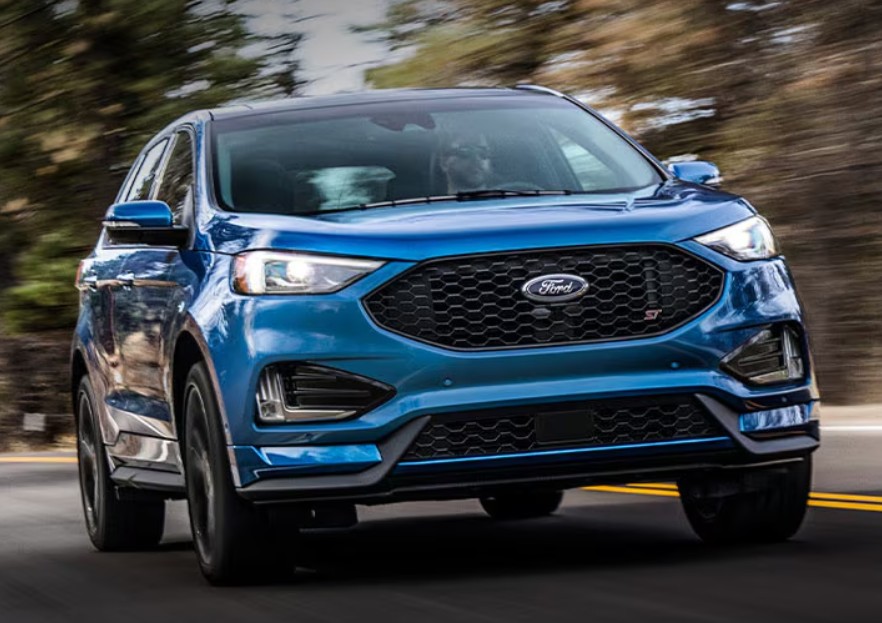
The Ford Edge has spent years occupying an appealing middle ground. It is roomier and more substantial than a compact crossover, yet it avoids the bulk of a traditional three-row SUV. Add comfortable seats, strong available turbocharged engines, and respectable cargo room, and it is easy to understand why so many drivers have chosen one.
But used SUVs are a little like houses: the attractive exterior only tells part of the story. What matters is what has happened behind the walls—or, in this case, beneath the hood, around the transmission, inside the braking system, and behind all those electronic modules.
So, what are the most important Ford Edge issues to know about?
The answer changes considerably depending on model year, engine, mileage, and maintenance history. Some Edges deliver years of relatively uneventful service. Others can develop expensive problems involving coolant intrusion, transmissions, brake components, electronics, suspension hardware, or the infotainment system.
In this guide, we will break down the common trouble areas, explain the warning signs, discuss which problems deserve immediate attention, and help prospective buyers inspect a used Ford Edge with a sharper eye.
Content in this publication
- Are Ford Edge Issues Really That Common?
- Most Common Ford Edge Problems at a Glance
- Ford Edge Coolant Intrusion Problems
- Ford Edge Transmission Problems
- AWD and PTU Problems
- Ford Edge Brake Problems and Brake-Hose Recalls
- Ford Edge Electrical Problems
- Ford Edge SYNC and Touchscreen Issues
- Ford Edge Backup Camera Problems
- Door-Ajar Warning Problems
- Ford Edge Power Liftgate Problems
- Ford Edge Suspension Issues
- Wheel-Bearing Noise on the Ford Edge
- Ford Edge Turbocharger Issues
- Ford Edge Misfires and Check-Engine Lights
- Ford Edge Oil Leaks
- Cooling-System Problems Beyond Coolant Intrusion
- Ford Edge Air-Conditioning Problems
- Ford Edge Steering Problems
- Which Ford Edge Issues Are the Most Expensive?
- Which Ford Edge Model Years Need Extra Attention?
- How to Inspect a Used Ford Edge Before Buying
- Can a Ford Edge Still Be a Good Used SUV?
- How Can We Reduce the Risk of Ford Edge Problems?
- Final Thoughts on Ford Edge Issues
- Frequently Asked Questions About Ford Edge Issues
Are Ford Edge Issues Really That Common?
Not every Ford Edge is problematic, and we should avoid treating internet complaint boards as though every vehicle will experience every failure listed there.
The Edge was produced across multiple generations, powertrains, transmissions, and trim levels. A 2008 Edge with a naturally aspirated V6 is mechanically quite different from a 2018 Edge equipped with the 2.0-liter EcoBoost, and both differ substantially from later ST models.
That distinction matters.
When evaluating Ford Edge reliability, we should think in terms of specific model-year and powertrain combinations, rather than assuming every Edge carries the same risks.
Maintenance history matters just as much. A properly serviced Edge that has spent its life cruising on highways may be a much safer bet than a lower-mileage SUV that received irregular oil changes, overheated once, and spent years making short urban journeys.
Most Common Ford Edge Problems at a Glance
Owners and technicians have encountered several recurring trouble areas across different periods of Edge production. They do not affect every model year equally, but the issues worth knowing about include:
- Coolant intrusion on certain 2.0L EcoBoost engines
- Transmission hesitation, harsh shifting, or shuddering
- Brake hose and brake-system concerns
- PTU and AWD driveline problems on some vehicles
- Electrical and battery-related faults
- SYNC touchscreen and infotainment glitches
- Suspension noises and worn components
- Wheel-bearing noise
- Door-ajar sensor problems on older models
- Power liftgate malfunctions
- Oil and coolant leaks
- Turbocharger-related trouble on higher-mileage EcoBoost models
- Check-engine lights and ignition misfires
Some are irritating rather than catastrophic. Others can turn into four-figure repairs surprisingly quickly.
Ford Edge Coolant Intrusion Problems
One of the most significant Ford Edge issues involves certain vehicles fitted with the 2.0-liter EcoBoost engine.
Ford issued a technical service bulletin concerning certain 2015-2018 Edge models with the 2.0L EcoBoost that could experience coolant entering the cylinders. Symptoms listed by Ford included low coolant, white exhaust smoke, rough running, a malfunction indicator lamp, and misfire-related diagnostic trouble codes. The specified repair procedure for qualifying vehicles involved replacement of the long-block engine assembly.
That is not the kind of phrase we want to hear while shopping for a used SUV.
What Does Coolant Intrusion Feel Like?
Early symptoms may be subtle. The vehicle might start slightly rough in the morning before smoothing out. The owner may notice that the coolant reservoir requires occasional topping up even though there is no obvious puddle underneath the vehicle.
As the condition becomes more pronounced, symptoms can include rough starts, persistent misfires, white exhaust smoke, overheating warnings, a check-engine light, or unexplained coolant loss.
The dangerous temptation is simply to keep adding coolant.
If coolant is disappearing without an obvious external leak, we should find out where it is going rather than treating the reservoir like a water bottle that needs constant refilling.
Why Coolant Loss Should Never Be Ignored
A small coolant leak can become a large repair remarkably quickly.
Coolant entering a combustion chamber interferes with normal combustion and can eventually cause serious engine damage. Prolonged overheating can create additional trouble.
Anyone considering a 2015-2018 Edge with the 2.0L EcoBoost should therefore pay particularly close attention to coolant level, cold-start behavior, exhaust smoke, maintenance documentation, and diagnostic codes.
A professional pre-purchase inspection becomes especially valuable here.
Ford Edge Transmission Problems
Transmission complaints are another subject that regularly appears when owners discuss Ford Edge issues.
Symptoms vary enormously because the Edge has used different transmissions during its production run. Still, common complaints can include delayed engagement, abrupt shifts, hesitation, shuddering, slipping sensations, or unusual behavior during low-speed acceleration.
Harsh or Delayed Gear Changes
Suppose we shift into Drive and there is an obvious pause before the SUV moves. Or perhaps acceleration from a traffic light produces an awkward hesitation followed by a sudden surge.
Neither automatically proves the transmission needs replacement.
Software calibration, transmission fluid condition, sensors, mounts, valve-body components, and internal transmission wear can create overlapping symptoms.
That is precisely why transmission problems should be diagnosed rather than guessed at.
Test the Transmission When Cold
A five-minute test drive around a dealership parking lot rarely tells the whole story.
When evaluating a used Edge, we ideally want to drive it from cold and continue long enough for the drivetrain to reach operating temperature. Some faults are most noticeable cold; others become obvious only after the transmission fluid warms.
Pay attention during gentle acceleration, highway merging, slowing to a stop, reversing, and repeated low-speed shifts.
A healthy transmission should largely fade into the background. If we keep noticing it, that deserves investigation.
AWD and PTU Problems
All-wheel-drive versions add capability, especially in wet, snowy, or loose conditions, but they also introduce additional mechanical components.
On some older AWD Ford products, the Power Transfer Unit—usually shortened to PTU—has been a source of concern.
The PTU transfers power toward the rear wheels, and heat can be its enemy. Fluid deterioration, leaks, bearing wear, or internal damage can eventually cause noise or driveline problems.
Signs of a Ford Edge PTU Problem
Possible clues include a burning smell, oily residue around the PTU area, grinding or whining noises, driveline vibration, or AWD-related warnings.
Sometimes the smell is the first clue.
That is worth remembering because buyers often focus on whether the engine sounds healthy and completely forget to examine the AWD hardware.
A leaking or failing PTU is not a decorative flaw we negotiate over like a scratched bumper. It can become a meaningful mechanical expense.
Ford Edge Brake Problems and Brake-Hose Recalls
Brake concerns deserve more attention than convenience problems because they directly involve vehicle safety.
Ford previously recalled hundreds of thousands of 2015-2018 Edge and related Lincoln MKX vehicles because front brake jounce hoses could rupture. Ford stated that a rupture could produce progressive brake-fluid loss, increased pedal travel, and reduced deceleration.
Additional Ford recall documentation later covered certain 2015-2019 Edge vehicles for front flexible brake hose replacement.
The issue did not completely disappear from regulatory attention. NHTSA opened a preliminary evaluation in October 2024 after receiving reports alleging rear brake-hose failures and loss of braking ability in certain 2015-2017 Ford Edge vehicles. A subsequent 2025 recall filing addressed rear brake hoses on affected vehicles.
What Brake Problems Can Feel Like
A brake pedal that suddenly travels farther than normal is not something to postpone until the next oil change.
Other warning signs may include a red brake warning light, declining brake-fluid level, a soft or spongy pedal, visible fluid around a wheel, unusual stopping behavior, or noticeably increased stopping distance.
Because recall eligibility is VIN-specific, owners should check the exact VIN rather than assuming that model year alone determines coverage. NHTSA allows owners to search a vehicle's VIN for unrepaired safety recalls.
Ford Edge Electrical Problems
Modern SUVs contain enough computing power to make older cars look almost agricultural.
That technology is wonderful when everything works.
When it does not, an Edge can produce a bizarre collection of warnings that appear unrelated: dashboard messages, infotainment resets, keyless-entry trouble, stop-start faults, sensor alerts, or modules that seem to develop personalities of their own.
Frequently, the first component we should investigate is surprisingly ordinary: the 12-volt battery.
Weak Batteries Can Create Strange Symptoms
Modern vehicle modules need stable voltage.
A battery may still have enough energy to crank the engine while producing voltage irregularities that upset electronic modules. The result can be warning lights and intermittent glitches that appear much more serious than the underlying problem.
Before replacing expensive modules, we should test the battery, charging system, grounds, and connections.
It is the automotive equivalent of checking whether the router is plugged in before tearing apart the internet.
Ford Edge SYNC and Touchscreen Issues
SYNC infotainment problems are generally less frightening than engine or brake failures, but they can become one of the most annoying aspects of ownership.
Drivers may experience frozen screens, delayed responses, Bluetooth pairing failures, audio dropouts, navigation errors, smartphone connection problems, or systems that reboot unexpectedly.
Is a Frozen SYNC Screen a Major Problem?
Usually, no.
A software restart or update may solve occasional glitches. Persistent problems, however, can point toward hardware trouble involving the touchscreen, APIM module, USB interface, wiring, or related components.
When buying used, spend several minutes testing the infotainment system rather than simply confirming that the screen lights up.
Connect a phone. Play audio. Try Bluetooth. Test the backup camera. Move through menus. Use the physical controls.
An electronic feature that works during a 20-second demonstration may reveal different behavior after ten minutes.
Ford Edge Backup Camera Problems
Rearview cameras have become so normal that we immediately notice when one fails.
Potential symptoms include a blank display, intermittent video, distorted images, a blue or black screen, delayed activation, or messages stating that the camera is unavailable.
The cause may range from wiring or connection trouble to a failed camera or electronic module.
A failed camera should not automatically condemn an otherwise excellent used vehicle, but we should price the repair before buying instead of telling ourselves, “It is probably nothing.”
Those four words have financed plenty of repair shops.
Door-Ajar Warning Problems
Older Ford Edge models developed a reputation among some owners for door-ajar warnings that remained active even after the door was properly closed.
On the surface, this sounds trivial.
In practice, a malfunctioning latch or sensor can interfere with interior lighting, locking behavior, alarm functions, or battery life.
Why Small Electrical Faults Matter
A used vehicle with several tiny electrical problems may be trying to tell us a bigger story.
One broken door sensor is one thing. A door sensor, intermittent camera, weak power liftgate, flickering display, and mysterious battery drain together deserve a deeper electrical inspection.
Patterns matter more than isolated annoyances.
Ford Edge Power Liftgate Problems
Higher-spec Edge models commonly feature a powered rear liftgate, which is tremendously convenient until it develops an attitude.
The liftgate may refuse to open, reverse direction unexpectedly, stop halfway, beep without moving, or fail to respond to one or more switches.
Sometimes the culprit is simple: an obstacle, low battery voltage, calibration issue, weak liftgate support, damaged wiring, or latch problem.
Other cases require actuator or module repairs.
Before buying, operate the liftgate repeatedly using the key fob, exterior button, interior switch, and hands-free function where equipped.
Ford Edge Suspension Issues
SUV suspension components live difficult lives. Every pothole, curb strike, speed bump, and rough road sends another little invoice to the bushings, links, joints, bearings, and dampers.
As mileage accumulates, an Edge may develop clunks, knocks, squeaks, steering looseness, uneven tire wear, or reduced ride quality.
Common Suspension Wear Symptoms
A clunk over small bumps can come from sway-bar links or worn bushings. Steering looseness may point elsewhere. Uneven tire wear can reflect poor alignment, damaged suspension components, worn joints, incorrect pressure, or even neglected tire rotation.
We should avoid diagnosing suspension noises solely by sound because noises travel through a vehicle's structure like gossip through an office.
What sounds like it comes from the left front may originate somewhere else entirely.
Wheel-Bearing Noise on the Ford Edge
A failing wheel bearing often announces itself with a humming or roaring noise that increases with road speed.
Tires can make remarkably similar noises.
One useful clue is whether the sound changes while gently loading one side of the vehicle through a sweeping turn, though proper diagnosis should still be performed professionally.
Wheel bearings are wear items rather than evidence that an SUV is fundamentally defective, but repeated bearing or suspension repairs can materially affect the ownership cost of an older Edge.
Ford Edge Turbocharger Issues
EcoBoost engines rely on turbocharging to squeeze impressive torque from relatively small displacement.
That is great when overtaking.
It also means the engine contains additional high-temperature hardware that requires proper lubrication and maintenance.
Turbocharger trouble can produce reduced power, unusual whining, smoke, oil consumption, boost-related diagnostic codes, or limp-mode behavior.
Oil Changes Matter More Than We Sometimes Think
Turbochargers spin at extraordinary speeds and rely heavily on clean, appropriate engine oil.
Long-neglected oil changes are therefore a major red flag on any used turbocharged Edge.
A thick folder of service receipts may not look exciting, but in the used-car world it can be more attractive than freshly polished paint.
Maintenance records tell us how the vehicle was treated when nobody was preparing it for sale.
Ford Edge Misfires and Check-Engine Lights
A check-engine light can represent anything from a relatively minor emissions problem to a serious internal engine issue.
If the engine shakes at idle, hesitates under acceleration, or flashes the check-engine light, we should treat the situation more seriously.
Misfires can arise from spark plugs, ignition coils, injectors, wiring, compression problems, fuel delivery, or coolant intrusion depending on engine and model year.
Do Not Clear Codes Before a Used-Car Inspection
When shopping for a vehicle, stored and pending diagnostic codes can provide useful clues.
If the seller recently cleared the codes, emissions readiness monitors may also show as incomplete.
That does not prove wrongdoing, but it should prompt questions.
A professional scan before purchase can reveal far more than simply checking whether the dashboard currently displays a warning light.
Ford Edge Oil Leaks
A small amount of dampness on an older engine is different from oil actively dripping onto the driveway.
Possible leak sources vary by engine and age, but seals, gaskets, oil lines, turbo-related plumbing, and other components can all become suspects.
An oil leak matters for three reasons: repair cost, the possibility of oil reaching components where it should not, and the risk of the engine eventually operating with insufficient lubrication.
Always look underneath the vehicle after the test drive.
Freshly cleaned engines also deserve some skepticism. A spotless engine bay can be evidence of careful ownership—or evidence that someone has just washed away the clues.
Cooling-System Problems Beyond Coolant Intrusion
Not every Ford Edge coolant problem means coolant is entering a cylinder.
Water pumps, hoses, reservoirs, thermostats, radiators, seals, clamps, and related components can leak or fail as vehicles age.
Overheating should never be normalized.
An engine temperature warning is the mechanical equivalent of a fire alarm. Continuing to drive because the destination is “only ten minutes away” can turn an inexpensive cooling-system repair into major engine damage.
Ford Edge Air-Conditioning Problems
Climate-control problems tend to reveal themselves during the hottest week of the year—because cars apparently enjoy dramatic timing.
An Edge may develop weak cooling, inconsistent temperatures, unusual vent behavior, clicking noises behind the dashboard, refrigerant leaks, compressor trouble, or blend-door actuator faults.
Some repairs are relatively straightforward. Dashboard-related HVAC repairs can become labor intensive.
During a test drive, operate the climate system at different temperatures and fan speeds, and make sure airflow changes correctly between vents.
Ford Edge Steering Problems
Steering should feel predictable, smooth, and consistent.
Warning signs include unusual heaviness, excessive play, vibration through the wheel, clunks while turning, wandering on the highway, or steering-related warning messages.
Some symptoms may be caused by tires or alignment rather than the steering system itself.
This again reinforces the importance of inspection rather than assumption.
If a vehicle needs constant correction just to travel straight down a flat highway, something deserves attention.
Which Ford Edge Issues Are the Most Expensive?
Not all problems deserve equal weight.
A faulty liftgate switch might be irritating. Internal engine damage is another universe.
Among the problems with the greatest potential financial impact are internal engine failures, coolant intrusion requiring major engine work, severe transmission problems, turbocharger replacement, significant AWD/PTU failures, and complex electrical faults requiring extensive diagnosis.
Brake faults may not always generate the largest repair invoice, but their safety implications make them especially urgent.
When evaluating a used Edge, we should therefore rank problems by both repair cost and safety consequence, not merely by how irritating they are.
Which Ford Edge Model Years Need Extra Attention?
It is difficult to name a single universal “worst Ford Edge year” because different generations have different weaknesses.
Early first-generation models are now old enough that age-related deterioration may matter more than original design flaws.
Second-generation vehicles deserve careful attention to powertrain configuration and service history, particularly certain 2.0L EcoBoost examples from the period addressed by Ford's coolant-intrusion bulletin.
Certain 2015-2019 models also warrant VIN-specific brake recall checks because of the flexible brake-hose campaigns and related actions.
The smartest approach is therefore not “avoid every Edge from year X.”
Instead, ask: What engine does this specific Edge have? What transmission? Which recalls apply to its VIN? What repairs have already been completed?
That produces a much more useful answer.
How to Inspect a Used Ford Edge Before Buying
A good inspection starts before the engine does.
Look at the coolant level while the engine is cold. Check underneath for fluids. Examine tire wear. Inspect the service history. Start the vehicle cold and listen carefully.
During the drive, test gentle and hard acceleration, braking, steering, reverse engagement, highway cruising, climate control, cameras, touchscreen functions, liftgate operation, windows, locks, and every warning system you can reasonably check.
Then scan the vehicle electronically and have an independent technician inspect it.
Check the VIN for Open Recalls
Never rely solely on a seller's statement that “all recalls were done.”
Use the VIN.
NHTSA's recall database can identify unrepaired recall campaigns associated with a particular VIN in the United States. Owners outside the U.S. should consult Ford or the appropriate national vehicle-safety authority because campaign coverage can differ by market.
Service Records Can Be Worth More Than Low Mileage
Mileage tells us how far a vehicle traveled.
Service history tells us something about how it traveled.
An Edge with 90,000 miles and documented maintenance may be more appealing than one with 65,000 miles and an unknown history.
Mileage is just one chapter of the story.
Can a Ford Edge Still Be a Good Used SUV?
Absolutely—but selection matters.
The Edge has plenty going for it: comfortable highway manners, generous passenger room, usable cargo space, strong turbocharged performance on many versions, and a driving experience that often feels more substantial than smaller crossovers.
The mistake would be buying one blindly because the price looks attractive.
A well-maintained Edge with the right powertrain, completed recall work, clean diagnostic scan, strong maintenance records, and a successful pre-purchase inspection can still make sense.
Conversely, an unusually cheap example with disappearing coolant, rough cold starts, delayed transmission engagement, multiple electronic warnings, and no history is not a bargain.
It is an invoice wearing license plates.
How Can We Reduce the Risk of Ford Edge Problems?
Preventive maintenance rarely makes exciting conversation, but it is usually cheaper than corrective maintenance.
Use the correct fluids, follow the maintenance schedule, avoid ignoring warning lights, maintain proper tire pressure, inspect fluid levels periodically, and investigate new noises before they become familiar background sounds.
Turbocharged engines especially reward consistent oil servicing.
Cooling-system changes deserve immediate attention.
Transmission behavior should also be monitored rather than dismissed until the vehicle barely moves.
Most machines whisper before they scream.
Learning to notice the whisper is one of the cheapest ownership skills we can develop.
Final Thoughts on Ford Edge Issues
The Ford Edge is not a vehicle we should automatically avoid, nor is it an SUV we should purchase without homework.
Its long production history means the phrase Ford Edge issues covers many different vehicles. Depending on the year and configuration, owners may encounter relatively mundane electrical or suspension problems, while certain vehicles deserve closer scrutiny for more significant matters involving the 2.0L EcoBoost engine, drivetrain, transmission, or brake system.
For used buyers, the strongest strategy is wonderfully unglamorous: investigate the exact model year and engine, verify recalls by VIN, study the service records, start the vehicle cold, take a long test drive, scan the electronics, and pay for an independent inspection.
We would rather spend money discovering a problem before buying than spend ten times as much discovering it afterward.
A used Ford Edge can still be a comfortable and practical SUV. The key is finding one whose maintenance history looks as good as its bodywork.
Frequently Asked Questions About Ford Edge Issues
1. What is the most serious Ford Edge problem?
One of the most serious known concerns involves coolant intrusion on certain 2015-2018 Ford Edge vehicles equipped with the 2.0L EcoBoost engine. Ford's technical bulletin describes symptoms including low coolant, white exhaust smoke, rough running, and misfires, with long-block replacement specified for qualifying affected vehicles. Brake-system issues also deserve immediate attention because they directly affect vehicle safety.
2. Does the Ford Edge have transmission problems?
Some Ford Edge owners have reported symptoms such as harsh shifts, delayed engagement, hesitation, or shuddering, although the underlying cause and frequency depend heavily on model year, drivetrain, transmission type, maintenance, and mileage. A transmission problem should be professionally diagnosed rather than assuming that unusual shifting automatically means the entire transmission has failed.
3. How do I know if my Ford Edge has coolant intrusion?
Possible warning signs include unexplained coolant loss, rough cold starts, white exhaust smoke, engine misfires, overheating, and a check-engine light. Ford specifically documented this concern for certain 2015-2018 Edge vehicles with the 2.0L EcoBoost engine. If coolant keeps disappearing without an obvious external leak, have the vehicle inspected promptly.
4. Should I buy a high-mileage Ford Edge?
A high-mileage Edge can still be worth considering if it has excellent maintenance documentation and passes a thorough mechanical inspection. Pay close attention to the engine, transmission, AWD/PTU system where applicable, suspension, cooling system, brakes, and electronics. Service history can matter more than choosing a vehicle solely because its odometer shows fewer miles.
5. How can I check whether a Ford Edge has an outstanding recall?
In the United States, enter the vehicle's 17-character VIN into NHTSA's recall lookup. The database can show unrepaired recalls associated with that specific VIN. Buyers in other countries should check Ford's local recall service or their national road-safety authority because recall campaigns can vary by market.
If you want to know other articles similar to Ford Edge Issues: Common Problems, Warning Signs, and What Owners Should Know you can visit the category Common Problems.
Volvo S90 Common Problems: Reliability & Repair Guide
Volvo S90 No Sound: Causes, Fixes and Solutions

Nissan Rogue Smells Like Gas: Causes and Fixes
Vauxhall Agila Problems: Common Faults & Fixes

Kia Sorento Jerking When Accelerating: Causes & Fixes

Jaguar F-Pace Low Battery: Causes, Warning Signs, and How to Fix It
Leave a Reply
More content of your interest