

Audi A4 Years to Avoid: The Used Buyer’s Reliability Guide

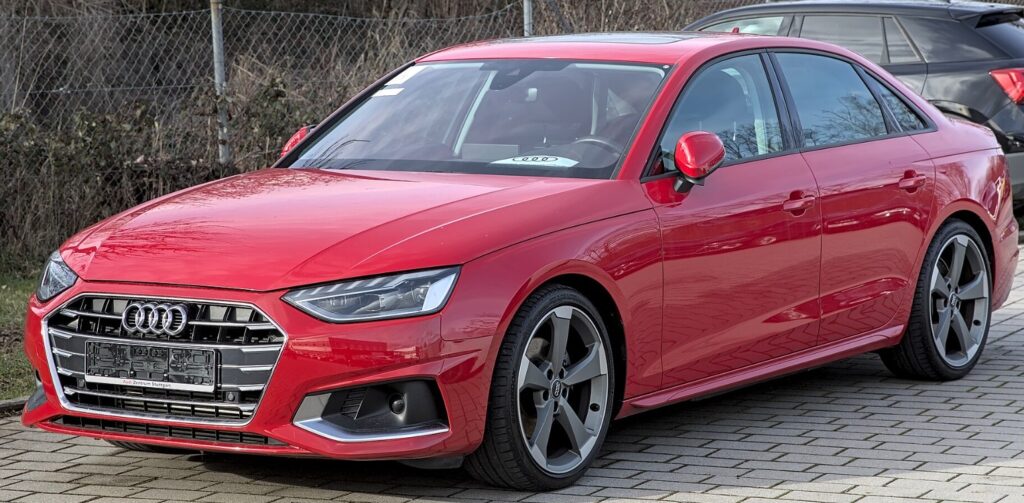
The Audi A4 has spent decades doing something remarkably well: making an ordinary commute feel a little more expensive, a little more composed, and considerably more enjoyable. It blends understated styling, quality interiors, strong turbocharged engines, and confident road manners into a package that rarely needs to shout for attention.
But shopping for a used A4 is where things become more complicated.
Not every model year has aged equally well. Some Audi A4 years have developed reputations for excessive oil consumption, timing-chain trouble, cooling-system leaks, transmission concerns, electrical faults, and repairs that can quickly erase the savings of buying used.
So, which Audi A4 years should we avoid?
If we want the shortest answer, the 2009, 2010, and 2011 Audi A4 deserve the most caution, particularly cars equipped with the 2.0-liter turbocharged gasoline engine. The 2012 and 2013 models also require careful inspection, while 2014 is worth approaching selectively. Complaint data particularly singles out 2009-2011 for engine-related problems, with 2011 rated as the worst A4 model year on CarComplaints.
That does not mean every one of these cars is doomed. A meticulously maintained 2011 A4 with documented engine repairs may actually be a better purchase than a neglected 2016 car.
Used German cars are a little like houses: the year on the paperwork matters, but what previous owners did to them matters even more.
Let's break down the Audi A4 years to avoid, the problems behind those recommendations, and the years we would rather buy.
Content in this publication
- Quick Answer: Which Audi A4 Years Should You Avoid?
- Audi A4 Reliability by Generation
- 2009 Audi A4: One of the Main Years to Avoid
- 2010 Audi A4: Better Is Not the Same as Good
- 2011 Audi A4: The Year We Would Approach Most Carefully
- 2012 Audi A4: A Transitional Year
- 2013 Audi A4: Improved, but Not Immune
- 2014 Audi A4: Should It Be Avoided?
- 2015 and 2016 Audi A4: Better B8 Choices
- 2017 Audi A4: A New Generation Brings New Questions
- 2018 and Newer Audi A4 Models
- The Biggest Audi A4 Problem: Excessive Oil Consumption
- Timing Chain and Tensioner Problems
- Audi A4 Water Pump and Thermostat Issues
- Carbon Buildup on Direct-Injection Engines
- Audi A4 Transmission Problems
- Electrical Problems and Aging Technology
- Best Audi A4 Years to Buy Used
- Audi A4 Years to Avoid vs Years to Consider
- How Many Miles Can an Audi A4 Last?
- What to Check Before Buying a Used Audi A4
- Always Get a Pre-Purchase Inspection
- Can a Bad Audi A4 Year Still Be Worth Buying?
- Is an Audi A4 Expensive to Maintain?
- Should We Avoid High-Mileage Audi A4s?
- Final Verdict: What Audi A4 Years Should We Avoid?
- Frequently Asked Questions
Quick Answer: Which Audi A4 Years Should You Avoid?
For shoppers looking for a simple shortlist, these are the model years we would approach most carefully:
- 2009 Audi A4 — avoid or inspect extremely carefully
- 2010 Audi A4 — avoid unless major engine updates are documented
- 2011 Audi A4 — one of the riskiest years
- 2012 Audi A4 — improved, but still deserves caution
- 2013 Audi A4 — better overall, yet some expensive engine complaints remain
- 2014 Audi A4 — generally better but not completely trouble-free
- 2017 Audi A4 — not necessarily an avoid year, although early B9 examples deserve a thorough inspection
The critical period is clearly the early B8 generation, particularly 2009 through 2011.
CarComplaints identifies 2011 as the worst Audi A4 year overall, while its engine-problem data points to 2009, 2011, and 2010 as the three worst years for engine complaints.
Audi A4 Reliability by Generation
Before choosing individual years, it helps to understand how the A4 evolved.
B5 Audi A4: 1996-2001
The original B5 A4 established the formula: compact dimensions, an upscale cabin, available quattro all-wheel drive, and turbocharged four-cylinder or V6 power.
These cars can still be charming, but age is now their biggest enemy.
Even a mechanically solid B5 is decades old. Rubber hoses, suspension components, cooling parts, wiring, seals, and interior electronics may all demand attention.
For an enthusiast, that can be acceptable.
For someone wanting inexpensive daily transportation? Probably less so.
B6 Audi A4: 2002-2005
The B6 introduced a more substantial design and a much more modern-feeling cabin.
Its 1.8T engine can be durable when properly maintained, but neglected oil-change intervals can turn an inexpensive used A4 into a repair project.
Age-related suspension and electrical issues are common considerations today.
B7 Audi A4: 2005-2008
The B7 brought updated styling and increased use of the 2.0T FSI engine.
Potential problems include carbon buildup, ignition coils, PCV-related faults, fuel-system components, oil consumption, and wear throughout the suspension.
Still, a properly maintained late B7 can make sense for enthusiasts who understand older European cars.
B8 Audi A4: 2009-2016
Here we reach the generation responsible for most searches about Audi A4 years to avoid.
The B8 was an enormous leap forward in refinement, interior quality, technology, and driving dynamics.
Unfortunately, early versions of the 2.0T engine became associated with significant oil consumption and timing-system concerns.
Owner discussions have long treated 2009 through late-2011 cars as the main oil-consumption risk period, while later versions gradually improved.
B9 Audi A4: 2017 Onward
The B9 generation modernized almost everything.
Its cabin became more digital, the chassis grew more sophisticated, and the turbocharged powertrain improved substantially.
These cars are generally a safer used purchase than early B8 examples, though cooling-system components, electronics, and normal premium-car maintenance still deserve attention.
2009 Audi A4: One of the Main Years to Avoid
If we're ranking Audi A4 years to avoid, 2009 belongs near the top.
It was the first model year of the B8-generation A4 in several markets, and first-year cars frequently carry additional uncertainty.
Why the 2009 Audi A4 Can Be Risky
The biggest concern is the 2.0T engine.
Excessive oil consumption became a major ownership complaint. Some engines could consume oil far faster than owners expected, potentially requiring significant internal engine work.
CarComplaints records more complaints for the 2009 A4 than any other model year in its A4 database and identifies excessive oil consumption as its most-reported problem.
That's not the kind of statistic we want to ignore while shopping for a bargain luxury sedan.
Other 2009 Audi A4 Concerns
Depending on mileage and maintenance history, buyers may encounter:
- Timing-chain tensioner or chain wear
- PCV system faults
- Carbon buildup
- Turbocharger wastegate wear
- Water-pump or thermostat issues
- Suspension wear
- Electronic parking-brake faults
- Aging MMI electronics
A cheap 2009 A4 can look incredibly tempting.
Then the repair bills arrive.
The situation is a bit like buying a discounted espresso machine because someone forgot to mention that the boiler leaks.
2010 Audi A4: Better Is Not the Same as Good
The 2010 A4 continued with many of the characteristics that make the B8 attractive.
Unfortunately, it also carried forward several of the early engine problems.
CarComplaints ranks the 2010 model among the worst Audi A4 years for engine complaints.
2010 Audi A4 Oil Consumption
Oil consumption should be the first question we ask the seller.
Don't settle for:
"It uses a little oil. They all do."
Ask:
How much?
One quart every several thousand miles is very different from continuously needing oil between fill-ups.
More importantly, determine whether the engine received updated pistons, rings, or other corrective work.
Documentation matters enormously here.
2011 Audi A4: The Year We Would Approach Most Carefully
The 2011 Audi A4 arguably deserves the biggest warning label.
CarComplaints ranks it as the worst Audi A4 model year overall, with excessive oil usage among the most serious reported issues. The site's complaint data estimates an average reported repair cost of around $6,000 for that problem, although real-world repair prices vary dramatically by region, shop, and required work.
Why 2011 A4 Oil Consumption Matters
An engine consuming abnormal quantities of oil isn't merely inconvenient.
It may point toward deeper wear involving the piston rings or other internal components.
That changes our used-car calculation completely.
A $7,000 bargain that eventually requires thousands in engine work is no bargain at all.
Timing Chain Concerns
Timing components are another area to inspect carefully.
A timing-chain problem can progress from an unpleasant startup rattle to an engine-threatening event.
That is why maintenance records matter much more than shiny paint.
Listen During a Cold Start
When inspecting a used A4, try to hear the engine when it is genuinely cold.
Be suspicious if the seller has already warmed the car before you arrive without explaining why.
A pronounced metallic rattle during startup deserves further investigation.
2012 Audi A4: A Transitional Year
The 2012 Audi A4 is harder to classify.
We wouldn't automatically reject it.
But we wouldn't buy one blindly either.
The early B8 engine concerns had not vanished overnight, although this period generally represents progress compared with 2009-2011.
You may be interested in reading Ford Edge Years to Buy: The Best Model Years for a Used SUV
Enthusiast discussions commonly regard 2012 as the point when oil-consumption issues became less prevalent than on earlier B8 cars.
Should We Buy a 2012 Audi A4?
Possibly.
We would want:
- Complete service records
- Consistent oil-change history
- Evidence of oil-consumption repairs if previously needed
- No unusual startup noise
- No warning lights
- Cooling system in good condition
- Smooth transmission behavior
- A clean diagnostic scan
- A professional pre-purchase inspection
A well-maintained 2012 can make far more sense than an undocumented 2010.
2013 Audi A4: Improved, but Not Immune
The 2013 A4 brought the B8.5 facelift, sharpening both exterior styling and interior technology.
It is generally more appealing to us than a 2009-2011 example.
Yet 2013 is not completely free from costly complaints.
CarComplaints lists engine failure and excessive oil consumption among the most serious complaints reported for the 2013 A4, although complaint databases should be treated as indicators rather than proof that every car will experience those failures.
Why Maintenance History Becomes Critical
By now, age matters almost as much as design.
A 2013 A4 is more than a decade old.
Ask for records covering:
- Oil changes
- Spark plugs
- Ignition coils
- Transmission servicing where applicable
- Water pump
- Thermostat
- Engine mounts
- Suspension work
- Timing system inspections or repairs
- PCV system
- Coolant service
If the owner has a folder full of invoices, we're interested.
If the explanation is, "My cousin handled everything," we'd keep our wallet closed until an inspection proves the car is healthy.
2014 Audi A4: Should It Be Avoided?
We wouldn't place 2014 in the same danger category as 2009-2011.
However, buyers still need to inspect carefully.
CarComplaints records reports involving rough-running engines, oil consumption, and steering concerns for the 2014 model year.
The good news?
The later B8.5 cars generally represent a more mature version of the platform.
If we wanted a relatively affordable B8-generation A4, we'd generally look toward the later production years first.
2015 and 2016 Audi A4: Better B8 Choices
By 2015 and 2016, Audi had years to refine the B8 platform.
These are usually the years we'd rather shop for when choosing among older A4s.
They combine the handsome B8.5 styling with fewer of the headline-grabbing early B8 concerns.
That's not the same as saying they're maintenance-free.
No aging premium German sedan is.
Problems Still Worth Checking
Potential maintenance items include:
- Water-pump leaks
- Thermostat failures
- Engine mounts
- Suspension bushings
- Wheel bearings
- Oil leaks
- Carbon buildup
- PCV faults
- Electronic accessories
- Aging batteries
The difference is that we're dealing more with normal premium-car ownership concerns than the particularly worrying engine reputation of the earliest B8 years.
2017 Audi A4: A New Generation Brings New Questions
The 2017 Audi A4 launched the B9 generation in the United States.
First-year redesigns always deserve a little extra scrutiny because virtually everything has changed at once.
CarComplaints records issues involving transmission leaks, thermostat/water-pump leaks, steering warnings, and various electrical and engine complaints on the 2017 model.
Cooling-system complaint data on the same site also lists the 2017 A4 as its worst year for cooling-system reports, although the underlying number of owner complaints remains relatively small.
Would We Avoid the 2017 A4?
Not automatically.
That's an important distinction.
The 2017 does not have the same broad red-flag reputation as a 2009-2011 A4.
We would simply inspect it more carefully than a later B9 car.
2018 and Newer Audi A4 Models
Later B9 A4s are generally where our used-car search would focus if budget allows.
They offer excellent technology, impressive fuel economy, refined transmissions, strong performance, and a considerably more modern cabin.
Maintenance costs are still premium-car costs.
But we would rather budget for normal maintenance than gamble on an engine known for potentially expensive internal problems.
The Biggest Audi A4 Problem: Excessive Oil Consumption
No discussion of the Audi A4 years to avoid is complete without oil consumption.
Why does it dominate the conversation?
Because adding oil every few weeks isn't merely annoying.
On affected early 2.0T engines, excessive consumption may require significant repairs.
CarComplaints' A4 data identifies excessive oil usage on the 2011 model as the vehicle's worst reported problem and highlights early B8 years for engine-related complaints.
How to Spot a Potential Oil Burner
Check for:
- Frequent low-oil warnings in service records
- Oil bottles stored in the trunk
- Smoke from the exhaust
- Low oil level
- Fouled spark plugs
- Seller comments about regularly topping off oil
- Documentation showing repeated oil-consumption tests
An oil bottle in the trunk isn't proof of a problem.
But five half-used bottles rolling around beside the spare tire certainly deserve a conversation.
Timing Chain and Tensioner Problems
Timing-chain components are another major concern on older turbocharged A4s.
The engine depends on precise synchronization between internal components.
If a chain stretches excessively or a tensioner fails, the consequences can be serious.
Symptoms Worth Investigating
Watch for:
- Startup rattling
- Check-engine warning
- Camshaft timing fault codes
- Rough running
- Difficult starting
- Unexplained misfires
Never assume that a timing chain lasts forever simply because it is a chain rather than a belt.
"Lifetime" components have an inconvenient habit of remembering that nobody defined whose lifetime we're talking about.
Audi A4 Water Pump and Thermostat Issues
Cooling-system components deserve attention on both B8 and B9 cars.
Water-pump and thermostat housing leaks can lead to declining coolant levels and eventually overheating if ignored.
The 2017 model, for example, has owner reports specifically involving thermostat housing and water-pump leaks.
What Should We Inspect?
Look for:
- Sweet coolant smell
- Pink or white crust around cooling components
- Low coolant reservoir
- Overheating history
- Cooling fans behaving strangely
- Temperature fluctuations
- Fresh coolant stains
A small leak today can become a much larger problem tomorrow.
Carbon Buildup on Direct-Injection Engines
Direct-injection technology brings efficiency and performance benefits.
It can also contribute to deposits forming around intake valves because gasoline no longer washes across those valves in the same way it does on traditional port-injected engines.
As mileage increases, carbon accumulation may contribute to:
- Rough idle
- Reduced performance
- Misfires
- Poor throttle response
- Lower fuel efficiency
Cleaning procedures such as walnut blasting may eventually become part of long-term maintenance.
Audi A4 Transmission Problems
This subject needs some nuance because A4 transmissions vary considerably by market, engine, drivetrain, and model year.
Some A4s use conventional automatics, others dual-clutch transmissions, and certain markets received continuously variable transmissions on front-wheel-drive configurations.
That's why we should never search for transmission reliability using only "Audi A4."
We need the exact year, engine, drivetrain, transmission code, and market.
Test Drive the Car Properly
Look for:
- Delayed engagement
- Shuddering
- Harsh shifts
- Transmission warning messages
- Fluid leaks
- Hesitation leaving a stop
- Strange vibration under acceleration
A ten-minute test drive around a dealership block isn't enough.
You may be interested in readingFord Edge Years to Buy: The Best Model Years for a Used SUVYou may be interested in reading
Ford Edge Model Years: Complete Guide From 2007 to 2024Drive the car cold, warm, at city speed, and preferably on a faster road.
Electrical Problems and Aging Technology
Luxury cars age differently from simple economy cars.
The engine may be perfectly healthy while an assortment of electronic conveniences begins demanding attention.
Older A4s can develop problems involving:
- MMI system
- Parking sensors
- Window regulators
- Electronic parking brake
- Door-lock actuators
- Infotainment controls
- Battery-management systems
- Dashboard warnings
One electrical fault may be inexpensive.
Six unrelated electrical faults turn ownership into a game of automotive whack-a-mole.
Best Audi A4 Years to Buy Used
If reliability and value are our priorities, we would generally look toward:
2015-2016 Audi A4
These later B8.5 models benefit from years of platform refinement while still offering the traditional, understated A4 cabin.
They may also cost substantially less than newer B9 models.
2018-2020 Audi A4
These B9 cars provide a more modern overall package without being the very first model year of the generation.
For many buyers, this represents one of the more attractive combinations of price, technology, refinement, and age.
2021 and Newer Audi A4
If budget allows, newer examples reduce age-related uncertainty further.
Naturally, purchase price and depreciation become larger considerations.
Audi A4 Years to Avoid vs Years to Consider
| Model Year | Our Verdict | Primary Concern |
|---|---|---|
| 2009 | Avoid/High Caution | Oil consumption, engine issues |
| 2010 | High Caution | Oil consumption, timing concerns |
| 2011 | Avoid/High Caution | Severe oil-consumption reputation |
| 2012 | Caution | Remaining early-B8 concerns |
| 2013 | Caution | Engine complaints on some cars |
| 2014 | Moderate Caution | Oil/engine and steering reports |
| 2015 | Consider | Mature B8.5 platform |
| 2016 | Stronger Choice | Late B8 refinement |
| 2017 | Inspect Carefully | First B9 year, cooling/electrical concerns |
| 2018-2020 | Consider | Generally appealing used choices |
| 2021+ | Strong Choice | Newer, but usually more expensive |
Remember that this table is a shopping guide, not a guarantee.
Individual condition can completely change the verdict.
How Many Miles Can an Audi A4 Last?
A well-maintained Audi A4 can comfortably reach high mileage.
Cars exceeding 150,000 miles are not unusual.
Some go considerably farther.
But mileage alone tells us surprisingly little.
We would rather buy an A4 with 110,000 documented highway miles and meticulous servicing than one with 60,000 miles that received oil changes whenever the owner remembered.
Maintenance is the heartbeat of longevity.
What to Check Before Buying a Used Audi A4
We should never purchase an older A4 based solely on how smooth it feels during a short drive.
Instead, perform a structured inspection.
Check the Service Records
Verify regular servicing and look specifically for:
- Engine oil changes
- Timing-system repairs
- Oil-consumption work
- Water-pump replacement
- Thermostat replacement
- Transmission servicing
- Spark plugs
- Coil packs
- Suspension repairs
- Cooling-system maintenance
Scan the Car for Diagnostic Codes
A diagnostic scan can reveal stored or pending faults even when no warning lights are currently illuminated.
This is particularly useful because sellers can clear warning lights immediately before showing a vehicle.
Pay Attention to Readiness Monitors
Recently reset emissions-readiness monitors can suggest the battery was disconnected or fault codes were recently cleared.
That isn't automatically suspicious.
But we would want to know why.
Always Get a Pre-Purchase Inspection
For an Audi A4, a pre-purchase inspection isn't an optional luxury.
It's one of the cheapest forms of financial protection available.
Ideally, use a technician who regularly works on Audi or Volkswagen vehicles.
A specialist knows where to look.
They can identify the difference between harmless seepage and an expensive leak, normal turbo noises and suspicious ones, or routine suspension wear and components about to require major replacement.
Spending a few hundred dollars before buying may save thousands afterward.
Can a Bad Audi A4 Year Still Be Worth Buying?
Absolutely.
Suppose we find a 2011 A4 with documentation showing updated engine components, timing-system work, water-pump replacement, frequent oil changes, new suspension components, and years of careful ownership.
Next to it sits a neglected 2016 A4 with no records and mismatched budget tires.
Which would we choose?
The 2011 suddenly becomes much more interesting.
A vehicle's model year tells us about statistical risk.
Its maintenance history tells us about the actual car sitting in front of us.
Is an Audi A4 Expensive to Maintain?
Compared with a basic economy sedan, yes.
The A4 is a premium European car with turbocharging, sophisticated electronics, complex drivetrain systems, and premium components.
Parts and labor can cost more.
But expensive maintenance and unreliable ownership are not exactly the same thing.
A properly maintained A4 can be dependable.
The real danger is buying one when we cannot afford to maintain it correctly.
If purchasing the car leaves our bank account almost empty, it is probably too expensive for us—even if the purchase price looks cheap.
Should We Avoid High-Mileage Audi A4s?
Not necessarily.
A high-mileage A4 with excellent documentation can be surprisingly attractive because many costly wear items may already have been replaced.
A low-mileage example can actually be riskier if it spent years making short trips while receiving minimal maintenance.
We care more about:
- Service history
- Oil consumption
- Engine condition
- Cooling system
- Transmission behavior
- Suspension
- Diagnostic codes
- Previous repairs
- Accident history
- Ownership quality
Mileage is one piece of the puzzle, not the puzzle itself.
Final Verdict: What Audi A4 Years Should We Avoid?
The 2009-2011 Audi A4 models are the years we would approach with the greatest caution, primarily because of the early B8 2.0T engine's reputation for excessive oil consumption and other engine-related concerns. Complaint data particularly highlights 2009, 2010, and 2011 for engine problems, while 2011 is identified as the worst A4 model year overall in CarComplaints' database.
The 2012-2014 models aren't automatic rejects, but their service histories deserve close scrutiny.
For shoppers wanting the B8 body style without as much early-generation uncertainty, 2015 and 2016 are generally more appealing targets.
If our budget stretches further, a properly inspected 2018 or newer B9 Audi A4 is usually an easier recommendation.
Most importantly, never purchase purely by model year.
A serviced A4 with invoices, proper oil-change history, clean diagnostics, and evidence of previous preventative repairs can outperform a "better year" that spent its life being neglected.
Used luxury cars reward careful buyers and punish impatient ones.
Choose the car, not merely the badge.
Frequently Asked Questions
1. What Is the Worst Year for the Audi A4?
The 2011 Audi A4 is one of the strongest candidates for the worst year, particularly because of reported excessive oil consumption. CarComplaints identifies 2011 as the worst A4 model year overall, while 2009 and 2010 also rank poorly for engine-related complaints.
2. Which Audi A4 Years Have Oil-Consumption Problems?
The problem is most strongly associated with early B8 2.0T cars, especially 2009-2011. Later cars generally improved, though individual examples from subsequent years can still consume oil. Documentation of past oil-consumption testing or engine repairs is extremely valuable when shopping.
3. Is a 2013 Audi A4 a Good Used Car?
It can be. The 2013 facelifted A4 is generally more attractive than the earliest B8 cars, but some owners have reported engine failure and excessive oil consumption, so a specialist inspection remains essential.
4. What Is the Best Used Audi A4 Year?
There isn't one universally perfect year, but 2015-2016 B8.5 models and 2018-2020 B9 models are good places to begin a used-car search. Condition, engine, drivetrain, market specifications, maintenance records, and previous ownership remain more important than choosing a particular year alone.
5. Is an Audi A4 Reliable After 100,000 Miles?
Yes, an Audi A4 can remain reliable beyond 100,000 miles when properly maintained. At this mileage, however, we should budget for cooling-system components, suspension wear, engine mounts, ignition parts, leaks, carbon cleaning, and other age-related repairs. A complete service history becomes increasingly important as mileage climbs.
You may be interested in readingFord Edge Years to Buy: The Best Model Years for a Used SUVYou may be interested in reading
Ford Edge Model Years: Complete Guide From 2007 to 2024You may be interested in reading
Ford Edge Lincoln Equivalent: Which Luxury SUV Matches It?If you want to know other articles similar to Audi A4 Years to Avoid: The Used Buyer’s Reliability Guide you can visit the category Models.
Honda Passport vs Toyota 4Runner: Which SUV Is Better?
Honda Passport vs Ford Bronco: Which SUV Is Better?
Honda Passport vs Ford Explorer: Which SUV Is Better?
Honda Passport or Pilot: Which SUV Is Better?
Honda Passport vs Jeep Grand Cherokee: Which SUV Is Better?
Honda Passport vs Nissan Pathfinder: Which SUV Is Better?
Leave a Reply
More content of your interest