
Audi A6 Weight: Curb Weight, Gross Weight and What It Means

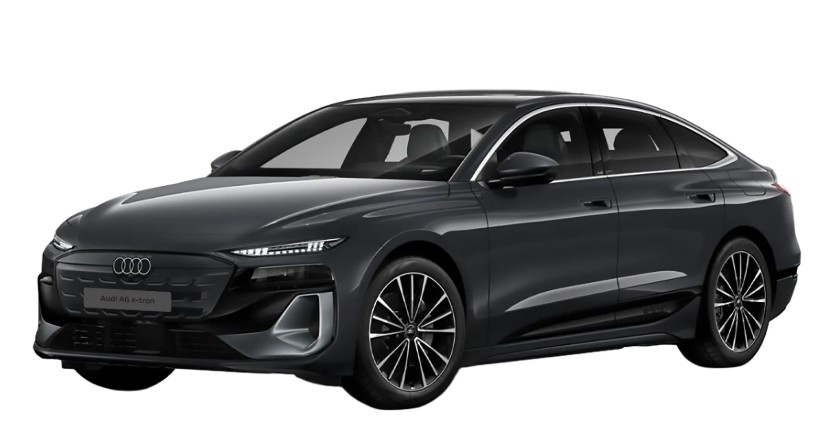
The Audi A6 weight might look like a simple specification, but once we start comparing generations, engines, drivetrains, sedans, Avants, plug-in hybrids, and performance versions, things become considerably more interesting.
An Audi A6 is not especially light. Then again, it was never meant to feel like a stripped-out sports car. The A6 sits in the executive-car world, where comfort, refinement, safety, technology, sound insulation, and road stability matter just as much as shaving kilograms from the scales.
Depending on the generation and configuration, an Audi A6 can weigh roughly 1,500 to well over 2,000 kg, or approximately 3,300 to 4,400+ lb in curb-weight terms. Certain electrified or highly equipped variants can be heavier still.
That is a broad range because asking “How much does an Audi A6 weigh?” is rather like asking how much luggage a family takes on holiday. The answer changes dramatically depending on what is included.
In this guide, we will break down Audi A6 curb weight, gross vehicle weight, sedan versus Avant differences, quattro versus front-wheel drive, engine influence, payload, towing implications, performance, fuel economy, and the reasons newer A6 models sometimes weigh more despite sophisticated lightweight engineering.
Content in this publication
- How Much Does an Audi A6 Weigh?
- Audi A6 Weight in kg and Pounds
- What Does Audi A6 Curb Weight Mean?
- Audi A6 Gross Vehicle Weight Explained
- Audi A6 Sedan Weight
- Audi A6 Avant Weight
- Audi A6 quattro Weight
- Does Engine Size Affect Audi A6 Weight?
- Audi A6 Plug-In Hybrid Weight
- Why Is the Audi A6 So Heavy?
- How Audi Reduces A6 Weight
- Audi A6 Weight by Generation
- Audi A6 Weight vs Audi A4
- Audi A6 Weight vs Audi A8
- Does Audi A6 Weight Affect Fuel Economy?
- How Weight Affects Audi A6 Acceleration
- How Weight Affects Braking
- Does Audi A6 Weight Improve Ride Comfort?
- Audi A6 Payload Capacity
- Audi A6 Weight and Towing
- Audi A6 Roof Load and Vehicle Weight
- Does Wheel Size Change Audi A6 Weight?
- Can Optional Equipment Make an Audi A6 Much Heavier?
- Is a Lighter Audi A6 Better?
- How to Find the Exact Weight of Your Audi A6
- Why Different Websites Give Different Audi A6 Weight Figures
- What Is a Good Weight for an Executive Car?
- Should Audi A6 Weight Matter When Buying Used?
- Final Thoughts on Audi A6 Weight
- Frequently Asked Questions About Audi A6 Weight
How Much Does an Audi A6 Weigh?
For most conventional Audi A6 models from recent generations, we can expect curb weight to sit somewhere around 1,600 to 2,000 kg, equivalent to approximately 3,527 to 4,409 lb.
However, there is no universal Audi A6 weight.
A smaller-engine front-wheel-drive sedan can be significantly lighter than an A6 Avant fitted with quattro, a larger engine, panoramic roof, extensive luxury equipment, and electrified hardware.
Plug-in hybrid variants are particularly important here. Their batteries, electric motors, control systems, and additional cooling equipment can add substantial mass.
Older generations also tend to differ considerably from current models. Earlier A6s often carried fewer electronics, less crash-protection hardware, simpler infotainment systems, and fewer powered convenience features.
So when researching an exact car, we should treat generic weight figures as a starting point rather than the final answer.
Audi A6 Weight in kg and Pounds
For shoppers comparing specifications across international markets, Audi A6 weight may be quoted in kilograms, pounds, tonnes, or occasionally hundredweight depending on the source.
A practical rule of thumb is that 1 kilogram equals about 2.205 pounds.
That means an A6 weighing 1,800 kg comes in at roughly 3,968 lb. A 2,000 kg version is approximately 4,409 lb.
Rather than focusing excessively on a few kilograms either way, it is more useful to understand why one version weighs more than another.
The biggest influences usually include engine choice, transmission, quattro hardware, body style, hybrid batteries, wheel size, optional equipment, and trim level.
Typical Audi A6 Weight Range
Across different A6 generations and specifications, we can generally encounter figures within the following broad bands:
- Lighter Audi A6 versions: around 1,500–1,700 kg
- Typical modern petrol or diesel A6: around 1,650–1,900 kg
- Heavily equipped quattro models: often around 1,800–2,000 kg
- Plug-in hybrid versions: potentially around or above 2,000 kg
- Performance-oriented or highly equipped derivatives: commonly among the heavier configurations
These figures are approximate because Audi specifications differ by model year and region. The vehicle identification plate, owner's documentation, or specifications for the exact VIN should always take priority when precise legal or load information is required.
What Does Audi A6 Curb Weight Mean?
Curb weight is one of those automotive expressions we see constantly without necessarily stopping to think about what it includes.
Broadly speaking, curb weight refers to the weight of the vehicle in road-ready condition but without passengers or cargo.
Depending on the regulatory standard being used, the published figure can include operating fluids, fuel, standard equipment, and potentially an allowance associated with the driver.
That difference in methodology explains why two apparently reputable specifications for the same Audi A6 can occasionally disagree.
One source may list a DIN weight, another an EU-standard figure, and another may simply reproduce a manufacturer specification for a different market.
Curb Weight Is Not the Same as Empty Weight
People often use “curb weight” and “empty weight” interchangeably, but technically they are not always identical.
An absolutely empty vehicle could exclude fuel or certain fluids, whereas curb-weight conventions generally assume that the car is essentially ready to drive.
For everyday A6 ownership, curb weight is usually the more useful number because it better represents the car sitting on the road in normal operating condition.
Audi A6 Gross Vehicle Weight Explained
Gross vehicle weight is much more important than many owners realize.
The gross vehicle weight rating, often abbreviated to GVWR, describes the maximum permitted total weight of the vehicle when loaded.
That total includes the car itself plus passengers, luggage, accessories, and other allowable cargo.
If our A6 has a curb weight of roughly 1,800 kg and a maximum permitted vehicle mass significantly above that, the difference represents the available loading capacity before other restrictions are considered.
Think of GVWR as the ceiling rather than the starting point.
We should never assume that because there is physical room in the A6's boot, the vehicle can legally or safely carry whatever we can squeeze inside.
Why Gross Weight Matters
Gross weight becomes particularly relevant when we carry five adults, load the luggage compartment for a long holiday, attach accessories, or tow.
A luxury estate may look enormous inside, but people and luggage add mass remarkably quickly.
Four adults could easily contribute more than 300 kg. Add suitcases, equipment, child seats, tools, or other belongings and the available payload can shrink faster than expected.
Audi A6 Sedan Weight
The A6 Sedan is usually one of the lighter body configurations within a comparable powertrain range.
Why?
The sedan does not require quite the same rear-body structure, extended roofline, tailgate hardware, and load-area components found in the Avant.
The difference is not necessarily huge, though.
Modern engineering means the Avant can remain reasonably close to the sedan despite offering a dramatically more practical cargo area.
For drivers primarily interested in maximum efficiency or slightly lower mass, the sedan often has an advantage.
Yet weight alone should not decide between the two.
A 50- or 100-kg difference becomes far less important if we regularly need the Avant's additional cargo flexibility.
Audi A6 Avant Weight
The Audi A6 Avant typically weighs slightly more than an equivalent A6 Sedan.
Its larger body structure, hatch, rear glazing, cargo equipment, and structural requirements contribute to the extra mass.
Still, the Avant's additional weight comes with a practical payoff. The estate body provides easier loading, more useful cargo space, and greater versatility.
There is something almost amusing about the A6 Avant's personality. It can swallow family luggage like a van yet cruise down a motorway with the composure of an executive sedan.
That combination is precisely why its extra kilograms rarely feel wasted.
Does the Heavier Avant Feel Slower?
Not necessarily.
When the sedan and Avant use the same engine, the lighter sedan can theoretically enjoy a small acceleration and efficiency advantage.
In real-world driving, however, the difference may be subtle.
Torque-rich turbocharged engines and responsive automatic transmissions compensate remarkably well for moderate differences in body weight.
The driver is far more likely to notice additional luggage or a full complement of passengers than the inherent sedan-versus-Avant weight difference.
Audi A6 quattro Weight
An Audi A6 quattro normally weighs more than a comparable front-wheel-drive model.
The reason is straightforward: sending power to four wheels requires additional mechanical hardware.
Depending on the system and generation, we may have extra driveshafts, differentials, couplings, housings, and supporting components.
None of these pieces weighs nothing.
Audi engineers work hard to minimize the penalty, but physics remains stubborn.
Is quattro Worth the Additional Weight?
For many owners, absolutely.
The additional mass can be offset by improved traction, confident acceleration in poor conditions, and greater stability when power levels become substantial.
Drivers living where snow, rain, steep roads, or changing weather are common may value quattro far more than they value saving a few dozen kilograms.
On the other hand, a driver who spends almost all their time on dry urban roads may prefer the simplicity and potentially lower fuel consumption of a lighter front-wheel-drive specification.
Does Engine Size Affect Audi A6 Weight?
Yes, sometimes considerably.
A larger engine can add mass because the engine itself may be heavier, but that is only the beginning.
More powerful A6 models may also require stronger transmissions, larger brakes, upgraded cooling systems, different suspension components, bigger wheels, and more substantial drivetrain hardware.
So the engine sits at the center of a chain reaction.
A modest four-cylinder A6 is generally easier to keep light than a high-output model carrying a larger powertrain and extensive performance equipment.
Petrol Audi A6 Weight
Modern petrol A6 variants often use turbocharged engines designed to provide substantial performance without resorting to enormous displacement.
Four-cylinder versions can sit toward the lighter end of the contemporary range.
More powerful six-cylinder variants usually add weight, especially when combined with quattro and high equipment levels.
Still, petrol models can offer an appealing balance between performance and mass.
Diesel Audi A6 Weight
Diesel engines have historically been popular in the A6 because the car excels at long-distance motorway travel.
A diesel engine may weigh more than a comparable petrol unit because of its stronger construction, emissions-control equipment, and related components.
Yet diesel torque makes a heavier executive car feel remarkably effortless.
A well-matched A6 diesel can gather speed with the calm force of a tide rather than the frantic rush of a small performance engine.
That relaxed character has traditionally suited the A6 very well.
Audi A6 Plug-In Hybrid Weight
Electrification changes the weight equation dramatically.
An Audi A6 plug-in hybrid carries components that a conventional combustion-powered A6 simply does not need, including a high-voltage battery, electric motor, power electronics, cables, charging hardware, and specialized thermal-management systems.
Consequently, plug-in hybrid A6 versions can be among the heaviest regular A6 models.
Crossing the 2,000-kg region is therefore not surprising in certain specifications.
Yet focusing only on the extra mass misses half the story.
Electric assistance can provide immediate torque, reduce fuel use on suitable journeys, and allow short trips to be completed using electric power.
In other words, the battery may feel like a heavy backpack, but it is a backpack carrying its own engine.
Does Hybrid Weight Hurt Handling?
Additional mass always affects vehicle dynamics to some extent.
More weight means greater inertia. More energy must be managed during acceleration, braking, and cornering.
However, battery placement matters enormously.
If heavy components sit low in the chassis, they can help keep the center of gravity controlled.
Modern suspension tuning, electronically managed dampers, sophisticated stability systems, and wide tyres can also disguise weight surprisingly effectively.
This is why a heavy premium hybrid can feel far more agile than its specification sheet suggests.
Why Is the Audi A6 So Heavy?
There is a temptation to look at a modern executive car approaching two tonnes and ask what went wrong.
In reality, much of that weight serves a purpose.
Today's A6 is packed with equipment that would have sounded futuristic a few decades ago: multiple displays, powerful computers, cameras, radar sensors, driver-assistance systems, electric seat motors, sophisticated climate control, advanced sound systems, acoustic insulation, stronger crash structures, emissions-control hardware, and extensive convenience features.
Even tiny components add up.
A powered tailgate here, a larger infotainment screen there, thicker acoustic glass, another electric motor, more wiring, an upgraded speaker system—before long we have added the equivalent weight of another passenger.
How Audi Reduces A6 Weight
Audi does not simply accept additional mass without fighting back.
Modern vehicle engineering uses a mixture of high-strength steels, aluminium, carefully optimized structures, and lightweight components to reduce weight where practical.
The trick is not merely making every component lighter.
Engineers have to balance cost, rigidity, repairability, noise suppression, crash performance, longevity, production complexity, and refinement.
A luxury sedan with paper-thin panels might be light, but nobody would appreciate it if every motorway journey sounded like sitting inside a biscuit tin.
That is why intelligent weight reduction matters more than weight reduction at any cost.
Audi A6 Weight by Generation
A6 weight has evolved substantially through the generations.
Early A6 models could be comparatively light, particularly when equipped with smaller engines and front-wheel drive.
As generations progressed, dimensions increased, safety requirements became more demanding, equipment lists expanded, and technology multiplied.
At the same time, Audi introduced increasingly sophisticated construction methods to prevent weight from spiraling upward uncontrollably.
Earlier Audi A6 Generations
Older A6 generations often sat comfortably below the mass of today's heavily equipped versions.
Their relative simplicity worked in their favor.
Smaller wheels, fewer electronic systems, simpler seats, lighter infotainment equipment, and less elaborate emissions hardware all reduced mass.
Yet older does not automatically mean better.
Modern A6 models provide levels of structural safety, refinement, noise isolation, performance, and convenience that their ancestors simply could not match.
Modern Audi A6 Generations
Current-era A6 models are larger and technologically denser.
Hybridization has also complicated the story.
A conventional modern A6 can benefit from extensive lightweight engineering, while a plug-in hybrid version may add much of that saved mass straight back through battery and electrical hardware.
This is one reason comparing generations purely by curb weight can be misleading.
We need to compare what those kilograms actually buy us.
Audi A6 Weight vs Audi A4
The Audi A4 has traditionally occupied the segment below the A6, so it is normally smaller and lighter.
That difference affects almost everything.
The lighter A4 can feel more nimble around town and may require slightly less energy to accelerate.
The A6 counters with greater cabin space, stronger long-distance refinement, and a more substantial road presence.
We could describe the A4 as a well-tailored jacket and the A6 as a full business-class lounge. Both can be elegant, but one surrounds us with noticeably more car.
Audi A6 Weight vs Audi A8
Move upward to the Audi A8 and mass generally rises again.
The A8 is Audi's flagship luxury sedan, with more extensive comfort technology, larger dimensions, sophisticated suspension equipment, and generous sound insulation.
The A6 therefore occupies an interesting middle ground.
It delivers much of the refinement associated with large luxury cars without necessarily carrying all the size and weight of a full flagship sedan.
Does Audi A6 Weight Affect Fuel Economy?
Absolutely.
Every time we accelerate, the engine or electric motor must overcome the vehicle's inertia.
A heavier car requires more energy to reach a given speed than an otherwise identical lighter car.
That does not mean the lightest A6 automatically has the lowest fuel consumption, because engine efficiency, gearing, aerodynamics, tyres, hybrid assistance, temperature, driving speed, and traffic conditions also matter.
Still, all else being equal, lower mass helps.
Weight Matters Most in Stop-and-Go Driving
Mass becomes particularly noticeable in urban driving because the car repeatedly accelerates and slows.
On a motorway, aerodynamic drag gradually becomes a bigger part of the resistance the vehicle must overcome.
This helps explain why a relatively heavy A6 diesel can still produce impressive motorway fuel economy.
Once cruising steadily, its sleek shape and efficient engine can matter more than several additional bags of metaphorical cement sitting in the chassis.
How Weight Affects Audi A6 Acceleration
Power-to-weight ratio is one of the simplest ways to understand vehicle performance.
If two A6 models produce identical power but one weighs substantially less, the lighter one should generally accelerate more quickly.
But Audi rarely changes weight in isolation.
Heavier specifications often have more powerful engines.
Consequently, a heavier six-cylinder quattro can accelerate much faster than a lighter entry-level four-cylinder car.
That is why curb weight must always be viewed alongside power, torque, transmission, and traction.
How Weight Affects Braking
Stopping a heavy car requires managing considerable kinetic energy.
That is why more powerful and heavier A6 models commonly use braking hardware appropriate to their performance.
Large brake discs, substantial calipers, sophisticated ABS systems, and modern tyre technology allow the A6 to deliver strong braking despite its mass.
But weight still matters.
A fully loaded car has more mass than an empty one, and braking distances can be affected by load, road conditions, tyres, temperature, and driver inputs.
We should therefore never treat a premium badge as permission to ignore basic physics.
Does Audi A6 Weight Improve Ride Comfort?
In some circumstances, yes.
A substantial vehicle can feel wonderfully planted at speed.
The A6 often has that dense, settled sensation associated with German executive cars. It does not simply skim over the road; it feels anchored to it.
Mass can help the car feel less disturbed by minor imperfections, crosswinds, and rapid surface changes.
However, suspension design is the real magician.
A heavy car with poorly tuned suspension can ride terribly, while a lighter car with excellent damping can feel beautifully composed.
The A6 combines its weight with sophisticated chassis engineering, which is why the result can feel so polished.
Audi A6 Payload Capacity
Payload tells us how much additional mass the car can legally carry after accounting for its own weight under the applicable measurement standard.
Passengers count.
Luggage counts.
Accessories count.
That heavy roof box and everything inside it count too.
This becomes especially important with plug-in hybrid vehicles because a heavier curb weight can sometimes leave less payload headroom than buyers expect.
Rather than calculating payload from generic internet figures, we should check the specific vehicle plate or manufacturer documentation for the exact A6.
Audi A6 Weight and Towing
Anyone intending to tow with an A6 should understand that vehicle weight forms only one part of the equation.
Towing capacity depends on the exact model, engine, drivetrain, cooling configuration, transmission, homologation, and local regulations.
A heavier tow vehicle can offer useful stability, but we should never assume that a heavy A6 is automatically approved to tow a heavy trailer.
Manufacturer limits remain the deciding factor.
Why Loaded Vehicle Weight Matters When Towing
When towing, we have to think beyond trailer weight alone.
Passengers and luggage in the A6 consume payload capacity, while the trailer's nose or tongue load also places weight on the vehicle.
An A6 might therefore reach a permitted axle or gross vehicle weight limit before another theoretical limit is reached.
This is why towing calculations deserve more attention than simply reading one headline number.
Audi A6 Roof Load and Vehicle Weight
Roof boxes and bicycle carriers add practical versatility, but they also change how weight is distributed.
Placing mass high on the vehicle raises the effective center of gravity.
That can affect cornering behavior more noticeably than putting the same luggage low in the boot.
The roof itself also has a maximum permitted load, which generally includes the carrier system as well as the cargo.
For exact figures, we should consult the documentation for the particular model year and roof system rather than assuming that all A6 generations share the same limit.
Does Wheel Size Change Audi A6 Weight?
Yes, although not usually enough to transform the overall curb-weight number.
Larger alloy wheels and wider tyres can be heavier than smaller alternatives.
More importantly, wheel weight is partly unsprung and rotational mass.
That means changes can influence steering response, suspension behavior, acceleration, and ride quality in ways that a simple curb-weight comparison does not fully reveal.
Huge wheels may look spectacular, but they can bring trade-offs.
Sometimes the supposedly less exciting wheel option is actually the sweeter everyday setup.
Can Optional Equipment Make an Audi A6 Much Heavier?
Definitely.
A panoramic roof, electrically adjustable comfort seats, larger wheels, upgraded sound system, towing equipment, additional driver-assistance hardware, and luxury packages all contribute incremental mass.
One option may barely matter.
Ten options can.
This helps explain why two A6 cars with the same engine and body style may not have precisely identical curb weights.
Is a Lighter Audi A6 Better?
Not automatically.
Lower mass can improve acceleration, efficiency, agility, tyre wear, and braking demand.
But we should ask what was removed to achieve the lower figure.
If one A6 is lighter because it lacks quattro, advanced seats, acoustic glass, hybrid hardware, a panoramic roof, and other desirable features, the lighter number may not represent a better car for our needs.
Weight is a specification, not a quality score.
The smartest choice is the A6 whose mass, equipment, engine, and intended use make sense together.
How to Find the Exact Weight of Your Audi A6
When precision matters, generic specification tables are not enough.
The safest approach is to identify the exact model year, body style, engine, transmission, drivetrain, and trim specification.
Then check the vehicle identification plate, official owner documentation, registration documents where applicable, or manufacturer data linked to the specific vehicle.
This is especially important when calculating payload or towing limits.
The difference between “roughly 1,800 kg” and the official legally relevant figure might mean very little in casual conversation but a great deal when the vehicle is heavily loaded.
Why Different Websites Give Different Audi A6 Weight Figures
This is one of the most common sources of confusion.
One website might say an A6 weighs 1,735 kg, while another appears to list 1,810 kg for what looks like the same model.
Both numbers might be legitimate.
Differences can arise because the cars have different engines, options, drivetrains, production dates, market specifications, or weight-measurement standards.
Some databases also combine trims too aggressively.
The lesson is simple: specifications without context are dangerous.
When we see an Audi A6 weight figure, we should always ask, “Which A6?”
What Is a Good Weight for an Executive Car?
There is no magical target.
An executive sedan needs to balance refinement with efficiency and dynamic ability.
If manufacturers chased ultra-low weight above everything else, we would probably lose sound insulation, safety equipment, sophisticated seats, structural stiffness, and many luxury features.
At the opposite extreme, excessive mass makes efficiency and agility increasingly difficult to maintain.
The sweet spot is therefore not necessarily the smallest number on a scale.
It is the minimum mass required to deliver the intended combination of safety, comfort, technology, performance, and durability.
The A6 has spent generations trying to live in exactly that territory.
Should Audi A6 Weight Matter When Buying Used?
Yes, but not in isolation.
Weight can help us understand why one version behaves differently from another, yet condition and maintenance history matter far more when buying a used A6.
A slightly lighter model with neglected maintenance is not preferable to a heavier car that has been meticulously serviced.
Still, knowing the differences can help us choose intelligently.
A front-wheel-drive four-cylinder sedan may suit someone prioritizing economy. A quattro Avant may suit a family wanting space and all-weather confidence. A plug-in hybrid may make sense for someone capable of charging regularly.
Each carries a different amount of hardware because each solves a different problem.
Final Thoughts on Audi A6 Weight
The Audi A6 weight typically falls somewhere between roughly 1.5 and more than 2 tonnes depending on generation, engine, drivetrain, body style, equipment, and electrification.
That might sound substantial, but context matters.
The A6 carries sophisticated safety structures, premium cabin materials, advanced electronics, powerful engines, extensive sound insulation, and—in some versions—four-wheel drive or hybrid components.
Those kilograms are not simply dead weight. Much of the mass contributes to the quiet, planted, secure character that makes an A6 feel like an A6.
If we are comparing models, curb weight can help explain differences in efficiency, acceleration, handling, payload, and braking. But it should never be interpreted alone.
For an exact figure, especially for towing or maximum vehicle loading, always verify the specifications of the particular car rather than relying on a generic A6 number.
In other words, the scale tells us part of the story. The way Audi uses that weight tells us the rest.
Frequently Asked Questions About Audi A6 Weight
1. How much does an Audi A6 weigh in kg?
Most Audi A6 models generally fall somewhere around 1,500 to over 2,000 kg, depending on generation and specification. Modern quattro, Avant, highly equipped, and plug-in hybrid models tend to sit toward the heavier end of the range.
2. How much does an Audi A6 weigh in pounds?
Depending on specification, an Audi A6 can weigh approximately 3,300 to more than 4,400 lb. Exact curb weight varies substantially according to the engine, drivetrain, body style, model year, and optional equipment.
3. Is the Audi A6 Avant heavier than the sedan?
Usually, yes. An A6 Avant generally carries some additional weight because of its estate body structure, larger rear opening, tailgate, glazing, and cargo-area components. The difference varies between generations and powertrains.
4. Does Audi quattro make the A6 heavier?
Typically, yes. A quattro drivetrain requires additional components to distribute power to more than one axle, increasing weight compared with an otherwise similar front-wheel-drive A6. The trade-off is improved traction and all-weather capability.
5. Why are Audi A6 plug-in hybrids so heavy?
Plug-in hybrid A6 models carry a traction battery, electric motor, charging hardware, power electronics, additional wiring, and thermal-management systems alongside much of the conventional combustion drivetrain. Those components add substantial weight, although electric assistance also provides immediate torque and the ability to drive some journeys without using the combustion engine.
If you want to know other articles similar to Audi A6 Weight: Curb Weight, Gross Weight and What It Means you can visit the category Service and Parts.
Vauxhall Mokka Tyre Pressure Reset: Complete Guide
How to Reset the Tire Pressure System on Your Hyundai Tucson
Hyundai Kona Tire Pressure: Complete PSI Guide
Vauxhall Corsa Timing Belt Replacement Cost UK 2026
Mazda CX-5 Tire Size Chart: 2013–2026 Guide

How to Reset a Honda Civic: Complete Step-by-Step Guide
Leave a Reply
More content of your interest