
Subaru XV Issues: Common Problems, Reliability and What Owners Should Know

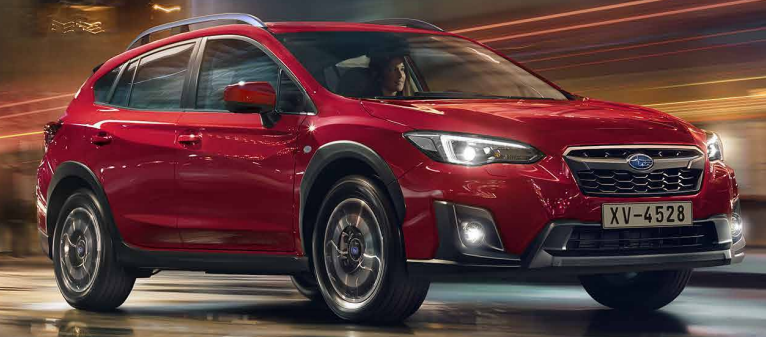
The Subaru XV has always been a slightly unusual character in the compact SUV world. It mixes hatchback dimensions with proper all-wheel drive, useful ground clearance, boxer engines, and the sort of rugged personality that encourages us to turn down the gravel road instead of driving straight past it.
But toughness does not equal perfection.
Search for Subaru XV issues, and we quickly tumble down a rabbit hole filled with CVT complaints, oil consumption stories, wheel-bearing noises, temperamental infotainment systems, batteries that seem to surrender too early, and the occasional owner convinced their Subaru has developed a personality of its own.
How worried should we actually be?
Not every Subaru XV suffers from these problems, and the severity varies considerably by year, engine, mileage, maintenance history, and market. In fact, many examples cover substantial mileage without expensive mechanical failures. The important part is knowing which trouble spots deserve attention and which complaints are more annoyance than catastrophe.
Let’s break down the most common Subaru XV problems, what their symptoms look like, which generations deserve extra scrutiny, and what we should inspect before buying a used one.
Content in this publication
- Is the Subaru XV Generally Reliable?
- Most Common Subaru XV Issues at a Glance
- 1. Subaru XV CVT Transmission Problems
- 2. Excessive Oil Consumption
- 3. Wheel-Bearing Problems
- 4. Infotainment and Radio Problems
- 5. Battery Drain and Weak Battery Issues
- 6. Windshield Cracking Complaints
- 7. Subaru XV Suspension Noises
- 8. Air-Conditioning Problems
- 9. Engine Hesitation and Rough Running
- 10. Oil Leaks and Seepage
- 11. Brake Wear
- 12. Steering and Alignment Concerns
- 13. Uneven or Mismatched Tires Can Create Bigger Problems
- Which Subaru XV Years Have the Most Complaints?
- Subaru XV Recall Checks Are Essential
- How Long Can a Subaru XV Last?
- How Expensive Is the Subaru XV to Maintain?
- Pre-Purchase Inspection Checklist
- Should We Avoid a Subaru XV With High Mileage?
- Is a Used Subaru XV Worth Buying?
- When Should We Walk Away?
- How to Reduce Future Subaru XV Problems
- Subaru XV Reliability: The Bigger Picture
- Conclusion: Are Subaru XV Issues a Deal Breaker?
- Frequently Asked Questions About Subaru XV Issues
Is the Subaru XV Generally Reliable?
Broadly speaking, yes. The Subaru XV can be a dependable compact crossover when serviced correctly.
The challenge is that its reliability record isn't perfectly even across every model year.
Early XV Crosstrek models deserve more careful inspection than newer examples, particularly when we are dealing with higher-mileage vehicles equipped with Subaru's Lineartronic continuously variable transmission.
Subaru itself extended CVT warranty coverage on various U.S.-market Crosstrek vehicles. For example, certain 2013-2015 models received extended CVT coverage, while Subaru later issued another extension covering applicable 2016-2017 Crosstrek models and the 2018 Crosstrek. These were warranty extensions rather than safety recalls.
That distinction matters.
A warranty extension doesn't automatically mean every transmission is defective. It does, however, tell us that the CVT deserves serious attention when inspecting an older XV.
Subaru XV vs Subaru Crosstrek: Are They the Same Car?
This causes plenty of confusion online.
Depending on the market and year, the vehicle has been sold as the Subaru XV, XV Crosstrek, or simply Crosstrek.
In the United States, Subaru originally sold the vehicle as the XV Crosstrek before simplifying the name to Crosstrek. Other markets continued using the XV designation for considerably longer.
So when researching reliability, we shouldn't ignore Crosstrek information simply because our badge says XV.
Mechanically, many of the lessons overlap.
Most Common Subaru XV Issues at a Glance
If we're shopping for an XV, these are the areas worth examining most carefully:
- CVT hesitation, shuddering, whining, or failure on some older models
- Excessive engine oil consumption on certain early vehicles
- Wheel-bearing humming or grinding
- Weak or aging 12-volt batteries
- Infotainment freezes, Bluetooth problems, or unresponsive screens
- Windshield cracking complaints on some newer Crosstrek generations
- Suspension knocks and worn bushings at higher mileage
- Air-conditioning performance issues
- Oil seepage or gasket leaks as vehicles age
- Engine hesitation or rough running caused by ignition or sensor problems
- Electrical warning lights caused by battery-voltage issues
- Brake wear and occasional premature component replacement
None of these automatically turns the XV into a bad vehicle. Think of this list more like a weather forecast. A chance of rain doesn't mean we're guaranteed to get soaked, but carrying an umbrella suddenly makes a lot more sense.
1. Subaru XV CVT Transmission Problems
The CVT is probably the issue prospective Subaru XV buyers worry about most.
And there is some legitimate history behind that concern.
Subaru extended CVT warranty coverage on several U.S.-market vehicles, including certain XV Crosstrek and Crosstrek model years. The extension reached as much as 10 years or 100,000 miles on applicable vehicles.
What Does a Failing Subaru XV CVT Feel Like?
Potential warning signs include:
- Hesitation when accelerating
- Jerking from low speeds
- Shuddering under load
- Whining or humming noises
- Delayed engagement when selecting Drive or Reverse
- Engine revs rising without matching acceleration
- Transmission warning lights
- Harshness once the transmission becomes warm
- Fluid leaks underneath the vehicle
Some CVT behavior is normal. A continuously variable transmission does not shift like a conventional six-speed automatic, so engine revs can sometimes remain steady while road speed increases.
That's not necessarily a fault.
Sudden slipping, violent shuddering, unexplained noises, or warning lights are different.
Are All Subaru XV CVTs Bad?
No.
That's one of those internet myths that grows faster than weeds after rain.
Thousands of Subaru CVTs operate without major failures. Driving style, fluid condition, towing, heat, maintenance, and production differences can all influence longevity.
However, when buying an older XV, ignoring the transmission simply because the car drives normally for five minutes is risky.
How We Would Test the CVT Before Buying
Drive the vehicle from cold if possible.
Accelerate gently, then moderately. Try hills. Reverse uphill slightly. Drive it long enough for the transmission to warm up.
Listen.
A healthy CVT should feel smooth and predictable. Any pronounced shuddering, slipping, grinding, or hesitation deserves investigation before money changes hands.
2. Excessive Oil Consumption
Oil consumption is another issue associated particularly with some earlier Subaru boxer engines.
Subaru issued technical guidance concerning oil-consumption testing that included the 2013 XV Crosstrek 2.0-liter among applicable vehicles.
That doesn't mean every 2013 XV burns oil.
It means we shouldn't dismiss a low dipstick reading as something completely normal either.
Signs of Excessive Oil Consumption
Watch for:
- Oil warning illumination between services
- Frequently topping up engine oil
- Burning-oil smell
- Blue exhaust smoke in severe cases
- Low oil indicated on the dipstick
- Engine ticking when oil level becomes dangerously low
The tricky part is that an engine can consume oil without leaving a puddle underneath it.
Oil disappears quietly.
That's precisely why checking the dipstick matters.
How Serious Is It?
Moderate oil consumption is mainly inconvenient.
Severe oil consumption becomes dangerous because running an engine low on oil can cause lubrication failure and internal engine damage.
If we're buying an older XV, asking the owner how often they add oil can tell us more than simply staring at a freshly cleaned engine bay.
3. Wheel-Bearing Problems
A Subaru XV spends its life sending power through an all-wheel-drive system while often rolling on rough roads, potholes, snow, gravel, or neglected urban asphalt.
Wheel bearings eventually take the punishment.
Owner-complaint aggregations have highlighted wheel/hub problems particularly prominently among early XV Crosstrek vehicles, with the 2013 model receiving considerable complaint attention.
What a Bad Wheel Bearing Sounds Like
The classic symptom is a humming or droning sound that becomes louder with vehicle speed.
Imagine distant aircraft noise following us down the motorway.
The sound may change when turning because cornering shifts the load from one side of the vehicle to the other.
Other symptoms can include vibration or roughness from one corner.
Fortunately, a worn bearing is generally much less intimidating financially than a failing transmission.
4. Infotainment and Radio Problems
Sometimes the Subaru XV's biggest enemy isn't mechanical engineering.
It's software.
Certain Crosstrek generations have generated owner complaints involving radios and infotainment systems. Complaint databases, for example, identify radio malfunction among commonly reported 2018 Crosstrek problems.
Potential symptoms include:
- Frozen touchscreen
- Screen randomly restarting
- Bluetooth disconnecting
- Apple CarPlay or Android Auto dropping connection
- No audio
- Slow responses
- Backup-camera display problems
- Phone pairing that suddenly forgets previously connected devices
These issues are irritating rather than usually immobilizing.
A software update may solve some cases, while others involve a head-unit replacement.
Don't Forget the USB Cable
Before declaring the infotainment unit dead, try another high-quality USB cable.
It sounds ridiculously simple, but poor cables cause an impressive number of supposed CarPlay and Android Auto failures.
5. Battery Drain and Weak Battery Issues
Electrical gremlins often start with something much less glamorous than a sophisticated computer module.
They start with the battery.
When a 12-volt battery weakens, modern vehicles can behave strangely. Warning lights may appear. Stop-start systems may become unavailable. Infotainment equipment may reboot. Starting can become sluggish.
Typical Weak-Battery Symptoms
We might notice:
- Slow cranking
- Clicking when trying to start
- Repeated jump-start requirements
- Warning messages appearing together
- Interior lights dimming
- Electronics acting unpredictably
Before chasing complicated electrical faults, test battery voltage and charging-system performance.
A tired battery can make a healthy car look seriously ill.
6. Windshield Cracking Complaints
Windshield damage isn't usually the first thing we associate with vehicle reliability, yet it has been noticeable among owner complaints for some later Crosstrek models.
Complaint data particularly highlights cracked windshields among reported 2018 and 2019 Crosstrek problems.
Of course, windshields crack for many reasons.
Road debris matters. Temperature changes matter. Installation matters. Individual driving conditions matter.
We therefore shouldn't assume that every crack represents a manufacturing defect.
Nevertheless, inspect carefully around the edges and across the lower windshield when evaluating a used vehicle.
Why Windshield Replacement Can Be More Expensive Than Expected
Modern Subaru models equipped with EyeSight use cameras mounted near the top of the windshield.
Replacing the glass may therefore involve calibration requirements depending on model and equipment.
What looks like a simple piece of glass can turn into a surprisingly expensive afternoon.
7. Subaru XV Suspension Noises
The XV's ground clearance encourages adventurous driving.
Unfortunately, suspension components don't possess infinite patience.
As mileage increases, we may encounter:
- Clunking over bumps
- Worn control-arm bushings
- Tired stabilizer links
- Strut noises
- Uneven tire wear
- Loose-feeling steering
A single clunk doesn't automatically indicate a major suspension rebuild.
Rubber bushings and links are wear items.
Still, several suspension noises combined with uneven tires and sloppy handling suggest that maintenance may have been postponed.
8. Air-Conditioning Problems
An XV that blows warm air on a hot day quickly loses some of its adventurous charm.
Air-conditioning complaints can involve refrigerant loss, compressor problems, electrical faults, pressure sensors, or damaged condenser components.
Common AC Symptoms
Look for:
- Air that never becomes properly cold
- Cooling that works only while driving
- Compressor cycling constantly
- Clicking or grinding noises
- Cooling disappearing after several minutes
- Different temperatures from different vents
Never assume the system "just needs gas."
Refrigerant does not normally vanish for fun. If it's low, there's often a leak somewhere.
9. Engine Hesitation and Rough Running
The naturally aspirated boxer engine in many XV models isn't a rocket.
That's normal.
But there's a difference between leisurely acceleration and an engine that stumbles.
Hesitation can arise from several sources, including:
- Worn spark plugs
- Ignition-coil problems
- Dirty throttle components
- Fuel-delivery issues
- Airflow or oxygen sensors
- Vacuum leaks
- CVT behavior mistaken for an engine problem
Diagnosis matters because symptoms overlap.
An engine revving strangely under acceleration could indicate an engine-management issue—or the transmission may actually be responsible.
10. Oil Leaks and Seepage
Subaru boxer engines place their cylinder heads horizontally rather than vertically.
The layout gives Subaru its familiar low center of gravity, but aging seals and gaskets can still develop seepage like those in any other engine.
Look underneath the car and around the engine for wet areas rather than simply dirt.
Freshly washed engines deserve extra scrutiny.
Why was everything cleaned immediately before the sale?
Sometimes the seller loves detailing.
Sometimes they're hiding yesterday's oil leak.
11. Brake Wear
Brake pads and rotors are ordinary maintenance components, yet wear rate varies enormously depending on terrain and driving conditions.
An XV used daily in steep, congested areas can consume brakes considerably faster than one cruising long rural highways.
Warning Signs Include
- Steering-wheel vibration while braking
- Grinding noises
- Squealing
- Pulsation through the brake pedal
- Vehicle pulling to one side
- Excessive pedal travel
Brake problems don't necessarily make an XV unreliable.
They do, however, give us bargaining power when buying one.
12. Steering and Alignment Concerns
Early XV owner reports have included steering-related complaints, particularly in certain low-grip conditions. Complaint aggregation for the 2013 XV Crosstrek ranks steering behavior in snow, slush, or ice among its notable reported problems.
We should interpret owner-report databases cautiously because complaints don't establish that every vehicle has a design defect.
Still, unusual steering behavior deserves attention.
Check:
- Tire condition
- Tire pressures
- Matching tire brands and sizes
- Wheel alignment
- Suspension wear
- Previous accident damage
With an AWD Subaru, tires matter enormously.
13. Uneven or Mismatched Tires Can Create Bigger Problems
One detail sometimes overlooked when buying an all-wheel-drive Subaru is tire matching.
A bargain-bin replacement tire on one corner might save money today but isn't necessarily ideal for an AWD drivetrain.
Ideally, all four tires should have similar circumference, tread depth, type, and wear.
This is both a mechanical consideration and a clue about previous ownership.
Four quality matching tires suggest someone paid attention.
Three worn premium tires and one mysterious budget tire tell a different story.
Which Subaru XV Years Have the Most Complaints?
There isn't one universal answer because the XV name covers different markets.
In U.S. complaint data, the 2013 XV Crosstrek stands out among the earliest models, while later Crosstrek complaint datasets show notable activity around 2018 and 2019. CarComplaints currently labels 2013 as its worst XV Crosstrek model year and 2019 as the worst Crosstrek model year based on its own methodology and submitted complaints.
That doesn't mean we should automatically reject those years.
Condition matters enormously.
A carefully maintained 2013 with complete service history can be a safer purchase than a neglected newer example that's spent its life skipping maintenance.
Older First-Generation XV Models
On earlier vehicles, concentrate particularly on:
- Engine oil level
- CVT operation
- Wheel bearings
- Suspension wear
- Service history
- Cooling-system condition
- Evidence of oil consumption
Second-Generation Models
Later cars generally feel more refined, but inspect:
- Infotainment operation
- Windshield condition
- Battery health
- EyeSight warnings
- Suspension noises
- CVT behavior
Newer Models
As vehicles become newer, reliability data naturally becomes less complete.
That's simple mathematics.
A three-year-old car hasn't had the same opportunity to accumulate 150,000 miles of evidence as a twelve-year-old example.
Be careful whenever someone declares a nearly new generation "bulletproof."
Time hasn't finished the exam yet.
Subaru XV Recall Checks Are Essential
Recalls vary by country, production date, model year, and sometimes individual VIN.
For that reason, a generic internet list is never as reliable as checking the exact vehicle identification number.
Subaru provides a VIN-based recall lookup, while NHTSA offers its own lookup system for U.S.-market vehicles. Both emphasize that VIN searches are the appropriate way to determine whether a specific vehicle has an outstanding recall.
Before buying an XV, run the VIN.
It takes minutes and could reveal safety work that hasn't been completed.
How Long Can a Subaru XV Last?
There is no magic odometer reading at which an XV expires.
With consistent servicing, good oil-level management, sensible driving, and timely repairs, substantial mileage is perfectly realistic.
Maintenance history matters more than internet folklore.
I'd rather see a 100,000-mile XV accompanied by a thick folder of service invoices than a 55,000-mile example whose owner considers oil changes an optional lifestyle choice.
What Usually Determines Longevity?
Five things matter enormously:
- Oil-change history
- CVT condition and maintenance
- Cooling-system health
- Driving environment
- Whether minor problems were repaired before becoming major ones
Cars rarely wake up one morning and decide to self-destruct.
They normally whisper before they scream.
Good owners listen.
How Expensive Is the Subaru XV to Maintain?
Routine maintenance is generally manageable for a compact AWD crossover.
Costs become more intimidating when major drivetrain components enter the conversation.
Regular expenses include:
- Engine oil and filters
- Spark plugs
- Brake pads and rotors
- Tires
- Wheel bearings
- Suspension components
- Battery replacement
- Fluids
Potential CVT repairs sit at the expensive end of the spectrum.
That's why transmission condition matters so much when buying used.
Pre-Purchase Inspection Checklist
Before buying a Subaru XV, we'd perform the following checks:
- Start the engine completely cold.
- Look for exhaust smoke.
- Check engine-oil level.
- Inspect underneath for leaks.
- Scan the vehicle for diagnostic trouble codes.
- Test the CVT from cold and fully warmed.
- Listen for wheel-bearing hum at highway speed.
- Drive across rough surfaces and listen for suspension knocks.
- Test every electrical switch.
- Pair a phone with the infotainment system.
- Test the reversing camera.
- Verify the air conditioning gets properly cold.
- Inspect all four tires for matching size and similar wear.
- Check the windshield carefully.
- Verify service records.
- Check the VIN for outstanding recalls.
- Have an independent Subaru specialist inspect the vehicle.
That final step may be the best money we spend.
A pre-purchase inspection costs a little.
A replacement transmission costs a lot.
Should We Avoid a Subaru XV With High Mileage?
Not automatically.
High mileage scares many buyers because the odometer provides an easy number to judge.
Condition isn't so tidy.
A high-mileage XV that spent years travelling long highway distances may have enjoyed an easier mechanical life than a low-mileage vehicle subjected to endless short trips, cold starts, potholes, and neglected servicing.
We should judge the whole car.
Look at the steering wheel, pedals, driver's seat, tires, fluids, service records, and underbody.
They tell the story behind the mileage.
Is a Used Subaru XV Worth Buying?
For many buyers, absolutely.
The XV remains appealing because few compact crossovers combine its mixture of size, AWD capability, visibility, ground clearance, and everyday usability.
It's especially compelling for people who want something more adventurous than a normal hatchback but don't want to drive a full-size SUV.
Still, we'd approach older models with open eyes.
The smartest purchase isn't simply the cheapest XV available.
It's the one with documented maintenance, smooth drivetrain behavior, matching tires, no unexplained warning lights, a clean inspection, and an owner who can answer basic questions about the vehicle without suddenly becoming fascinated by the ceiling.
When Should We Walk Away?
Some problems are negotiation points.
Others are warning bells.
We'd become cautious if the vehicle shows several of these symptoms simultaneously:
- CVT shuddering
- Transmission warning lights
- Extremely low engine oil
- Significant oil consumption
- Blue exhaust smoke
- Multiple dashboard warnings
- Coolant contamination
- Heavy drivetrain vibration
- Missing maintenance history
- Uneven tires combined with suspension noise
- Signs of serious accident repairs
- Seller unwilling to permit an independent inspection
One issue might be repairable.
Five unrelated problems often suggest neglected ownership.
And neglected cars have a nasty habit of making yesterday's savings tomorrow's repair bill.
How to Reduce Future Subaru XV Problems
Reliability isn't only something a vehicle possesses.
It's something we help create.
Check the Engine Oil Regularly
Especially on older XVs, check the dipstick between scheduled services.
Thirty seconds can protect an engine worth thousands.
Don't Ignore New Noises
A faint wheel-bearing hum doesn't improve with age.
Neither does a suspension clunk.
Repairing wear early often prevents additional damage.
Use Correct Fluids
Modern CVTs are sensitive pieces of equipment.
Don't pour generic fluids into expensive machinery simply because the bottle says "universal."
Use the specification appropriate for the exact model.
Keep Tires Closely Matched
AWD works best when all four wheels are rolling on comparable tires.
Address Dashboard Warnings Properly
Clearing a trouble code doesn't repair the fault.
Diagnose the cause.
Otherwise we're basically taking the battery out of a smoke detector because the alarm is annoying.
Subaru XV Reliability: The Bigger Picture
Internet research can make virtually any vehicle sound terrifying.
Type a model name followed by the word "problems," and suddenly we're reading stories about engines exploding, transmissions dying, windows shattering, and electronics behaving like haunted furniture.
Complaint reports are useful.
They aren't the same thing as failure rates.
CarComplaints, for instance, provides useful owner-submitted patterns but doesn't establish that every example from a given model year will experience those failures. Its data nevertheless helps identify years and components that deserve more scrutiny during inspection.
Context matters.
The XV's reputation should therefore be somewhere between "indestructible mountain goat" and "mechanical disaster."
It's a generally solid compact crossover with several known trouble areas—particularly on older vehicles—that buyers should understand before purchasing.
Conclusion: Are Subaru XV Issues a Deal Breaker?
Usually, no.
The biggest potential concern in older Subaru XV models is the CVT, followed by issues such as oil consumption on certain early engines, wheel-bearing wear, suspension aging, and assorted electrical or infotainment annoyances.
Those problems deserve respect, not panic.
The XV still offers a combination that's difficult to replicate: useful ground clearance, permanent AWD capability, manageable dimensions, good practicality, and reassuring all-weather manners.
The secret is buying the right example.
We shouldn't shop purely by paint color, mileage, or price. Service history, mechanical condition, CVT behavior, oil level, tire matching, and recall status tell us far more about whether a particular XV deserves our money.
Find a well-maintained one, inspect it properly, and the Subaru XV can remain the dependable adventure companion it was designed to be.
Buy the cheapest neglected example because it looks like a bargain?
That bargain could disappear faster than fuel on a mountain climb.
Frequently Asked Questions About Subaru XV Issues
1. What is the most common problem with the Subaru XV?
There isn't one problem affecting every XV, but CVT concerns receive significant attention on some older models. Other commonly discussed areas include oil consumption, wheel bearings, suspension wear, batteries, and infotainment faults. Subaru issued extended CVT warranty coverage for several applicable U.S.-market XV Crosstrek/Crosstrek model years, making transmission condition particularly important when shopping used.
2. Does the Subaru XV have transmission problems?
Some older XV Crosstrek models have experienced reported CVT problems, and Subaru extended CVT warranty coverage on various applicable U.S. model years. That doesn't mean every XV transmission will fail. During a test drive, watch for shuddering, slipping, whining, delayed engagement, or warning lights.
3. Which Subaru XV year should I avoid?
No year needs to be rejected automatically, although early XV models—especially 2013 examples—deserve careful inspection because complaint data shows more reported issues. In U.S. owner-complaint data, 2018 and 2019 Crosstreks also show comparatively more complaints than several surrounding years. Condition and maintenance history remain more important than model year alone.
4. How many miles can a Subaru XV last?
A properly serviced Subaru XV can achieve high mileage, but there is no guaranteed lifespan. Regular oil changes, maintaining the correct engine-oil level, looking after the CVT, using appropriate fluids, and addressing suspension or cooling problems promptly will influence longevity considerably.
5. Is the Subaru XV worth buying used?
Yes, provided the specific vehicle passes a thorough inspection. We would prioritize a smooth CVT, complete service history, correct oil level, matching tires, healthy wheel bearings, functioning electronics, and no unresolved recall work. An independent pre-purchase inspection is strongly recommended for older or higher-mileage vehicles.
If you want to know other articles similar to Subaru XV Issues: Common Problems, Reliability and What Owners Should Know you can visit the category Common Problems.
Volvo S90 Common Problems: Reliability & Repair Guide
Volvo S90 No Sound: Causes, Fixes and Solutions
Nissan Rogue Smells Like Gas: Causes and Fixes
Vauxhall Agila Problems: Common Faults & Fixes

Kia Sorento Jerking When Accelerating: Causes & Fixes

Jaguar F-Pace Low Battery: Causes, Warning Signs, and How to Fix It
Leave a Reply
More content of your interest