
Subaru XV Reliability: How Dependable Is This Compact SUV?

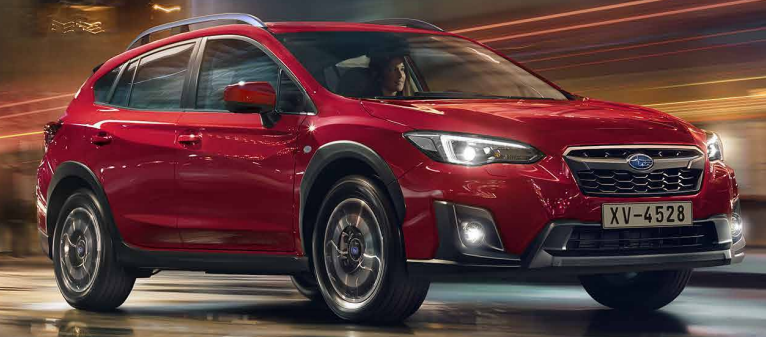
The Subaru XV reliability question comes up frequently for a good reason. The XV promises something rather appealing: compact dimensions, standard all-wheel-drive capability in many markets, useful ground clearance, solid safety credentials, and the rugged personality Subaru owners tend to love. But does that outdoorsy charm translate into years of dependable ownership?
For the most part, yes.
A well-maintained Subaru XV can be a dependable long-term vehicle, particularly when we choose the right model year and stay disciplined with servicing. That does not mean every XV is trouble-free. Earlier cars have generated complaints involving wheel bearings, continuously variable transmissions, oil consumption, electrical components, and several recall campaigns. The important point is that these issues are not distributed equally across every model year.
Think of the XV like a good pair of hiking boots. Look after it, use it appropriately, and it can cover a remarkable amount of ground. Ignore worn components and overdue maintenance, though, and small problems can start multiplying.
In this guide, we'll dig into the Subaru XV's reliability record, common faults, expected lifespan, CVT durability, engine reliability, maintenance requirements, model years worth considering, and the warning signs we should check before buying one used.
Content in this publication
- Is the Subaru XV Reliable?
- Subaru XV Reliability by Generation
- How Reliable Is the Subaru XV Engine?
- Subaru XV CVT Reliability
- Wheel Bearing Reliability
- Subaru XV Suspension Reliability
- Subaru XV Electrical Reliability
- Does the Subaru XV Have Head-Gasket Problems?
- Subaru XV Cooling System Reliability
- Subaru XV AWD System Reliability
- Subaru XV Recall History
- How Long Can a Subaru XV Last?
- Subaru XV Reliability at High Mileage
- Subaru XV Maintenance Costs
- Are Subaru XV Parts Expensive?
- Most Common Subaru XV Reliability Problems
- Which Subaru XV Years Are Most Reliable?
- Subaru XV Hybrid Reliability
- Subaru XV vs Typical Japanese Rivals for Reliability
- How to Inspect a Used Subaru XV
- Pre-Purchase Inspection: Is It Worth It?
- How to Make a Subaru XV More Reliable
- Is the Subaru XV Expensive to Own Long Term?
- Is a Used Subaru XV Worth Buying?
- Who Should Avoid the Subaru XV?
- Subaru XV Reliability Verdict
- Frequently Asked Questions About Subaru XV Reliability
Is the Subaru XV Reliable?
Generally, the Subaru XV is a reasonably reliable compact crossover, especially when it has a documented maintenance history.
Its mechanical formula isn't particularly exotic. Most versions combine Subaru's horizontally opposed boxer engine with symmetrical all-wheel drive and either a manual gearbox or Lineartronic continuously variable transmission, depending on year and market.
The XV's reliability strengths usually include:
- Robust naturally aspirated engines when properly serviced
- A durable all-wheel-drive system
- Relatively straightforward suspension hardware
- Good ability to handle rough roads
- Long potential vehicle life with preventive maintenance
- Strong availability of replacement parts in major Subaru markets
The areas requiring more attention tend to involve CVT servicing, wheel bearings, oil consumption on certain earlier engines, battery/electrical issues, suspension wear, and recall history.
So, is it Toyota-Corolla-simple? Not quite.
Is it a fragile crossover we'd automatically avoid? Definitely not.
Subaru XV Reliability by Generation
Understanding generations matters because simply saying "the Subaru XV is reliable" paints with too broad a brush.
First-Generation Subaru XV Reliability
The first-generation XV arrived in many global markets around 2012, while North America knew the vehicle initially as the XV Crosstrek.
These early cars established the XV formula we still recognize today: raised ride height, chunky body cladding, all-wheel drive, and Subaru boxer power.
However, this generation deserves more careful inspection when buying used.
Owner complaint databases show that early XV Crosstrek models, particularly 2013 examples in North America, accumulated more complaints than later versions. Wheel and hub complaints—including wheel-bearing failures—are among the recurring reports for early cars.
That does not automatically make an early XV unreliable. At this age, condition matters almost as much as model year.
A carefully serviced 2014 car can easily be a better purchase than a neglected 2017 example.
Second-Generation Subaru XV Reliability
The second-generation XV brought major improvements in refinement, structural rigidity, safety technology, and driving manners.
This generation generally feels more mature.
It is often the sweet spot for used buyers because we get newer engineering without paying nearly-new-car prices. Nevertheless, several recall campaigns affected particular production periods, so checking a vehicle's VIN and recall completion history is essential.
Australian recall records, for example, show campaigns affecting XV models for issues including ignition-coil/ECM programming, PCV valves, rear stabiliser bracket bolts, and certain electronic parking brake components.
The existence of recalls alone doesn't make a vehicle unreliable. In fact, a properly completed recall means the known defect should already have been addressed.
What matters is whether the work was actually performed.
Later Subaru XV Models
Later-production XVs generally benefit from accumulated engineering refinements and tend to be preferable when budget allows.
We would still inspect them carefully, but a later XV with full service records can be one of the safer bets in the used compact-crossover category.
The key distinction is simple: newer does not mean maintenance-free.
A five-year-old Subaru that has missed multiple oil changes can be a worse proposition than an eight-year-old example cared for obsessively.
How Reliable Is the Subaru XV Engine?
The Boxer Engine Explained
Unlike most compact crossovers, Subaru uses horizontally opposed engines.
Instead of pistons moving vertically or diagonally in a conventional inline or V-shaped configuration, opposing cylinders sit relatively flat. This helps Subaru maintain a low centre of gravity while packaging its all-wheel-drive system effectively.
From a reliability standpoint, the boxer design itself is not inherently problematic.
Millions of Subaru boxer engines have covered substantial mileages.
However, maintenance access can sometimes be more complicated, and previous generations of Subaru engines created a reputation for head-gasket problems that still shadows the brand.
For the XV specifically, that stereotype should not automatically be applied to every car.
Oil Consumption
One issue worth watching on older Subaru engines is oil consumption.
Not every XV burns oil, and many require little or no topping-up between services. Still, checking oil levels regularly is good ownership practice, particularly with older or higher-mileage examples.
A vehicle that consumes noticeably more oil than expected deserves investigation.
Look for:
- Blue smoke from the exhaust
- Low oil level despite recent servicing
- Oil warning lamps
- Oil residue around engine seals
- A seller who keeps spare oil in the cargo area
- Uneven engine sounds after cold startup
One Australian recall covering certain 2016-2019 XV and Impreza vehicles involved a PCV valve that could fracture, potentially allowing increased engine-oil intake and causing excessive smoke or loss of engine power.
Again, checking whether recall work has been completed matters more than simply noticing that a recall once existed.
Subaru XV CVT Reliability
Here we reach one of the most discussed topics surrounding Subaru ownership: the CVT.
Is the Subaru XV CVT Reliable?
Subaru's Lineartronic continuously variable transmission can provide long service, but we would treat its maintenance seriously.
A CVT behaves differently from a conventional automatic transmission. Instead of moving through several fixed gears, it continuously adjusts ratios.
That gives us smooth operation and can improve fuel efficiency, but CVTs rely heavily on correct fluid condition and internal hydraulic operation.
Problems become expensive if ignored.
Warning Signs of CVT Trouble
When test-driving a used XV, pay attention to:
- Shuddering when pulling away
- Hesitation when selecting Drive or Reverse
- Surging under steady acceleration
- Abnormally high engine revs without matching acceleration
- Transmission warning messages
- Whining or humming noises
- Jerky behaviour once the transmission is warm
- Signs of transmission-fluid leakage
A subtle CVT characteristic should not automatically be confused with failure. These transmissions naturally feel different from torque-converter automatics.
But violent juddering or persistent hesitation is another story.
Why Transmission History Matters
A documented CVT service history is worth real money.
If we're comparing two apparently identical XVs and one has clear transmission maintenance records while the other's history is a mystery, we would pay more for the documented car.
Mystery maintenance and complicated transmissions are rarely a romantic combination.
Wheel Bearing Reliability
Wheel bearings are another component frequently associated with earlier XV Crosstrek complaints.
Owner complaint data shows reports of wheel-bearing failures on early 2013 and 2014 models, sometimes appearing after moderate mileage.
A failing bearing often produces a humming or roaring sound that changes with road speed.
Sometimes owners mistake it for tyre noise.
How to Spot a Bad Wheel Bearing
During a road test, listen carefully between approximately 40 and 70 mph—or equivalent normal highway speed.
If a humming noise grows louder as speed rises and changes slightly when turning left or right, a wheel bearing could be wearing.
Replacement isn't necessarily catastrophic, but if several suspension or hub components need attention simultaneously, costs add up.
Subaru XV Suspension Reliability
The XV is designed to tolerate rougher surfaces than many ordinary hatchbacks.
That doesn't make its suspension immortal.
Cars regularly driven on potholes, corrugated roads, gravel tracks, or poorly maintained urban streets can develop worn bushings, links, bearings, or dampers.
Typical signs include:
- Knocking over bumps
- Uneven tyre wear
- Wandering steering
- Excessive bouncing
- Clunks during low-speed turns
- A vague feeling through the steering wheel
Suspension wear itself should not scare us away from an otherwise good XV. These are wear items.
The question is whether the asking price reflects the work required.
Subaru XV Electrical Reliability
Modern Subarus contain significantly more electronics than the company's older, simpler cars.
Depending on trim and model year, an XV may include EyeSight driver assistance, adaptive cruise control, infotainment systems, reversing cameras, keyless entry, automatic climate control, lane assistance, and numerous electronic modules.
More technology means more possibilities for minor glitches.
A weak 12-volt battery can also trigger strange behaviour that looks more dramatic than the underlying problem.
Before assuming an expensive control module has failed, battery health and charging voltage should be checked.
Certain XV production periods were affected by recall campaigns involving ECM programming and ignition coils. Australian authorities reported that improper ECM programming could allow an ignition coil to overheat and potentially cause an engine shutdown.
For a prospective buyer, this reinforces a simple rule: run the VIN through the relevant official recall database before handing over money.
You may be interested in reading Is Mazda CX-9 a Good Car? A Complete Owner-Focused Guide
Does the Subaru XV Have Head-Gasket Problems?
Mention Subaru reliability online and someone will inevitably shout "head gaskets."
That reputation largely stems from older generations of Subaru engines.
We shouldn't automatically assume every XV will suffer a head-gasket failure.
Modern XV engines are not simply copies of the older Subaru engines that created the stereotype. While gasket or cooling-system problems can occur on virtually any aging engine, catastrophic head-gasket failure isn't something we should treat as an inevitable XV ownership experience.
Still, when examining an older car, inspect for:
- Unexplained coolant loss
- Milky residue beneath the oil cap
- Persistent overheating
- White exhaust smoke after warming up
- Coolant smell
- Oil and coolant contamination
Any of these deserves professional inspection.
Subaru XV Cooling System Reliability
The cooling system rarely receives attention until a warning light appears.
That's a mistake.
Engines survive because heat is controlled. Neglected coolant, ageing hoses, damaged radiators, failing thermostats, or defective pumps can turn a manageable repair into serious engine damage.
Before buying a high-mileage XV, we would inspect coolant condition and ask when it was last replaced.
If the seller answers with a blank stare, factor preventive maintenance into the purchase budget.
Subaru XV AWD System Reliability
Subaru's symmetrical all-wheel-drive system is one of the XV's strongest features.
Properly maintained, it tends to be durable.
The biggest enemy is often mismatched tyres.
Why Matching Tyres Matter
All four tyres should ideally be closely matched in:
- Brand and model
- Size
- Tread depth
- Inflation pressure
- Overall circumference
Large differences in rolling diameter can place unnecessary stress on an AWD drivetrain.
That means replacing only one heavily damaged tyre on an otherwise worn set isn't always the smartest move.
On a two-wheel-drive hatchback, mismatched tread depth may simply be undesirable.
On an AWD Subaru, we should take it more seriously.
Subaru XV Recall History
Recalls shouldn't automatically scare buyers.
Cars from virtually every major manufacturer experience recalls.
What matters is whether the vehicle we are buying has unresolved campaigns.
Past XV recalls in Australia have included concerns involving engine valve springs, electrical wiring, PCV valves, ignition-coil programming, seat-belt mechanisms, stabiliser bracket bolts, and electronic parking brake hardware across various production periods.
How We Should Check an XV
Before purchasing:
- Obtain the VIN.
- Search the official recall database for the country where the vehicle was sold.
- Ask Subaru whether outstanding campaigns remain.
- Request invoices showing completed recall repairs where available.
- Never rely solely on the seller saying, "I'm pretty sure it was done."
Five minutes of checking could prevent weeks of inconvenience.
How Long Can a Subaru XV Last?
With proper servicing, a Subaru XV can realistically remain useful well beyond 100,000 miles, and many well-maintained cars can push far past that threshold.
Mileage alone isn't destiny.
Consider two vehicles.
Car A has 70,000 miles but received irregular oil changes, cheap tyres, questionable CVT servicing, and repeated short trips.
Car B has 120,000 miles, complete maintenance records, regular fluid changes, matching premium tyres, and mostly long-distance motorway use.
Which would we rather own?
Probably Car B.
Can a Subaru XV Reach 200,000 Miles?
It is possible.
Getting there, however, usually requires more than changing engine oil occasionally.
Owners pursuing very high mileage should expect routine replacement of ageing components such as bearings, suspension bushings, batteries, brake hardware, hoses, seals, and perhaps drivetrain components.
A car lasting 200,000 miles doesn't mean it reaches that figure without repairs.
Reliability means repairs remain reasonable relative to the value and usefulness of the vehicle.
Subaru XV Reliability at High Mileage
Once mileage climbs, service history becomes increasingly important.
Beyond roughly 100,000 miles, we'd focus less on cosmetic perfection and more on mechanical evidence.
Ask:
Has the transmission been looked after?
Is the engine dry underneath?
Does it consume oil?
Are all four tyres matched?
Does the suspension remain quiet?
Has the cooling system been maintained?
Are warning lights present?
These questions tell us far more than shiny paint.
Normal High-Mileage Repairs
At higher mileage, don't treat every replaced component as evidence of poor reliability.
Things wear out.
Brake discs, wheel bearings, dampers, batteries, bushings, engine mounts, spark plugs, belts, and tyres are not lifetime components.
A car with several recently replaced wear items can actually be an attractive purchase.
Someone else has already paid the bill.
Subaru XV Maintenance Costs
The XV isn't usually the absolute cheapest compact crossover to maintain.
Its AWD hardware and boxer-engine architecture can make certain jobs slightly more involved than equivalent work on a basic front-wheel-drive vehicle.
However, routine servicing generally remains manageable.
Costs become painful when maintenance is postponed.
Skipping a fluid change to save a modest amount today can feel rather silly if the neglected component later produces a four-figure repair bill.
Maintenance That Protects Reliability
We would prioritise:
- Engine oil and filter changes
- Correct CVT fluid servicing where specified
- Cooling-system maintenance
- Spark plugs at the recommended interval
- Differential fluids where required
- Brake-fluid replacement
- Battery testing
- Tyre rotation and pressure checks
- Matching tread depth
- Inspection for oil or coolant leaks
Follow the maintenance schedule for the exact model year and market rather than relying on generic internet intervals.
Are Subaru XV Parts Expensive?
Parts costs depend greatly on location.
In countries where Subaru has a strong dealer and independent-specialist network, parts availability is generally good.
Some components may cost more than equivalent mainstream front-wheel-drive crossover parts simply because the XV uses AWD-specific hardware.
Labour can also vary considerably.
A knowledgeable independent Subaru specialist can often make older XV ownership more affordable once the factory warranty has expired.
Most Common Subaru XV Reliability Problems
If we condense the ownership picture, the most relevant issues to inspect include:
- Wheel-bearing noise, especially on some earlier cars
- CVT hesitation, juddering, or poor servicing history
- Oil consumption on certain older examples
- Suspension wear
- Ageing batteries and electrical glitches
- Recall-related components
- Uneven tyre wear
- Poorly matched tyres stressing AWD components
- General high-mileage leaks and bush wear
This list looks intimidating only when stripped of context.
Most older cars develop a list.
The important distinction is whether problems are predictable and manageable or catastrophic and unavoidable. Most XV concerns fall closer to the former when we buy carefully.
Which Subaru XV Years Are Most Reliable?
Later examples within a generation are often attractive because manufacturers have had time to refine software, components, and manufacturing processes.
That doesn't mean we can name one universal "best year."
You may be interested in readingIs Mazda CX-9 a Good Car? A Complete Owner-Focused GuideYou may be interested in reading
How Long Does a Mazda CX-9 Last? Mileage, Lifespan, and Reliability ExplainedSpecifications and production runs vary between Australia, Europe, North America, Japan, and other markets.
As a general used-buying strategy, we'd favour:
- Later production years
- Full service history
- No warning lights
- Verified recall completion
- Smooth CVT operation
- Matching tyres
- Evidence of responsible ownership
We'd place those factors ahead of colour, trim level, or cosmetic accessories.
Should We Avoid Early XV Models?
Not necessarily.
However, early XV Crosstrek complaint data shows more reports around the 2013 model year than later years, including transmission and wheel/hub complaints.
That makes inspection particularly important.
An early car can still make sense if the price is right and major maintenance has already been addressed.
Subaru XV Hybrid Reliability
Hybrid versions add another layer of complexity because they combine an internal-combustion engine with electric components and a high-voltage battery.
The basic buying principle remains the same: history beats assumptions.
A hybrid battery's age, condition, charging behaviour, diagnostic codes, and warranty status matter considerably more than simply seeing "hybrid" written on the tailgate.
Before buying an older XV Hybrid, a diagnostic scan from someone familiar with Subaru's hybrid system is money well spent.
Subaru XV vs Typical Japanese Rivals for Reliability
Buyers often compare the XV with vehicles from Toyota, Honda, Mazda, Mitsubishi, Hyundai, and Kia.
The Subaru's advantage is that AWD capability is central to its design rather than an occasional option.
That extra mechanical sophistication brings trade-offs.
A simple front-wheel-drive crossover has fewer drivetrain components to maintain.
The XV compensates by giving us genuine traction benefits, generous clearance, and a confident feel on slippery or unsealed roads.
So the better question isn't:
"Which crossover has the fewest components?"
It is:
"Which crossover gives us the capability we need without unreasonable ownership risk?"
For many drivers, the XV strikes that balance nicely.
How to Inspect a Used Subaru XV
A ten-minute walk-around isn't enough.
Take the car on a proper drive.
Before Starting the Engine
Check:
- Engine oil level
- Coolant level
- Tyre brand and tread depth
- Fluid leaks beneath the vehicle
- Battery condition
- Service records
- VIN recall status
During a Cold Start
Listen for:
- Persistent knocking
- Abnormal rattling
- Rough idle
- Excessive exhaust smoke
A genuine cold start is particularly revealing.
If the seller has already warmed the vehicle before we arrive, ask why.
During the Road Test
Test:
- Gentle acceleration
- Harder acceleration
- Reverse engagement
- Tight turns
- Rough road surfaces
- Highway speeds
- Braking
- Climate control
- Infotainment
- Driver-assistance systems
Listen With the Radio Off
This sounds obvious, yet people forget.
A good stereo can hide a surprisingly expensive wheel bearing.
Drive part of the test route without music and listen to the car.
Pre-Purchase Inspection: Is It Worth It?
Absolutely.
If we're considering a used XV outside warranty, a professional pre-purchase inspection can uncover issues we simply cannot see from the driver's seat.
Even better, use a workshop familiar with Subaru vehicles.
A specialist knows what deserves attention and what is merely normal Subaru behaviour.
Spending a little before purchase can save a lot after purchase.
How to Make a Subaru XV More Reliable
Reliability isn't purely something manufacturers build.
Owners influence it.
We can dramatically improve the odds of long service by following a few habits.
Don't Stretch Oil Changes
Engine oil is cheap compared with an engine.
Use the correct specification and don't assume "long-life" servicing means we should ignore oil condition indefinitely.
Treat the CVT Properly
Avoid treating a small crossover like a heavy-duty tow vehicle.
Service the transmission according to the requirements applicable to the car, driving conditions, and local Subaru recommendations.
Keep Tyres Matched
This protects more than ride quality.
On AWD vehicles, tyre consistency matters to the drivetrain.
Fix Small Noises Early
Cars whisper before they scream.
A slight bearing hum, tiny coolant leak, worn bushing, or occasional CVT shudder is usually cheaper to investigate early than late.
Is the Subaru XV Expensive to Own Long Term?
Usually, it sits somewhere in the middle.
It isn't the cheapest possible crossover to maintain, but neither should it be viewed as a luxury-car financial trap.
The biggest factor is purchase quality.
Buy a neglected bargain and the XV may feel expensive.
Buy a properly maintained car at a fair price and ownership can be pleasantly predictable.
That's true of many vehicles, but AWD Subarus punish neglect slightly more because drivetrain maintenance matters.
Is a Used Subaru XV Worth Buying?
For buyers who value all-weather traction, practical dimensions, ground clearance, and a slightly adventurous personality, yes—the XV can be a strong used-car choice.
We would especially consider one if our driving includes:
- Snow
- Gravel roads
- Wet climates
- Rural roads
- Light trails
- Frequent outdoor activities
If we only drive smooth city streets and care exclusively about minimum maintenance cost, a simpler front-wheel-drive rival may make more sense.
That's not an insult to the XV.
It's simply choosing the correct tool.
Who Should Avoid the Subaru XV?
The XV may not be ideal if we:
- Want the lowest possible servicing cost
- Dislike CVT driving characteristics
- Need strong towing capacity
- Expect sports-car acceleration
- Intend to neglect maintenance
- Refuse to replace tyres in matched sets when necessary
Reliability depends partly on whether the vehicle suits how we plan to use it.
Subaru XV Reliability Verdict
So, where does that leave us?
Subaru XV reliability is generally good enough to make the crossover a sensible used purchase, particularly when we choose a later, well-maintained example with clear service history.
The XV isn't flawless.
Earlier cars deserve closer scrutiny for wheel bearings, transmission behaviour, oil consumption, and recall history. Various production years have also been subject to official recall campaigns, making VIN verification an essential part of the buying process.
Yet none of this makes the XV inherently unreliable.
Its boxer engine, all-wheel-drive system, practical chassis, and relatively simple naturally aspirated powertrain can deliver many years of service when owners keep up with maintenance.
Our ideal used XV would have full service records, matched tyres, a smooth transmission, clean fluids, no unexplained warning lights, completed recalls, and an owner who can answer maintenance questions without suddenly becoming fascinated by the ceiling.
Find that car, and the Subaru XV can be a remarkably dependable companion.
Frequently Asked Questions About Subaru XV Reliability
1. Is the Subaru XV a reliable car?
Yes, the Subaru XV is generally considered a reasonably dependable compact crossover when properly maintained. Later examples with complete service records are particularly appealing. Older vehicles should be checked for CVT behaviour, wheel-bearing noise, oil consumption, suspension wear, and outstanding recalls.
2. How many miles can a Subaru XV last?
A well-maintained Subaru XV can comfortably exceed 100,000 miles, while carefully serviced examples may reach 150,000-200,000 miles or more. Reaching very high mileage usually requires replacement of normal wear components along the way, so longevity should not be confused with zero repair costs.
3. Is the Subaru XV CVT reliable?
Subaru's Lineartronic CVT can provide long service, but maintenance history matters. During a used-car inspection, watch for shuddering, delayed engagement, unusual whining, surging, transmission warnings, or inconsistent acceleration. A vehicle with documented transmission maintenance is preferable to one with an unknown history.
You may be interested in readingIs Mazda CX-9 a Good Car? A Complete Owner-Focused GuideYou may be interested in reading
How Long Does a Mazda CX-9 Last? Mileage, Lifespan, and Reliability ExplainedYou may be interested in reading
 BMW M2 Insurance Cost: What Should You Expect to Pay?
4. What are the most common Subaru XV problems?
Issues worth checking include wheel-bearing wear on some older models, CVT complaints, occasional oil consumption, suspension wear, ageing batteries, electrical glitches, and outstanding recall work. The exact risk varies substantially by model year, mileage, market, and maintenance history.
5. Should I buy a high-mileage Subaru XV?
A high-mileage XV can be worth buying if its maintenance history is excellent. We'd rather purchase a carefully serviced car with 120,000 miles than a neglected example with 70,000 miles. Before buying, obtain a professional inspection, verify recall completion, check CVT operation, examine the tyres, and inspect the engine for leaks or abnormal oil consumption.
If you want to know other articles similar to Subaru XV Reliability: How Dependable Is This Compact SUV? you can visit the category Blog.
Volvo S90 Reliability: Problems, Costs & Best Years
Is Haval Jolion a Good Car? Honest Review, Reliability, Pros and Cons
How to Start Haval Jolion With Spare Key: Complete Guide
How to Calculate Per Diem on an Auto Loan

How to Calculate the Residual Value of a Car

Is the Honda Passport Selling Well? Sales Numbers Tell the Story
Leave a Reply
More content of your interest