

Volkswagen Polo Engine Oil Guide: Types, Capacities & Oil Changes

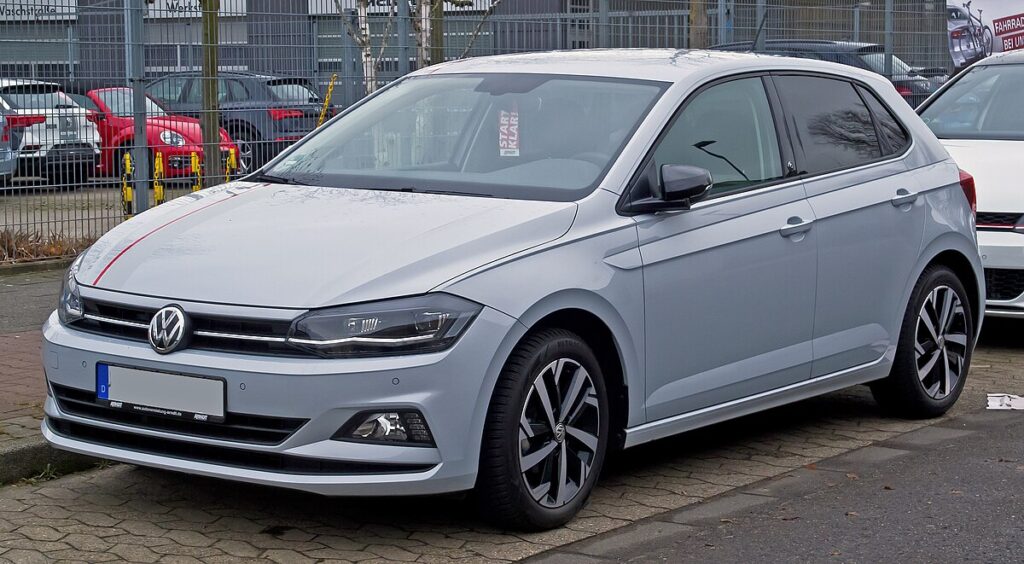
Choosing the right engine oil for your Volkswagen Polo is one of the simplest ways to protect the engine, improve reliability, and avoid expensive repairs. However, with several petrol and diesel engines, different Volkswagen oil specifications, and multiple service schedules, finding the correct oil isn't always straightforward.
Should we use 5W-30 or 0W-20? How much oil does a Volkswagen Polo need? Is fully synthetic oil necessary? And how often should we change it?
The answers depend on the model year, engine code, fuel type, and manufacturer's requirements.
In this complete Volkswagen Polo engine oil guide, we'll explore recommended oil specifications, capacities, viscosity grades, maintenance intervals, and common oil-related problems.
Whether we drive an older Polo 1.2 petrol, a 1.0 TSI, a diesel TDI, or a sporty Polo GTI, this guide will help us understand what to look for.
Content in this publication
- What Engine Oil Does a Volkswagen Polo Use?
- Understanding Volkswagen Engine Oil Specifications
- Volkswagen Polo Engine Oil Capacity Chart
- Volkswagen Polo 1.0 TSI Engine Oil Guide
- Volkswagen Polo 1.2 Petrol Engine Oil Guide
- Volkswagen Polo Diesel Engine Oil Guide
- Volkswagen Polo GTI Engine Oil Guide
- 0W-20 vs 5W-30 vs 5W-40: Which Is Better?
- How Often Should You Change Volkswagen Polo Engine Oil?
- How to Check Volkswagen Polo Engine Oil Level
- How to Change Volkswagen Polo Engine Oil
- Volkswagen Polo Low Engine Oil Warning Light
- Common Volkswagen Polo Engine Oil Problems
- Can We Mix Different Engine Oils in a Volkswagen Polo?
- Is Fully Synthetic Oil Better for a Volkswagen Polo?
- How to Find the Correct Engine Oil for Your Polo
- Volkswagen Polo Engine Oil Maintenance Tips
- Frequently Asked Questions About Volkswagen Polo Engine Oil
- Final Thoughts: Choosing the Right Volkswagen Polo Engine Oil
What Engine Oil Does a Volkswagen Polo Use?
Most Volkswagen Polo engines require engine oil that meets a specific Volkswagen approval standard.
Depending on the engine and model year, common specifications include:
- VW 502 00: Commonly specified for petrol engines operating on fixed service intervals.
- VW 504 00: Used by many petrol engines, including applications with flexible service intervals.
- VW 508 00: A newer, typically 0W-20 specification for engines specifically approved for it.
- VW 505 01: Applicable to certain older diesel engines, particularly those using pump-injector technology.
- VW 507 00: Commonly required for diesel engines equipped with diesel particulate filters.
- VW 509 00: A newer diesel specification used only where Volkswagen explicitly approves it.
Common viscosity grades include 0W-20, 0W-30, 5W-30, and 5W-40.
However, the most important rule is simple:
Always choose engine oil that meets the exact VW specification and viscosity required by your particular engine.
A bottle labelled 5W-30 is not automatically suitable for every Polo requiring 5W-30.
Similarly, 0W-20 is not a universal upgrade for older engines.
Volkswagen Polo Engine Oil Quick Reference Chart
| Polo engine | VW oil specifications commonly encountered | Important consideration |
|---|---|---|
| 1.0 MPI petrol | VW 502 00, VW 504 00, or VW 508 00 | Depends on engine code and year |
| 1.0 TSI petrol | VW 502 00, VW 504 00, or VW 508 00 | Later engines may use 0W-20 |
| 1.2 MPI petrol | VW 502 00 or other model-specific approval | Check the original service information |
| 1.2 TSI petrol | VW 502 00 or VW 504 00 | Check fixed versus flexible servicing |
| 1.4 TSI petrol | VW 502 00 or VW 504 00 | Confirm engine generation |
| 1.5 TSI petrol | VW 504 00 or VW 508 00 | Depends on engine code |
| 1.8 TSI GTI | VW 502 00 or VW 504 00 | Confirm model-specific approval |
| 2.0 TSI GTI | VW 502 00, VW 504 00, or VW 508 00 | Approval varies by engine generation |
| 1.4 TDI diesel | Often VW 507 00 with DPF | Check emissions equipment |
| 1.6 TDI diesel | Often VW 507 00 with DPF | Low-ash oil is important |
| Older 1.9 TDI | Often VW 505 01 | Engine design affects the required approval |
This is a general identification guide, not a list of interchangeable approvals. Your owner's manual, engine-bay oil label, or VIN-specific Volkswagen service information takes priority.
Some Latin American Polo models also specify the regional VW 508 88 approval, which should not be confused with the European VW 508 00 standard.
Understanding Volkswagen Engine Oil Specifications
One of the biggest mistakes we can make is choosing oil based only on viscosity.
Volkswagen develops its own oil approval standards to account for engine design, lubrication requirements, emissions systems, and service intervals.
VW 502 00: For Many Older Petrol Engines
VW 502 00 is commonly associated with petrol engines using fixed oil change intervals.
It is found in service requirements for various older Volkswagen Polo petrol engines.
Compatible products are available in different viscosity grades, including certain 5W-30 and 5W-40 oils.
We should still confirm that the oil carries the required approval.
VW 504 00: LongLife Petrol Engine Oil
VW 504 00 is a widely used Volkswagen petrol engine oil specification.
It is commonly associated with LongLife servicing and appears in the requirements for many Polo engines.
Approved products are available in grades such as 0W-30 and 5W-30.
When the engine permits it, this specification can provide suitable lubrication across a broad range of driving temperatures and conditions.
However, we should never assume it is automatically interchangeable with every other VW standard.
VW 508 00: Newer 0W-20 Engine Oil
VW 508 00 is designed for compatible modern petrol engines.
Oils carrying this approval normally have an SAE 0W-20 viscosity and are intended to support engine efficiency.
Their lower viscosity can help reduce internal friction in engines developed for this lubricant.
The important limitation is compatibility.
VW 508 00 is not generally backward-compatible with older Volkswagen petrol engines.
Using it in an engine that does not approve this specification may compromise engine protection.
VW 507 00: Diesel Engines With Particulate Filters
Many Volkswagen Polo TDI engines with a diesel particulate filter require VW 507 00 oil.
This specification supports the lubrication and emissions-system requirements of compatible diesel engines.
Using oil with unsuitable ash characteristics can negatively affect the life of a diesel particulate filter.
For that reason, choosing the correct diesel oil is particularly important.
Volkswagen Polo Engine Oil Capacity Chart
The amount of oil required during an oil change depends on the engine, generation, and whether the oil filter is replaced.
Here are reference capacities for selected Volkswagen Polo engines.
| Engine and reference application | Approximate oil capacity with filter |
|---|---|
| 1.0 MPI, selected CHYB/CHYC engines | 3.4 litres |
| 1.0 TSI, selected CHZJ/CHZL engines | 4.0 litres |
| 1.0 TSI, selected later EA211 applications | 4.0 litres |
| 1.5 TSI, selected DADA/DPCA engines | 4.3 litres |
| 1.6 TDI, selected DGTC/DGTD engines | 4.7 litres |
| 2.0 TSI GTI, selected CZPC/DKZC engines | 5.7 litres |
These figures are based on selected European-market Volkswagen maintenance specifications, particularly those applicable to the Polo generation introduced in 2017.
They should not be applied automatically to every vehicle with the same engine displacement.
Different regional engines may have different sump designs and filling quantities.
Why Engine Oil Capacity Can Vary
Two Volkswagen Polo vehicles may both have a 1.0-litre petrol engine but require different amounts of oil.
This can happen because of differences in:
- Engine generation and internal design.
- Oil sump capacity.
- Oil filter arrangement.
- Turbocharged versus naturally aspirated configurations.
- Market-specific engine variants.
- Manufacturing and engineering revisions.
When changing the oil ourselves, we should always use the exact capacity specified for our engine code, refill gradually, and verify the final level.
An oil capacity figure is not a substitute for checking the dipstick or electronic oil level indicator.
Volkswagen Polo 1.0 TSI Engine Oil Guide
The 1.0 TSI is one of the most familiar engines in modern Volkswagen Polo models.
It combines a small displacement with turbocharging and direct fuel injection.
Because turbochargers operate at high temperatures and speeds, correct engine lubrication is especially important.
What Oil Does the Polo 1.0 TSI Need?
The correct specification depends on the engine code and model year.
Different 1.0 TSI variants can be approved for VW 504 00, VW 508 00, or other specifications stated in their maintenance documentation.
Some later 1.0 TSI engines use 0W-20 oil meeting VW 508 00, while other versions use different approved oils.
We should avoid selecting 0W-20 simply because the vehicle is relatively new.
How Much Oil Does a Polo 1.0 TSI Take?
Many European-market 1.0 TSI variants have a service refill capacity of approximately 4.0 litres with a filter change.
However, not every market-specific 1.0 TSI engine has the same capacity.
The safest approach is to identify the engine code before buying oil.
Why Oil Quality Matters for Turbocharged Engines
Turbocharged engines place considerable demands on the lubricant.
The oil helps to:
- Lubricate turbocharger bearings.
- Reduce internal engine friction.
- Carry heat away from critical components.
- Protect moving metal surfaces.
- Limit sludge and deposit formation.
Using the correct approved synthetic oil and following the recommended maintenance schedule can help reduce lubrication-related problems.
Volkswagen Polo 1.2 Petrol Engine Oil Guide
Older Volkswagen Polo 1.2 petrol engines remain popular because of their relatively simple design and generally affordable maintenance.
However, the 1.2 MPI and 1.2 TSI should not be treated as identical.
Polo 1.2 MPI Engine Oil
Naturally aspirated 1.2 petrol engines in older Polo generations frequently use oil requirements associated with Volkswagen's older petrol specifications.
Depending on the exact model, a VW 502 00-approved oil may be appropriate.
Some compatible products are available as 5W-30 or 5W-40.
The correct specification and viscosity must be confirmed from the vehicle's service information.
Polo 1.2 TSI Engine Oil
The turbocharged 1.2 TSI has different operating characteristics from the naturally aspirated 1.2.
Its oil specification can vary according to engine generation and service schedule.
Many applications are associated with VW 502 00 or VW 504 00.
If we own a high-mileage 1.2 TSI, it is worth monitoring oil consumption, leaks, and unusual engine noises between services.
Good maintenance does not eliminate every mechanical problem, but it reduces the risk of damage caused by degraded or inadequate lubrication.
Volkswagen Polo Diesel Engine Oil Guide
Volkswagen Polo diesel engines have particular lubrication requirements because they operate with high combustion pressures and may use sophisticated emissions-control equipment.
Choosing the wrong engine oil can cause problems beyond ordinary engine wear.
Polo 1.4 TDI Engine Oil
Many 1.4 TDI engines equipped with diesel particulate filters require VW 507 00-approved oil.
The exact specification can vary between generations.
Before changing the oil, check whether the engine has a DPF and review the relevant Volkswagen approval.
Polo 1.6 TDI Engine Oil
The 1.6 TDI is found in several Polo generations and markets.
Many DPF-equipped versions require VW 507 00 oil.
For selected DGTC and DGTD engines, Volkswagen service information lists approximately 4.7 litres during an oil and filter change.
Other versions may differ.
Older Polo 1.9 TDI Engine Oil
Older 1.9 TDI engines deserve additional attention.
Some pump-injector engines require VW 505 01-approved oil under their applicable maintenance schedules.
Using ordinary diesel oil without the relevant manufacturer approval may not provide the intended protection for the engine's lubrication system.
We should always identify the engine code rather than assuming that every 1.9 TDI uses the same oil.
Volkswagen Polo GTI Engine Oil Guide
The Volkswagen Polo GTI delivers considerably more performance than standard Polo models, meaning engine temperature management and lubrication are particularly important.
Polo GTI 1.4 TSI and 1.8 TSI
Older Polo GTI versions include 1.4-litre and 1.8-litre turbocharged petrol engines.
Their oil requirements vary according to engine design and service configuration.
VW 502 00 and VW 504 00 are among the approvals encountered in these generations, but owners should verify the exact requirements.
Polo GTI 2.0 TSI
Later Polo GTI models use a 2.0-litre turbocharged engine.
Selected European 2.0 TSI GTI engine codes have a service oil capacity of approximately 5.7 litres.
The oil specification is not identical across every model year.
Some engines have approvals involving VW 508 00, while others have alternative or different requirements.
The engine code and Volkswagen service documentation should determine the final choice.
Should We Change Polo GTI Oil More Frequently?
A GTI driven mainly on gentle motorway journeys does not experience the same conditions as one frequently used for short trips or spirited driving.
For vehicles exposed to severe operating conditions, shorter oil change intervals may be sensible.
Track driving, if applicable, requires particular attention to maintenance recommendations.
We should also monitor oil level more frequently when the engine is regularly operated under high loads.
0W-20 vs 5W-30 vs 5W-40: Which Is Better?
It is tempting to compare engine oils by assuming that thicker oil is always better protection.
However, viscosity is only one part of the equation.
Modern engines are engineered around specific lubrication requirements, clearances, and oil flow characteristics.
What Does 0W-20 Mean?
The first number describes the oil's performance in specified low-temperature viscosity tests.
A 0W-rated oil meets different cold-temperature test requirements from a 5W-rated oil.
The second number describes the oil's viscosity classification at operating temperatures.
0W-20 has a lower operating-temperature viscosity grade than 5W-30.
This can help reduce internal friction in engines designed to use it.
Is 5W-30 Suitable for a Volkswagen Polo?
Yes, 5W-30 can be suitable for many Volkswagen Polo engines, provided the product meets the required VW approval and the manufacturer permits that viscosity.
However, some Polo engines require a different grade.
We should never replace a prescribed 0W-20 oil with 5W-30 merely because the engine has accumulated mileage.
Can We Use 5W-40 in a Volkswagen Polo?
Certain older petrol engines may permit 5W-40 oil carrying an appropriate Volkswagen approval.
But 5W-40 is not universally suitable.
It should only be used where Volkswagen permits both the specification and viscosity.
Volkswagen Polo Oil Viscosity Comparison
| Oil grade | General characteristics | Important note |
|---|---|---|
| 0W-20 | Lower operating-temperature viscosity | Only for engines explicitly approved |
| 0W-30 | Strong low-temperature characteristics | Suitable where the required VW approval permits it |
| 5W-30 | Common multigrade viscosity | Requires the correct manufacturer approval |
| 5W-40 | Higher hot-viscosity grade than 5W-30 | Mainly relevant to engines allowing this grade |
| 10W-40 | Common in some older engine applications | Not automatically suitable for modern Polo engines |
There is no universally best viscosity for every Volkswagen Polo.
The best engine oil is the one that meets the manufacturer's exact requirements.
How Often Should You Change Volkswagen Polo Engine Oil?
The Volkswagen Polo oil change interval depends on whether the vehicle uses a fixed or flexible service schedule.
In many European-market Volkswagen applications, the intervals are:
| Service type | Typical maximum oil change interval |
|---|---|
| Fixed servicing | 15,000 km or 12 months |
| Flexible LongLife servicing | Up to 30,000 km or 24 months |
| Severe operating conditions | Potentially shorter intervals |
Whichever time or distance limit comes first applies.
However, the exact schedule varies by market, engine, fuel quality, and vehicle configuration.
Some markets prescribe substantially shorter intervals.
Fixed Service Intervals
A fixed schedule follows a predetermined time or mileage limit.
For many Volkswagen vehicles, this means changing the engine oil every 15,000 km or once a year.
This arrangement can be appropriate for drivers who frequently make short journeys or operate under demanding conditions.
Flexible LongLife Service Intervals
Flexible servicing adjusts maintenance requirements according to the vehicle's programmed servicing system.
Some models can travel up to 30,000 km or two years between oil changes.
This does not mean that every Polo can safely use a 30,000 km interval.
The engine, oil specification, and vehicle configuration must be compatible.
When Should We Change Oil Earlier?
More frequent servicing may be appropriate if we regularly:
- Drive short distances without reaching normal operating temperature.
- Spend long periods in stop-and-go traffic.
- Operate in dusty environments.
- Drive in particularly demanding temperatures.
- Make frequent journeys under heavy engine loads.
- Experience fuel dilution or other abnormal operating conditions.
We should follow the severe-service requirements in the applicable maintenance schedule.
How to Check Volkswagen Polo Engine Oil Level
Checking the oil level regularly is one of the easiest maintenance tasks we can perform.
It is particularly useful before long journeys and on higher-mileage vehicles.
Step 1: Park on Level Ground
Park the Volkswagen Polo on a flat surface.
An inclined parking space can produce an inaccurate dipstick reading.
Step 2: Switch Off the Engine
Follow the checking procedure in the owner's manual.
For many dipstick-equipped models, this involves bringing the engine to operating temperature, switching it off, and waiting a few minutes for the oil to return to the sump.
Step 3: Locate the Dipstick
Open the bonnet and locate the engine oil dipstick.
Its position and handle design vary by engine.
Some vehicles use an electronic oil-level checking procedure instead.
Step 4: Remove and Clean the Dipstick
Pull the dipstick out and wipe it with a clean, lint-free cloth.
Reinsert it fully into its tube.
Step 5: Check the Oil Level
Remove the dipstick again and examine the oil level.
It should be within the marked permitted range.
If the oil is near or below the minimum mark, we may need to add the correct oil.
Step 6: Add Oil Gradually
If topping up is necessary, add small quantities of the approved lubricant.
Wait for the oil to settle and check the level again.
Never fill above the maximum oil level mark.
Overfilling can cause mechanical problems and may damage emissions-control components.
How to Change Volkswagen Polo Engine Oil
Changing engine oil is a routine maintenance procedure, but it requires the correct tools and safe working conditions.
If we are unfamiliar with vehicle maintenance, professional servicing is preferable.
Tools and Materials Needed
Before beginning, we typically need:
- The correct Volkswagen-approved engine oil.
- A compatible replacement oil filter.
- A suitable replacement drain plug or sealing washer, as specified.
- The correct filter and drain plug tools.
- A torque wrench.
- A suitable oil drain container.
- Protective gloves and eye protection.
- Safe vehicle support equipment where required.
Step 1: Prepare the Vehicle
Park on a stable, level surface and switch off the engine.
Allow the engine and oil to cool sufficiently to avoid burns.
Never work underneath a vehicle supported only by a jack.
Step 2: Drain the Old Engine Oil
Position an appropriate collection container beneath the sump.
Remove the drain plug using the procedure specified for the engine.
Allow the oil to drain completely.
Different Polo engines may use different sump and drain plug arrangements.
Step 3: Replace the Oil Filter
Remove the old oil filter and install the correct replacement.
Some engines use a filter cartridge, while others use a different filter design.
Replace seals as required and follow the manufacturer's installation instructions.
Step 4: Refit the Drain Plug
Install the specified new plug or seal where required.
Tighten it to the correct engine-specific torque.
Overtightening can damage the sump threads or sealing surfaces.
Step 5: Add New Engine Oil
Add the manufacturer's specified approved oil.
Begin with slightly less than the expected service capacity, then check and adjust the level as required.
Do not pour in the entire published capacity without checking.
Step 6: Start the Engine and Check for Leaks
Start the engine and allow it to idle briefly.
Check for leaks around the filter and drain plug.
Switch off the engine, allow the oil to settle, and verify the level using the manufacturer's procedure.
Step 7: Reset the Service Indicator
If applicable, reset the oil service reminder using the correct procedure.
Remember that resetting the display does not replace the actual service.
Finally, dispose of the used oil and filter through an authorised recycling or waste collection facility.
Volkswagen Polo Low Engine Oil Warning Light
The Volkswagen Polo uses dashboard warning lights and messages to indicate engine oil-related problems.
It is important to distinguish between low oil level and low oil pressure.
Yellow Oil Warning Light
A yellow or amber oil warning may indicate a low engine oil level or another oil monitoring issue, depending on the vehicle.
We should check the message displayed on the instrument cluster and follow the owner's manual instructions.
If the level is low, add the approved oil carefully.
If the warning persists despite the correct oil level, a sensor or another issue may require investigation.
Red Oil Pressure Warning Light
A red engine oil pressure warning is much more serious.
It may mean the engine is not receiving sufficient oil pressure.
Stop safely, switch off the engine, and do not continue driving or repeatedly restart it if the low oil pressure warning remains.
Even if the oil level appears normal, oil pressure can still be dangerously low.
A professional diagnosis may be necessary before the engine is operated again.
Common Volkswagen Polo Engine Oil Problems
Although the Volkswagen Polo can provide reliable everyday transportation, oil-related issues can develop as the vehicle ages.
Excessive Engine Oil Consumption
Some engines consume oil between services.
A small amount may be normal, but unusually frequent top-ups deserve attention.
Potential causes include:
- Worn piston rings.
- Problems with crankcase ventilation.
- Turbocharger oil leakage.
- Worn valve stem seals.
- External engine oil leaks.
If oil consumption suddenly increases, we should investigate rather than simply continue adding oil.
Oil Leaks
Oil leaks can occur around gaskets, seals, filters, drain plugs, and other engine components.
Common signs include oil stains beneath the vehicle, an oily engine surface, or a falling dipstick level.
The correct repair depends on locating the source.
Oil Sludge
Sludge can develop when engine oil deteriorates or becomes contaminated.
Frequent short journeys, neglected maintenance, and unsuitable oil may contribute.
Potential symptoms include deposits under the oil filler cap, lubrication problems, or abnormal engine noise.
However, a small amount of light-coloured residue around the filler cap can sometimes be associated with condensation during short-trip operation and is not, by itself, proof of severe sludge.
Incorrect Oil Specification
Using engine oil that does not meet the required VW approval can create lubrication or emissions-system problems.
This is particularly important for modern turbocharged engines and diesel vehicles equipped with particulate filters.
Can We Mix Different Engine Oils in a Volkswagen Polo?
Mixing oils is not the preferred approach during normal servicing.
When topping up, the best option is to use an oil that meets the exact specification required by the engine.
Some compatible oils can be mixed, but this does not mean that every VW-approved product is interchangeable.
For example, we should not assume that a VW 508 00 oil is suitable for an engine requiring VW 502 00.
If the correct oil is unavailable and the level is dangerously low, consult the owner's manual for the permitted emergency top-up procedure.
Certain Volkswagen manuals allow a limited emergency quantity of an alternative oil, but the permitted specification and quantity vary.
That exception should not be treated as approval for a complete oil change.
Is Fully Synthetic Oil Better for a Volkswagen Polo?
Modern Volkswagen Polo engines commonly use advanced synthetic engine oils designed to meet Volkswagen's technical standards.
High-quality synthetic formulations can provide useful properties such as:
- Stable viscosity across changing temperatures.
- Resistance to oxidation.
- Protection against deposits.
- Suitable lubrication during cold starts.
- Compatibility with extended servicing when specifically approved.
However, a bottle labelled "fully synthetic" is not automatically suitable.
We should choose an oil with the appropriate Volkswagen approval rather than relying only on advertising terms.
A less expensive oil with the correct manufacturer approval is generally a more appropriate choice than a premium product that does not meet the engine's requirements.
How to Find the Correct Engine Oil for Your Polo
The most accurate way to choose Volkswagen Polo engine oil is to identify the vehicle precisely.
Check the Owner's Manual
The owner's manual provides essential information about permitted lubricants and service procedures.
For vehicles supplied with multiple engine options, make sure the specification corresponds to the correct engine.
Look for an Engine Oil Label
Some Volkswagen Polo models have an oil specification label in the engine compartment.
This may identify the required VW standard and viscosity.
Identify the Engine Code
The engine code is more useful than displacement alone.
For example, two 1.0 TSI engines may have different oil requirements.
The engine code may be available in vehicle documentation or through Volkswagen's service records.
Use the Vehicle Identification Number
A Volkswagen dealership or qualified service provider can use the VIN to identify the applicable engine and maintenance information.
This is particularly helpful for imported vehicles or models built for different markets.
Volkswagen Polo Engine Oil Maintenance Tips
Following a few simple habits can help preserve engine performance and reduce avoidable maintenance problems.
Check the Oil Level Regularly
Oil level should be checked periodically and before longer trips.
Older engines or vehicles with a history of oil consumption may benefit from more frequent checks.
Never Ignore Oil Pressure Warnings
Low oil pressure can damage an engine very quickly.
Do not assume the warning will disappear if we continue driving.
Replace the Oil Filter During an Oil Change
The filter collects contaminants from the engine oil.
Replacing it at the required service interval helps maintain proper filtration.
Avoid Unapproved Engine Oil Additives
Volkswagen-approved engine oils already contain carefully formulated additive packages.
Unapproved aftermarket additives can alter the oil's performance characteristics.
Keep Maintenance Records
Record the date, mileage, viscosity, and VW oil specification used at every service.
Good records make future maintenance easier and can be valuable when selling the vehicle.
Frequently Asked Questions About Volkswagen Polo Engine Oil
1. What Is the Best Engine Oil for a Volkswagen Polo?
The best oil is one that meets the exact Volkswagen specification and viscosity required by the vehicle's engine.
Many Polo petrol engines use specifications such as VW 502 00, VW 504 00, or VW 508 00, depending on their generation.
Diesel engines may require VW 505 01 or VW 507 00.
We should always verify the correct approval before purchasing oil.
2. Can I Use 5W-30 Oil in My Volkswagen Polo?
Yes, certain Volkswagen Polo engines permit 5W-30, provided the oil meets the required VW approval.
However, some newer engines require 0W-20 or another viscosity.
A 5W-30 label alone does not guarantee compatibility.
3. How Many Litres of Oil Does a Volkswagen Polo Need?
Oil capacity depends on the engine.
Selected 1.0 TSI engines require approximately 4.0 litres, certain 1.5 TSI engines require 4.3 litres, and some 2.0 TSI GTI versions require around 5.7 litres.
Other engine variants may have different capacities.
Always confirm the figure for the exact engine code and check the final oil level.
4. How Often Should Volkswagen Polo Engine Oil Be Changed?
Many European-market Polo models use fixed servicing at approximately 15,000 km or 12 months, or flexible servicing up to 30,000 km or 24 months.
Other markets and demanding driving conditions may require shorter intervals.
Follow the schedule specified for the individual vehicle.
5. What Happens If I Put the Wrong Engine Oil in My Volkswagen Polo?
Using oil with an incorrect viscosity or VW approval can affect lubrication, engine wear, oil pressure characteristics, and emissions-system compatibility.
The consequences depend on the engine and the oil used.
If we have filled the engine with an unapproved oil, we should seek qualified advice promptly rather than assuming it is safe to continue driving until the next service.
Final Thoughts: Choosing the Right Volkswagen Polo Engine Oil
Selecting the correct Volkswagen Polo engine oil is about more than choosing between 0W-20, 5W-30, and 5W-40.
The most important factors are the manufacturer's oil approval, engine code, model year, oil capacity, and service interval.
For many petrol engines, VW 502 00 and VW 504 00 are familiar specifications, while selected newer engines use VW 508 00. Diesel variants often require specifications such as VW 507 00, especially when equipped with a particulate filter.
We should also remember that oil capacities and maintenance schedules are not universal across Volkswagen Polo generations.
By identifying the correct oil, replacing it at the appropriate interval, monitoring the oil level, and responding quickly to warning lights, we can help keep our Volkswagen Polo running smoothly for years to come.
If you want to know other articles similar to Volkswagen Polo Engine Oil Guide: Types, Capacities & Oil Changes you can visit the category Service and Parts.
How to Change the Key Fob Battery in a Ford Puma

Mazda CX-5 Engine Oil Guide: Types and Capacity
Best Engine Oil for Volkswagen Golf: Complete Guide

Volvo S90 Engine Oil: Type, Capacity & Change Guide
Volvo S90 Boot Space: Size, Capacity and Practicality
SEO Title: Volvo S90 Oil Capacity: Complete Guide by Engine
Leave a Reply
More content of your interest