
Skoda Fabia Reliability: Can This Small Hatchback Really Go the Distance?

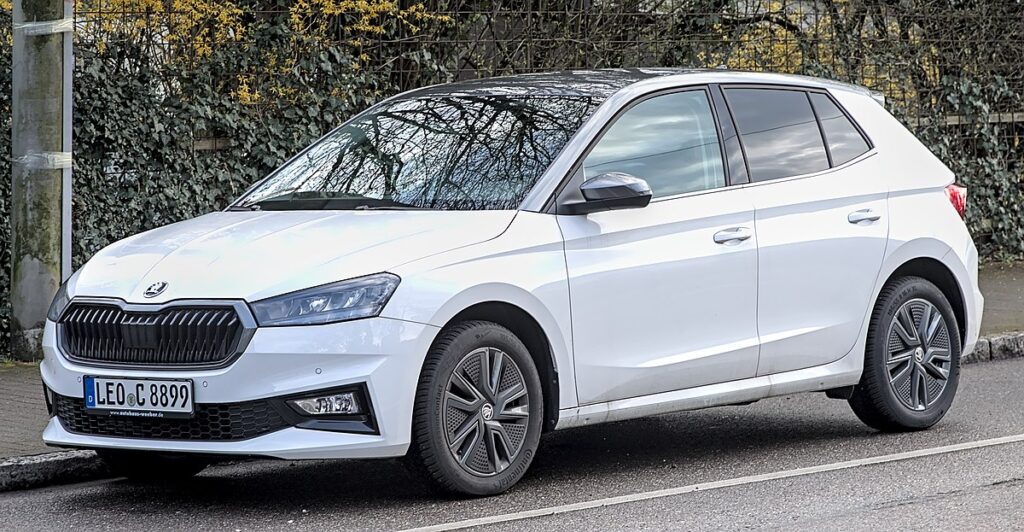
When we talk about reliability in small hatchbacks, the conversation often gets noisy. Everyone’s got an opinion, your neighbour’s cousin had one that “never skipped a beat,” while someone online swears theirs spent more time on a recovery truck than the road. So where does the Skoda Fabia really land on the reliability scale?
We’ve spent years analysing owner feedback, mechanical patterns, servicing data, and long-term running behaviour. In this guide, we’ll break down Skoda Fabia reliability in a way that’s practical, honest, and easy to digest—no fluff, no scare tactics, just real-world insight.
Let’s get into it.
Content in this publication
- Why Reliability Matters More Than Ever
- A Quick Snapshot of Skoda Fabia Reliability
- Generational Reliability Overview
- Engine Reliability: Petrol vs Diesel
- Gearbox Reliability Explained
- Electrical Reliability: Better Than You’d Expect
- Suspension and Steering Durability
- Brakes and Tyres: Predictable and Affordable
- Build Quality and Materials
- Real-World Longevity: How Long Do Fabias Last?
- Maintenance Habits That Make or Break Reliability
- Ownership Costs and Reliability Connection
- How the Fabia Compares to Rivals
- Used Skoda Fabia Reliability: What to Check
- Is the Skoda Fabia a Reliable First Car?
- Long-Term Ownership: Living With a Fabia
- The Verdict: Is the Skoda Fabia Reliable?
- Frequently Asked Questions
Why Reliability Matters More Than Ever
Reliability isn’t just about avoiding breakdowns anymore. It’s about:
- Predictable running costs
- Fewer unexpected garage visits
- Long-term peace of mind
- Strong resale value
In a world of downsized engines, turbochargers, electronics, and emissions tech, a “simple and solid” car is worth its weight in gold. And that’s exactly why the Fabia keeps popping up on shortlists.
A Quick Snapshot of Skoda Fabia Reliability
Before we dive deep, here’s the high-level picture:
- Overall reliability: Strong for the class
- Engine durability: Generally excellent with proper servicing
- Gearboxes: Manual is safer than early automatics
- Electronics: Minor issues, rarely catastrophic
- Longevity: 150,000+ miles achievable
In short? The Fabia has built a reputation as a dependable daily driver rather than a fragile city runabout.
Generational Reliability Overview
First Generation (2000–2007)
This was the Fabia’s foundation era. Built on old-school engineering principles, these cars are surprisingly tough.
Strengths:
- Simple naturally aspirated engines
- Minimal electronics
- Solid body construction
Weak points:
- Rust on older, poorly maintained examples
- Aging rubber components
These cars are now old, but well-kept examples still refuse to quit—like an old watch that just keeps ticking.
Second Generation (2007–2014)
Here’s where things got more modern—and slightly more complicated.
What improved:
- Better safety tech
- Improved interior quality
- More efficient engines
What suffered:
- Early DSG automatic gearbox issues
- Timing chain problems on some petrol engines
This generation is reliable overall, but engine choice matters a lot.
Third Generation (2015–2021)
Arguably the Fabia at its best.
Reliability highlights:
- Refined petrol engines
- Fewer gearbox complaints
- Strong owner satisfaction
This generation benefits from lessons learned earlier. It’s like a third album from a band that finally found their sound.
Fourth Generation (2021–Present)
Too new for full long-term data, but early signs are promising.
- Improved build quality
- Updated electronics with fewer bugs
- Efficient, proven engines
So far, so good—but time will tell.
Engine Reliability: Petrol vs Diesel
Petrol Engines – The Safe Bet
Petrol engines have always been the Fabia’s strongest suit.
Naturally Aspirated Petrol Engines
These are the reliability champions.
- Fewer moving parts
- No turbo stress
- Ideal for short trips
They’re not fast, but they’re faithful—like a loyal dog that never runs away.
You may be interested in reading Skoda Fabia Lifespan: How Long Does It Really Last?
Turbocharged Petrol Engines (TSI)
More fun, more power, but slightly more demanding.
Common concerns:
- Timing chain wear (early models)
- Carbon buildup on direct injection
Good news:
Later revisions fixed most early flaws. Regular oil changes make a huge difference here.
Diesel Engines – Built for Mileage
Diesels shine on long journeys.
Pros:
- Excellent fuel economy
- Long engine life
- Strong torque
Cons:
- DPF issues on short journeys
- EGR valve wear
If you mainly do motorway miles, diesel Fabias can rack up eye-watering mileages with ease.
Gearbox Reliability Explained
Manual Gearboxes: Rock Solid
Manual Fabias are famously dependable.
- Smooth shifting
- Long clutch life
- Minimal failure reports
If reliability is your top priority, this is the gearbox to choose—no drama, no surprises.
Automatic Gearboxes: Choose Carefully
Early dual-clutch automatics had teething problems.
Known issues:
- Jerky low-speed behaviour
- Mechatronic unit failures
Later versions improved significantly, but for peace of mind, manuals still win.
Electrical Reliability: Better Than You’d Expect
Modern cars live and die by their electronics. The Fabia generally behaves itself.
Typical minor issues:
- Faulty window switches
- Parking sensor glitches
- Infotainment bugs
These are annoyances, not disasters—and most are inexpensive to fix.
Suspension and Steering Durability
The Fabia’s suspension is tuned for comfort and durability.
Common wear items:
- Drop links
- Bushings
- Shock absorbers
None are unusually fragile, and replacements are affordable. Think of them as running shoes—they’ll wear out, but they’re easy to replace.
Brakes and Tyres: Predictable and Affordable
No horror stories here.
- Brakes last well with normal driving
- Tyres wear evenly with correct alignment
- Parts are widely available
This contributes massively to low ownership stress.
Build Quality and Materials
Skoda’s reputation for solid interiors holds true.
- Durable seat fabrics
- Hard-wearing plastics
- Minimal rattles even at high mileage
It’s not luxury, but it ages gracefully—like denim jeans rather than fast fashion.
Real-World Longevity: How Long Do Fabias Last?
With proper maintenance, many Fabias comfortably reach:
You may be interested in readingSkoda Fabia Lifespan: How Long Does It Really Last?You may be interested in reading
 Is Skoda Fabia a Good First Car? A Real-World Guide for New Drivers
- 150,000–200,000 miles
- Some exceed 250,000 miles
The key isn’t luck—it’s servicing consistency.
Maintenance Habits That Make or Break Reliability
What Keeps a Fabia Reliable
- Regular oil changes
- Timing component inspections
- Quality replacement parts
- Preventative servicing
What Shortens Its Life
- Skipping services
- Cheap fluids
- Ignoring warning lights
Treat it right, and it returns the favour.
Ownership Costs and Reliability Connection
Low repair costs mean issues get fixed quickly instead of ignored.
Why this matters:
- Problems don’t snowball
- Cars stay roadworthy longer
- Reliability reputation stays strong
The Fabia benefits hugely from this virtuous cycle.
How the Fabia Compares to Rivals
Against similar hatchbacks, the Fabia holds its own.
Where it excels:
- Engine durability
- Manual gearbox reliability
- Build quality
Where rivals may edge it:
- Infotainment polish
- Brand image
But reliability? The Fabia punches above its weight.
Used Skoda Fabia Reliability: What to Check
Before buying used, always inspect:
- Full service history
- Timing components
- Gearbox behaviour
- Warning lights
A well-kept Fabia is a safe bet. A neglected one? Walk away.
Is the Skoda Fabia a Reliable First Car?
Absolutely.
- Forgiving mechanics
- Low insurance groups
- Predictable running costs
It’s like learning to cook with a good pan—everything just works better.
Long-Term Ownership: Living With a Fabia
Owners often keep them longer than planned.
Why?
- Few unexpected failures
- Easy DIY maintenance
- No constant “what’s next?” anxiety
That says a lot.
The Verdict: Is the Skoda Fabia Reliable?
Yes—decisively so.
The Skoda Fabia isn’t exciting in a headline-grabbing way. It doesn’t shout. It doesn’t show off. But when it comes to reliability, it quietly delivers year after year. Like a good friend who always turns up on time, the Fabia earns trust through consistency.
If you want a small car that starts every morning, doesn’t drain your wallet, and ages gracefully, the Fabia deserves serious consideration.
Frequently Asked Questions
Is the Skoda Fabia expensive to maintain?
No. Parts are affordable, servicing is straightforward, and unexpected repairs are rare.
Which Skoda Fabia engine is most reliable?
Naturally aspirated petrol engines and later TSI units with good service history are the safest choices.
Are older Skoda Fabias still reliable?
Yes—if well maintained. Age matters less than service records.
Do Skoda Fabias suffer from major faults?
Major failures are uncommon. Most issues are minor and manageable.
You may be interested in readingSkoda Fabia Lifespan: How Long Does It Really Last?You may be interested in reading
Is Skoda Fabia a Good First Car? A Real-World Guide for New DriversYou may be interested in reading
 Kia Niro Reliability: Can This Hybrid Really Go the Distance?
Can a Skoda Fabia handle high mileage?
Absolutely. Many exceed 150,000 miles with ease when properly cared for.
If you want to know other articles similar to Skoda Fabia Reliability: Can This Small Hatchback Really Go the Distance? you can visit the category Blog.
Is Vauxhall Agila a Good Car? Reliability, Problems and Buying Guide

Honda Passport Life Expectancy: How Many Miles Can It Last?
Honda Passport Depreciation: How Well Does It Hold Its Value?

Nissan Rogue Reliability Rating: How Reliable Is the Rogue?
Nissan Rogue Life Expectancy: How Long Does It Last?
Vauxhall Agila Reliability: Common Problems, Best Engines and What to Check
Leave a Reply
More content of your interest