

Nissan Micra Fuel Consumption – Real-World Economy Explained

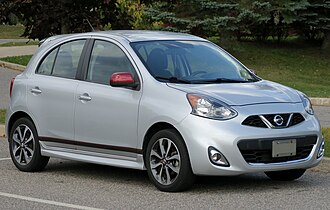
We’ve all stood at a fuel pump watching the numbers spin like a casino wheel, wondering how a small car can still feel thirsty. The Nissan Micra has long been sold as a sensible, city-friendly companion, yet fuel consumption depends on more than the badge on the boot. In this guide we walk together through real-world figures, driving habits, engines, and clever tricks that help the Micra sip fuel rather than gulp it. Think of this article as a friendly road trip chat, windows down and radio low, while we decode what truly affects the miles per gallon.
Content in this publication
- Why Fuel Consumption Matters in a Supermini
- Understanding Official vs Real-World Figures
- Engines That Shape the Thirst
- Gearboxes and Their Influence
- City Driving – The True Test
- Motorway Manners
- Weight and Aerodynamics
- Maintenance That Protects MPG
- Driving Style – The Biggest Lever
- Comparing Generations of Micra
- Fuel Types and Quality
- Seasonal Effects
- Practical Tips to Improve Micra Economy
- Is the Micra Economical Compared to Rivals?
- Hybrid and Future Alternatives
- Calculating Your Own MPG
- Common Myths Busted
- Choosing the Right Micra for Your Needs
- Closing Thoughts
- FAQs
Why Fuel Consumption Matters in a Supermini
The Everyday Cost of Every Drop
Fuel is like the daily coffee of our cars—skip it and nothing happens. For owners of a compact hatch such as the Micra, economy often decides whether the car feels like a loyal friend or an expensive roommate. Good consumption means:
- Lower monthly running costs
- Fewer stops on long journeys
- Reduced environmental footprint
- Better resale value
Micra’s Reputation Through the Years
The Micra has worn many faces since the 1980s. Earlier generations were feather-light and simple; newer ones are safer, heavier, and packed with tech. Each generation changed the way fuel was burned, and that’s why two Micras parked side by side can drink very differently.
Understanding Official vs Real-World Figures
Laboratory Numbers Are Like Polite Lies
Manufacturers quote WLTP or older NEDC figures, measured in ideal conditions—smooth roads, perfect temperatures, and a patient driver. Real life is messier: hills, traffic, and heavy right feet all play their part.
What Owners Commonly Report
Across forums and owner surveys, many drivers see:
- Petrol 1.0: 45–55 mpg (UK)
- 1.2 petrol: 42–50 mpg
- 0.9 turbo: 44–52 mpg
- Diesel 1.5 dCi: 60–70 mpg
These ranges are like weather forecasts—useful, not gospel.
Engines That Shape the Thirst
1.0 Naturally Aspirated Petrol
This engine is the calm turtle of the family. It rewards gentle acceleration and city speeds but struggles on motorways. Push it hard and consumption climbs like a nervous cat up a curtain.
1.2 Petrol – The Popular Middle Child
Balanced and reliable, the 1.2 offers enough poke for daily errands. Driven smoothly it can be impressively frugal, yet short trips in cold mornings can drag it down.
0.9 Turbo – Small Heart, Big Spirit
The turbo version feels lively, but enthusiasm has a price. When the boost needle dances, fuel disappears quicker. Treat it kindly and it returns respectable numbers.
1.5 dCi Diesel – The Marathon Runner
For long distances the diesel is king. Low-rev torque means relaxed cruising and the best mpg of the range, though maintenance costs can be higher.
Gearboxes and Their Influence
Manual vs Automatic
Manual gearboxes usually beat automatics in economy because we control the shifts. Older autos can feel like they’re wearing heavy boots, while modern CVTs are smoother but not always more efficient.
The Art of Shifting
Changing up early, keeping revs between 1,800–2,200 rpm, is like teaching the car to breathe slowly. Hold gears too long and it pants.
City Driving – The True Test
Stop-Start Reality
Urban journeys are the enemy of good mpg. Every red light is a mini mountain to climb again. The Micra’s light body helps, yet constant braking still wastes energy.
Cold Starts and Short Trips
Engines drink more when cold. A five-minute school run can show frightening figures because the car never reaches its happy temperature.
Motorway Manners
Speed Is the Silent Thief
At 70 mph the Micra is comfortable; at 80 mph it becomes thirsty. Wind resistance grows like an invisible backpack filled with bricks.
Cruise Control Friend or Foe
On flat roads cruise control keeps things steady. On hills it can over-accelerate, so a human foot often wins.
Weight and Aerodynamics
Declutter the Boot
Carrying unnecessary items is like giving the Micra a piggyback. Removing roof boxes when not needed can save up to 10% fuel.
Tyres – The Forgotten Heroes
Under-inflated tyres increase drag. Checking pressures monthly is the cheapest upgrade imaginable.
Maintenance That Protects MPG
Regular Servicing
Fresh oil, clean air filters, and healthy spark plugs help the engine breathe. Neglect is like making an athlete run with a cold.
Sensors and Warning Lights
Faulty oxygen sensors or blocked EGR valves can quietly ruin consumption. Don’t ignore that small amber light winking from the dash.
Driving Style – The Biggest Lever
Smooth Like a River
Gentle acceleration and anticipation save more fuel than any gadget. Imagine rolling a glass of water without spilling it.
Coasting and Engine Braking
Lifting off early before junctions lets momentum work for free. Harsh braking throws that free energy away.
Comparing Generations of Micra
K11 Classics (1992–2002)
Lightweight and simple, many still achieve excellent economy, especially the 1.0 and 1.3 petrols.
K12 Round-Eyed Era (2003–2010)
Heavier but safer; real-world mpg dipped slightly, yet diesels shone.
K13 and K14 Modern Micras
Packed with tech and comfort, they offer better refinement with competitive figures, particularly the 0.9 turbo and later 1.0 IG-T.
Fuel Types and Quality
Premium fuels can improve smoothness and sometimes economy, though gains are usually small—like polishing already shiny shoes.
Additives – Miracle or Myth
Most Micras don’t need magic potions. Good maintenance beats bottles.
Seasonal Effects
Winter Blues
Cold air, heaters, and demisters increase consumption. Expect 10–15% worse figures in winter.
Summer Sweet Spot
Warm engines and lighter traffic often deliver the best numbers.
Practical Tips to Improve Micra Economy
- Keep tyres at recommended pressures
- Remove roof racks when unused
- Plan routes to avoid congestion
- Use higher gears early
- Service on schedule
- Combine short trips
- Limit idling
Is the Micra Economical Compared to Rivals?
Against cars like the Fiesta, Polo, and Yaris, the Micra sits comfortably in the frugal middle. It may not always win laboratory contests, but in everyday life it behaves like a sensible friend who splits the bill fairly.
Hybrid and Future Alternatives
While the Micra range hasn’t embraced full hybrid systems, the market is shifting. Future small Nissans may blend electric assistance, promising even lower consumption without losing the Micra charm.
Calculating Your Own MPG
Simple Method
- Fill the tank to the brim
- Reset trip meter
- Drive normally
- Refill and note litres used
- Divide miles by gallons
This home recipe tells more truth than any brochure.
Common Myths Busted
- “Small car equals tiny consumption.” Not always—driving style matters more.
- “Air conditioning ruins mpg.” At speed, open windows can be worse.
- “Idling saves fuel.” Modern engines prefer to be switched off.
Choosing the Right Micra for Your Needs
If you live in a city, the 1.0 petrol may suit you like comfy sneakers. For motorway commuters, the diesel or turbo petrol feels like a long-distance train seat.
Closing Thoughts
Fuel consumption in the Nissan Micra is a living conversation between machine and driver. The car offers a solid foundation—lightweight design, efficient engines, and sensible gearing—but our habits write the final chapter. Treat it gently and it rewards us with impressive economy; push it like a race kart and it complains at the pump. The Micra is less a gas guzzler and more a mirror reflecting how we drive.
FAQs
1. What is the average Nissan Micra fuel consumption?
Most petrol versions deliver 45–55 mpg UK, while the 1.5 dCi diesel can reach 60–70 mpg in mixed driving.
2. Which Micra engine is the most economical?
The 1.5 dCi diesel generally offers the best real-world economy, especially for motorway use.
3. Does air conditioning affect Micra mpg?
Yes, it can reduce economy by 3–5%, particularly in city traffic.
4. How can I improve my Micra’s fuel consumption quickly?
Check tyre pressures, remove excess weight, drive smoothly, and keep up with servicing.
5. Are newer Micras more economical than older ones?
Generally yes, thanks to improved engines and aerodynamics, though added weight can balance the gains.
If you want to know other articles similar to Nissan Micra Fuel Consumption – Real-World Economy Explained you can visit the category Driving.
Kia Sorento Fuel Economy: MPG, Hybrid, and Plug-In Hybrid Explained
BYD Shark 6 Fuel Consumption: Real-World Economy, Range and What to Expect
Vauxhall Agila MPG: Real-World Fuel Economy and Engine Guide

Honda Passport MPG: Real-World Fuel Economy, Ratings, and What to Expect

Nissan Rogue Fuel Economy: MPG, Range, Costs, and Real-World Efficiency
BYD Shark 6 Long Range Fuel Tank: Is the 120L Upgrade Worth It?
Leave a Reply
More content of your interest