
Nissan Micra Models by Year – A Journey Through Every Generation

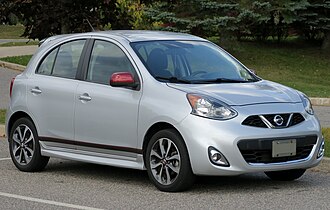
We’ve all seen it—the cheerful little hatch weaving through city streets like a friendly sparrow. The Nissan Micra has been part of everyday life for decades, quietly carrying students, parents, and first-time drivers from one chapter to the next. But how did this small car evolve year by year? Let’s take a relaxed stroll through the timeline and meet every Micra as if we were flipping through an old family photo album.
Content in this publication
- Why the Micra Became a Global Favorite
- The Birth of a Legend: 1982–1983
- 1984–1986: Learning to Walk
- 1987–1991: The Confident Teenager
- 1992: A New Chapter – The K11 Arrives
- 1993–1997: Awards and Applause
- 1998–2000: Technology Sneaks In
- 2001–2002: Farewell to the K11
- 2003: The Bold K12 Revolution
- 2004–2007: Comfort Takes the Wheel
- 2008–2010: The Mature K12
- 2010: Enter the Global K13
- 2011–2013: Practical Everyday Hero
- 2014–2016: Sharper Looks
- 2017: The Stylish K14 Appears
- 2018–2020: Confidence and Customization
- 2021–2023: Hybrid Thinking
- How to Choose the Best Year for You
- Common Strengths Across All Years
- Things to Watch Out For
- The Micra in Today’s Market
- Looking Ahead
- Closing Thoughts
- Frequently Asked Questions
Why the Micra Became a Global Favorite
The Micra isn’t just metal and rubber; it’s a companion. Nissan designed it to be simple, affordable, and honest—like a dependable friend who never overdresses. Over the years the model adapted to new tastes, safety rules, and technology without losing its playful soul. We’ll explore how each year added a new brushstroke to that portrait.
The Birth of a Legend: 1982–1983
The First Micra Steps Onto the Stage
In 1982 Nissan introduced the first Micra, known internally as the K10. It was light, boxy, and practical, shaped like a tiny suitcase on wheels. The early models carried small 1.0-liter engines and focused on economy rather than speed. Drivers loved the simplicity—no digital fireworks, just a steering wheel and a promise to get you home.
Early Features That Won Hearts
- Manual windows and mirrors for fuss-free ownership
- Compact dimensions perfect for narrow European streets
- Fuel sipping engines ideal for young budgets
1984–1986: Learning to Walk
Subtle Improvements
By the mid-80s Nissan polished the Micra like a pebble in a river. New trims appeared with better upholstery and brighter colors. The car began to feel less like a tool and more like a personality.
Growing Reputation
The Micra earned a reputation for reliability. Mechanics often said these cars were as tough as old boots. Insurance groups stayed low, making them magnets for new drivers.
1987–1991: The Confident Teenager
Facelift and Fresh Energy
Late K10 versions received updated grilles and dashboards. A 1.2-liter option added a bit more pep, like giving the sparrow stronger wings.
Special Editions
Nissan experimented with fun editions—stripes, decals, and sportier seats. The Micra began to flirt with style rather than just thrift.
1992: A New Chapter – The K11 Arrives
Rounder, Friendlier Design
The second generation K11 landed in 1992 and felt like the car had traded its square glasses for contact lenses. Curves replaced corners, and safety took a front seat.
Modern Touches
- Power steering on many trims
- Improved crash protection
- More comfortable cabin layout
We remember this era as the moment the Micra grew up without losing its grin.
1993–1997: Awards and Applause
European Car of the Year 1993
The K11 won the prestigious award, a crown that proved small cars could be brilliant. Sales soared across Europe.
Everyday Practicality
Boot space improved, and five-door versions became common. Families discovered the Micra could handle school runs as easily as supermarket trips.
1998–2000: Technology Sneaks In
Late K11 Refinements
Nissan added airbags, better brakes, and optional automatic gearboxes. The Micra felt safer and more grown-up, like a teenager getting a first job.
Engine Variety
1.0 and 1.3 engines offered choices between thrift and liveliness. Drivers could pick a personality to match their commute.
You may be interested in reading Ford EcoSport Generations – A Complete Journey Through the Life of Ford’s Urban SUV
2001–2002: Farewell to the K11
End of an Era
The final K11 years focused on value editions. These cars became beloved used bargains, still roaming streets today like loyal old dogs.
2003: The Bold K12 Revolution
A Design That Divided Opinions
The K12 looked nothing like its ancestors—bubble-shaped and playful. Some adored it; others raised eyebrows. But no one ignored it.
New Engines and Gearboxes
- 1.2, 1.4, and later 1.6 options
- CVT automatic transmissions
- Improved fuel efficiency
The Micra was now a fashion statement as much as transport.
2004–2007: Comfort Takes the Wheel
Interior Glow-Up
Soft plastics, quirky center consoles, and keyless entry appeared. It felt like stepping from a cottage into a modern apartment.
Convertible Surprise
The Micra C+C convertible joined the family, proof that even practical cars can dream of summer hair.
2008–2010: The Mature K12
Facelifts and Final Touches
Nissan refined headlights and safety tech. By now the K12 had settled into adulthood—still fun, but more responsible.
2010: Enter the Global K13
Built for the World
The fourth generation was designed as a global model. Production spread across continents, and the Micra aimed to speak many languages.
Efficiency First
Smaller turbo engines and lightweight design targeted low emissions. The car felt like a cyclist who’d discovered aerodynamics.
2011–2013: Practical Everyday Hero
Affordable Motoring
These years focused on keeping costs down. The Micra became a favorite for ride-share drivers and city commuters.
Safety Upgrades
Stability control and better airbags joined the roster, wrapping occupants in an invisible cushion.
2014–2016: Sharper Looks
Mid-Cycle Refresh
A more aggressive grille and smarter infotainment arrived. The Micra tried on a sport jacket without abandoning its sneakers.
2017: The Stylish K14 Appears
A Dramatic Makeover
The fifth generation shocked everyone with sleek lines and a wider stance. It looked ready for a red carpet rather than a grocery lot.
Tech Highlights
- Touchscreen systems with smartphone mirroring
- Lane departure warnings
- Efficient turbo petrol engines
The Micra finally felt premium while keeping its sensible heart.
You may be interested in readingFord EcoSport Generations – A Complete Journey Through the Life of Ford’s Urban SUVYou may be interested in reading
 Ford EcoSport vs Kuga: Which Ford SUV Truly Fits Your Life?
2018–2020: Confidence and Customization
Personalization Craze
Two-tone roofs and colorful interiors let owners treat the car like a canvas. We began seeing Micras as unique as fingerprints.
Refined Ride
Improved suspension made highways calmer. The car no longer whispered; it spoke confidently.
2021–2023: Hybrid Thinking
Mild Hybrid Assistance
To meet new environmental rules, Nissan introduced electrified help. Fuel economy improved, and emissions dropped like autumn leaves.
Digital Cabin
Larger screens and driver aids turned the Micra into a pocket-sized tech hub.
How to Choose the Best Year for You
Picking a Micra is like choosing a favorite flavor of ice cream. Ask yourself:
- Do we want classic simplicity? Look at late K11 models.
- Craving quirky style? Early K12 fits.
- Need modern safety? K14 is the sweet spot.
Budget, insurance, and intended use should guide the compass.
Common Strengths Across All Years
- Low running costs
- Easy city maneuvering
- Reliable engines
- Friendly insurance groups
Things to Watch Out For
- Older models may suffer from rust around arches
- CVT gearboxes need careful maintenance
- Infotainment in early K13 can feel dated
Knowing these quirks helps us shop with open eyes.
The Micra in Today’s Market
Used prices remain sensible. Parts are plentiful, and mechanics know them like familiar songs. The Micra continues to be a gateway car for many families.
Looking Ahead
Rumors of electrified successors suggest the Micra story isn’t over. Like a long-running TV series, new seasons keep arriving.
Closing Thoughts
We’ve traveled from the boxy 80s pioneer to the sleek modern hatch, watching the Micra grow like a neighbor’s child. Each year added a new layer—safety, style, technology—yet the core remained the same: honest, affordable mobility. If cars had diaries, the Micra’s pages would be filled with ordinary adventures that mean everything.
Frequently Asked Questions
1. Which Nissan Micra year is most reliable?
Late K11 models from 1998–2002 are often praised for bulletproof engines and simple mechanics.
2. Are Micras cheap to insure?
Yes, most years sit in low insurance groups, ideal for new drivers.
3. What changed most with the K14 generation?
Design and technology leapt forward with modern safety aids and turbo engines.
You may be interested in readingFord EcoSport Generations – A Complete Journey Through the Life of Ford’s Urban SUVYou may be interested in reading
Ford EcoSport vs Kuga: Which Ford SUV Truly Fits Your Life?You may be interested in reading
 Ford EcoSport vs Vauxhall Mokka: Which Compact SUV Truly Fits Our Lives?
4. Is the CVT gearbox good?
It’s smooth but requires regular servicing to stay healthy.
5. Do older Micras rust?
Some K10 and early K11 cars can rust around wheel arches; inspections are wise.
If you want to know other articles similar to Nissan Micra Models by Year – A Journey Through Every Generation you can visit the category Models.
Nissan Rogue Dark Armor vs Platinum: Which Trim Is Better?

Kia Sorento Models: Complete Guide to Trims, Engines and Versions
BYD Shark 6 vs Ranger vs HiLux: Which Ute Makes the Most Sense in 2026?
BYD Shark 6 vs MG U9: Which Ute Makes More Sense in 2026?
BYD Shark 6 vs Ford Ranger Raptor: Which Performance Ute Is Better in 2026?
BYD Shark 6 vs Kia Tasman: Which Ute Is Better?
Leave a Reply
More content of your interest