
BMW X1 or X3: Which BMW SUV Should You Really Choose?

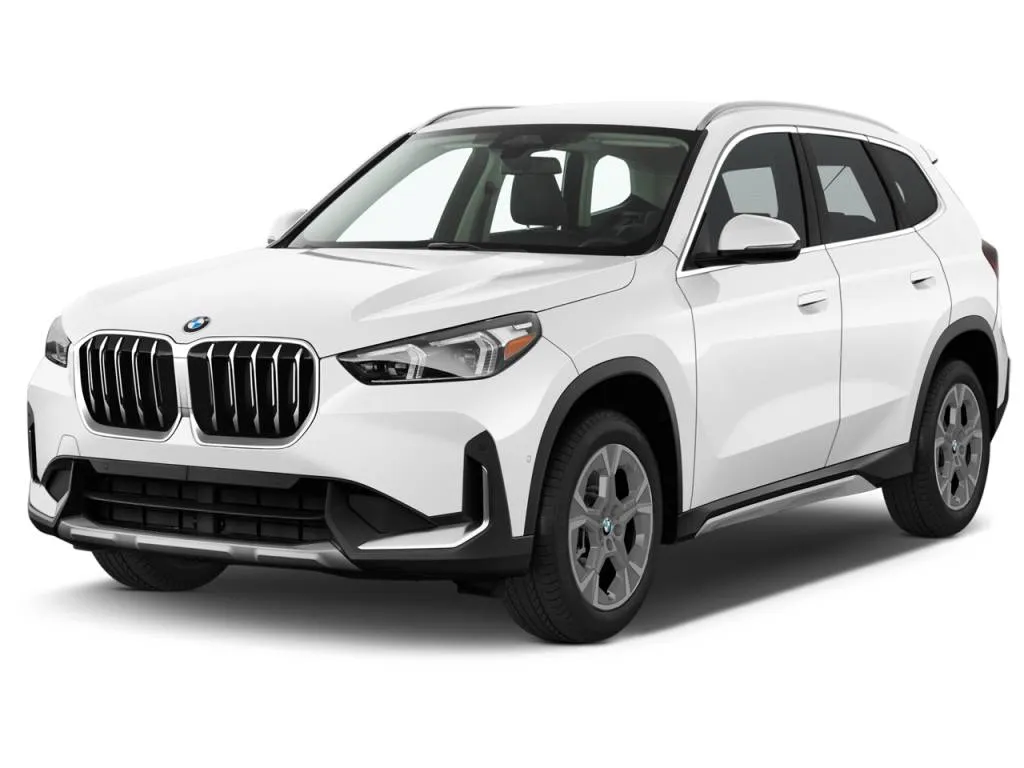
Choosing between the BMW X1 or X3 can feel like trying to decide between two great versions of the same idea. Both SUVs wear the iconic BMW badge, both promise sporty performance, and both deliver the premium feel people expect from the brand.
Yet beneath the surface, these two SUVs serve very different drivers.
One is compact, agile, and efficient. The other is larger, more powerful, and more luxurious.
So which one truly deserves a spot in your driveway?
Let’s break down every important detail — size, performance, comfort, technology, ownership costs, and everyday usability — so we can clearly see which BMW SUV wins for your lifestyle.
Content in this publication
- Understanding BMW’s SUV Lineup
- BMW X1 vs X3: Quick Overview
- Exterior Design and Styling
- Interior Quality and Cabin Experience
- Size and Dimensions
- Passenger Comfort and Seating Space
- Cargo Space Comparison
- Engine Options and Performance
- Driving Experience
- Technology and Infotainment
- Safety Features
- Fuel Economy
- Pricing Comparison
- Ownership Costs
- Who Should Buy the BMW X1
- Who Should Buy the BMW X3
- Final Verdict: BMW X1 or X3
- Frequently Asked Questions
Understanding BMW’s SUV Lineup
BMW’s SUVs belong to the X-Series, also known as Sports Activity Vehicles (SAVs).
The number usually tells you where the vehicle sits in the lineup.
BMW X-Series Hierarchy
- X1 — Compact luxury SUV
- X2 — Sportier coupe-style compact SUV
- X3 — Mid-size luxury SUV
- X4 — Coupe version of X3
- X5 — Large luxury SUV
- X6 — Sport coupe SUV
- X7 — Full-size luxury flagship
This means the X1 and X3 belong to different size classes, even though they look closely related.
BMW X1 vs X3: Quick Overview
If we simplify things, the comparison looks like this.
| Category | BMW X1 | BMW X3 |
|---|---|---|
| SUV Class | Compact | Mid-size |
| Starting Price | Lower | Higher |
| Power | Moderate | Much stronger options |
| Interior Space | Smaller | Larger |
| Cargo Capacity | Good | Better |
| Best For | City driving | Families & road trips |
In simple terms:
- BMW X1 = compact, affordable, urban SUV
- BMW X3 = larger, more powerful premium SUV
But the deeper differences go far beyond that.
Exterior Design and Styling
BMW has done an excellent job giving both SUVs a recognizable identity.
However, their personalities differ significantly.
BMW X1 Design Character
The X1 feels young, energetic, and modern.
Key design elements include:
- Bold kidney grille
- Short overhangs
- Compact athletic stance
- Sharp LED headlights
- Sporty proportions
It looks like a premium hatchback that grew into an SUV.
Perfect for urban drivers.
BMW X3 Design Character
The X3 carries a more confident and mature presence.
Design highlights include:
- Longer wheelbase
- Wider stance
- Larger wheels
- More sculpted body panels
Where the X1 feels agile, the X3 feels commanding.
It simply has more road presence.
Interior Quality and Cabin Experience
Step inside both SUVs and you'll immediately recognize BMW’s driver-focused cockpit design.
But the experience inside each vehicle differs.
BMW X1 Interior Design
The X1 interior is modern and minimalistic.
Important features include:
- BMW Curved Display
- Digital instrument cluster
- Floating center console
- Wireless charging
- Ambient lighting
- Premium synthetic leather
Despite being the smallest BMW SUV, the X1 cabin still feels surprisingly upscale.
BMW X3 Interior Design
The X3 takes the premium experience a step further.
It offers:
- Higher quality materials
- Real wood trim options
- More padded surfaces
- Wider seating layout
- More rear legroom
If the X1 feels premium, the X3 feels luxurious.
Size and Dimensions
One of the biggest deciding factors between the two SUVs is size.
You may be interested in reading BMW X1 vs X2: Which Compact BMW SUV Should You Choose?
BMW X1 Dimensions
Approximate measurements:
- Length: 177 inches
- Width: 72.6 inches
- Height: 64.6 inches
Benefits of this compact size:
- Easier parking
- Better city maneuverability
- Lighter driving feel
BMW X3 Dimensions
The X3 moves into the mid-size SUV segment.
Dimensions:
- Length: 185.7 inches
- Width: 74.7 inches
- Height: 66 inches
That extra size brings clear advantages:
- More passenger comfort
- More cargo capacity
- Better highway stability
Passenger Comfort and Seating Space
Front Seats
Both SUVs offer excellent driver comfort.
Expect:
- Power adjustable seats
- Heated seats
- Supportive cushions
- Excellent driving position
Rear Seats
The X3 clearly wins here.
Benefits include:
- More rear legroom
- Wider seating area
- Better long-distance comfort
If you frequently drive with passengers, the X3 becomes much more appealing.
Cargo Space Comparison
Cargo capacity matters for SUV buyers.
BMW X1 Cargo Capacity
- Behind rear seats: ~25 cubic feet
- Maximum capacity: ~57 cubic feet
Enough for:
- Weekly groceries
- Suitcases
- Everyday gear
BMW X3 Cargo Capacity
- Behind rear seats: ~29 cubic feet
- Maximum capacity: ~62 cubic feet
This makes the X3 better for:
- Road trips
- Sports equipment
- Family luggage
Engine Options and Performance
Performance is where the gap between the X1 and X3 grows larger.
BMW X1 Engine
Most modern X1 models use a turbocharged four-cylinder engine.
2.0L Turbo Engine
- 241 horsepower
- 295 lb-ft torque
- 0–60 mph: ~6.2 seconds
This engine provides quick acceleration and strong fuel efficiency.
For daily driving, it feels lively.
BMW X3 Engine Options
The X3 offers multiple engine choices, including high-performance versions.
X3 sDrive30i / xDrive30i
- 2.0L turbo engine
- 248 horsepower
- 0–60 mph: ~6 seconds
X3 M40i
- 3.0L turbo inline-six
- 382 horsepower
- 0–60 mph: ~4.4 seconds
X3 M
- Up to 503 horsepower
This makes the X3 one of the most performance-oriented SUVs in its class.
Driving Experience
Driving feel is something BMW takes seriously.
BMW X1 Driving Feel
The X1 is:
- Light
- Nimble
- Easy to drive
- Great in tight streets
It feels like a sporty crossover designed for cities.
BMW X3 Driving Feel
The X3 feels more refined and planted.
Benefits include:
- Better highway stability
- More powerful acceleration
- Smoother suspension
For long drives, the X3 is clearly the more comfortable choice.
Technology and Infotainment
BMW equips both SUVs with advanced tech.
BMW X1 Technology
Standard features include:
- BMW iDrive system
- Large curved display
- Apple CarPlay
- Android Auto
- Voice assistant
- Navigation
BMW X3 Technology
The X3 adds additional premium features.
Optional upgrades include:
You may be interested in readingBMW X1 vs X2: Which Compact BMW SUV Should You Choose?You may be interested in reading
 BMW X1 Versus Audi Q3: Which Premium Compact SUV Truly Wins?
- Head-Up Display
- Harman Kardon sound system
- Advanced driver assist
- Parking assistant
Safety Features
Both SUVs perform strongly in safety.
Standard Safety Systems
Common features include:
- Automatic emergency braking
- Lane departure warning
- Blind spot monitoring
- Rear cross-traffic alert
Advanced Driver Assistance
Optional features include:
- Adaptive cruise control
- Traffic jam assist
- 360-degree cameras
- Parking assist technology
Fuel Economy
Fuel efficiency differs depending on engine choice.
BMW X1 Fuel Economy
Approximate ratings:
- City: 25 MPG
- Highway: 34 MPG
Very efficient for a luxury SUV.
BMW X3 Fuel Economy
2.0L engine:
- City: ~23 MPG
- Highway: ~29 MPG
Performance versions consume more fuel.
Pricing Comparison
Price can be the biggest deciding factor.
BMW X1 Price
Starting price:
Around $40,000
This makes it the most affordable BMW SUV.
BMW X3 Price
Starting price:
Around $48,000
High-performance trims can exceed $75,000.
Ownership Costs
Luxury vehicles come with higher ownership costs.
BMW X1 Ownership Costs
Advantages:
- Lower insurance
- Lower purchase price
- Lower tire replacement costs
BMW X3 Ownership Costs
Costs increase due to:
- Larger engines
- Bigger wheels
- Higher insurance premiums
Who Should Buy the BMW X1
The BMW X1 is ideal for drivers who want:
- A compact luxury SUV
- Excellent fuel economy
- Easy parking
- Lower ownership costs
- Modern technology
It’s perfect for urban lifestyles.
Who Should Buy the BMW X3
The BMW X3 suits drivers who want:
- More power
- More interior space
- Greater comfort
- Better highway performance
- Stronger towing capability
It’s the more complete luxury SUV.
Final Verdict: BMW X1 or X3
Choosing between the BMW X1 or X3 really comes down to your lifestyle.
If we think of them like travel companions:
- The X1 is the agile city explorer — quick, efficient, and easy to live with.
- The X3 is the long-distance adventurer — powerful, spacious, and refined.
Choose the BMW X1 if you prioritize:
- affordability
- city driving
- fuel efficiency
Choose the BMW X3 if you prioritize:
- space
- performance
- luxury comfort
Both SUVs represent BMW’s signature philosophy: performance blended with everyday practicality.
Frequently Asked Questions
Is the BMW X3 bigger than the X1?
Yes. The BMW X3 is noticeably larger in length, width, and interior space compared to the BMW X1.
Is the BMW X1 worth buying?
Yes. It offers luxury features, strong performance, and excellent efficiency at a relatively affordable price.
Which SUV is more powerful, BMW X1 or X3?
The BMW X3 offers significantly more powerful engines, including high-performance models with over 500 horsepower.
You may be interested in readingBMW X1 vs X2: Which Compact BMW SUV Should You Choose?You may be interested in reading
BMW X1 Versus Audi Q3: Which Premium Compact SUV Truly Wins?You may be interested in reading
 BMW X1 vs Volvo XC40: Which Compact Luxury SUV Truly Deserves Your Garage?
Is the BMW X3 better for families?
Yes. The X3 provides more passenger space and cargo capacity, making it better suited for family use.
Which BMW SUV is better for city driving?
The BMW X1 is better for city environments thanks to its smaller size and easier maneuverability.
If you want to know other articles similar to BMW X1 or X3: Which BMW SUV Should You Really Choose? you can visit the category Models.
Nissan Rogue Dark Armor vs Platinum: Which Trim Is Better?

Kia Sorento Models: Complete Guide to Trims, Engines and Versions
BYD Shark 6 vs Ranger vs HiLux: Which Ute Makes the Most Sense in 2026?
BYD Shark 6 vs MG U9: Which Ute Makes More Sense in 2026?
BYD Shark 6 vs Ford Ranger Raptor: Which Performance Ute Is Better in 2026?
BYD Shark 6 vs Kia Tasman: Which Ute Is Better?
Leave a Reply
More content of your interest