

Toyota Prius Tyre Pressure: The Complete Guide for Performance, Safety, and Efficiency

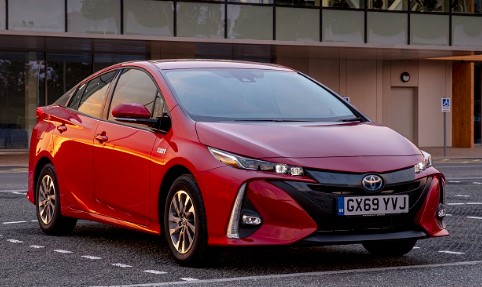
When it comes to squeezing every drop of efficiency out of your Toyota Prius, tyre pressure isn’t just a minor detail—it’s the silent hero. Think of it like the air in a balloon: too little and it drags, too much and it risks bursting. Somewhere in between lies the sweet spot where your Prius glides effortlessly, saving fuel and keeping you safe.
Let’s dive deep—really deep—into everything you need to know about Toyota Prius tyre pressure, from ideal PSI levels to real-world tips that most drivers overlook.
Content in this publication
- Why Tyre Pressure Matters More Than You Think
- Recommended Toyota Prius Tyre Pressure
- Understanding PSI: What Does It Really Mean?
- Front vs Rear Tyre Pressure: Why They Differ
- How Tyre Pressure Affects Fuel Economy
- Seasonal Changes and Tyre Pressure
- How to Check Toyota Prius Tyre Pressure
- When to Check Tyre Pressure
- Toyota Prius TPMS: What It Does
- How to Reset TPMS on a Prius
- Overinflation vs Underinflation
- Tyre Wear Patterns and What They Tell Us
- Best Tyres for Toyota Prius Efficiency
- How Often Should You Check Tyre Pressure?
- Common Mistakes Prius Owners Make
- Does Higher Pressure Improve Fuel Economy?
- Tyre Pressure and Driving Comfort
- Long Trips: Tyre Pressure Checklist
- Tyre Pressure for Heavy Loads
- Eco Driving Tips with Correct Tyre Pressure
- Closing Thoughts: Small Detail, Big Impact
- FAQs About Toyota Prius Tyre Pressure
Why Tyre Pressure Matters More Than You Think
We often underestimate tyre pressure, but it directly affects:
- Fuel efficiency
- Tyre lifespan
- Driving comfort
- Road safety
Underinflated tyres act like you’re dragging a heavy backpack uphill—your engine works harder. Overinflated tyres? That’s like walking on tiptoes all day—unstable and risky.
Recommended Toyota Prius Tyre Pressure
Standard PSI for Most Prius Models
For most Toyota Prius generations, the recommended tyre pressure is:
- Front tyres: 35 PSI
- Rear tyres: 33 PSI
However, this can vary slightly depending on the model year and trim.
Where to Find the Exact Pressure
Always double-check:
- Driver-side door jamb sticker
- Owner’s manual
- Inside fuel cap (in some models)
Understanding PSI: What Does It Really Mean?
PSI Explained Simply
PSI stands for Pounds per Square Inch—a measure of how much air pressure is inside your tyre.
Why Small Changes Matter
Even a difference of 2–3 PSI can impact:
- Fuel consumption
- Tyre wear patterns
- Braking distance
Front vs Rear Tyre Pressure: Why They Differ
You might notice the front tyres have slightly higher PSI. Why?
- The Prius engine sits at the front
- More weight = more pressure needed
- Ensures even tyre wear
How Tyre Pressure Affects Fuel Economy
The Hybrid Advantage
The Prius is designed for efficiency, but incorrect tyre pressure can ruin that advantage.
What Happens When Pressure Is Low
- Increased rolling resistance
- Reduced MPG
- More battery strain
Real-World Impact
Driving with underinflated tyres can reduce fuel efficiency by up to 3–5%.
You may be interested in reading Toyota Prius Wiper Blades: The Ultimate Guide to Clear Vision and Smart Maintenance
Seasonal Changes and Tyre Pressure
Cold Weather Effects
- Air contracts in cold temperatures
- Pressure drops roughly 1 PSI per 10°C decrease
Hot Weather Effects
- Air expands
- Risk of overinflation
What We Should Do
- Check pressure monthly
- Adjust during seasonal transitions
How to Check Toyota Prius Tyre Pressure
Tools You’ll Need
- Digital tyre pressure gauge (recommended)
- Air compressor
Step-by-Step Guide
- Remove valve cap
- Press gauge firmly onto valve
- Read the PSI
- Adjust if needed
When to Check Tyre Pressure
Best Time: Cold Tyres
Always check when tyres are:
- Cold (before driving)
- Or after sitting for 3+ hours
Why? Heat increases pressure and gives false readings.
Toyota Prius TPMS: What It Does
Understanding TPMS
The Tyre Pressure Monitoring System (TPMS) alerts you when pressure drops too low.
What the Warning Light Means
- One or more tyres are underinflated
- Or the system needs recalibration
How to Reset TPMS on a Prius
Simple Reset Process
- Turn ignition ON
- Locate TPMS reset button (usually under dashboard)
- Hold until light blinks
- Drive for a few minutes
Overinflation vs Underinflation
Underinflated Tyres
- Poor fuel economy
- Uneven wear (edges)
- Higher risk of blowouts
Overinflated Tyres
- Reduced grip
- Harsh ride
- Uneven wear (center)
Tyre Wear Patterns and What They Tell Us
Common Wear Signs
- Edges worn: Low pressure
- Center worn: High pressure
- One side worn: Alignment issue
Reading your tyres is like reading a story—they tell you what’s going wrong.
Best Tyres for Toyota Prius Efficiency
Low Rolling Resistance Tyres
These are specifically designed for hybrids like the Prius.
Benefits:
- Better fuel economy
- Longer lifespan
- Quieter ride
How Often Should You Check Tyre Pressure?
We recommend:
- Once a month
- Before long trips
- During temperature changes
Common Mistakes Prius Owners Make
Let’s be honest—we’ve all done at least one of these:
- Ignoring TPMS warning
- Checking pressure when tyres are hot
- Overinflating “for better MPG”
- Forgetting the spare tyre
Does Higher Pressure Improve Fuel Economy?
The Temptation
Some drivers inflate tyres above recommended levels to improve MPG.
The Reality
- Slight MPG gain (maybe 1–2%)
- Increased risk of accidents
- Uneven tyre wear
Not worth the trade-off.
Tyre Pressure and Driving Comfort
Proper pressure ensures:
- Smooth ride
- Better shock absorption
- Reduced cabin noise
Too much pressure? You’ll feel every bump. Too little? It feels sluggish.
You may be interested in readingToyota Prius Wiper Blades: The Ultimate Guide to Clear Vision and Smart MaintenanceYou may be interested in reading
Toyota Prius Hybrid Battery Price: The Real Cost Breakdown You Need to KnowLong Trips: Tyre Pressure Checklist
Before hitting the road:
- Check all four tyres
- Don’t forget the spare
- Adjust for load (passengers/luggage)
Tyre Pressure for Heavy Loads
When Carrying Extra Weight
Increase pressure slightly (consult manual).
Why?
- Prevents tyre deformation
- Maintains stability
Eco Driving Tips with Correct Tyre Pressure
Combine proper pressure with:
- Smooth acceleration
- Consistent speeds
- Minimal braking
Your Prius will reward you with incredible efficiency.
Closing Thoughts: Small Detail, Big Impact
Tyre pressure might seem like a tiny detail, but in a car like the Prius, it’s everything. It’s the difference between gliding silently down the road or fighting unnecessary resistance.
We like to think of it this way: your tyres are the only thing connecting your car to the road. Treat them right, and your Prius will perform like a dream.
FAQs About Toyota Prius Tyre Pressure
1. What is the ideal tyre pressure for a Toyota Prius?
Typically 35 PSI front and 33 PSI rear, but always check your specific model.
2. Can I drive with the TPMS light on?
You can, but it’s not recommended—your tyres are likely underinflated.
3. Does tyre pressure affect hybrid battery performance?
Yes, indirectly—low pressure increases load on the system.
4. Should I inflate tyres above recommended PSI for better MPG?
Not advisable—it compromises safety and tyre longevity.
5. How often should I check tyre pressure?
At least once a month and before long trips.
You may be interested in readingToyota Prius Wiper Blades: The Ultimate Guide to Clear Vision and Smart MaintenanceYou may be interested in reading
Toyota Prius Hybrid Battery Price: The Real Cost Breakdown You Need to KnowYou may be interested in reading
Toyota Prius Reliability: The Truth Behind the Hybrid LegendIf you want to know other articles similar to Toyota Prius Tyre Pressure: The Complete Guide for Performance, Safety, and Efficiency you can visit the category Service and Parts.
Audi A4 Fuel Tank Capacity: Complete Guide by Generation
Audi A4 Towing Capacity: Complete Guide for Safe Towing
Audi A4 Service Reset: Complete Guide for Every Generation
Audi A4 Weight: Complete Guide by Model, Generation, and Drivetrain
Audi A4 Tyre Size: Complete Fitment and Buying Guide

Hyundai Palisade Tyre Size: Complete Wheel and Tyre Guide
Leave a Reply
More content of your interest