

Toyota Prius 1.8 Hybrid Fuel Consumption: The Real-World Efficiency Guide

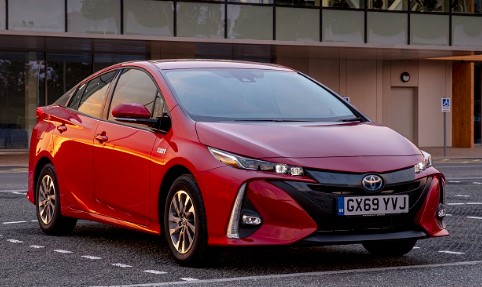
When we talk about fuel efficiency legends, one name quietly glides into the conversation like a whisper on electric power — the Toyota Prius. But here’s the real question we all end up asking:
How fuel-efficient is the Toyota Prius 1.8 hybrid in real life—not just on paper?
Let’s break it down together, not like engineers buried in spreadsheets, but like drivers who care about every drop of fuel—and every dollar saved.
Content in this publication
- Why the Prius Still Leads the Fuel Economy Game
- Official Fuel Consumption Figures (WLTP vs Reality)
- How the 1.8 Hybrid Engine Works
- City Driving: Where the Prius Truly Shines
- Highway Driving: The Slight Drop in Efficiency
- Factors That Affect Fuel Consumption
- Generational Differences in Fuel Economy
- Hybrid Battery Impact on Fuel Consumption
- Driving Tips to Maximize Fuel Economy
- Comparing Prius 1.8 Hybrid vs Competitors
- Cost Savings Over Time
- Common Myths About Prius Fuel Consumption
- Is the Prius 1.8 Hybrid Still Worth It in 2026?
- Real Owner Experiences
- Environmental Impact of Prius Fuel Efficiency
- Final Thoughts: Efficiency That Feels Effortless
- Conclusion
- FAQs
Why the Prius Still Leads the Fuel Economy Game
The Prius isn’t just a car—it’s a philosophy on wheels. A balance between gasoline and electricity, constantly negotiating who does the work.
The Hybrid Advantage Explained
At the heart of the Prius lies a 1.8L petrol engine paired with an electric motor. This setup:
- Uses electric power at low speeds
- Switches to petrol when needed
- Regenerates energy during braking
It’s like having a co-pilot that always chooses the most efficient route—without asking.
Official Fuel Consumption Figures (WLTP vs Reality)
Let’s start with what manufacturers claim—and then peel back the curtain.
Manufacturer Claims (WLTP)
- Combined fuel consumption: 3.4 – 4.0 L/100 km
- MPG (UK): 70 – 83 mpg
- MPG (US): 55 – 67 mpg
Sounds incredible, right?
But here’s the twist…
Real-World Fuel Consumption
In everyday driving, most owners report:
- City driving: 3.5 – 4.5 L/100 km
- Highway driving: 4.5 – 5.5 L/100 km
- Mixed use: 4.0 – 4.8 L/100 km
Still impressive—but slightly more grounded in reality.
How the 1.8 Hybrid Engine Works
A Seamless Dance Between Two Power Sources
The 1.8L engine doesn’t act alone. Instead, it collaborates with:
- Electric motor (instant torque)
- Battery pack (energy storage)
- Power control unit (brain of the system)
When Does It Use Fuel?
- Accelerating hard → petrol kicks in
- Cruising steadily → hybrid blend
- Traffic or slow speeds → mostly electric
Think of it as a smart system constantly asking:
“Do we really need fuel right now?”
City Driving: Where the Prius Truly Shines
Stop-and-Go Efficiency
Urban driving is where the Prius becomes almost magical:
- Frequent braking → energy recovery
- Low speeds → electric mode dominance
- Minimal idling → engine shuts off
Typical City Consumption
Expect around:
- 3.5 – 4.2 L/100 km
That’s where the Prius outperforms almost every conventional car.
Highway Driving: The Slight Drop in Efficiency
Why Efficiency Decreases
At higher speeds:
- Electric motor plays a smaller role
- Petrol engine works harder
- Aerodynamics become crucial
Realistic Highway Figures
- 4.5 – 5.5 L/100 km
Still efficient—but no longer unbeatable.
Factors That Affect Fuel Consumption
Let’s be honest—fuel economy isn’t just about the car.
Driving Style
Aggressive driving = higher consumption
Smooth acceleration = hybrid heaven
Terrain
- Flat roads → best efficiency
- Hills → engine works harder
Weather Conditions
- Cold weather reduces battery efficiency
- AC usage increases fuel consumption
Vehicle Load
More weight = more fuel needed
Generational Differences in Fuel Economy
Not all Prius models are created equal.
Third Generation (2009–2015)
- Around 4.0 – 4.5 L/100 km
- Reliable but slightly less efficient
Fourth Generation (2016–2022)
- Around 3.4 – 4.0 L/100 km
- Improved aerodynamics and hybrid system
Latest Models (2023+)
- More powerful, slightly less focused on pure economy
- Around 4.0 – 4.7 L/100 km
Hybrid Battery Impact on Fuel Consumption
Does Battery Health Matter? Absolutely
A worn battery means:
- Less electric driving
- More reliance on petrol
- Higher fuel consumption
Signs of Reduced Efficiency
- Engine running more often
- Lower MPG than usual
- Reduced EV-only driving time
Driving Tips to Maximize Fuel Economy
Want to squeeze every kilometer out of a liter? Let’s do this.
Eco Driving Techniques
- Accelerate gently
- Anticipate traffic
- Use regenerative braking
Use Eco Mode
Most Prius models include an Eco Mode that:
- Softens throttle response
- Optimizes energy usage
Maintain Proper Tire Pressure
Underinflated tires = hidden fuel drain
Comparing Prius 1.8 Hybrid vs Competitors
How It Stacks Up
Compared to rivals like:
- Toyota Corolla Hybrid
- Honda Insight
- Hyundai Ioniq Hybrid
The Prius often wins in:
- Urban efficiency
- Long-term reliability
- Consistency of fuel economy
Cost Savings Over Time
Let’s talk money—because that’s where it really hits.
Fuel Cost Comparison
Compared to a conventional petrol car:
- Save up to 30–50% on fuel annually
- Lower emissions = potential tax benefits
Long-Term Ownership Benefits
- Fewer brake replacements (regen braking)
- Proven hybrid reliability
Common Myths About Prius Fuel Consumption
“Hybrids Are Only Efficient in the City”
Partially true—but the Prius remains efficient everywhere.
“Battery Replacement Is Too Expensive”
Modern batteries last 10–15 years or more.
“It’s Slow and Boring”
Efficiency doesn’t mean dull—it means smart.
Is the Prius 1.8 Hybrid Still Worth It in 2026?
Let’s be real—EVs are rising fast.
But the Prius still offers:
- No charging anxiety
- Excellent fuel economy
- Proven technology
It’s the bridge between petrol and electric—a foot in both worlds.
Real Owner Experiences
Drivers often say:
- “I barely visit gas stations anymore.”
- “City driving feels almost free.”
- “It rewards smooth driving like no other car.”
That’s not marketing—that’s lived experience.
Environmental Impact of Prius Fuel Efficiency
Lower fuel consumption = lower emissions.
The Prius helps reduce:
- CO₂ output
- Fuel dependency
- Urban pollution
It’s not just about saving money—it’s about driving responsibly.
Final Thoughts: Efficiency That Feels Effortless
The Toyota Prius 1.8 hybrid fuel consumption story isn’t just about numbers—it’s about behavior.
It rewards patience.
It rewards smoothness.
It rewards awareness.
Drive it right, and it feels like cheating the fuel system.
Conclusion
So, what have we learned?
- Real-world consumption sits around 4.0 – 4.8 L/100 km
- City driving is where it truly excels
- Driving habits make a massive difference
The Prius doesn’t just save fuel—it teaches you how to drive smarter.
And once you get used to that?
There’s no going back.
FAQs
1. What is the real MPG of the Toyota Prius 1.8 hybrid?
Most drivers report between 55–70 MPG (US) depending on conditions.
2. Is the Prius more efficient in city or highway driving?
It’s significantly more efficient in city driving due to electric mode usage.
3. Does driving style affect Prius fuel consumption?
Yes—smooth driving can improve efficiency by up to 20%.
4. How long does the hybrid battery last?
Typically 10–15 years, often longer with proper care.
5. Is the Prius cheaper to run than a petrol car?
Yes—it can reduce fuel costs by 30–50% annually.
If you want to know other articles similar to Toyota Prius 1.8 Hybrid Fuel Consumption: The Real-World Efficiency Guide you can visit the category Driving.
Can Nissan Rogue Pull a Boat? Complete Towing Guide
Can Nissan Rogue Be Flat Towed? Complete Towing Guide
Are Nissan Rogue Good on Gas? MPG, Fuel Economy, and Real-World Costs
Can Nissan Rogue Drive in Snow? Complete Winter Driving Guide

Kia Sorento Diesel Fuel Consumption: MPG, Efficiency and Real-World Range
Haval Jolion Hybrid Fuel Consumption: How Efficient Is It Really?
Leave a Reply
More content of your interest