

Hyundai i30 Miles Per Gallon: Real MPG, Efficiency & Cost Insights

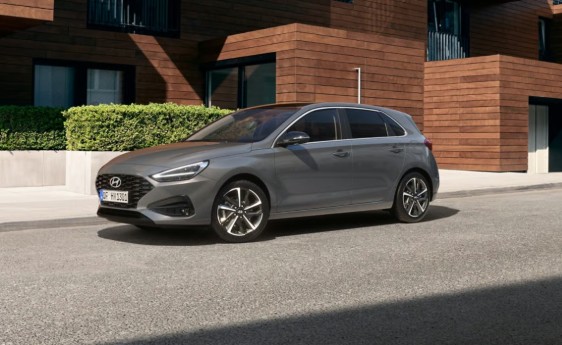
When we talk about everyday cars that balance comfort, affordability, and efficiency, the Hyundai i30 almost always enters the conversation. But here’s the real question we all care about: how many miles per gallon does it actually deliver in real-world driving?
Let’s unpack everything—from official MPG ratings to real-life fuel consumption, engine comparisons, and smart tips to squeeze every last mile out of your tank.
Content in this publication
- Why MPG Matters More Than Ever
- Understanding MPG in Simple Terms
- Hyundai i30 MPG Overview Across Generations
- Engine Types and Their MPG Differences
- Real-World MPG vs Official Figures
- Factors That Affect Hyundai i30 Fuel Economy
- Manual vs Automatic MPG Differences
- Hyundai i30 MPG Compared to Rivals
- Fuel Costs: What You’ll Spend Annually
- Best Hyundai i30 for Fuel Efficiency
- Tips to Improve Your Hyundai i30 MPG
- Long-Term MPG Optimization Strategies
- Urban vs Highway MPG: The Real Difference
- Does Engine Size Impact MPG?
- Is the Hyundai i30 Fuel Efficient Overall?
- Common MPG Myths Debunked
- Should You Choose the Hyundai i30 for Fuel Economy?
- Closing Thoughts: MPG Meets Practicality
- FAQs
Why MPG Matters More Than Ever
Fuel economy isn’t just a number—it’s a lifestyle decision.
Think about it: every extra mile per gallon means:
- Less money spent at the pump
- Fewer emissions
- More efficient daily driving
In a world where fuel prices can feel like a rollercoaster, MPG becomes your financial seatbelt.
Understanding MPG in Simple Terms
What Does MPG Actually Mean?
Miles per gallon (MPG) measures how far your car can travel using one gallon of fuel.
- Higher MPG = better efficiency
- Lower MPG = more fuel consumption
City vs Highway MPG
- City MPG: Stop-start traffic (lower efficiency)
- Highway MPG: Smooth cruising (better efficiency)
- Combined MPG: The average of both
Hyundai i30 MPG Overview Across Generations
The Hyundai i30 has evolved significantly over the years, and so has its fuel efficiency.
First Generation (2007–2012)
- Petrol engines: ~30–38 MPG
- Diesel engines: ~45–55 MPG
Second Generation (2012–2017)
- Petrol: ~35–45 MPG
- Diesel: ~55–65 MPG
Third Generation (2017–Present)
- Petrol: ~40–50 MPG
- Diesel: ~60–70 MPG
Efficiency has steadily improved thanks to better aerodynamics, lighter materials, and smarter engines.
Engine Types and Their MPG Differences
Petrol Engines: Smooth but Thirstier
Petrol-powered i30 models are:
- Quieter
- Better for short trips
- Slightly less fuel-efficient
Typical MPG:
- 1.0L turbo: ~45–50 MPG
- 1.4L/1.5L: ~40–45 MPG
Diesel Engines: Long-Distance Champions
Diesel variants are the MPG kings.
Typical MPG:
- 1.6 CRDi: ~60–70 MPG
Perfect for:
- Highway driving
- Long commutes
- Fuel savings over time
Hybrid & Mild Hybrid Options
Newer i30 models feature mild hybrid systems.
Benefits:
- Improved MPG (up to 10% better)
- Reduced emissions
- Smoother start-stop functionality
Real-World MPG vs Official Figures
Let’s be honest—official MPG figures are optimistic.
What You’ll Actually Get
Real-world MPG depends on:
- Driving style
- Traffic conditions
- Vehicle maintenance
Typical real-world figures:
- Petrol: 35–45 MPG
- Diesel: 50–65 MPG
Factors That Affect Hyundai i30 Fuel Economy
Driving Habits Matter More Than You Think
Aggressive driving is like pouring fuel out the window.
Bad habits:
- Rapid acceleration
- Hard braking
- High-speed cruising
Good habits:
- Smooth acceleration
- Maintaining steady speed
- Anticipating traffic
Vehicle Load and Weight
The heavier your car, the harder it works.
Extra weight reduces MPG:
- Roof racks
- Heavy cargo
- Unnecessary items
Tyre Pressure and Condition
Underinflated tyres increase rolling resistance.
Tip:
- Check tyre pressure monthly
- Stick to manufacturer recommendations
Maintenance and Engine Health
A poorly maintained car drinks more fuel.
Keep an eye on:
- Air filters
- Engine oil
- Spark plugs
Manual vs Automatic MPG Differences
Manual Transmission
- Better control
- Slightly higher MPG
Automatic Transmission
- More convenient
- Slightly lower MPG (older models)
Modern automatics are closing the gap fast.
Hyundai i30 MPG Compared to Rivals
How does it stack up?
Against Competitors
- Volkswagen Golf: Similar MPG, slightly pricier
- Ford Focus: Comparable efficiency, sportier drive
- Toyota Corolla: Better hybrid MPG
The i30 holds its ground as a balanced performer.
Fuel Costs: What You’ll Spend Annually
Let’s translate MPG into real money.
Example Calculation
If you drive 12,000 miles/year:
- Petrol (40 MPG): ~300 gallons/year
- Diesel (60 MPG): ~200 gallons/year
That’s a significant difference in cost.
Best Hyundai i30 for Fuel Efficiency
If MPG is your priority, go for:
Top Picks
- 1.6 CRDi diesel
- 1.0L turbo petrol (for city use)
- Mild hybrid variants
These strike the best balance between performance and efficiency.
Tips to Improve Your Hyundai i30 MPG
Want better fuel economy instantly?
Quick Wins
- Drive smoothly—no sudden acceleration
- Use cruise control on highways
- Avoid idling
- Remove unnecessary weight
- Keep tyres properly inflated
Long-Term MPG Optimization Strategies
Smart Driving Techniques
- Shift gears early (manual)
- Maintain consistent speeds
- Use engine braking
Regular Maintenance Checklist
- Oil changes every 5,000–10,000 miles
- Replace air filters regularly
- Check fuel injectors
Urban vs Highway MPG: The Real Difference
City Driving
- Frequent stops
- Lower MPG (~30–40 MPG)
Highway Driving
- Steady speeds
- Higher MPG (~50–70 MPG)
Think of city driving as sprinting and highway driving as marathon running.
Does Engine Size Impact MPG?
Absolutely.
Smaller Engines
- Better MPG
- Less power
Larger Engines
- More performance
- Lower efficiency
It’s always a trade-off between power and economy.
Is the Hyundai i30 Fuel Efficient Overall?
Short answer: Yes—especially diesel versions.
The Hyundai Motor Company has refined the i30 into a well-rounded, efficient hatchback that performs reliably across different driving scenarios.
Common MPG Myths Debunked
Not necessarily—use what the manufacturer recommends.
Myth 2: Idling Saves Fuel
Wrong. Idling wastes fuel.
Myth 3: Bigger Cars Are Always Less Efficient
Modern engineering has blurred that line.
Should You Choose the Hyundai i30 for Fuel Economy?
If you want:
- Reliable MPG
- Affordable running costs
- Comfortable daily driving
Then yes—the i30 is a solid choice.
Closing Thoughts: MPG Meets Practicality
The Hyundai i30 isn’t just about numbers—it’s about balance.
It’s the kind of car that quietly saves you money while delivering a smooth, dependable ride. Like a good friend, it doesn’t demand attention—but it always shows up when you need it.
And in today’s world, that kind of efficiency is priceless.
FAQs
1. What is the average MPG of a Hyundai i30?
Most models average between 40–60 MPG depending on engine type.
2. Is diesel i30 more efficient than petrol?
Yes, diesel versions can achieve up to 70 MPG.
3. Does driving style affect MPG significantly?
Absolutely—smooth driving can improve MPG by 10–20%.
4. Which i30 engine is best for fuel economy?
The 1.6 CRDi diesel offers the best MPG overall.
5. Is the Hyundai i30 good for long-distance driving?
Yes, especially diesel models with excellent highway efficiency.
If you want to know other articles similar to Hyundai i30 Miles Per Gallon: Real MPG, Efficiency & Cost Insights you can visit the category Driving.
Can Nissan Rogue Pull a Boat? Complete Towing Guide
Can Nissan Rogue Be Flat Towed? Complete Towing Guide
Are Nissan Rogue Good on Gas? MPG, Fuel Economy, and Real-World Costs
Can Nissan Rogue Drive in Snow? Complete Winter Driving Guide

Kia Sorento Diesel Fuel Consumption: MPG, Efficiency and Real-World Range
Haval Jolion Hybrid Fuel Consumption: How Efficient Is It Really?
Leave a Reply
More content of your interest