

Hyundai i30 Years to Avoid: The Honest Buyer’s Guide

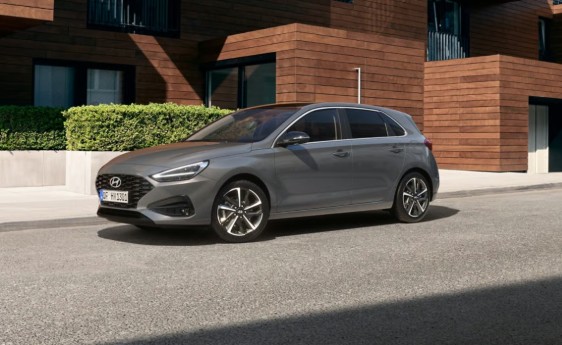
When we’re hunting for a reliable hatchback, the Hyundai i30 often pops up like that dependable friend who’s always “good enough.” But here’s the thing—not every year of the i30 tells the same story. Some versions glide effortlessly for years… others? Well, they carry a few skeletons under the bonnet.
So today, we’re pulling back the curtain. Which Hyundai i30 years should we avoid—and why? Let’s dig in like seasoned car detectives.
Content in this publication
- Understanding the Hyundai i30 Generations
- Why Some Hyundai i30 Years Are Better Than Others
- Hyundai i30 Years to Avoid (The Key Offenders)
- Years That Improved—but Still Need Inspection
- Best Hyundai i30 Years (For Balance)
- Engine-Specific Problems to Watch
- Transmission Issues Across Years
- Electrical Gremlins: The Silent Troublemakers
- Suspension and Steering Concerns
- Interior and Build Quality Problems
- How to Spot a Bad Hyundai i30 Before Buying
- Should You Avoid These Years Completely?
- Maintenance Costs and Ownership Reality
- Is the Hyundai i30 Reliable Overall?
- Final Thoughts: Choose Smart, Not Just Cheap
- FAQs About Hyundai i30 Years to Avoid
- Conclusion
Understanding the Hyundai i30 Generations
Before we call out the problematic years, we need context. The i30 isn’t a single car—it’s a timeline of evolution.
First Generation (FD: 2007–2012)
- Built to challenge European hatchbacks
- Simple mechanics, but early reliability teething issues
Second Generation (GD: 2012–2017)
- Better design, improved comfort
- Introduction of more tech—and more potential faults
Third Generation (PD: 2017–Present)
- Sharper styling, modern features
- Overall stronger reliability, but still not flawless
Why Some Hyundai i30 Years Are Better Than Others
Cars age like milk or wine—it depends on engineering, materials, and sometimes sheer luck. In the i30’s case, problematic years usually share:
- Weak components (especially electronics)
- Early-generation engines with design flaws
- Poor-quality interior or trim materials
- Software glitches in newer models
Think of it like software updates—version 1.0 always has bugs.
Hyundai i30 Years to Avoid (The Key Offenders)
Let’s get straight to it. These are the years we approach with caution.
2008 Hyundai i30 – Early Production Woes
The 2008 model sits right in the early FD generation—and it shows.
Common Issues
- Premature clutch wear
- Electrical glitches (windows, locks)
- Suspension knocking noises
Why It Matters
This was Hyundai still refining the platform. Buying one today means inheriting those early missteps.
2010 Hyundai i30 – Diesel Troubles Appear
While slightly improved, the 2010 version introduced some engine-specific headaches.
Key Problems
- Turbocharger failures (diesel variants)
- Injector issues
- DPF (Diesel Particulate Filter) clogging
Reality Check
If you’re eyeing a diesel i30 from this year, proceed carefully—or budget for repairs.
2013 Hyundai i30 – Tech Growing Pains
The second generation brought modern features—but also new risks.
Typical Complaints
- Faulty infotainment systems
- Steering column clicking noise
- Premature brake wear
The Catch
More tech = more things to go wrong. It’s that simple.
2015 Hyundai i30 – Mid-Cycle Frustrations
You’d expect a mid-cycle model to be polished… but not entirely here.
You may be interested in reading Is the Hyundai i30 a Good Car? A Deep, Honest, Driver-Centric Review
Issues We See
- Gearbox hesitation (automatic models)
- Electrical faults (sensors, warning lights)
- Paint quality concerns
Verdict
Not terrible—but not the safest bet either.
Years That Improved—but Still Need Inspection
Not all “okay” years are perfect. Some sit in that grey zone.
2012 Model
- Better than earlier FD models
- Still occasional clutch and suspension issues
2016 Model
- Improved electronics
- Some lingering transmission complaints
Best Hyundai i30 Years (For Balance)
We’re not here to bash the i30—it does have strong years.
Top Picks
- 2017 (start of PD generation)
- 2019–2022 models
- Newer facelift versions
These feel more refined, reliable, and less prone to major faults.
Engine-Specific Problems to Watch
Sometimes it’s not the year—it’s what’s under the hood.
Diesel Engines
- Turbo failures
- DPF clogging
Petrol Engines
- Timing chain noise (early models)
- Oil consumption in some units
Transmission Issues Across Years
Manual Gearboxes
- Clutch wear (especially early models)
Automatic Gearboxes
- Hesitation
- Rough shifting in 2013–2016 models
Electrical Gremlins: The Silent Troublemakers
If cars had personalities, electrical issues would be the sneaky ones.
Common Faults
- Faulty central locking
- Infotainment freezing
- Sensor malfunctions
These issues aren’t always expensive—but they’re frustrating.
Suspension and Steering Concerns
You might hear it before you feel it.
Typical Symptoms
- Knocking noise over bumps
- Steering column clicking
- Uneven tire wear
Interior and Build Quality Problems
Even inside the cabin, not all years shine.
Common Complaints
- Peeling buttons
- Cheap plastics in early models
- Seat wear
How to Spot a Bad Hyundai i30 Before Buying
Think of this as your inspection checklist.
Must-Check Points
- Service history (non-negotiable)
- Engine noise (cold start)
- Gearbox smoothness
- Warning lights on dashboard
Quick Tip
If the seller avoids questions—walk away.
Should You Avoid These Years Completely?
Not necessarily.
When It’s Still Worth It
- Full service history
- Low mileage
- Repairs already done
A “bad year” car can still be a good buy—if it’s been cared for.
You may be interested in readingIs the Hyundai i30 a Good Car? A Deep, Honest, Driver-Centric ReviewYou may be interested in reading
Hyundai i30 vs VW Golf: The Ultimate Hatchback ShowdownMaintenance Costs and Ownership Reality
The i30 is generally affordable to maintain—but problem years can add up.
Typical Costs
- Clutch replacement: moderate
- Turbo replacement: expensive
- Electrical repairs: variable
Is the Hyundai i30 Reliable Overall?
Here’s the truth—yes, mostly.
Compared to rivals, the i30 holds up well. It’s just those specific years that need extra caution.
Final Thoughts: Choose Smart, Not Just Cheap
Buying a car isn’t just about price—it’s about peace of mind.
The Hyundai i30 can be a brilliant daily driver… or a frustrating money pit. The difference lies in which year you choose.
If we take one lesson away, it’s this:
Research beats regret every time.
FAQs About Hyundai i30 Years to Avoid
1. Which Hyundai i30 year is the worst?
The 2008 and 2013 models are often considered the most problematic due to mechanical and electrical issues.
2. Are Hyundai i30 diesel engines reliable?
They can be—but older models (2010–2013) may suffer from turbo and DPF issues.
3. Is the 2015 Hyundai i30 a good buy?
It’s average. Not the worst, but you should inspect it carefully before purchasing.
4. What is the most reliable Hyundai i30 year?
Models from 2017 onward are generally the most reliable.
5. Should I avoid high-mileage i30 models?
Not necessarily—condition and maintenance matter more than mileage alone.
Conclusion
At the end of the road, the Hyundai i30 is like a seasoned traveler—some journeys were smoother than others. If we choose wisely, we can enjoy the ride without unexpected detours.
So next time you spot a tempting deal, ask yourself:
Is it a bargain—or a hidden headache?
Is the Hyundai i30 a Good Car? A Deep, Honest, Driver-Centric ReviewYou may be interested in reading
Hyundai i30 vs VW Golf: The Ultimate Hatchback ShowdownYou may be interested in reading
 Renault Kadjar Insurance Group: Costs, Ratings, and Smart Ways to Save
Because in the world of used cars, the wrong year can cost more than the right price ever saves.
If you want to know other articles similar to Hyundai i30 Years to Avoid: The Honest Buyer’s Guide you can visit the category Blog.
Land Rover Defender 90 Reliability: How Dependable Is It Really?
How Long Will a Subaru XV Last? Mileage, Lifespan, and Reliability Explained
Is Subaru XV a Good Car? An Honest Look at Reliability, Comfort, AWD and Ownership
Is Mazda CX-9 a Luxury Car? A Surprisingly Complicated Answer
How to Charge Leapmotor C10: Complete Charging Guide
Is Leapmotor C10 a Good Car? Full Review and Buyer’s Guide
Leave a Reply
More content of your interest