
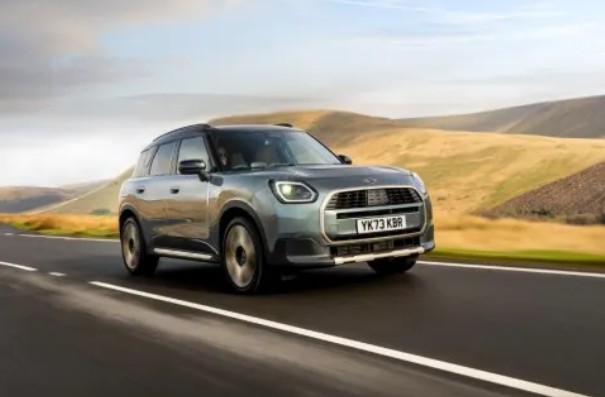
MINI Countryman Years to Avoid: The Honest Buyer’s Guide We Wish We Had



Content in this publication
- Why This Guide Matters More Than You Think
- Understanding MINI Countryman Generations
- The MINI Countryman Years to Avoid (Straight Talk)
- Second Generation: Safer Territory (Mostly)
- Common MINI Countryman Problems (Across Multiple Years)
- Key Signs You’re Looking at a Bad Model Year
- Best MINI Countryman Years to Buy Instead
- Cost of Owning a Problematic Model
- Maintenance Tips to Avoid Problems
- Is the MINI Countryman Worth It?
- Who Should Avoid the MINI Countryman Entirely?
- Who Will Love It?
- Final Thoughts: Choose Smart, Drive Happy
- FAQs About MINI Countryman Years to Avoid
Why This Guide Matters More Than You Think
Let’s be honest—buying a used MINI Countryman can feel like dating someone with a mysterious past. Everything looks charming on the surface, but what’s hiding under the hood?
We’ve all been there—scrolling listings, comparing prices, wondering: “Is this one a steal… or a ticking time bomb?”
That’s exactly why we’re here. Together, we’re going to unpack the MINI Countryman years to avoid, highlight the safest bets, and give you the confidence to make a smart purchase—not an expensive mistake.
Understanding MINI Countryman Generations
First Generation (R60: 2011–2016)
This is where it all began. MINI stepped into SUV territory, blending quirky design with practicality.
- First AWD system (ALL4)
- Turbocharged engines
- Compact but functional
Second Generation (F60: 2017–Present)
A major upgrade across the board.
- Larger, more refined
- Improved reliability
- Better tech and comfort
But here’s the twist: Not every year within these generations is created equal.
The MINI Countryman Years to Avoid (Straight Talk)
2011 MINI Countryman – The Risky Debut
What Went Wrong?
The first model year often carries “growing pains,” and 2011 is no exception.
- Timing chain failures
- Oil leaks
- Electrical gremlins
- Premature clutch wear
Our Verdict
👉 Avoid unless you’re getting a heavily discounted, well-maintained unit.
2012 MINI Countryman – Slightly Better, Still Shaky
Recurring Issues
- Engine misfires
- Turbo failures
- Water pump problems
While MINI addressed some issues, many carried over from 2011.
Our Take
👉 Proceed with caution. Service history is everything.
2013 MINI Countryman – The “Almost There” Year
Improvements Noted
- Better reliability than previous years
- Fewer electrical complaints
But Still…
- Carbon buildup in engines
- Cooling system issues
👉 Not terrible—but still not our first pick.
2014 MINI Countryman – A Mixed Bag


This facelift year brought visual updates and minor tweaks.
Pros
- Improved interior quality
- Better ride comfort
Cons
- Persistent engine issues
- Expensive maintenance
👉 A “maybe”—but only with a clean inspection report.
You may be interested in reading Mini Countryman Road Tax: The Complete Guide We Wish We Had Before Buying
2015 MINI Countryman – Turning the Corner
What Changed?
- Improved reliability
- Fewer major complaints
Still Watch For
- Brake wear
- Minor electrical faults
👉 This is where things start to get safer.
2016 MINI Countryman – Best of the First Gen
Why We Like It
- Most refined R60 model
- Fewer engine issues
👉 If you’re set on a first-gen Countryman, this is your sweet spot.
Second Generation: Safer Territory (Mostly)
2017 MINI Countryman – New, But Not Perfect


A full redesign is exciting—but risky.
Reported Issues
- Infotainment glitches
- Transmission hesitation
- Minor software bugs
👉 Not terrible—but early adopters always pay the price.
2018–2020 MINI Countryman – The Sweet Spot
Why These Years Shine
- Reliable engines
- Refined transmission
- Better tech integration
👉 These are the years we’d confidently recommend.
2021–Present – Modern and Polished
Highlights
- Updated styling
- Advanced safety features
- Improved efficiency
👉 Great choice if your budget allows.
Common MINI Countryman Problems (Across Multiple Years)
1. Timing Chain Issues
Often described as a “death rattle,” this can lead to catastrophic engine failure if ignored.
2. Carbon Build-Up
Turbocharged engines are efficient—but messy over time.
3. Cooling System Failures
Water pumps and thermostats can fail earlier than expected.
4. Electrical Glitches
From infotainment bugs to sensor failures—MINI’s tech can be… temperamental.
Key Signs You’re Looking at a Bad Model Year
Watch for These Red Flags:
- Engine rattling on startup
- Oil stains under the car
- Warning lights that won’t go away
- Jerky gear shifts
👉 If you notice two or more? Walk away.
Best MINI Countryman Years to Buy Instead
Let’s flip the script.
Top Picks:
- 2016 – Best of the first generation
- 2018–2020 – Reliable and modern
- 2021+ – Premium experience
Cost of Owning a Problematic Model
Let’s not sugarcoat it—buying the wrong year can hurt.
You may be interested in readingMini Countryman Road Tax: The Complete Guide We Wish We Had Before BuyingYou may be interested in reading
 Hyundai i30 Insurance Group: The Complete Cost Guide for Smart Drivers
Typical Repair Costs:
- Timing chain replacement: $1,500–$3,000
- Turbo repair: $1,000–$2,500
- Water pump: $400–$900
👉 That “cheap” deal? It adds up fast.
Maintenance Tips to Avoid Problems
Stay Ahead of Trouble
- Change oil every 5,000–7,000 miles
- Use high-quality fuel
- Inspect cooling system regularly
Smart Habits
- Warm up the engine before hard driving
- Avoid cheap aftermarket parts
Is the MINI Countryman Worth It?
Absolutely—if you choose the right year.
It’s like picking the perfect avocado. Get it right, and it’s smooth, satisfying, and worth every bite. Get it wrong… well, you already know.
Who Should Avoid the MINI Countryman Entirely?
Let’s keep it real.
You might want to reconsider if you:
- Hate maintenance surprises
- Want ultra-low running costs
- Prefer “set it and forget it” reliability
Who Will Love It?
You’ll enjoy it if you:
- Appreciate unique design
- Want fun driving dynamics
- Don’t mind proactive maintenance
Final Thoughts: Choose Smart, Drive Happy
At the end of the day, the MINI Countryman is a character-filled car with a lot to offer—but only if you sidestep the problematic years.
If we had to sum it up in one line:
👉 Avoid 2011–2013, be cautious with 2014–2017, and aim for 2016 or 2018+.
FAQs About MINI Countryman Years to Avoid
1. What is the worst MINI Countryman year?
The 2011 model is widely considered the worst due to engine and reliability issues.
2. Are MINI Countryman cars expensive to maintain?
Yes, maintenance costs are higher than average, especially for older models.
3. Is the 2017 MINI Countryman reliable?
It’s better than earlier models but still has some early redesign issues.
4. Which MINI Countryman year is most reliable?
2018–2020 models are among the most reliable.
You may be interested in readingMini Countryman Road Tax: The Complete Guide We Wish We Had Before BuyingYou may be interested in reading
Hyundai i30 Insurance Group: The Complete Cost Guide for Smart DriversYou may be interested in reading
Hyundai i30 Reliability: The Truth Behind This Popular Hatchback5. Should I buy a used MINI Countryman?
Yes—but only if you choose the right year and check maintenance history carefully.
If you want to know other articles similar to MINI Countryman Years to Avoid: The Honest Buyer’s Guide We Wish We Had you can visit the category Blog.
Is Vauxhall Agila a Good Car? Reliability, Problems and Buying Guide
Honda Passport Life Expectancy: How Many Miles Can It Last?
Honda Passport Depreciation: How Well Does It Hold Its Value?

Nissan Rogue Reliability Rating: How Reliable Is the Rogue?
Nissan Rogue Life Expectancy: How Long Does It Last?
Vauxhall Agila Reliability: Common Problems, Best Engines and What to Check
Leave a Reply
More content of your interest