
Hyundai i30 vs Kia Ceed: The Ultimate Hatchback Showdown

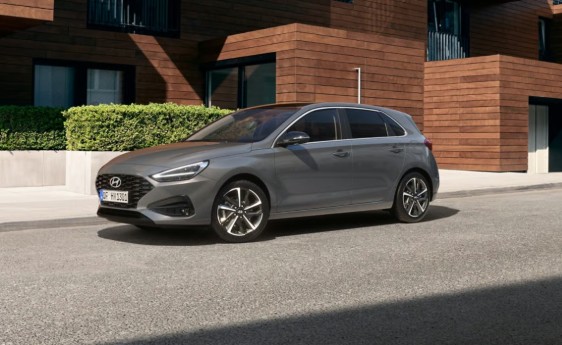
When we talk about compact hatchbacks that quietly dominate European roads, two names consistently rise above the noise: the Hyundai i30 and the Kia Ceed. Both come from Korean giants—Hyundai Motor Company and Kia Corporation—and share more DNA than most rivals. Yet, they feel surprisingly different once you get behind the wheel.
So… which one deserves your driveway? Let’s break it down together.
Content in this publication
- Why This Comparison Matters
- Design & Styling: Conservative vs Sporty
- Interior Quality & Comfort
- Infotainment & Technology
- Engine Options & Performance
- Fuel Efficiency & Running Costs
- Practicality & Space
- Safety Features
- Driving Experience: Calm vs Exciting
- Reliability & Long-Term Ownership
- Trim Levels & Value for Money
- Pros and Cons Breakdown
- Which One Should You Choose?
- Our Final Verdict
- Conclusion: Two Roads, One Destination
- FAQs
Why This Comparison Matters
Two Cars, One Philosophy
At first glance, the i30 and Ceed feel like siblings—because they are. Built on similar platforms, designed for European tastes, and engineered with practicality in mind, they target the same buyers.
But here’s the twist:
They don’t drive the same. They don’t feel the same. And they definitely don’t appeal to the same kind of driver.
Who Should Read This?
- First-time hatchback buyers
- Families looking for practicality
- Drivers choosing between value vs refinement
- Anyone tired of generic comparisons
Design & Styling: Conservative vs Sporty
Hyundai i30: Clean and Understated
The i30 plays it safe—but not boring.
Exterior Highlights
- Sleek grille with subtle chrome accents
- Balanced proportions
- Minimalist approach to lines
It’s like wearing a perfectly tailored suit—timeless, not flashy.
Kia Ceed: Sharper and More Aggressive
The Ceed, on the other hand, flexes a bit more attitude.
Exterior Highlights
- Signature “tiger nose” grille
- Sharper LED headlights
- Sportier stance overall
Think of it as the i30’s younger, more rebellious cousin.
Interior Quality & Comfort
Hyundai i30: Functional Elegance
Step inside, and you’re greeted with a clean, logical layout.
What We Love
- Soft-touch materials in key areas
- User-friendly infotainment system
- Comfortable seating for long drives
It feels like a workspace designed by someone who values calm over chaos.
Kia Ceed: Driver-Focused Cabin
The Ceed leans slightly sportier inside too.
You may be interested in reading Hyundai i30 vs Ford Focus: The Ultimate Hatchback Showdown
Standout Features
- Slightly angled dashboard toward the driver
- More dynamic seat design
- Premium feel in higher trims
It whispers: “Let’s go for a drive,” even when you're just commuting.
Infotainment & Technology
Since both brands collaborate closely, their tech overlaps.
Common Features
- Touchscreen infotainment (8–10.25 inches)
- Apple CarPlay & Android Auto
- Digital driver display (in higher trims)
Key Differences
- i30: Simpler UI, easier to navigate
- Ceed: Slightly more visually engaging
If you prefer ease, go i30. If you enjoy flair, Ceed wins.
Engine Options & Performance
Hyundai i30 Engines
- 1.0L turbo petrol (efficient but modest)
- 1.5L turbo petrol (balanced power)
- Diesel options (market-dependent)
Kia Ceed Engines
- Similar 1.0L and 1.5L turbo units
- Mild hybrid variants available
Driving Feel
Hyundai i30
- Smooth, predictable
- Comfort-oriented suspension
- Ideal for relaxed driving
Kia Ceed
- Slightly firmer ride
- Sharper steering
- More engaging on twisty roads
Fuel Efficiency & Running Costs
Real-World Efficiency
Both cars are impressively economical.
- Petrol engines: ~45–55 MPG
- Diesel variants: ~60+ MPG
Ownership Costs
- Insurance: Similar
- Maintenance: Slightly cheaper for Hyundai in some regions
- Warranty: Kia often offers longer coverage
Practicality & Space
Boot Capacity
- i30: ~395 liters
- Ceed: ~395 liters
Yes, they’re practically identical.
Passenger Comfort
- Good rear legroom in both
- ISOFIX points for families
- Foldable rear seats
Everyday Use
Both are like Swiss Army knives—compact outside, surprisingly spacious inside.
Safety Features
Standard Safety Equipment
- Autonomous emergency braking
- Lane-keeping assist
- Driver attention warning
Advanced Systems
- Adaptive cruise control
- Blind-spot monitoring
- Rear cross-traffic alert
Both score highly in crash tests, making them solid family choices.
Driving Experience: Calm vs Exciting
Hyundai i30
- Smooth ride quality
- Less road noise
- Easy to handle in traffic
It’s like gliding on a quiet river.
Kia Ceed
- More responsive steering
- Better cornering feel
- Slightly sportier personality
It’s like taking that same river… but with a few rapids.
Reliability & Long-Term Ownership
Hyundai i30 Reliability
Hyundai has built a strong reputation for durability.
Pros
- Proven engines
- Low failure rates
- Strong resale value
Kia Ceed Reliability
Kia matches—and sometimes exceeds—Hyundai.
You may be interested in readingHyundai i30 vs Ford Focus: The Ultimate Hatchback ShowdownYou may be interested in reading
Hyundai i30 vs Toyota Corolla: The Ultimate Hatchback ShowdownPros
- Industry-leading warranty (often 7 years)
- Reliable electronics
- Strong brand trust
Trim Levels & Value for Money
Hyundai i30 Trims
- SE / S
- SEL / SE Connect
- N Line (sportier look)
Kia Ceed Trims
- 2
- 3
- GT-Line (sport-inspired)
Value Breakdown
- i30: Slightly better base value
- Ceed: Better equipped in mid-to-high trims
Pros and Cons Breakdown
Hyundai i30 Pros
- Comfortable ride
- Easy-to-use tech
- Slightly cheaper entry price
Hyundai i30 Cons
- Less exciting to drive
- Conservative styling
Kia Ceed Pros
- Sportier driving feel
- Longer warranty
- More dynamic design
Kia Ceed Cons
- Slightly firmer ride
- Can feel less refined on rough roads
Which One Should You Choose?
Choose the Hyundai i30 if:
- You prioritize comfort
- You want a calm, stress-free drive
- You prefer simplicity over flash
Choose the Kia Ceed if:
- You enjoy driving
- You want a sportier look and feel
- You value a longer warranty
Our Final Verdict
Here’s the honest truth:
You can’t go wrong with either.
But if we had to sum it up in one sentence:
- The i30 is your reliable best friend
- The Ceed is your fun weekend companion
It all comes down to personality.
Conclusion: Two Roads, One Destination
In a world flooded with hatchbacks, the Hyundai i30 and Kia Ceed stand out not because they’re radically different—but because they execute the basics so well.
They’re practical without being dull. Efficient without being soulless. And affordable without cutting corners.
So ask yourself:
Do you want comfort… or a bit of excitement?
Your answer will make the choice obvious.
FAQs
1. Is the Kia Ceed better than the Hyundai i30?
Not necessarily—it depends on preference. The Ceed is sportier, while the i30 is more comfortable.
2. Which car is more reliable?
Both are highly reliable, with Kia offering a longer warranty for peace of mind.
3. Are parts interchangeable between i30 and Ceed?
Many components are shared due to platform similarities, but not all parts are identical.
4. Which is cheaper to maintain?
Costs are similar, though Hyundai can be slightly cheaper depending on the region.
You may be interested in readingHyundai i30 vs Ford Focus: The Ultimate Hatchback ShowdownYou may be interested in reading
Hyundai i30 vs Toyota Corolla: The Ultimate Hatchback ShowdownYou may be interested in reading
Hyundai i30 vs Vauxhall Astra: The Ultimate Hatchback Showdown5. Which is better for families?
Both are excellent, offering similar space, safety features, and practicality.
If you want to know other articles similar to Hyundai i30 vs Kia Ceed: The Ultimate Hatchback Showdown you can visit the category Models.
Volkswagen T-Cross vs Volkswagen T-Roc: Which Is Better?
Hyundai Tucson Weight: Complete Guide to Curb, Gross, and Payload Specs
Honda Passport vs Toyota 4Runner: Which SUV Is Better?
Honda Passport vs Ford Bronco: Which SUV Is Better?
Honda Passport vs Ford Explorer: Which SUV Is Better?
Honda Passport or Pilot: Which SUV Is Better?
Leave a Reply
More content of your interest