

Renault Kadjar Service Schedule: The Ultimate Guide to Keeping Your SUV Running Like New

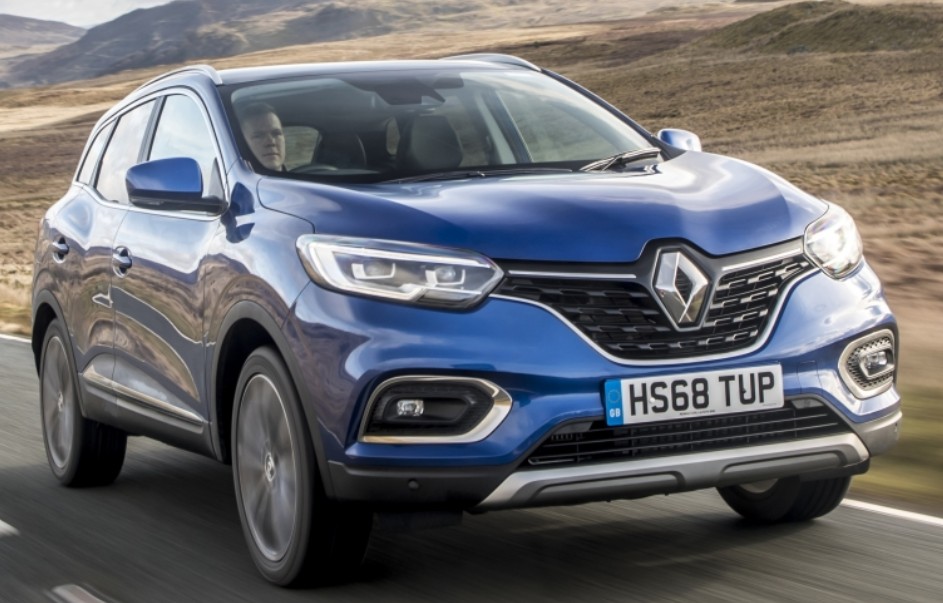
When we talk about keeping a car alive, healthy, and ready to conquer the road, maintenance isn’t optional—it’s the heartbeat. And if you own a Renault Kadjar, you already know it’s a refined blend of practicality and style. But here’s the real question: are you following the right service schedule… or just guessing?
Let’s break it all down together—clearly, casually, and without the fluff.
Content in this publication
- Why the Renault Kadjar Service Schedule Matters More Than You Think
- Understanding the Basics of the Renault Service Philosophy
- What Happens During a Standard Service?
- Full Renault Kadjar Service Schedule Breakdown
- Timing Belt: The Silent Dealbreaker
- Diesel vs Petrol Kadjar: Service Differences
- Oil Changes: The Lifeblood of Your Engine
- Brake System Maintenance: Safety First, Always
- Tire Maintenance and Rotation
- Battery Life and Replacement
- Coolant and Engine Temperature Control
- Transmission Service: Often Ignored, Always Important
- How Driving Habits Affect Your Service Schedule
- Signs Your Renault Kadjar Needs Immediate Service
- Cost of Maintaining a Renault Kadjar
- DIY vs Professional Servicing: What Should You Choose?
- Service History: Your Hidden Asset
- Tips to Extend Your Renault Kadjar’s Lifespan
- Final Thoughts: Stay Ahead, Not Behind
- FAQs About Renault Kadjar Service Schedule
Why the Renault Kadjar Service Schedule Matters More Than You Think
Think of your car like your body. Skip meals, ignore sleep, and eventually—you feel it. The same goes for your Kadjar.
A proper service schedule ensures:
- Optimal engine performance
- Better fuel efficiency
- Longer lifespan
- Higher resale value
- Fewer unexpected breakdowns
And honestly… who wants to deal with a surprise repair bill?
Understanding the Basics of the Renault Service Philosophy
Renault designs its vehicles with structured maintenance intervals. The Kadjar follows a predictable rhythm—almost like a heartbeat.
Service Interval Overview
- Every 12 months OR 12,000 miles (20,000 km)
- Whichever comes first
Miss this rhythm, and things start slipping—slowly, silently.
What Happens During a Standard Service?
Not all services are created equal. Some are light check-ups; others are full-on inspections.
Typical Service Includes:
- Engine oil replacement
- Oil filter change
- Brake inspection
- Tire condition check
- Fluid top-ups
- Diagnostic scan
It’s like a yearly health exam—but for your car.
Full Renault Kadjar Service Schedule Breakdown
Let’s get into the real meat—the timeline.
Year 1 / 12,000 Miles
- Oil and filter change
- General inspection
- Brake system check
Simple. Nothing dramatic yet.
Year 2 / 24,000 Miles
- Repeat Year 1 service
- Replace cabin air filter
- Check battery health
Think of this as the “prevent problems early” stage.
Year 3 / 36,000 Miles
Now things start getting serious:
- Oil + filter
- Air filter replacement
- Brake fluid replacement
- Suspension check
Brake fluid, in particular, is often ignored—but it’s crucial.
Year 4 / 48,000 Miles
- Same as Year 2
- Spark plug inspection (petrol engines)
- Fuel system check
Your Kadjar is maturing—treat it accordingly.
Year 5 / 60,000 Miles
Big milestone.
- Full service
- Coolant replacement
- Spark plug replacement
- Transmission inspection
At this point, your car either thrives… or starts declining.
Timing Belt: The Silent Dealbreaker
Here’s where things get real.
When to Replace the Timing Belt?
- Typically every 60,000–100,000 miles
- Or every 5–6 years
Ignore this, and you’re gambling with your engine.
A snapped timing belt = catastrophic damage.
Diesel vs Petrol Kadjar: Service Differences
Not all Kadjars are equal under the hood.
Diesel Models
- More frequent fuel filter changes
- Diesel particulate filter (DPF) maintenance
- Turbo system checks
Petrol Models
- Spark plugs replaced more often
- Simpler emissions system
Diesel engines are like marathon runners—efficient but maintenance-heavy.
Oil Changes: The Lifeblood of Your Engine
Let’s be blunt: skipping oil changes is one of the fastest ways to kill your engine.
Recommended Oil Change Interval
- Every 12 months or 12,000 miles
Why It Matters
- Reduces engine wear
- Prevents overheating
- Improves performance
Dirty oil is like sludge in your veins—not pretty.
Brake System Maintenance: Safety First, Always
Your brakes are non-negotiable.
Check Every Service:
- Brake pads
- Brake discs
- Brake fluid
Replace When Needed:
- Pads: ~25,000–40,000 miles
- Discs: ~50,000–70,000 miles
If your brakes squeal, don’t ignore it—it’s your car screaming for help.
Tire Maintenance and Rotation
Tires are your only contact with the road. That’s a big deal.
Recommended Practices
- Rotate every 10,000 miles
- Check pressure monthly
- Replace every 30,000–50,000 miles
Underinflated tires? That’s fuel waste and danger combined.
Battery Life and Replacement
Ever been stranded with a dead battery? Not fun.
Typical Lifespan
- 3 to 5 years
Signs of Trouble
- Slow engine start
- Dim lights
- Electrical glitches
Your battery doesn’t warn loudly—it whispers… until it dies.
Coolant and Engine Temperature Control
Overheating is a silent killer.
Coolant Replacement Interval
- Every 4–5 years
Why It Matters
- Prevents engine overheating
- Protects internal components
Skipping coolant changes is like running a marathon without water.
Transmission Service: Often Ignored, Always Important
Manual or automatic, your transmission needs love.
Manual Transmission
- Fluid check every service
- Replace every 60,000 miles
Automatic Transmission
- Fluid change every 40,000–60,000 miles
Smooth gear shifts don’t happen by accident—they’re maintained.
How Driving Habits Affect Your Service Schedule
Let’s be honest—how you drive matters.
Short Trips & City Driving
- Faster oil degradation
- More frequent servicing needed
Highway Driving
- Less engine stress
- Longer intervals possible
Aggressive Driving
- Faster wear on brakes and tires
Your habits shape your maintenance costs. Simple as that.
Signs Your Renault Kadjar Needs Immediate Service
Don’t wait for scheduled maintenance if your car is showing symptoms.
Watch Out For:
- Warning lights on dashboard
- Strange noises
- Reduced fuel efficiency
- Vibrations while driving
- Smoke from exhaust
Ignoring these signs is like ignoring a fire alarm.
Cost of Maintaining a Renault Kadjar
Let’s talk money.
Average Annual Maintenance Cost
- $300 – $800 (depending on region and usage)
Major Service Costs
- Timing belt replacement: $400 – $900
- Full service: $200 – $500
Maintenance isn’t cheap—but repairs are far more expensive.
DIY vs Professional Servicing: What Should You Choose?
We all love saving money—but let’s be realistic.
DIY Maintenance (Good For):
- Oil changes
- Air filter replacement
- Tire pressure checks
Professional Servicing (Recommended For):
- Diagnostics
- Brake system
- Timing belt
- Transmission
Messing up a critical system? That’s a costly mistake waiting to happen.
Planning to sell your Kadjar someday?
A full service history:
- Increases resale value
- Builds buyer trust
- Shows proper care
It’s like a resume for your car.
Tips to Extend Your Renault Kadjar’s Lifespan
Let’s keep things practical.
Simple Habits That Make a Big Difference
- Warm up your engine before driving
- Avoid aggressive acceleration
- Stick to service intervals
- Use quality fuel and oil
- Keep it clean (yes, it matters!)
Your car reflects how you treat it.
Final Thoughts: Stay Ahead, Not Behind
Owning a Renault Kadjar isn’t just about driving—it’s about maintaining a relationship. Think of the service schedule as a roadmap. Follow it, and your car rewards you with reliability, efficiency, and peace of mind.
Ignore it… and well, the road gets bumpy.
So next time your service light pops up, don’t postpone it. That small action today could save you a massive headache tomorrow.
FAQs About Renault Kadjar Service Schedule
1. How often should I service my Renault Kadjar?
Every 12 months or 12,000 miles—whichever comes first.
2. Is servicing expensive for the Kadjar?
Not really. Regular maintenance is affordable compared to major repairs.
3. When should I replace the timing belt?
Typically between 60,000 and 100,000 miles or every 5–6 years.
4. Can I skip a service if the car feels fine?
Bad idea. Many issues develop silently without noticeable symptoms.
5. Does the service schedule differ by engine type?
Yes. Diesel models require additional maintenance like fuel filter and DPF care.
If you want to know other articles similar to Renault Kadjar Service Schedule: The Ultimate Guide to Keeping Your SUV Running Like New you can visit the category Maintenance.
Kia Sorento Service Schedule: Complete Maintenance Guide

Haval Jolion Service Cost: Australia Maintenance Guide

Nissan Rogue Maintenance Schedule: Complete Service Guide

Honda Passport Maintenance Codes: Complete Maintenance Minder Guide
Honda Passport Maintenance Schedule: Complete Service Guide
Nissan Rogue Maintenance Schedule: Complete Service Guide
Leave a Reply
More content of your interest