

Kia EV6 Check Electric Vehicle System — What It Means & What We Should Do

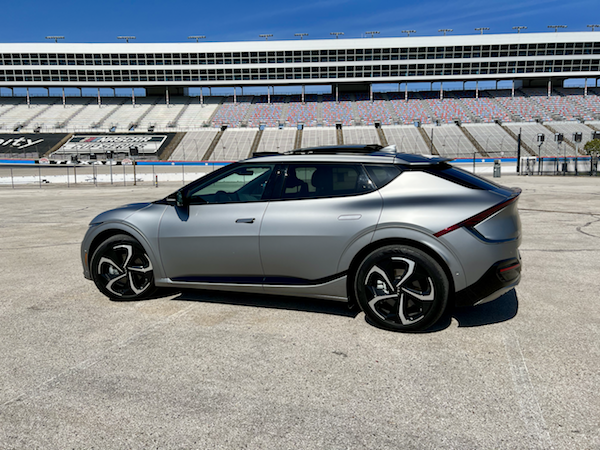
There are few dashboard messages that instantly steal the joy from an electric drive. You’re gliding in silence, torque on tap, feeling like the future arrived early — and suddenly:
“Check Electric Vehicle System.”
Not exactly poetry.
If you own a Kia EV6, this warning can feel mysterious because unlike petrol cars, there’s no overheating radiator smell, no misfiring noise, no shaking engine. Just a calm car… and a very serious message.
Today we’ll decode it together — calmly, logically, and without panic. Because most of the time, the EV6 isn’t broken. It’s communicating.
And electric cars? They talk in software.
Content in this publication
- Understanding What the Message Actually Means
- Why EVs Show Generic Warnings Instead of Specific Ones
- Most Common Causes of the Kia EV6 Check Electric Vehicle System Message
- What We Should Do Immediately When the Warning Appears
- The Hidden Star: Why the 12V Battery Controls Everything
- How Temperature Affects the Warning
- Can We Keep Driving With the Warning?
- Common Error Codes Behind the Message
- How Often Is This Actually Serious?
- How Software Updates Fix the Problem
- Preventing the Warning From Appearing
- Charging Behavior That Triggers the Alert
- When We Should Definitely Visit a Dealer
- What Dealers Actually Do During Diagnosis
- Real-World Owner Experience Patterns
- Why EVs Warn Early Instead of Failing Later
- Our Practical Troubleshooting Checklist
- Closing Thoughts — The Warning Isn’t the Enemy
- Frequently Asked Questions
Understanding What the Message Actually Means
Not a Single Problem — A System Alert
The Kia EV6 doesn’t monitor one component. It monitors an entire ecosystem:
- High-voltage battery
- Low-voltage (12V) battery
- Inverter
- Motor controller
- Cooling loops
- Charging system
- ICCU (Integrated Charging Control Unit)
- Sensors & communication networks
So when we see “Check Electric Vehicle System”, the car isn’t telling us what failed — it’s telling us something inside the EV architecture stepped outside normal parameters.
Think of it less like a “part broken” warning and more like:
“One of my digital organs sent unusual data.”
Why EVs Show Generic Warnings Instead of Specific Ones
The Software-First Philosophy
Modern EVs operate like rolling computers. Instead of a direct fault (“alternator failed”), the system detects:
- Voltage imbalance
- Communication delay
- Temperature deviation
- Charging inconsistency
- Safety logic trigger
The car then throws a safety umbrella warning while storing detailed codes internally.
So the dashboard is vague.
The diagnostics are precise.
Most Common Causes of the Kia EV6 Check Electric Vehicle System Message
Let’s go from most frequent to rarest.
1. Weak or Failing 12V Battery
Surprisingly, the #1 cause isn’t the big battery.
It’s the tiny one.
Why This Happens
The EV6 relies on the 12V battery to wake up the high-voltage system. If voltage drops even slightly:
- Control modules miscommunicate
- Safety checks fail
- The car panics (politely)
Typical Symptoms
- Car won’t start but lights work
- Random warnings
- Error disappears after restart
- App connectivity issues
What We Should Try First
- Turn car OFF
- Wait 5 minutes
- Restart
If warning disappears → 12V battery likely weak.
2. ICCU (Integrated Charging Control Unit) Irregularities
This is the brain managing:
- AC charging
- DC charging
- Battery distribution
- Voltage conversion
If it detects unexpected voltage behavior, the system enters protection mode.
Signs This Is the Issue
- Warning appears after charging
- Charging stops early
- AC charging slower than usual
- Vehicle-to-Load not working
3. High Voltage Battery Temperature Management
The EV6 constantly regulates battery temperature using liquid cooling.
If cooling data becomes inconsistent:
The car assumes risk before damage.
Triggers
- Fast charging in hot weather
- Multiple rapid DC charges
- Extreme cold starts
- Sensor misread
4. Software Communication Glitch
Sometimes nothing is wrong physically.
Modules simply disagree.
Imagine 20 computers voting and one says “maybe not safe.”
The car listens to the most cautious one.
5. Charging Port Lock or Sensor Fault
The EV6 checks:
You may be interested in reading Kia EV6 Problems: The Honest Owner’s Guide to What Goes Wrong
- Plug engagement
- Current flow stability
- Insulation resistance
A dirty connector can cause a system alert.
Yes — sometimes the problem is literally dust.
What We Should Do Immediately When the Warning Appears
Step-by-Step Calm Response
- Do not panic
- Check drive behavior
- Restart vehicle
- Observe if power is limited
- Check charging capability
If the Car Drives Normally
Good sign.
You can usually continue safely, but plan a diagnostic scan soon.
If Power Is Limited
The EV6 entered limp-home mode.
This means:
The car believes continuing normally might damage a component.
Drive gently to a safe place.
If It Won’t Go Into Drive
This is usually a voltage management safety lock.
Most often caused by the 12V battery.
The EV Wake-Up Sequence
Before the big battery activates:
- 12V powers control modules
- Modules check system health
- Contactors close
- High voltage activates
If step 1 fails — everything fails.
Electric cars depend on small batteries more than petrol cars.
Ironically.
How Temperature Affects the Warning
Cold Weather Effects
Low temperatures cause:
- Higher resistance
- Slower module communication
- Voltage sag
The car misinterprets slow data as faults.
Hot Weather Effects
Heat stresses:
- Charging electronics
- Battery sensors
- Cooling pumps
The EV6 errs on the side of caution.
Can We Keep Driving With the Warning?
Green Scenario
Drives normally, no power loss → Usually safe short term
Yellow Scenario
Reduced acceleration → Drive only to destination
Red Scenario
Won’t enter drive / repeated shutdown → Tow recommended
Common Error Codes Behind the Message
While the dashboard hides details, scanners reveal them.
Frequent Stored Codes
- Battery voltage deviation
- Charging relay mismatch
- ICCU internal protection
- Insulation monitoring alert
- Cooling system communication delay
The car groups them all under one message because drivers don’t need hexadecimal nightmares.
We do, though.
How Often Is This Actually Serious?
Honestly?
Not very often.
Most cases fall into:
- 12V battery aging
- Software update required
- Temporary voltage imbalance
True high-voltage failures are rare.
You may be interested in readingKia EV6 Problems: The Honest Owner’s Guide to What Goes WrongYou may be interested in reading
 Kia EV6 12V Battery Issues: The Hidden Weak Spot in a Brilliant EV
How Software Updates Fix the Problem
Why Updates Matter More in EVs
In petrol cars, updates adjust comfort features.
In EVs, updates adjust how the car thinks about electricity.
A patch can:
- Change voltage tolerance
- Modify sensor filtering
- Prevent false alarms
Many warnings vanish permanently after an update.
Preventing the Warning From Appearing
Good Habits for EV6 Owners
- Avoid repeatedly charging from 80-100% daily
- Don’t fast charge back-to-back in extreme heat
- Keep charging port clean
- Drive the car regularly
- Replace 12V battery proactively (every ~3 years)
Electric cars hate long inactivity more than high mileage.
Charging Behavior That Triggers the Alert
High Risk Patterns
- Starting DC charge immediately after high-speed driving
- Charging to 100% then parking in heat
- Plugging/unplugging repeatedly
- Using unstable public chargers
The car expects electrical stability — not surprises.
When We Should Definitely Visit a Dealer
Go for diagnostics if:
- Warning appears daily
- Charging fails repeatedly
- Power drops while driving
- Vehicle refuses READY mode
- New noises from cooling pumps
What Dealers Actually Do During Diagnosis
They don’t guess.
They connect the car to manufacturer software and read:
- Freeze frame data
- Voltage graphs
- Module communication timing
- Thermal history
The car keeps a diary. Dealers read it.
Real-World Owner Experience Patterns
Across many cases, the message tends to behave in three ways:
One-Time Event
Never returns → harmless glitch
Appears only after charging → ICCU or voltage management
Random Starts
Morning errors → 12V battery aging
Why EVs Warn Early Instead of Failing Later
Petrol cars wait for failure.
EVs prevent it.
Electric architecture allows predictive protection:
The car protects components before damage occurs.
So the warning often means “I’m being careful,” not “I’m broken.”
Our Practical Troubleshooting Checklist
At Home First
- Restart car after 5 minutes
- Try different charger
- Drive 10–15 minutes
- Check 12V voltage (if possible)
- Look for repeat pattern
Then Decide
No repeat → ignore
Repeated → scan codes
Closing Thoughts — The Warning Isn’t the Enemy
The Kia EV6 isn’t shouting.
It’s whispering early.
Electric vehicles behave differently from combustion cars: fewer dramatic failures, more preventive alerts. Most “Check Electric Vehicle System” messages end up being minor — but they deserve respect, not fear.
Treat the message as a conversation, not a crisis.
Listen, observe patterns, and respond logically.
That’s the EV ownership mindset.
Frequently Asked Questions
1. Can I drive my Kia EV6 with the warning on?
If power feels normal and it drives smoothly, usually yes short-term — but scan it soon.
2. Does this mean the main battery is damaged?
Rarely. The 12V battery causes the majority of cases.
3. Will a software update fix it?
Often yes. Many alerts come from overly strict monitoring thresholds.
You may be interested in readingKia EV6 Problems: The Honest Owner’s Guide to What Goes WrongYou may be interested in reading
Kia EV6 12V Battery Issues: The Hidden Weak Spot in a Brilliant EVYou may be interested in reading
 Kia EV6 Issues: Real-World Problems, Fixes, and What Owners Should Expect
4. Why does it appear after charging?
Voltage balancing checks happen after charging — that’s when inconsistencies are detected.
5. Should I replace the 12V battery proactively?
Yes. Preventive replacement every few years avoids most unexpected warnings.
If you want to know other articles similar to Kia EV6 Check Electric Vehicle System — What It Means & What We Should Do you can visit the category Common Problems.
Volvo XC60 360 Camera Not Working: Complete Troubleshooting & Fix Guide
Volvo XC60 Key Fob Not Working: Causes, Fixes, and Expert Solutions
Volvo XC60 Low Battery Warning: Causes, Fixes, and Prevention Guide
Volvo XC60 No Sound: Causes, Fixes, and Complete Troubleshooting Guide
Volvo XC60 Common Problems: What Owners Really Experience
Volvo XC60 Issues: The Truth Behind This Popular SUV
Leave a Reply
More content of your interest