

Kia Niro Tyre Pressure Guide: Drive Smarter, Safer, Farther


Tyres are the only part of your Kia Niro that actually touches the road. Everything else—your clever hybrid system, regenerative braking, and smooth ride—depends on those four patches of rubber. Yet tyre pressure is one of the most ignored details in everyday driving.
We’ve all been there: the dashboard flashes a warning, we promise ourselves we’ll “check it later,” and life moves on. But in a car like the Kia Niro, where efficiency and balance are everything, tyre pressure isn’t a minor detail—it’s the heartbeat of the drive.
Let’s break it down in a way that’s practical, human, and actually useful.
Content in this publication
- Why Tyre Pressure Matters in the Kia Niro
- Recommended Kia Niro Tyre Pressure
- Understanding PSI Like a Pro
- When Should You Check Tyre Pressure?
- The Kia Niro TPMS Explained
- How to Reset Kia Niro Tyre Pressure Light
- Seasonal Tyre Pressure Changes
- How Tyre Pressure Affects Fuel Economy
- Handling and Safety: The Hidden Impact
- Tyre Pressure for Different Loads
- Common Tyre Pressure Mistakes
- Choosing the Right Tyre for the Niro
- A Simple Monthly Routine
- Closing Thoughts
- FAQs
Why Tyre Pressure Matters in the Kia Niro
The Kia Niro is engineered to sip fuel and glide quietly. Incorrect tyre pressure disrupts that harmony.
- Underinflated tyres increase rolling resistance
- Overinflated tyres reduce grip and comfort
- Both conditions shorten tyre life
Think of your tyres like shoes. Too loose, and you shuffle awkwardly. Too tight, and every step hurts. The Niro feels the same.
What You Gain from Proper Pressure
- Better fuel economy
- Improved braking distance
- More predictable handling
- Longer tyre lifespan
- Smoother ride
Every PSI counts.
Recommended Kia Niro Tyre Pressure
Most Kia Niro models recommend:
- Front: 33–36 PSI
- Rear: 33–36 PSI
This varies slightly by:
- Model year
- Wheel size (16", 17", 18")
- Load conditions
Always confirm on the driver’s door jamb sticker—that’s the gospel.

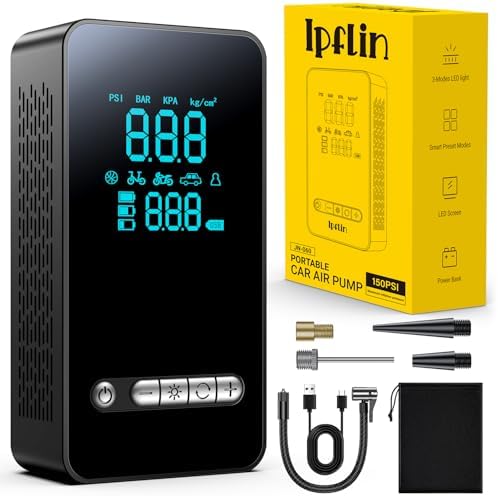

Understanding PSI Like a Pro
PSI stands for pounds per square inch. It’s a measure of how much air is inside the tyre.
Too low?
The tyre flexes more than designed, heating up and wearing the edges.
Too high?
The tyre becomes stiff, wearing in the center and losing grip.
Your Niro’s suspension and steering geometry are tuned for a specific range. Stray too far, and the car feels “off” in subtle ways—vague steering, jittery bumps, or a soft, floaty feel.
When Should You Check Tyre Pressure?
We recommend:
- Once a month
- Before long trips
- When seasons change
- Whenever the TPMS light appears
And always measure when tyres are cold—before driving more than a mile.
Hot tyres expand and give false readings. It’s like weighing yourself after dinner and blaming the scale.
You may be interested in reading Kia Niro Tyre Pressure Reset – The Complete Owner’s Guide
The Kia Niro TPMS Explained
Your Niro is equipped with a Tyre Pressure Monitoring System (TPMS). It constantly watches for pressure drops.
What the Warning Light Means
- A single tyre is low
- Multiple tyres are under pressure
- A sensor is malfunctioning
It doesn’t tell you which tyre is low—you still need a gauge.
How to Reset Kia Niro Tyre Pressure Light
In most Kia Niro models:
- Inflate all tyres to the correct PSI
- Drive for 5–10 minutes at 30+ mph
- The system recalibrates automatically
Some versions include a manual reset button in the dash menu.
If the light stays on:
- Recheck pressures
- Inspect for punctures
- Visit a tyre shop to scan sensors
Seasonal Tyre Pressure Changes
Air contracts in cold weather and expands in heat.
A rough rule:
For every 10°F (5°C) drop, pressure falls by about 1 PSI.
That’s why the TPMS light often appears on chilly mornings.
Winter Tips
- Check pressure more frequently
- Add 1–2 PSI if temperatures swing wildly
- Don’t overcorrect—follow the door sticker
Your Niro deserves consistency.
How Tyre Pressure Affects Fuel Economy
Low pressure increases rolling resistance. That means:
- Engine works harder
- Hybrid system engages more
- Battery drains faster
- MPG drops
Even a 3–4 PSI deficit can reduce efficiency by 2–3%.
In a car built to save fuel, that’s like leaving a window open in winter.
Incorrect pressure alters:
- Steering response
- Cornering grip
- Emergency braking distance
Underinflated tyres feel sluggish.
Overinflated tyres feel twitchy.
Your Niro is designed to feel calm and predictable. Proper pressure keeps that personality intact.
You may be interested in readingKia Niro Tyre Pressure Reset – The Complete Owner’s GuideYou may be interested in reading
 Kia Niro Boot Dimensions in CM – The Real-World Guide
Tyre Pressure for Different Loads
Carrying passengers or luggage?
For heavy loads:
- Add 2–3 PSI to rear tyres
- Maintain front at standard PSI
This prevents sagging and uneven wear.
Check your owner’s manual for exact “loaded” specs.
Common Tyre Pressure Mistakes
We see these all the time:
- Trusting the TPMS instead of a gauge
- Filling tyres when hot
- Using sidewall max PSI
- Ignoring slow leaks
- Forgetting the spare
The number on the tyre sidewall is maximum, not recommended. That’s like revving an engine at redline all day.
Choosing the Right Tyre for the Niro
Different tyres respond differently to pressure.
Popular Options
- Eco-focused low rolling resistance tyres
- All-season touring tyres
- Winter tyres for cold climates
Each has its own ideal range. Stick close to factory specs unless the tyre manufacturer advises otherwise.
A Simple Monthly Routine
Make tyre care effortless:
- Keep a digital gauge in the glovebox
- Check tyres first Saturday of each month
- Adjust when cold
- Quick visual inspection
- Reset TPMS if needed
Five minutes. That’s all it takes.
Closing Thoughts
Tyre pressure is invisible, silent, and powerful. It shapes how your Kia Niro feels, how far it goes on a tank, and how confidently it stops when it matters most.
Think of it as tuning an instrument. When every string is tight just right, the music flows. Your Niro is no different.
A few PSI can be the difference between a car that merely moves—and one that truly glides.
FAQs
1. What is the correct tyre pressure for a Kia Niro?
Most models use 33–36 PSI front and rear. Always confirm on the driver’s door sticker.
2. Why does my Kia Niro tyre light come on in cold weather?
Cold air contracts, reducing pressure. Even a small temperature drop can trigger the TPMS.
3. Can I drive with the tyre pressure warning light on?
Short distances are fine, but check pressure immediately. Prolonged driving risks tyre damage.
Kia Niro Tyre Pressure Reset – The Complete Owner’s GuideYou may be interested in reading
Kia Niro Boot Dimensions in CM – The Real-World GuideYou may be interested in reading
 Kia Niro Dashboard Warning Lights & Symbols (2017–2024)
4. Do I need to reset the TPMS after inflating tyres?
Most Niro models reset automatically after driving. Some require a menu-based reset.
5. Should I inflate tyres to the number on the tyre sidewall?
No. That’s the maximum limit. Use the vehicle’s recommended PSI instead.
If you want to know other articles similar to Kia Niro Tyre Pressure Guide: Drive Smarter, Safer, Farther you can visit the category Service and Parts.
How to Reset Volvo XC60 Infotainment System: The Complete Practical Guide
Volvo XC60 Gearbox Oil Change: The Complete Expert Guide
Volvo XC60 Engine Management Light: Causes, Fixes, and What It Really Means

Skoda Kamiq Size Comparison: Dimensions, Space & Real-World Practicality
Volvo XC60 Headlight Adjustment for Europe: The Complete Practical Guide
Volvo XC60 City Safety Service Required: What It Means, Causes, and Fixes
Leave a Reply
More content of your interest